@endphp Natural resources
Shrimp farming practices highlight opportunities for wider use of prebiotics and probiotics

Shrimp farming practices highlight opportunities for wider use of prebiotics and probiotics

04/11/2026
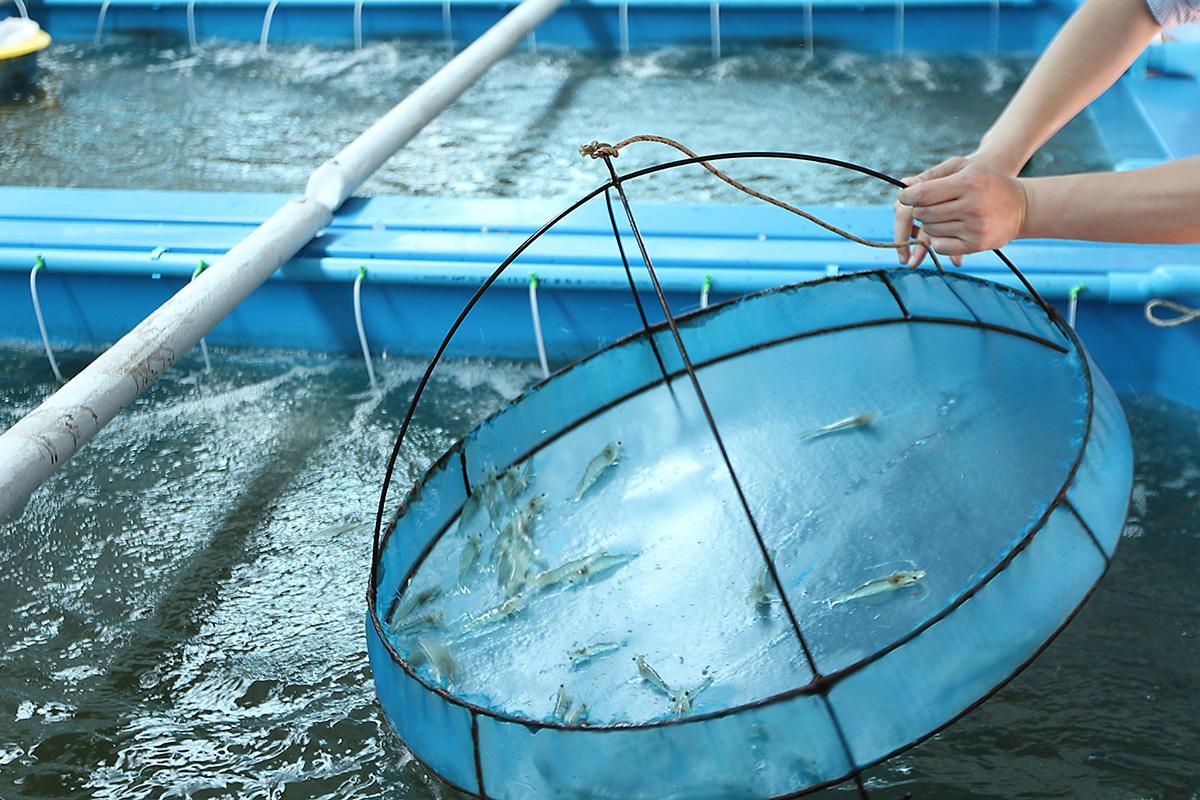
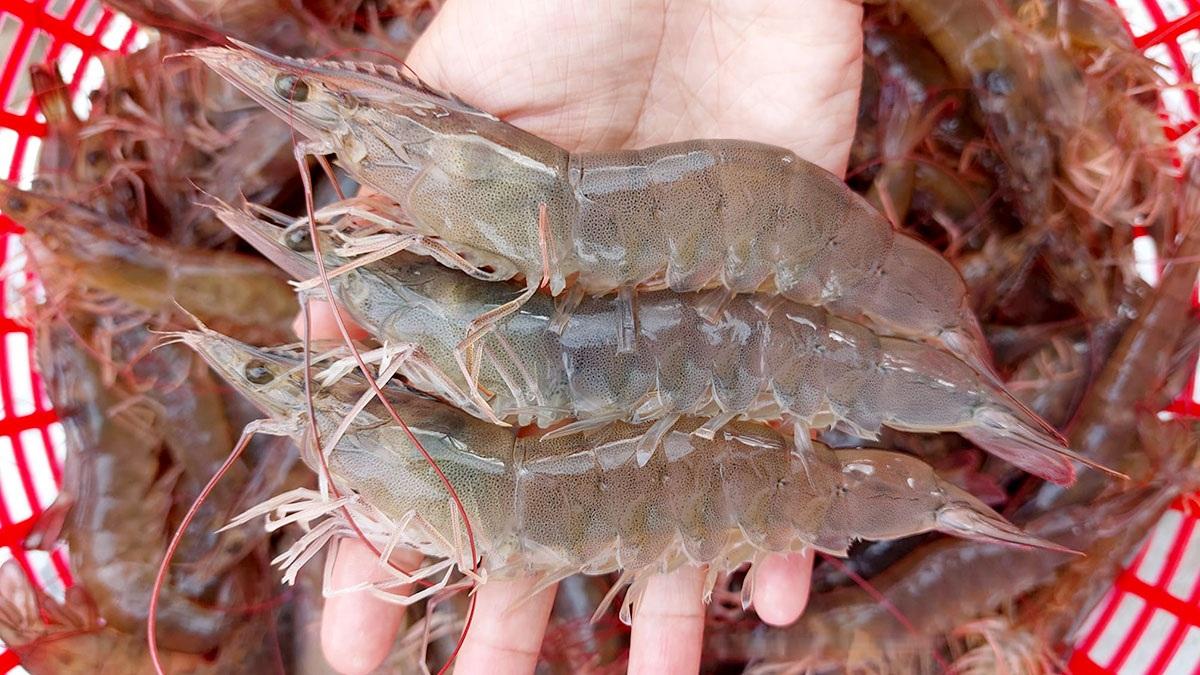
A survey of 90 whiteleg shrimp (Litopenaeus vannamei) farming households in the Mekong Delta found that probiotics are widely used in intensive and super-intensive production systems, whereas prebiotics and synbiotics remain less widely adopted. The findings provide practical evidence to inform the development of biological solutions better suited to production conditions, helping improve pond management and support more sustainable shrimp farming.
  • Improving support mechanisms for implementing Viet Nam’s 2023 Law on Cooperatives in the agricultural sector

    Improving support mechanisms for implementing Viet Nam’s 2023 Law on Cooperatives in the agricultural sector

    Effective implementation of the 2023 Law on Cooperatives requires not only dissemination of its provisions but also practical guidance and support mechanisms tailored to cooperatives’ operating conditions. A 2025 field survey conducted by Phung Giang Hai, Hoang Minh Huy, Vu Thi Thu Giang, and Nguyen Thi My across six localities identified challenges in applying six groups of new provisions and assessed support needs relating to legal compliance, governance, financial management, and operational arrangements. The findings provide an empirical basis for refining implementation guidance and developing support measures that better address the needs of agricultural cooperatives in Viet Nam.
  • Bacterial–microalgal systems improve domestic wastewater treatment

    Bacterial–microalgal systems improve domestic wastewater treatment

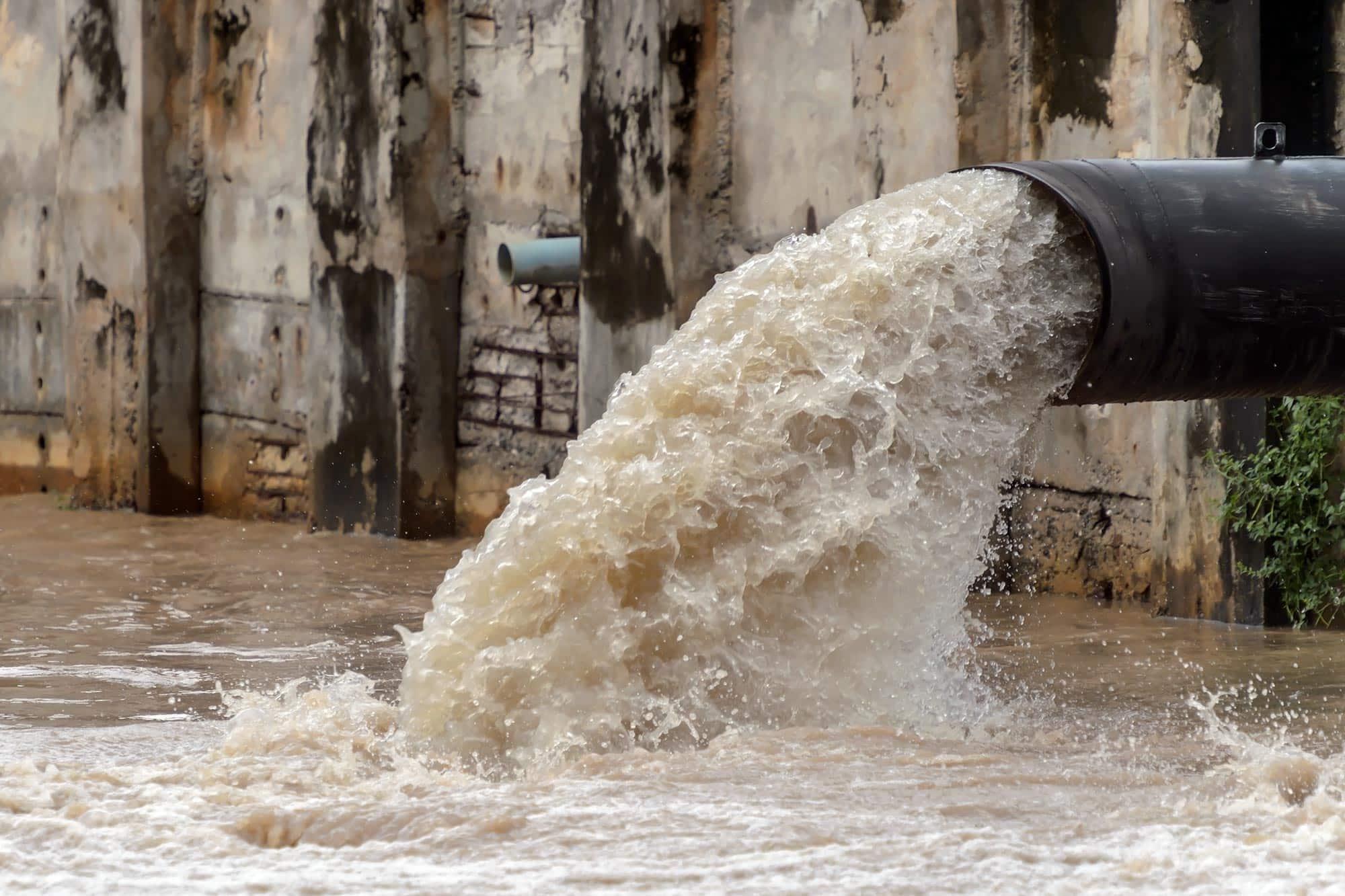
    A laboratory-scale study by Nguyen Thi Minh, Do Thi Thuy, and Le Minh Nguyet of Vietnam National University of Agriculture (VNUA) found that combining selected bacterial strains with microalgae improved domestic wastewater treatment efficiency. After 14 days, the combined system achieved a chemical oxygen demand (COD) removal efficiency of 96.67%, while substantially reducing organic pollutants, nutrients, and microbial indicators of contamination.
  • Genetic variation data support rice breeding for yield and grain quality

    Genetic variation data support rice breeding for yield and grain quality

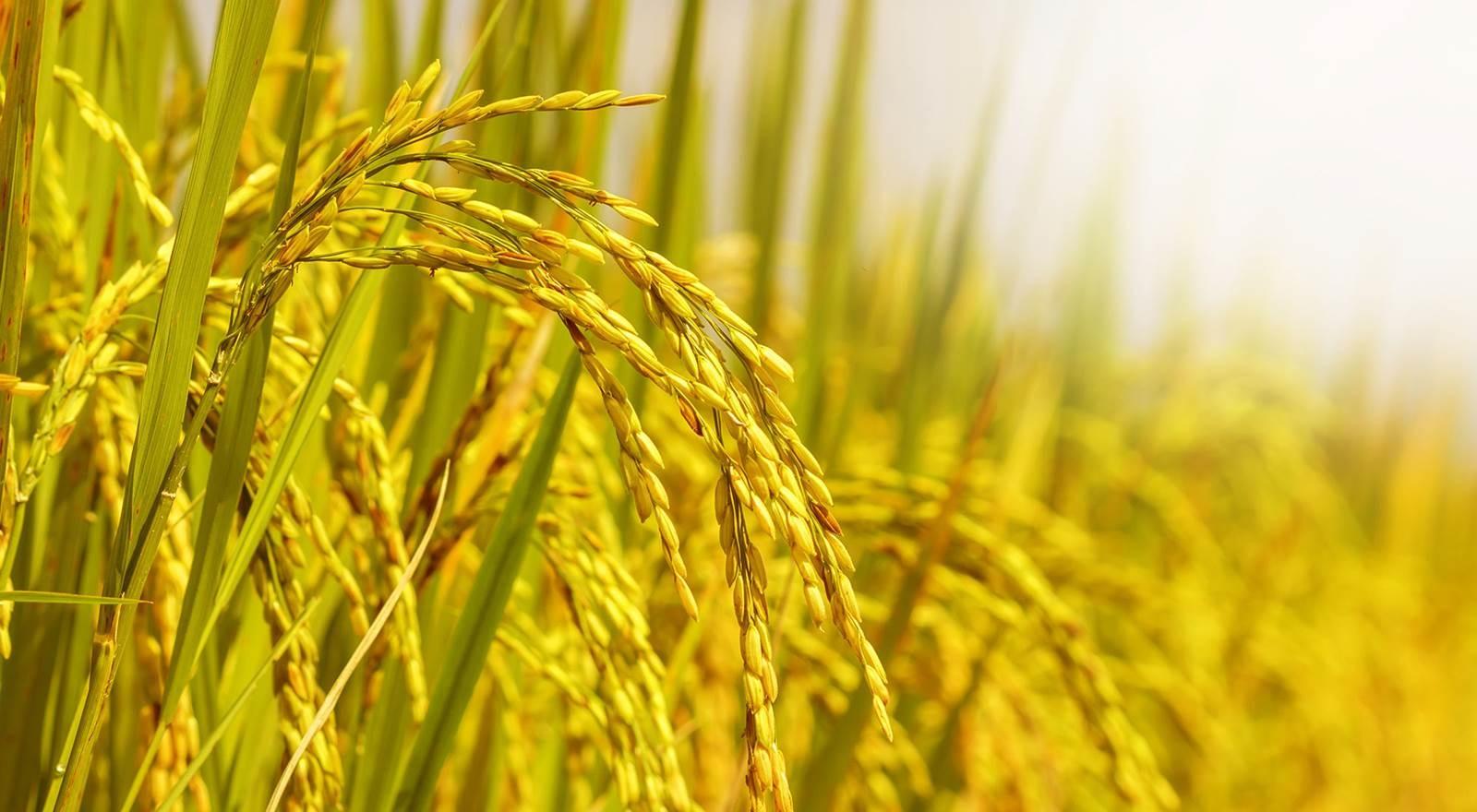
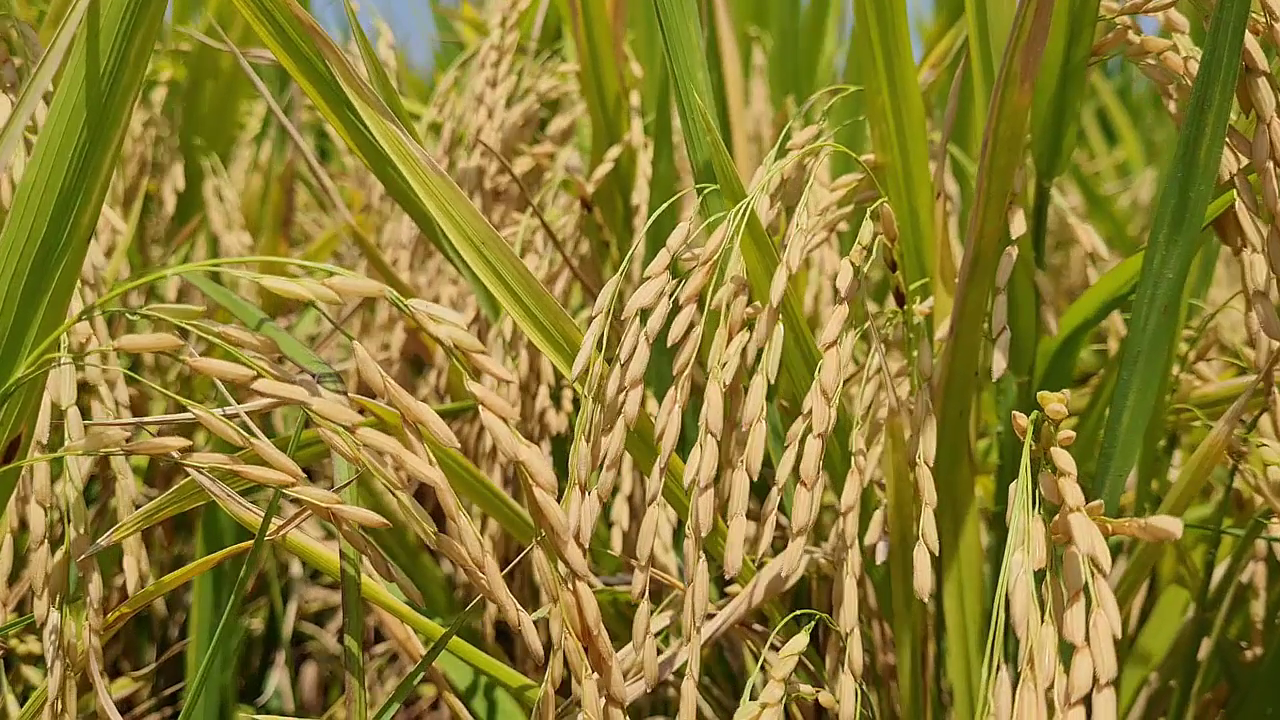
    A study by Khong Ngan Giang and colleagues investigated genetic variation in three promising rice mutant lines using whole-genome sequencing data. By analyzing 186 genes associated with growth, yield, and grain quality, the researchers identified 10,614 single-nucleotide polymorphism (SNP) and insertion/deletion (INDEL) variants and designed 42 candidate INDEL primer pairs. The findings expand the available genetic variation data and provide potential tools for genetic research, germplasm evaluation, and marker-assisted rice breeding.
  • Integrated land data for more stable revenue mobilization in Viet Nam

    Integrated land data for more stable revenue mobilization in Viet Nam

    Land-based revenues in Viet Nam more than tripled between 2015 and 2024, but their composition remains heavily dependent on land-use levies. Research by Phan Thi Thanh Huyen and colleagues highlights the importance of improving land data, strengthening information connectivity, and diversifying fiscal instruments to enhance land-based revenue mobilization.
  • Land suitability and fruit tree development in Can Tho's low-lying areas

    Land suitability and fruit tree development in Can Tho's low-lying areas

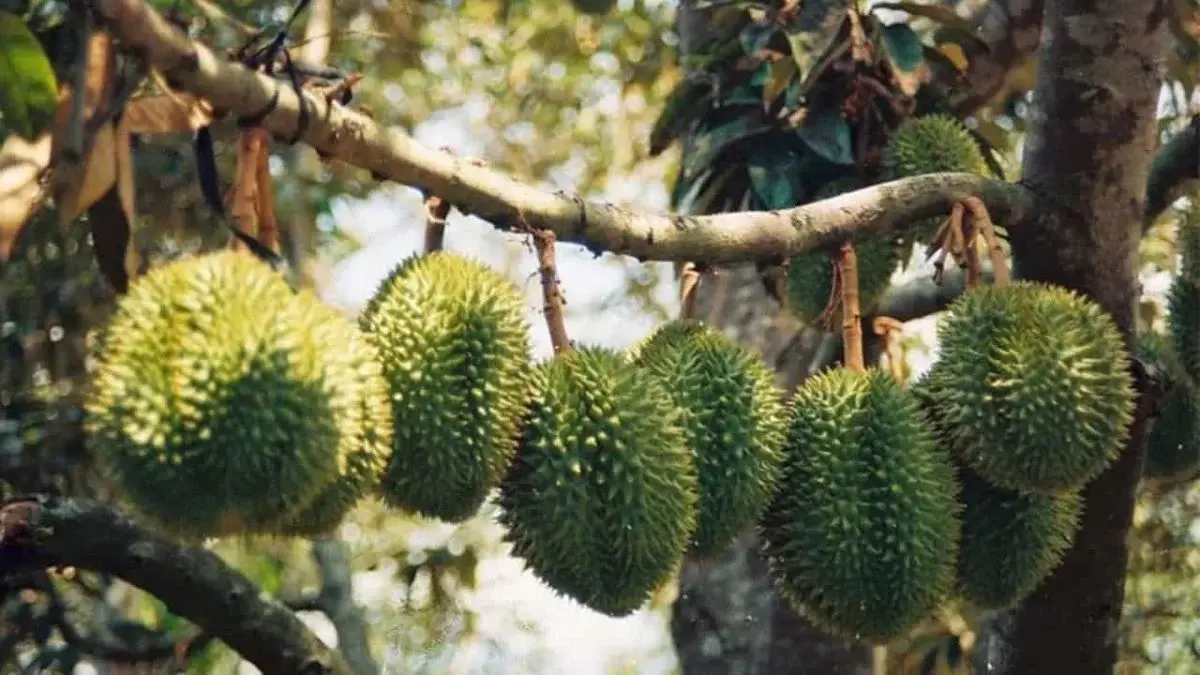
    Fruit tree cultivation in the low-lying western part of Can Tho City requires crop selection that reflects local soil characteristics and hydrological conditions. A study by Phan Hoang Vu, Pham Thanh Vu, Vo Quang Minh, and Tran Quoc Kiet identified land constraints affecting durian and jackfruit, providing a scientific basis for crop planning and soil and water management tailored to local conditions.
  • Circular economy potential in quail farming

    Circular economy potential in quail farming

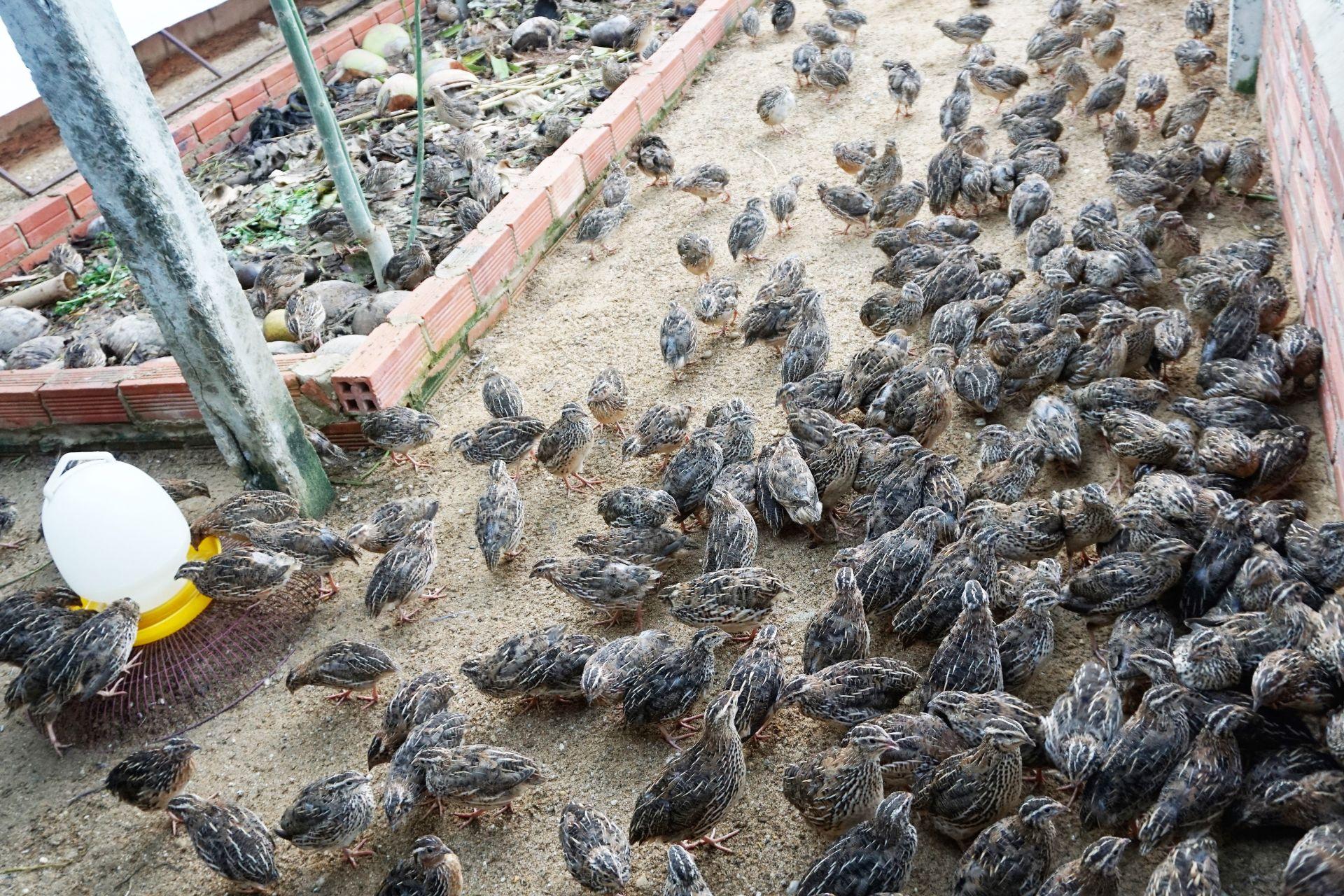
    Quail farming offers several advantages, including flexible production scales, relatively low investment requirements, rapid growth, and short production cycles. A study by Van Thi Ai Nguyen and Le Thanh Thang examines the potential for applying a circular economy model to quail farming, particularly through the reuse of manure and feathers. By identifying resource losses along the livestock value chain, the study considers how by-product recovery could increase value in the sector and help reduce emissions. Realizing these potential benefits, however, requires appropriate technical processes, reliable market linkages, and economically viable solutions.
  • Urban green spaces and public health: The importance of vegetation structure

    Urban green spaces and public health: The importance of vegetation structure

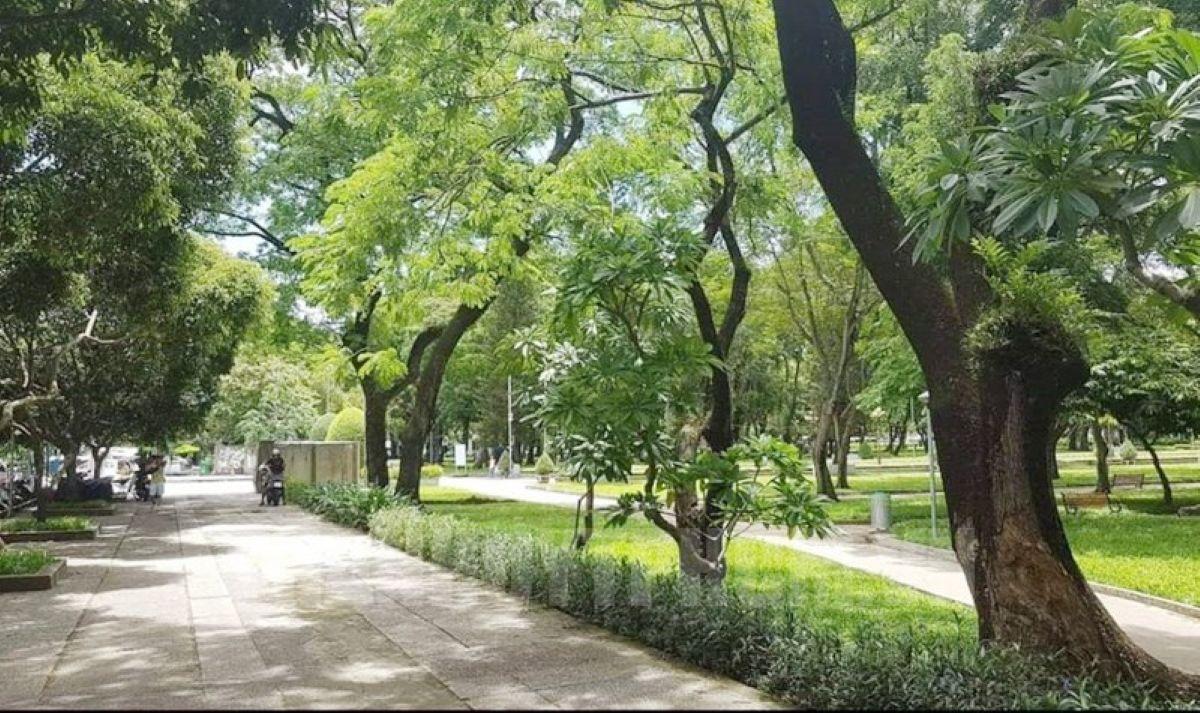
    The health value of urban green spaces cannot be assessed by tree abundance or green space area alone. It also depends on vegetation structure, how people perceive their surroundings, and the contexts in which they access and use these spaces. A systematic review of 30 studies published between 2020 and 2026 by Pham Thi Bich Phuong and Li Shuhua consolidates evidence of the positive relationship between urban green spaces and public health. The authors also propose an integrated “vegetation–perception–health” framework to inform research and urban planning, particularly in tropical cities.
  • Harnessing fruit by-products for a circular economy in Dong Thap province

    Harnessing fruit by-products for a circular economy in Dong Thap province

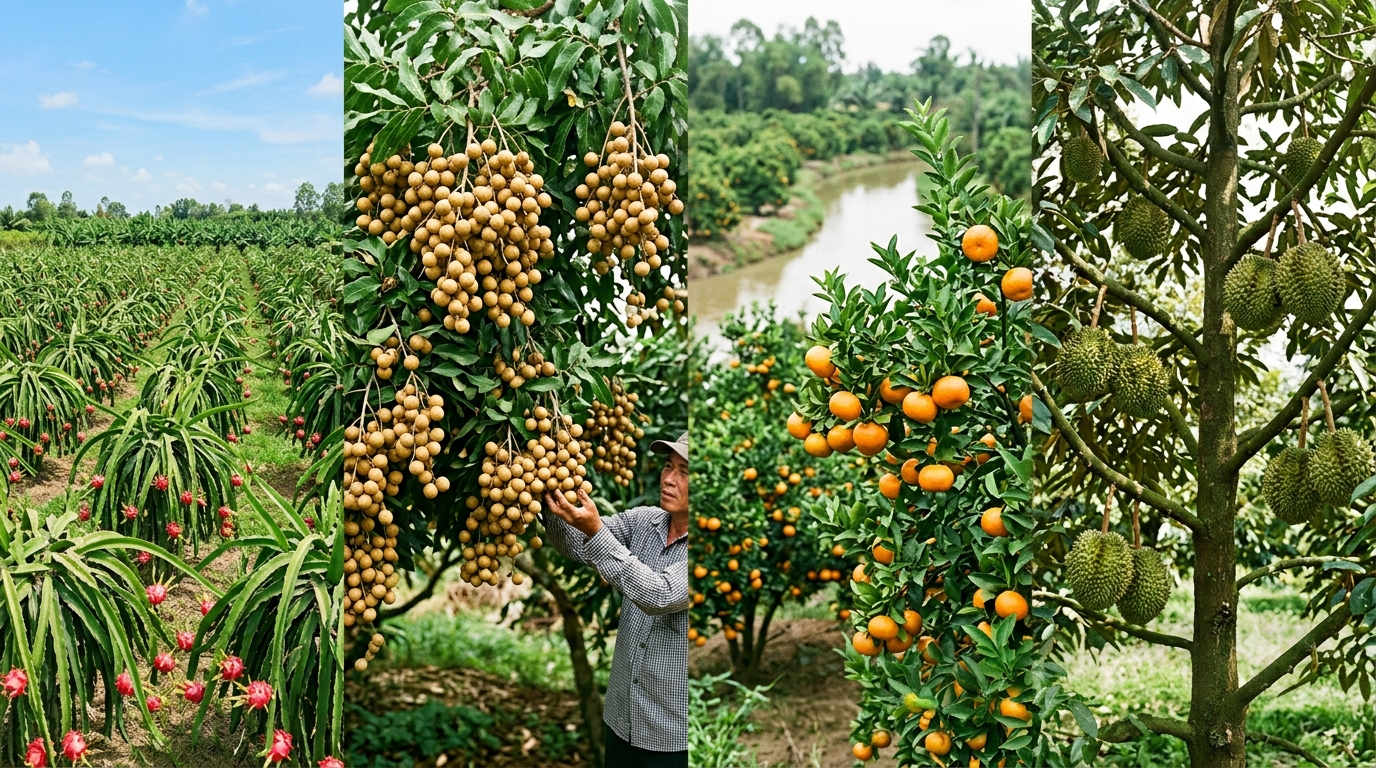
    Durian, mandarin orange, and longan are economically important fruit crops for many farm households in Dong Thap Province. Their cultivation and harvesting also generate substantial quantities of by-products. Research by Nguyen Tran Thanh Truc, Nguyen Cam Tien, Pham Cam Dang, and Vo Quang Minh of the Department of Land Resources, College of Environment and Natural Resources, Can Tho University, highlights the potential to utilize these materials under a circular economy approach. The proposed models could create additional value from agricultural by-products while improving resource-use efficiency, soil quality, and the sustainability of agricultural production.
  • Science and technology in fisheries: From research capacity to value creation

    Science and technology in fisheries: From research capacity to value creation

    Science and technology play an important role in the development of the agriculture and environment sector, contributing to national food security, greater production efficiency and producer incomes, stronger exports, and Viet Nam’s position as a major agricultural producer in the global market. However, the development and application of science and technology in Viet Nam in general, and in fisheries and fisheries surveillance in particular, still face a number of limitations. It is therefore essential to establish orientations for science and technology development and innovation in fisheries and fisheries surveillance for the 2026–2030 period.
  • Viet Nam and the effort to enhance the value of Khong Lao ancient tea

    Viet Nam and the effort to enhance the value of Khong Lao ancient tea

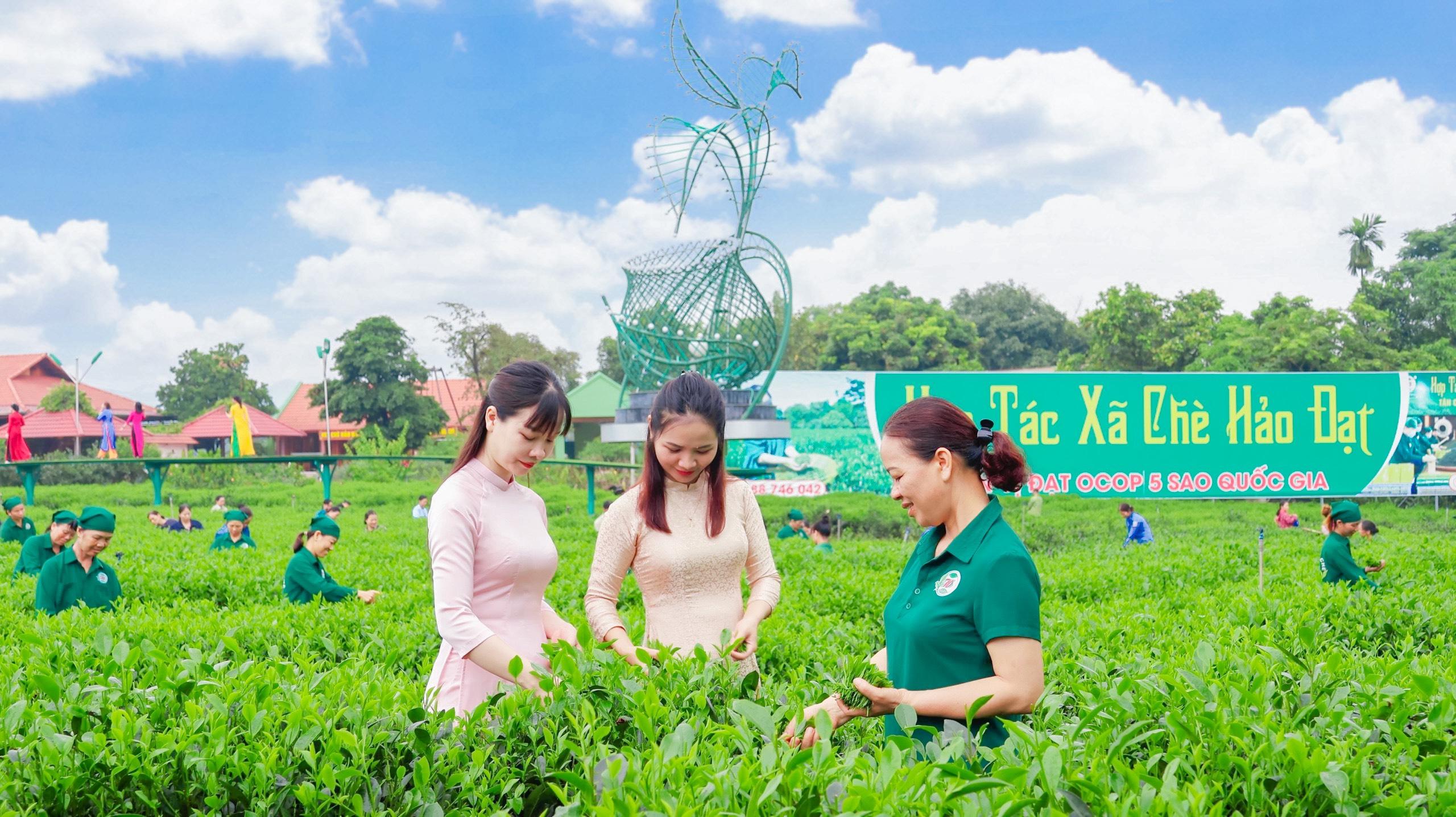
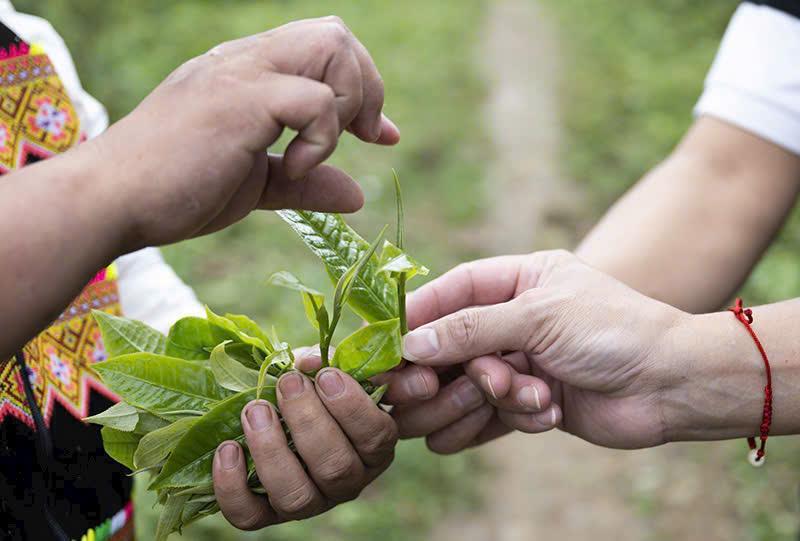
    In the highlands of Northern Viet Nam, ancient Shan tea trees not only provide raw materials for distinctive tea products but also preserve valuable genetic resources, indigenous knowledge, and the livelihoods of ethnic minority communities.
  • Viet Nam’s circular economy approach to end-of-life vehicles and electric vehicle batteries

    Viet Nam’s circular economy approach to end-of-life vehicles and electric vehicle batteries

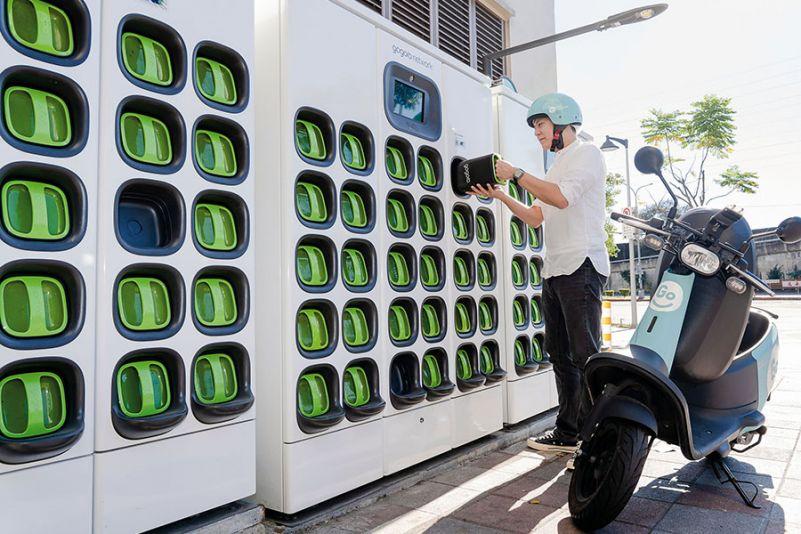
    The rapid development of electric mobility is supporting Viet Nam’s energy transition and helping reduce emissions from the transport sector. However, the environmental performance of this transition depends not only on the number of electric vehicles (EVs) in use but also on how vehicles and batteries are managed at the end of their useful lives. Before the volume of end-of-life batteries increases substantially, Vietnam is studying models for the collection, reuse, remanufacturing, and recycling of end-of-life vehicles and EV batteries, with a view to establishing a circular value chain.
  • Negotiation dynamics and socio-economic implications for Viet Nam

    Negotiation dynamics and socio-economic implications for Viet Nam

    While the international community continues to seek common ground on a global legally binding instrument to end plastic pollution, the question for Viet Nam is not only when the Global Plastics Treaty will be adopted, but, more importantly, how prepared the domestic economy, businesses, and governance systems are for the new requirements it may entail.
  • Water lettuce points to a new biological solution for piggery wastewater

    Water lettuce points to a new biological solution for piggery wastewater

    A scientific study by An Giang University, Vietnam National University, Ho Chi Minh City, and the An Giang Center for Rural Clean Water and Environmental Sanitation has demonstrated the potential of water lettuce (Pistia stratiotes) for treating piggery wastewater under natural conditions. The findings show that treatment performance varies with the initial biomass density and the pollutant being targeted. The approach offers a low-cost, environmentally friendly biological treatment option with potential for application by pig farms and household producers in Viet Nam.
  • Local rice germplasm reveals promising accessions for grain quality

    Local rice germplasm reveals promising accessions for grain quality

    A study of 180 local rice accessions conserved at the Plant Resources Center revealed diversity in subspecies classification and grain quality traits. Within this germplasm collection, researchers identified eight accessions with promising characteristics, including aroma, low amylose content, and low to intermediate gelatinization temperatures, providing additional genetic resources for conservation and the breeding of high-quality rice varieties.
  • Shifts in Tonle Sap lake’s seasonal water storage and release cycle

    Shifts in Tonle Sap lake’s seasonal water storage and release cycle

    Weekly discharge analysis at the Kratie, Tan Chau, and Chau Doc stations for 1980–2024 indicates that Tonle Sap Lake continues to exhibit natural dual-phase regulation, although the timing of water storage and release has shifted. The findings of Nguyen Trinh Chung, Nguyen Dang Tinh, and Phan Khanh Khanh contribute to the scientific evidence base for monitoring changes in river discharge and informing water-resource management across the Mekong River Basin.
  • Potential for rooftop rainwater harvesting and reuse in Ho Chi Minh City

    Potential for rooftop rainwater harvesting and reuse in Ho Chi Minh City

    Rainwater harvested from rooftops could provide a supplementary source of water for non-potable uses while helping reduce urban surface runoff. However, utilizing this resource requires appropriate collection infrastructure, water quality management, and on-site storage capacity. A study by Vu Thi Hoai Thu, Nguyen Thanh Huong, and Trieu Anh Ngoc examines the potential for rooftop rainwater harvesting in the area of Ho Chi Minh City as defined before the administrative merger. The findings also highlight opportunities to integrate rainwater reuse into urban runoff management.
  • Dragon fruit by-products and their potential for organic fertilizer production

    Dragon fruit by-products and their potential for organic fertilizer production

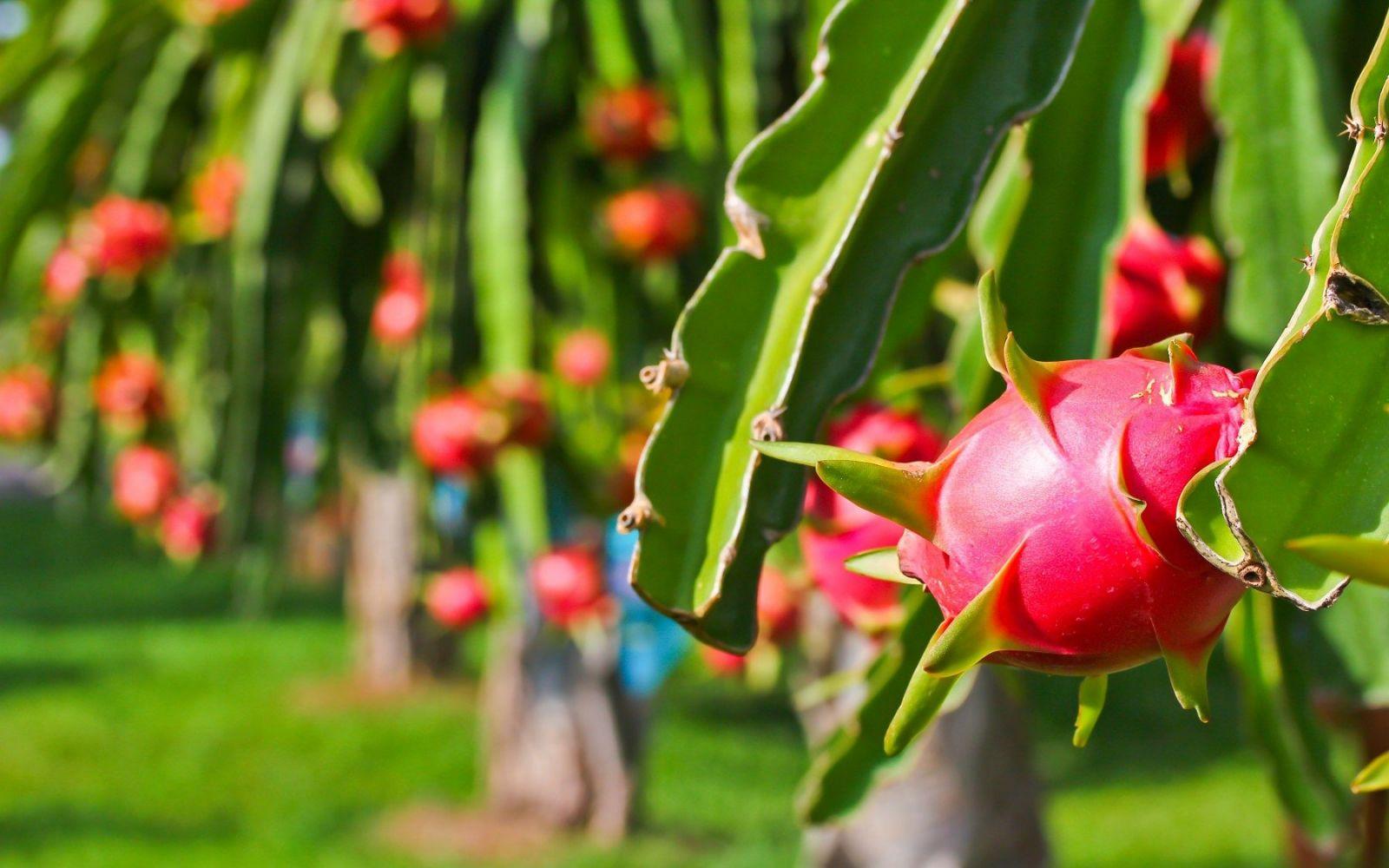
    Stems, flowers, and fruit removed during cultivation and harvesting generate substantial quantities of by-products in major dragon fruit production areas. A survey conducted by researchers at the Southern Horticultural Research Institute found that, alongside basic disposal practices, some growers are already reusing these materials to produce organic fertilizer. The findings provide a basis for further improving collection and treatment methods so that more of these materials can be returned to agricultural production.