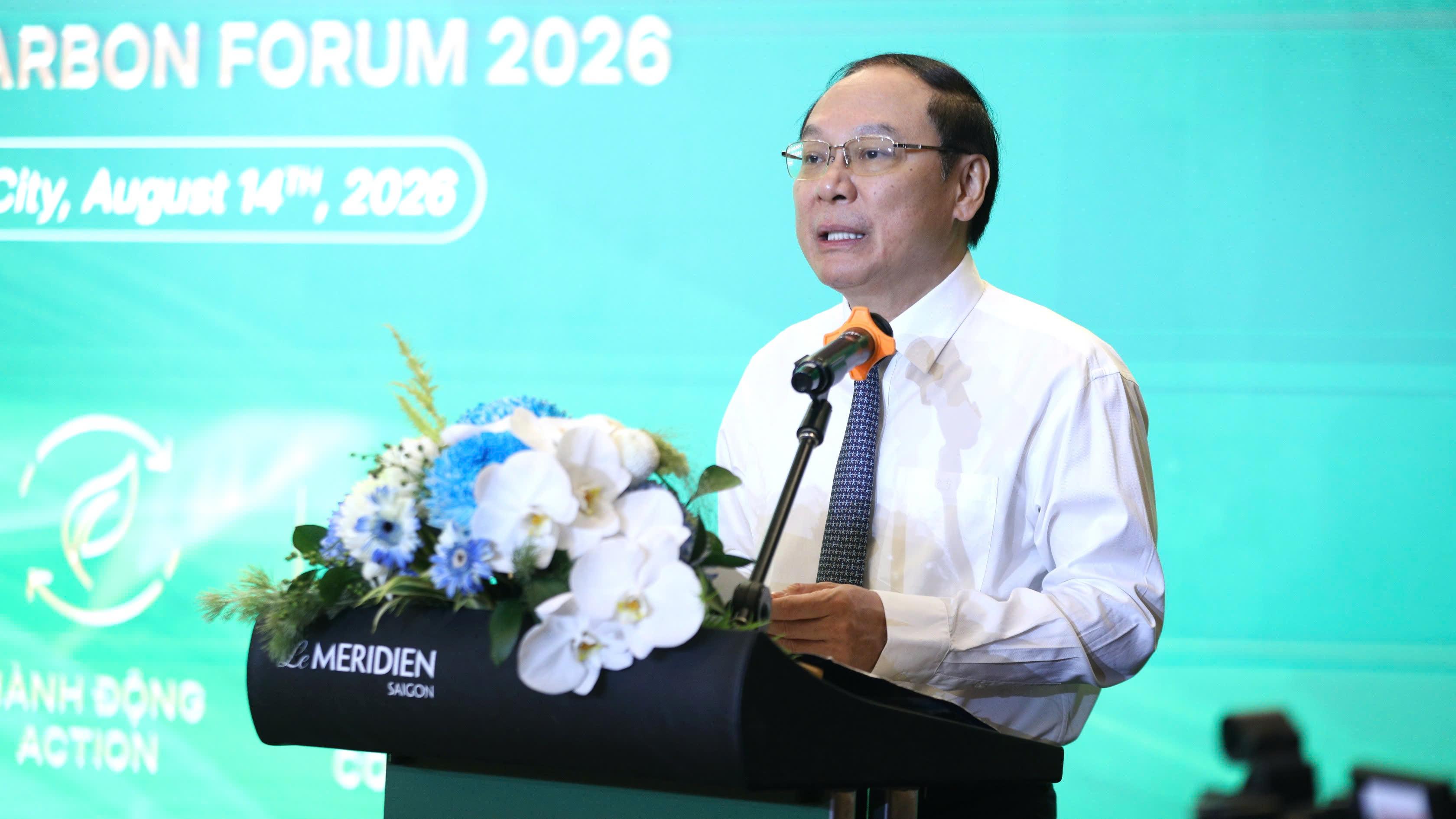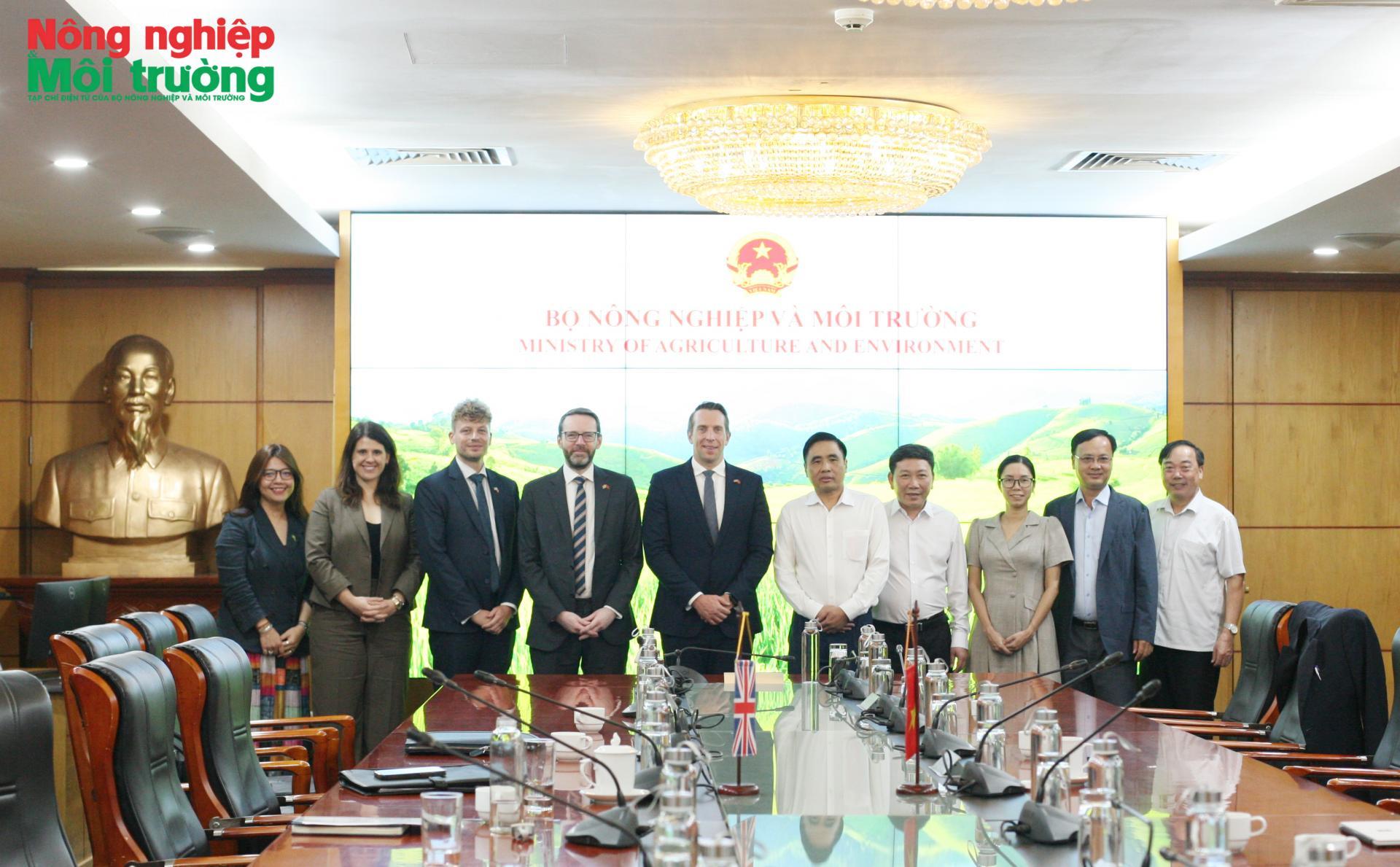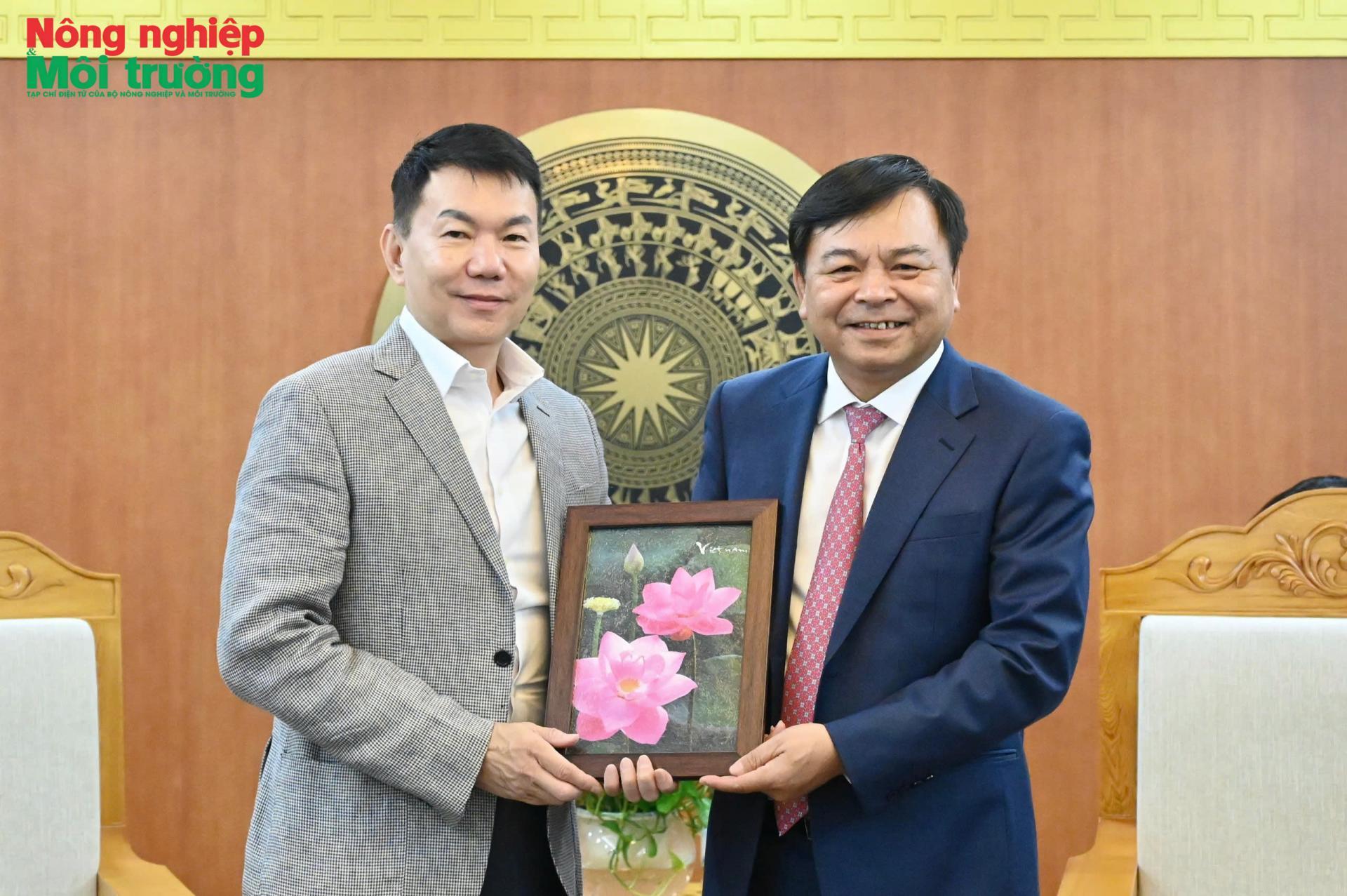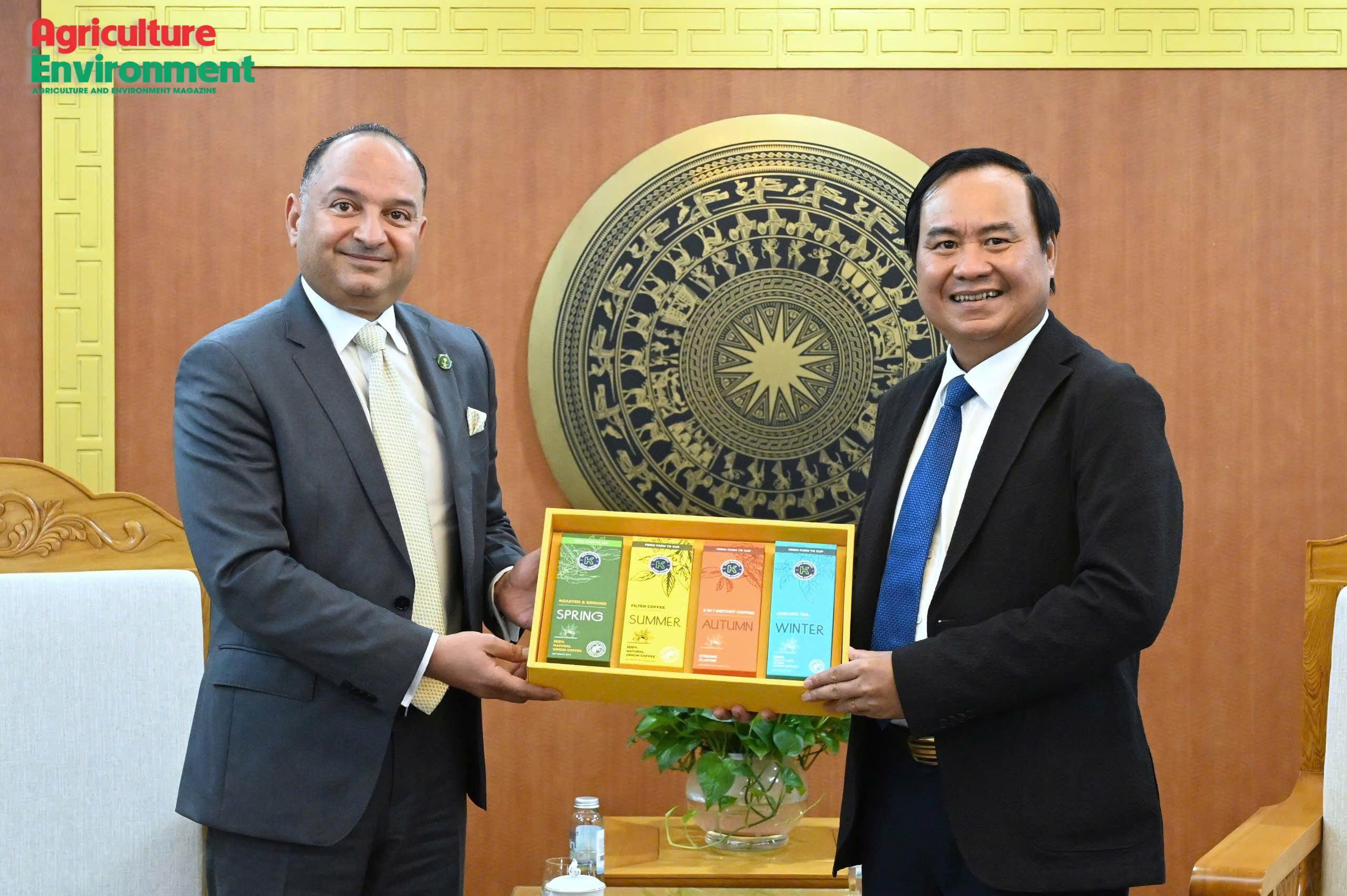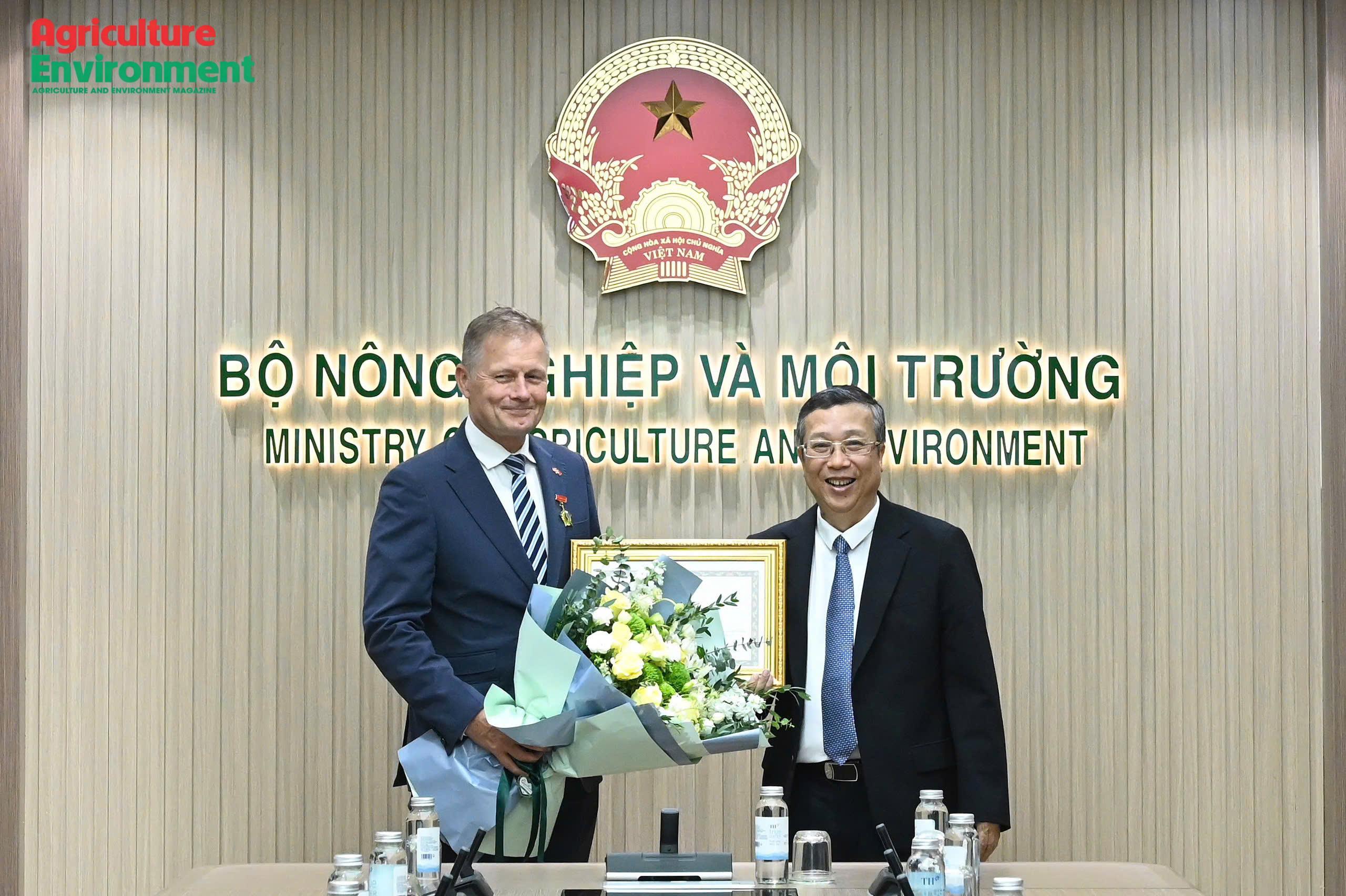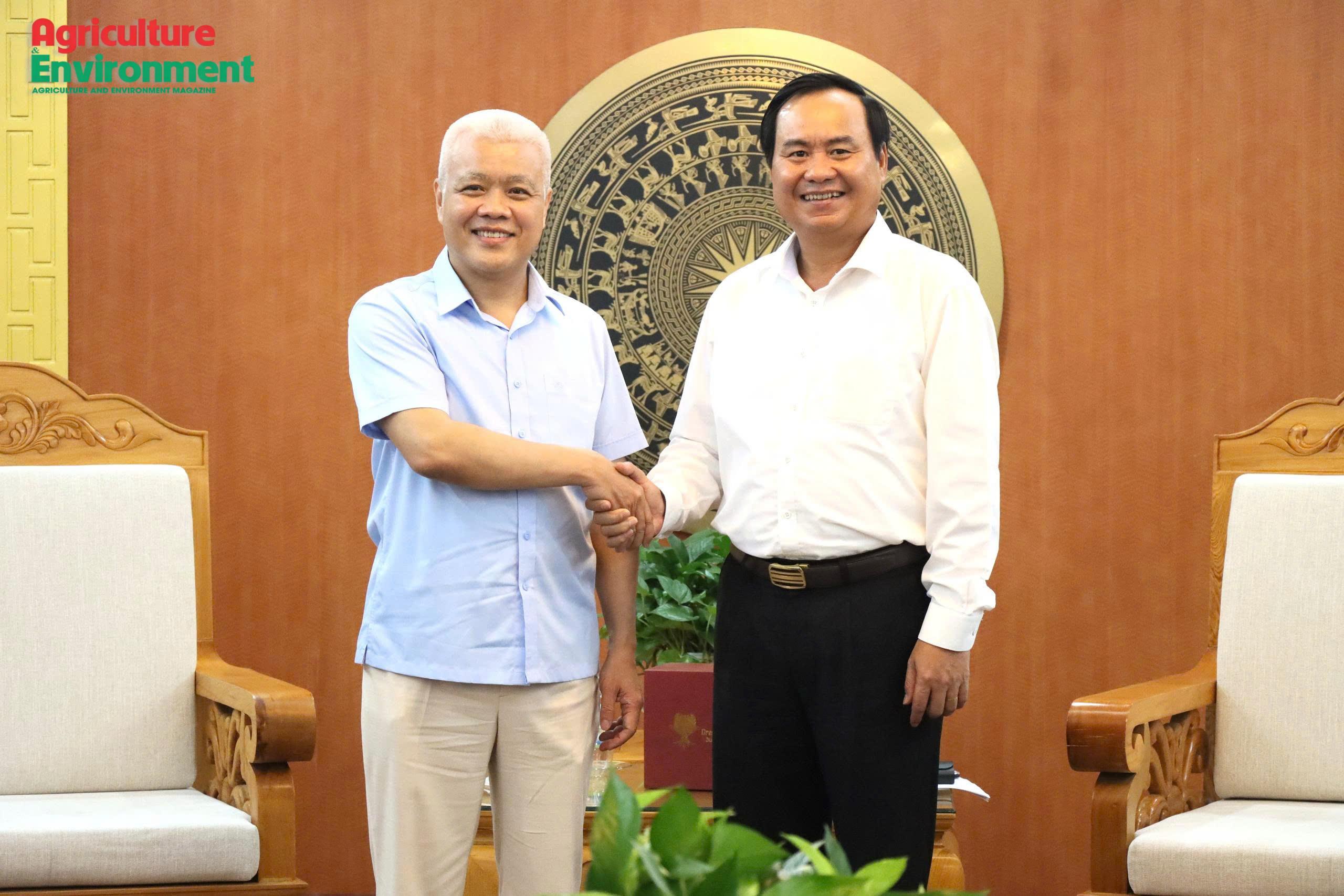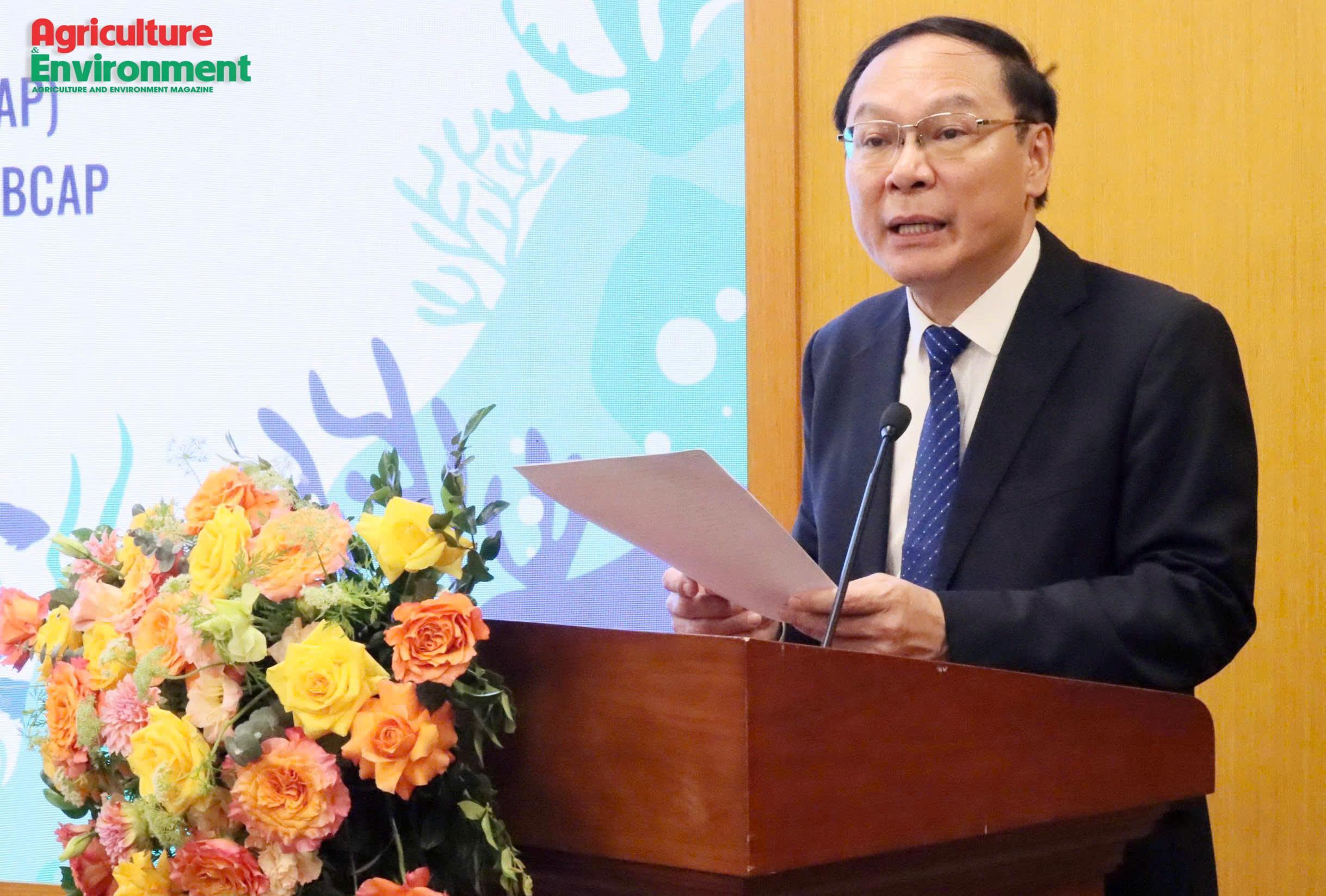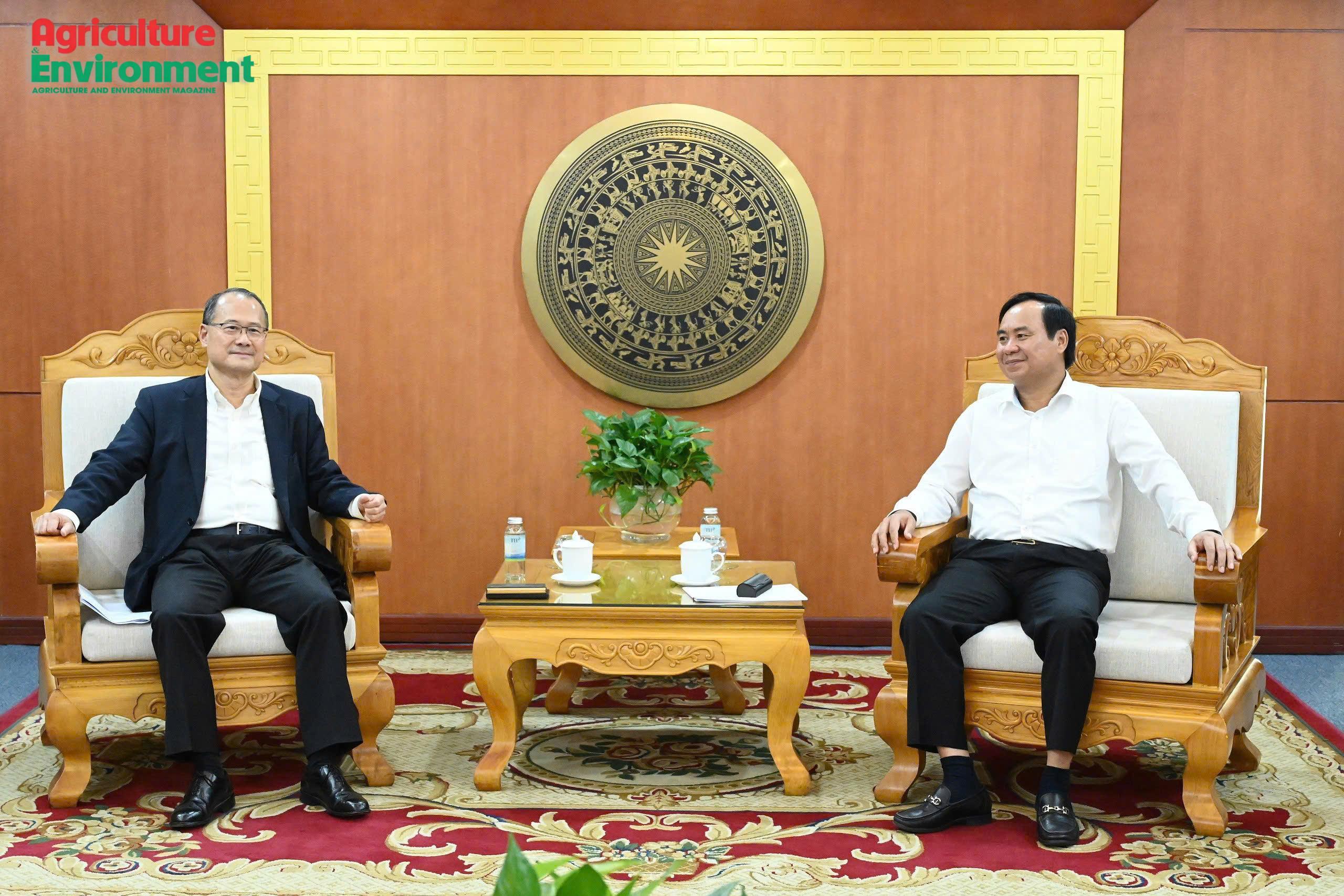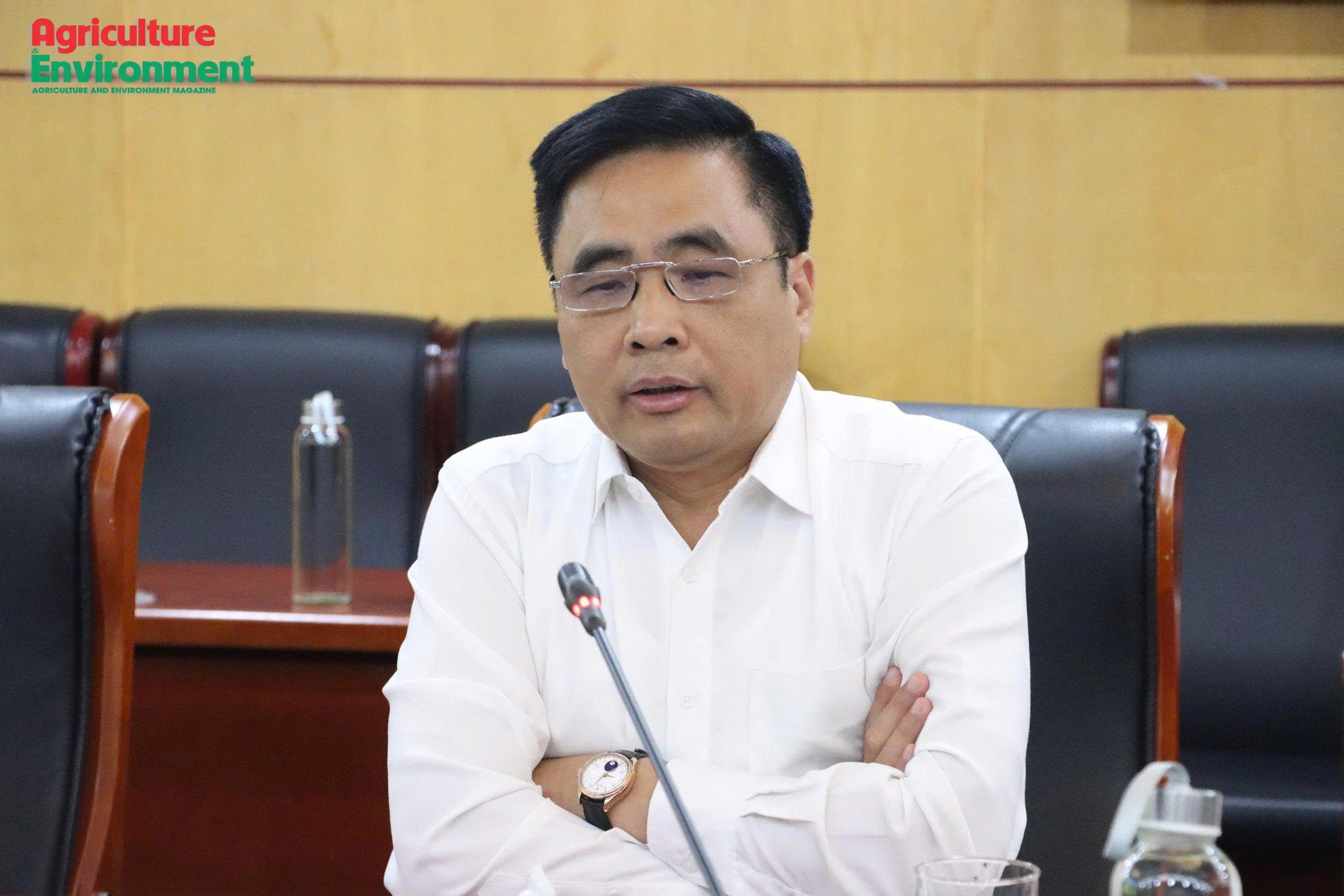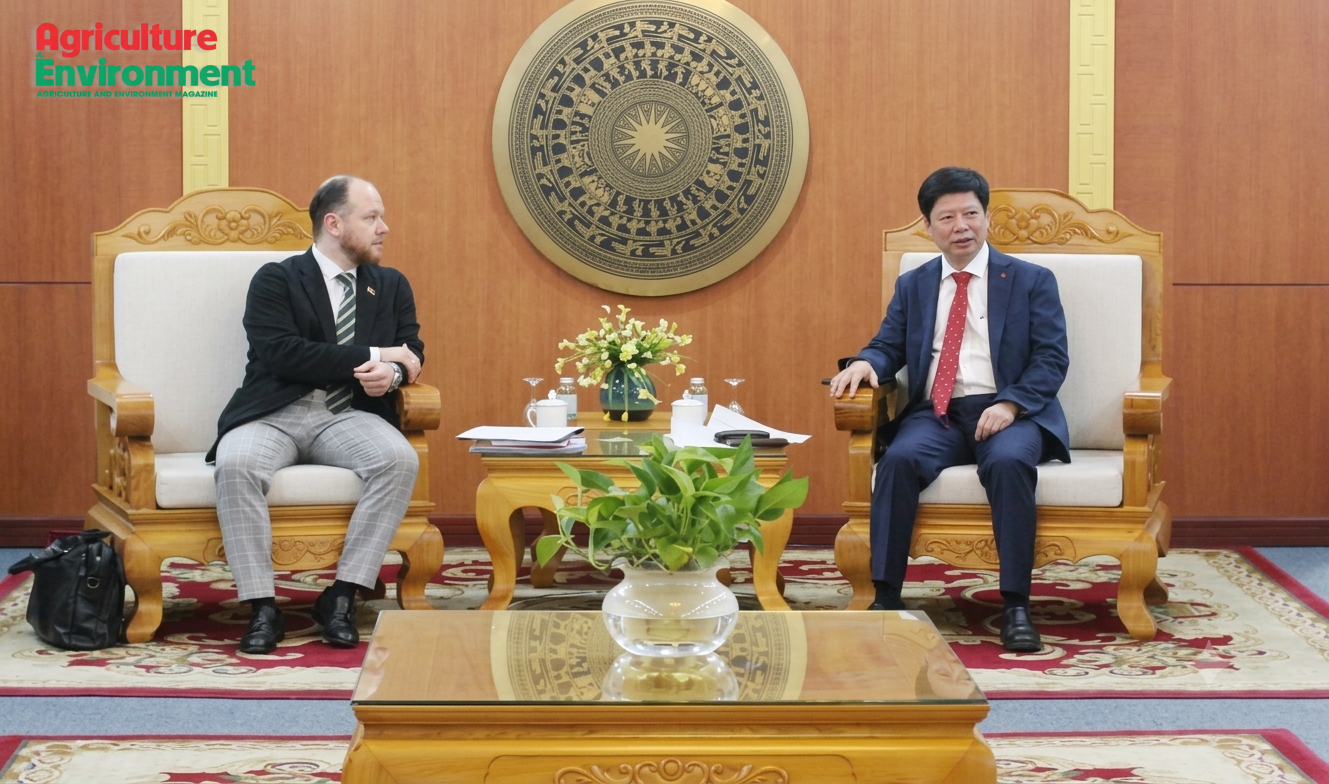
Deputy Minister of Agriculture and Environment Le Cong Thanh on March 19 highlighted potential cooperation with Hungary in mineral technologies and e-waste recycling, seen as key to advancing a circular economy.
Viet Nam and Zambia discussed measures to strengthen bilateral agricultural cooperation during a working visit by a Zambian delegation to Viet Nam, focusing on accelerating the drafting and signing of a Memorandum of Understanding (MoU) on agriculture to expand practical cooperation between the two countries.
As Viet Nam accelerates efforts to pursue rapid growth while reducing emissions, science and technology, together with international cooperation, are increasingly viewed as key drivers in addressing environmental challenges.
Prime Minister Pham Minh Chinh has appointed Tran Hong Thai, a member of the Party Central Committee, as President of the Vietnam Academy of Science and Technology.
Viet Nam and the United Nations agreed to focus on a substantive review of the 2025 response plan, finalize the 2026 contingency plan in April, and strengthen early warning and response capacity at the grassroots level. The priorities were discussed at a meeting between the Ministry of Agriculture and Environment and UN partners.
At a meeting on March 3, 2026, the Asian Development Bank (ADB) and Viet Nam’s Ministry of Agriculture and Environment agreed to accelerate cooperation in a new phase, prioritizing large-scale, integrated projects in agricultural infrastructure, climate change adaptation and food systems transformation.
Vietnam plans major cross-sector science and technology tasks to strengthen irrigation, water resources management and disaster prevention for 2026–2030.
The French Government has decided to confer the Ordre des Palmes Académiques, one of the highest honors of the French Republic, on Prof. Dr. Hoang Anh Tuan in recognition of his contributions to science, education and culture. He is Rector of the University of Social Sciences and Humanities, Vietnam National University, Hanoi.
Viet Nam and Norway are accelerating negotiations toward the signing of a Memorandum of Understanding (MoU) on a Green Strategic Partnership between Viet Nam’s Ministry of Agriculture and Environment and Norway’s Ministry of Foreign Affairs. Building on effective cooperation and strong political trust, the proposed MoU is expected to establish a comprehensive legal framework to expand and deepen bilateral cooperation in line with international commitments on green growth and sustainable development.
An exchange of notes for the project “Strengthening disaster and climate resilience for children through integrating disaster risk reduction education in Viet Nam” was signed on February 10 at the headquarters of the Ministry of Agriculture and Environment. The document was signed by Japanese Ambassador to Viet Nam Ito Naoki and UNICEF Representative in Viet Nam Silvia Danailov, in the presence of Deputy Minister of Agriculture and Environment Nguyen Hoang Hiep, who delivered remarks at the ceremony.
As Viet Nam’s agricultural sector faces mounting pressure to restructure in line with environmental protection and climate adaptation, cooperation with leading regional education and research institutions is increasingly viewed as a strategic priority. This direction was highlighted at a meeting on February 2 between leaders of Viet Nam’s Ministry of Agriculture and Environment and China Agricultural University (CAU).
The Ministry of Agriculture and Environment on January 31 held a ceremony in Hanoi to present Vietnam’s ASEAN Eco-Schools Award 2025 under the theme “Plastic waste-free schools”. The event honored 60 outstanding schools nationwide and underscored the central role of education in shaping awareness, changing behavior and promoting green and sustainable development values from younger generations to the wider community.
As Resolution No. 57-NQ/TW calls for more effective use of data and stronger innovation, the remote sensing sector is under growing pressure to achieve breakthroughs in technology, implementation capacity and practical application. A working session held on January 29, chaired by Deputy Minister Nguyen Thi Phuong Hoa with the Department of National Remote Sensing, clarified key directions for developing the department’s science, technology and innovation plan for 2026–2030, with a focus on addressing practical challenges in agriculture and the environment.
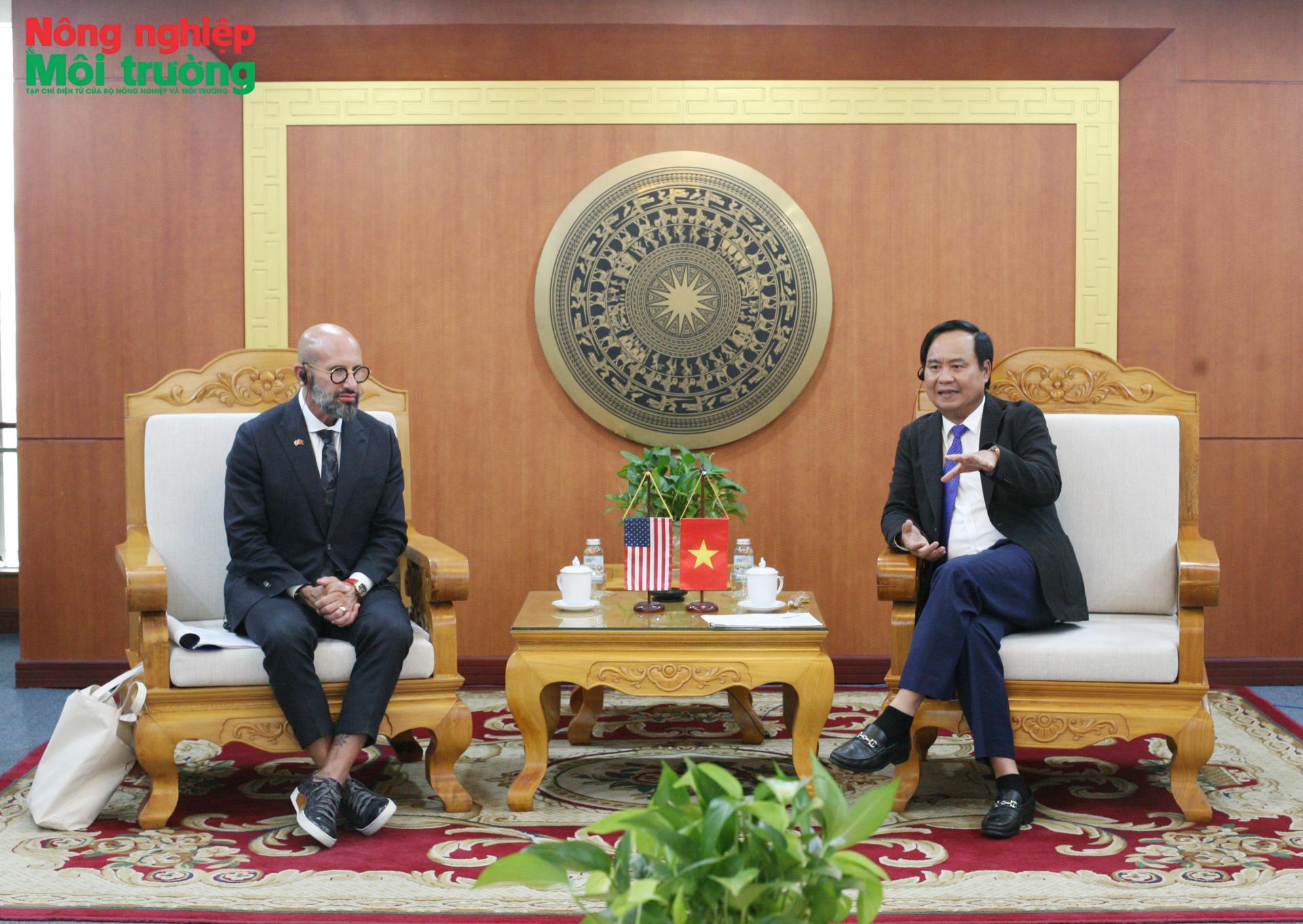
On January 16, Minister of Agriculture and Environment Tran Duc Thang received U.S. Ambassador to Viet Nam Marc Knapper for a farewell meeting as the ambassador concluded his term of office. The two sides reviewed key cooperation outcomes during Ambassador Knapper’s tenure, particularly in agriculture, environment, and sustainable development—core pillars of Viet Nam–U.S. bilateral relations.
Viet Nam’s Ministry of Agriculture and Environment and South Korea have agreed to strengthen practical and sustainable cooperation in agricultural trade, focusing on market access, the removal of technical barriers, and a plan to establish a joint working group to support businesses from both countries. The agreement was reached on January 16 during talks between Minister of Agriculture and Environment Tran Duc Thang and South Korean Ambassador to Viet Nam Choi Youngsam. The proposed working group would facilitate investment, business linkages and deeper participation in bilateral agricultural value chains.
Deputy Minister of Agriculture and Environment Hoang Trung on January 15 met with a delegation from CropLife Viet Nam to discuss cooperation on pesticide management and the application of science and technology to support sustainable agriculture.
By strengthening linkages across production, processing and trade, while leveraging U.S. strengths in supply chain development and feed inputs, the “U.S.–Viet Nam aquaculture value chain partnership” is expected to bring a fundamental shift to Viet Nam’s tilapia sector. The project aims to position tilapia as a new export pillar, raise farmers’ incomes, increase value added in the fisheries sector, and reinforce Viet Nam–U.S. agricultural cooperation on a more substantive and sustainable footing.