Viet Nam discusses roadmap to reduce, end dog and cat meat trade

Viet Nam discusses roadmap to reduce, end dog and cat meat trade

04/02/2026
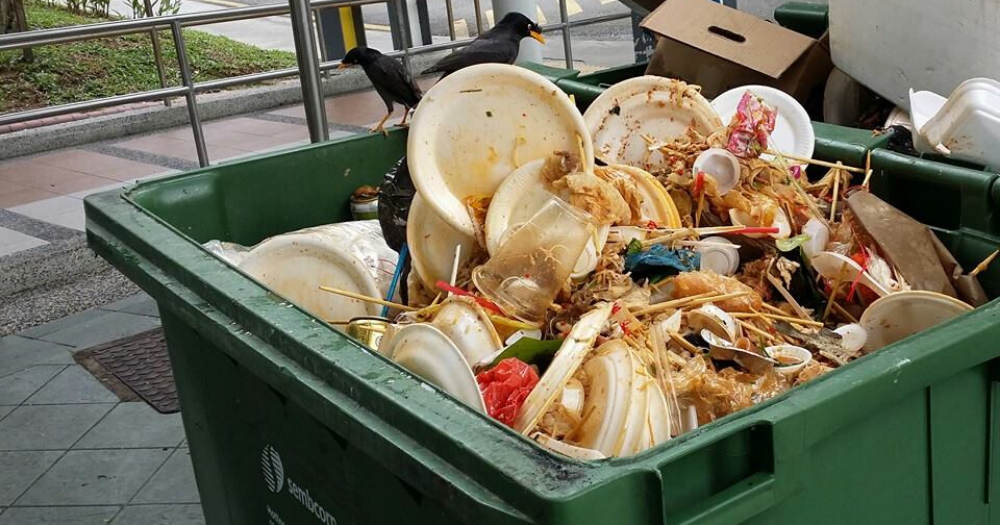
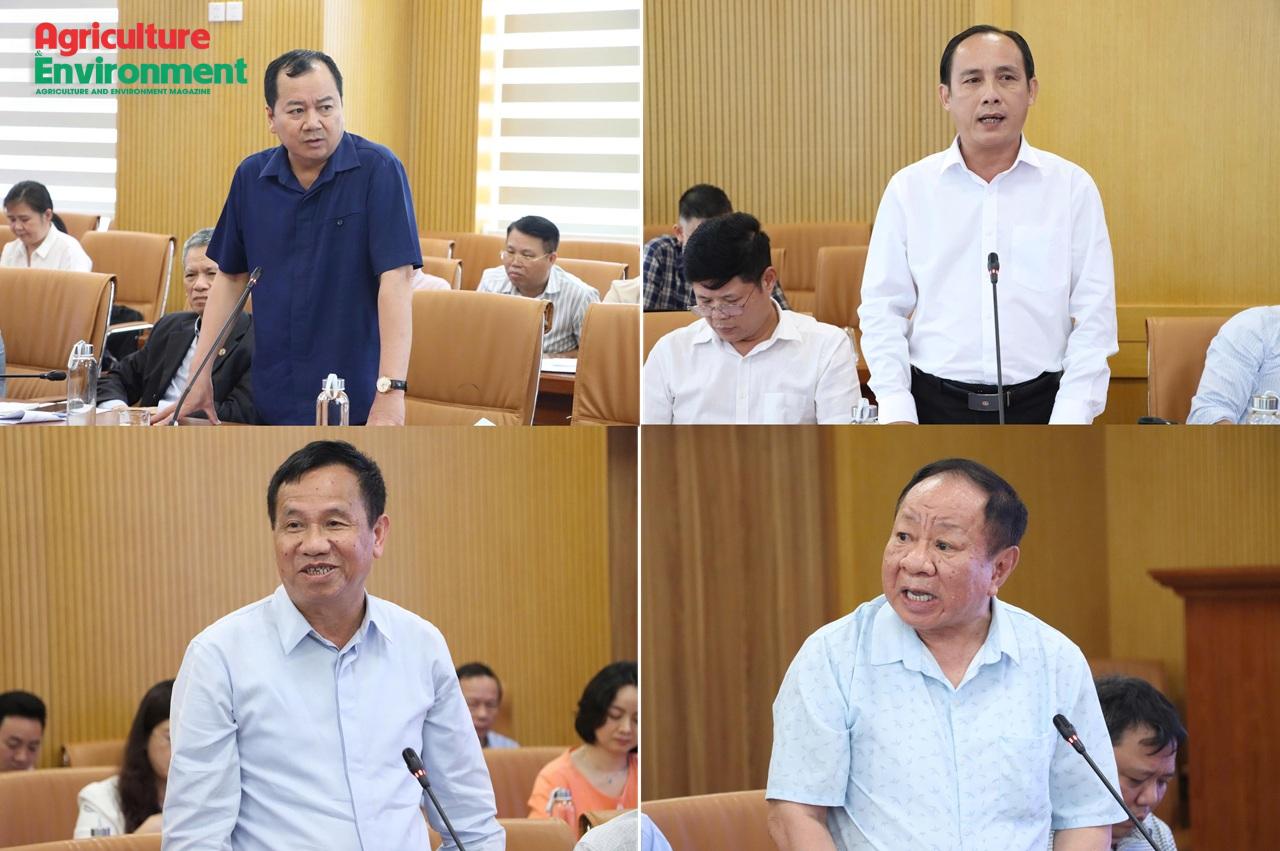
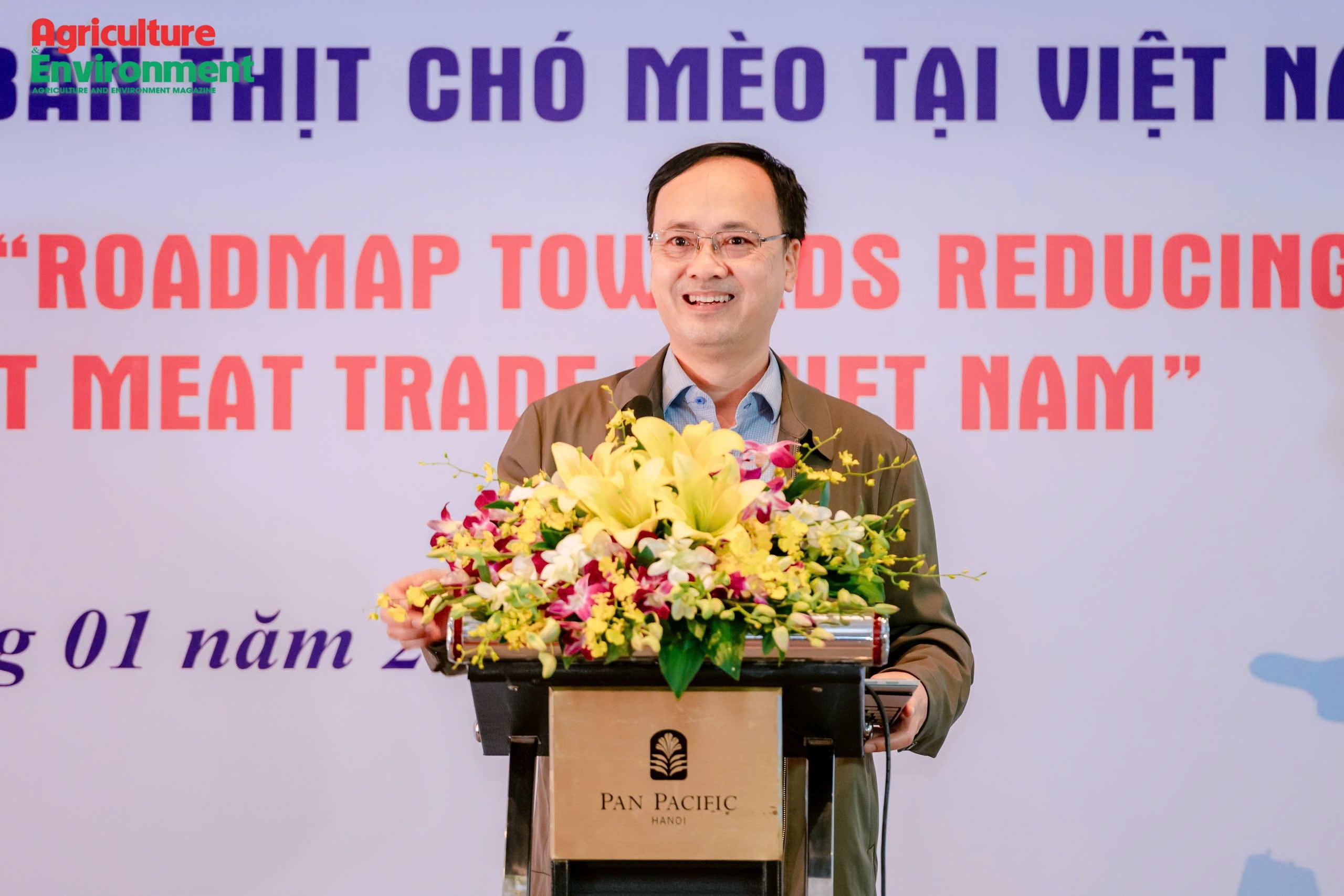
On January 27, the third Technical Meeting of the Companion Animals Working Group under the One Health Partnership (OHP) was held to further identify policy and implementation gaps, share domestic and international experience, and discuss and provide feedback on a draft roadmap to reduce and gradually end the dog and cat meat trade, alongside efforts to eliminate rabies in Viet Nam by 2030.
  • Transforming food systems: Perspectives from policymakers

    Transforming food systems: Perspectives from policymakers

    As the world faces mounting challenges from climate change, food insecurity, resource depletion and widening nutrition inequality, transforming food systems toward greener, low-emission and sustainable pathways has become an urgent task rather than a long-term aspiration, including for Viet Nam.
  • ISG technical session focuses on policy and technical priorities for low-emission food systems

    ISG technical session focuses on policy and technical priorities for low-emission food systems

    The technical discussion session held on the morning of January 9, as part of the ISG 2025 Conference themed “Advancing a green, low-emission and sustainable food systems transition: Cooperation and innovation,” focused on reviewing implementation progress and clarifying key pillars of Viet Nam’s National Action Plan for a transparent, responsible and sustainable food systems transformation (FST-NAP) through 2030. Through policy updates, FAO’s technical support orientations and in-depth group discussions, the session identified critical bottlenecks and priority actions aimed at translating strategic commitments into tangible outcomes on the ground.
  • Viet Nam launches national agricultural traceability system to boost transparency and value

    Viet Nam launches national agricultural traceability system to boost transparency and value

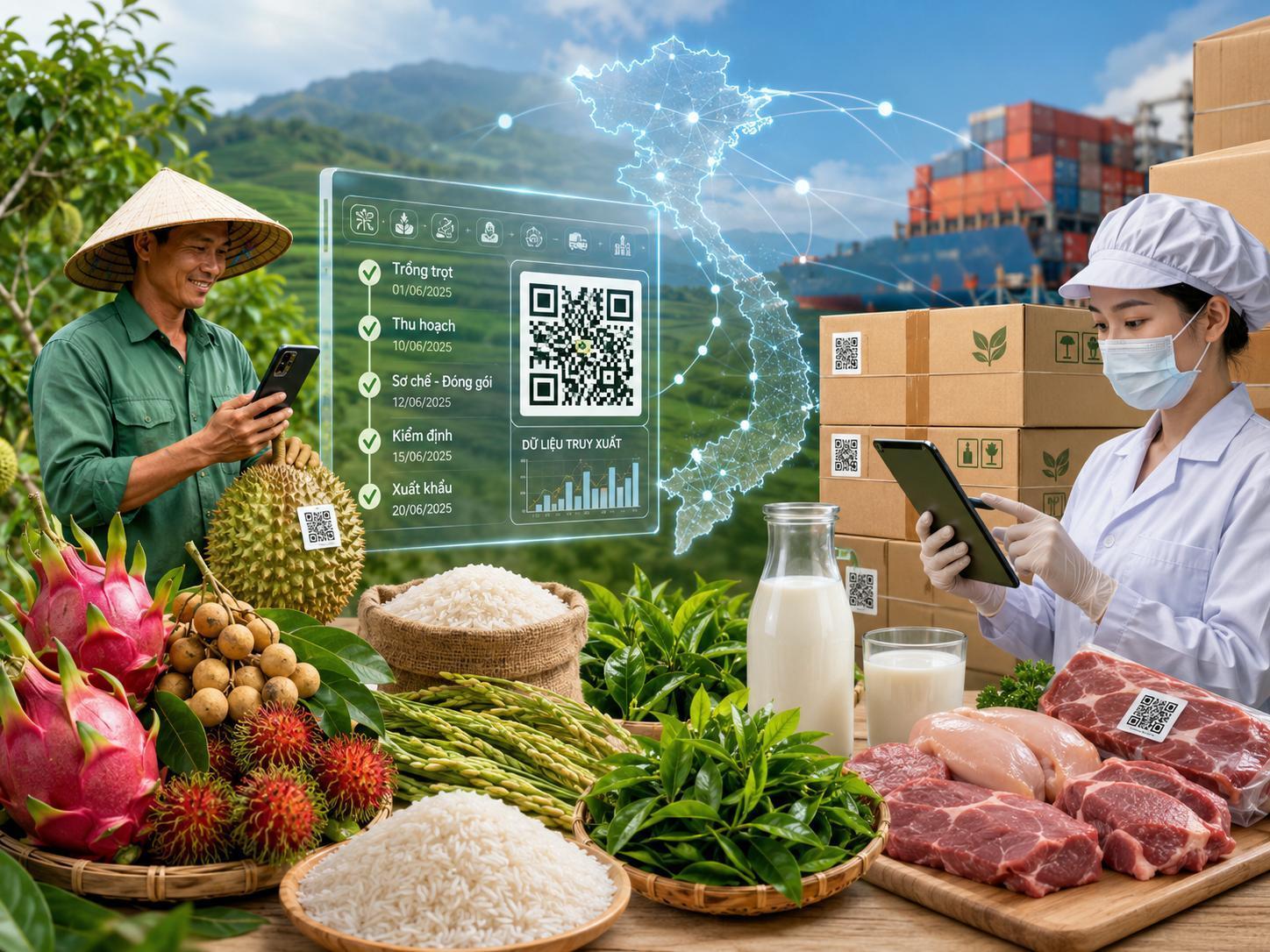
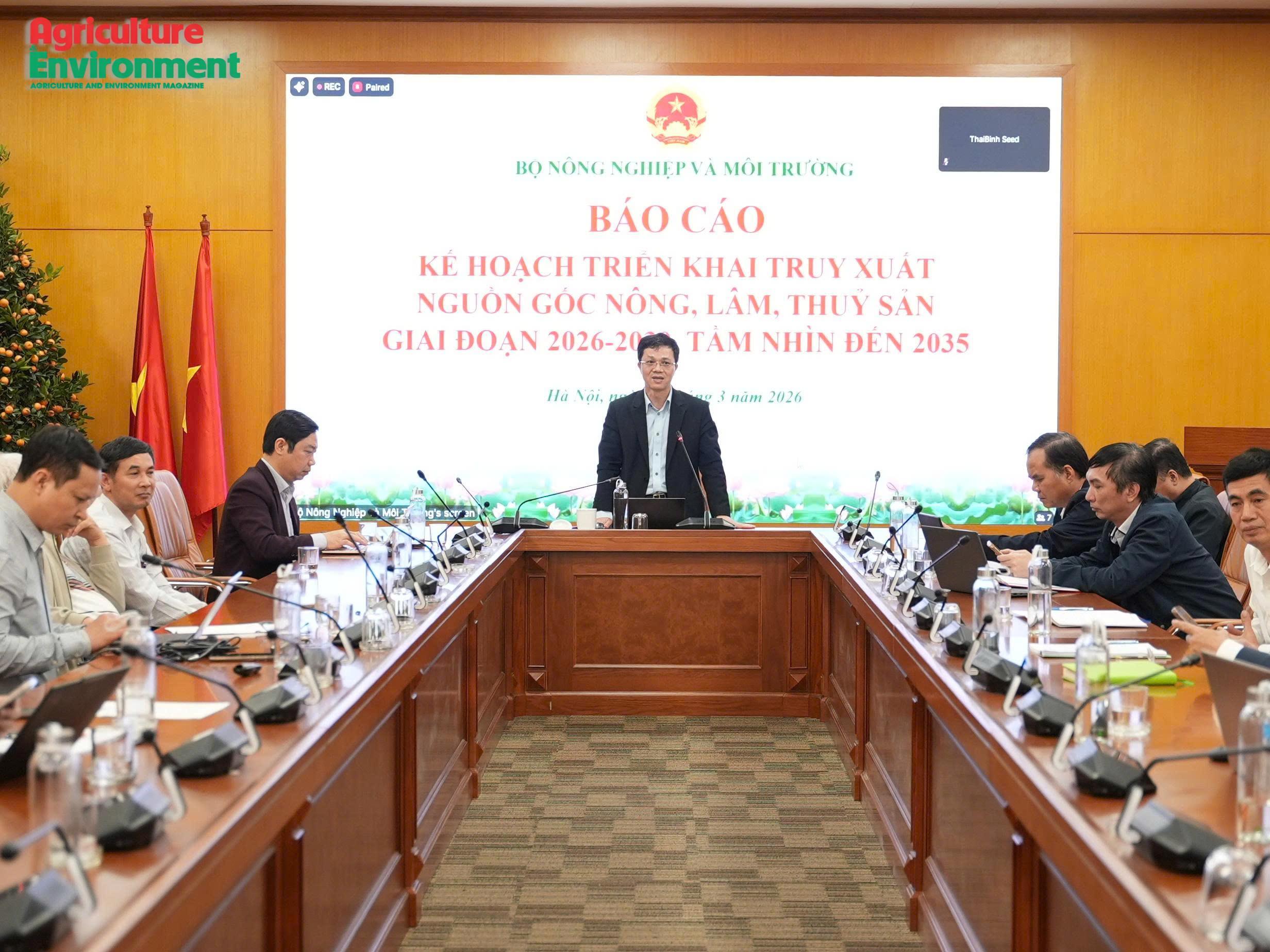
    Through the launch ceremony of the Viet Nam Agricultural Product Traceability System on December 26, the Ministry of Agriculture and Environment aims to operationalize major policy orientations on digital transformation and agricultural value chain management. The initiative is designed to effectively implement the pilot traceability program for durian, raise awareness and accountability among stakeholders across production and supply chains, and promote the application of science and technology to enhance transparency, ensure food safety, and gradually expand traceability to a wider range of agricultural products.
  • Human resources as the pillar of a new phase in Viet Nam–Japan agricultural cooperation

    Human resources as the pillar of a new phase in Viet Nam–Japan agricultural cooperation

    On December 12, during a meeting with Mr. Tsutomu Takebe, Special Advisor to the Japan–Viet Nam Parliamentary Friendship Alliance and former Minister of Agriculture, Forestry and Fisheries of Japan, Minister of Agriculture and Environment Tran Duc Thang affirmed that high-quality human resource development is a key pillar for elevating agricultural cooperation between Viet Nam and Japan. In a context where the two countries demonstrate clear complementarities in labor and technology, cooperation in education and training linked with practical experience and entrepreneurship has been identified as a strategic direction.
  • Applying science to awaken the millennia-old Shan Tuyet tea heritage

    Applying science to awaken the millennia-old Shan Tuyet tea heritage

    In his presentation at the workshop “Developing and enhancing the value of Shan Tuyet tea” hosted by the Journal of Agriculture and Environment, Dr. Nguyen Cong Han, founder of Dragon Tea Suoi Giang, offered a convincing perspective on the scientific foundations and technological innovations needed to unlock the full potential of this unique tea heritage.
  • New technology propels Shan Tuyet tea into premium market: VIAEP Director on innovation & value-added potential

    New technology propels Shan Tuyet tea into premium market: VIAEP Director on innovation & value-added potential

    At the workshop “Developing and enhancing the value of Shan Tuyet tea,” organized by the Agriculture and Environment Magazine in Lao Cai, Assoc. Prof. Dr. Pham Anh Tuan, Director of the Institute of Agricultural Engineering and Post-Harvest Technology, emphasized that the future of Shan Tuyet tea lies not only in its unique raw material areas, but also in how science and technology can pave the way for a more diverse and sustainable product ecosystem.
  • Food safety reaffirmed as a key priority in the One Health partnership framework

    Food safety reaffirmed as a key priority in the One Health partnership framework

    On December 5, the 4th Meeting of the Food Safety Technical Working Group (FSTWG) was convened under the co-chairmanship of the Ministry of Agriculture and Environment, the International Livestock Research Institute (ILRI), and development partners within the One Health Partnership (OHP) framework.
  • Soilless cultivation: A key approach to improving potato seed quality in Viet Nam

    Soilless cultivation: A key approach to improving potato seed quality in Viet Nam

    Amid climate change, declining land resources, and increasingly stringent requirements from the food processing industry, potato breeding and seed production are facing a pressing need for innovation. In an interview with the press, Assoc. Prof., PhD Nguyen Xuan Truong, Director of the Institute of Biology and Agricultural Technology, said that the application of greenhouse-based soilless cultivation systems, combined with IoT and AI, not only improves potato seed quality but also lays the groundwork for developing a modern and sustainable agricultural value chain in Viet Nam.
  • Linking policy, technology, and markets to strengthen regional cooperation for green agricultural value chains

    Linking policy, technology, and markets to strengthen regional cooperation for green agricultural value chains

    At the workshop “Regional linkages - Promoting green value chains in Vietnamese agriculture,” Deputy Minister Phung Duc Tien emphasized that the Ministry of Agriculture and Environment will prioritize advancing regional linkage strategies and developing comprehensive cooperative models centered on farmers, businesses, scientists, and local authorities.
  • Viet Nam promotes the role of communities in economic development linked with environmental protection

    Viet Nam promotes the role of communities in economic development linked with environmental protection

    Throughout Viet Nam’s development journey, communities have always been the foundation of its sustainable strength. In particular, in agriculture and the environment, the direct participation of local people has played a crucial part in maintaining livelihoods and conserving and restoring natural values.
  • Partnering for a green future: The World Bank’s support for sustainable agriculture in Viet Nam

    Partnering for a green future: The World Bank’s support for sustainable agriculture in Viet Nam

    Agriculture has been the green thread weaving together Viet Nam’s resilience, ingenuity, and aspirations throughout its remarkable development journey. From the fertile plains of the Mekong Delta to the misty mountainous regions in the North, and from the Southern rice paddies to the coffee hills of the Central Highlands, Viet Nam’s agricultural transformation is a testament to overcoming adversity, embracing innovation, and stewarding the land for future generations. Since the landmark Doi Moi reforms of 1986, the World Bank has been a steadfast partner, providing not only financial support but also global expertise, policy guidance, and a shared vision for sustainable growth.
  • Vietnam’s agrifood momentum: Progress, partnerships, and a sustainable path forward

    Vietnam’s agrifood momentum: Progress, partnerships, and a sustainable path forward

    Vietnam’s agriculture has long stood at the heart of the country’s remarkable social and economic transformation. In less than four decades, the country moved from food shortages and dependency on aid to becoming a powerhouse in global agricultural markets. This transition is more than a story of increased yields or rising exports—it is about the interplay of visionary policy reforms, farmer empowerment, global integration, and the strategic use of partnerships that have collectively reshaped Vietnam’s development trajectory.
  • Promoting the cultural heritage of ancient “Shan Tuyet” Suoi Giang green tea

    Promoting the cultural heritage of ancient “Shan Tuyet” Suoi Giang green tea

    On September 23 in Hanoi, the Agriculture and Environment Magazine held a working session with Dragon Tea Suoi Giang Joint Stock Company. At the meeting, the two sides signed a media cooperation agreement to promote the cultural and brand value of ancient “Shan Tuyet” Suoi Giang green tea, regarded as the “green treasure” of Vietnam’s Northwest.
  • OCOP - A Vietnamese model for modern rural development: Bridging indigenous values with global markets

    OCOP - A Vietnamese model for modern rural development: Bridging indigenous values with global markets

    As countries around the world strive to restructure their economies toward green, circular, and inclusive growth, unlocking the potential of rural areas, through local resources, traditional knowledge, and community-based innovation—has emerged as a strategic pathway to ensure sustainable development, social stability, and cultural preservation. In Vietnam, the "One Commune One Product" (OCOP) Program has demonstrated remarkable effectiveness over the past seven years. Beyond promoting rural production along value chains, OCOP has fundamentally transformed grassroots thinking about socio-economic development, laying the foundation for an autonomous, modern, and globally connected rural economy.
  • Science and innovation: Keys to advancing OCOP in the transformation of agri-food systems

    Science and innovation: Keys to advancing OCOP in the transformation of agri-food systems

    As countries across Asia and the Pacific work to transform their agri-food systems, science and innovation are increasingly seen as essential drivers in advancing the OCOP model toward the “Four Betters”: Better Production, Better Nutrition, Better Environment, and Better Life. This was the overarching message at the special dialogue held under the High-Level Interregional Knowledge Exchange on OCOP models, co-organized by the Ministry of Agriculture and Environment of Vietnam and FAO, on 15 July 2025 in Hanoi.
  • Vietnam promotes global OCOP dialogue for sustainable agrifood systems

    Vietnam promotes global OCOP dialogue for sustainable agrifood systems

    Hosting the first "High-Level Inter-regional Knowledge Exchange on One Country One Priority Product (OCOP) Models" between African and Asian countries, Vietnam’s Ministry of Agriculture and Environment, in collaboration with the Food and Agriculture Organization of the United Nations (FAO), has initiated a global platform for dialogue on the development of special agricultural products. The two-day event (15-16/7) aims to accelerate the transformation of food systems toward greater sustainability, inclusiveness, and cultural identity. Drawing from its experience implementing the "One Commune One Product" (OCOP) program, Vietnam not only shared a successful model but also called for stronger South-South cooperation to connect policy, technology, and knowledge among developing countries.
  • Vietnam-FAO: Toward a pverty-free and sustainable agriculture

    Vietnam-FAO: Toward a pverty-free and sustainable agriculture

    From an aid recipient, Vietnam has transformed into a model of international cooperation, working hand-in-hand with the Food and Agriculture Organization of the United Nations (FAO) to realize a global aspiration: a future where hunger and poverty are no longer part of the agricultural landscape.