



 State President Luong Cuong on February 23 launched the 2026 Lunar New Year tree-planting festival at Lao Cai Cultural Park in Cam Duong ward, Lao Cai province. The ceremony, themed “Tree planting festival in eternal gratitude to President Ho Chi Minh,” was jointly organized by the Ministry of Agriculture and Environment and the People’s Committee of Lao Cai Province.
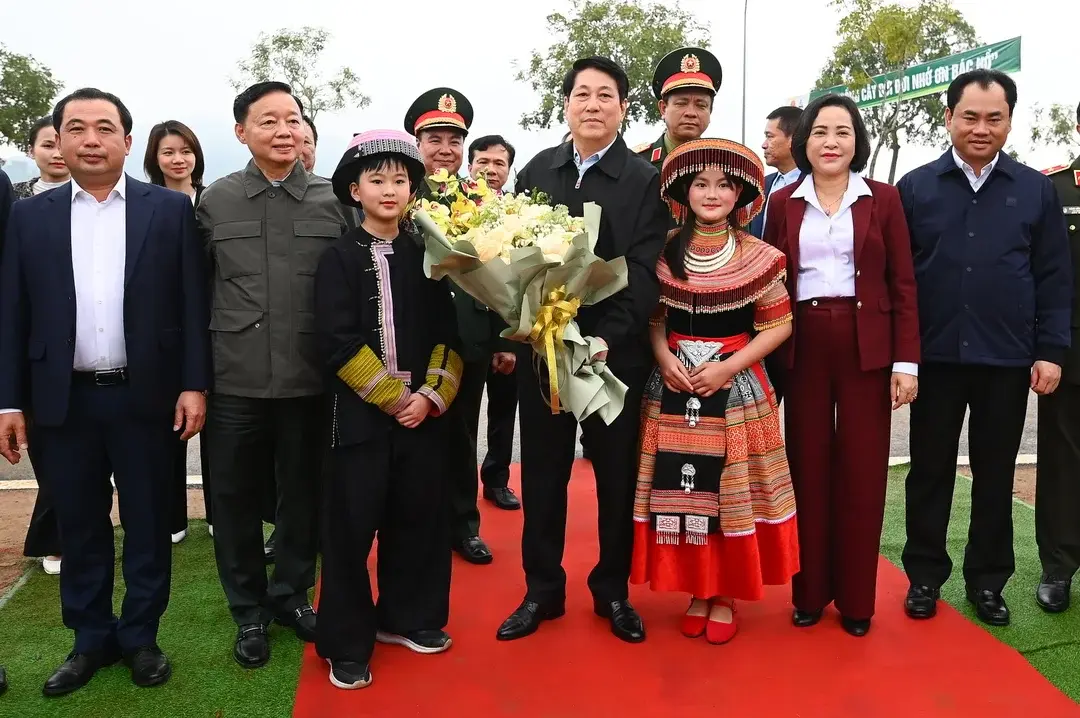
Attending the event were Party Central Committee member and Vice Chairwoman of the National Assembly Nguyen Thi Thanh; Deputy Prime Minister Tran Hong Ha; Politburo member and Minister of Agriculture and Environment Tran Duc Thang; representatives of central ministries and agencies; local leaders; and more than 1,000 delegates and residents.
President calls for more effective tree-planting efforts
Addressing the ceremony, State President Luong Cuong said the annual tree planting festival carries significant political, social and environmental importance. Initiated by President Ho Chi Minh more than 66 years ago at Bay Mau Lake Park, now Thong Nhat Park in Hanoi, the movement has become a tradition at the start of each lunar new year and a nationwide campaign delivering practical benefits to the country and its people.
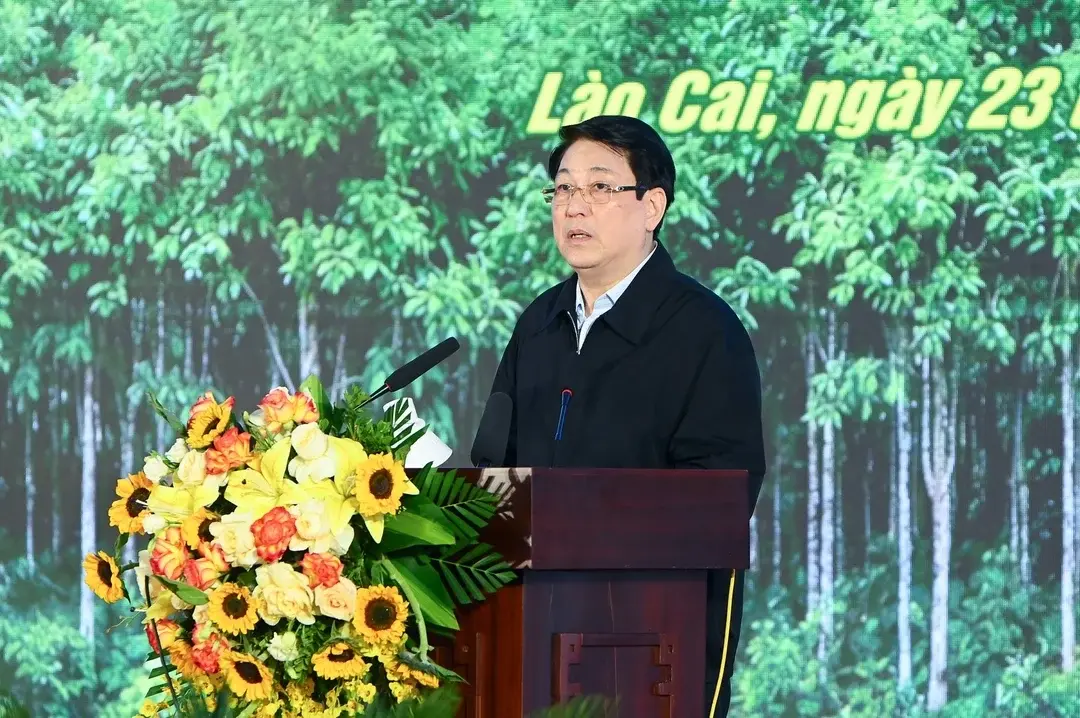
The State President acknowledged the 2025 afforestation and tree planting results and the over-fulfillment of the “One billion trees for the 2021–2025 period” project. However, amid growing challenges from climate change, environmental pollution and biodiversity loss, he urged ministries, sectors and localities to avoid complacency and to make the movement more substantive and results-oriented.
He called for stronger public communication to raise awareness of the role of forests and trees, and for closer linkage between tree planting and livelihood improvement, particularly in mountainous areas.
Describing forest development as a strategic investment with long-term economic, environmental and social returns, the State President stressed the need to advance the green economy and circular economy, expand green spaces in both urban and rural areas, and promote sustainable nature-based solutions for carbon sequestration in support of Vietnam’s commitment to achieving net-zero emissions by 2050.
He also called on ministries, sectors, local authorities, the armed forces, businesses and citizens to actively participate in tree planting and forest development efforts.
Forestry results in 2025, targets for 2026
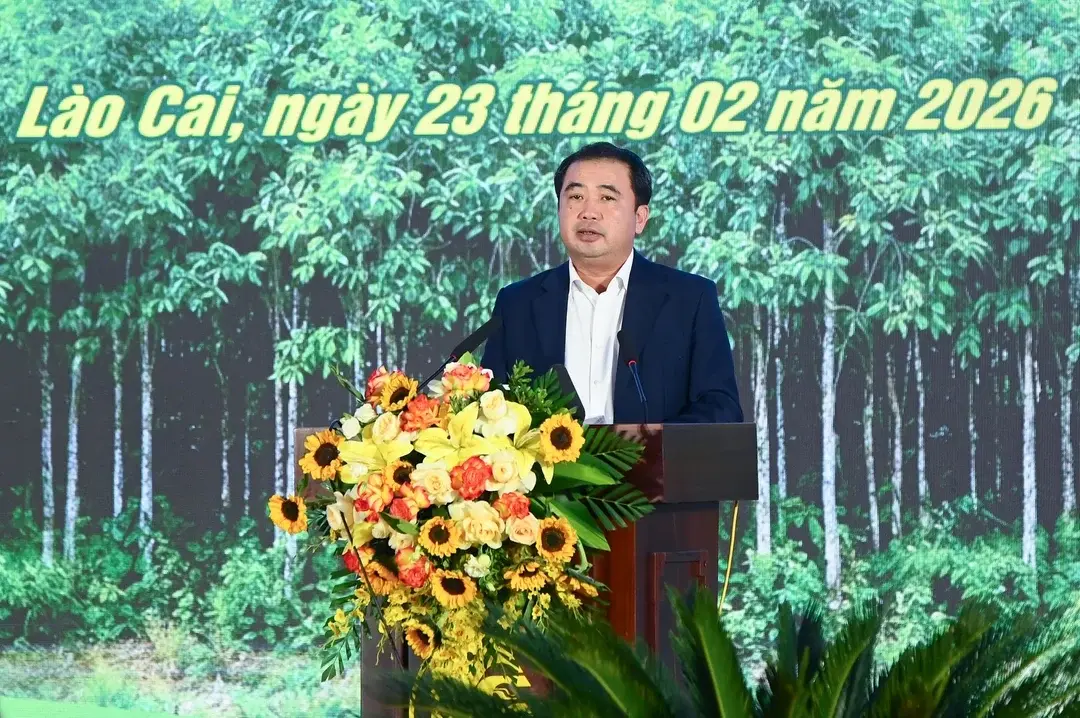
Reporting at the ceremony, Minister Tran Duc Thang said that in 2025, the country planted more than 285,000 hectares of concentrated plantations and 108 million scattered trees.
Export turnover of wood and forest products exceeded 18 billion USD, including a trade surplus of 14.8 billion USD. Revenue from forest environmental services reached 3.94 trillion VND. Forestry production value increased by 5.7 percent, while forest coverage was maintained at 42.03 percent.
After five years of implementing the “One billion trees for the 2021–2025 period” project, Viet Nam planted 1.45 billion trees, surpassing the target. The results provide an important foundation for the forestry sector to improve forest quality, increase added value and contribute more effectively to green growth in 2026.
In 2026, the forestry sector aims to achieve production value growth of 5.5–5.6 percent; plant about 260,000 hectares of concentrated plantations and 100 million scattered trees; earn approximately 18.3 billion USD from forest product exports; collect around 3.5 trillion VND from forest environmental services; and maintain forest coverage at about 42 percent.
Lao Cai’s role in upstream forest protection
The selection of Lao Cai as host of the national launch ceremony carries ecological, economic and strategic significance.
A mountainous border province located in the upper reaches of the Red River system, Lao Cai plays an important role in safeguarding water resources that support production and livelihoods in the northern midland and Red River Delta regions. Forest and forestry land account for a large share of the province’s land area, with upstream protection forests serving a critical role in soil conservation, water regulation, erosion and landslide control, and disaster risk reduction.
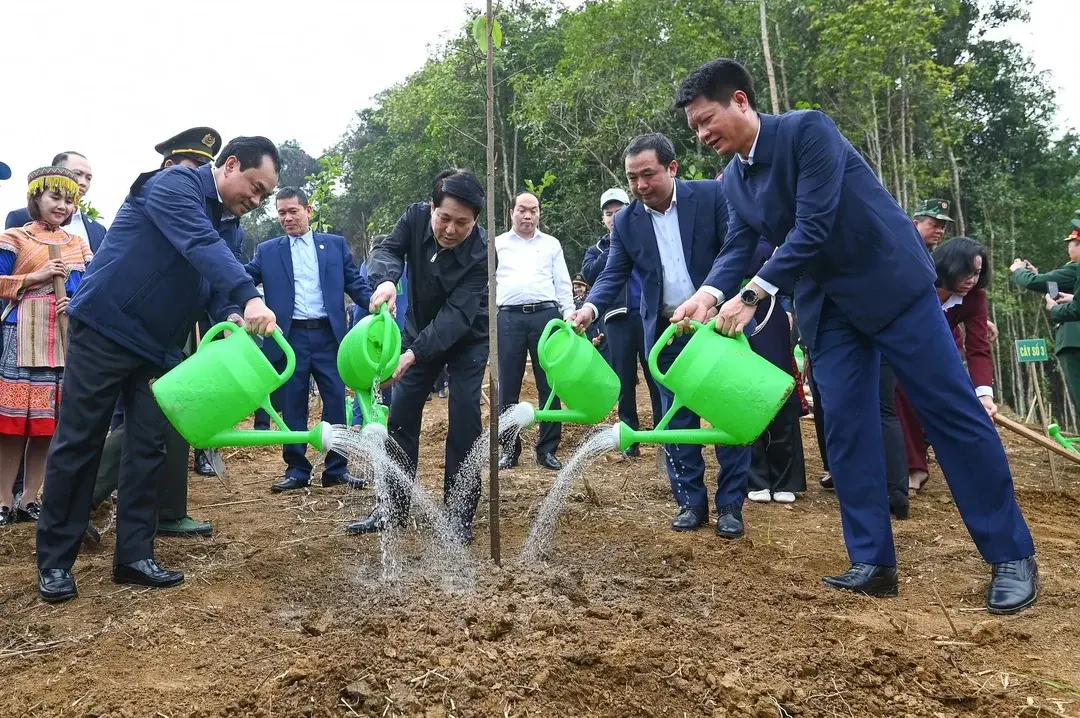
In recent years, the province has strengthened state management in forestry, enhanced protection of natural forests, and promoted production forests linked to processing to increase the value of forest products and improve livelihoods for ethnic minority communities in highland areas. Upstream protection forests have been reviewed, zoned for regeneration and restored, while forest environmental service payment policies have been implemented to provide stable income for communities engaged in forest protection.
Under the “One billion trees for the 2021–2025 period” project, Lao Cai ranked second nationwide with more than 100 million trees planted. The result reflects coordinated efforts by authorities at all levels, forest rangers, businesses and residents, and indicates that tree planting has increasingly been integrated into urban green space planning, landscape development and environmental improvement.
Agriculture and forestry have become key pillars of the provincial economy, contributing significantly to rural GRDP growth, job creation and income generation for ethnic communities. Forest protection and development are linked not only to environmental objectives but also to settlement stability, ecological security and the safeguarding of national border sovereignty.
As climate change grows more complex, Lao Cai continues to be identified as a priority area for upstream forest protection, ecosystem restoration and sustainable forestry development. Hosting the national tree planting festival launch underscores the need to improve forest quality, strengthen resource management and enhance the economic and ecological value of highland forest ecosystems.
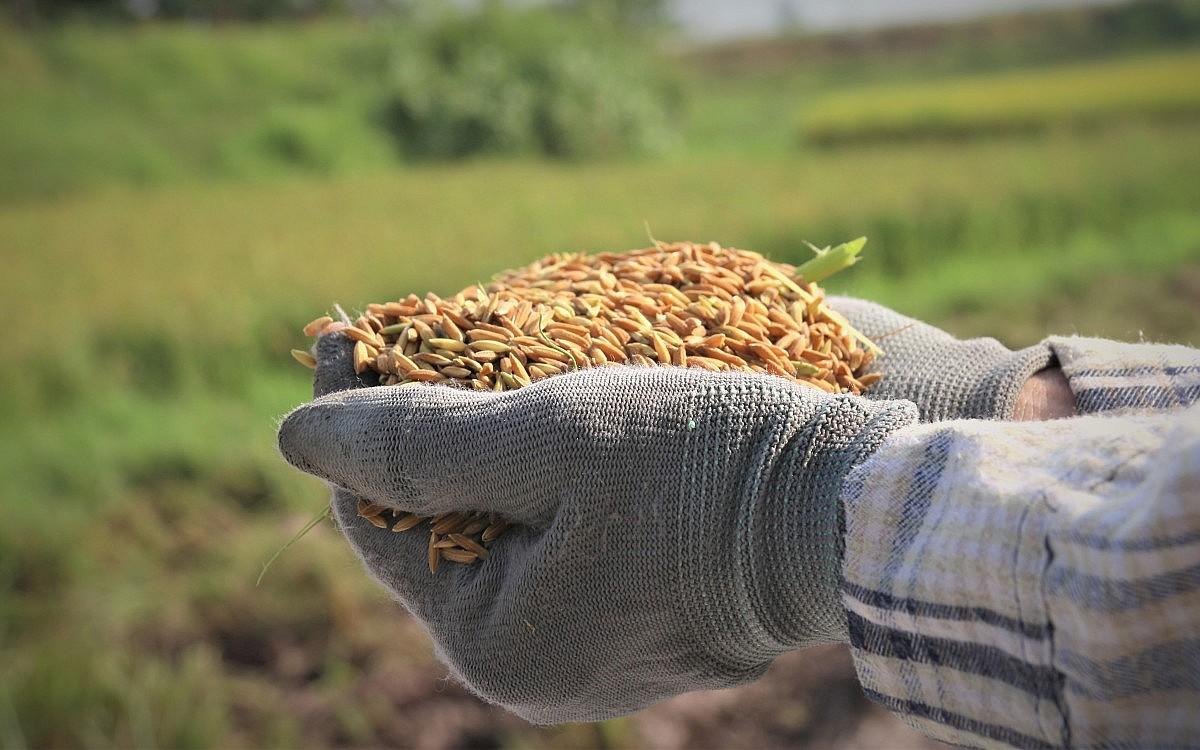
Policies achieve lasting impact only when they translate into changes in production practices. This is particularly true of efforts to reduce food loss and waste: setting reduction targets or encouraging the productive use of agricultural by-products will have limited effect unless producers can see clear economic returns and businesses have access to sufficiently stable markets.

Viet Nam has gradually established a policy foundation for reducing food loss and waste (FLW), increasingly linking the issue to sustainable development, the circular economy, and food system transformation. The challenge in the next phase is therefore not to start from scratch, but to connect existing policies into a coherent, data-driven governance framework that prioritizes prevention and is supported by sufficiently strong coordination mechanisms to drive action at the national level.
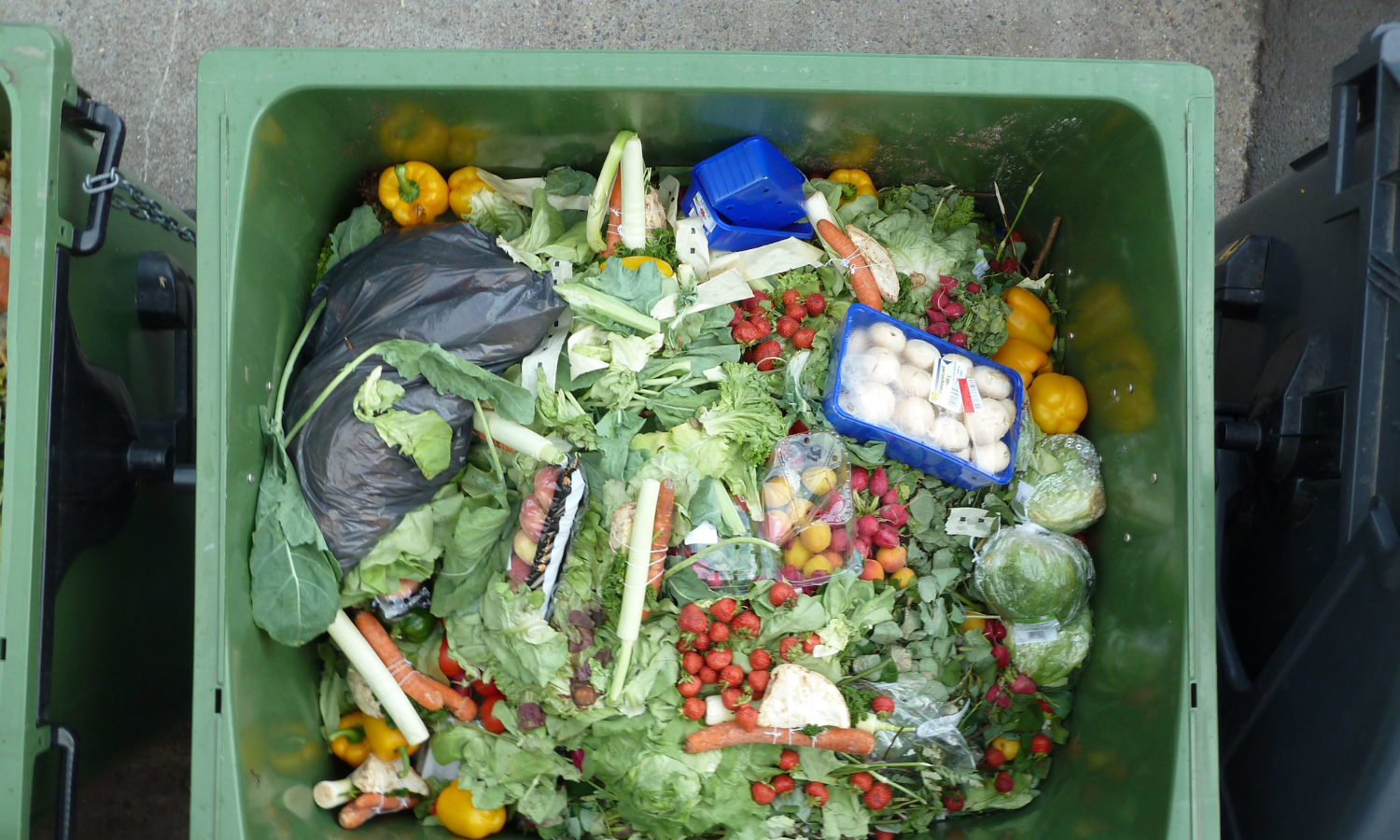
International experience suggests that food loss and waste (FLW) is not a problem that can be resolved through a single policy measure. Effective action requires institutions capable of coordinating stakeholders, data that can identify where losses occur, regulations that do not create unnecessary barriers, and mechanisms that allow businesses and communities to participate.
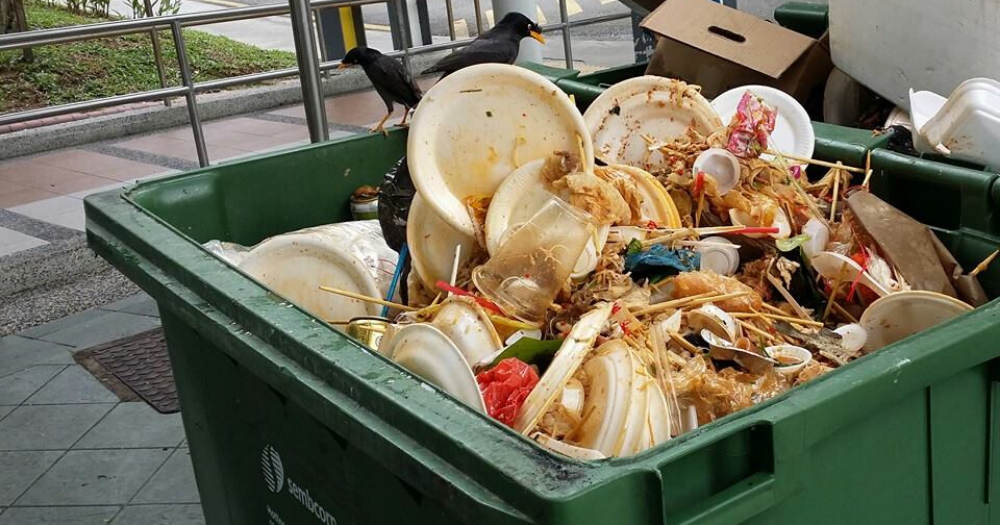
Food loss and waste are emerging as major bottlenecks in global agrifood systems, with large quantities of food lost or discarded despite the land, water, energy and labor invested in producing it. In Viet Nam, the issue not only diminishes the value of agricultural products but also generates substantial economic, environmental and social costs. Research on selected value chains shows that food losses occur throughout the chain, from production and harvesting to transportation, post-harvest handling and storage, while food waste continues to arise at the retail, food service and household levels. A clear understanding of the current situation is essential for Viet Nam to further strengthen its policies to reduce food loss, curb food waste and improve the efficiency of the agrifood system as a whole.

Resolution No. 36/2026/NQ-CP and new regulations on growing-area codes (GACs) and packing-facility codes (PFCs) are prompting changes in how these codes are managed, registered, and maintained. At a training session on implementation of the new regulations held on August 20, government officials and experts focused on procedural changes, requirements for digitizing records, and the supporting role of agricultural extension services at the local level.