



 The Than Sa–Phuong Hoang Nature Reserve in Thai Nguyen province is one of northern Viet Nam's most important special-use forests, recognized for its high biodiversity and its role in conserving numerous rare and threatened plant and animal species. A study conducted by Le Van Phuc and colleagues provides a comprehensive assessment of the biological and ecological characteristics, as well as the natural regeneration capacity, of two endangered and rare Fernandoa species. The findings not only strengthen the scientific basis for species conservation but also highlight the importance of natural forest ecosystems in maintaining Viet Nam's valuable plant genetic resources.
A biodiversity-rich forest ecosystem
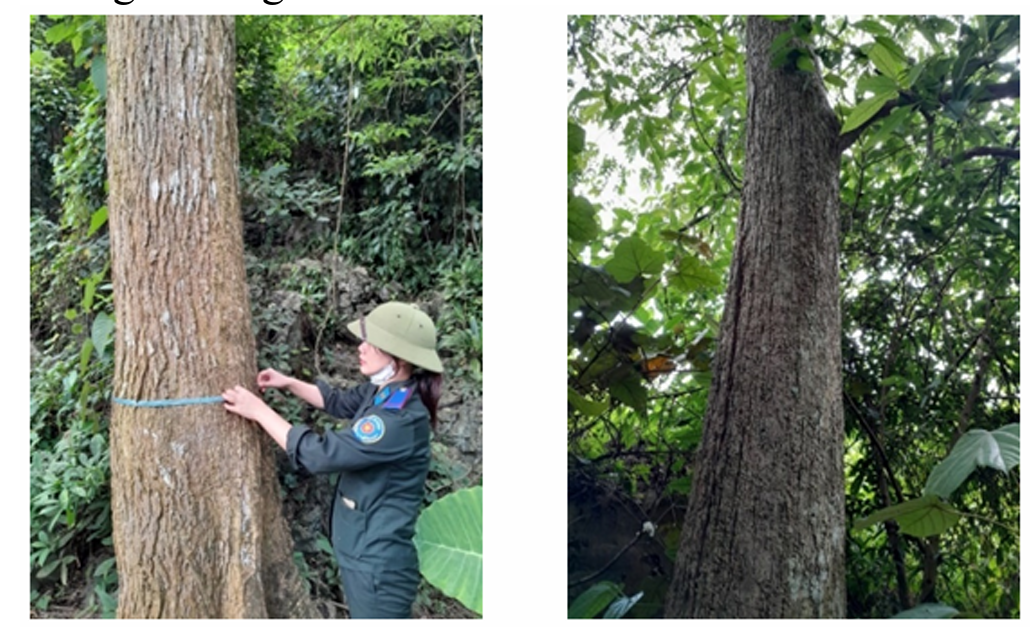
Located in northeastern Thai Nguyen province, the Than Sa–Phuong Hoang Nature Reserve is regarded as one of the region's best-preserved forest ecosystems, supporting rich flora and fauna and numerous species of high conservation significance. Among them are two endangered and rare tree species of the genus Fernandoa: Fernandoa collignonii (Dinh vang) and Fernandoa brilletii (Dinh mat). Both species are classified under Group IIA of Decree No. 84/2021/ND-CP on the management of endangered, precious, and rare forest flora and fauna. In addition, F. collignonii is listed as Endangered (EN) in the Vietnam Red Data Book (2007) and classified as Vulnerable (VU B2ab(iii)) on the IUCN Red List.
Despite their high conservation value, these two Fernandoa species remain insufficiently studied with respect to their biological characteristics, ecological requirements, and natural regeneration patterns under natural forest conditions, particularly within the Than Sa–Phuong Hoang Nature Reserve. This knowledge gap underscores the need for in-depth research to provide a scientific basis for the conservation, restoration, and sustainable management of these threatened plant species.
To address this gap, the research team established 72 standard plots, each covering 500 m², across eight communes and townships within the nature reserve. Field investigations focused on morphological characteristics, phenology, forest composition, stand structure, natural regeneration, and ecological characteristics of the two Fernandoa species, thereby generating a relatively comprehensive dataset on their distribution and growth under natural conditions.
Characterizing the biological traits of two endangered Fernandoa species
A principal objective of the study was to characterize the biological traits of Fernandoa collignonii and Fernandoa brilletii occurring within the Than Sa–Phuong Hoang Nature Reserve. Through field surveys combined with a review of specialized taxonomic references, the researchers documented the morphological characteristics and phenology of both species, providing additional data to support species identification, long-term monitoring, and the conservation of these endangered and rare tree species.
The results indicate that both species are large trees belonging to the genus Fernandoa. F. collignonii typically reaches heights of 20–25 m, with stem diameters of up to approximately 1 m, whereas F. brilletii grows to 25–30 m in height with stem diameters of approximately 50 cm. Both species possess pinnately compound leaves but differ in several characteristics of their leaves, flowers, and fruits, providing reliable diagnostic features for field identification. The study also compiled detailed descriptions of stems, leaves, flowers, fruits, and seeds to support taxonomic classification and species identification during forest resource inventories.
In addition to morphology, the study documented the annual phenological cycles of both species. F. collignonii produces new shoots and leaves from January to March, flowers between April and July, develops fruits from August, and reaches fruit maturity during October and November. In contrast, F. brilletii produces new foliage from February to April, forms flower buds beginning in April, flowers from May to July, and bears mature fruits between September and November. Identifying these phenological stages provides a scientific basis for determining appropriate periods for seed collection, propagation, and the implementation of conservation measures aligned with each species' natural biological cycle.
According to the research team, comprehensive characterization of the biological traits of these two Fernandoa species not only supports forest resource surveys and inventories but also contributes to strengthening the database on endangered and rare plant species within the Than Sa–Phuong Hoang Nature Reserve, thereby supporting long-term biodiversity conservation and management.
A forest ecosystem that retains high ecological integrity
Beyond documenting the biological characteristics of the two Fernandoa species, the study also provides a comprehensive assessment of the forest ecosystem in which they occur. Data collected from the 72 standard plots show that plant communities within the Than Sa–Phuong Hoang Nature Reserve continue to maintain relatively high levels of species diversity, providing favorable ecological conditions for numerous native tree species, including many endangered and rare taxa.
According to the study, the number of tree species recorded per standard plot ranged from 53 to 80, averaging 64 species. Forest composition consisted of three to six dominant species in the tree layer, indicating a structurally diverse forest community. Tree layer density ranged from 420 to 551 individuals per hectare, with a mean of 474 individuals per hectare. The two Fernandoa species occurred at densities ranging from 22 to 49 individuals per hectare, accounting for approximately 3.9%–10.2% of the total tree population across the surveyed sites.
The findings further indicate that Fernandoa collignonii and Fernandoa brilletii do not occur in isolation but coexist within forest communities characterized by high species richness and relatively stable stand structure. Such ecological conditions provide suitable habitats for the persistence of these threatened tree species while reinforcing the conservation value of the natural forest ecosystem in the Than Sa–Phuong Hoang Nature Reserve.
Positive evidence of natural regeneration
In addition to assessing the distribution of mature trees, the study examined the natural regeneration capacity of the two Fernandoa species. Results show that the regeneration layer was floristically diverse, containing between 61 and 114 regenerating species. Mean regeneration density across the study area reached approximately 5,495 individuals per hectare, suggesting that the forest ecosystem continues to maintain its natural regenerative capacity.
For the two Fernandoa species, regeneration density ranged from 54 to 178 individuals per hectare, with a mean of 93 individuals per hectare. Well-established regeneration averaged 60 individuals ha⁻¹, representing 49.2%–98.6% of all regenerating individuals, with an overall mean of 69.9%. Seed-origin regeneration predominated, accounting for an average of 76.9%, whereas regeneration from sprouts represented only a small proportion. According to the researchers, the predominance of seed-origin regeneration indicates that both species continue to maintain natural regeneration under existing forest conditions.
The study also found that regeneration of the two Fernandoa species was concentrated primarily in the height class of >1.5–2.0 m, with the highest recorded density in this class. Regeneration density declined progressively in taller height classes, and no regenerating individuals exceeding 5 m in height were recorded. Statistical analysis showed that regenerating individuals followed a random distribution pattern across the forest floor. Based on these findings, the authors recommend prioritizing enrichment planting in canopy gaps and areas lacking natural regeneration when applying silvicultural measures to improve population recovery of the two Fernandoa species.
Scientific evidence for long-term conservation
The study provides important insights into the biological characteristics, ecological requirements, and natural regeneration of Fernandoa collignonii and Fernandoa brilletii within the Than Sa–Phuong Hoang Nature Reserve. In addition to documenting their morphology, phenology, and growth characteristics, the research presents quantitative data on forest composition, stand structure, species distribution, and regeneration under natural forest conditions.
According to the authors, these findings provide a scientific basis for the conservation, sustainable development, and sustainable utilization of these two endangered and rare tree species within the Than Sa–Phuong Hoang Nature Reserve. The dataset also supports forest resource inventories, long-term ecological monitoring, and the development of appropriate management strategies for plant species of high conservation value.
More broadly, the study highlights the importance of field-based ecological research in documenting and preserving scientific knowledge of Viet Nam's threatened flora. Data on morphology, growth, and natural regeneration contribute to a more comprehensive understanding of forest biodiversity and provide essential reference information for future conservation research. For Fernandoa collignonii and Fernandoa brilletii in the Than Sa–Phuong Hoang Nature Reserve, the study not only strengthens the scientific evidence supporting conservation but also underscores the importance of long-term field monitoring of threatened tree species within their natural habitats.
|
Research Information This article is based on the research paper "Some biological and ecological characteristics of two endangered and rare Fernandoa spp. species in Than Sa–Phuong Hoang Nature Reserve, Thai Nguyen province" by Le Van Phuc, Nguyen Thi Thoa, Le Si Hong, Nguyen Van Tuyen, and Ninh Viet Son, published in the Science Journal of Agriculture and Environment, Issue 2 (March 2026). |
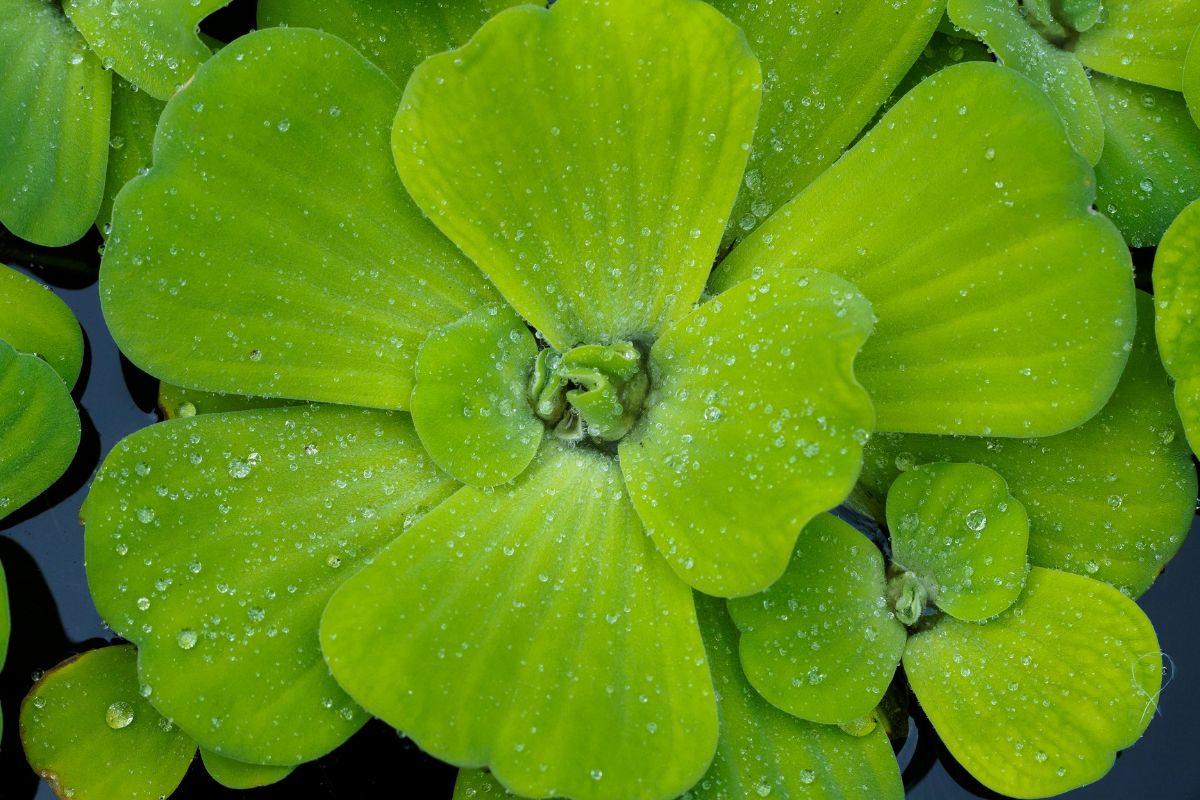
A scientific study by An Giang University, Vietnam National University, Ho Chi Minh City, and the An Giang Center for Rural Clean Water and Environmental Sanitation has demonstrated the potential of water lettuce (Pistia stratiotes) for treating piggery wastewater under natural conditions. The findings show that treatment performance varies with the initial biomass density and the pollutant being targeted. The approach offers a low-cost, environmentally friendly biological treatment option with potential for application by pig farms and household producers in Viet Nam.
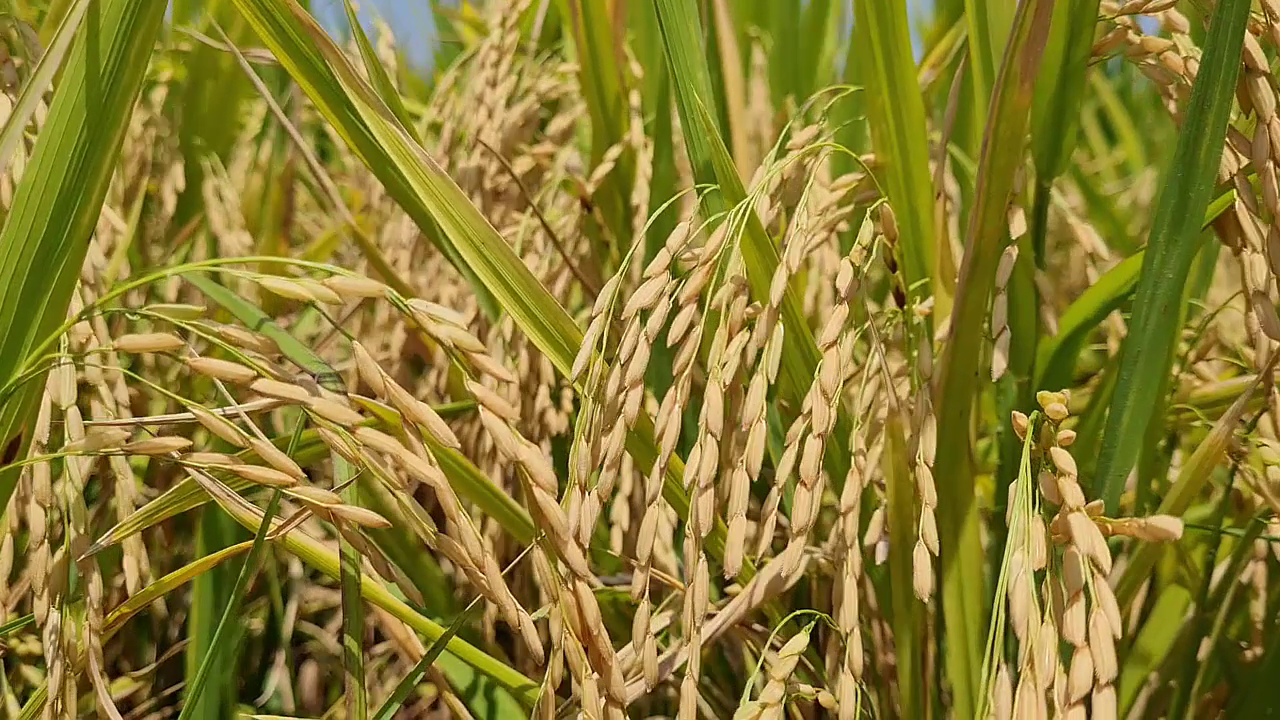
A study of 180 local rice accessions conserved at the Plant Resources Center revealed diversity in subspecies classification and grain quality traits. Within this germplasm collection, researchers identified eight accessions with promising characteristics, including aroma, low amylose content, and low to intermediate gelatinization temperatures, providing additional genetic resources for conservation and the breeding of high-quality rice varieties.
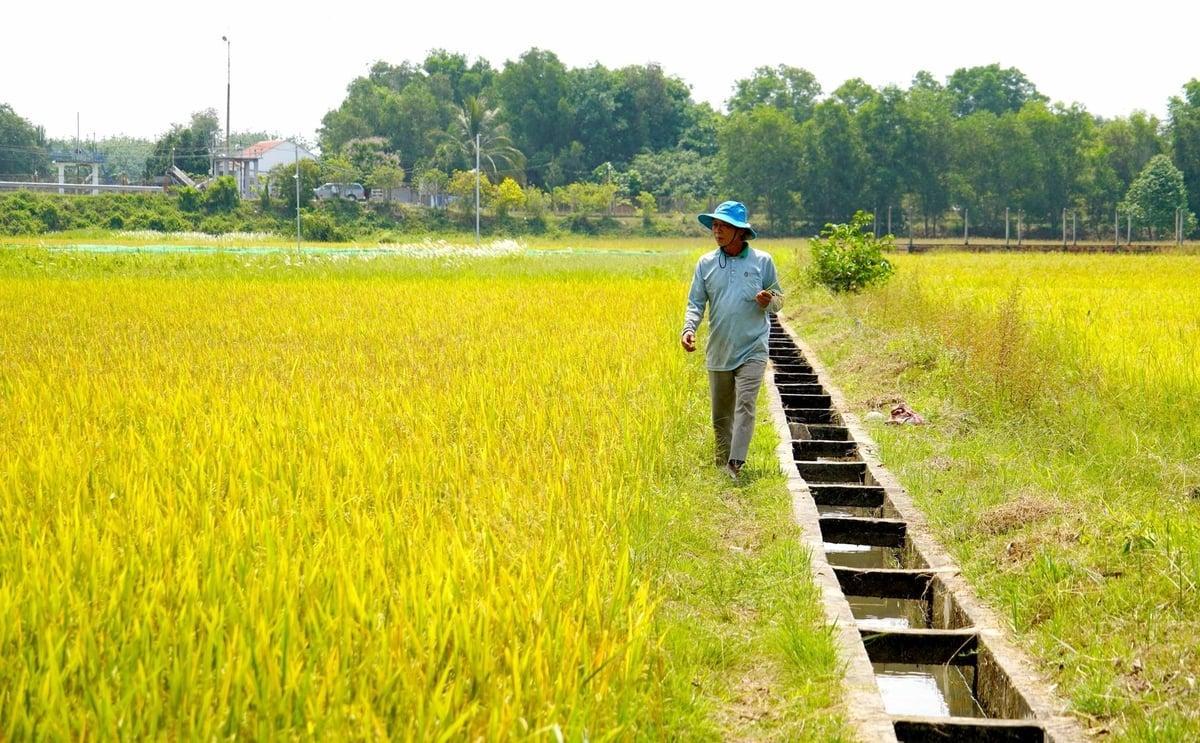
In low-lying areas of the former Cu Chi district, located in northwestern Ho Chi Minh City, seasonal flooding occurs alongside agricultural production and urbanization, creating various pressures on soil quality and its capacity for recovery. A study by Nguyen Thi Oanh, Phan Lieu, Truong Vinh Hai, and Tran Minh Tien found clear differences in soil health among rice cultivation, vegetable farming, and fruit orchards, with distinct patterns of chemical and biological degradation. The integration of multiple indicators through Principal Component Analysis (PCA) not only helped identify these differences but also provided a scientific basis for guiding soil management and restoration measures in peri-urban agricultural wetlands.
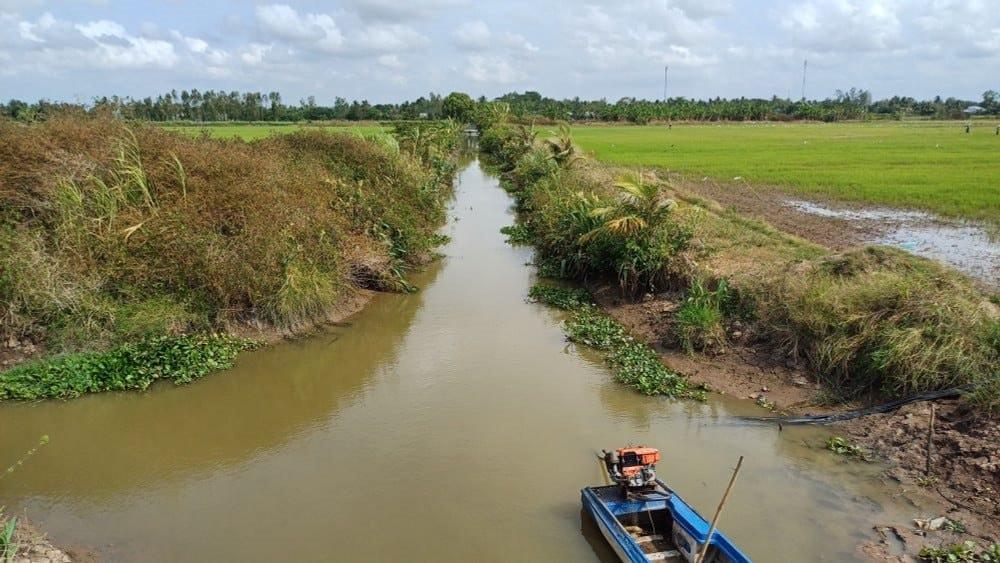
Saline intrusion is posing growing challenges to agricultural production in the lower Hau River region, where agricultural land use is closely linked to water availability. A study conducted in the former Soc Trang province, now part of Can Tho city, assessed saline intrusion risk to agricultural land use in 2024 under the RCP 4.5 and RCP 8.5 climate change scenarios for 2030 and 2050. The results show that the area of rice cultivation affected by higher salinity levels tends to increase, providing an additional scientific basis for land use planning and the selection of appropriate adaptation-oriented farming systems.
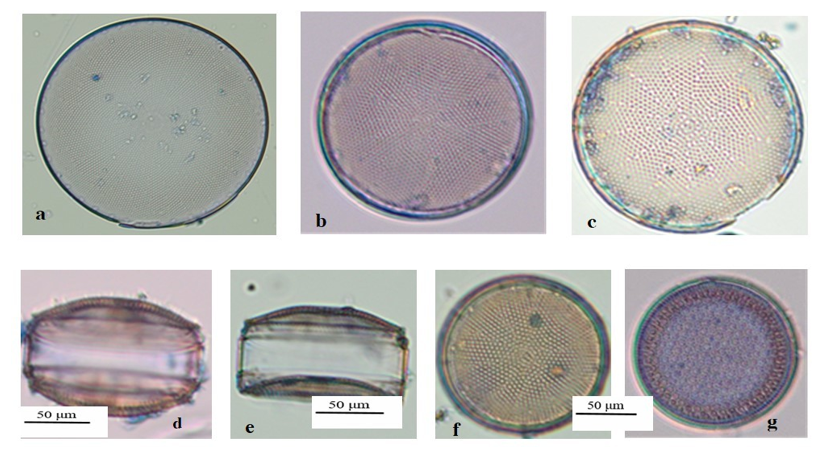
A study of phytoplankton samples collected from various marine areas of Viet Nam between 2015 and 2025 identified 21 species belonging to the genera Coscinodiscus and Coscinodiscopsis. Notably, Coscinodiscus reniformis and Coscinodiscopsis sp. were recorded and described in detail based on their cellular morphological characteristics, providing additional data for the identification and taxonomic classification of these diatom groups in Vietnamese waters.