Water lettuce points to a new biological solution for piggery wastewater

Water lettuce points to a new biological solution for piggery wastewater

19/09/2026
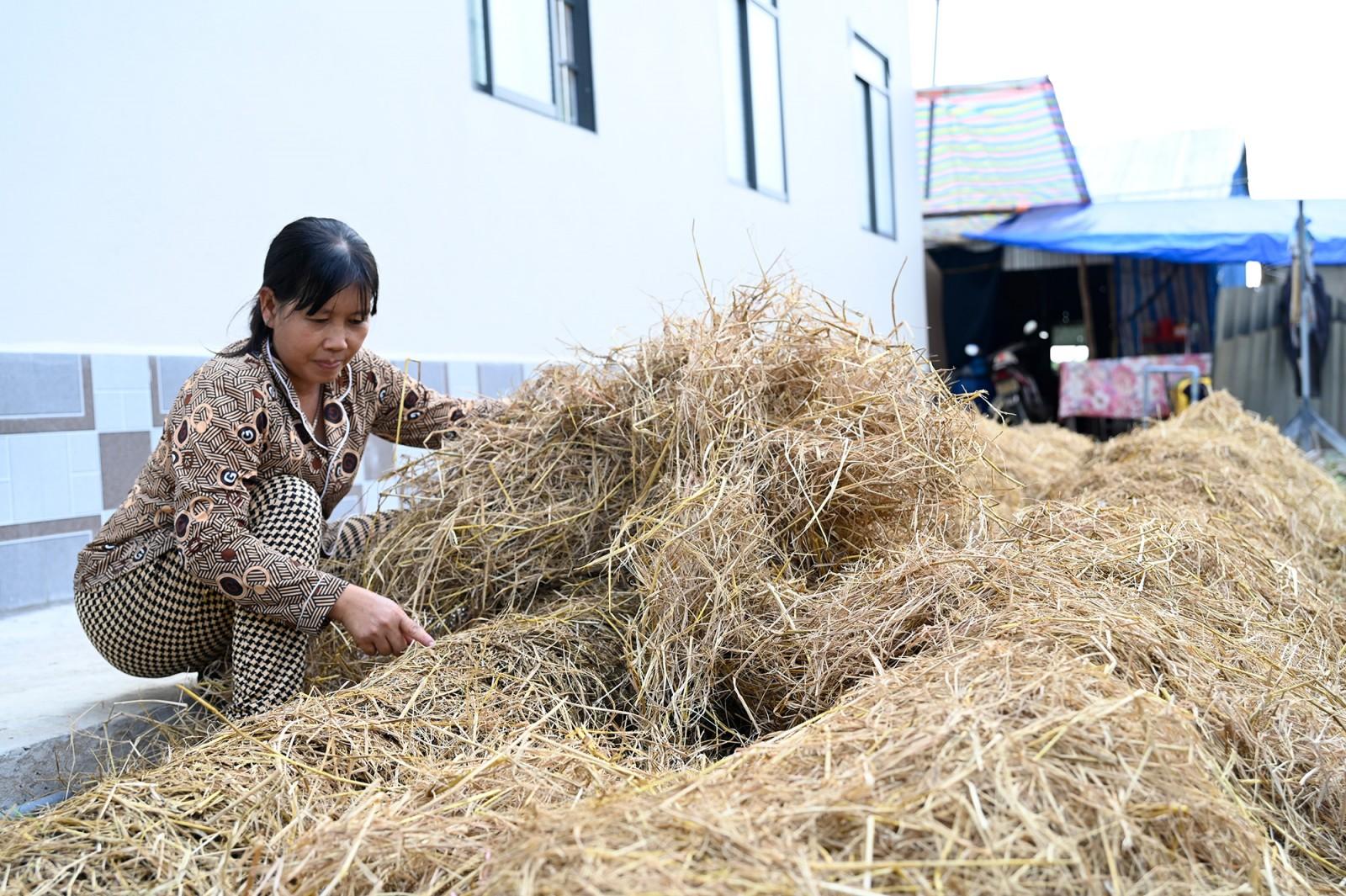
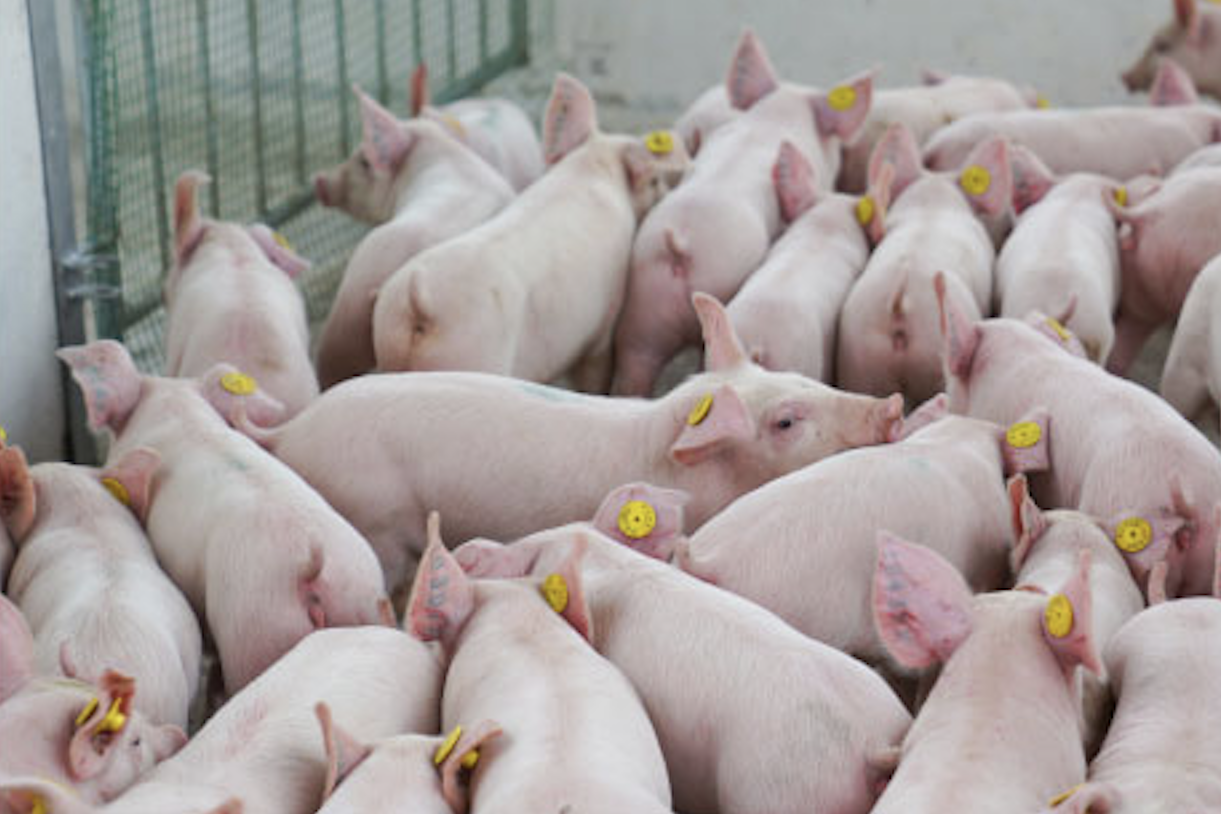
A scientific study by An Giang University, Vietnam National University, Ho Chi Minh City, and the An Giang Center for Rural Clean Water and Environmental Sanitation has demonstrated the potential of water lettuce (Pistia stratiotes) for treating piggery wastewater under natural conditions. The findings show that treatment performance varies with the initial biomass density and the pollutant being targeted. The approach offers a low-cost, environmentally friendly biological treatment option with potential for application by pig farms and household producers in Viet Nam.

  • Saline intrusion risk to agricultural land in Can Tho city under climate change scenarios

    Saline intrusion risk to agricultural land in Can Tho city under climate change scenarios

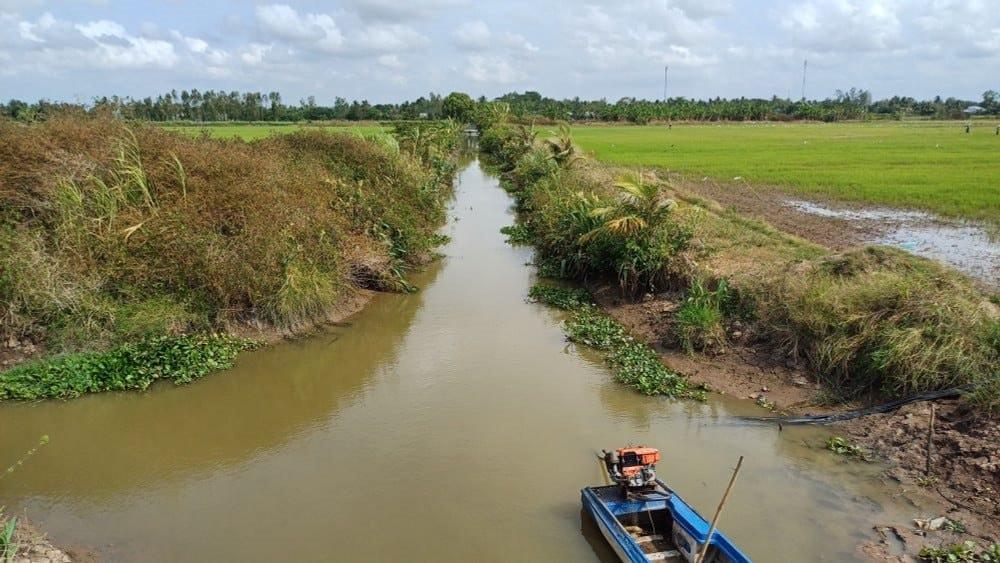
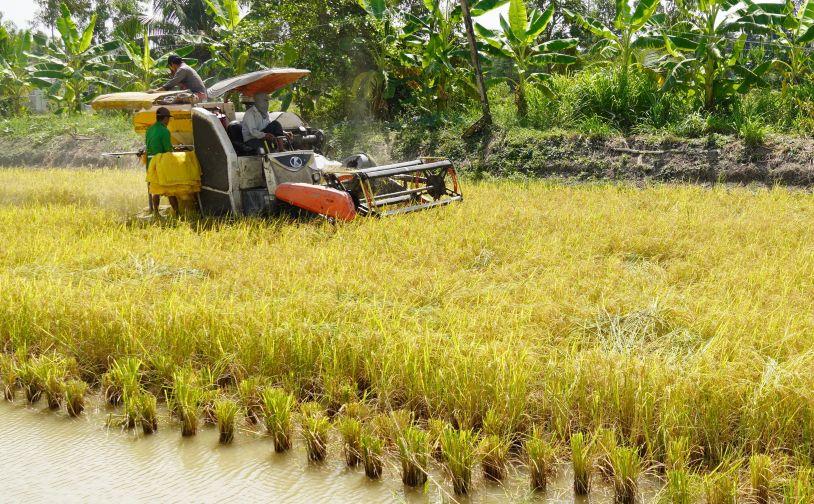
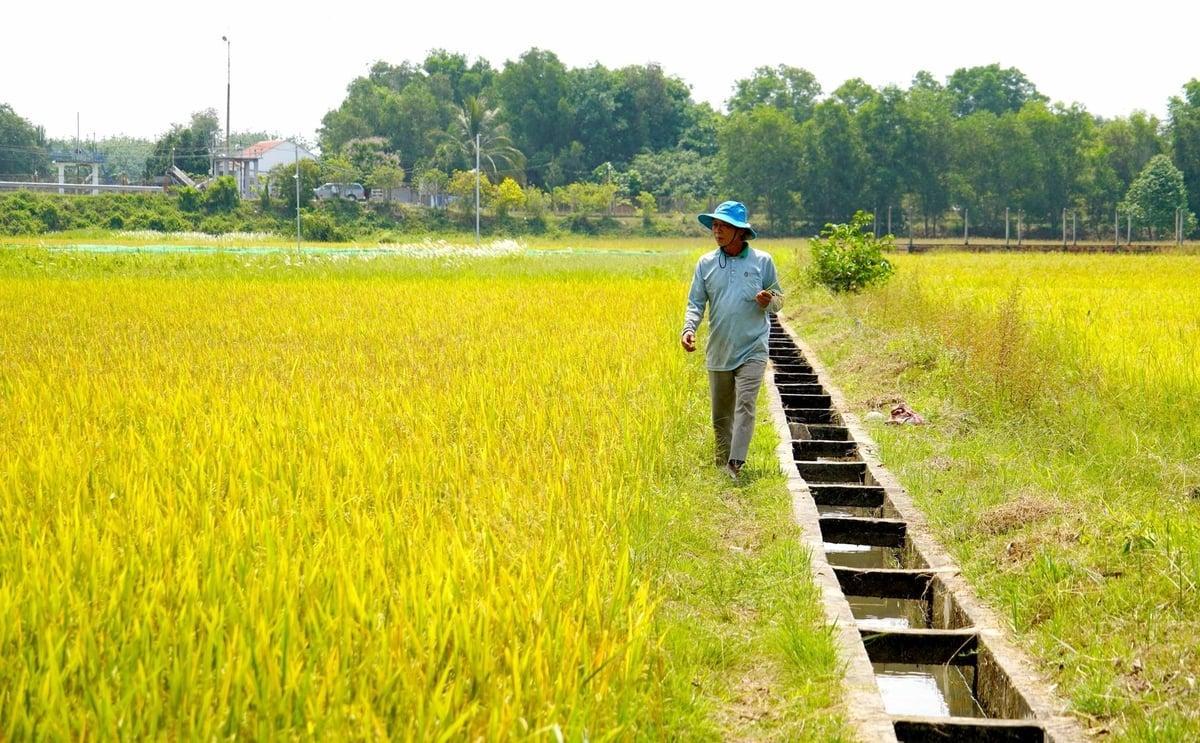
    Saline intrusion is posing growing challenges to agricultural production in the lower Hau River region, where agricultural land use is closely linked to water availability. A study conducted in the former Soc Trang province, now part of Can Tho city, assessed saline intrusion risk to agricultural land use in 2024 under the RCP 4.5 and RCP 8.5 climate change scenarios for 2030 and 2050. The results show that the area of rice cultivation affected by higher salinity levels tends to increase, providing an additional scientific basis for land use planning and the selection of appropriate adaptation-oriented farming systems.
  • Identifying diatom species in the Vietnamese sea

    Identifying diatom species in the Vietnamese sea

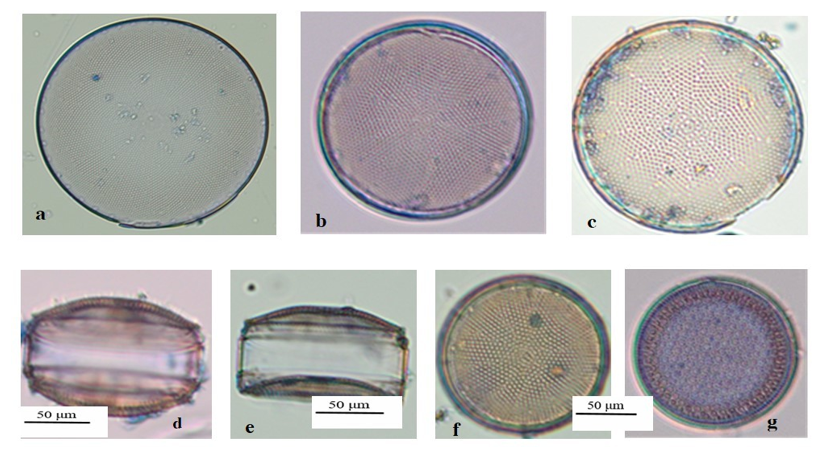
    A study of phytoplankton samples collected from various marine areas of Viet Nam between 2015 and 2025 identified 21 species belonging to the genera Coscinodiscus and Coscinodiscopsis. Notably, Coscinodiscus reniformis and Coscinodiscopsis sp. were recorded and described in detail based on their cellular morphological characteristics, providing additional data for the identification and taxonomic classification of these diatom groups in Vietnamese waters.
  • Building a land price database using a digital mapping approach in Tuyen Quang

    Building a land price database using a digital mapping approach in Tuyen Quang

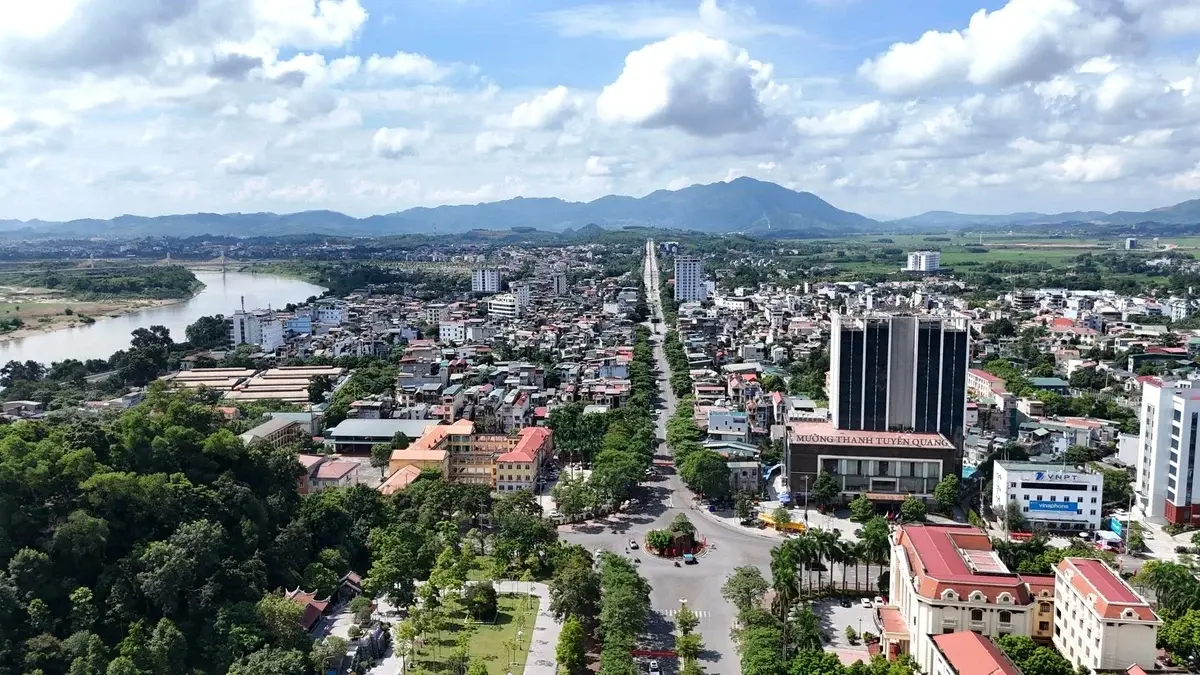
    As land management becomes increasingly digitized, greater attention is being paid to organizing data in an integrated manner and making it accessible through digital mapping platforms. A study by Nguyen Dinh Trung of the Faculty of Natural Resources and Environment, Viet Nam National University of Agriculture, developed a land price database for four wards in Tuyen Quang Province by combining cadastral data, land price information, and field survey results. The database was organized using a GIS-based approach, linking land price information to individual land parcels and facilitating data updating and retrieval.
  • Study highlights biological and ecological traits of two endangered Fernandoa species in Than Sa–Phuong Hoang nature reserve

    Study highlights biological and ecological traits of two endangered Fernandoa species in Than Sa–Phuong Hoang nature reserve

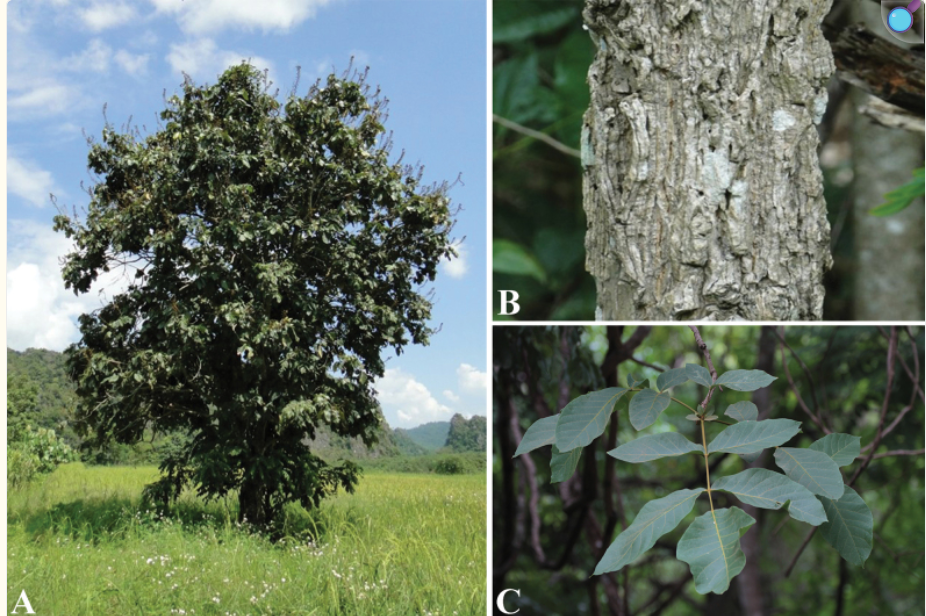
    The Than Sa–Phuong Hoang Nature Reserve in Thai Nguyen province is one of northern Viet Nam's most important special-use forests, recognized for its high biodiversity and its role in conserving numerous rare and threatened plant and animal species. A study conducted by Le Van Phuc and colleagues provides a comprehensive assessment of the biological and ecological characteristics, as well as the natural regeneration capacity, of two endangered and rare Fernandoa species. The findings not only strengthen the scientific basis for species conservation but also highlight the importance of natural forest ecosystems in maintaining Viet Nam's valuable plant genetic resources.
  • Managing and developing street trees in Da Nang’s Han river and Eastern coastal zone

    Managing and developing street trees in Da Nang’s Han river and Eastern coastal zone

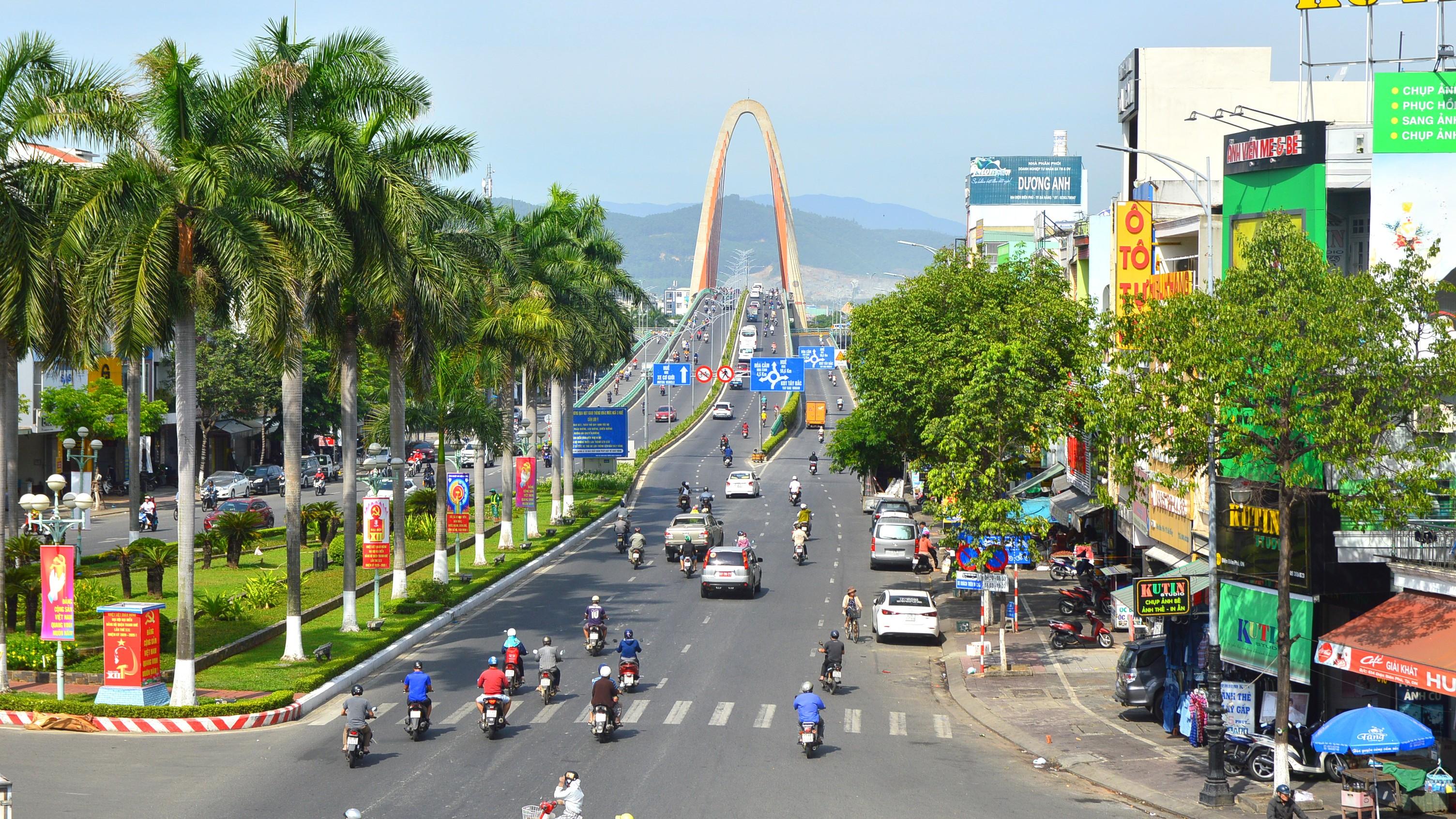
    Street trees contribute to providing shade, improving the urban environment, and shaping the appearance of cities. For an urban tree system to develop sustainably, species selection, the provision of adequate growing space, and coordination with technical infrastructure need to be considered in an integrated manner. A study by researchers from the University of Agriculture and Forestry, Hue University, examined the street-tree system in the Han river and Eastern Coastal Zone of Da Nang City, identifying strengths and limitations in planting, maintenance, and management practices and proposing management and development approaches better suited to the characteristics of each area.
  • Legal changes in Viet Nam from 2020 to 2025 support circular agriculture

    Legal changes in Viet Nam from 2020 to 2025 support circular agriculture

    The 2020–2025 period witnessed significant changes in Viet Nam’s legal framework governing land, environmental protection, water resources, and state management, providing an additional legal basis for the development of a circular agricultural economy in Viet Nam. A study by Nguyen Thi Lanh, Nguyen Van Linh, and Nguyen Thanh Giao shows that these changes center on four main policy instruments: expanding the multi-purpose land use mechanism, strengthening technical regulations governing secondary agricultural materials, establishing incentives for water resources and green credit, and enhancing the decentralization of environmental management and monitoring at the grassroots level.
  • Viet Nam's water quality management shifts toward real-time digital data-based monitoring

    Viet Nam's water quality management shifts toward real-time digital data-based monitoring

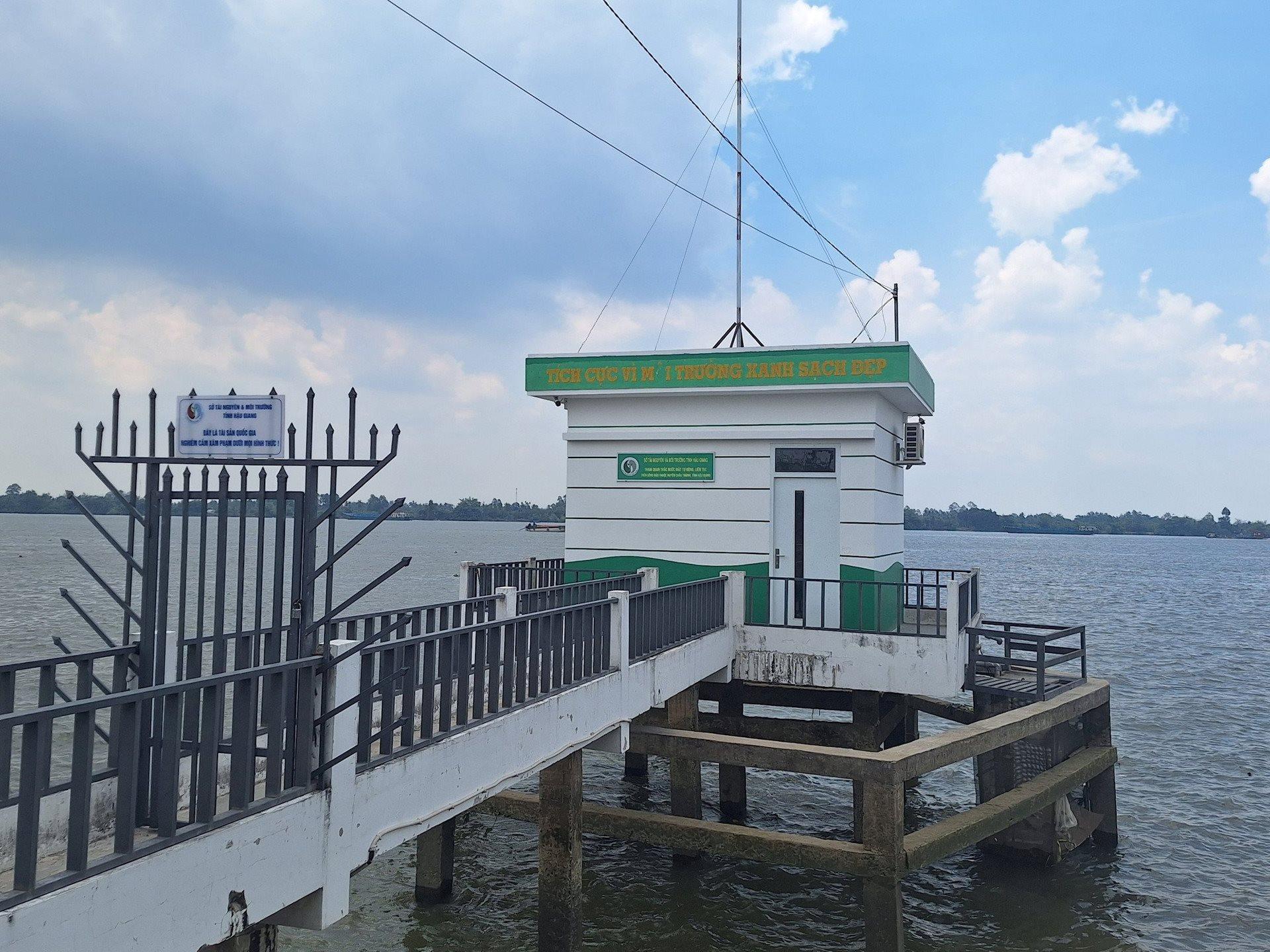
    As pressure from water pollution continues to intensify and environmental management moves toward more modern approaches, the transition from conventional manual monitoring to real-time digital data-based monitoring has become an inevitable trend. A study conducted by researchers from Can Tho University and the Can Tho Department of Agriculture and Environment examines this transition through an analysis of Vietnam's legal framework on environmental protection and water resources during the 2020–2025 period. The findings clarify the foundation for a transparent, proactive, and data-driven water quality management model in Viet Nam.
  • Looking beyond the standards in new rural development

    Looking beyond the standards in new rural development

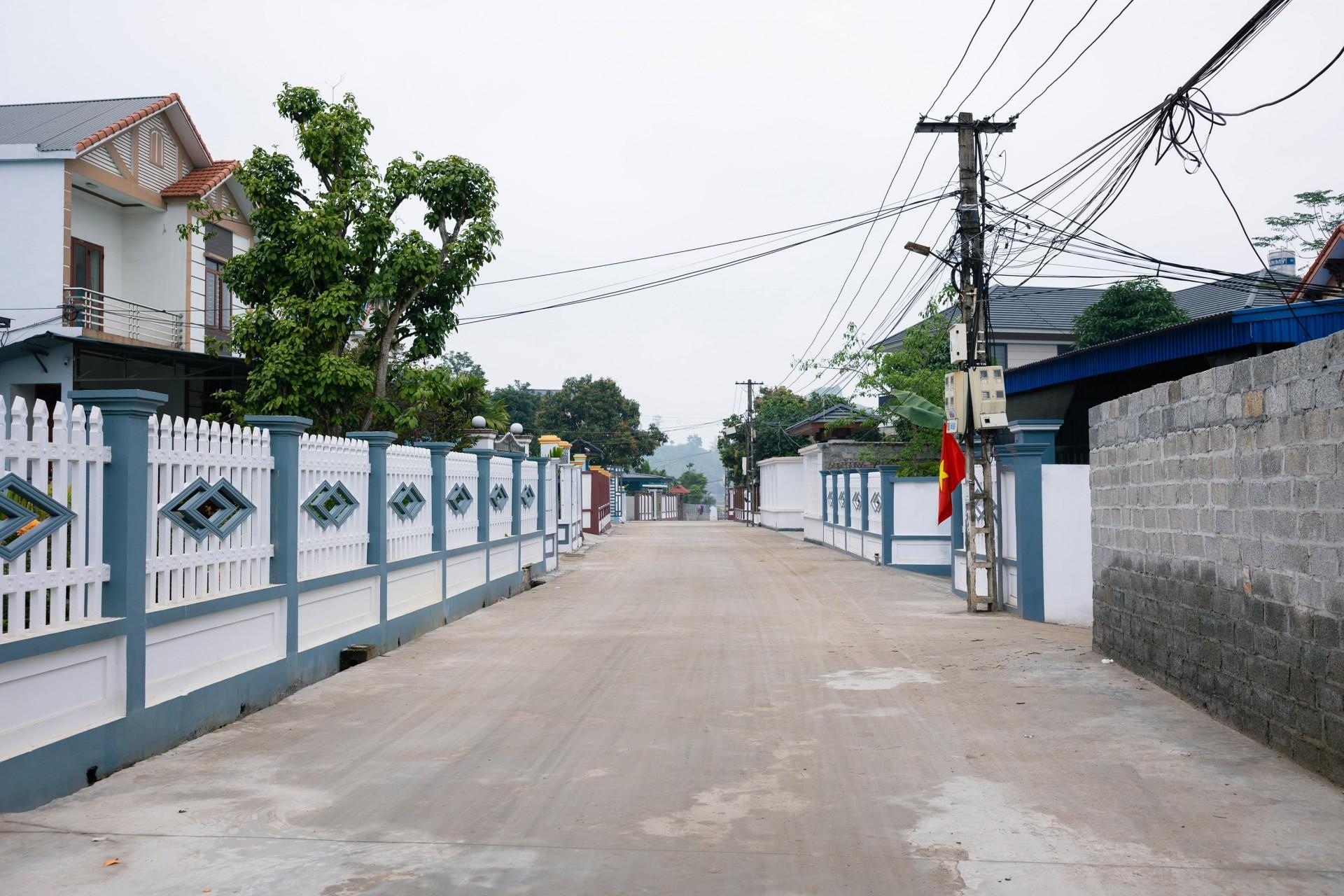
    Meeting established criteria is an important measure of new rural development, but it is not sufficient to answer a more fundamental question: what are residents actually gaining from the development process? A study in Thai Nguyen, drawing on subjective well-being theory and examining the relationship between importance and satisfaction, identifies notable gaps in employment, housing, infrastructure, health, individual capabilities, and time. The findings suggest that residents’ perceptions and quality of life should be incorporated into assessments of new rural development outcomes at the village level.
  • Viet Nam’s air quality management transition: Strengthening implementation capacity

    Viet Nam’s air quality management transition: Strengthening implementation capacity

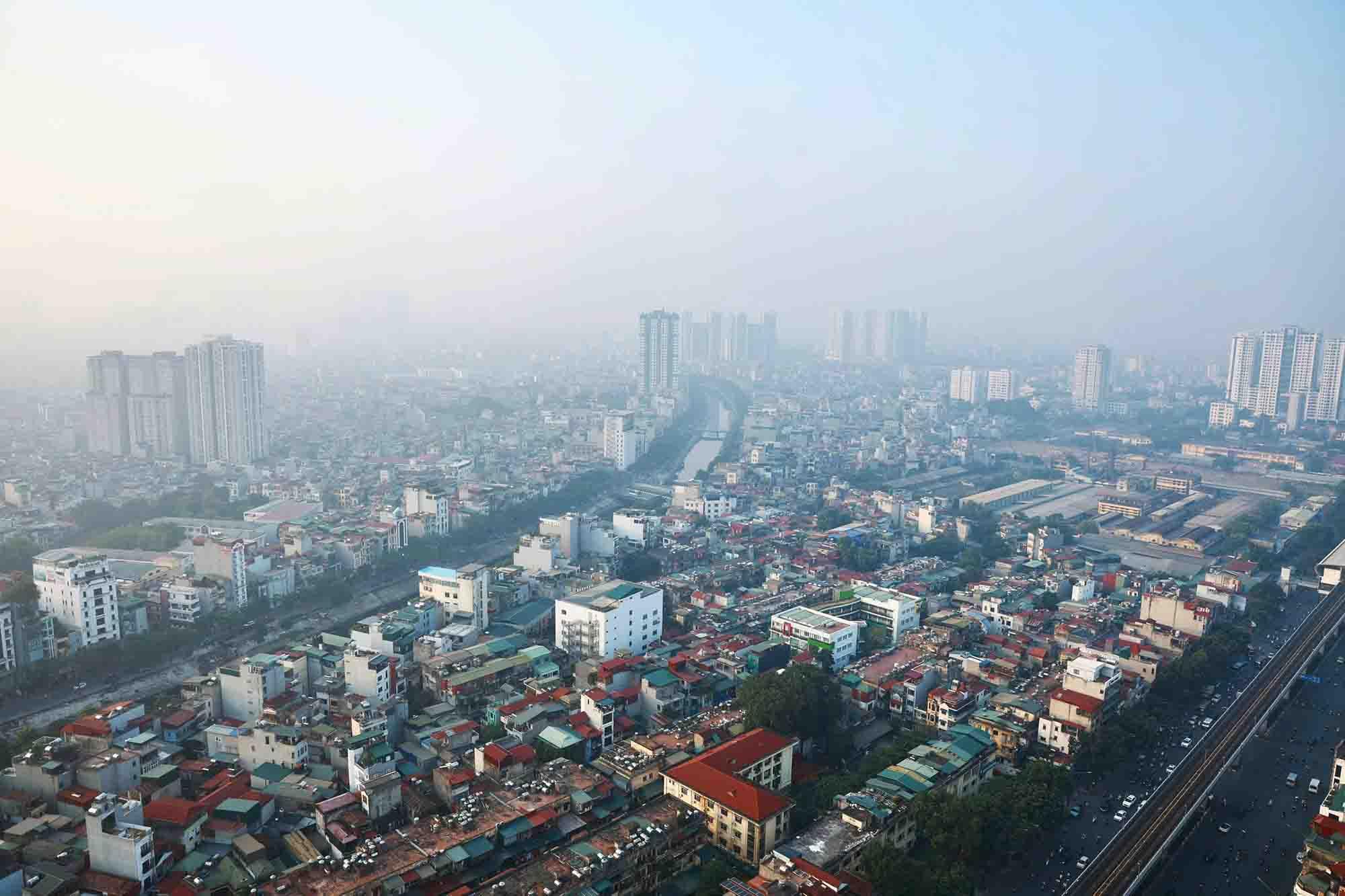
    Against the backdrop of air pollution continuing to pose significant challenges to sustainable development, Viet Nam has made notable progress in strengthening its legal framework amid a broader process of institutional consolidation during the 2024–2025 period. Research conducted by a team from Can Tho University indicates that the current focus of air quality governance in Viet Nam is shifting from institutional development toward strengthening implementation and enforcement capacity, with growing demands for monitoring capability, cross-sector coordination, and the effective application of economic instruments for emissions control.
  • Muddy coast–mangrove dynamics in the Mekong Delta: Degradation feedbacks and pathways for nature-based protection

    Muddy coast–mangrove dynamics in the Mekong Delta: Degradation feedbacks and pathways for nature-based protection

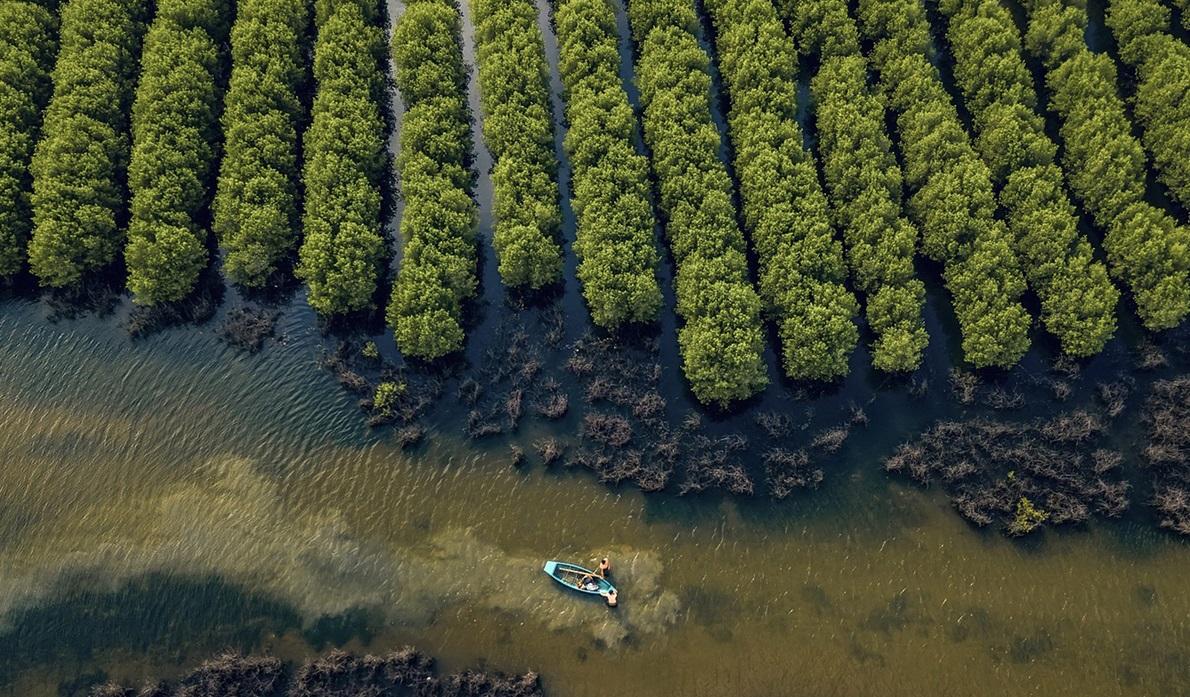
    The Mekong Delta is one of the world’s most important deltaic systems, yet it is also among the regions most severely affected by coastal erosion, mangrove degradation, sea-level rise, land subsidence, and declining sediment supply. Against this backdrop, a study by Prof. Dr. Thieu Quang Tuan of the Faculty of Engineering, Thuyloi University proposes a scientifically grounded perspective: effective coastal protection and mangrove restoration must begin with a proper understanding of the natural dynamics governing muddy coasts and fine-grained sediment balance.
  • Refining the IUCN Global Standard for nature-based riverbank protection in An Giang province

    Refining the IUCN Global Standard for nature-based riverbank protection in An Giang province

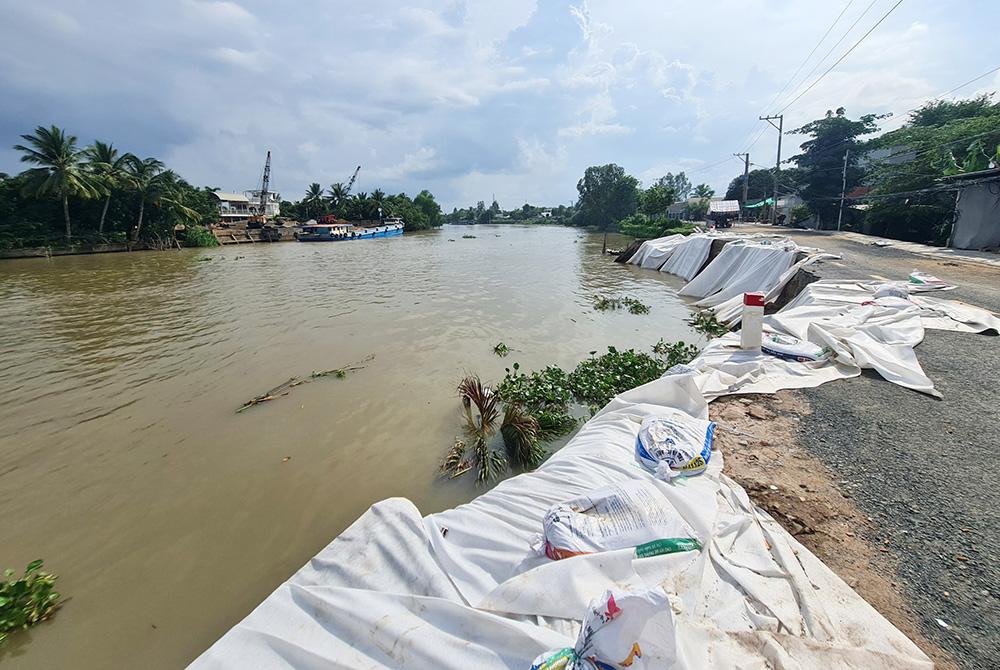
    As riverbank erosion becomes increasingly severe in the Mekong Delta, many localities have begun piloting nature-based riverbank protection solutions that utilize locally available materials and minimize hard-engineering interventions in river flows. However, evaluating the effectiveness of these solutions remains challenging, particularly when international assessment frameworks do not fully align with the socio-ecological conditions of the delta region.
  • How plants are emerging as agriculture’s green shield

    How plants are emerging as agriculture’s green shield

    As organic farming and safe agricultural production gain momentum, botanical plant protection products are increasingly being viewed as a promising alternative to conventional chemical pesticides. Drawing on more than half a century of research, a review by Nguyen Thi Lan Huong, Dang Thi Thanh Le, and Vuong Dang Le Mai from Thuyloi University and University of Transport Technology highlights Viet Nam’s rich plant resources and their potential for developing a new generation of biological plant protection products.
  • AVAC ASF LIVE vaccine shows cross-protective efficacy against recombinant rASFV I/II

    AVAC ASF LIVE vaccine shows cross-protective efficacy against recombinant rASFV I/II

    The emergence of recombinant African swine fever virus (ASFV) strains derived from genotypes I and II (rASFV I/II) poses a new challenge to the effectiveness of currently available vaccines in Viet Nam. A preliminary study conducted in experimental pigs by Nguyen Van Diep, Nguyen Van Duc, Vu Xuan Dang, Nguyen Thi Ngoc, Do Phuc Tue, Tran Ngoc Tiep (AVAC Vietnam Joint Stock Company), and Pham Ngoc Doanh (Institute of Biology, Vietnam Academy of Science and Technology) shows that the AVAC ASF LIVE vaccine confers cross-protective efficacy against this strain, with outcomes influenced by vaccination regimen and challenge dose.
  • Coastal agricultural transformation: The rice–shrimp system shows higher biodiversity than shrimp monoculture

    Coastal agricultural transformation: The rice–shrimp system shows higher biodiversity than shrimp monoculture

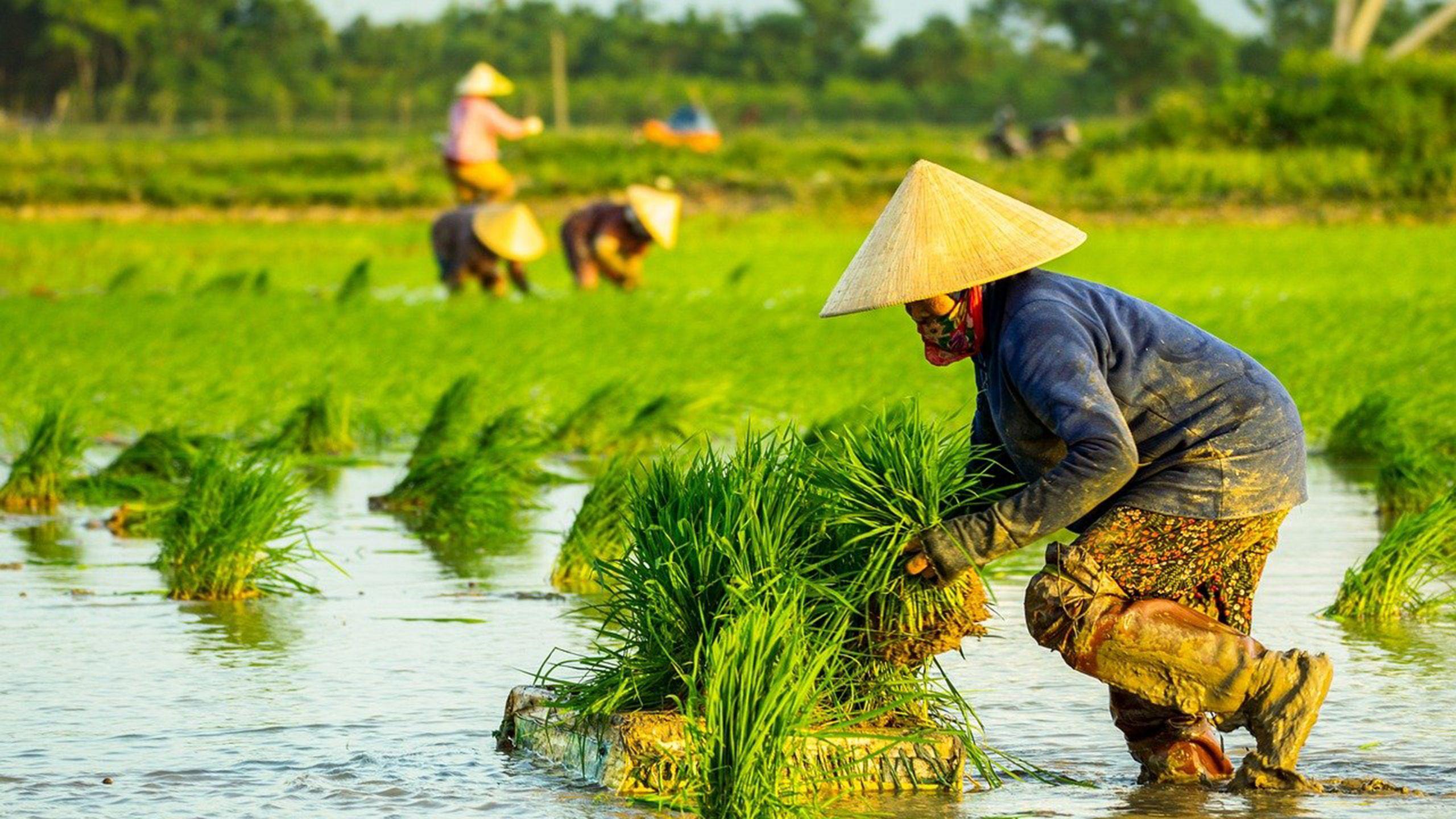
    Following episodes of drought and saltwater intrusion that required restructuring agricultural production in coastal areas, rice–shrimp and shrimp monoculture systems were adopted as adaptive strategies. However, changes in farming practices are accompanied by shifts in agroecosystem structure.
  • Viet Nam field trials identify new salt-tolerant rice lines

    Viet Nam field trials identify new salt-tolerant rice lines

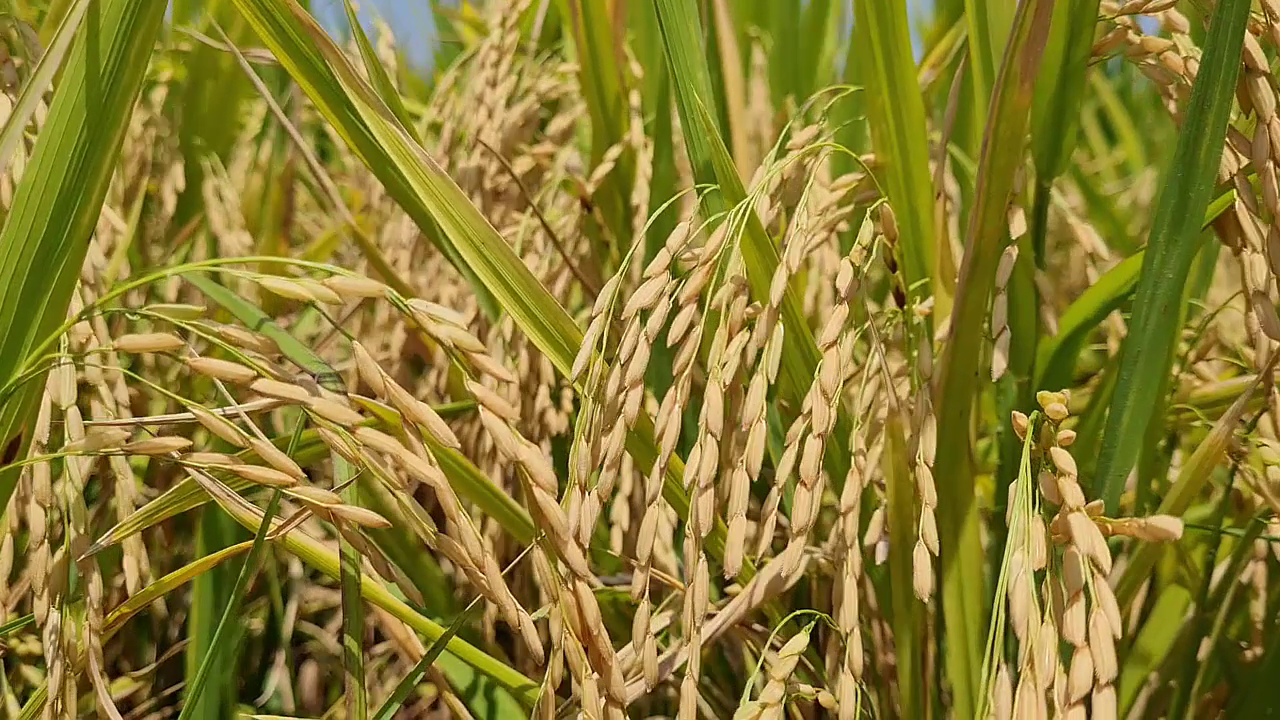
    As climate change accelerates saltwater intrusion across many of Viet Nam’s major rice-growing regions, the need to develop rice varieties capable of adapting to saline conditions has become increasingly urgent. Systematic evaluation of the morphological and agronomic characteristics of newly bred salt-tolerant rice lines is considered a key step in screening and selecting suitable planting materials for production.
  • Greenhouse and net house vegetable production in Son La province: Evidence from field-based research

    Greenhouse and net house vegetable production in Son La province: Evidence from field-based research

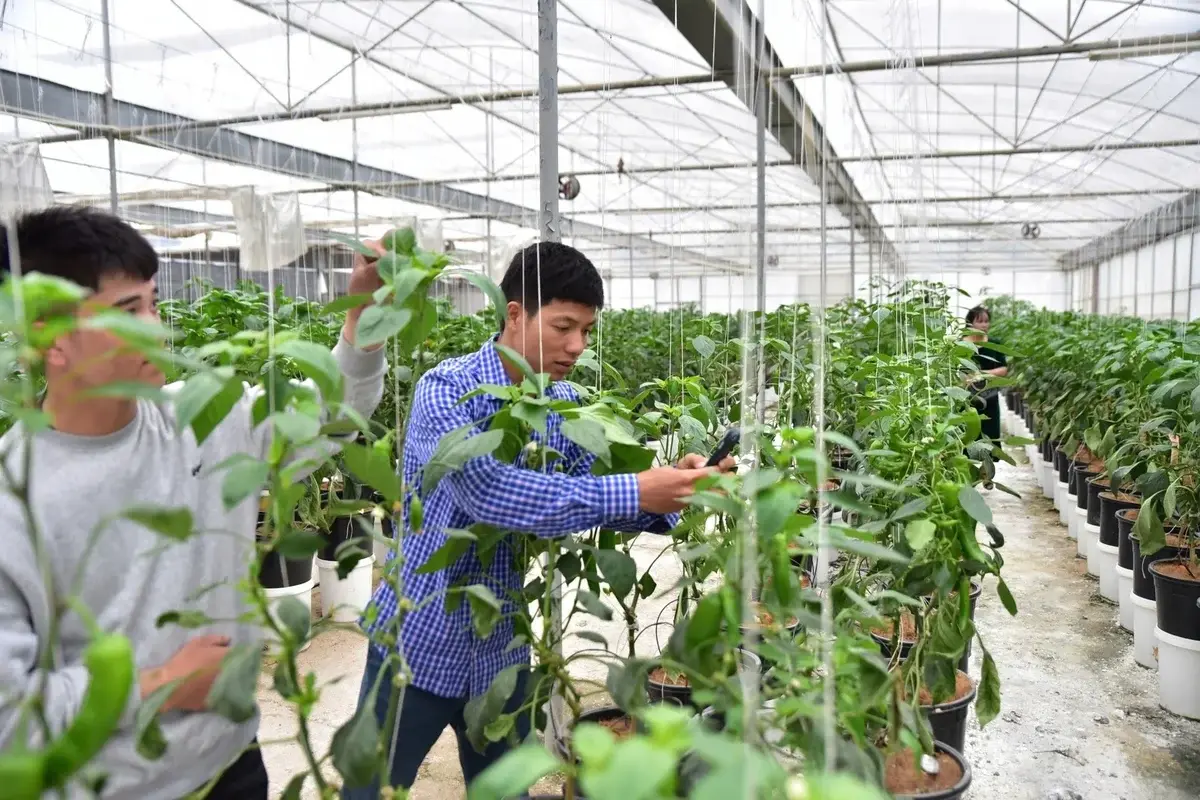
    Vegetable production has emerged as one of the fastest-growing sectors of agriculture in Son La province in recent years; however, it continues to face significant challenges related to product quality, food safety, and production efficiency. In this context, greenhouse and net house vegetable cultivation is increasingly viewed as a promising approach to better control growing conditions and enhance value added. The study “Current status and solutions for developing greenhouse and net house vegetable production in Son La province,” conducted by a research team from the Fruit and Vegetable Research Institute and the Vietnam National University of Agriculture, draws directly on on-the-ground production and distribution practices. It provides a relatively comprehensive assessment of the scale, performance, and key challenges associated with this production model across the province.
  • Building a sea level rise database to inform coastal land use management in Thanh Hoa province

    Building a sea level rise database to inform coastal land use management in Thanh Hoa province

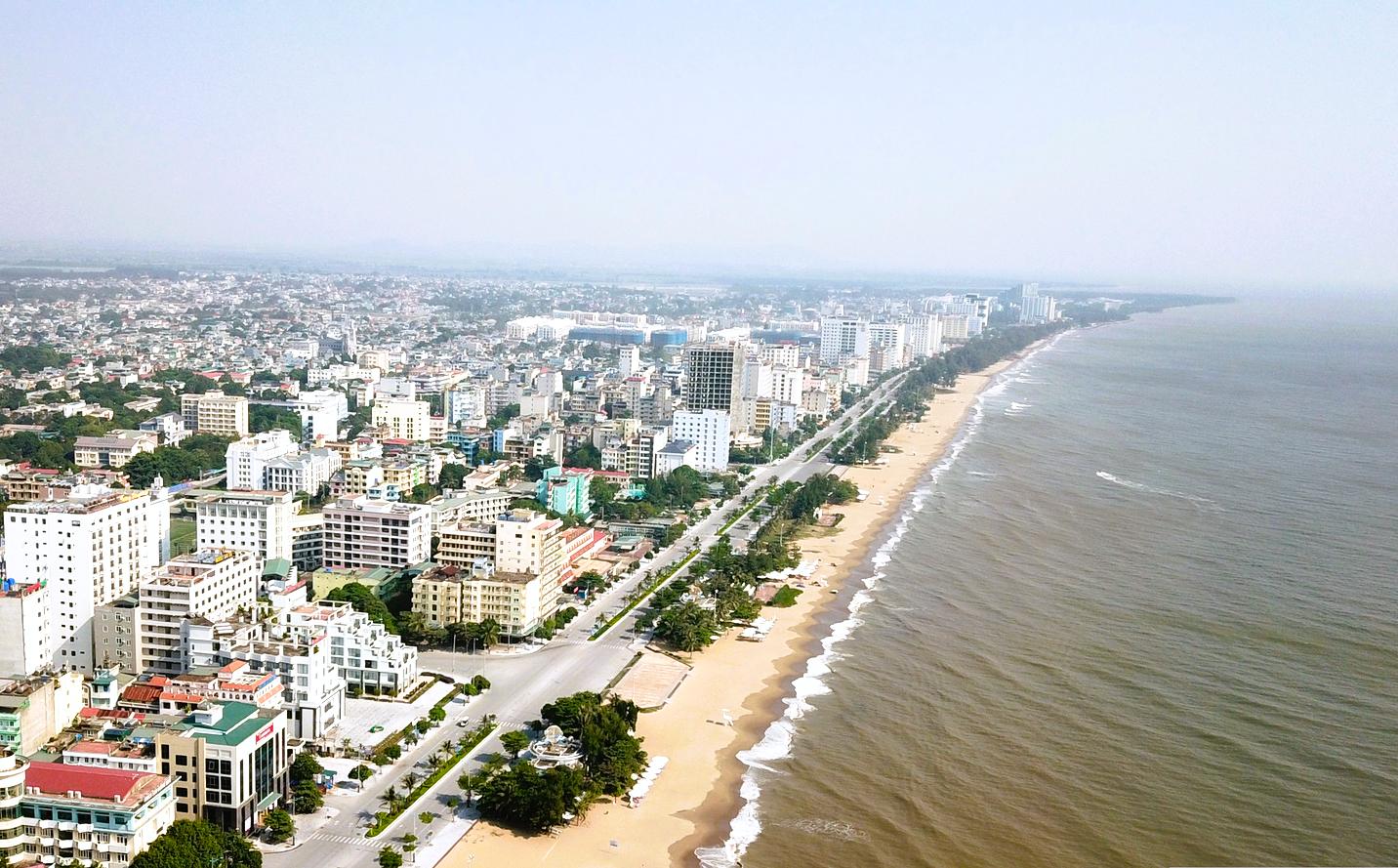
    In response to the increasingly evident impacts of climate change and sea level rise on coastal areas, a research team from Thanh Dong University and the Thai Nguyen University of Agriculture and Forestry has developed a sea level rise–related inundation risk database for the coastal zone of Thanh Hoa province. Based on digital elevation models (DEM), remote sensing data, and Representative Concentration Pathway (RCP) climate scenarios, the study provides a quantitative assessment of the projected increase in inundation risk over time, thereby clarifying potential impacts on coastal land use patterns at the time milestones of 2050, 2080, and 2100.