




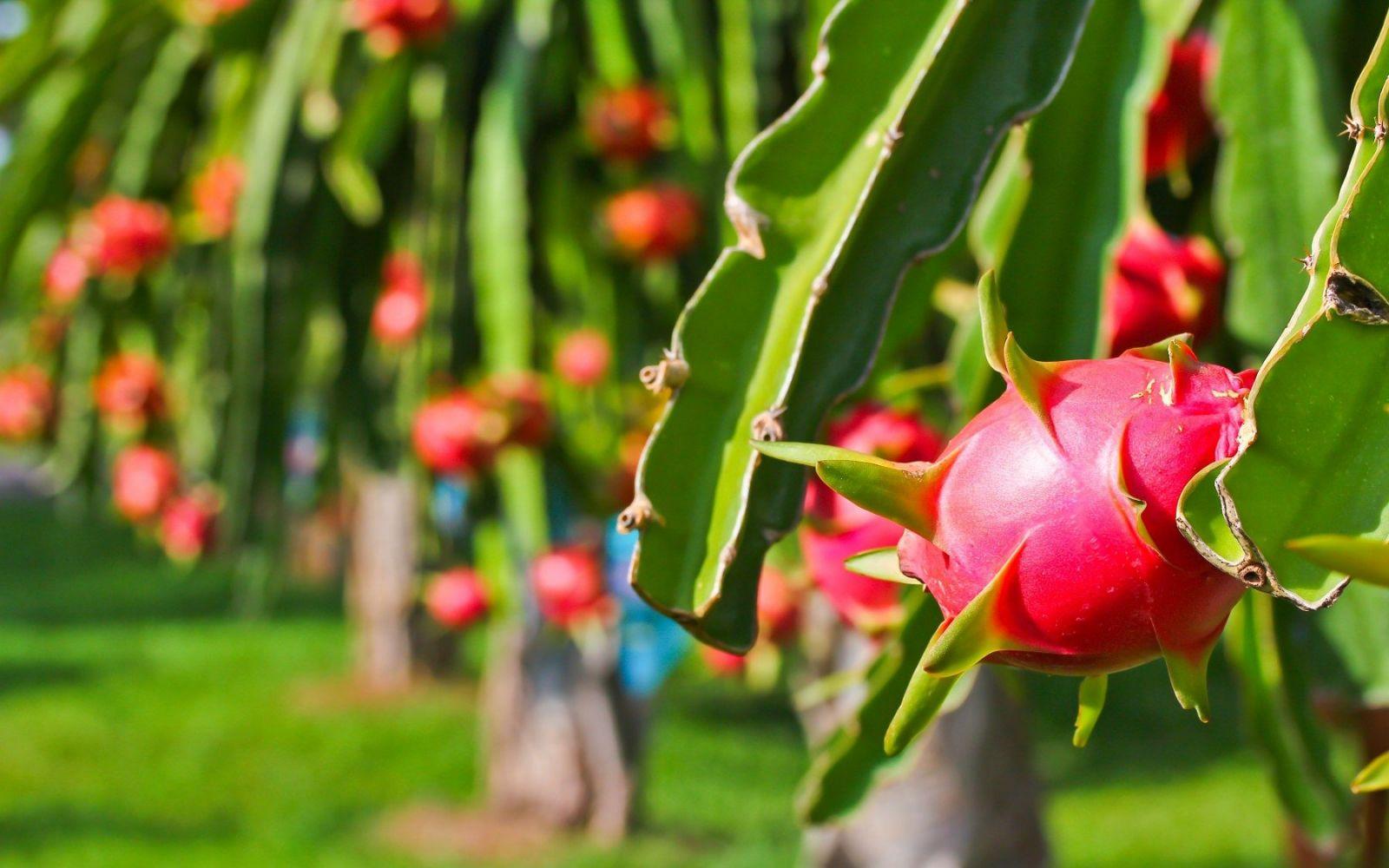
 Stems, flowers, and fruit removed during cultivation and harvesting generate substantial quantities of by-products in major dragon fruit production areas. A survey conducted by researchers at the Southern Horticultural Research Institute found that, alongside basic disposal practices, some growers are already reusing these materials to produce organic fertilizer. The findings provide a basis for further improving collection and treatment methods so that more of these materials can be returned to agricultural production.
Sources and seasonal patterns of dragon fruit by-products
Dragon fruit is harvested year-round in the major production areas of southern Viet Nam. Routine crop management generates considerable quantities of stems, flowers, and fruit that are removed from orchards. Among these materials, stems account for the largest share of dragon fruit by-products.
The survey covered major dragon fruit-growing areas in the former provinces of Binh Thuan, Long An, and Tien Giang, now incorporated into Lam Dong, Tay Ninh, and Dong Thap provinces, respectively. It found that stem pruning is concentrated mainly in May, June, and July. During this period, growers remove old, poorly developed, diseased, and unnecessary stems to prepare the plants for new growth. Flower and fruit by-products are generated according to seasonal production patterns and crop management needs, while fruit removed through thinning accounts for only a small proportion of the total.
The volume of by-products varies with plant age, pruning intensity, season, and pest and disease pressure. All 540 surveyed households identified stems as the largest source of by-products. Nearly all respondents also reported that seasonal patterns influence the amount generated, while plant age was another important factor.
These findings show that dragon fruit by-products are closely linked to the production cycle and the stages of plant growth. Identifying when and where they are generated is an essential first step in planning collection and selecting appropriate treatment methods.
As agriculture places greater emphasis on resource efficiency and by-product reuse, pruned dragon fruit stems can be viewed not merely as material to be removed from orchards, but also as a potential source of organic inputs for crop production.
By-product management and plant disease control
One of the study’s practical contributions is its examination of the relationship between by-product management, orchard sanitation, and disease control in dragon fruit production.
After pruning, most growers collect the materials manually and transport them to treatment sites using wheelbarrows or sacks. Subsequent handling varies. Some households compost the by-products for use as fertilizer, while others remove them from orchards and leave them to decompose. In other cases, growers dispose of by-products in irrigation ditches within orchards or collect and burn them.
Among the surveyed households, 43.70% reported disposing of by-products in irrigation ditches. The study notes that diseased stems, flowers, or fruit discarded into these waterways may increase the risk of spreading plant diseases, including brown spot and anthracnose. This practice is particularly concerning because growers may subsequently use the same water for irrigation. Burning, by contrast, can help reduce sources of pests and diseases but also generates greenhouse gas emissions and contributes to environmental pollution.
Another significant finding was that 85.56% of surveyed households did not separate diseased from healthy plant material. Mixing these materials complicates subsequent treatment and disease management. Some households, however, had adopted a different approach by collecting diseased materials separately from healthy stems, flowers, and fruit.
The findings indicate that reusing dragon fruit by-products involves more than converting them into organic fertilizer. Collection, segregation, and treatment must also be organized in ways that prevent plant residues from becoming an additional source of problems within production areas.
Effective by-product management therefore supports both resource recovery and safe production. Appropriate handling can help maintain orchard sanitation, reduce potential sources of disease, and limit disposal practices that adversely affect the environment.
Existing treatment protocols and technical challenges
The surveyed localities already have technical foundations for treating dragon fruit by-products. The study identified three agricultural by-product treatment protocols in Lam Dong, two in Tay Ninh, and three in Dong Thap. These protocols had been introduced locally and were used in training and extension activities for growers.
Some protocols address two objectives simultaneously: treating dragon fruit stems, including diseased material, and producing organic fertilizer for reuse in crop production. In Lam Dong, a protocol using the BIO-ADB microbial preparation has been applied since 2016 to treat diseased dragon fruit stems and fruit. In Tay Ninh and Dong Thap, a composting protocol developed by the Southern Horticultural Research Institute has been used to process dragon fruit stems into organic fertilizer.
The study’s comparison of existing protocols indicates that technical adjustments can improve treatment performance. Chopping stems into smaller pieces can facilitate faster decomposition, while the use of lime and microbial agents can help manage plant pathogens. Nevertheless, existing protocols require further refinement to better accommodate growers’ practical conditions, including the volume of material collected, composting time, and the quality of the finished product.
A survey of 90 households that composted dragon fruit by-products found that 91.11% used microbial inoculants during composting. Most compost piles contained approximately 1–2 metric tons of material. However, composting operations still relied largely on manual labor. The piles were not turned regularly, and leachate generated during decomposition was not collected.
These findings suggest that the priority may not be to develop an entirely new process, but rather to improve existing technologies so that they are easier to implement at the farm level, better suited to production conditions, and less costly for growers.
Further research could focus on shortening decomposition time, improving the efficiency of material use, and refining the criteria for assessing the quality of the resulting organic fertilizer.
Improving the collection and reuse of dragon fruit by-products
The survey of 540 dragon fruit-growing households found that only 16.67% composted by-products to produce fertilizer. Although this proportion remains modest, it demonstrates that reuse is already practiced in production and provides a basis for further improvement.
The study, “Survey on the current status and assessment of by-products generated from dragon fruit cultivation, collection techniques, and treatment practices in concentrated production areas,” by Nguyen Thi Ngoc Truc, Tran Thi Van, Tran Ngoc Phu Tinh, and Nguyen Van Son, provides a detailed assessment of by-product generation in major dragon fruit production areas. It examines when these materials are generated, their main components, how growers collect them, and which treatment methods are currently used.
The findings highlight an important consideration for by-product management: treatment efficiency depends not only on composting technology, but also on the organization of collection, the separation of diseased materials, and labor conditions in orchards. These operational factors can influence whether a treatment method is practical and can be adopted on a wider scale.
The objective, therefore, is not simply to remove by-products from orchards, but to ensure that they are treated safely and reused appropriately. When stems, flowers, and some discarded fruit are collected and treated properly, they can be converted into organic inputs for crop production, supporting more efficient material cycling within dragon fruit production systems.
The practical significance of the study lies in its emphasis on making better use of resources already available within production areas. It also identifies the need to improve treatment protocols to address constraints related to labor costs and prolonged decomposition, thereby increasing the potential for dragon fruit by-products to be reused.
Source: This article is based on the study by Nguyen Thi Ngoc Truc, Tran Thi Van, Tran Ngoc Phu Tinh, and Nguyen Van Son, titled “Survey on the current status and assessment of by-products generated from dragon fruit cultivation, collection techniques, and treatment practices in concentrated production areas,” Science Journal of Agriculture and Environment, Issues 1–2, February 2026.
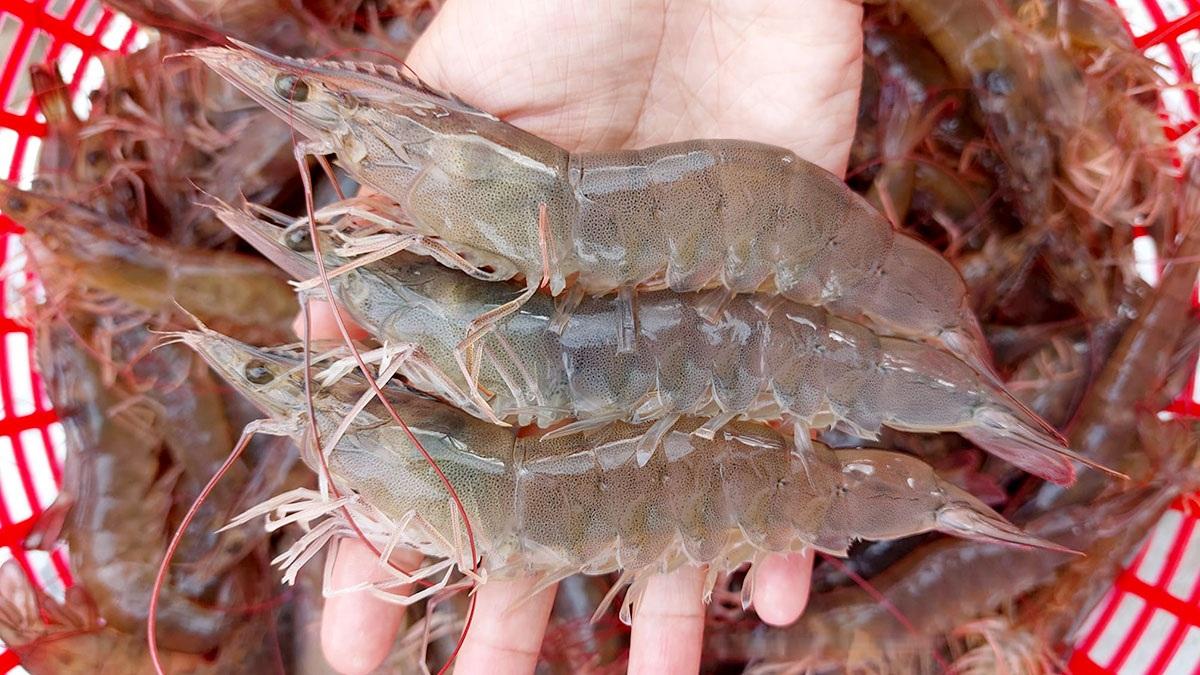
A survey of 90 whiteleg shrimp (Litopenaeus vannamei) farming households in the Mekong Delta found that probiotics are widely used in intensive and super-intensive production systems, whereas prebiotics and synbiotics remain less widely adopted. The findings provide practical evidence to inform the development of biological solutions better suited to production conditions, helping improve pond management and support more sustainable shrimp farming.
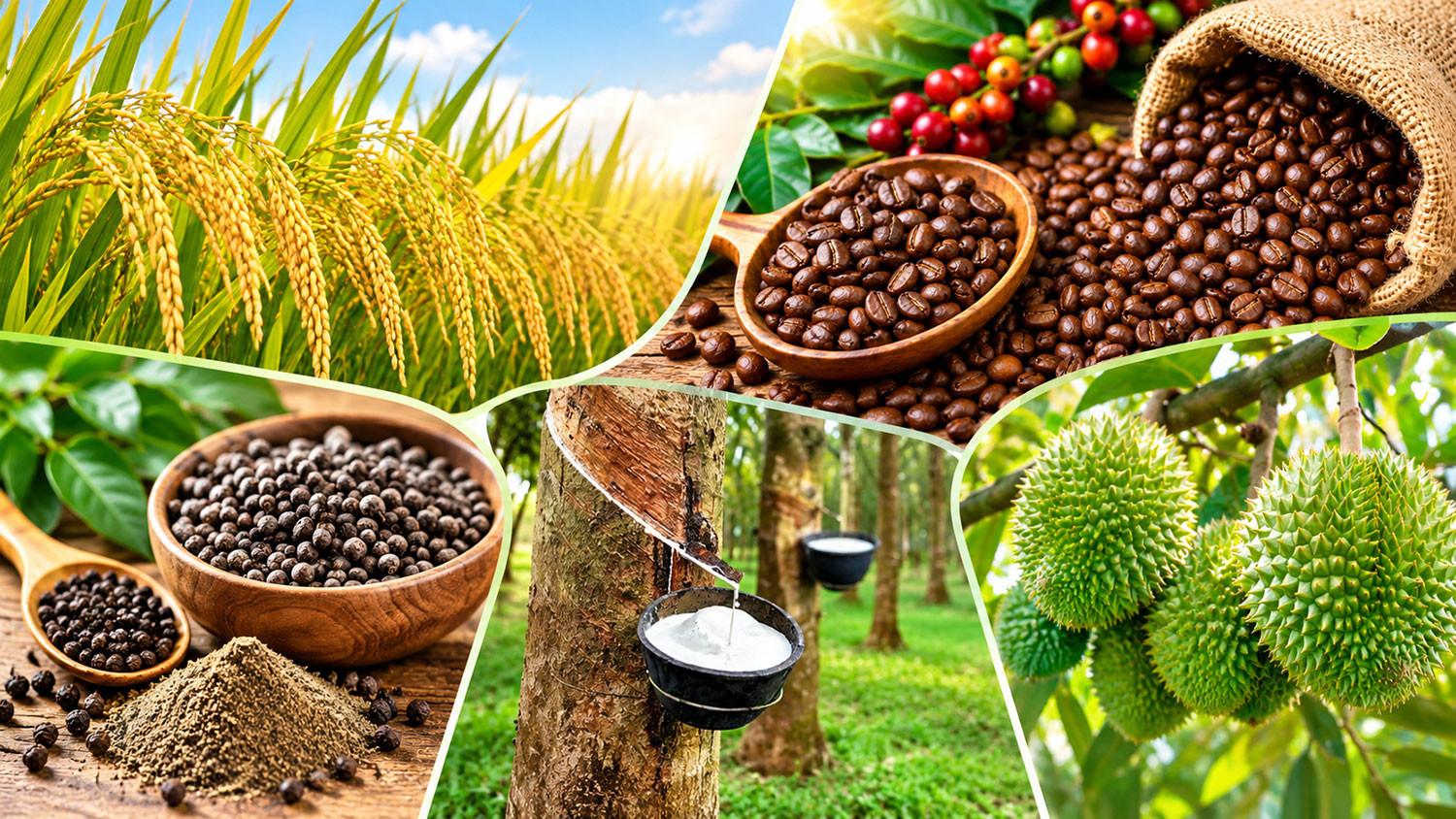
By 2025, Vietnamese agricultural products were being exported to more than 180 countries and territories, highlighting the need not only to expand market access but also to identify which markets should be consolidated, which offer further growth opportunities, and which warrant a more cautious approach. A study by Tran Cong Thang, Nguyen Anh Phong, and Vu Huy Phuc proposes a method for classifying agricultural export markets using a weighted set of criteria and tests the method on three major export commodities: rice, fruits and vegetables, and coffee. The findings provide a systematic reference for developing market strategies tailored to the characteristics of individual commodities.
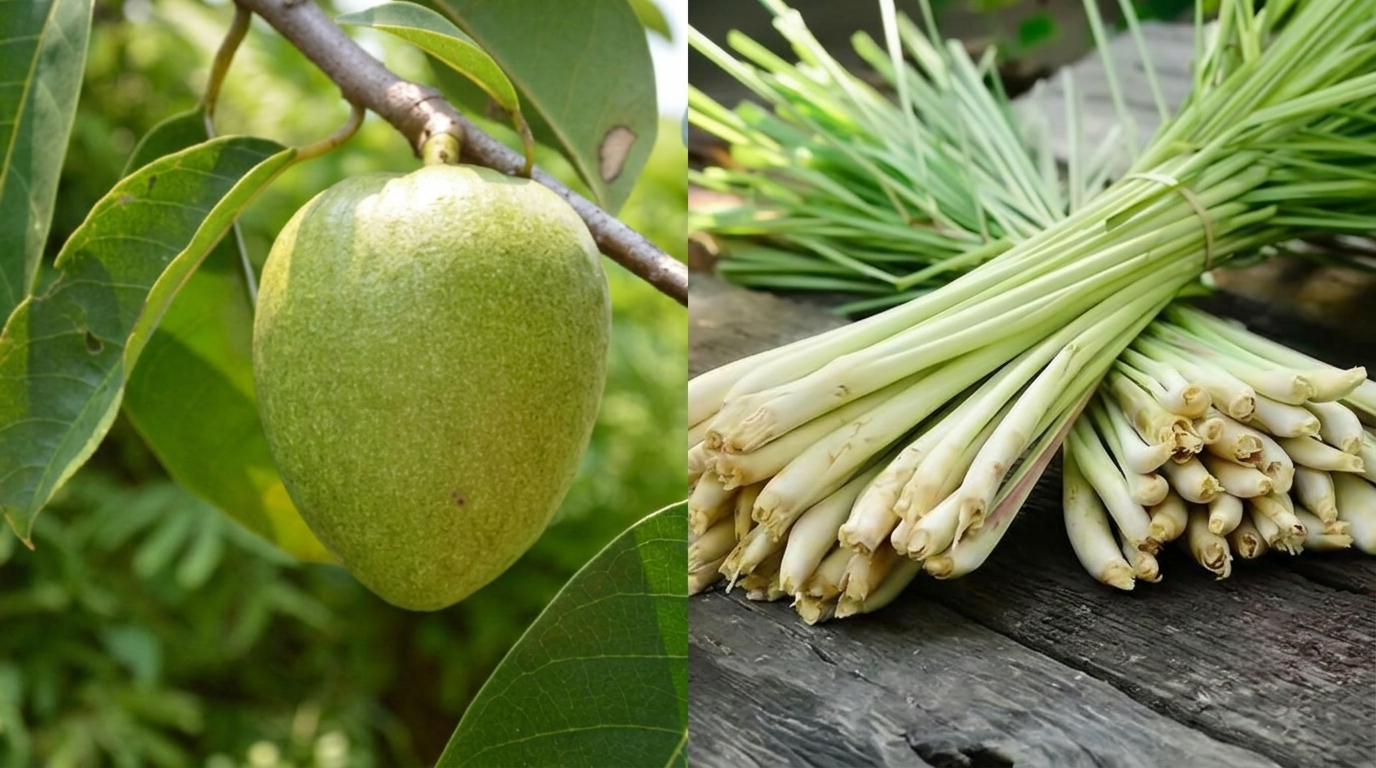
Research into plant-derived crop protection products is opening new avenues for sustainable agriculture. A study by Nguyen Van Phuoc, Ho Truong Huynh Thi Bach Phuong, Huynh Ba Di, and Cao Khoi Nghia of Kien Giang University found that nanoemulsions formulated from pond apple (Annona glabra) and lemongrass (Cymbopogon citratus) leaf extracts inhibited the fungal pathogen that causes rice blast and the bacterium responsible for bacterial leaf blight under laboratory conditions. These preliminary findings provide a scientific basis for further research into plant-derived formulations aimed at managing rice diseases while reducing reliance on synthetic chemical pesticides.
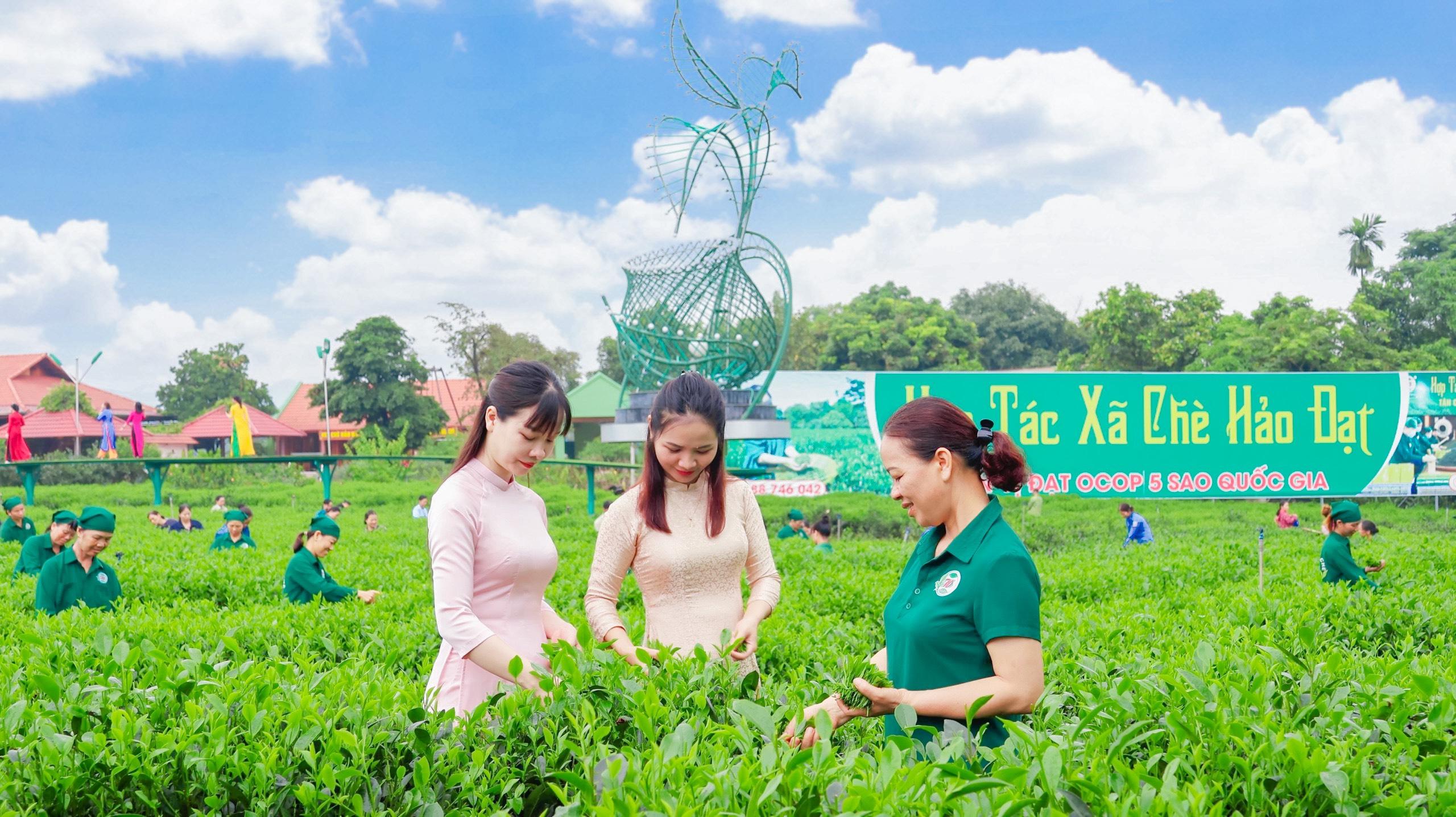
Effective implementation of the 2023 Law on Cooperatives requires not only dissemination of its provisions but also practical guidance and support mechanisms tailored to cooperatives’ operating conditions. A 2025 field survey conducted by Phung Giang Hai, Hoang Minh Huy, Vu Thi Thu Giang, and Nguyen Thi My across six localities identified challenges in applying six groups of new provisions and assessed support needs relating to legal compliance, governance, financial management, and operational arrangements. The findings provide an empirical basis for refining implementation guidance and developing support measures that better address the needs of agricultural cooperatives in Viet Nam.

A laboratory-scale study by Nguyen Thi Minh, Do Thi Thuy, and Le Minh Nguyet of Vietnam National University of Agriculture (VNUA) found that combining selected bacterial strains with microalgae improved domestic wastewater treatment efficiency. After 14 days, the combined system achieved a chemical oxygen demand (COD) removal efficiency of 96.67%, while substantially reducing organic pollutants, nutrients, and microbial indicators of contamination.