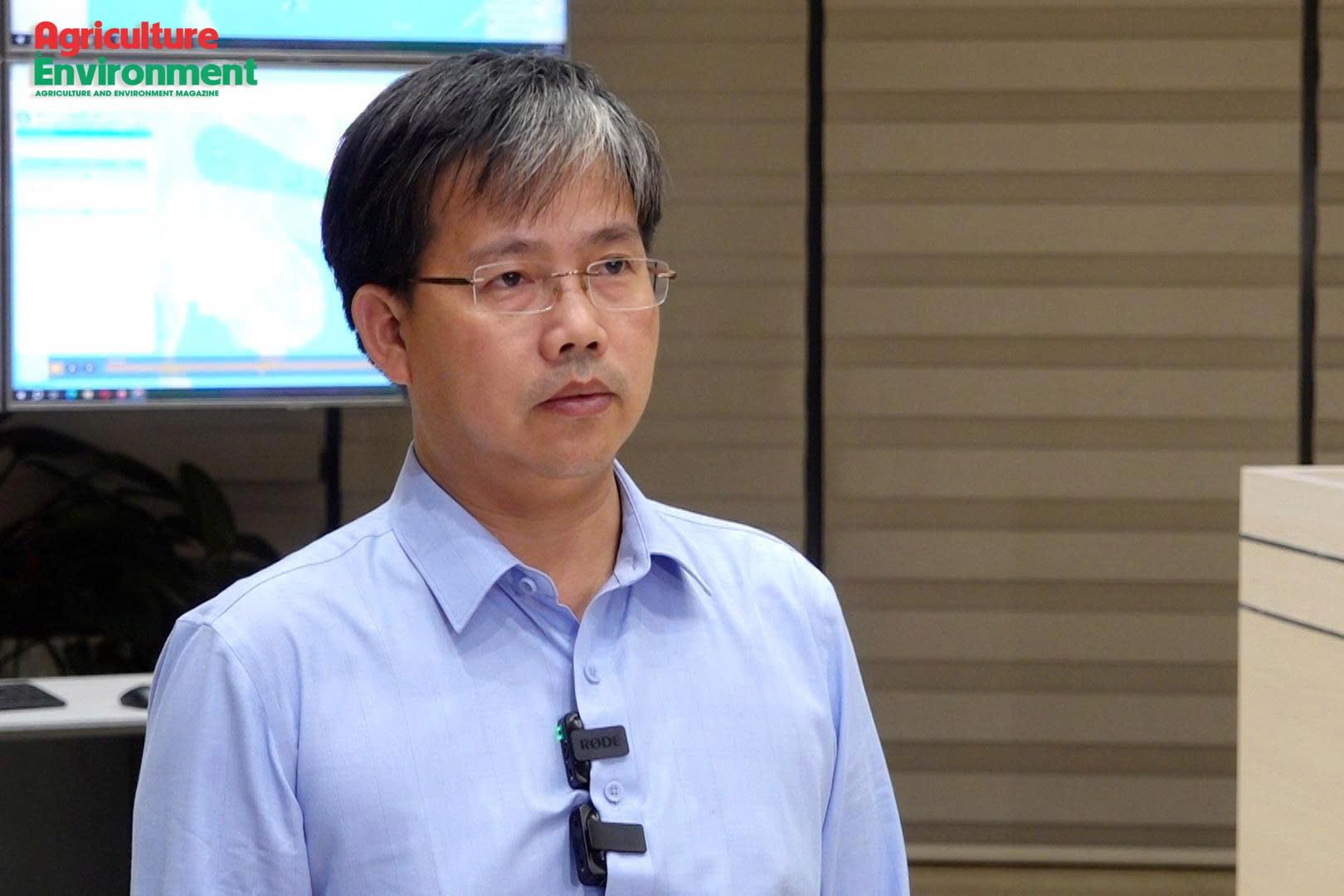
The 2026–2027 dry season is expected to bring increased risks of below-normal rainfall, high temperatures, drought, water shortages, and saltwater intrusion in several major agricultural production areas.
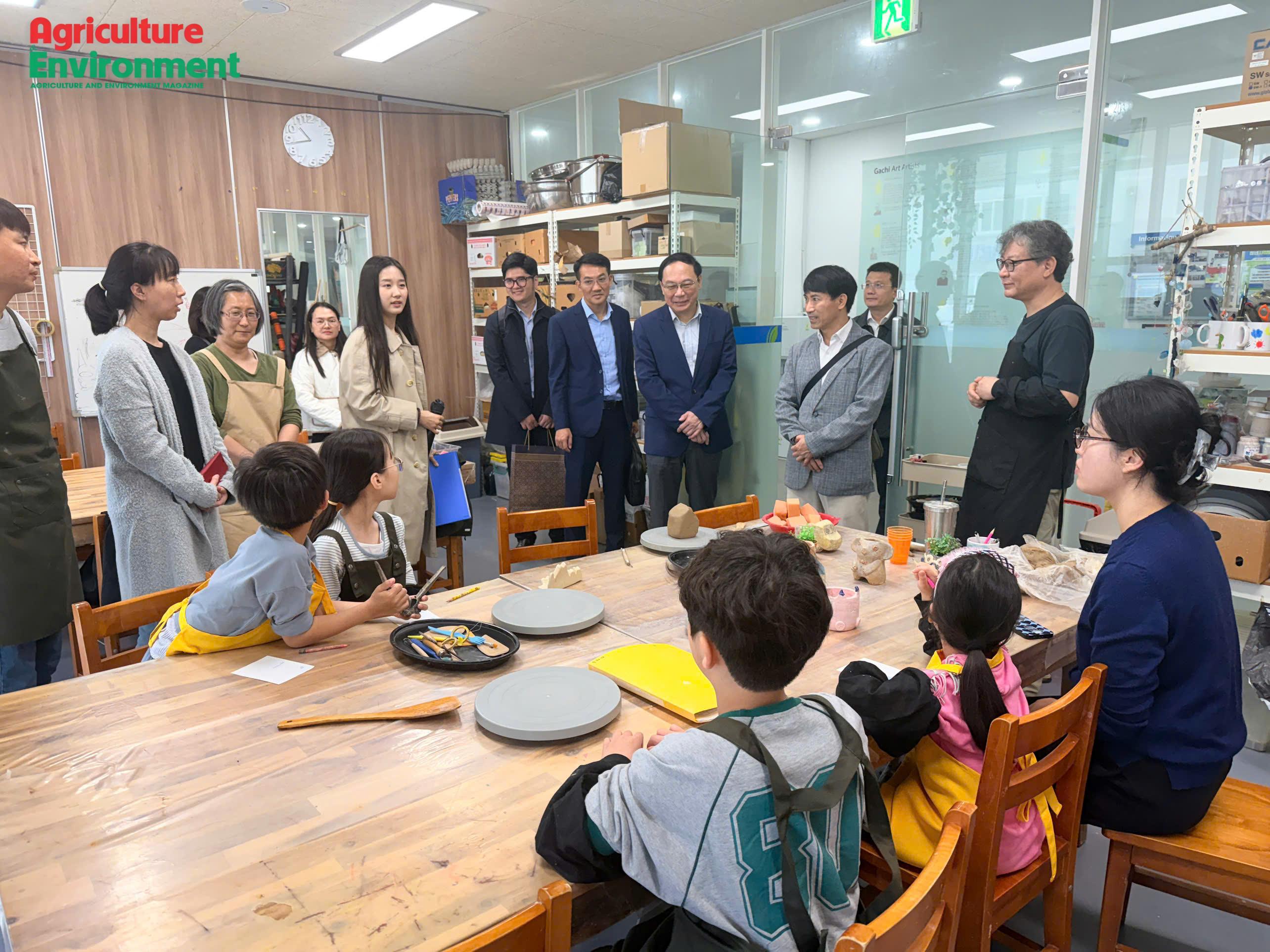
During its participation in the 2026 Green Transformation Week (GX Week) in South Korea, a delegation from Viet Nam’s Ministry of Agriculture and Environment surveyed the Busan Resource Circulation Center (BRC) model. The experience highlights an approach to reintegrating waste into production chains, offering practical insights for Vietnam’s transition toward a circular economy.
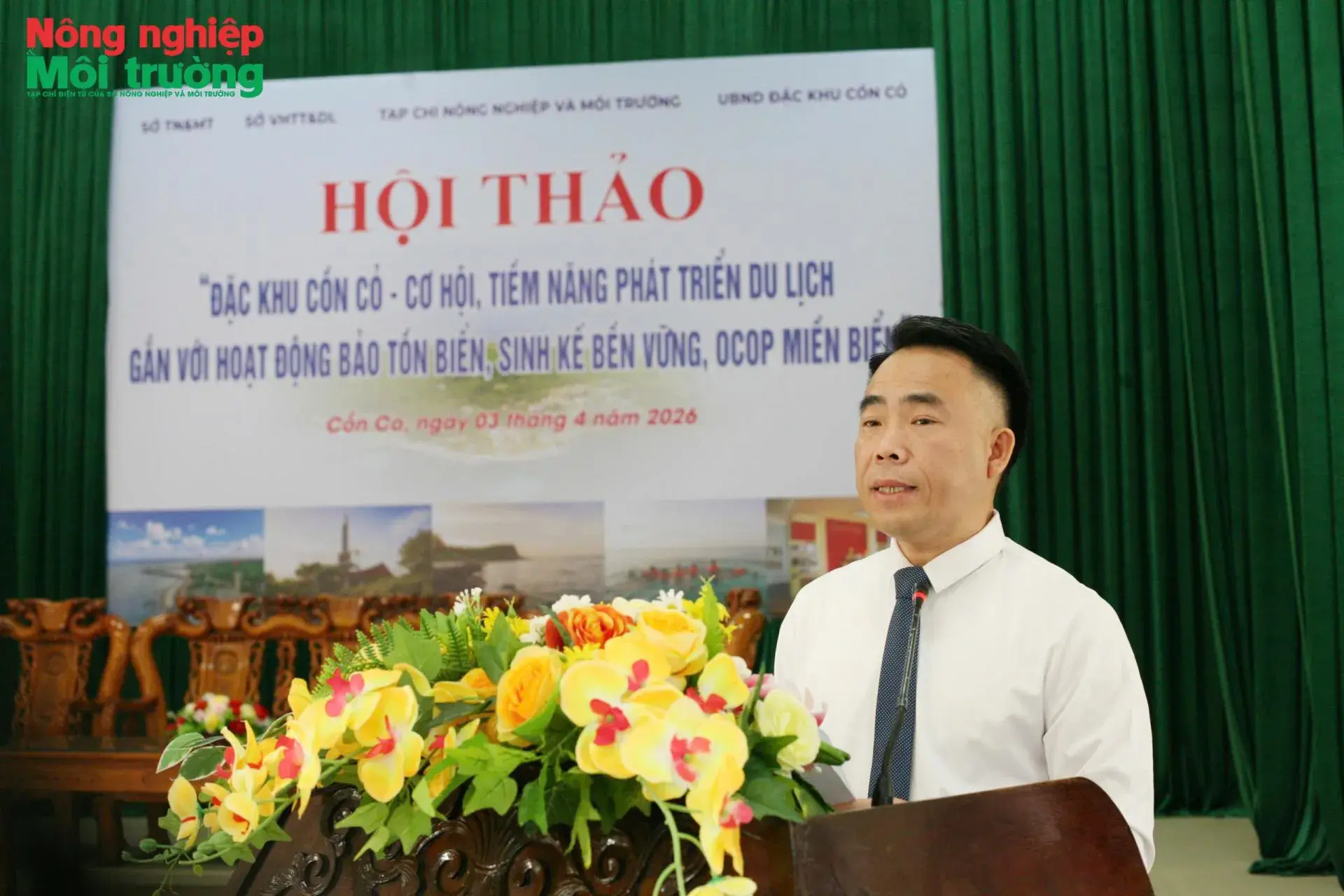
A policy workshop on “Con Co special zone – Opportunities and potential for tourism development linked to marine conservation, sustainable livelihoods, and coastal OCOP products” highlighted a new development approach in which growth must go hand in hand with conservation, and economic expansion must be grounded in ecological sustainability and community well-being.
As the impacts of climate change become increasingly evident, extreme weather events are directly affecting livelihoods and agricultural production. In response, the Nghe An Provincial Agricultural Extension Center has implemented a range of measures to support farmers, strengthen adaptive capacity, and promote more sustainable agricultural production.
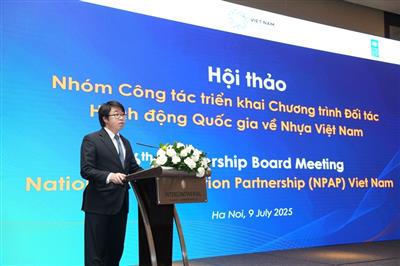
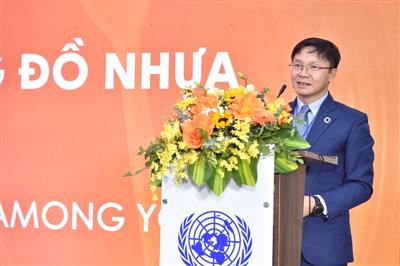
As plastic pollution increasingly emerges as a development challenge, Viet Nam is facing an urgent need to mobilize and effectively utilize resources to support the transition toward a circular plastics economy. At the 7th Implementation Working Group Workshop of the National Plastic Action Partnership (NPAP) Viet Nam, held on December 16, the Ministry of Agriculture and Environment, together with development partners, announced the Financial Roadmap for Plastic Action toward 2030. The roadmap estimates investment needs of USD 7.5–8.5 billion, while underscoring the role of multi-stakeholder cooperation in linking policy, finance, and practical implementation solutions.
On December 4, at the inaugural meeting of the Inter-ministerial standing working group tasked with implementing the Vietnam–Denmark joint action plan under the Green Strategic Partnership and Comprehensive Partnership, senior officials from the Ministry of Agriculture and Environment of Vietnam and their Danish counterparts conducted a comprehensive review of cooperation achievements for 2024–2025 and outlined bold new priorities for the 2026–2028 period. Emphasis was placed on driving the green transition, strengthening environmental and energy capacities, and advancing sustainable development goals.
In the context of climate change exerting increasingly profound impacts across all domains of global life, Vietnam is facing unprecedented challenges while also unlocking new development opportunities. The commitment to achieve net-zero emissions by 2050 is not only an international responsibility but also a driving force for the country to accelerate its development transformation, grounded in science, technology, innovation, and digitalization. In implementing Politburo Resolution No. 57-NQ/TW on breakthroughs in science, technology, innovation, and national digital transformation, the Department of Climate Change (Ministry of Agriculture & Environment) has set priority research orientations for the new phase, creating momentum for a green economy, a circular economy, and sustainable development.
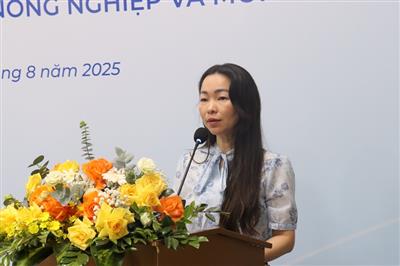
On August 21 in Hanoi, the Climate Change Department under the Ministry of Agriculture and Environment held a consultation workshop on the Draft Report on Monitoring and Evaluating Climate Adaptation Activities, along with the implementation plan for the monitoring and evaluation system. The event aimed to gather feedback to refine the two drafts and lay the foundation for scientifically and comprehensively tracking and assessing adaptation activities. The workshop also highlighted the sector’s persistent efforts to fulfill national commitments in responding to climate change.
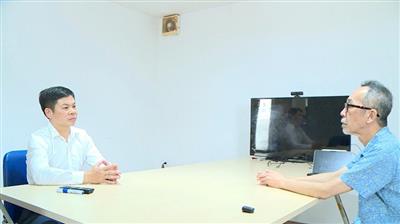
The circular economy has demonstrated great potential in promoting sustainable development and addressing environmental issues. The reporter from Agriculture and Environment Magazine had an interview with Japanese solid waste expert - Hideki Wada.
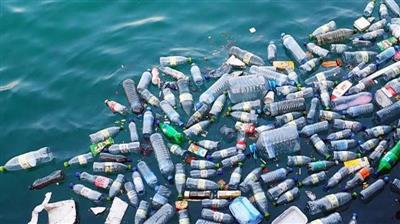
As plastic pollution emerges as one of the most pressing global environmental challenges, Vietnam has taken proactive steps to establish multistakeholder cooperation mechanisms, promote transparent data, mobilize financial resources, and actively engage in the negotiations of the Global Plastics Treaty. The sixth meeting of the National Plastic Action Partnership (NPAP) Working Group, co-organized by the Ministry of Agriculture and Environment, UNDP, and the World Economic Forum (WEF) in Hanoi (9-10 July 2025), reaffirmed Vietnam’s commitment not only to act domestically but also to stand with the international community in building a circular and sustainable economy.
Vietnam’s Ministry of Agriculture and Environment is finalizing the draft National Action Plan on Air Pollution Control and Air Quality Management for 2025-2030, to be submitted to the Prime Minister for approval. More than a technical document, this initiative marks a necessary step for the country to proactively address complex environmental risks and affirms Vietnam’s long-term vision and strong commitment to safeguarding air quality, a critical factor in public health and national development.
In the context of increasingly extreme and unpredictable climate change, natural disasters are not only occurring more frequently but are also accompanied by unprecedented risk combinations. Vietnam - one of the countries most severely affected - is facing an urgent need to comprehensively modernize its forecasting, warning, and disaster response systems. On the sidelines of the implementation conference for Resolution 57-NQ/TW in Bac Ninh in May 2025, Assoc. Prof. Dr. Mai Van Khiem, Director of the National Center for Hydro-Meteorological Forecasting (NCHMF), shared an in-depth interview with our reporter about breakthroughs in artificial intelligence applications, high-resolution forecasting models, and the vision to build a comprehensive early warning ecosystem that delivers “the right information to the right people at the right time in the right way.”
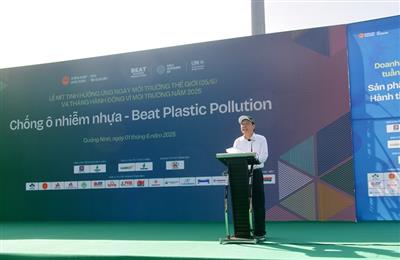
More than 1,000 delegates gathered on June 1 at the 30 October Square in Ha Long city (Quang Ninh province) to attend a ceremony celebrating World Environment Day and launching the 2025 Month of Action for the environment. Organized by the Ministry of Agriculture and Environment (MAE) in coordination with the Quang Ninh Provincial People’s Committee, this year’s event carried the theme “Beat plastic pollution”, sending an urgent global message and spreading the spirit of “green living, green action” across the country.
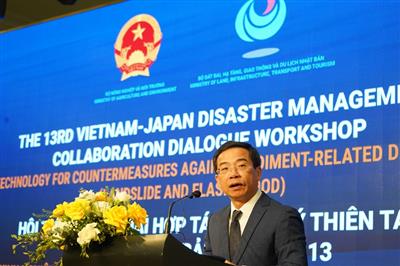
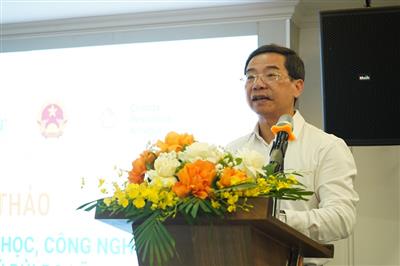
In the wake of the devastating natural disasters that struck Northern Vietnam in September 2024, including Typhoon Yagi, which resulted in 345 fatalities and missing persons, nearly 2,000 injuries, and damages exceeding VND 81.8 trillion, the 13th Vietnam-Japan disaster management collaboration dialouge workshop held on May 13, 2025, in Ha Nam came at a critical time. The event, jointly organized by Vietnam’s Ministry of Agriculture and Environment and Japan’s Ministry of Land, Infrastructure, Transport and Tourism (MLIT), marked another milestone in the long-standing partnership between the two nations in disaster risk reduction.
As part of the 2025 national disaster prevention and control week, a workshop themed “Science and technology applications in flood risk management in Vietnam” was held in Phu Ly city, Ha Nam province. The event served as a vital platform for government agencies, experts, research institutes, and international organizations to exchange experiences and introduce cutting-edge technological models to effectively address the growing complexity of flooding caused by climate change.
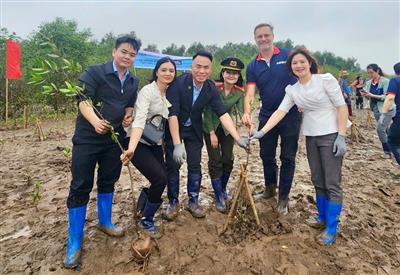
On April 10, 2025, in Thuy Xuan commune, Thai Binh province, the Centre for Natural Resources and Environment Communication (Ministry of Agriculture and Environment), the Thai Binh provincial government, and Airbus Vietnam held a tree planting ceremony as part of the “Airbus in Action with the One Billion Trees Campaign”. The event supports a national initiative to plant one billion trees and advances Vietnam’s COP26 commitment to achieve Net-Zero emissions by 2050.
On February 26, a new initiative aimed at tackling plastic pollution in Vietnam has been launched under a regional program by the United Nations Development Programme (UNDP). With a total of $240,000 in grant funding, the program seeks to support innovative solutions that reduce plastic waste and improve recycling systems.
One of the key objectives of the “Mitigating marine plastic debris in Vietnam” project is to promote behavioral and awareness changes regarding plastic use in order to protect the environment and preserve the blue ocean. These efforts target individuals, organizations, and coastal communities. As a result, the communication activities conducted by WWF-Vietnam and the Vietnam Agency of Seas and Islands (VASI under the Ministry of Natural Resources and Environment) are tailored to specific groups, including businesses, commercial establishments, schools, and coastal community residents.