



 The 2026–2027 dry season is expected to bring increased risks of below-normal rainfall, high temperatures, drought, water shortages, and saltwater intrusion in several major agricultural production areas.
In an interview with the Agriculture and Environment Magazine, Assoc. Prof. Dr. Mai Van Khiem, Director of the National Center for Hydro-Meteorological Forecasting, discusses areas of heightened risk, the periods when impacts may be most pronounced, and measures needed to prepare for these conditions at an early stage.
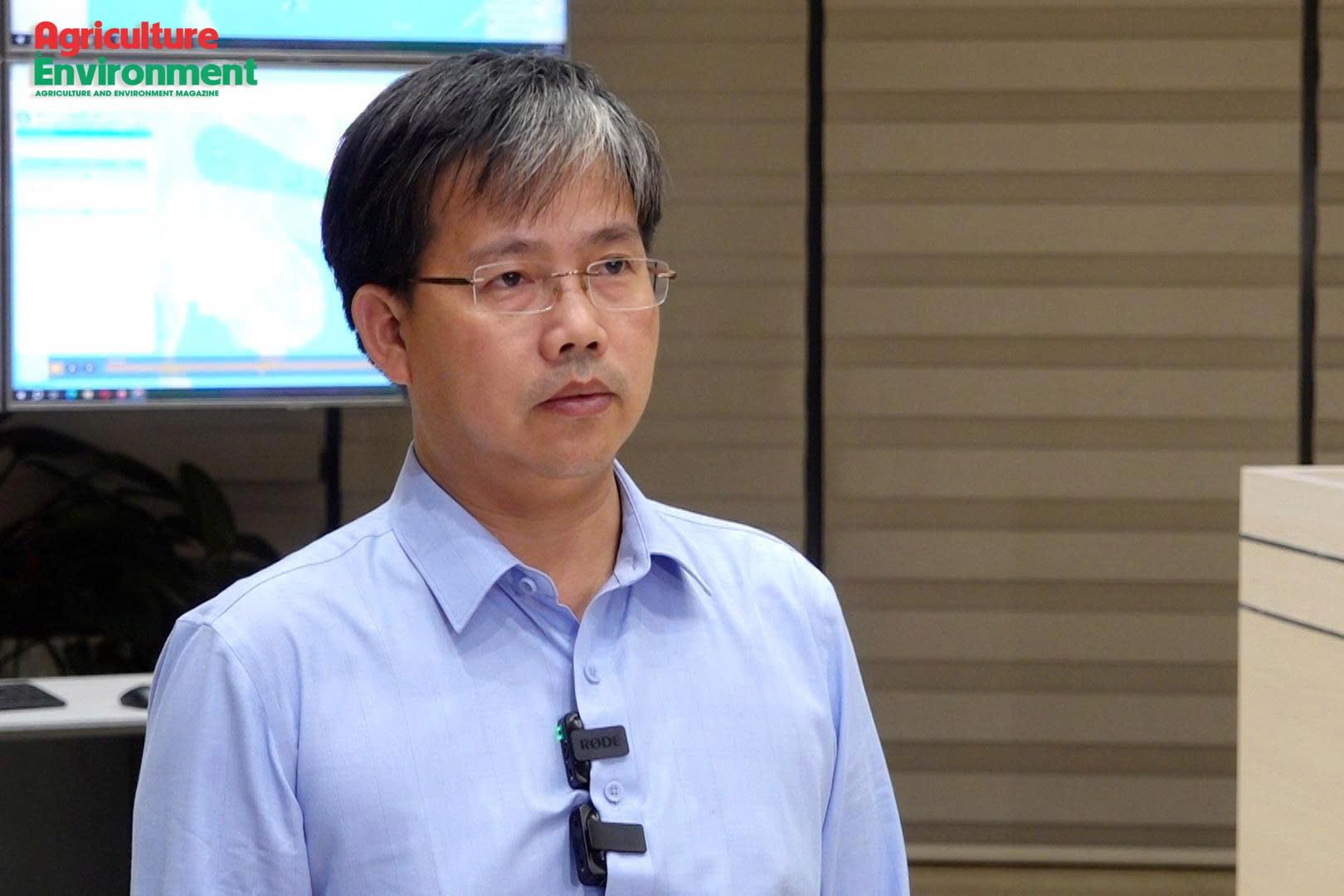
Interviewer: Assoc. Prof. Dr. Mai Van Khiem, how is El Niño expected to affect agricultural production during the 2026–2027 dry season, and which areas require particular attention?
Assoc. Prof. Dr. Mai Van Khiem: According to current forecasts, the most notable impacts of El Niño on agricultural production during the 2026–2027 dry season include the risk of below-normal rainfall, high temperatures, increased evapotranspiration, and consequently drought and water shortages for production. These impacts will not be uniform across the country but are expected to be more pronounced in central Viet Nam, the Central Highlands, and southern Viet Nam.
The central coastal region and the Central Highlands require particular attention. From late 2026, some areas may begin to show signs of dry conditions, followed by a rising risk of drought and water shortages during the first months of 2027. The Central Highlands are of particular concern because the region is a major production area for perennial industrial crops and fruit trees, which have high water requirements and long production cycles.
In southern Viet Nam, the issue needs to be viewed more broadly as a combination of drought, water shortages, and saltwater intrusion. Meanwhile, some areas in northern Viet Nam may also experience localized water shortages during critical production periods.
Therefore, El Niño should not be viewed as affecting only a particular crop or production area. The severity of impacts will depend on water availability in each area, the timing of water shortages, and the growth stage of crops.
In particular, rainfed areas, downstream areas, areas served by small reservoirs, or areas with limited irrigation capacity are likely to be more vulnerable.
Interviewer: For the two areas considered highly vulnerable—the Mekong Delta and Central Viet Nam—what are the key risks that need to be identified at an early stage?
Assoc. Prof. Dr. Mai Van Khiem: In the Mekong Delta, it is important to recognize that risks during the 2026–2027 dry season will involve not only drought and water shortages but also saltwater intrusion. As freshwater inflows from upstream decline, combined with high tides and flow conditions, saline water can penetrate farther inland through river mouths.
According to the scenarios currently being monitored, during the peak months of the dry season, water with salinity levels of 4 g/L or higher may penetrate farther inland during high-tide events, depending on the timing and individual river systems.
This could place significant pressure on rice production, fruit trees, and aquaculture. For perennial fruit trees in particular, prolonged use of water with high salinity can affect plant growth and yields. Therefore, monitoring salinity levels, securing water supplies in advance, and storing freshwater ahead of high-tide events are critical.
In Central Viet Nam, the key concern is an increasing risk of drought and water shortages from late 2026, becoming more pronounced during the first months of 2027. The South Central Coast requires particular attention because some areas regularly face water-supply pressures during the dry season. Areas dependent on small reservoirs or limited irrigation infrastructure are likely to be more vulnerable.
The central issue, therefore, is to secure water supplies before entering periods of peak water shortages, rather than waiting until drought or saltwater intrusion occurs before taking action.
Interviewer: Based on current forecast scenarios, when are drought, water shortages, and saltwater intrusion likely to have the strongest impacts on agricultural production?
Assoc. Prof. Dr. Mai Van Khiem: Based on current forecast trends, the risk of drought and water shortages is expected to increase gradually from late 2026, become more pronounced from January 2027, and potentially reach high levels between February and April 2027 in many areas of central Viet Nam, the Central Highlands, and southern Viet Nam.
February and March 2027 may be particularly critical, as many areas could face a high risk of water shortages, with severe drought potentially occurring in some locations. By April, conditions may begin to improve in some northern areas, while central Viet Nam, the Central Highlands, and southern Viet Nam are likely to remain under water-supply pressure. By May, risks may persist in some areas.
However, when assessing impacts on agriculture, we should not look only at the severity of drought. We also need to consider when drought occurs within the crop production cycle.
Interviewer: Given the risk of prolonged El Niño conditions, what recommendations do you have for local authorities and farmers to proactively protect agricultural production and minimize losses?
Assoc. Prof. Dr. Mai Van Khiem: Given the risk of prolonged El Niño conditions, the most important point is not to wait until drought, water shortages, or saltwater intrusion occur before taking action. Preparations need to begin before the dry season.
First, local authorities should review and balance available water supplies and proactively store water in reservoirs, ponds, dams, and irrigation systems. They should also identify areas at high risk of water shortages at an early stage so that appropriate water-allocation plans can be developed, with priority given to critical production periods.
Second, cropping calendars should be adjusted to reflect actual water availability. In areas where severe water shortages are forecast, consideration should be given to planting dates, cultivated areas, and crop mix. A rigid production calendar should not be maintained when water availability has changed.
Third, crop varieties and crops should be selected according to drought conditions, while water-saving irrigation, soil-moisture conservation, and efficient water use should be strengthened. For perennial industrial crops and fruit trees, particular attention should be given to ensuring adequate water supplies during sensitive growth stages.
In the Mekong Delta, both drought and salinity need to be addressed simultaneously. Farmers should monitor salinity levels, check water quality before using water in rice fields, orchards, or aquaculture ponds, and proactively capture and store freshwater when conditions permit, particularly ahead of high-tide events.
Coordination among meteorological and hydrological forecasts, water-resource information, and agricultural production information should also be strengthened. Early-warning information needs to be translated into guidance specific to individual production areas so that local authorities and farmers know where risks are highest, when those risks are expected to increase, and what measures should be prepared.
The overall approach should be to shift from responding after a disaster has occurred to proactive forecasting, early warning, and advance preparedness. When we know in advance where water shortages are likely to occur, when they are expected, and which production groups are likely to be affected, it is entirely possible to adjust cropping calendars, production structures, irrigation plans, and water-storage strategies to minimize losses.
Interviewer: Thank you for your insights!
|
Early warning of El Niño risks highlights the importance of securing water supplies, adjusting cropping calendars, and delivering timely forecasts to individual production areas. Early preparation can help protect agricultural production and strengthen the sector’s capacity to adapt to increasing climate variability and uncertainty. |
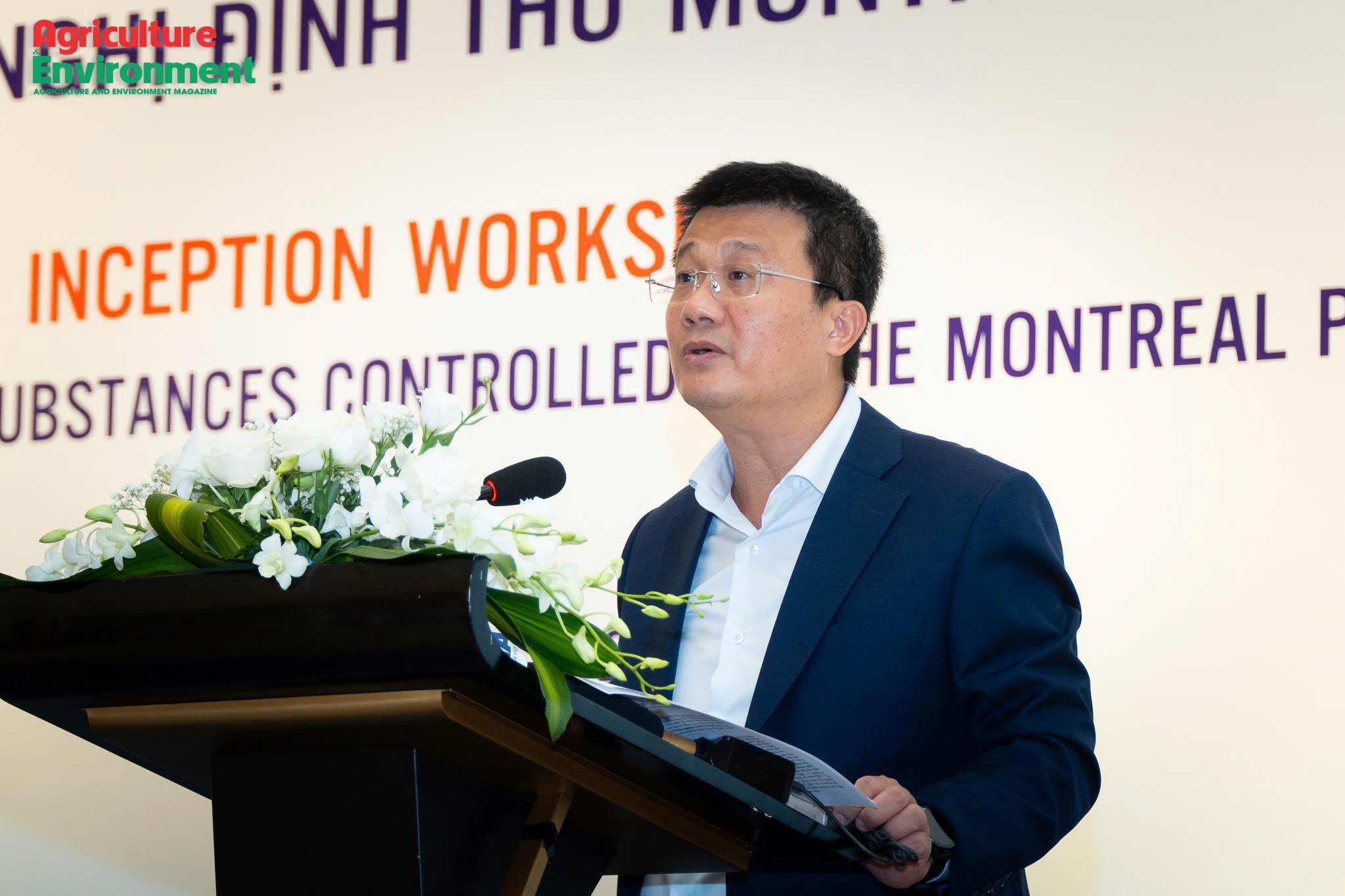
Experts, policymakers, representatives of international organizations, vocational education and training institutions, and businesses shared perspectives on Viet Nam’s roadmap for fulfilling international commitments, advancing technology transformation, developing green workforce capacity, and strengthening the management of controlled substances at the inception workshop of the sustainable management of controlled substances under the Montreal protocol project (SMS-MP) held in Hanoi on July 24.
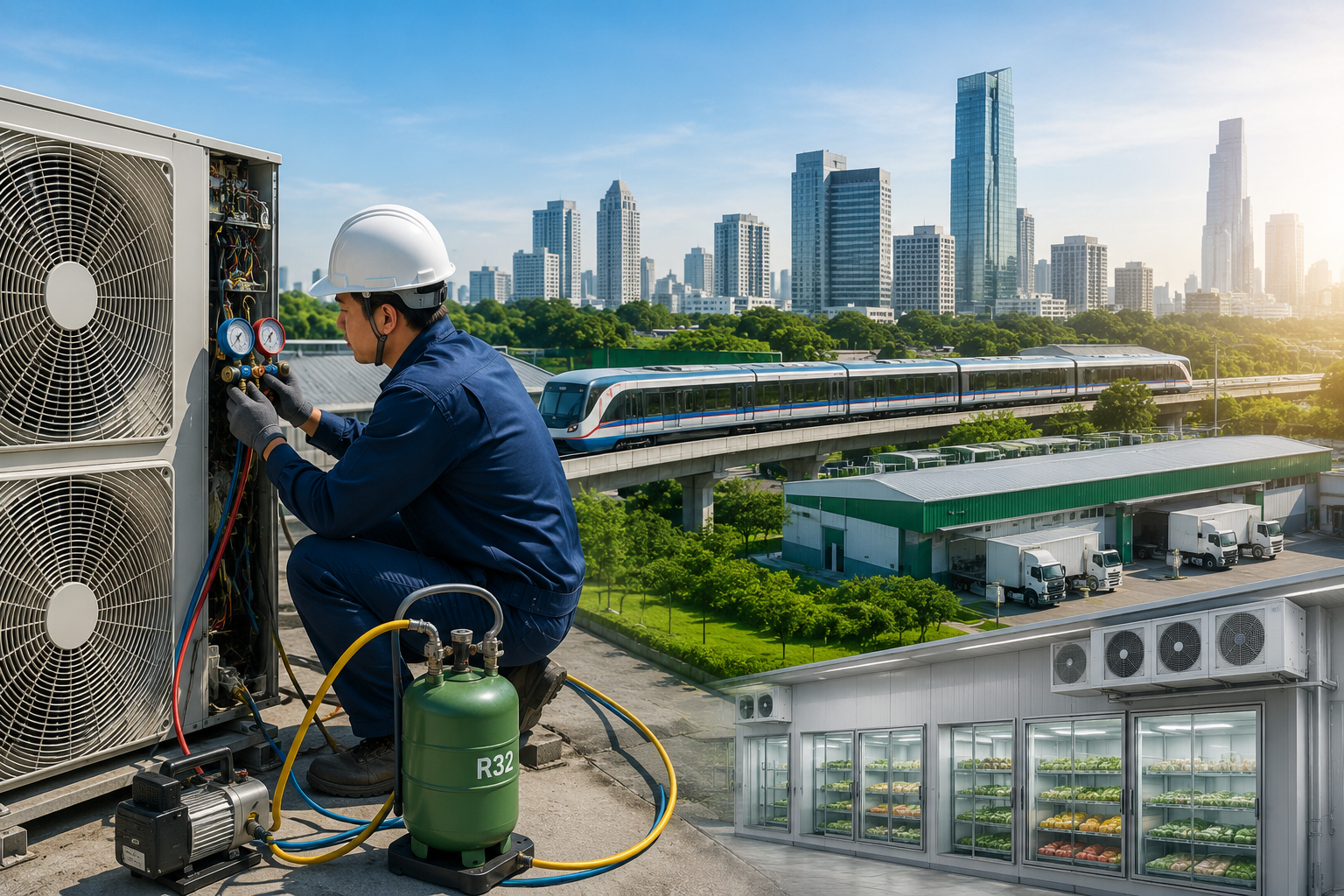
Climate-friendly, energy-efficient refrigeration technologies have become a key priority for Viet Nam as it implements its commitments under the Montreal protocol and the Kigali amendment. At the inception workshop on the sustainable management of Montreal protocol substances project (SMS-MP) on July 24, government agencies, international partners and businesses discussed coordinated measures on technology, policy and workforce development to support the country's transition.
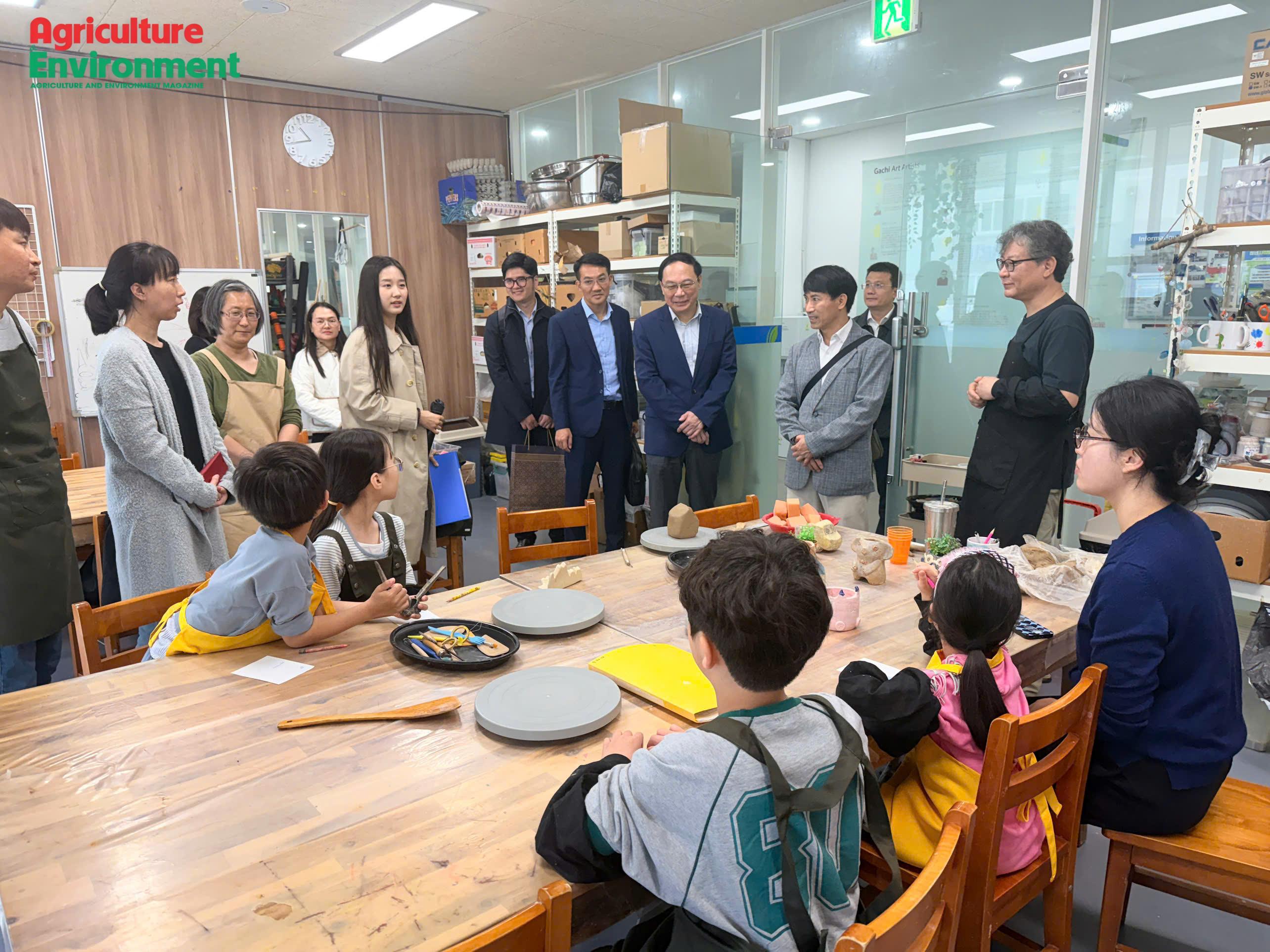
During its participation in the 2026 Green Transformation Week (GX Week) in South Korea, a delegation from Viet Nam’s Ministry of Agriculture and Environment surveyed the Busan Resource Circulation Center (BRC) model. The experience highlights an approach to reintegrating waste into production chains, offering practical insights for Vietnam’s transition toward a circular economy.
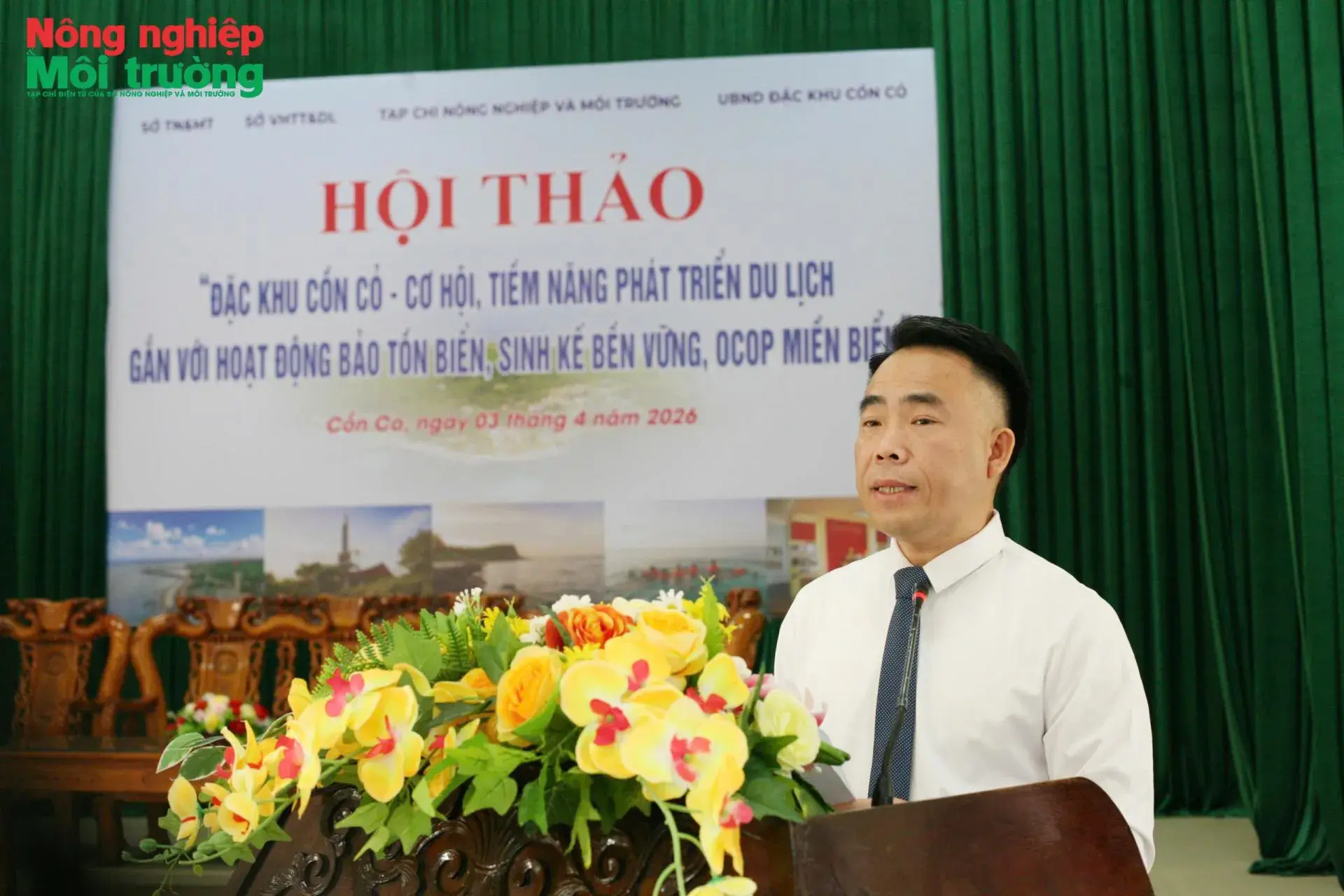
A policy workshop on “Con Co special zone – Opportunities and potential for tourism development linked to marine conservation, sustainable livelihoods, and coastal OCOP products” highlighted a new development approach in which growth must go hand in hand with conservation, and economic expansion must be grounded in ecological sustainability and community well-being.

As the impacts of climate change become increasingly evident, extreme weather events are directly affecting livelihoods and agricultural production. In response, the Nghe An Provincial Agricultural Extension Center has implemented a range of measures to support farmers, strengthen adaptive capacity, and promote more sustainable agricultural production.