



 Climate-friendly, energy-efficient refrigeration technologies have become a key priority for Viet Nam as it implements its commitments under the Montreal protocol and the Kigali amendment. At the inception workshop on the sustainable management of Montreal protocol substances project (SMS-MP) on July 24, government agencies, international partners and businesses discussed coordinated measures on technology, policy and workforce development to support the country's transition.
Rising cooling demand accelerates technology transition
More than three decades after joining the Vienna Convention for the Protection of the Ozone Layer and the Montreal Protocol, Viet Nam is entering a new phase of managing controlled substances with more ambitious objectives. In addition to continuing the phase-out of hydrochlorofluorocarbons (HCFCs), the country is implementing a phased reduction in hydrofluorocarbons (HFCs) under the Kigali amendment while pursuing broader goals of reducing greenhouse gas emissions and improving energy efficiency.
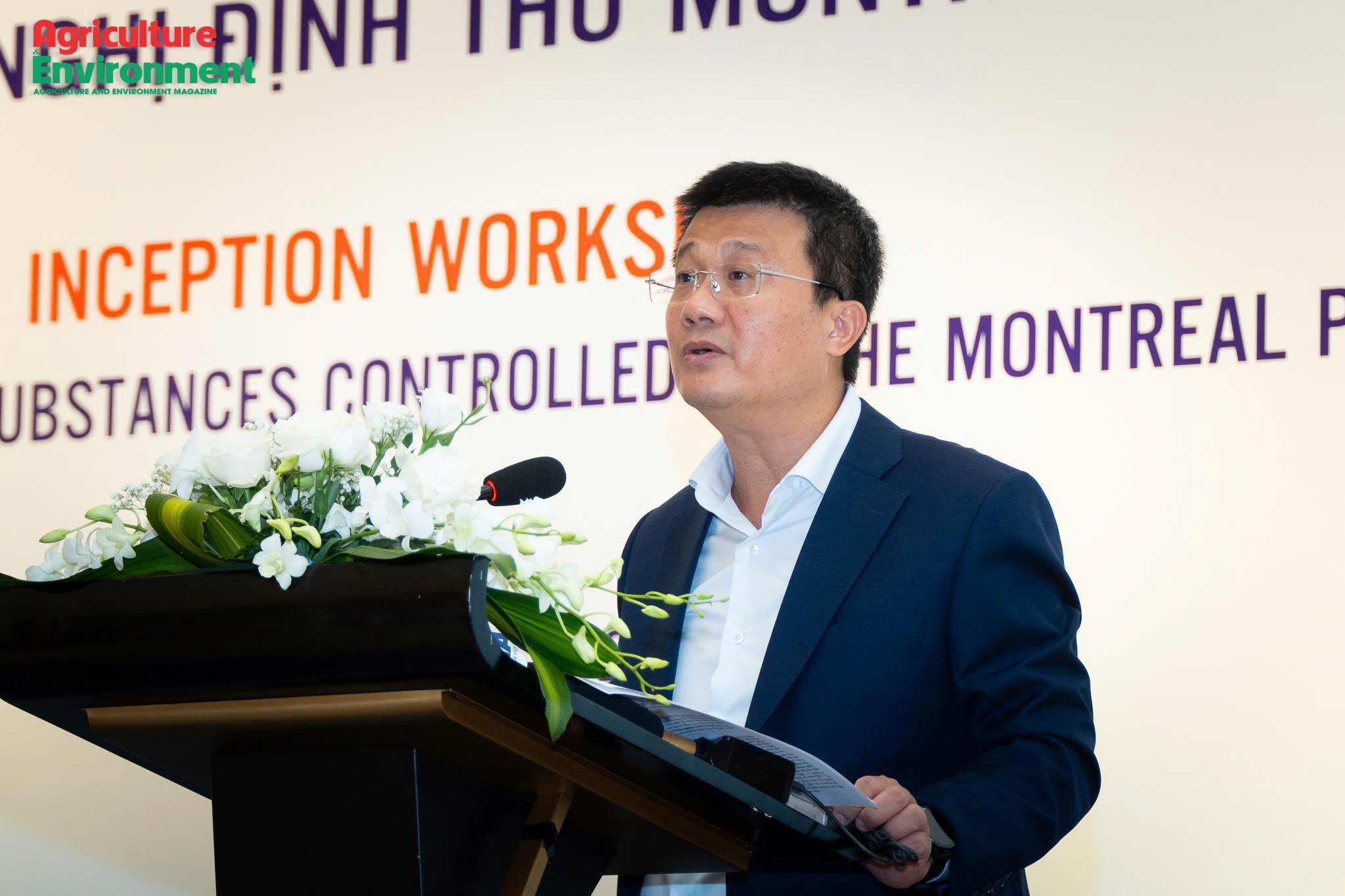
Addressing the workshop, Nguyen Tuan Quang, Acting Deputy Director General of the Department of Climate Change under the Ministry of Agriculture and Environment, said Viet Nam has consistently fulfilled its international commitments since acceding to the Vienna Convention and the Montreal Protocol in 1994. The country has progressively strengthened its policy and regulatory framework, tightened controls over the import and export of controlled substances, supported enterprises in adopting alternative technologies, and enhanced the capacity of regulatory authorities.
To translate these commitments into domestic action, the Prime Minister issued Decision No. 496/QD-TTg on June 11, 2024, approving the National Plan for the Management and Phase-out of Ozone-Depleting Substances and Controlled Greenhouse Gases. The plan requires the gradual reduction of HCFCs and HFCs to be accompanied by technological upgrades, the adoption of refrigerants with lower global warming potential (GWP), and improvements in energy efficiency across the refrigeration and air-conditioning sector.
The roadmap reflects a broader shift in the management of the refrigeration and air-conditioning sector. While earlier implementation of the Montreal Protocol focused primarily on eliminating ozone-depleting substances, the current approach seeks to achieve three interconnected objectives: protecting the ozone layer, mitigating climate change and improving energy efficiency. This approach is increasingly reflected in countries implementing the Kigali Amendment, where the transition to alternative refrigerants not only fulfills international obligations but also helps reduce electricity consumption, foster technological innovation and enhance the competitiveness of the refrigeration industry.
According to the Department of Climate Change, synchronizing technology upgrades with energy-efficiency measures will support Viet Nam's Nationally Determined Contribution (NDC) while advancing its goal of achieving net-zero emissions by 2050. The national plan also emphasizes that reducing the use of refrigerants with high global warming potential should go hand in hand with promoting environmentally friendly refrigeration technologies and more efficient energy use.
Acting Deputy Director General Nguyen Tuan Quang said the transition has become increasingly urgent as rapid urbanization and industrialization continue to drive demand for cooling in commercial buildings, manufacturing facilities, cold-chain logistics and a wide range of economic sectors. Without appropriate technological and policy measures, growing cooling demand would lead to higher electricity consumption, greater reliance on refrigerants and increased greenhouse gas emissions.
SMS-MP project supports sector-wide transformation
In response to these challenges, the Sustainable Management of Montreal Protocol Substances Project (SMS-MP) is expected to help Viet Nam simultaneously advance ozone-layer protection, greenhouse gas mitigation and the sustainable development of its refrigeration and air-conditioning sector. The project is financed through a non-refundable grant from the Multilateral Fund for the Implementation of the Montreal Protocol, with implementation support from the World Bank and the United Nations Environment Programme (UNEP). The Ministry of Agriculture and Environment is the project owner, while the Department of Climate Change is responsible for implementation.
Under the project's targets, Viet Nam aims to eliminate 97.5% of baseline HCFC-22 consumption in the refrigeration and air-conditioning servicing sector by 2030. It also seeks to maintain HFC consumption at baseline levels during 2024-2028 before reducing baseline consumption by 10% from 2029 in line with the Kigali Amendment.
According to the project document, activities have been designed to support the entire management chain for controlled substances, covering importation, distribution, use, servicing, maintenance and technology replacement. This integrated approach is intended to ensure that the phased reduction of HCFCs and HFCs does not disrupt production and business activities while enabling enterprises to gradually adopt energy-efficient technologies that comply with evolving safety standards.
A major priority is developing the skilled workforce needed to support the sector's transition. The project will assist vocational education and training institutions in incorporating modules on controlled-substance management, refrigerant leak prevention, the safe use of next-generation refrigerants and updated safety requirements into their curricula. At the same time, technicians engaged in the installation, servicing and maintenance of refrigeration and air-conditioning equipment will undergo competency assessment and certification, helping standardize occupational skills in line with labor market needs.
From a regulatory perspective, the project also seeks to strengthen oversight of HCFC and HFC imports and exports by providing training for customs officers, importing enterprises and customs brokers. It will support the identification of controlled substances, improve commodity classification and develop risk management tools. These measures are expected to strengthen enforcement against illegal trade in controlled substances while ensuring compliance with Viet Nam's import quota system.
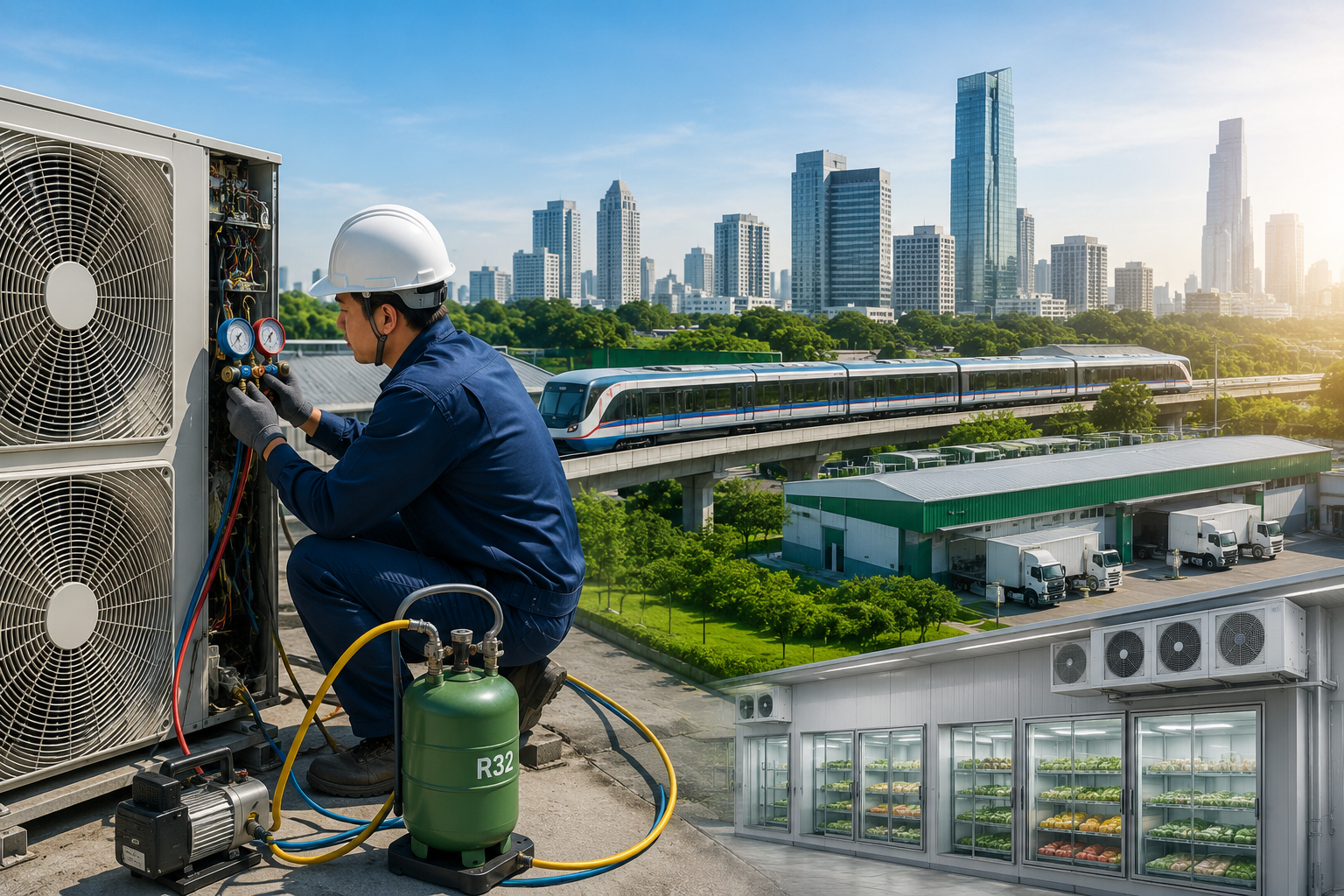
The project will also pilot the use of low-global-warming-potential refrigerants in air-conditioning systems installed on railway passenger coaches. According to the Department of Climate Change, the pilot will generate practical evidence on technical performance, operational safety, energy efficiency, investment costs and the scalability of the technology before a national transition roadmap is proposed. The initiative is expected to provide a scientific and practical foundation for expanding the use of climate-friendly refrigeration technologies in Viet Nam.
The project also supports workforce development, stronger trade controls, technology demonstration and policy improvements. Alongside technical training and customs capacity building, it will support research, regulatory refinement and the wider application of environmentally sustainable refrigeration technologies, laying the groundwork for the long-term transformation of Viet Nam's refrigeration and air-conditioning sector.
Cross-sector cooperation seen as key to implementation
The transition to climate-friendly refrigeration technologies extends well beyond the environmental sector or manufacturers of refrigeration equipment. It requires coordinated action across multiple sectors, including trade management, vocational education, technology development, technical standards and energy efficiency. Effective implementation will depend on close cooperation among government agencies, educational institutions, research organizations, businesses and development partners.
According to Nguyen Duy Son, Acting Operations Manager for the World Bank in Viet Nam, the SMS-MP project is the result of an extensive preparation process involving appraisal, approval and signing procedures between the Government of Viet Nam and the World Bank. The project is backed by a non-refundable official development assistance (ODA) grant of more than VND 315 billion from the Multilateral Fund for the Implementation of the Montreal Protocol.
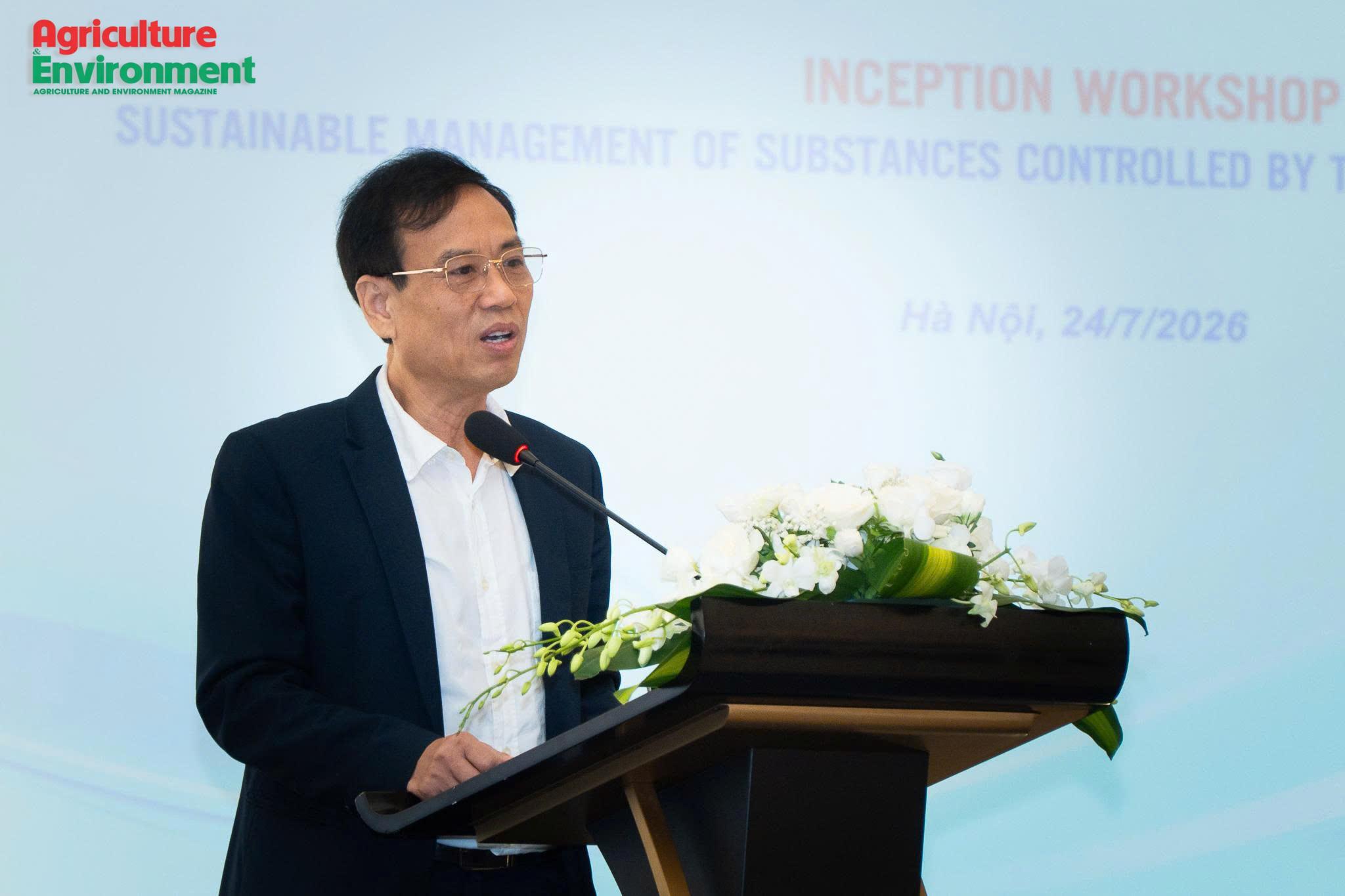
Nguyen Duy Son said Viet Nam has made ambitious commitments to phase out HCFCs and reduce HFC consumption under the Montreal Protocol and the Kigali Amendment. He expressed confidence that the country would achieve these targets, citing its strong track record in implementing the Montreal Protocol over the past three decades.
He noted that, beyond facilitating the transition to refrigerants with lower global warming potential, the project would strengthen the country's capacity to combat illegal trade in controlled substances while helping build a highly skilled technical workforce capable of safely servicing next-generation refrigeration and air-conditioning technologies. By the time the project is completed at the end of 2031, it is expected to reduce greenhouse gas emissions by an estimated 6.1 million metric tons of CO₂ equivalent annually, making a significant contribution to Viet Nam's commitment to achieve net-zero emissions by 2050.
The project is also expected to deliver broader socio-economic benefits. Thousands of technicians will receive training, competency assessments and professional certification in refrigerant handling and equipment servicing. The upgraded skills are expected to improve workforce quality, expand employment opportunities and better prepare technicians for the sector's technological transition.
Representatives of the Department of Climate Change, the Customs Department, the Department of Vocational Education and Continuing Education, the Viet Nam Railways Authority, Railway Transport Joint Stock Company and industry associations used the workshop to discuss mechanisms for coordinating project implementation. Discussions focused on strengthening regulatory capacity, developing vocational training programs, piloting new refrigeration technologies and improving information sharing among stakeholders. Participants agreed that effective inter-agency cooperation will be essential to ensuring the project's outcomes are sustained, replicated and scaled up over the long term.
As Viet Nam moves forward with its commitments under the Montreal Protocol and the Kigali Amendment, the SMS-MP project is expected to support not only compliance with international obligations but also the long-term modernization of the country's refrigeration and air-conditioning sector through cleaner technologies, higher energy efficiency and a more skilled workforce.
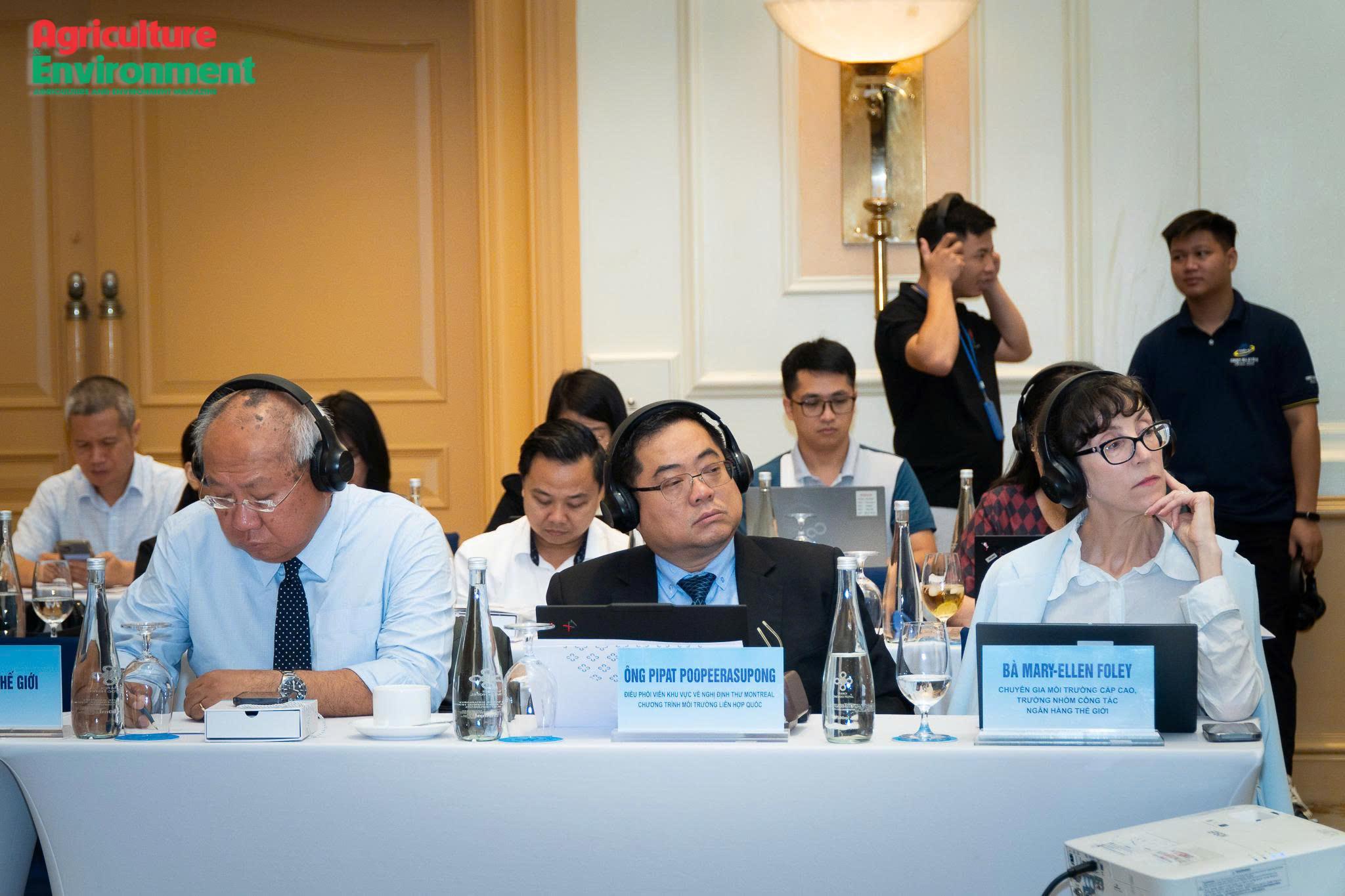
Experts, policymakers, representatives of international organizations, vocational education and training institutions, and businesses shared perspectives on Viet Nam’s roadmap for fulfilling international commitments, advancing technology transformation, developing green workforce capacity, and strengthening the management of controlled substances at the inception workshop of the sustainable management of controlled substances under the Montreal protocol project (SMS-MP) held in Hanoi on July 24.
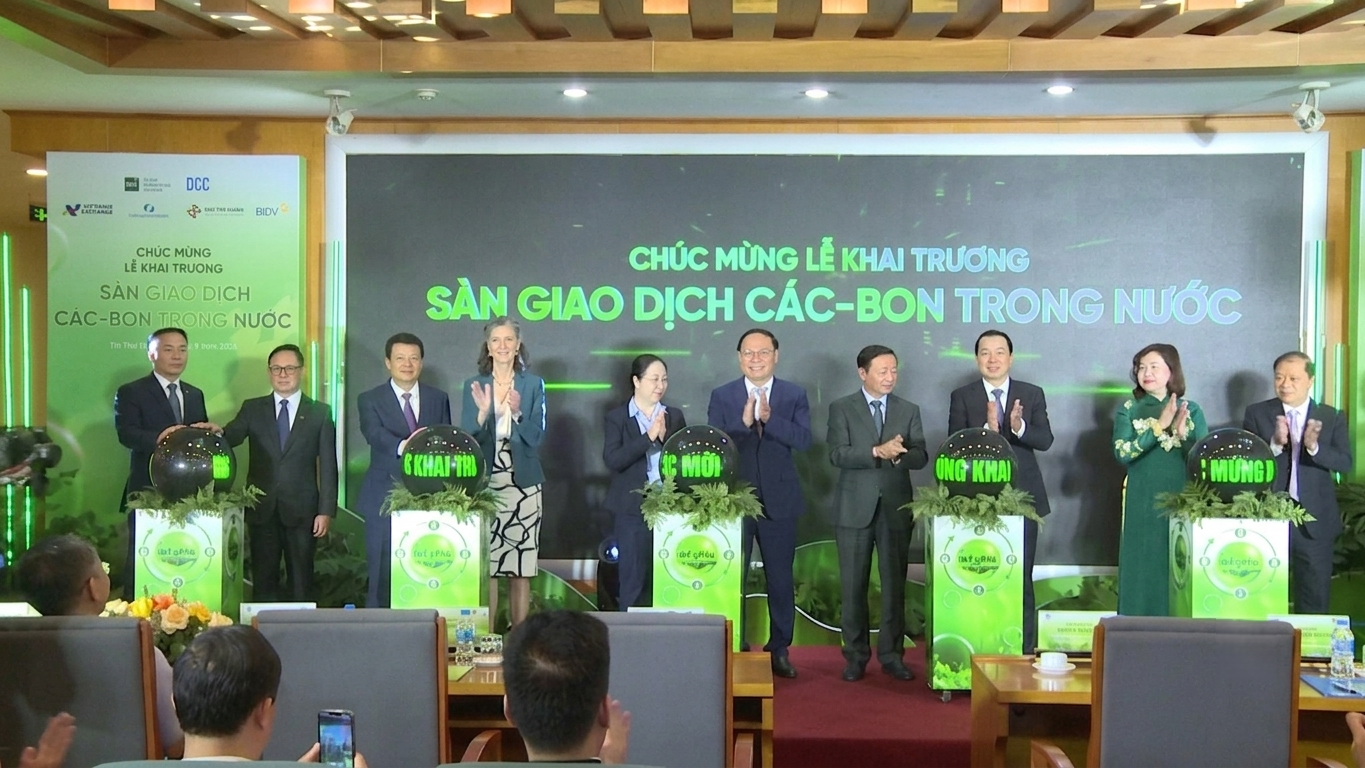
On June 29, Viet Nam officially launched its domestic carbon exchange at the Hanoi Stock Exchange (HNX), marking a significant step in the country’s roadmap to establish a national carbon market. For the first time, greenhouse gas emission allowances and carbon credits are being traded on a centralized official platform, turning carbon—previously treated as a difficult-to-quantify environmental factor—into a tradable commodity with measurable economic value.
As the global economy moves deeper into the Net Zero era, Viet Nam is emerging as one of Southeast Asia’s most ambitious countries in developing a large-scale carbon market. Beyond reducing greenhouse gas emissions, the strategy reflects a broader effort to restructure the economy toward a greener and more sustainable growth model while strengthening the country’s competitiveness in an era when carbon is increasingly becoming a new measure of value in international trade.
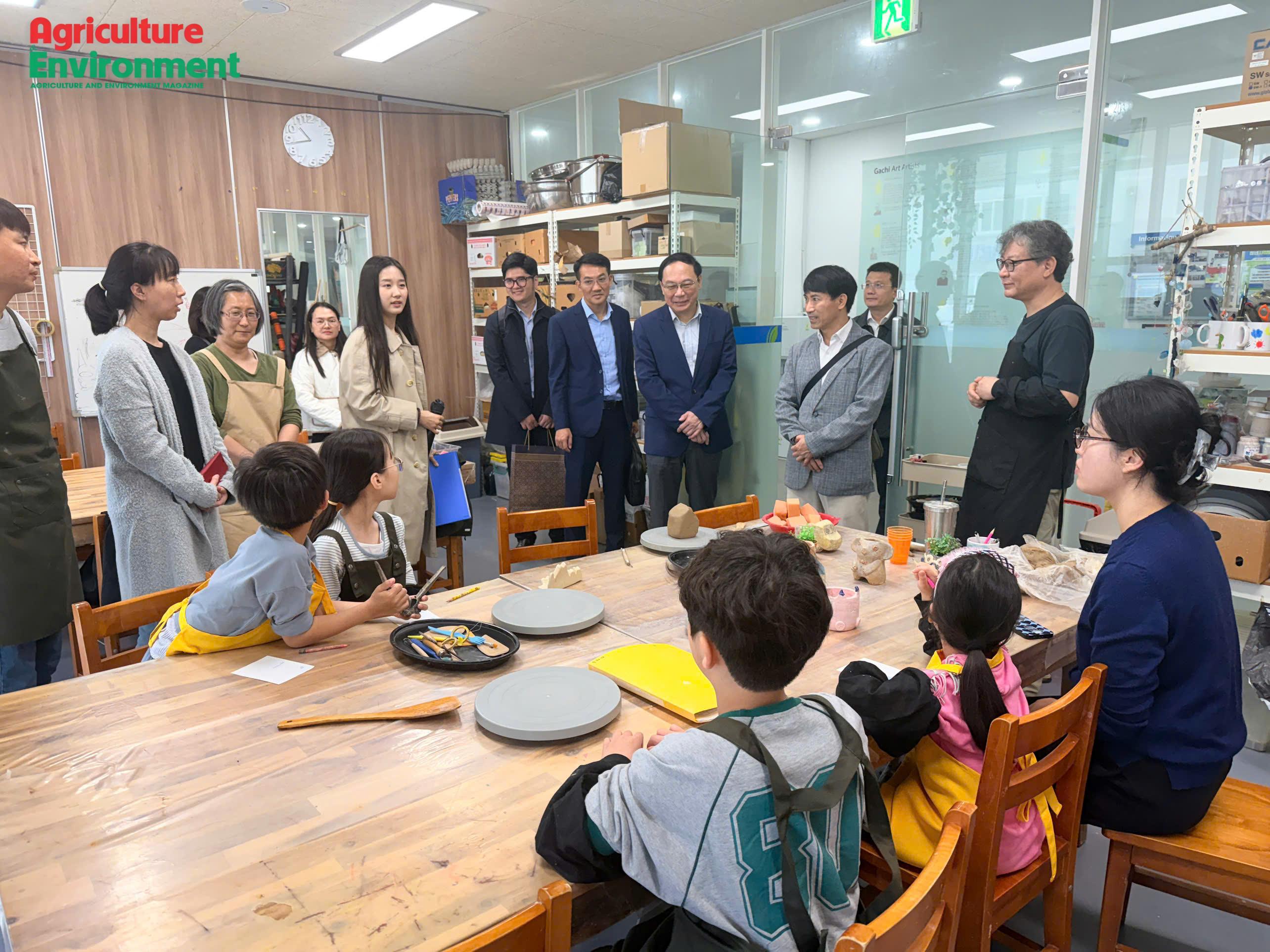
During its participation in the 2026 Green Transformation Week (GX Week) in South Korea, a delegation from Viet Nam’s Ministry of Agriculture and Environment surveyed the Busan Resource Circulation Center (BRC) model. The experience highlights an approach to reintegrating waste into production chains, offering practical insights for Vietnam’s transition toward a circular economy.
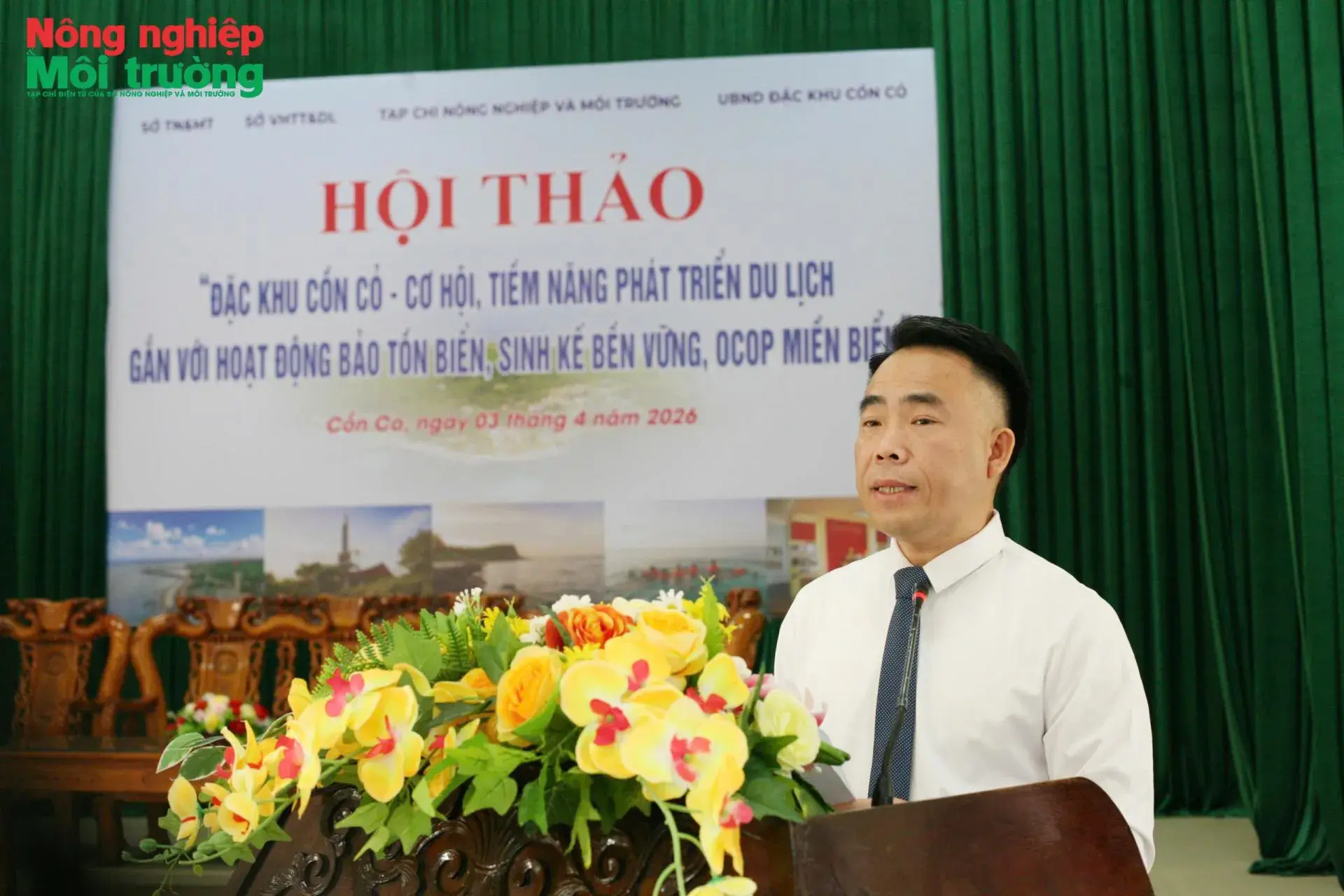
A policy workshop on “Con Co special zone – Opportunities and potential for tourism development linked to marine conservation, sustainable livelihoods, and coastal OCOP products” highlighted a new development approach in which growth must go hand in hand with conservation, and economic expansion must be grounded in ecological sustainability and community well-being.