



 At a conference held on October 15 to mark World Food Day and strengthen cooperation in implementing the high-quality, low-emission rice production scheme, participants emphasized the need to move beyond isolated pilot models toward large-scale production. For this transition to deliver substantive results, low-emission farming practices must be complemented by stable value-chain partnerships, appropriate financing, technologies tailored to different agroecological zones, and mechanisms that ensure farmers share in the benefits.
On-farm gains are evident, but scaling up remains challenging
Nguyen Thi Thu Huong, Deputy Director General of the Plant production and protection department
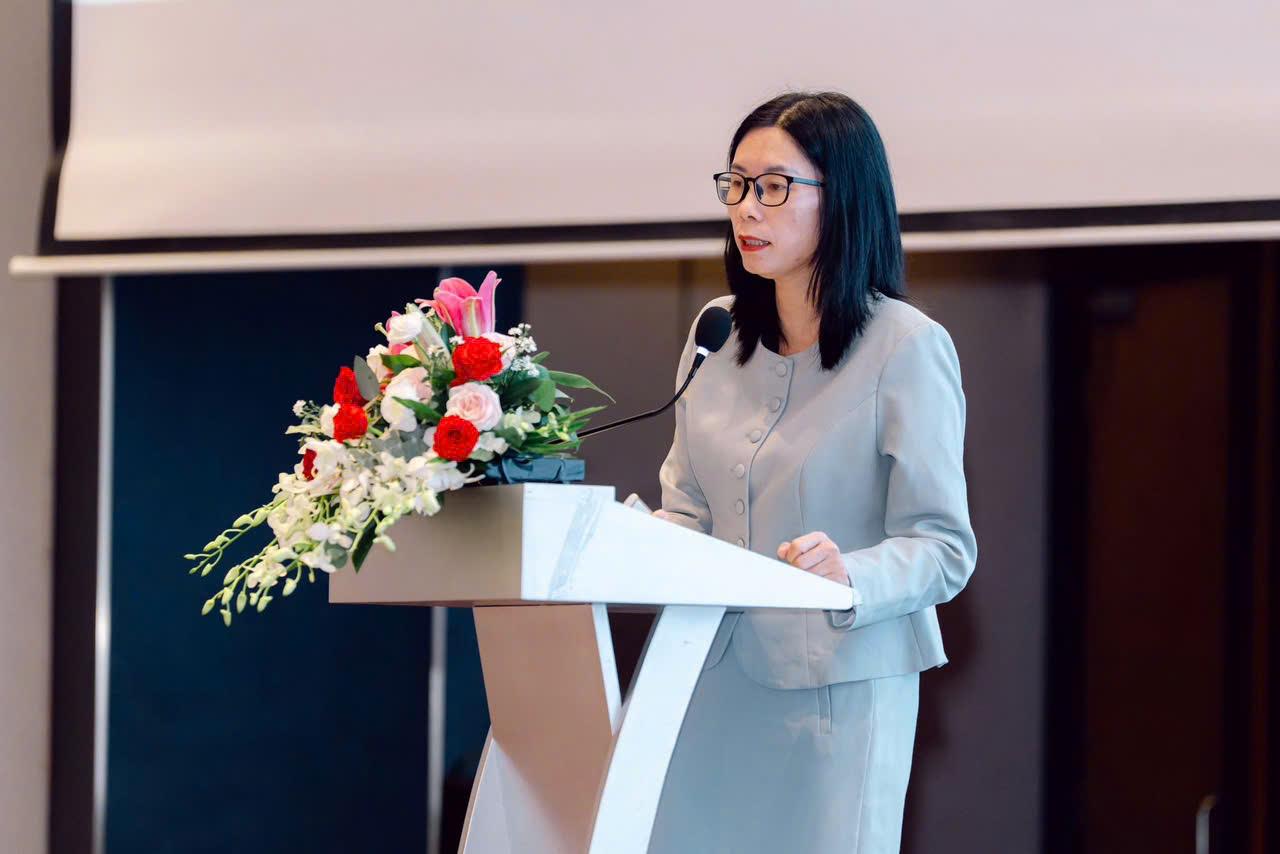
Reporting on progress under the scheme, Nguyen Thi Thu Huong said that, after nearly three years of implementation, nearly 420,000 hectares in the Mekong Delta had adopted some or all elements of the high-quality, low-emission rice production protocol as of August 2026. Of this area, approximately 67,000 hectares had fully implemented the protocol, including measures to reduce seed and fertilizer use, regulate water management, and measure greenhouse gas emissions.
Results from pilot models indicate that changes in cultivation practices can reduce input costs while maintaining production performance. Seed rates for direct seeding decreased by 30–50%, chemical fertilizer use fell by 20–30%, and pesticide applications were reduced by two to three per crop season. Meanwhile, yields were maintained or increased by 5–12%, while profits rose by approximately VND 1.5 million to VND 9.3 million per hectare per crop season, depending on local cultivation conditions. In models where emissions were measured, average reductions of 3–4 metric tons of carbon dioxide equivalent (CO₂e) per hectare per crop season were recorded.
Alongside these technical improvements, concentrated raw material production areas and partnerships between cooperatives and businesses have gradually developed. The “Viet nam green, low-emission rice” label has been introduced, and rice shipments have reached markets including Japan, Australia, Singapore, and Malaysia. However, according to Nguyen Thi Thu Huong, these achievements do not mean that the conditions required for scaling up production are fully in place.
On-farm irrigation infrastructure, storage and drying facilities, and logistics systems remain insufficiently integrated. Mechanization, water management technologies, and rice straw management practices also vary considerably across localities. Cooperatives have limited organizational capacity, partnerships with businesses remain unstable, and markets for rice straw-derived products and mechanisms for generating added value from low-emission rice still require further development.
For 2026–2030, priorities include increasing the proportion of production areas fully implementing the protocol, completing the measurement, reporting, and verification (MRV) system, investing in infrastructure, developing a circular economy based on rice straw, strengthening cooperatives, and expanding markets. Adjustments to the scheme's implementation criteria are also being considered to better reflect actual production conditions and facilitate participation by farmers, cooperatives, businesses, and other partners.
Businesses as key coordinators of the rice value chain
Dr. Tran Thu Ha, TRVC project team leader, SNV Netherlands development organisation in Viet Nam
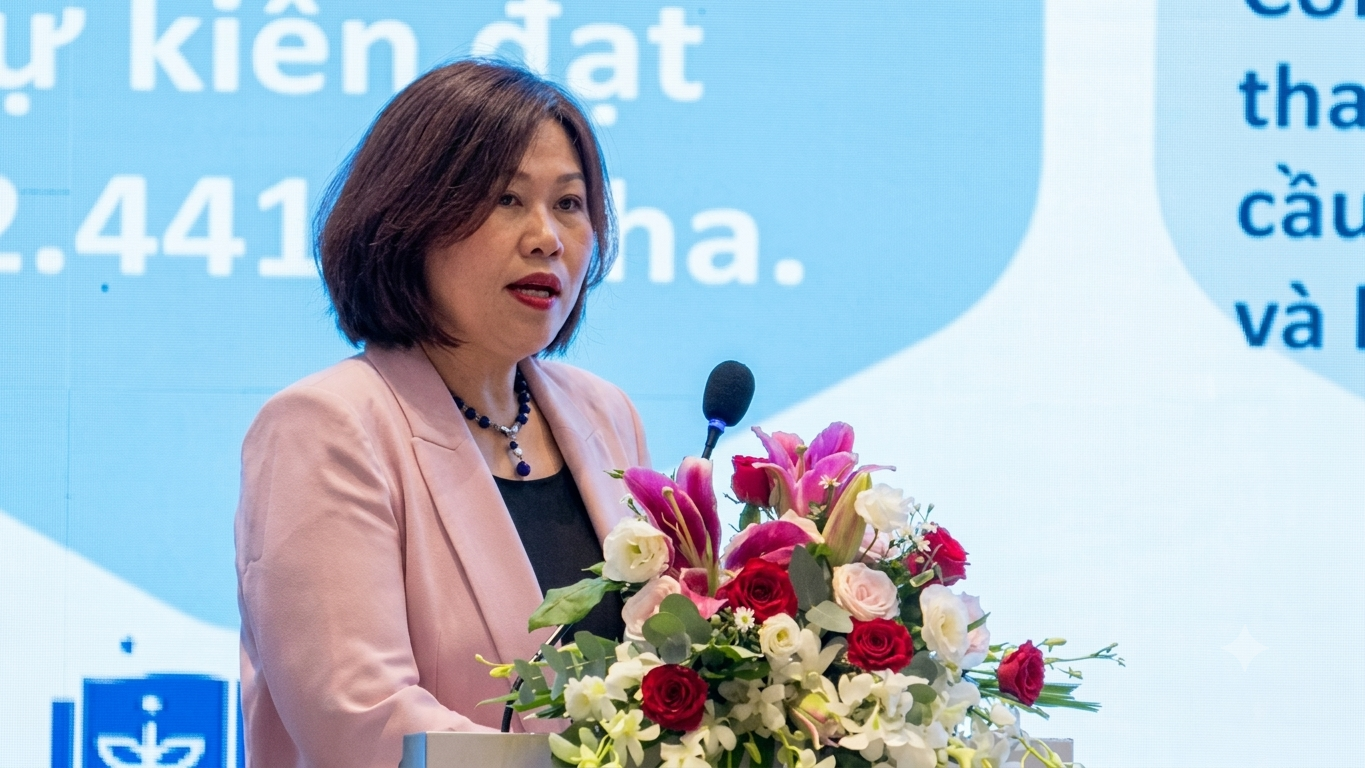
Drawing on experience from the TRVC project, Dr. Tran Thu Ha argued that businesses can serve as key coordinators of the rice value chain, connecting farmers and cooperatives with input suppliers, technical service providers, purchasing and processing operations, and product markets.
Funded by the Australian Government, the project has been implemented in An Giang and Dong Thap since 2022 and will continue through the end of 2027. Rather than providing technical assistance solely to individual pilot models, it adopts a market-driven approach that encourages businesses to organize production at scale while supporting farmers in adopting sustainable, low-emission cultivation practices.
According to data presented by Dr. Tran Thu Ha, after six crop seasons, the project had worked with 10 key companies and approximately 15 additional businesses within their wider business networks. More than 72,000 farming households had registered transparently in the MRV system. The participating companies had established partnerships with more than 163 cooperatives and cooperative groups. Emissions reductions totaling 320,910 metric tons had been internationally verified across three crop seasons.
A notable milestone was the market launch in April 2025 of the first rice shipment carrying the “Viet Nam green, low-emission rice” label. According to Dr. Tran Thu Ha, Trung An exported 500 metric tons of rice to Japan at a price above the usual market level. Compliance with the production protocol and certification requirements has also helped businesses access high-quality market segments while creating additional opportunities to secure green financing.
However, the ability to command a price premium remains uncommon. Among the companies surveyed by the project, only one reported selling its products at a higher price, while the others continued to sell at prevailing market prices. This finding indicates that certification and labeling are important conditions for market development but are not, by themselves, sufficient to ensure price premiums on a broader scale.
According to Dr. Tran Thu Ha, scaling up the model requires partnerships that give businesses incentives to invest, enable cooperatives to organize production effectively, and ensure that farmers benefit from implementing the required practices. Coordination across the value chain, data transparency, and compliance with food safety, environmental, and social equity requirements must be pursued simultaneously. Emissions reduction should not be treated as a standalone technical objective detached from economic performance.
Green finance needs mechanisms to mobilize private capital
Tran Dai Nghia, National coordinator and climate finance specialist at the Food and Agriculture Organization of the United Nations (FAO) in Viet Nam
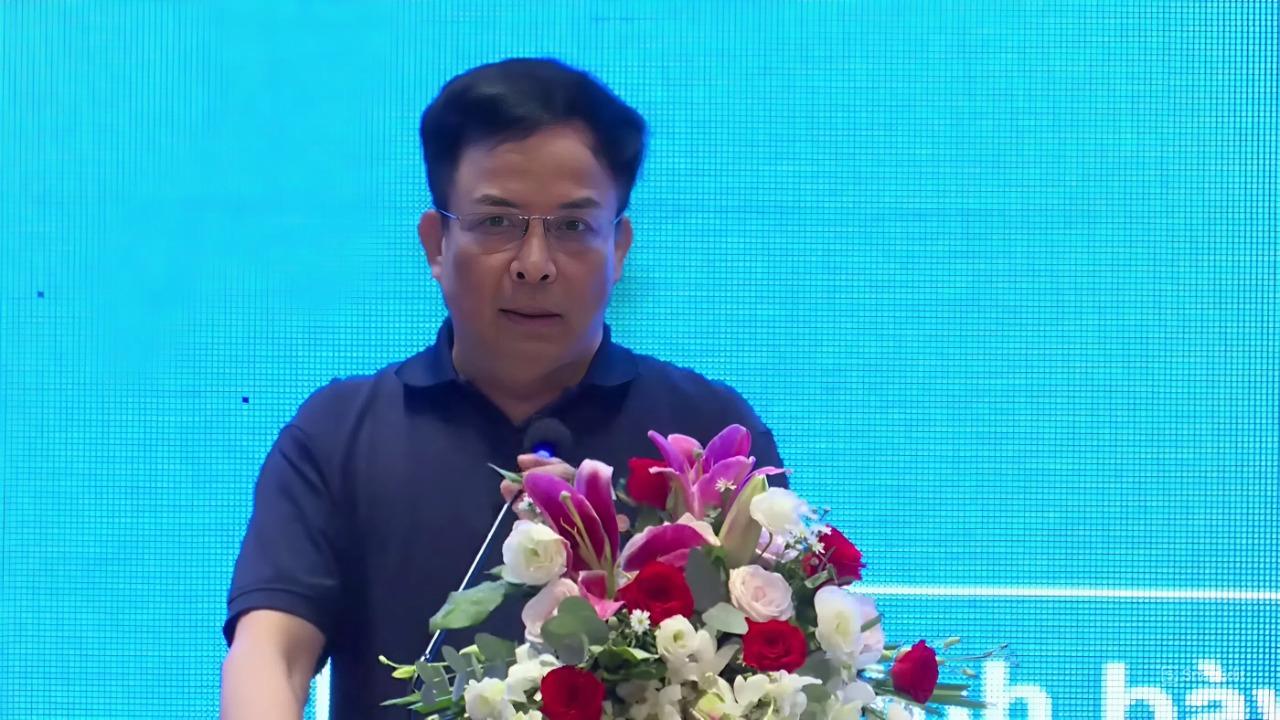
Addressing the resources required for the green transition, Tran Dai Nghia noted that financing needs are substantial, while the capacity of state budgets and grant funding to meet them is limited. Financing approaches therefore need to shift gradually from reliance primarily on grants toward mobilizing investment from multiple sources, combining public finance, concessional capital, and private-sector resources.
According to Tran Dai Nghia's presentation, financing needs for several categories of emissions-reduction measures in rice production identified in Vietnam's Nationally Determined Contribution (NDC) exceed US$5 billion. This represents a substantial funding requirement for transforming rice production and underscores the need to identify priority measures and assess their practical feasibility.
One major challenge in agricultural finance is that potential beneficiaries are numerous and geographically dispersed, increasing transaction costs and complicating the design of suitable financial products. Agricultural production is also exposed to multiple risks, particularly those associated with climate change. Meanwhile, many projects have not yet been sufficiently developed into investment-ready portfolios that meet the requirements of financial institutions and investors.
Tran Dai Nghia argued that blended finance mechanisms should be developed, with public resources potentially providing initial support to mobilize private investment. Administrative and regulatory barriers to managing assistance that combines grants, loans, and other financing sources must also be addressed so that these resources can be deployed through coherent and appropriate arrangements.
Regarding carbon markets, he noted that generating tradable carbon credits requires reliable measurement, reporting, and verification methodologies, together with recognition under relevant standards. According to the roadmap presented at the conference, international carbon-credit trading could begin as early as 2028. Preparations for data collection, methodological development, and eligible projects must therefore begin well in advance, alongside clear arrangements defining the rights and benefits of all participants in the production chain.
Women and youth need a meaningful role in rice-sector transformation
Nguyen Hung Cuong, Private sector engagement specialist, Oxfam in Viet Nam
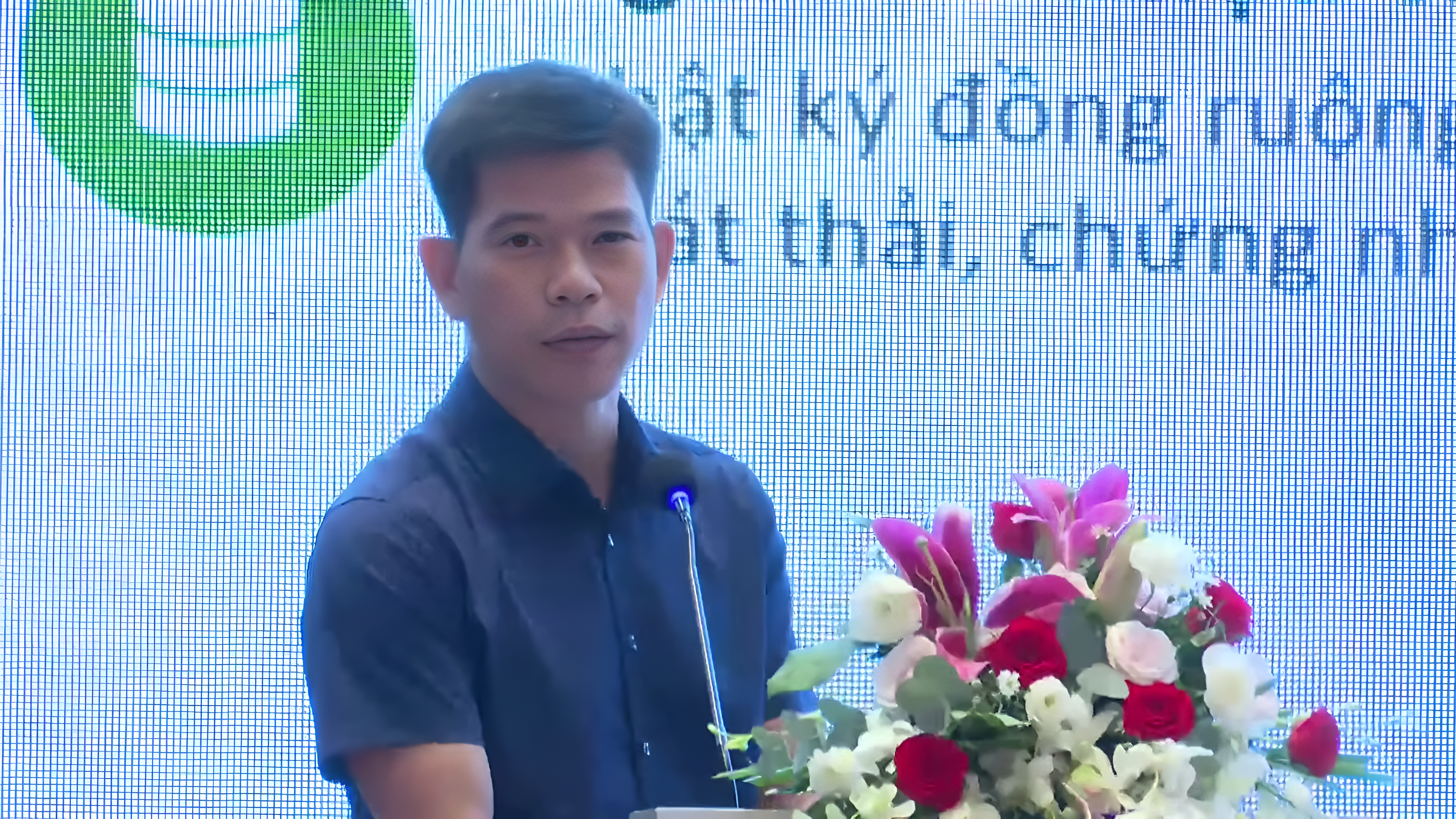
From an inclusive development perspective, Nguyen Hung Cuong of Oxfam argued that farming communities, women, ethnic minorities, and young people must receive appropriate attention during implementation of the scheme. These groups are not merely policy beneficiaries; they are also key actors whose decisions and participation directly influence whether low-emission farming practices are adopted and sustained.
Farmers determine how much seed, fertilizer, and pesticide to use, how to manage water, and how to handle rice straw in the field. They also maintain cultivation records and provide the data used to measure emissions reductions. Their access to information, technology, finance, and training therefore has a direct bearing on implementation outcomes.
However, baseline research conducted under the Go Rice Project in July 2025 found that women's participation in cooperative meetings and training sessions remained limited. Fewer than 30% of the women surveyed had participated in these activities, while 73% of young female workers reported that family caregiving responsibilities prevented them from attending training courses and decision-making meetings. These findings indicate that organizing training alone is insufficient; delivery methods must also be adapted to participants' actual circumstances.
According to Nguyen Hung Cuong, more opportunities should be created for women to participate in cooperative management, while local chapters of the Viet Nam Women's Union should play a stronger role in communication, training, and monitoring the scheme's implementation. One proposal is to aim for women to account for at least 30% of training participants, alongside selecting suitable times and locations for training activities.
For young people, their access to technology and capacity to adapt to innovation should be harnessed through local digital adoption support groups. These groups could help farmers use electronic cultivation logs, unmanned aerial vehicles (UAVs), machinery, and other technology-based production tools, thereby strengthening support services for cooperatives.
Oxfam's representative also proposed adding criteria to ensure that women, young people, and ethnic minorities have meaningful opportunities to participate, while establishing mechanisms to share the benefits generated by emissions reductions. Under this approach, the transformation of production systems can be sustained over the long term only when those directly responsible for implementation have the necessary capabilities, a voice in decision-making, and a fair share of the resulting benefits.
Emission-reduction technologies must be adapted to agroecological zones
Associate Professor Nguyen Van Hung, Senior scientist at the International Rice Research Institute (IRRI)
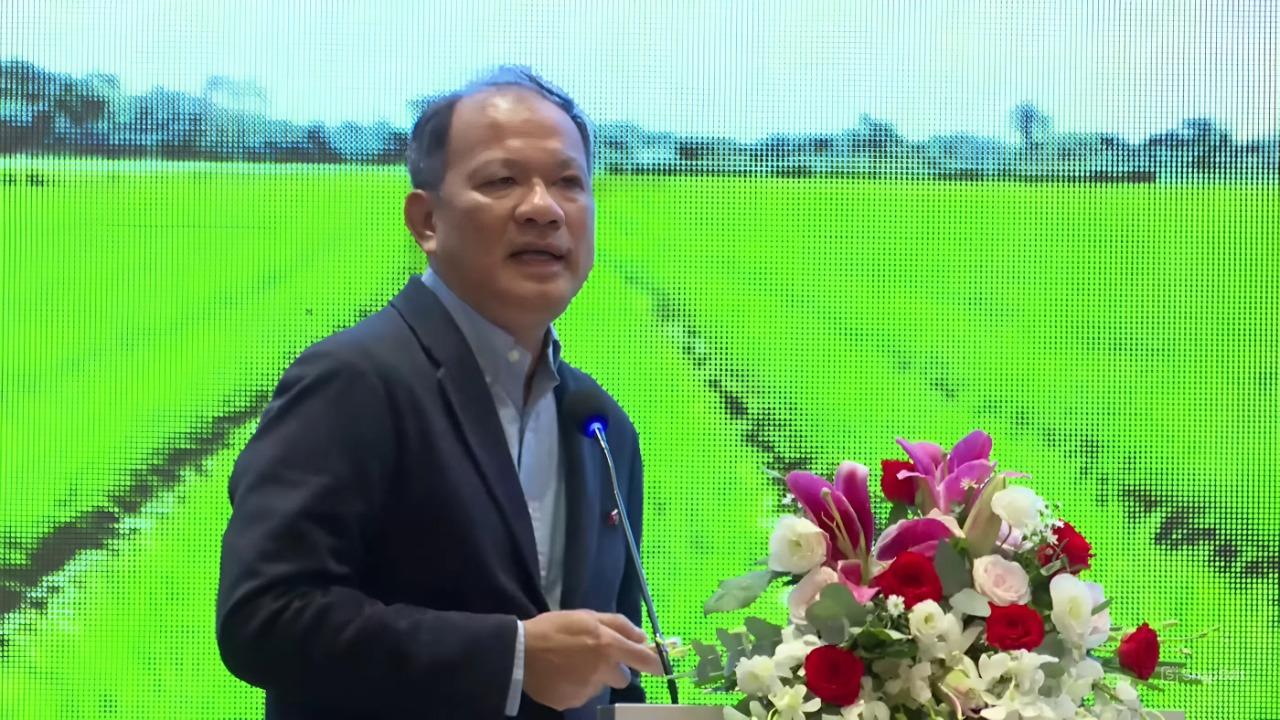
As a scientific research, Nguyen Van Hung of the International Rice Research Institute (IRRI) emphasized the importance of a strong scientific foundation for developing, refining, and scaling up the high-quality, low-emission rice production protocol. Technologies, he argued, must not only demonstrate their capacity to reduce emissions but also be feasible under actual production conditions, suited to local circumstances, and economically beneficial to farmers.
One example he presented was precision seeding combined with fertilizer incorporation. In the models discussed, this approach reduced seed use, cut the number of fertilizer applications from three or four to two, and reduced nitrogen fertilizer application rates by at least 30% and pesticide use by 30%. When seeding density is adjusted appropriately, rice plants can receive more light. Combined with water and fertilizer management, this approach can contribute to reducing greenhouse gas emissions.
However, Nguyen Van Hung cautioned that the same solution cannot be applied uniformly across all production areas. Emission-reduction performance depends on previous cultivation practices, irrigation infrastructure, soil characteristics, weather conditions, and the extent to which different technical measures have already been adopted. Areas that have effectively implemented some sustainable practices may have less remaining potential for additional reductions. Conversely, factors such as unexpected flooding during a crop season can alter measured results. Appropriate baselines and evaluation methods are therefore needed to ensure scientific rigor while accurately reflecting farmers' efforts.
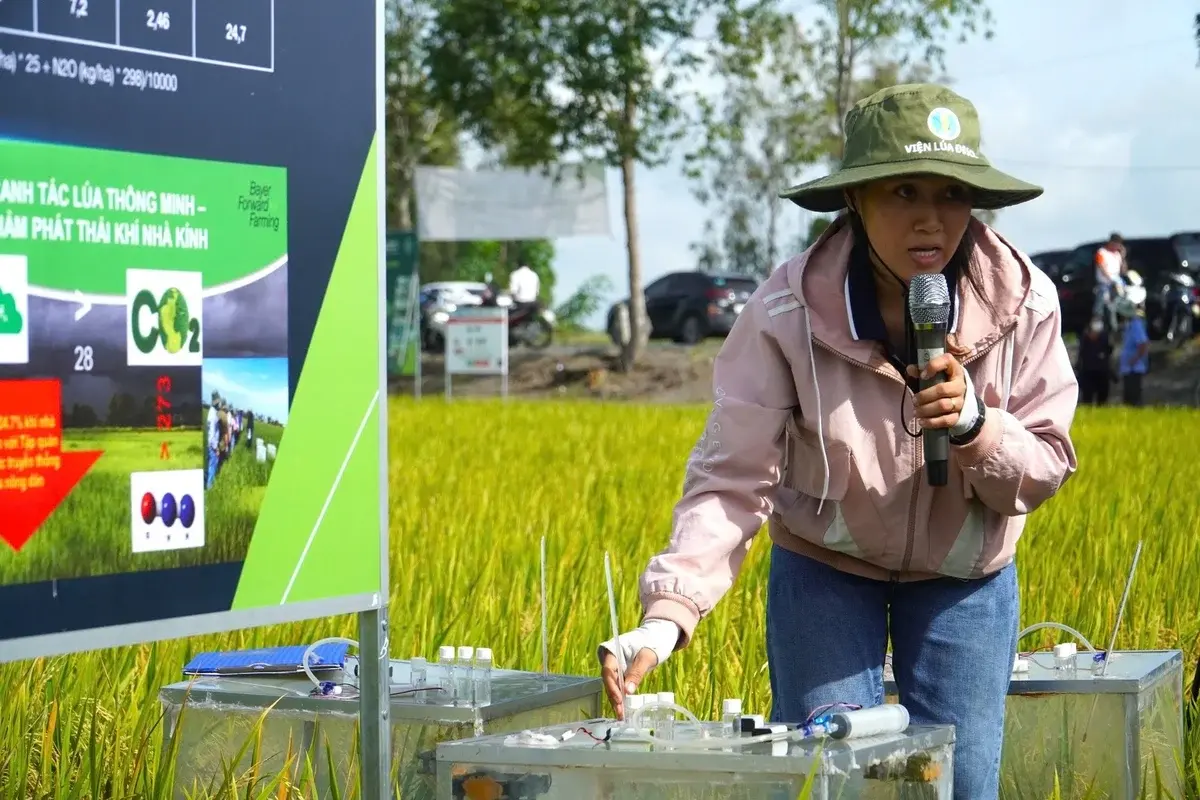
IRRI is working with relevant organizations to implement pilot models for emissions measurement. It is also developing soil nutrient maps, precision nutrient management tools, and a digital agricultural extension system integrating data and artificial intelligence. These tools can support technical advice, connect farmers with services across the value chain, and facilitate data-driven production management.
According to Nguyen Van Hung, priorities for the next phase include digitizing and optimizing farming systems, developing technical protocols tailored to individual agroecological zones, and linking data across projects and implementing organizations. When research findings are translated into solutions suited to local production conditions, new technologies can improve input-use efficiency, reduce emissions, and provide a foundation for sustainable scaling./.
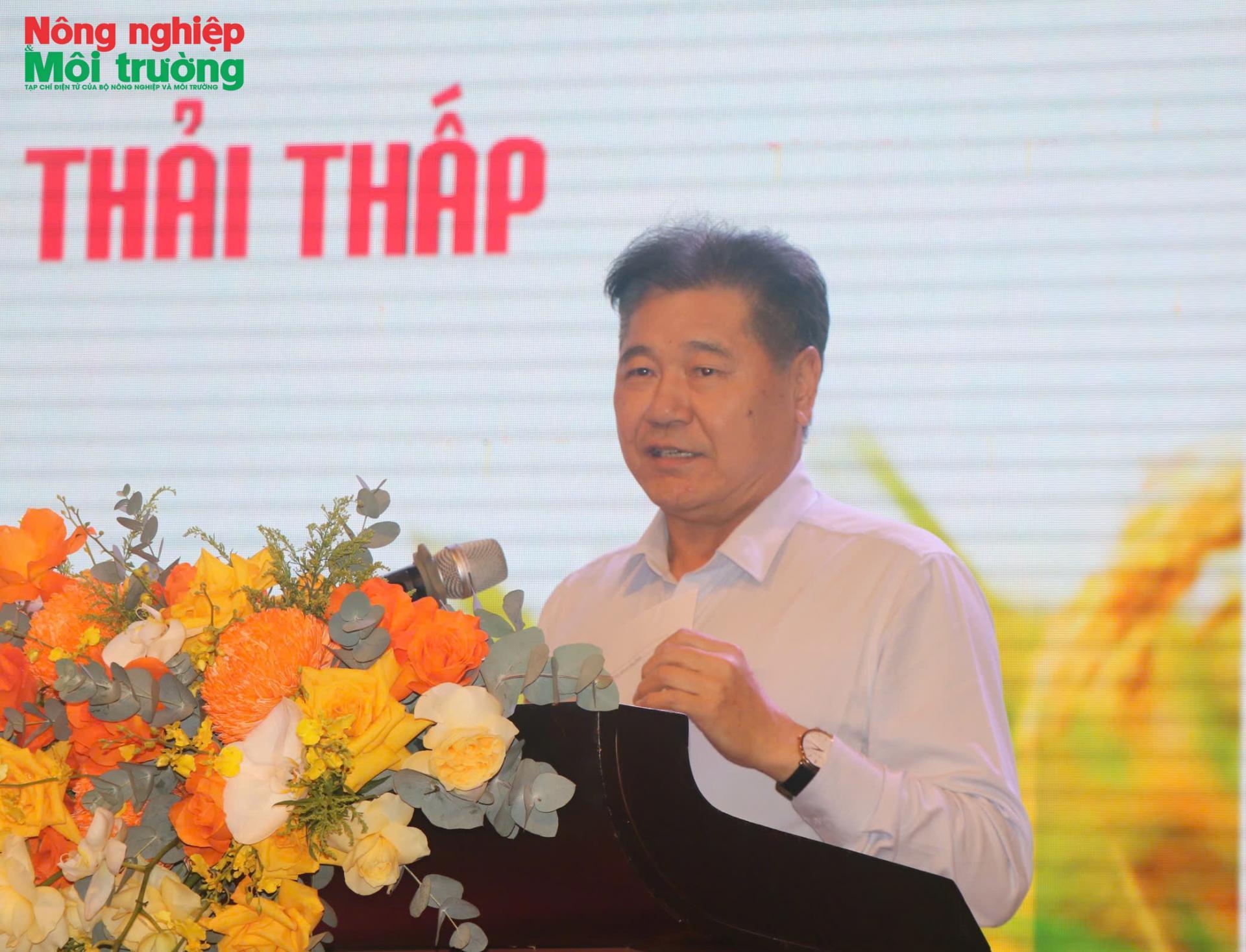
Rice production in Viet Nam faces a dual challenge: maintaining productivity, efficiency and farmers’ livelihoods while reducing pressure on natural resources and the environment. In recent years, low-emission rice farming models have been introduced in production areas across the country, with initial results showing their potential to reduce irrigation water use, agricultural inputs and greenhouse gas emissions.
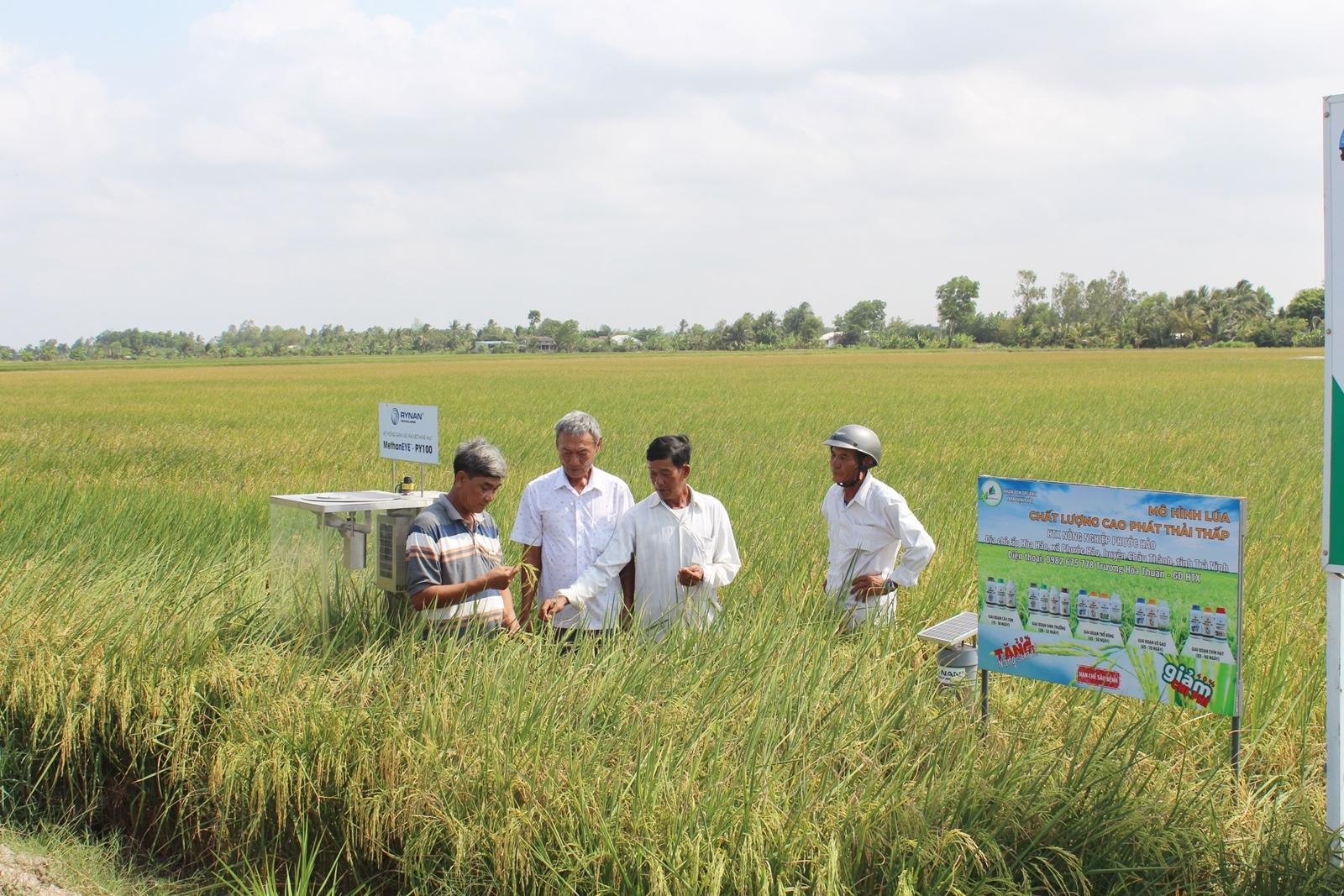
Viet Nam has significant potential to reduce methane emissions from rice production, but this potential does not automatically translate into carbon credits that can be sold in international markets. To generate real value, the rice value chain must overcome bottlenecks related to methodologies, water management, data, production organization, and benefit-sharing with farmers.
Decree No. 112/2026/ND-CP has established a legal framework for Viet Nam to engage in the international transfer of greenhouse gas emission reduction outcomes and carbon credits. But the distance between an environmentally beneficial activity and a credit eligible for international transfer remains considerable. To enter this market, businesses must overcome challenges involving technology, financing, data, additionality and project management capacity.
Resolution No. 36/2026/NQ-CP has addressed a number of obstacles in the issuance and management of planting area codes and packing facility codes, strengthened decentralization to the commune level, and shifted the management approach from pre-inspection toward post-inspection.
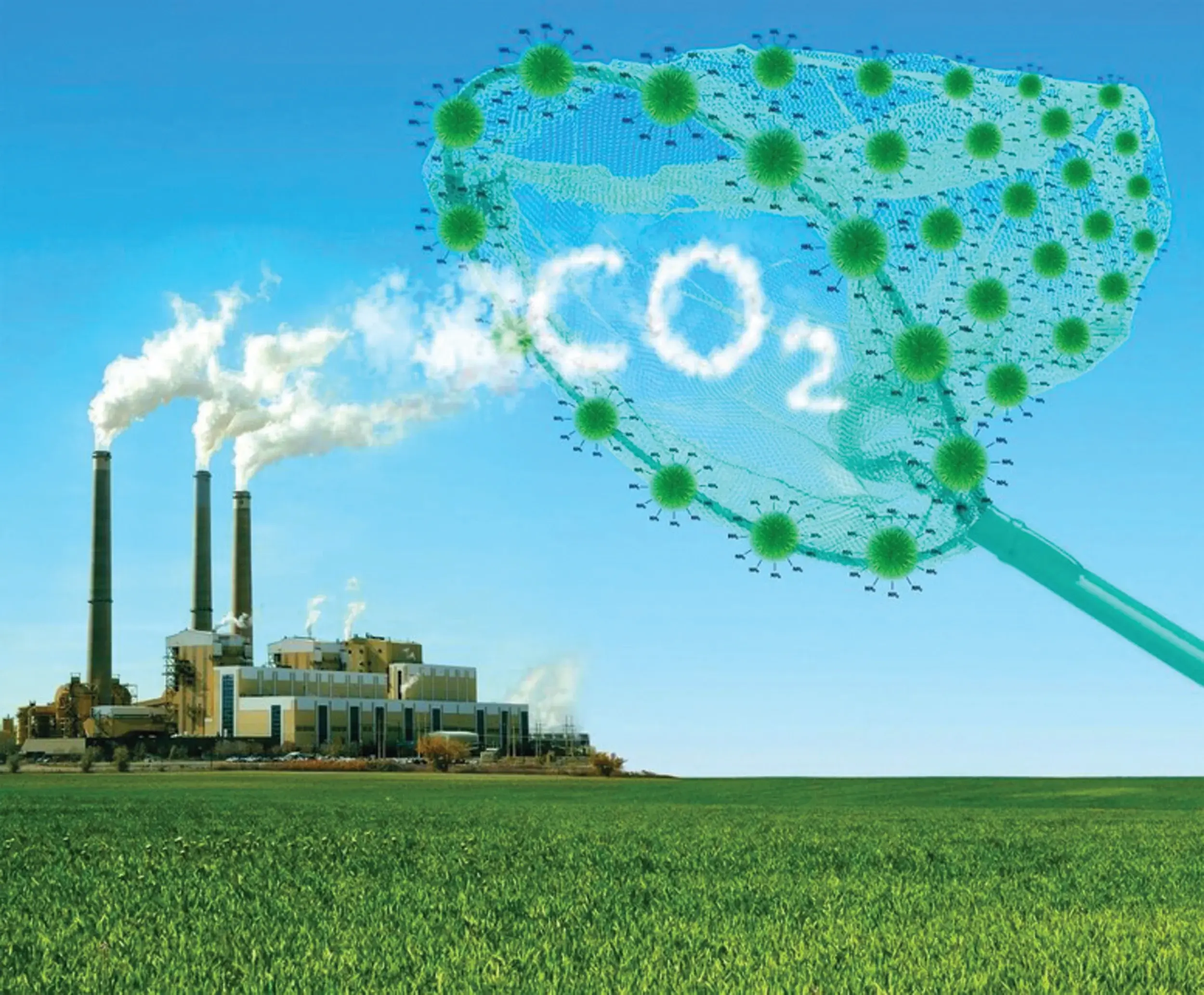
Carbon markets are becoming increasingly interconnected through cooperation mechanisms under the Paris Agreement and through voluntary carbon markets. As greenhouse gas emission mitigation outcomes can be transferred across borders, the quality, transparency, verifiability, and governance of those outcomes are becoming increasingly important. For Viet Nam, developing a domestic carbon market therefore cannot be separated from the question of how that market will connect with international flows of transactions and investment.