



 Resolution No. 36/2026/NQ-CP has addressed a number of obstacles in the issuance and management of planting area codes and packing facility codes, strengthened decentralization to the commune level, and shifted the management approach from pre-inspection toward post-inspection.
However, according to Nguyen Duc Thuan, Director of the Khanh Hoa Sub-Department of Crop Production and Plant Protection, simpler procedures also mean that the responsibilities of producers, businesses and regulatory authorities must be more clearly defined. For exported durian, a code is meaningful only when it corresponds to an actual growing area and actual production volume and allows traceability down to individual consignments.
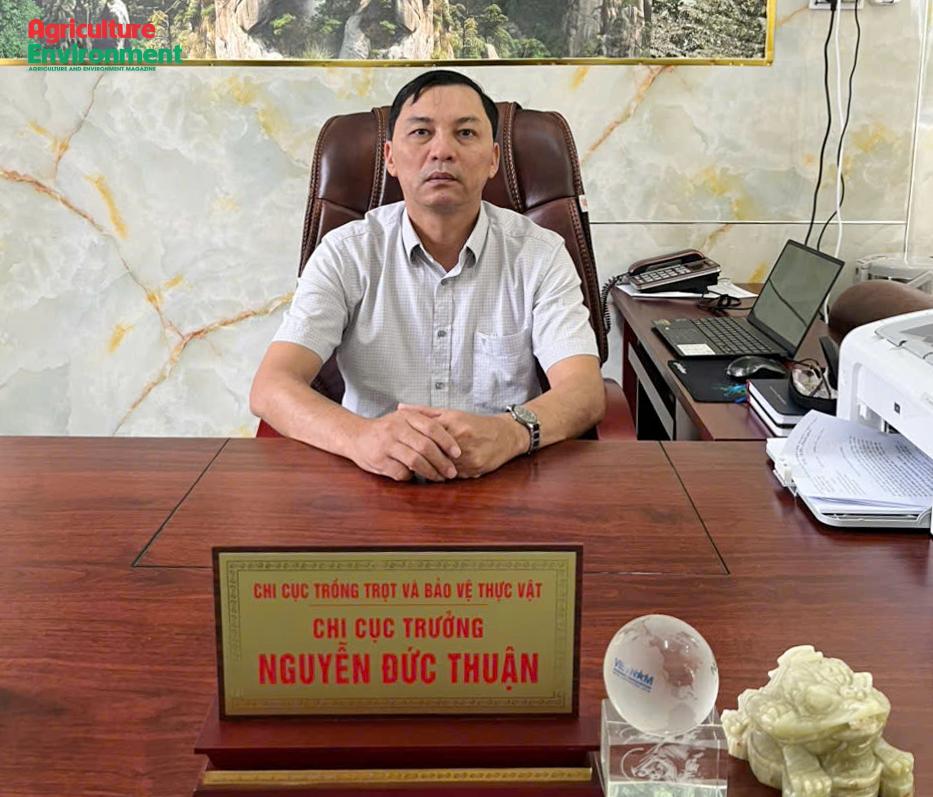
Interviewer: Resolution No. 36/2026/NQ-CP has introduced several notable changes to the issuance and management of planting area codes. What are the most significant changes?
Nguyen Duc Thuan: The significance of the new policy lies not only in shortening the time required to process applications but, more importantly, in changing the management approach. Farmers and businesses have greater autonomy in submitting declarations, while government agencies have greater responsibility for post-inspection and monitoring the use of codes after they are issued.
One of the obstacles addressed by the new policy concerns the minimum size of a registered growing area. Previously, the minimum area requirement of 10 hectares for perennial crops was a constraint for many small-scale producers. To register for a code, farmers had to form linkages and consolidate sufficient land area.
Resolution No. 36/2026/NQ-CP temporarily suspends this requirement. A planting area code may be issued for a specified crop based on the location of one or more land parcels, at the request of an organization, individual, household or group of households.
The receipt and processing of applications have also been decentralized to commune-level People's Committees and are carried out through the National Public Service Portal under the principle of self-declaration and self-responsibility. Where the produce is not intended for export to a market with specific code requirements, the maximum processing time is three working days. For exports to markets requiring a code, the processing time is no more than 10 working days.
Interviewer: With greater decentralization to the commune level, how will management at the local level change?
Nguyen Duc Thuan: Decentralizing procedures to the commune level allows farmers to complete procedures locally, reducing the need to travel. However, the responsibilities transferred to the local level involve much more than simply receiving application dossiers.
Commune-level authorities will be directly involved in the process, from processing applications to managing and conducting post-inspections of codes. Therefore, once these responsibilities are decentralized, the capacity of local officials, their knowledge of local conditions and their ability to coordinate with specialized agencies become particularly important.
To prepare for this change, the Khanh Hoa Department of Agriculture and Environment organized training on the management and processing of administrative procedures related to planting area codes and packing facility codes. The training was attended by 174 representatives from 56 of the province's 64 communes and wards. The agriculture sector also coordinated with 59 communes and wards to mobilize commune-level agricultural extension officers and community-based agricultural extension workers to support implementation at the local level.
This is also an important element of Resolution No. 36/2026/NQ-CP: a shift from pre-inspection toward post-inspection, the implementation of end-to-end administrative procedures online, and the application of the principle of self-declaration and self-responsibility to organizations and individuals. Faster issuance of codes must therefore be accompanied by more transparent data and clearer accountability.
Interviewer: What is the current scale of durian production and the status of planting area codes in Khanh Hoa?
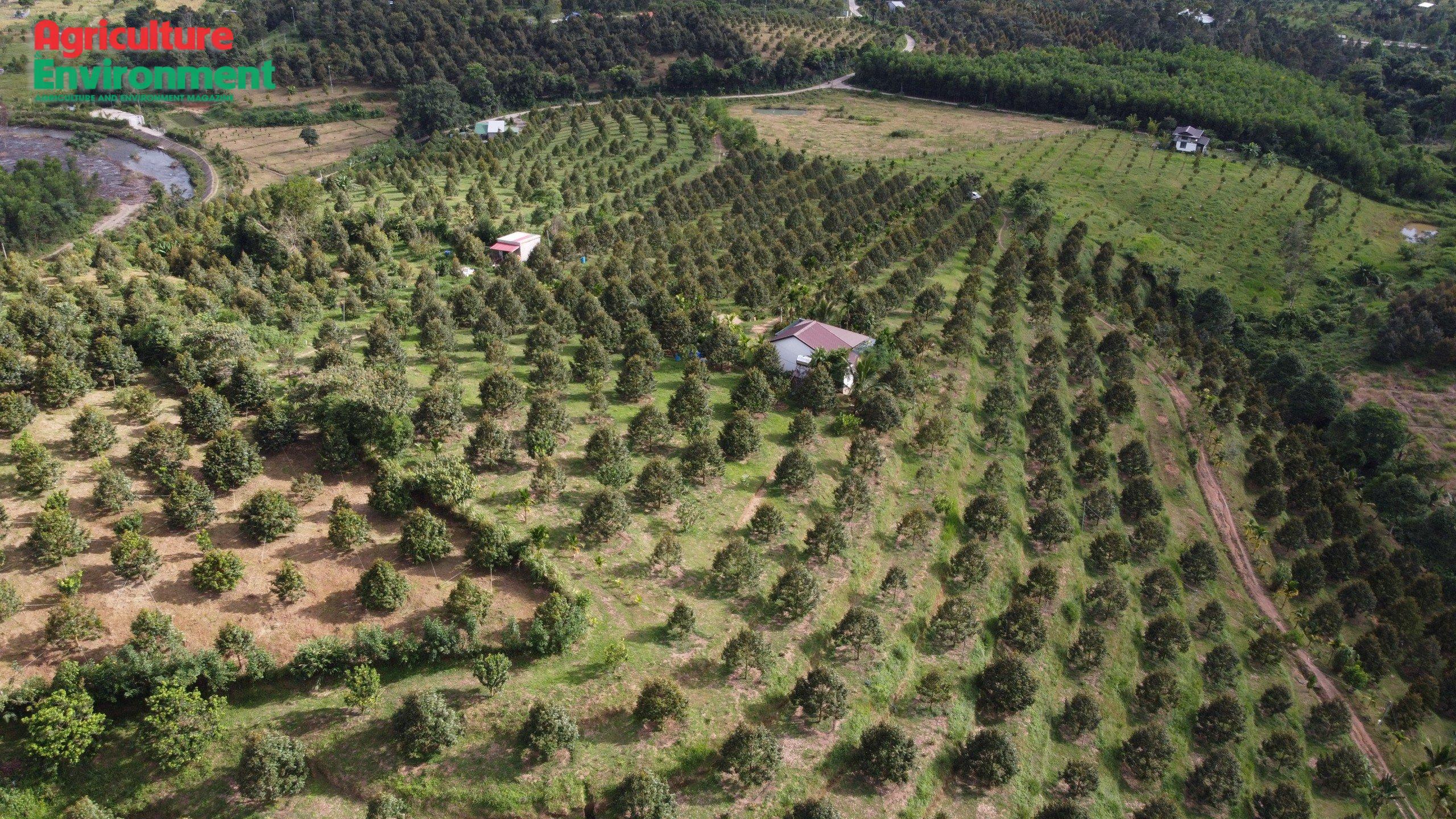
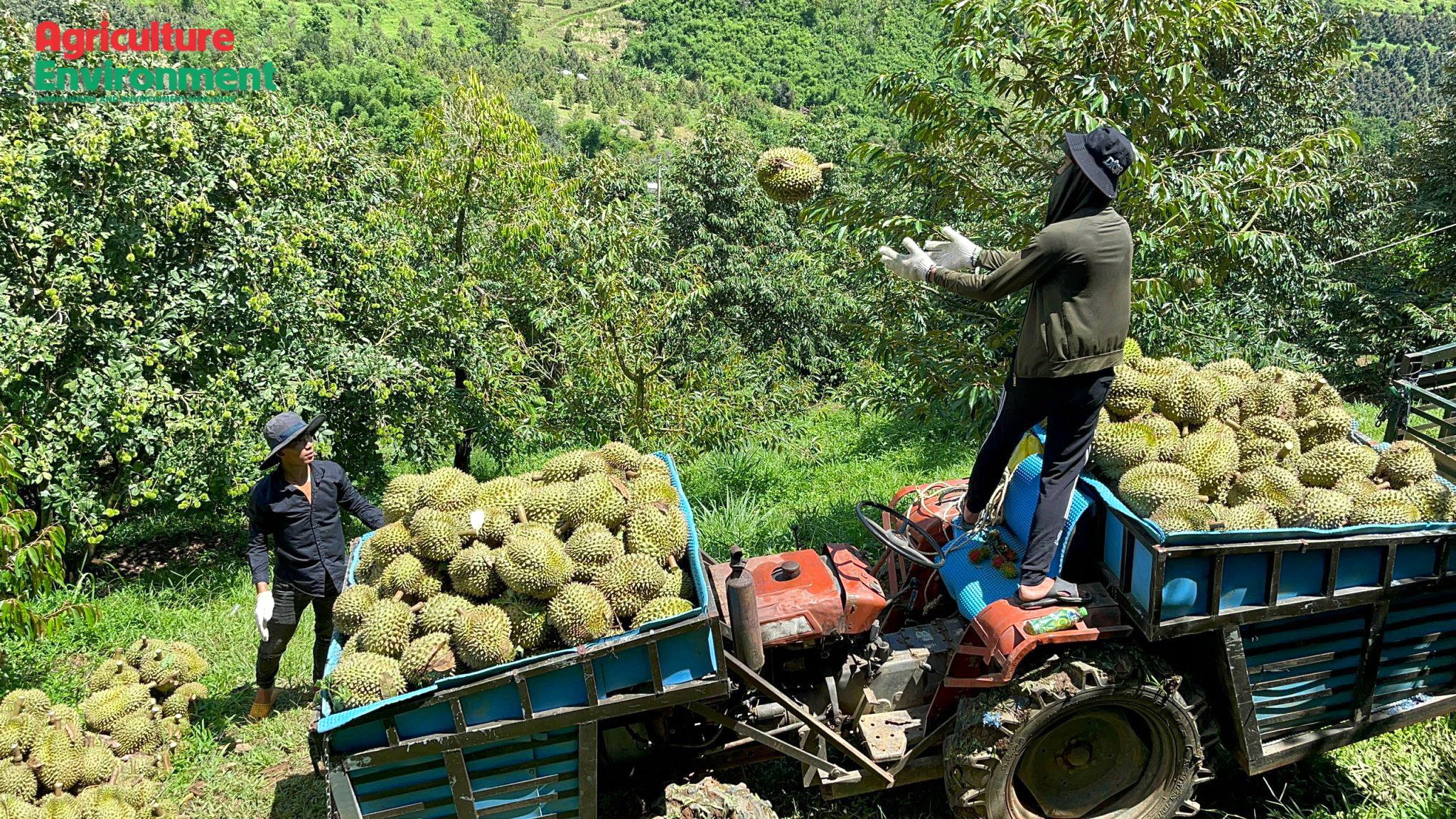
Nguyen Duc Thuan: The province currently has 3,565.4 hectares of durian, of which approximately 2,500 hectares are in production. Output during the first eight months of 2026 exceeded 30,000 tonnes.
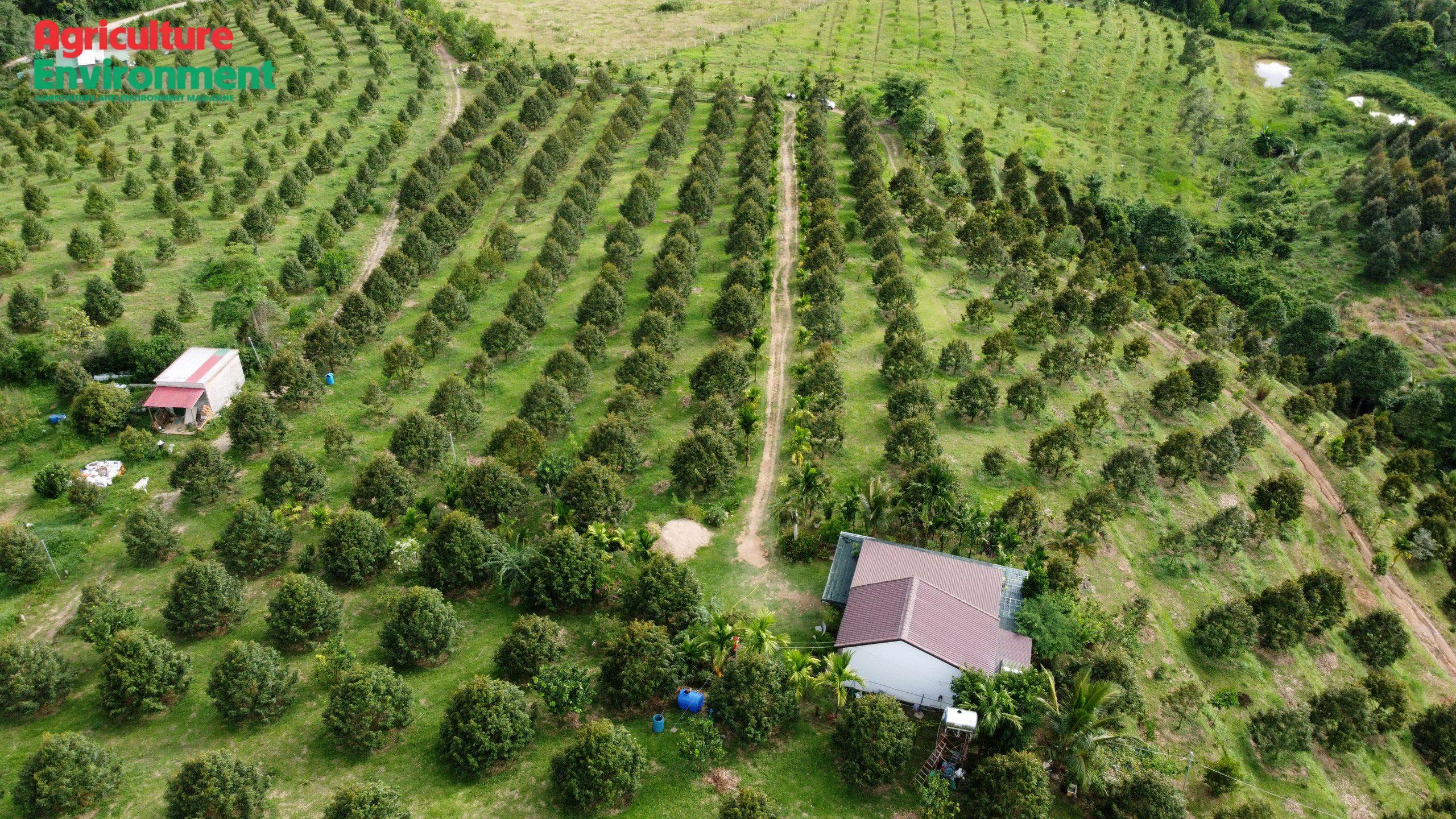
To date, Khanh Hoa has 156 planting area codes covering a total of 1,132.13052 hectares. Of these, 51 codes covering 662.24 hectares are for export, while 105 domestic planting area codes covering a total of 469.89052 hectares apply to other major crops in the province. Two packing facility codes have also been issued.
For durian alone, 20 planting area codes covering 509.54 hectares are registered for export to China, with projected 2026 production of approximately 15,286 tonnes. By the end of July, officially exported durian to China had reached 8,140 tonnes.
Since the beginning of the year, Khanh Hoa has received eight additional applications for planting area codes covering 107.8 hectares. Six of these are durian growing areas in Khanh Son and Tay Khanh Son that have applied for new codes for export to China. These areas have undergone field inspections, met the requirements, and their dossiers have been forwarded for the next steps in accordance with the requirements of the importing market.
Interviewer: Resolution No. 36/2026/NQ-CP emphasizes the shift from pre-inspection toward post-inspection. What has the experience of post-inspection in Khanh Hoa shown?
Nguyen Duc Thuan: A code is not something that is issued once and then left unattended. A growing area must continue to maintain the conditions to which it has committed. If inspections find that the requirements are no longer being met, corrective action must be taken, or the code must be suspended or revoked in accordance with regulations.
In 2026, the specialized authorities established three inspection teams to inspect two durian packing facilities and 34 coded growing areas for durian, pomelo, Australian mangoes and rice intended for export. The inspections found that two packing facilities and 24 growing areas remained eligible to retain their codes; 9 growing areas were recommended for code cancellation, while one area that failed to meet the requirements had its code revoked.
Of the 23 coded durian growing areas supplying the Chinese market that were inspected, 20 remained eligible to retain their codes, while three were recommended for code cancellation.
Warnings from importing markets also demonstrate the importance of post-inspection. After receiving notifications of phytosanitary violations involving four growing areas and one packing facility, the Department of Agriculture and Environment required the relevant entities to take corrective action and organized follow-up inspections.
As a result, one packing facility code and one durian planting area code were reinstated after they were found to meet the importing country's requirements, while one planting area code was revoked. The other two growing areas did not submit corrective-action reports and were recommended for code cancellation.
It is also important to understand that a planting area code is not equivalent to product quality certification and does not replace producers' obligations to comply with the requirements of importing countries.
The objective, therefore, should not be measured solely by the number of codes issued. More important is ensuring that, after receiving a code, the growing area continues to produce in accordance with the requirements and that the code is used only for products actually originating from that growing area.
Interviewer: The provincial People's Committee has recently requested stronger traceability for fresh durian exported to China. How will this be implemented?
Nguyen Duc Thuan: The provincial People's Committee has requested stronger traceability for fresh durian exported to China. The Department of Agriculture and Environment has been assigned to coordinate the review, verification, standardization and integration of data on planting area codes, packing facility codes, responsible entities, code validity status, recognition status in the importing market and inspection results.
The data will be updated in the Ministry of Agriculture and Environment's traceability system under the principle of "declare once, use multiple times," without creating additional procedures or duplicate reporting requirements.
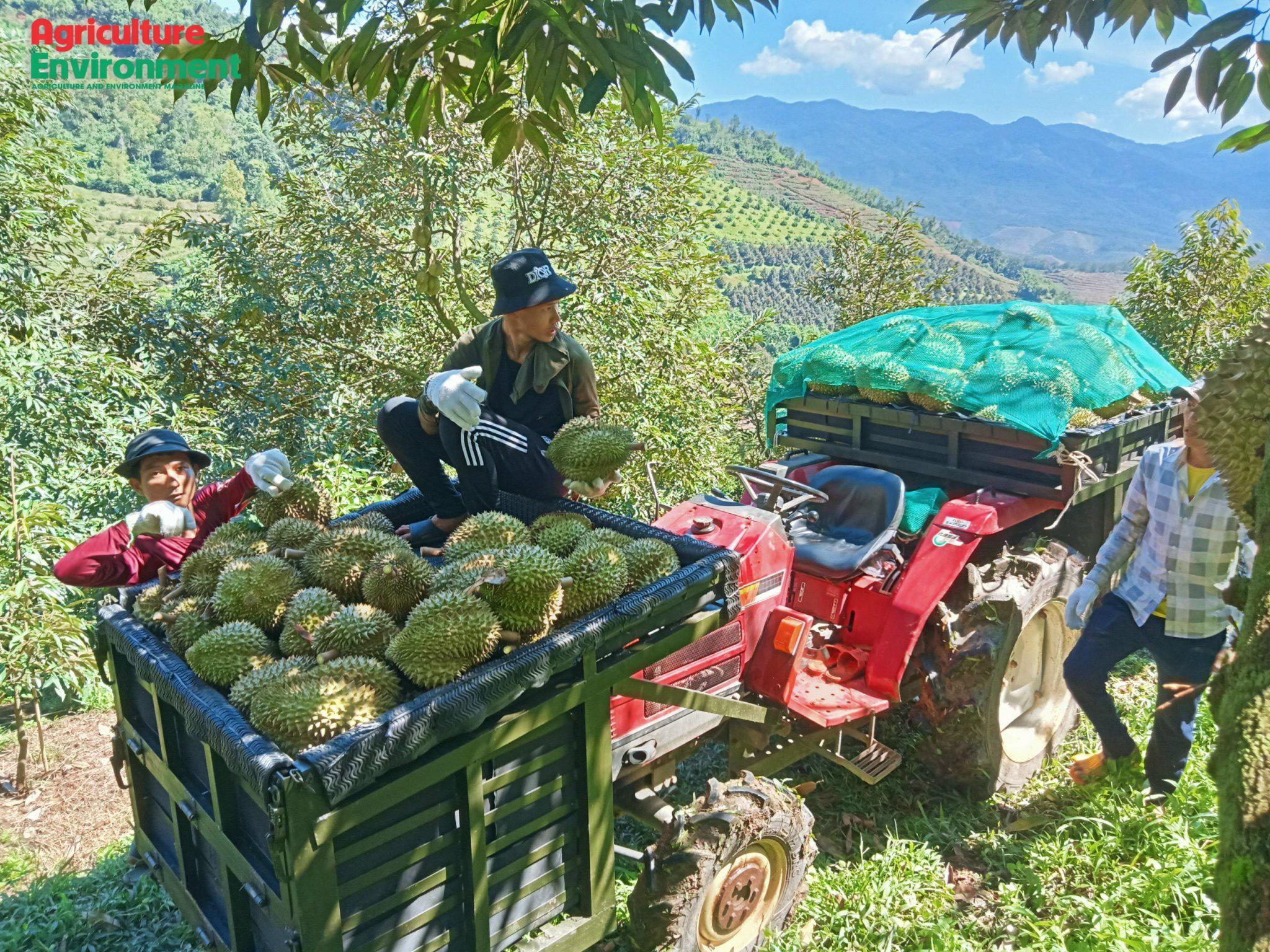
For each consignment of fresh durian exported to China, the documentation and data must be complete, accurate, continuous and capable of tracing the product back to the growing area, packing facility and relevant actors and stages in the supply chain.
At a minimum, the information must include the code and validity status of the growing area and packing facility; cultivation records; information on production, harvesting, purchasing, transportation, storage and packing; quantity; testing results; phytosanitary certificates; container and seal information; the exporting company; and the importing market.
Agricultural traceability is the ability to track and record the entire process of production, processing, transportation and distribution from the production site to the consumer. If a code exists only on paper but cannot be reconciled with actual production, it is difficult to ensure transparency throughout the supply chain.
Interviewer: How is the authorization and use of codes being managed to prevent impersonation or the falsification of product origins?
Nguyen Duc Thuan: As of the reporting date, the Sub-Department of Crop Production and Plant Protection had received 11 notifications from organizations and individuals regarding the authorization of durian planting area codes for use by exporting companies.
The provincial People's Committee has instructed local authorities to inspect the use of codes and promptly identify cases of impersonation, fraud or misuse. The provincial police have been tasked with monitoring the issuance, management and use of codes and identifying signs of false production-volume certification, unauthorized use, code impersonation or the falsification of product origins.
This issue is particularly important for durian. When the volume of produce shipped under a growing area's code exceeds its actual production capacity, or when produce from outside the area is introduced under another area's code, supply-chain traceability is compromised. The consequences go beyond a single consignment being flagged and may affect the growing area, packing facility and market access of other legitimate operators.
Interviewer: Based on implementation experience, what issues need to be further addressed to make planting area codes a genuine foundation for sustainable durian exports?
Nguyen Duc Thuan: One of the challenges at the local level is inconsistency in production practices. Some farmers still need continued guidance on keeping cultivation records, using agricultural inputs, maintaining documentation and updating data.
Therefore, alongside issuing codes, specialized agencies must support the standardization of production areas and strengthen linkages between growers and purchasing and packing companies.
Based on implementation experience, Khanh Hoa has also proposed further development and integration of the national database on planting area codes; the addition of a list of crop identification codes; and more specific guidance on code assignment rules and the authorization of code use. The province currently has 26 planting area codes covering seven crops for which procedures cannot yet be completed because corresponding identification codes are not available.
Resolution No. 36/2026/NQ-CP has expanded producers' autonomy and brought administrative procedures closer to the growing areas. At the same time, maintaining production conditions, ensuring data integrity and assuming responsibility for post-issuance management have become more important.
For exported durian, a sequence of codes does not by itself create market credibility. Credibility is built when behind those codes are genuine production areas, actual production volumes, consistently maintained production practices and sufficient data to trace products back to their source when necessary./.
Rice production in Viet Nam faces a dual challenge: maintaining productivity, efficiency and farmers’ livelihoods while reducing pressure on natural resources and the environment. In recent years, low-emission rice farming models have been introduced in production areas across the country, with initial results showing their potential to reduce irrigation water use, agricultural inputs and greenhouse gas emissions.
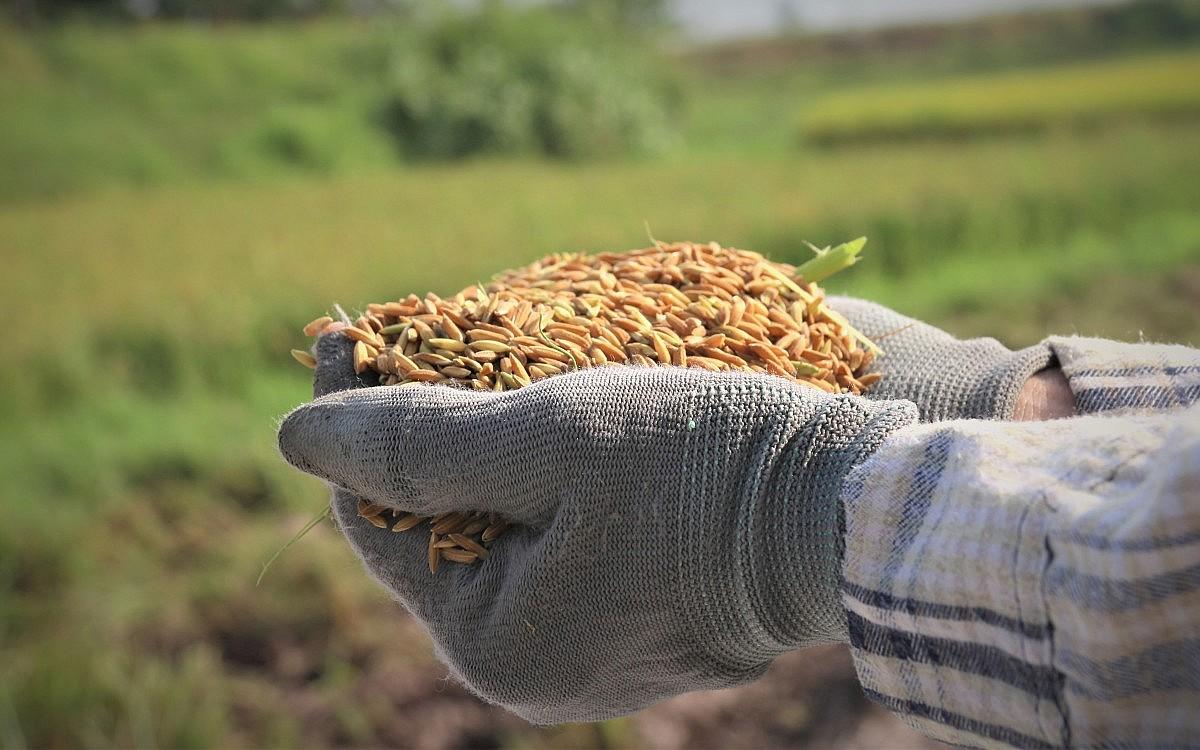
Policies achieve lasting impact only when they translate into changes in production practices. This is particularly true of efforts to reduce food loss and waste: setting reduction targets or encouraging the productive use of agricultural by-products will have limited effect unless producers can see clear economic returns and businesses have access to sufficiently stable markets.
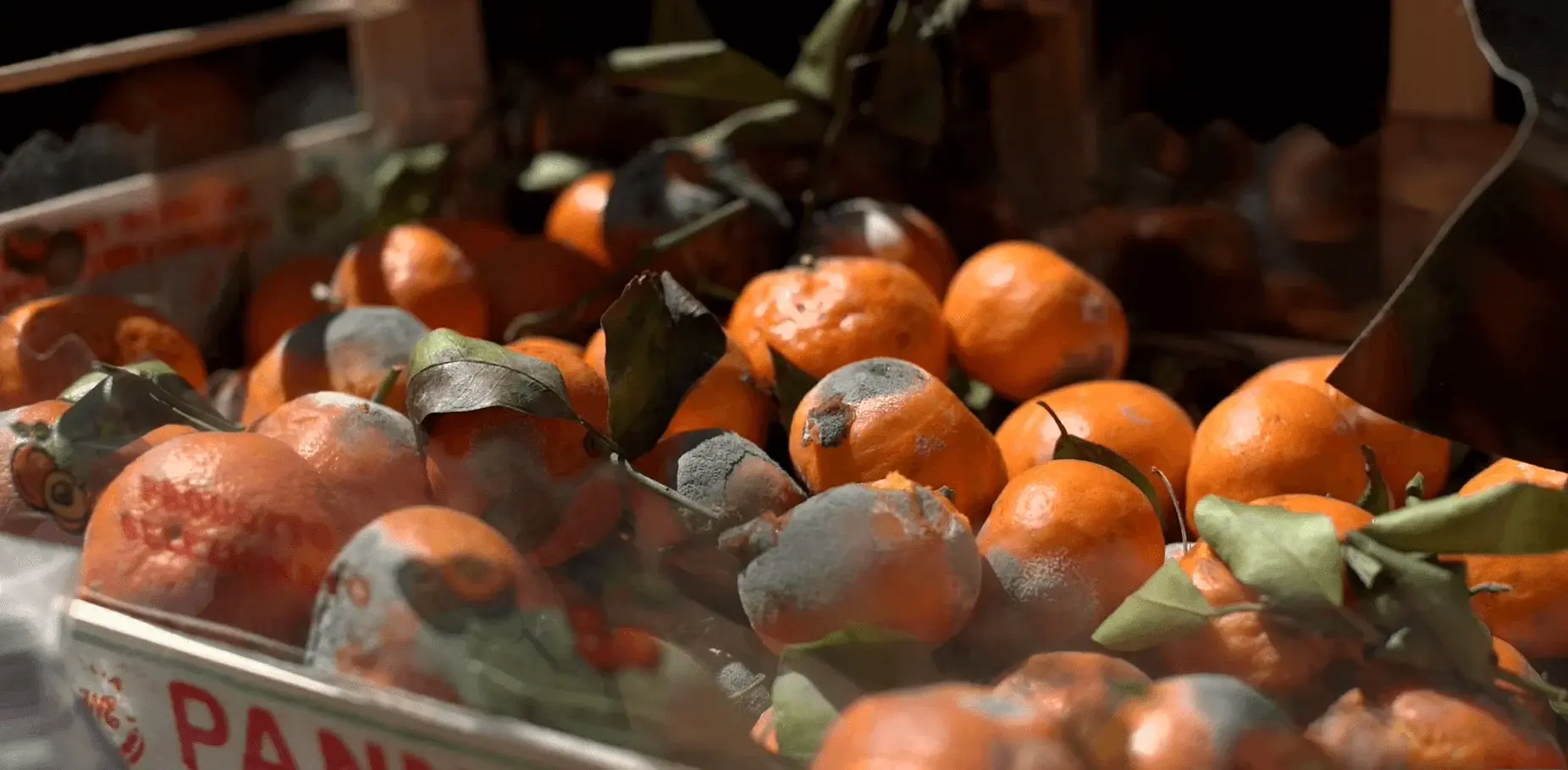
Viet Nam has gradually established a policy foundation for reducing food loss and waste (FLW), increasingly linking the issue to sustainable development, the circular economy, and food system transformation. The challenge in the next phase is therefore not to start from scratch, but to connect existing policies into a coherent, data-driven governance framework that prioritizes prevention and is supported by sufficiently strong coordination mechanisms to drive action at the national level.
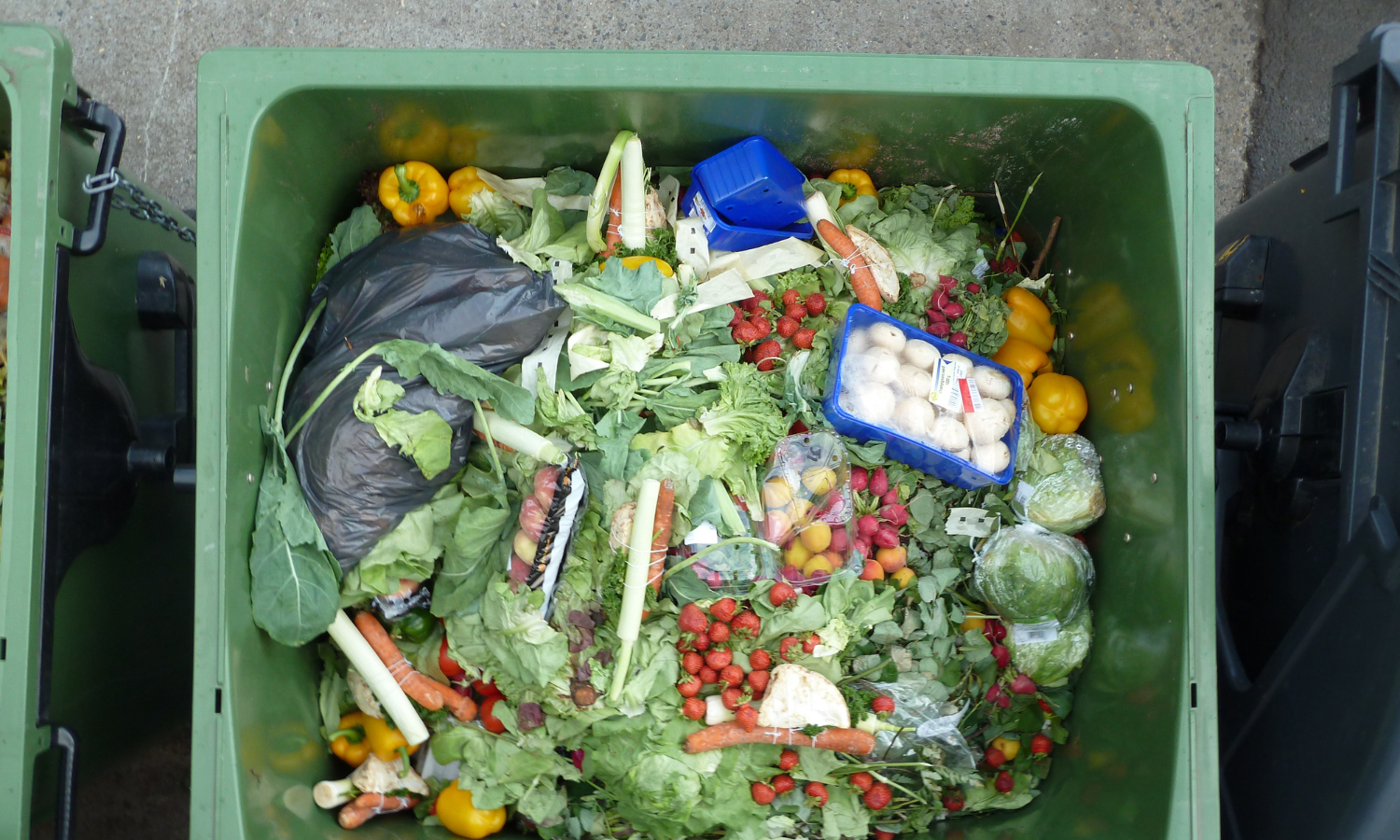
International experience suggests that food loss and waste (FLW) is not a problem that can be resolved through a single policy measure. Effective action requires institutions capable of coordinating stakeholders, data that can identify where losses occur, regulations that do not create unnecessary barriers, and mechanisms that allow businesses and communities to participate.
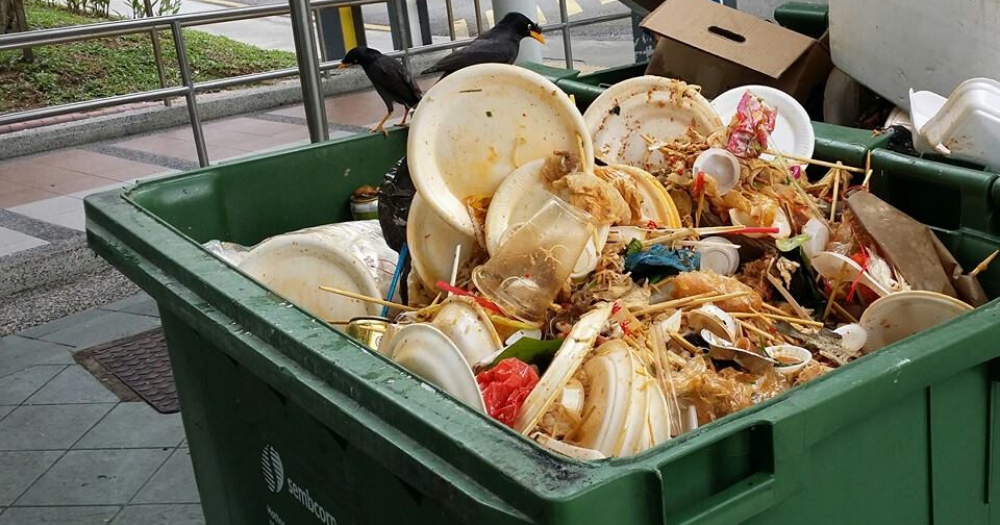
Food loss and waste are emerging as major bottlenecks in global agrifood systems, with large quantities of food lost or discarded despite the land, water, energy and labor invested in producing it. In Viet Nam, the issue not only diminishes the value of agricultural products but also generates substantial economic, environmental and social costs. Research on selected value chains shows that food losses occur throughout the chain, from production and harvesting to transportation, post-harvest handling and storage, while food waste continues to arise at the retail, food service and household levels. A clear understanding of the current situation is essential for Viet Nam to further strengthen its policies to reduce food loss, curb food waste and improve the efficiency of the agrifood system as a whole.