Treating pesticide wastewater: Performance and limits of the H₂O₂/UV system in an Isoprothiolane case study

Treating pesticide wastewater: Performance and limits of the H₂O₂/UV system in an Isoprothiolane case study

18/12/2025
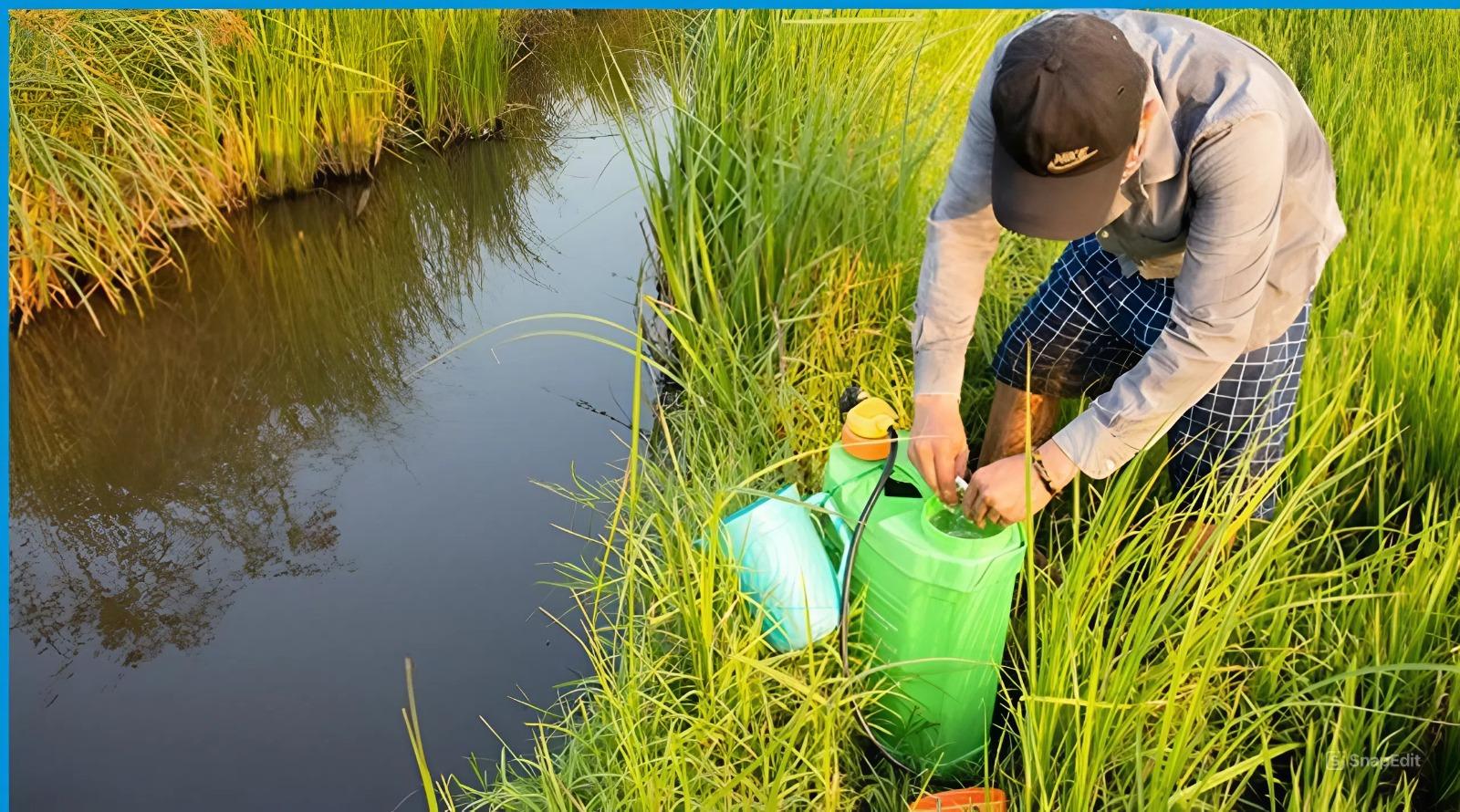
The use of pesticides is an integral part of modern intensive agriculture. Alongside their effectiveness in controlling pests and diseases, however, comes the risk of environmental pollution from wastewater generated during the production, formulation, and application of chemical active ingredients. Of particular concern is the fact that many pesticide compounds are poorly biodegradable, persistent in the environment, and prone to bioaccumulation, posing major challenges for wastewater treatment.
  • Digitizing habitats of Cinnamomum parthenoxylon: Cloud-based modeling maps climate-adaptive areas in Vietnam’s Central Highlands

    Digitizing habitats of Cinnamomum parthenoxylon: Cloud-based modeling maps climate-adaptive areas in Vietnam’s Central Highlands

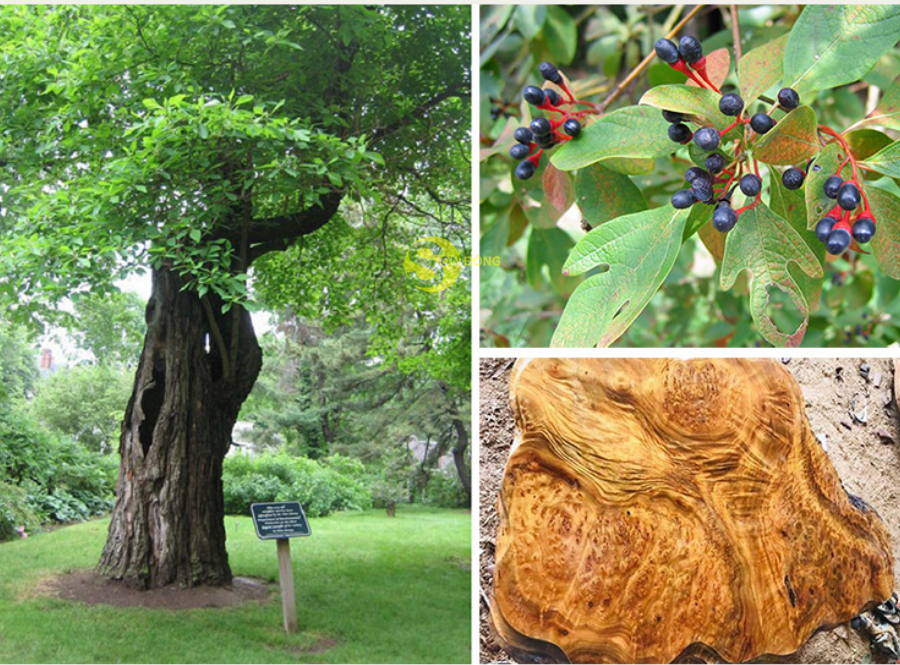
    Cinnamomum parthenoxylon, an endangered tree species of the Lauraceae family, is facing rapid habitat contraction under the combined pressures of climate change and forest degradation in Vietnam’s Central Highlands. A research team consisting of Pham Mai Phuong, Nguyen Thi Thu Nga, Nguyen Quoc Khanh, Nguyen Duy Liem, and Vu Dinh Duy employed the cloud-based Google Earth Engine (GEE) platform and the MaxEnt algorithm to develop habitat suitability maps for both current and projected future climates. This study marks the first application of a multi-scenario climate projection framework to assess the species’ adaptive potential toward the end of the 21st century. The findings provide an important scientific basis for the conservation, restoration, and sustainable planning of C. parthenoxylon in key provinces such as Lam Dong and Dak Nong (now part of the newly established Lam Dong Pprovince).
  • Vietnam’s cassava production reveals deep water inefficiencies across regions

    Vietnam’s cassava production reveals deep water inefficiencies across regions

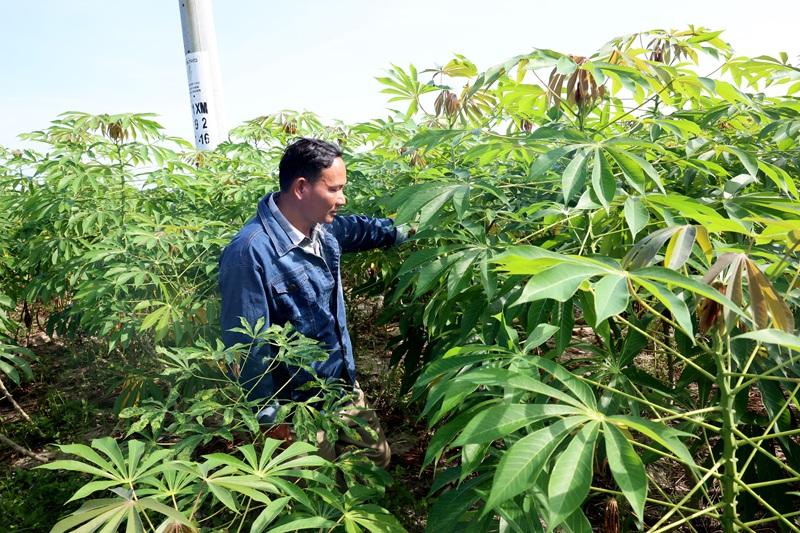
    Amid accelerating climate change and shrinking water resources that are reshaping global food security, a new study by Trinh Phuong Ngoc, Nguyen Thu Thu Huong, Nguyen Tien Dat, and Dinh Quang Hung from Tan Trao University and the Institute of Environmental Science and Technology (Hanoi University of Science and Technology) provides the first systematic quantification of the water footprint of cassava production in Vietnam. The findings reveal stark regional disparities—some areas rely on thousands of cubic meters of supplemental irrigation to maintain yields, while others require almost no irrigation at all thanks to abundant rainfall and natural water availability. These results underscore an urgent need to restructure cassava-growing regions and promote more sustainable water use in agriculture.
  • Genetic diversity assessment of drought-tolerance traits in 50 local rice accessions preserved at the National Plant Gene Bank

    Genetic diversity assessment of drought-tolerance traits in 50 local rice accessions preserved at the National Plant Gene Bank

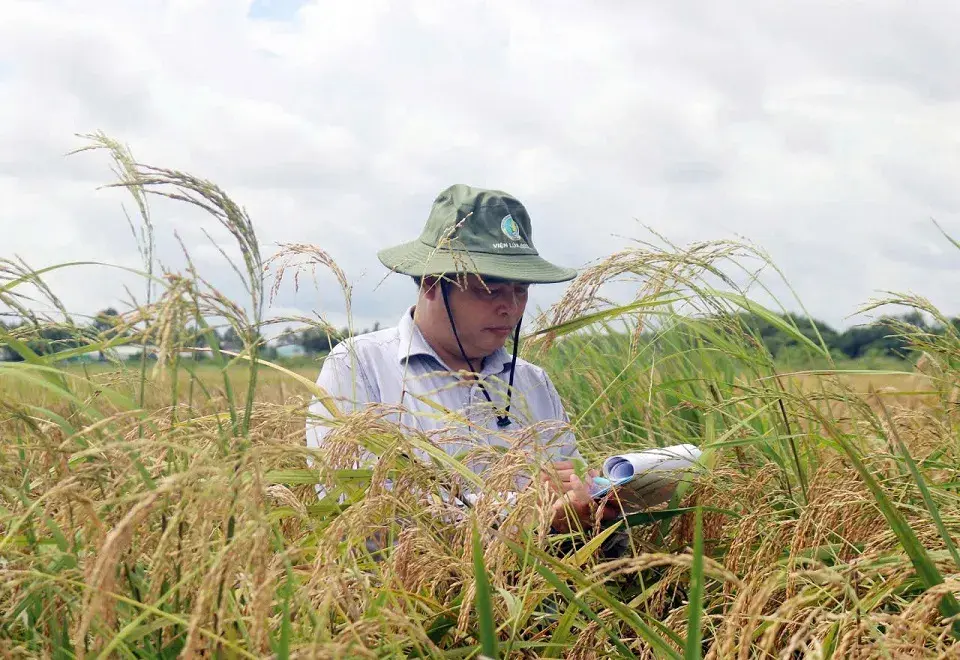
    Climate change, particularly the growing incidence of prolonged drought, continues to place significant pressure on rice production, a staple food in Vietnam. Leveraging drought-tolerant local rice genetic resources has therefore become a critical strategy for climate adaptation. In this context, a research team led by Pham Hung Cuong, Dam Thi Thu Ha, and Hoang Thi Hue at the Plant Resources Center, Vietnam Academy of Agricultural Sciences, conducted a comprehensive genetic diversity analysis of 50 local rice accessions to identify promising drought-tolerant germplasm for future breeding efforts.
  • Applying artificial intelligence and digital transformation in climate governance: Challenges and opportunities

    Applying artificial intelligence and digital transformation in climate governance: Challenges and opportunities

    Climate change is one of the most urgent global issues, and Vietnam is among the countries most vulnerable to its impacts. Extreme climate events, such as tropical cyclones, flooding, saltwater intrusion, and sea-level rise, pose direct threats to coastal lowlands, affecting livelihoods, economic development, and national security. Identifying effective solutions to respond to climate change is therefore essential. Among the breakthrough technologies expected to play a decisive role is artificial intelligence (AI).
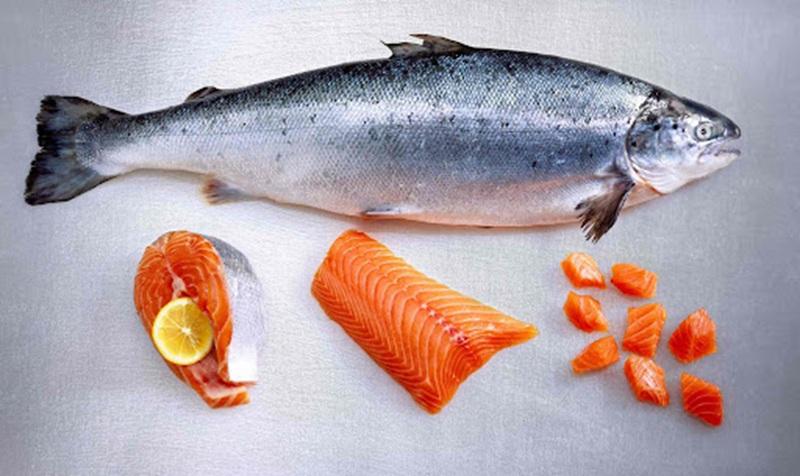
  • Unlocking the “golden value” of salmon by-products: A 10-hour journey that turns waste into premium nutrition

    Unlocking the “golden value” of salmon by-products: A 10-hour journey that turns waste into premium nutrition

    As Vietnam’s seafood processing sector advances toward sustainable development, the need to utilize by-products—often accounting for 60–70% of raw fish weight—has become more urgent than ever. A substantial share of these materials, especially from imported salmon, is still treated as waste, despite being rich in protein, amino acids, and essential minerals.
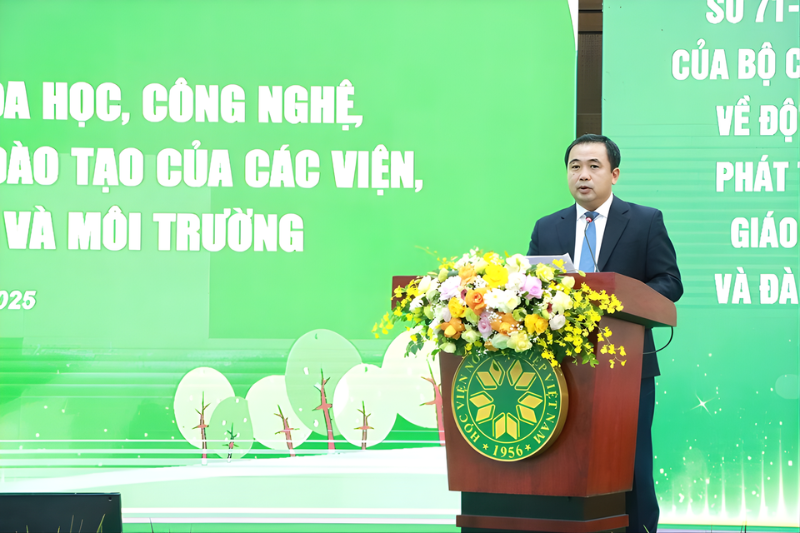
  • Science, technology, and innovation: The foundation for doubling productivity and increasing product value

    Science, technology, and innovation: The foundation for doubling productivity and increasing product value

    At the conference “Promoting breakthroughs in scientific research, technology, and innovation linked to training in institutes and universities” on November 14, Minister Tran Duc Thang affirmed that science, technology, and innovation are becoming the key drivers of development in Vietnam’s agriculture and environment sector.
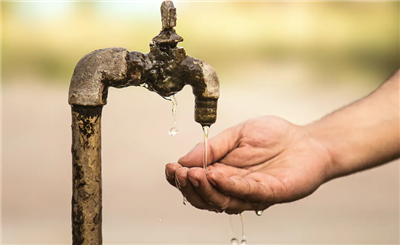
  • Gravity-driven water filtration system: A new hope for flood-affected communities

    Gravity-driven water filtration system: A new hope for flood-affected communities

    In response to the severe shortage of clean water following annual floods, a research team led by Do Sinh Cung and Do Khac Uan from the School of Chemistry and Life Sciences, Hanoi University of Science and Technology, has developed an innovative low-energy membrane filtration system. Operating entirely without electricity, the system enables residents in disaster-prone areas to access safe, hygienic water even under the most challenging conditions.
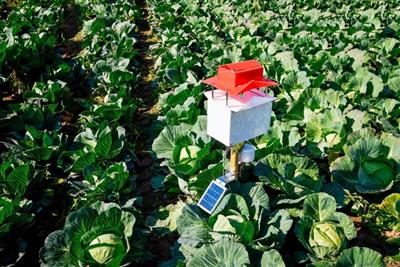
  • Harnessing solar power for sustainable agroforestry: An automated phototactic device to control insect pests

    Harnessing solar power for sustainable agroforestry: An automated phototactic device to control insect pests

    In line with the global shift toward green and sustainable agriculture, the use of renewable energy in production has become essential for reducing emissions and protecting ecosystems. A research team including Nguyen Van Giap, Bui Duy Ngoc, Nguyen Trong Tuan, Cao Chi Cong, Le Thi Hung, To Quoc Huy, Nguyen Van Minh, and Pham Dinh Manh from the Forest Industry Research Institute, Vietnam Academy of Forest Sciences and Thanh Do University, has successfully developed an intelligent control and solar charging system for a phototactic device designed to control insect pests in agricultural and forestry crops.
  • Development of an automatic black garlic fermenter: A Vietnamese innovation

    Development of an automatic black garlic fermenter: A Vietnamese innovation

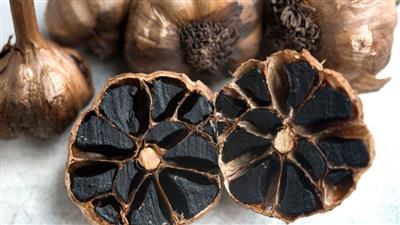
    As Vietnam’s agriculture rapidly transforms toward high technology, a group of young researchers from the University of Agriculture and Forestry, Ho Chi Minh City, has developed an automatic black garlic fermenter with a capacity of 10 kilograms per batch. Entirely designed and fabricated domestically, the device allows remote monitoring and control via smartphone, marking a new step forward in smart agri-processing and showcasing the creativity and technological independence of Vietnamese engineers: Ho Van Dung, Khuong Anh Son, Pham Viet Hung, Vo Cong Anh, Le Thi Kim Anh, Nguyen Thanh Cuong, and Tran Khang.
  • Fuel-less flywheel power generation technology: A new pathway for Vietnam’s energy self-reliance

    Fuel-less flywheel power generation technology: A new pathway for Vietnam’s energy self-reliance

    Throughout human history, energy has been the driving force behind progress and civilization. Yet in the 21st century, it has also become one of humanity’s greatest challenges, as the planet warms, the climate grows more erratic, and fossil fuels near exhaustion.
  • Aeration by venturi tube: A new approach for domestic wastewater treatment

    Aeration by venturi tube: A new approach for domestic wastewater treatment

    In biological wastewater treatment, oxygen is the “lifeline” sustaining aerobic microorganisms that decompose pollutants. However, oxygen supply typically requires significant energy, accounting for a major portion of operational costs in treatment plants. Addressing this challenge, Phan Xuan Loi, Nguyen Truong Thanh, and Kim Lavane from the College of Environment and Natural Resources, Can Tho University, have developed a novel system that uses a venturi tube combined with a helical mixer to generate microbubbles, thereby enhancing oxygen dissolution in water.
  • Application of nanobubble technology in seafood preservation: Potentials and challenges

    Application of nanobubble technology in seafood preservation: Potentials and challenges

    As the demand for food safety and reduction of post-harvest losses continues to increase, technological innovations for seafood preservation and treatment are gaining growing attention from researchers. One emerging “green” solution is nanobubble (NB) technology, which has been extensively studied in medicine, water treatment, and aquaculture, and is now being explored for seafood preservation. According to researchers Vu Dinh Tien and Vu Duy Hung from Hanoi University of Science and Technology, this technology promises breakthrough improvements, yet challenges remain regarding cost, standardized protocols, and the need for further research to optimize its application in the aquaculture and seafood industry.
  • Application of a three-stage aerobic biological rotating cage: A novel approach to urban domestic wastewater treatment

    Application of a three-stage aerobic biological rotating cage: A novel approach to urban domestic wastewater treatment

    Domestic wastewater is one of the most significant environmental pressures in urban areas of Vietnam, particularly in densely populated neighborhoods with limited infrastructure. A recent study by Le Hoang Viet and Nguyen Vo Chau Ngan (Faculty of Environment and Natural Resources, Can Tho University) evaluated a three-stage aerobic biological rotating cage (an improved form of the rotating biological contactor - RBC) using K3 media, demonstrating high treatment efficiency and promising applicability due to its low investment cost and simple operation.
  • Innovating the unmanned ecosystem: Realizing the spirit of Resolution No. 57/NQ-CP and the patriotic emulation movement

    Innovating the unmanned ecosystem: Realizing the spirit of Resolution No. 57/NQ-CP and the patriotic emulation movement

    Amid increasingly severe climate change and unpredictable natural disasters, the demand for accurate, continuously updated geospatial data to protect people and support socio-economic development has become urgent. In implementing the Government’s Resolution No. 57/NQ-CP on sustainable agriculture, environmental protection, and climate change response, our research team has adopted a science-driven approach closely linked to practical needs, measuring success by application effectiveness and prioritizing community service as the ultimate goal.
  • Science and technology: A breakthrough driver for preservation, processing, and mechanization in Vietnamese agriculture

    Science and technology: A breakthrough driver for preservation, processing, and mechanization in Vietnamese agriculture

    With the spirit that “science and technology are the driving force and the key to sustainable agricultural development,” on September 12 the Ministry of Agriculture and Environment convened the national conference on "Science and technology for agro-forestry-fishery preservation, processing, and agricultural mechanization 2025" under the theme “Enhancing quality and efficiency, reducing losses and food waste.” The conference not only reaffirmed the role of innovation in increasing the value of agricultural products but also served as an important forum for sharing research findings, proposing breakthrough solutions, advancing public-private partnerships, and shaping policies to support enterprises in deep processing, digital transformation, and sustainable agricultural development.
  • CO₂ absorption capacity of melaleuca forest in Tra Su landscape protection area

    CO₂ absorption capacity of melaleuca forest in Tra Su landscape protection area

    In the context of climate change and greenhouse gas emissions becoming global challenges, quantifying the carbon sequestration capacity of forest ecosystems holds both scientific and practical significance. Particularly in the Mekong Delta, where wetland forest ecosystems are ecologically valuable yet vulnerable to environmental change, studies on forest carbon stocks are increasingly essential.
  • AI, digital technologies, and the future of hydro-meteorological forecasting in Viet Nam

    AI, digital technologies, and the future of hydro-meteorological forecasting in Viet Nam

    Amid accelerating climate change and increasingly unpredictable natural hazards, Viet Nam’s hydro-meteorological forecasting is entering a period of transformation unprecedented in both scale and pace. Moving beyond traditional methods, the sector is transitioning decisively into the era of artificial intelligence (AI), big data, and comprehensive digital transformation. With coordinated investments in high-performance computing, modernization of the national observation network, and the integration of deep-learning algorithms into forecasting workflows, the hydro-meteorological service is becoming an intelligent “national sentinel,” helping protect lives and property while laying the foundation for sustainable development in the digital age.