




 Amid accelerating climate change and shrinking water resources that are reshaping global food security, a new study by Trinh Phuong Ngoc, Nguyen Thu Thu Huong, Nguyen Tien Dat, and Dinh Quang Hung from Tan Trao University and the Institute of Environmental Science and Technology (Hanoi University of Science and Technology) provides the first systematic quantification of the water footprint of cassava production in Vietnam. The findings reveal stark regional disparities—some areas rely on thousands of cubic meters of supplemental irrigation to maintain yields, while others require almost no irrigation at all thanks to abundant rainfall and natural water availability. These results underscore an urgent need to restructure cassava-growing regions and promote more sustainable water use in agriculture.
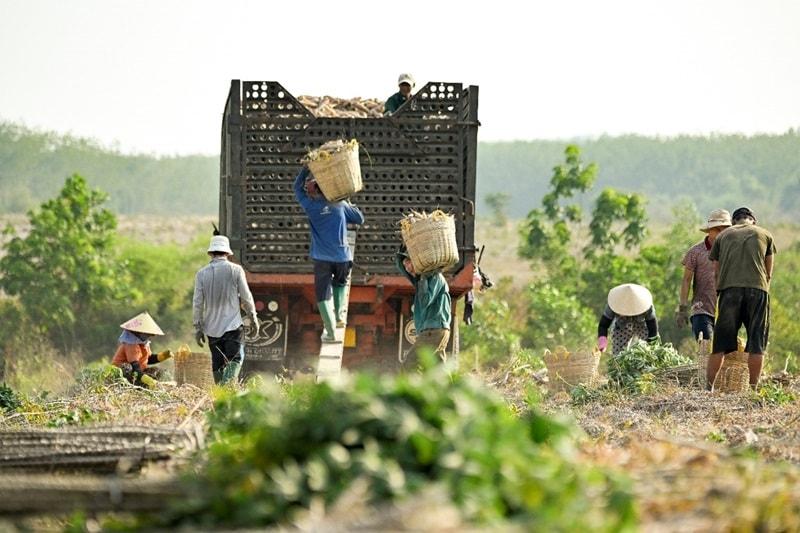
Rising water stress and the central role of cassava in Vietnam’s agriculture
Water scarcity has become one of the defining challenges of the 21st century. According to the UN World Water Development Report, nearly six billion people will face water shortages by 2050. Rapid industrialization, urban expansion, and the intensifying impacts of climate change have driven global water demand steadily upward, especially in agriculture—which accounts for more than 70% of freshwater withdrawals worldwide.
For countries whose economies rely heavily on agriculture, such as Vietnam, this pressure is even more pronounced. Agriculture not only safeguards national food security but also contributes approximately 17% of GDP and provides livelihoods for nearly half of the labor force. Cassava—one of Vietnam’s four key industrial crops—has positioned the country among the world’s leading exporters, ranking second in export value and third in production volume.
Behind this growth, however, lies a fundamental question about the sector’s dependence on water resources. Water use in crop production is often overlooked compared to yield or output statistics, yet it is a critical factor shaping long-term sustainability. Understanding the true “water cost” of each ton of cassava—including rainfall, supplemental irrigation, and the amount of water required to dilute agricultural pollutants—is essential for designing rational water-allocation policies.
Within this context, the study “Evaluation of water use efficiency in crop production using the water footprint approach: A case study on cassava” offers a timely and comprehensive assessment. For the first time, Vietnam’s cassava water footprint is quantified across all three components—green, blue, and gray water—at the scale of major economic regions. Beyond identifying areas that use water efficiently, the study highlights regions that face the greatest pressure on water resources.
These three components each represent a different dimension of water use. Green water refers to the portion of rainfall stored in the soil and absorbed naturally by plants; blue water represents irrigation drawn from rivers, lakes, or groundwater; while gray water indicates the volume of water needed to dilute agricultural pollutants to safe environmental limits. By distinguishing these sources, the water footprint provides a clear picture of each region’s dependence on natural rainfall, its irrigation burden, and the potential pollution pressures associated with crop production.
Cassava’s water footprint: Mapping the “Red” and “Green” zones
Calculations for the 2022 cassava crop reveal a highly uneven distribution of water footprints across Vietnam’s economic regions, shaped by variations in climate, rainfall patterns, soil conditions, and irrigation needs. The study shows that total water footprint values range from 359.72 m³/ton to 1,141.19 m³/ton—a more than threefold difference.
North Central region: The Red zone
The North Central region records the highest water footprint at 1,141.19 m³/ton, with blue water accounting for 892.82 m³/ton, or 78% of the total. This reflects the severe dependence on irrigation due to low rainfall, prolonged dry periods, and harsh climatic conditions, including hot dry winds and drought. Despite this high water input, cassava yields remain modest at 18.41 tons/ha, indicating inefficient water use.
Northern midlands and mountains: Plenty of water, low efficiency
This region has a total water footprint of 774.98 m³/ton, dominated by green water (542.93 m³/ton) because of abundant rainfall. However, steep slopes and poor soil retention cause rapid water loss, while yields remain the lowest in the country (12.68 tons/ha), driving up the water cost per ton of product.
Southeast and Mekong Delta: Green zones with natural water advantages
In contrast, the Southeast and the Mekong Delta require virtually no blue water inputs. Abundant rainfall and dense river systems allow cassava to grow without irrigation.
- Southeast: The lowest water footprint in Vietnam at 359.72 m³/ton, consisting of 343.99 m³/ton green water and 15.73 m³/ton gray water. This region also achieves the highest yield at 29.87 tons/ha.
- Mekong Delta: Although green water is the highest nationwide (618.69 m³/ton) due to the long dry season, the total remains moderate (648.06 m³/ton) thanks to zero irrigation demand.
National average still exceeds global level: Overall, Vietnam’s average cassava water footprint is 671.09 m³/ton, comprising:
- Blue water: 251.04 m³/ton
- Green water: 394.54 m³/ton
- Gray water: 25.50 m³/ton
Compared with the global average (563 m³/ton), Vietnam’s footprint is about 1.2 times higher, indicating significant room for improvement.
From water footprint insights to a more sustainable cassava sector
The 2022 water-footprint map of Vietnam’s cassava regions reveals deep structural contrasts, reflecting the interplay between climate, water availability, farming practices, and crop performance. These differences carry important implications for agricultural planning under mounting climate and water pressures.
Revisiting regional crop allocation based on water efficiency
Regions with high footprints—such as the North Central (1,141.19 m³/ton) and Northern Midlands/Mountains (774.98 m³/ton)—consume large volumes of water while delivering only average or low yields. Meanwhile, water-abundant regions like the Southeast combine low footprints with high productivity. This suggests that crop zoning must be aligned with water availability, prioritizing expansion in naturally water-rich areas and reconsidering production in high-cost regions.
Improving varieties and cultivation practices
The study confirms a clear link between yield and water footprint: higher yields result in lower water consumption per ton of output. Adopting higher-yielding cassava varieties (28–30 tons/ha), along with improved planting density, intercropping, or crop rotation, can help reduce water use while maintaining stable production.
Enhancing irrigation systems in water-stressed regions
Regions that rely heavily on blue water—such as the North Central or Central Highlands—would benefit from water-saving irrigation methods like drip systems, demand-based watering, or adjusting planting schedules to maximize rainfall use.
Leveraging virtual water in trade
The study notes that importing one ton of cassava can save importing countries 700–800 m³ of real water compared to domestic production under water scarcity. This highlights the strategic role of virtual water in agricultural trade. For Vietnam, a major cassava exporter, this offers an opportunity to strengthen its position in the global value chain while contributing indirectly to water-resource efficiency.
Integrating water footprint metrics into climate-adaptive agricultural planning
Regions with abundant natural water achieve high yields with low water costs, while those facing drought or erratic rainfall see water footprints rise even without productivity gains. Incorporating water-footprint metrics into crop zoning and long-term planning is therefore essential for reducing resource pressure and enhancing climate resilience.
The wide variation in water footprints, from 359.72 m³/ton in the Southeast to 1,141.19 m³/ton in the North Central region—demonstrates how strongly cassava production efficiency depends on natural conditions, cultivation practices, and irrigation requirements. Incorporating water-footprint indicators into regional planning, variety selection, irrigation management, and production organization will not only ease pressure on water resources but also lay the foundation for a more resilient and competitive cassava sector. These insights are particularly valuable for Vietnam as it strives to develop a water-efficient, climate-adaptive, and sustainable agricultural economy.
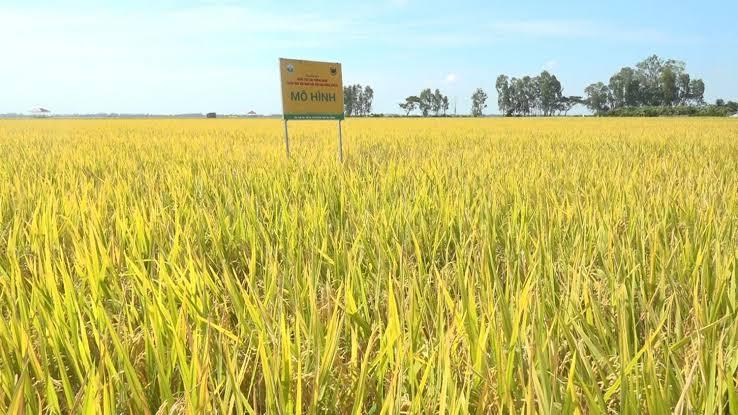
Whether rice paddy fields are inundated or dry produces distinct signatures in radar imagery. Building on this characteristic, researchers from the Southern Institute of Water Resources Research and the Vietnam National Space Center, Viet Nam Academy of Science and Technology, tested a method for detecting inundation in rice paddy fields in An Giang Province, providing an additional source of data for monitoring water regimes and estimating methane emissions from rice cultivation.
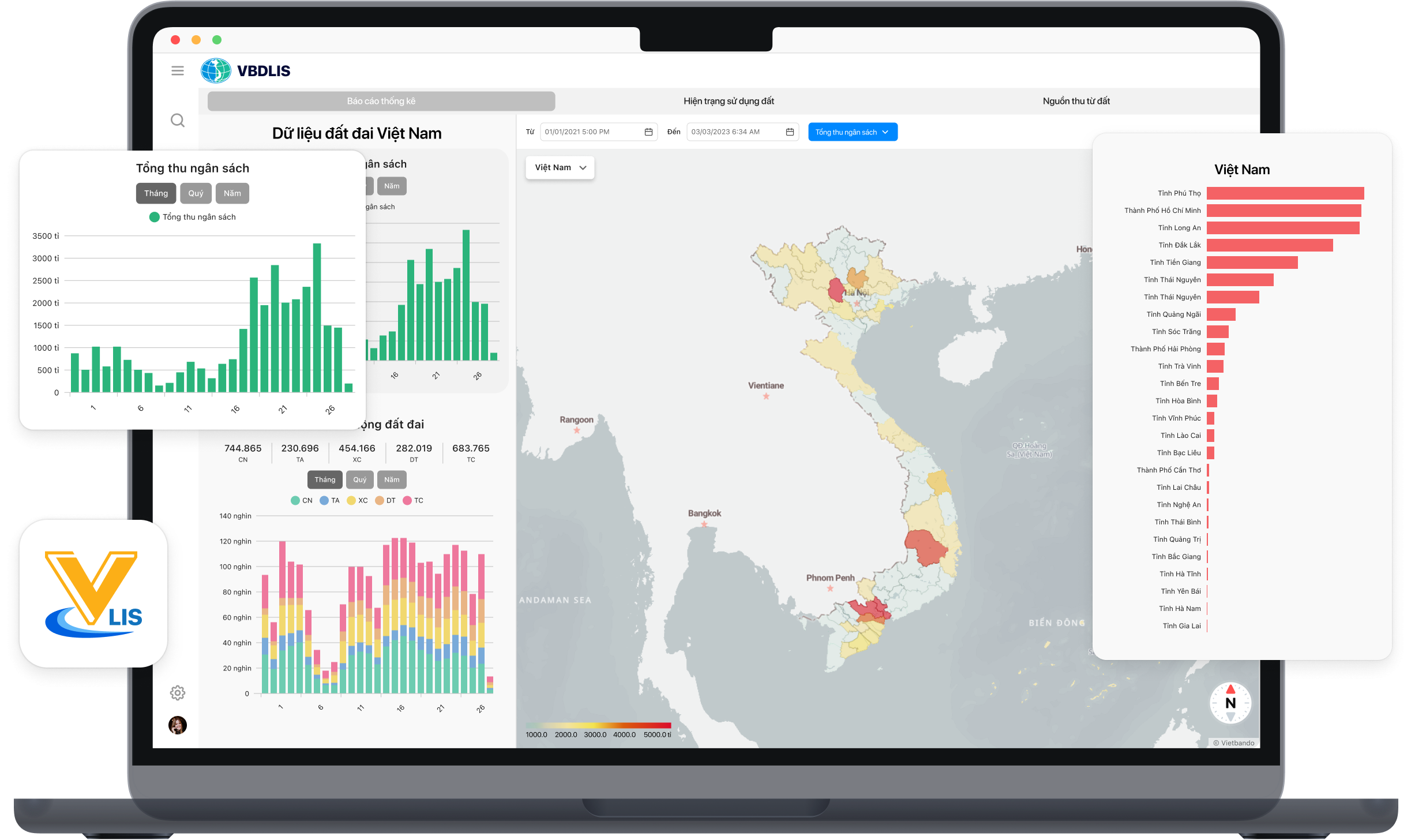
A land database can fully realize its value only when its data are accurate, complete, clean, up to date, and capable of being connected to and shared across the state management system. A study by Nguyen Dinh Trung of Vietnam National University of Agriculture and Nguyen Quang Thi of Thai Nguyen University of Agriculture and Forestry shows that applying VBDLIS in Nghe An province provided substantial support for organizing, reviewing, supplementing, synchronizing, and utilizing land data during the campaign to enrich and clean the national land database.

As digital transformation becomes a new driver of development, Vietnamese researchers have proposed a planning information system model that applies Geographic Information Systems (GIS) and artificial intelligence (AI) in Vinh Long Province. The research contributes to modernizing planning administration while introducing a new approach to digital government and data-driven governance in Viet Nam.

Using waste ethylene-vinyl acetate (EVA) shoe soles and vulcanized rubber—materials traditionally considered difficult to recycle—a research team from the School of Materials Science and Engineering at Hanoi University of Science and Technology has successfully developed a fully recycled composite material, creating potential new applications in green manufacturing and sustainable industrial production. The study not only contributes to addressing industrial waste challenges but also highlights Vietnam’s growing research and innovation capacity in sustainable materials and the circular economy.
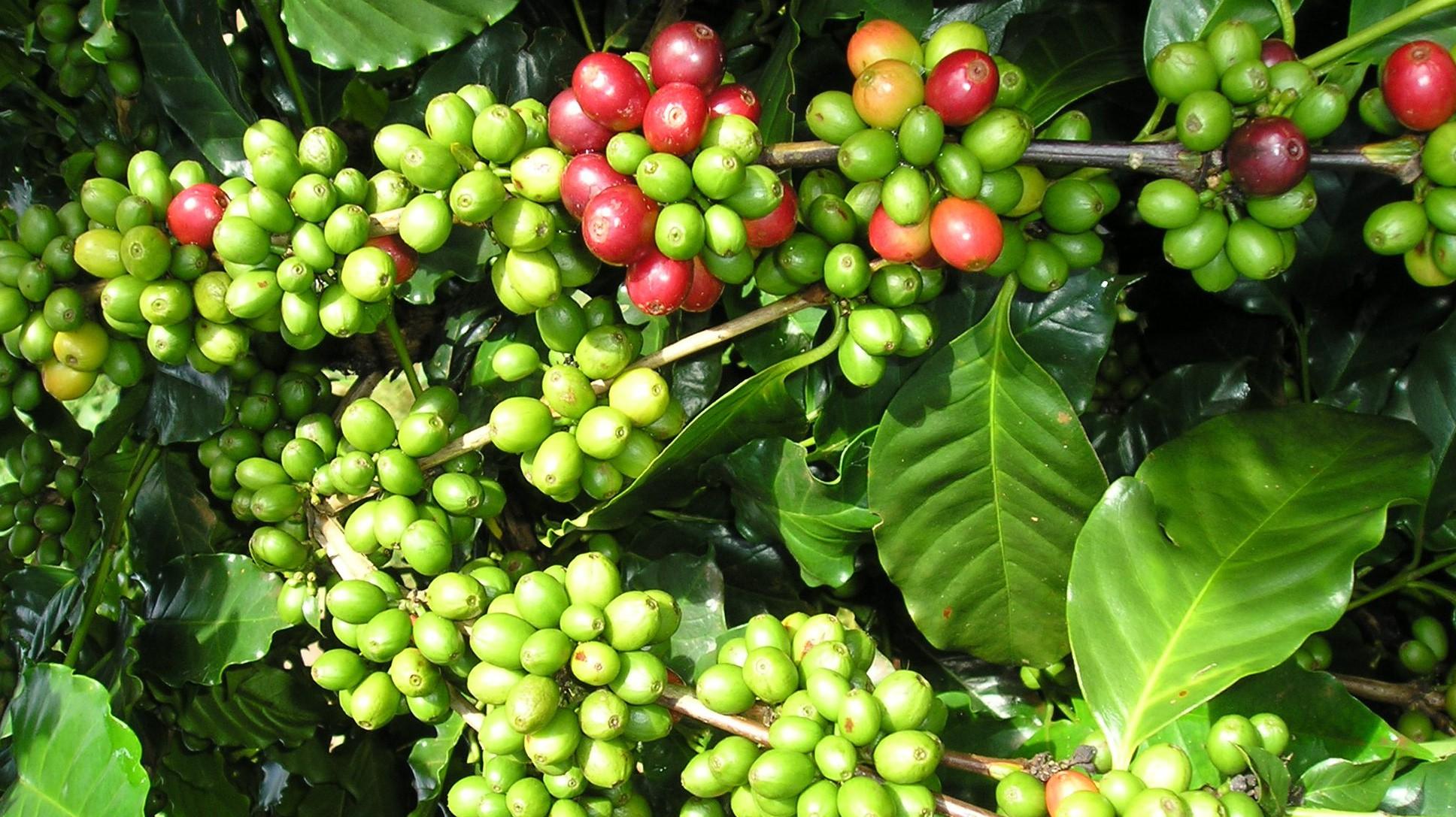
The research project entitled “Development of a suitability map for Arabica coffee cultivation on sloping land in Dien Bien province using remote sensing data, GIS technology, and the analytic hierarchy process (AHP)” conducted by Dinh Xuan Hung, Bui Tuan Hai, and Nguyen Ngoc Sang of the Institute of Water Resources Planning represents a scientifically and practically significant study in the context of ongoing agricultural restructuring toward sustainable production systems that are better adapted to natural conditions and capable of utilizing land resources more efficiently in Viet Nam’s Northern midlands and mountainous region.