




 Intensive shrimp farming generates substantial economic benefits but also exerts increasing pressure on aquatic environments, particularly through wastewater rich in organic matter and toxic byproducts generated during farming operations. In the context where many shrimp farms still lack appropriate wastewater treatment systems, a research team from Can Tho University and Toan Viet Technological Environment Company Limited conducted an experimental study to assess the potential use of fishing nets—a readily available, low-cost material—as a filter material for biological treatment of wastewater from intensive shrimp ponds.
Laboratory-scale results indicate that most post-treatment environmental parameters met the applicable Vietnamese national technical regulation (QCVN 02-19:2014/BNNPTNT), with the exception of ammonia (NH₃).
Environmental pressure from intensive shrimp pond wastewater
Intensive shrimp farming, particularly the culture of whiteleg shrimp (Litopenaeus vannamei), has played an important role in aquaculture development while simultaneously posing increasingly evident challenges to water environments. Studies have shown that during the farming process, shrimp assimilate only a small proportion of nutrients from feed, while the remainder accumulates primarily within the culture pond. Specifically, approximately 75% of nitrogen, 80% of phosphorus, and about 25% of organic carbon from feed are not utilized by the cultured organisms and instead settle on the pond bottom.
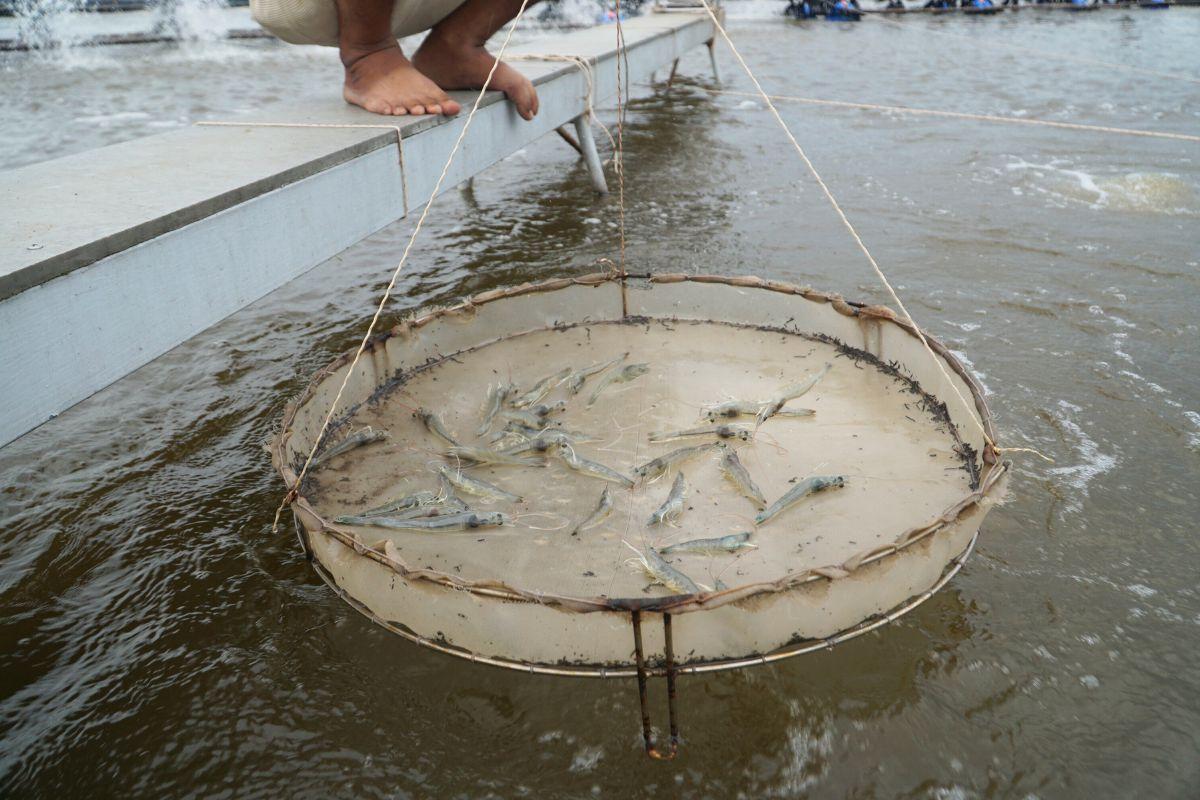
This accumulated load, together with uneaten feed, shrimp excreta, and biological additives used during farming, results in intensive shrimp pond wastewater typically exhibiting high concentrations of COD, BOD, nitrogen, and pathogenic microorganisms. According to the Food and Agriculture Organization of the United Nations (FAO), water pollution is a primary driver of disease outbreaks in shrimp aquaculture, with pond bottom quality playing a particularly critical role. When organic matter accumulates and decomposes under unfavorable conditions, water quality deteriorates, creating conditions conducive to the formation of toxic byproducts and pathogens, thereby directly affecting productivity and the sustainability of farming activities.
In practice, in many farming areas, wastewater and sludge generated after each production cycle are still discharged directly into receiving environments without treatment or with treatment that fails to meet regulatory standards. This situation has been attributed to high stocking densities, commonly ranging from 40 to 100 individuals per square meter, and the fact that approximately 90% of wastewater, uneaten feed, and shrimp waste are not adequately treated prior to discharge into canals, streams, and rivers. This reality not only degrades surface water quality but also increases the risk of disease transmission within and beyond farming areas.
Identifying low-cost treatment materials for shrimp pond wastewater
Under mounting environmental pressure, the treatment of shrimp pond wastewater using biological methods is widely regarded as an appropriate approach due to its relatively stable treatment performance and comparatively low investment costs. Globally and in Viet Nam, numerous models have been studied and applied, ranging from constructed wetlands and biological ponds combined with fish and seaweed culture to closed-loop recirculating treatment systems. These models have demonstrated the capacity to improve wastewater quality, reduce pollution loads, and enable water reuse in aquaculture.
However, most existing treatment systems still require substantial investment, operational, and management costs, which constitute a significant barrier for many small- and medium-scale shrimp farms. In this context, identifying simple, easy-to-operate solutions that utilize locally available materials has become an increasingly practical necessity.
From this perspective, the research team proposed an alternative approach: using fishing nets—a material that is widely available, inexpensive, and easily accessible in coastal areas—as a filter material in the biological treatment of intensive shrimp pond wastewater. The study evaluated the treatment performance of fishing net material under both aerated and non-aerated conditions, while comparing it with K3 biofilm media, which are commonly used in biological wastewater treatment systems.
This approach aimed to clarify the potential of utilizing local materials for shrimp pond wastewater treatment, thereby diversifying technical options suitable for farmers’ practical conditions, based on scientific evaluation and compliance with prevailing environmental standards.
Laboratory-scale experimental design
The study was conducted at a laboratory scale, using a custom-built experimental model to evaluate the applicability of different filter materials. Wastewater used in the experiment was collected directly from an intensive whiteleg shrimp pond located in Vinh Chau Ward, Can Tho City, where the farm owner had no wastewater treatment system and post-culture water was discharged directly into the receiving environment. The experimental period extended from January 2024 to July 2024.
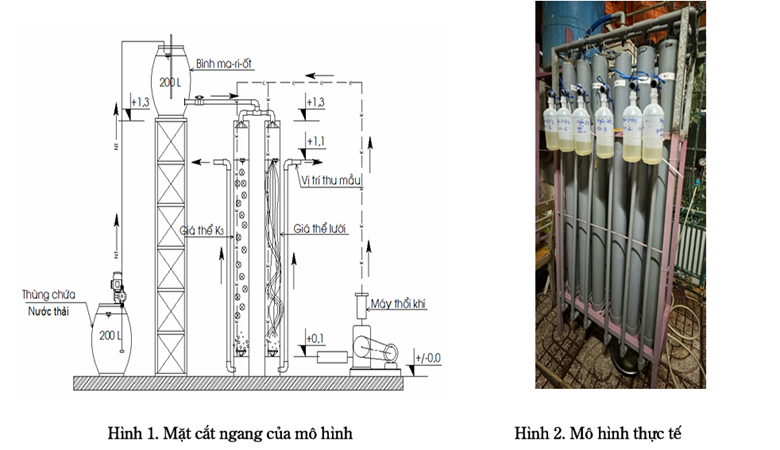
The treatment system consisted of a PVC reaction column with a total height of 1.3 m, of which 1.0 m was occupied by wastewater. The working volume of each treatment unit was 6.4 liters. Wastewater was conveyed from a storage tank through a Mariotte bottle to control flow rate, then introduced into the treatment column at a stable operational flow of 2.7 liters per hour. Prior to formal sampling, the system was operated continuously for 10 hours to ensure stable conditions.
Two types of filter materials were evaluated: K3 biofilm media and fishing net material. The K3 media occupied 50% of the column volume and provided a biofilm surface area exceeding 2,900 m²/m³, facilitating microbial attachment and growth. The fishing net material was made of HDPE fibers, with a mesh size of 3 × 3 cm, a density of 150 kg/m³, and occupied 89.2% of the treatment column volume.
The experiment comprised four treatment configurations: fishing net without aeration, fishing net with aeration, K3 media without aeration, and K3 media with aeration. Each configuration was replicated three times, resulting in a total of 12 experimental units. This parallel arrangement allowed for assessment of treatment performance across materials as well as the role of aeration under identical operational conditions.
Post-treatment water quality: Most parameters meet regulatory standards
Water quality analysis showed that, for the majority of monitored environmental parameters, treated shrimp pond wastewater from all four treatment configurations met the requirements of QCVN 02-19:2014/BNNPTNT. Specifically, parameters such as pH, dissolved oxygen (DO), salinity, alkalinity, turbidity, and hydrogen sulfide (H₂S) in treated wastewater remained within permissible limits.
Mean pH values across treatments ranged from 7.39 to 7.93, consistent with the regulatory range of 7.0 to 9.0. Dissolved oxygen concentrations at the system outlet exceeded the minimum requirement of DO ≥ 3.5 mg/L, with no statistically significant differences observed among treatments. These results indicate that post-treatment water conditions met basic environmental requirements for shrimp pond wastewater discharge.
For organic pollution and suspended solids, concentrations of BOD₅, COD, and TSS in treated wastewater declined relative to influent levels and complied with QCVN 02-19:2014/BNNPTNT. Coliform concentrations after treatment also fell within allowable limits. These results reflect the combined role of physical filtration and biofilm activity developing on the surface of the filter materials in retaining and degrading pollutants.
In addition, parameters related to aquaculture water characteristics, including salinity and alkalinity, showed improvement compared to influent conditions. Salinity levels in treated wastewater did not differ significantly among treatments and met regulatory requirements. Alkalinity, which initially exceeded permissible limits, declined and fell within the regulated range after passing through the treatment system.
Overall, the results demonstrate that under experimental conditions, treatment systems using both K3 biofilm media and fishing net filter material were capable of improving shrimp pond wastewater quality, with most environmental parameters meeting discharge standards specified in QCVN 02-19:2014/BNNPTNT.
Ammonia (NH₃): A remaining limitation of the treatment model
Despite positive outcomes for most environmental indicators, the study identified a notable limitation related to ammonia (NH₃). Analytical results showed that NH₃ concentrations in treated wastewater from all four treatment configurations exceeded the permissible limits of QCVN 02-19:2014/BNNPTNT.
Initial assessment indicated that NH₃ concentrations in untreated shrimp pond wastewater were already high, reaching levels 21.6 times greater than the regulatory threshold. During system operation, NH₃ concentrations at the outlet remained above the permissible limit across all treatments. This reflects the fact that the treatment model was not designed to specifically target ammonia removal, which is a toxic byproduct generated during the decomposition of nitrogen-rich organic compounds such as uneaten feed and shrimp excreta.
The study further notes that ammonia in shrimp pond wastewater exists in two forms, NH₃ and NH₄⁺, of which NH₃ is toxic to aquatic organisms. Effective ammonia removal typically requires measures such as increasing pH to approximately 10.8–11.5 in combination with air-stripping. As these measures were not incorporated into the experimental model, NH₃ was not effectively removed. This technical limitation was explicitly acknowledged by the authors and identified as an issue requiring further investigation in subsequent studies.
Selection of the non-aerated fishing net configuration
The central objective of the study was to identify a shrimp pond wastewater treatment option that is low-cost, easy to operate, and suitable for practical application. Accordingly, the research team compared treatment efficiencies across the four configurations for key pollution parameters.
Results showed that BOD₅ and COD removal efficiencies were comparable across all treatments, with no statistically significant differences (P > 0.05). Removal efficiencies for these parameters ranged from 42.8% to 50.7%. For TSS, concentrations in treated wastewater declined and met QCVN 02-19:2014/BNNPTNT across all configurations, again without significant differences in performance.
Based on these findings, the selection of a preferred configuration was not driven by differences in treatment efficiency but by considerations of operational simplicity and practical applicability. The configuration using fishing net material without aeration was selected due to its simple operation, absence of aeration equipment, and treatment performance comparable to the other configurations.
According to the authors, utilizing fishing nets—a locally available material—as a filter material can contribute to reducing both capital and operational costs for shrimp pond wastewater treatment systems. Based on laboratory-scale results, this configuration was selected for application in real shrimp pond wastewater treatment and provides a basis for further studies aimed at improving overall treatment performance, particularly with respect to ammonia (NH₃) removal.
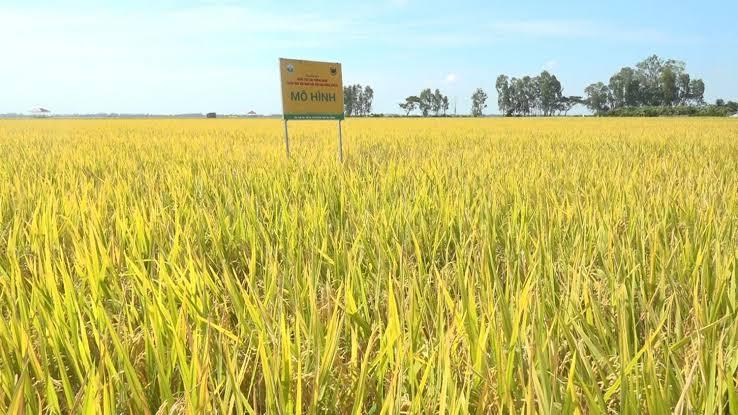
Whether rice paddy fields are inundated or dry produces distinct signatures in radar imagery. Building on this characteristic, researchers from the Southern Institute of Water Resources Research and the Vietnam National Space Center, Viet Nam Academy of Science and Technology, tested a method for detecting inundation in rice paddy fields in An Giang Province, providing an additional source of data for monitoring water regimes and estimating methane emissions from rice cultivation.
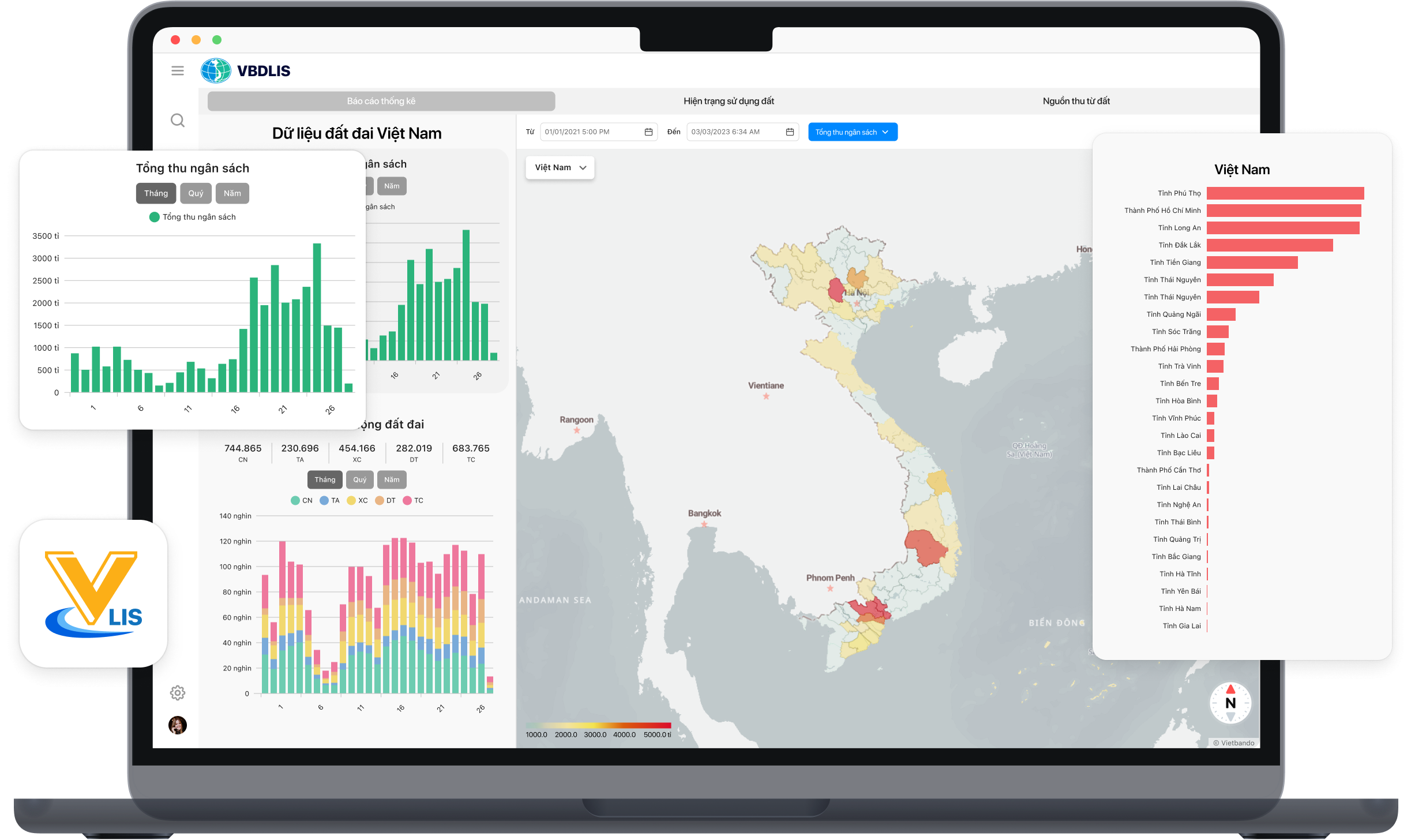
A land database can fully realize its value only when its data are accurate, complete, clean, up to date, and capable of being connected to and shared across the state management system. A study by Nguyen Dinh Trung of Vietnam National University of Agriculture and Nguyen Quang Thi of Thai Nguyen University of Agriculture and Forestry shows that applying VBDLIS in Nghe An province provided substantial support for organizing, reviewing, supplementing, synchronizing, and utilizing land data during the campaign to enrich and clean the national land database.

As digital transformation becomes a new driver of development, Vietnamese researchers have proposed a planning information system model that applies Geographic Information Systems (GIS) and artificial intelligence (AI) in Vinh Long Province. The research contributes to modernizing planning administration while introducing a new approach to digital government and data-driven governance in Viet Nam.
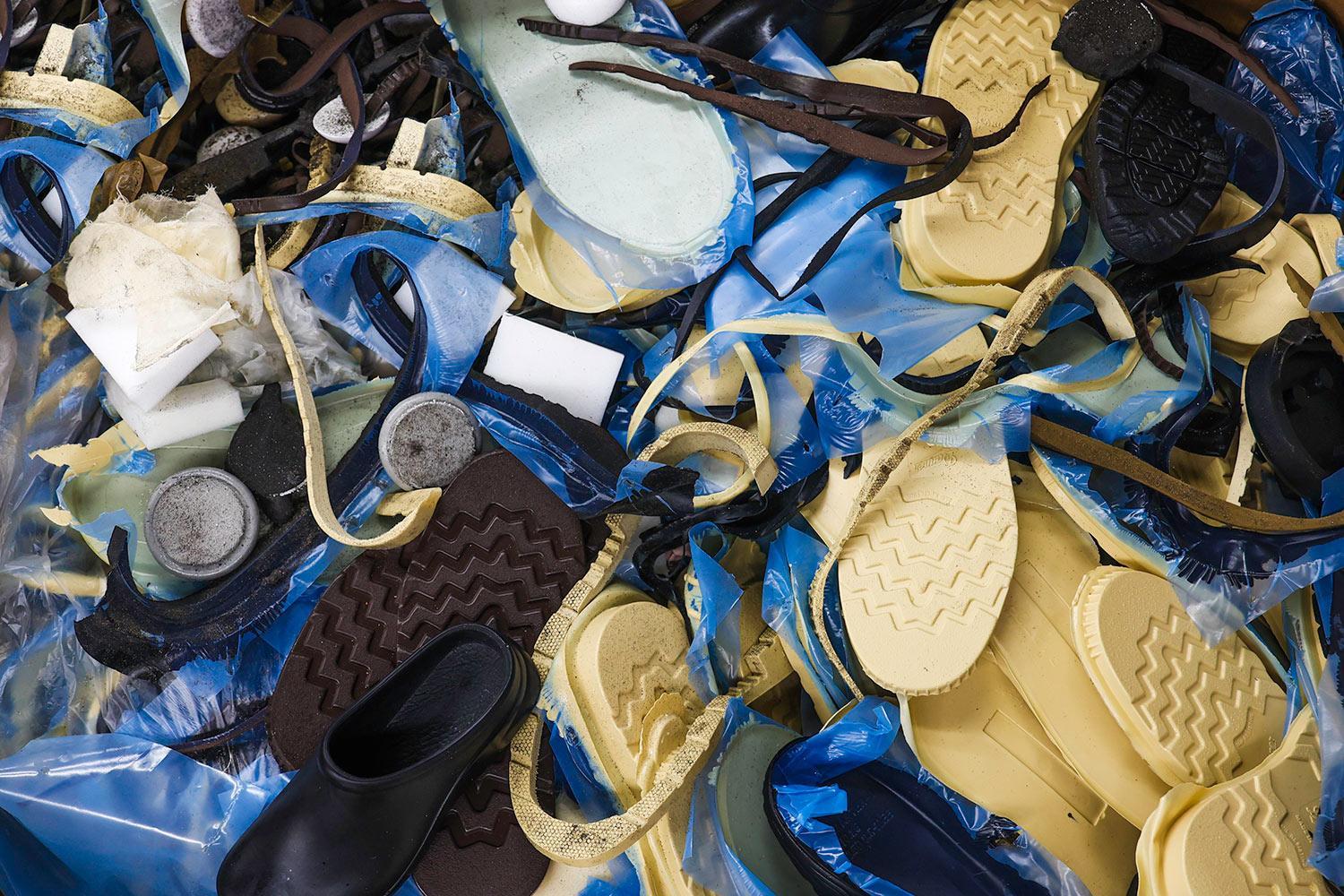
Using waste ethylene-vinyl acetate (EVA) shoe soles and vulcanized rubber—materials traditionally considered difficult to recycle—a research team from the School of Materials Science and Engineering at Hanoi University of Science and Technology has successfully developed a fully recycled composite material, creating potential new applications in green manufacturing and sustainable industrial production. The study not only contributes to addressing industrial waste challenges but also highlights Vietnam’s growing research and innovation capacity in sustainable materials and the circular economy.
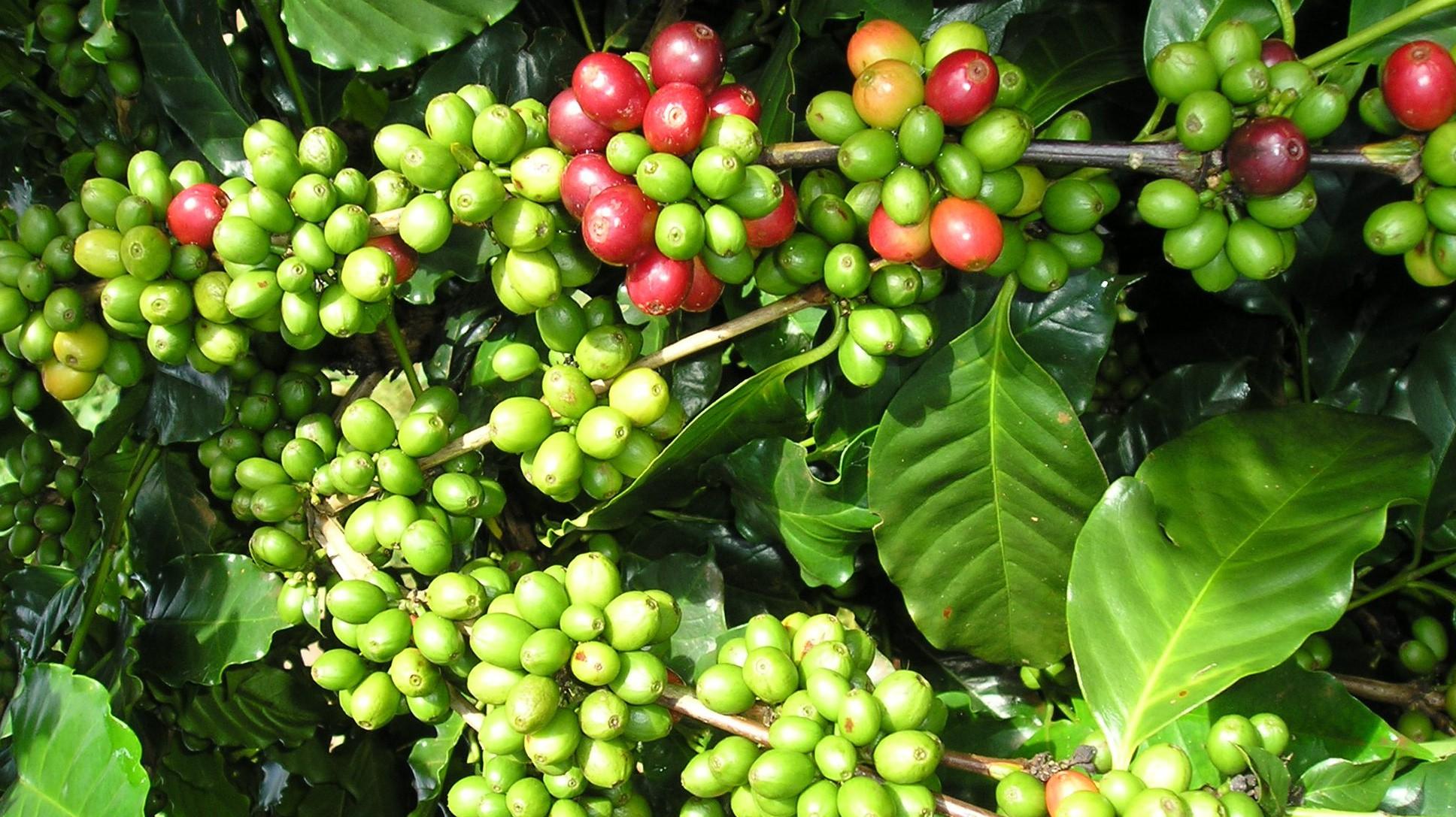
The research project entitled “Development of a suitability map for Arabica coffee cultivation on sloping land in Dien Bien province using remote sensing data, GIS technology, and the analytic hierarchy process (AHP)” conducted by Dinh Xuan Hung, Bui Tuan Hai, and Nguyen Ngoc Sang of the Institute of Water Resources Planning represents a scientifically and practically significant study in the context of ongoing agricultural restructuring toward sustainable production systems that are better adapted to natural conditions and capable of utilizing land resources more efficiently in Viet Nam’s Northern midlands and mountainous region.