



 As demand for construction materials continues to rise while conventional natural resources are gradually depleted, the search for sustainable, environmentally friendly production solutions has become increasingly urgent. Two scientific studies conducted by Dr. Pham Van Chung of Hanoi University of Natural Resources and Environment have identified a promising new pathway: the use of hillside soil, coal ash, and industrial by-products as raw materials for tunnel-kiln brick production within a circular economy framework.
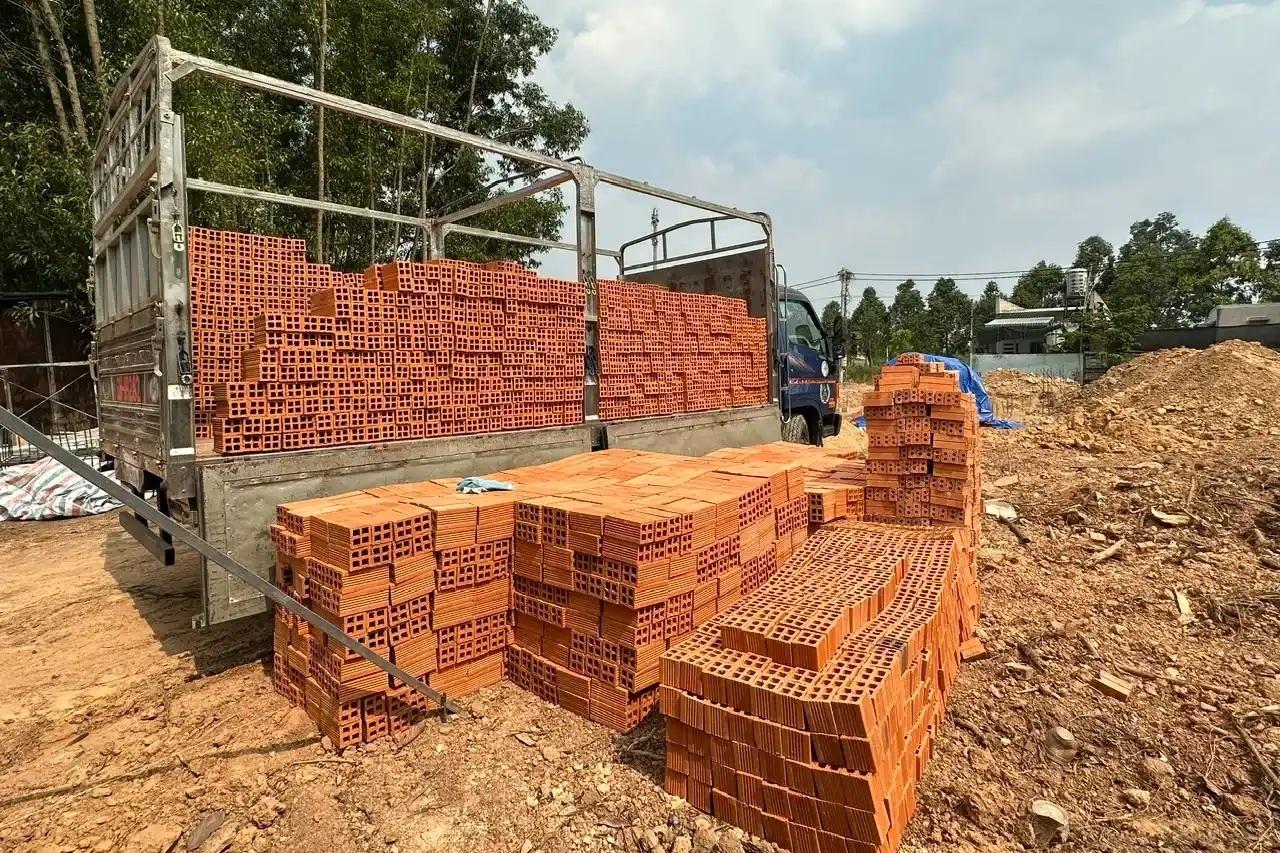
These applied research projects deliver not only technological value but also significant potential for improved resource management, pollution reduction, and the development of green building materials.
Hillside soil: An overlooked resource with untapped value for brick production
For decades, brick production in Viet Nam has relied primarily on agricultural clay soils, placing considerable pressure on farmland and the environment. The studies demonstrate that hillside soil, traditionally used only for low-value landfilling and leveling, can be effectively transformed into a primary raw material for tunnel-kiln brick production when processed with modern technologies.
Key research findings include: Hillside soil contains natural gravel, pebbles, and sand that help improve green strength after shaping.
The application of fine grinding technology, high-capacity extruders, flat-roof tunnel kilns, and rotary kilns enables continuous, stable production while reducing fuel consumption.
Exploiting the weathered surface layer at mining sites generates tax revenues two to three times higher than using the same material for landfilling.
Hillside soil can be efficiently blended with construction waste, coal slag, and thermal power plant ash, significantly reducing dependence on traditional clay resources.
Key significance: The use of hillside soil opens up a more efficient approach to resource utilization, enhances the economic value of mineral resources, and lays the foundation for a greener, more resource-efficient, and sustainable brick manufacturing model.
Coal ash: How millions of tons of waste are reused in tunnel-kiln bricks
The second study focuses on the potential reuse of fly ash and bottom ash, massive waste streams generated by coal-fired thermal power plants. In 2023 alone, Viet Nam produced more than 18 million tons of coal ash, posing serious challenges for environmental management and landfill capacity.
Analytical results show that fly ash and bottom ash contain high levels of SiO₂ and Al₂O₃, with calorific values ranging from 800 to 1,200 kcal/kg, making them highly suitable as additives for tunnel-kiln brick production. The physical and chemical properties of fly ash from major power plants—such as Vinh Tan, Duyen Hai, and Quang Ninh—meet mix-design requirements. Coal ash not only replaces part of the clay input but also reduces fuel consumption and improves firing efficiency.
Benefits under a circular economy approach: Reduced pressure on landfills and lower waste treatment costs; Creation of a stable and abundant raw material supply for the building materials sector; Contribution to CO₂ emission reduction and the promotion of green manufacturing practices.
Modern technologies driving the transformation of traditional bricks
Both studies emphasize that raw material substitution is only truly effective when accompanied by technological innovation.
Key technological advancements include: Robotic automation in loading and unloading processes, reducing labor intensity and increasing productivity. Straight-tube tunnel kilns and rotary kilns that save fuel and reduce emissions.
The capability to manufacture a wide range of brick products, including hollow bricks (two-hole, four-hole, six-hole) and solid bricks.
Consistently high product quality, with strong mechanical strength, water resistance, fire resistance, and durability spanning decades to even centuries.
As a result, tunnel-kiln-fired bricks—a traditional construction material—are being effectively “regenerated” through modern, sustainable production methods.
Two research directions, one shared goal: Sustainable development
Together, the two studies by Dr. Pham Van Chung make important contributions by:
- Demonstrating that hillside soil and coal ash are fully viable substitutes for clay in tunnel-kiln brick production.
- Affirming the critical role of modern technologies in enhancing productivity, product quality, and environmental protection.
- Proposing practical, sustainable solutions aligned with circular economy principles and green growth strategies.
These highly applicable research outcomes can be widely implemented in mountainous provinces, regions with large coal ash reserves, and enterprises seeking viable green building material solutions.
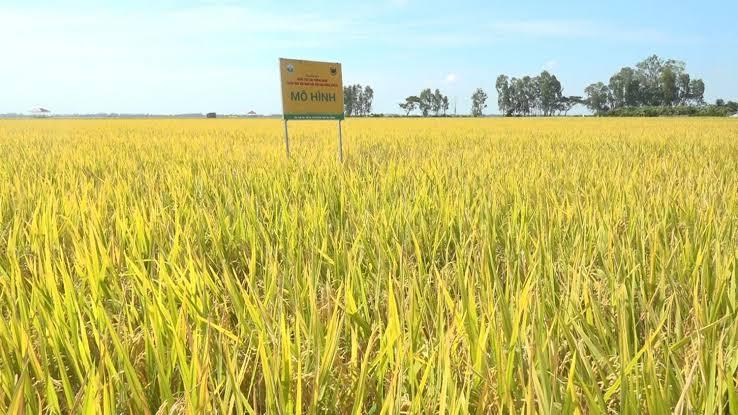
Whether rice paddy fields are inundated or dry produces distinct signatures in radar imagery. Building on this characteristic, researchers from the Southern Institute of Water Resources Research and the Vietnam National Space Center, Viet Nam Academy of Science and Technology, tested a method for detecting inundation in rice paddy fields in An Giang Province, providing an additional source of data for monitoring water regimes and estimating methane emissions from rice cultivation.
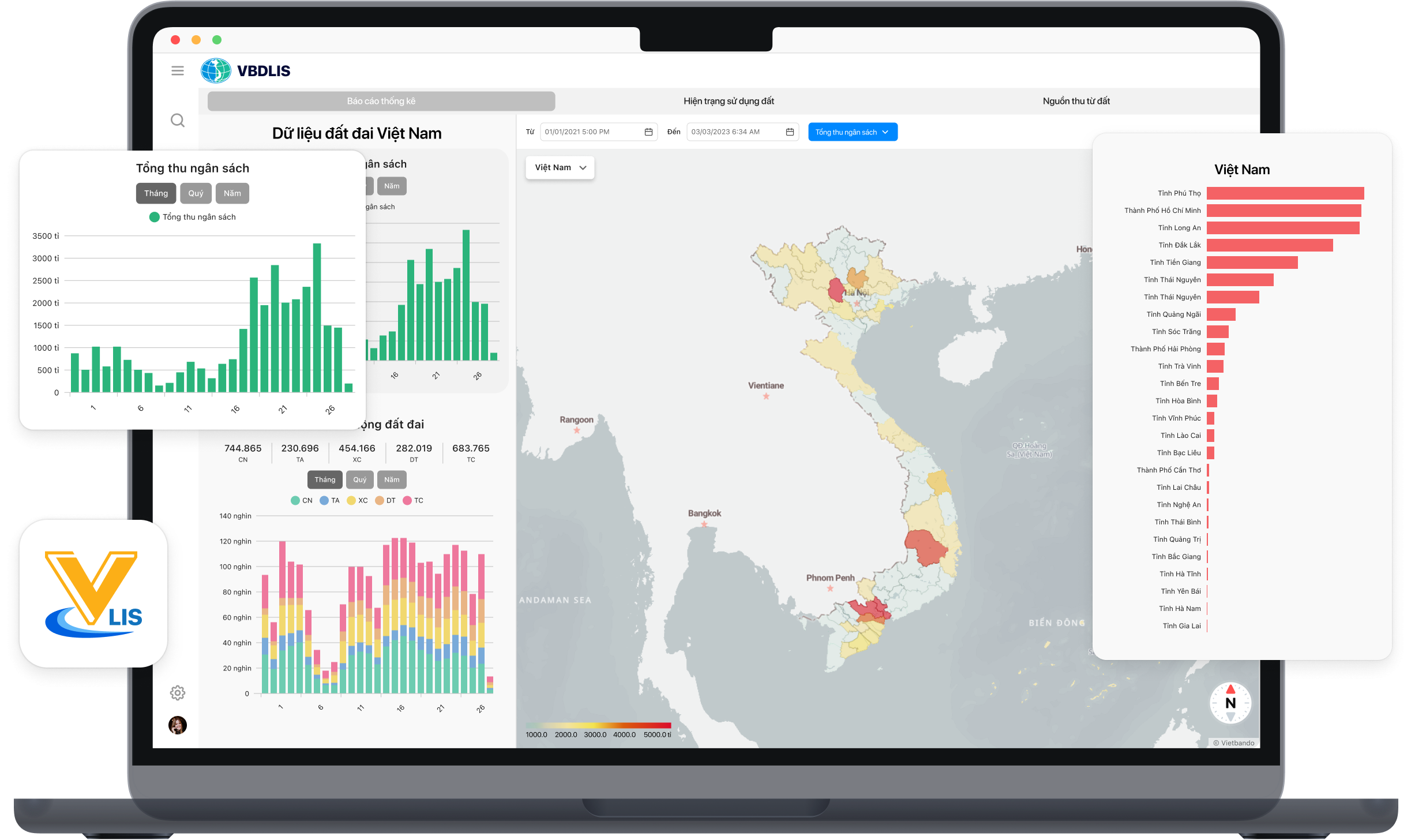
A land database can fully realize its value only when its data are accurate, complete, clean, up to date, and capable of being connected to and shared across the state management system. A study by Nguyen Dinh Trung of Vietnam National University of Agriculture and Nguyen Quang Thi of Thai Nguyen University of Agriculture and Forestry shows that applying VBDLIS in Nghe An province provided substantial support for organizing, reviewing, supplementing, synchronizing, and utilizing land data during the campaign to enrich and clean the national land database.

As digital transformation becomes a new driver of development, Vietnamese researchers have proposed a planning information system model that applies Geographic Information Systems (GIS) and artificial intelligence (AI) in Vinh Long Province. The research contributes to modernizing planning administration while introducing a new approach to digital government and data-driven governance in Viet Nam.
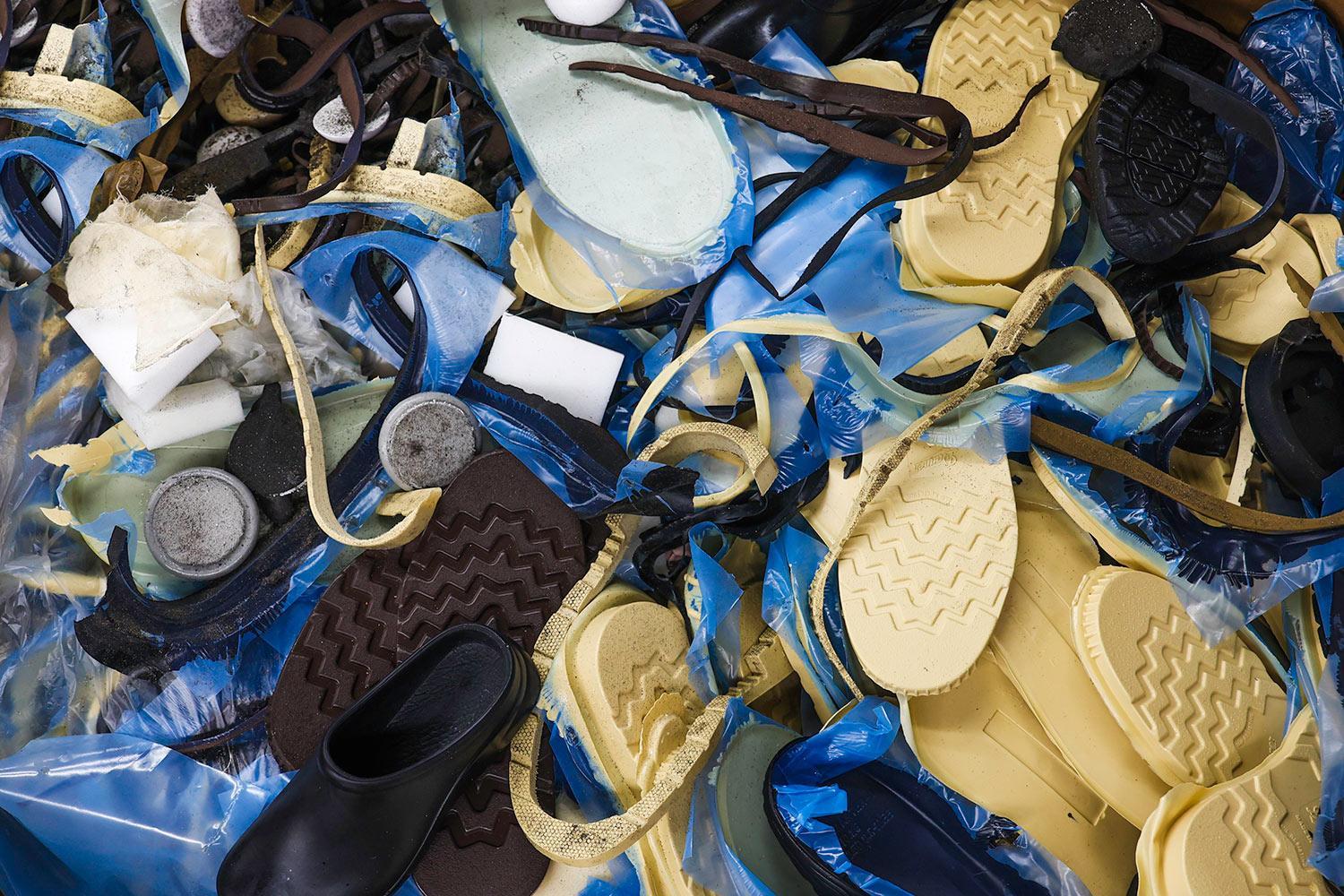
Using waste ethylene-vinyl acetate (EVA) shoe soles and vulcanized rubber—materials traditionally considered difficult to recycle—a research team from the School of Materials Science and Engineering at Hanoi University of Science and Technology has successfully developed a fully recycled composite material, creating potential new applications in green manufacturing and sustainable industrial production. The study not only contributes to addressing industrial waste challenges but also highlights Vietnam’s growing research and innovation capacity in sustainable materials and the circular economy.
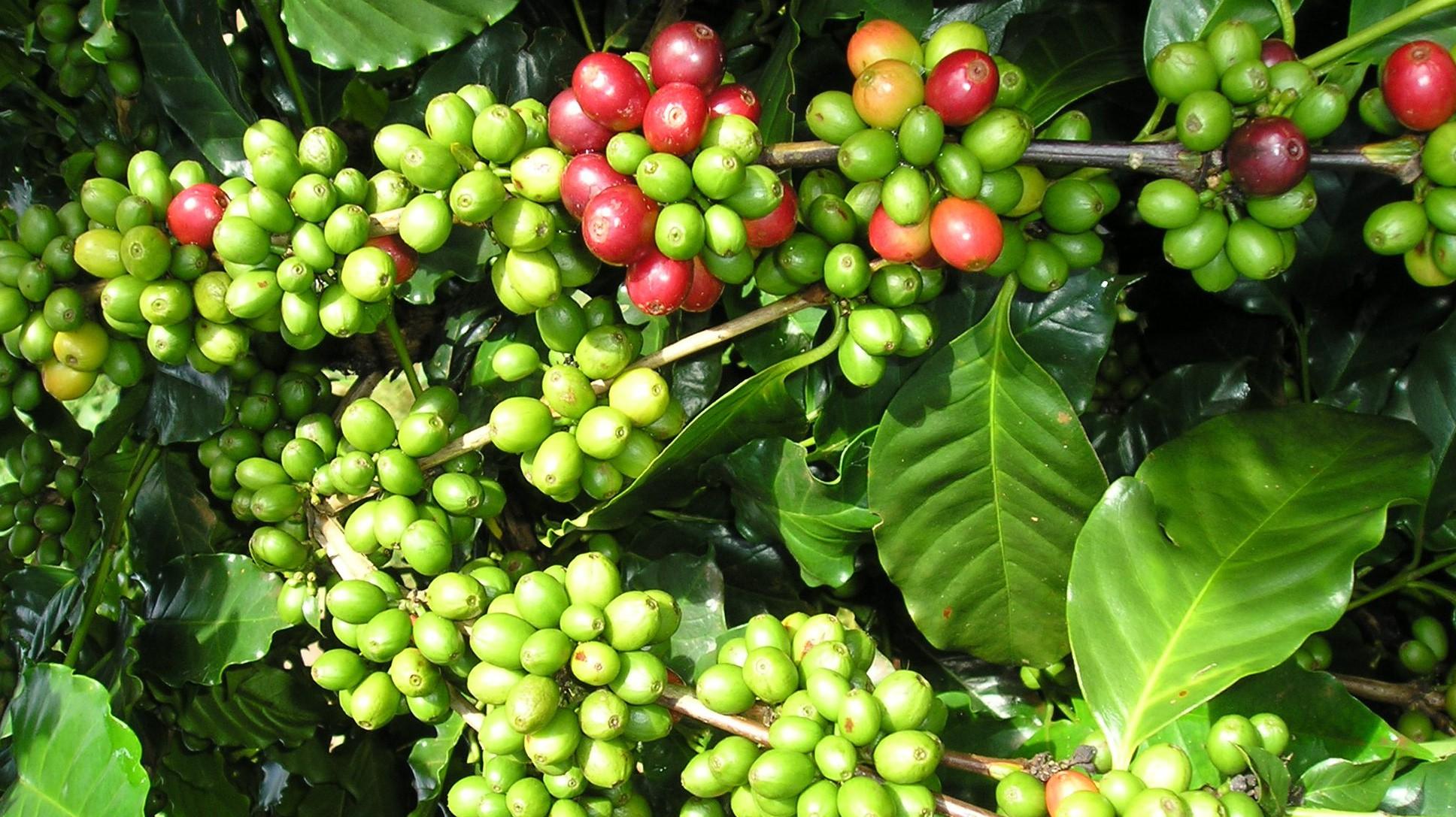
The research project entitled “Development of a suitability map for Arabica coffee cultivation on sloping land in Dien Bien province using remote sensing data, GIS technology, and the analytic hierarchy process (AHP)” conducted by Dinh Xuan Hung, Bui Tuan Hai, and Nguyen Ngoc Sang of the Institute of Water Resources Planning represents a scientifically and practically significant study in the context of ongoing agricultural restructuring toward sustainable production systems that are better adapted to natural conditions and capable of utilizing land resources more efficiently in Viet Nam’s Northern midlands and mountainous region.