




 Climate change, particularly the growing incidence of prolonged drought, continues to place significant pressure on rice production, a staple food in Vietnam. Leveraging drought-tolerant local rice genetic resources has therefore become a critical strategy for climate adaptation. In this context, a research team led by Pham Hung Cuong, Dam Thi Thu Ha, and Hoang Thi Hue at the Plant Resources Center, Vietnam Academy of Agricultural Sciences, conducted a comprehensive genetic diversity analysis of 50 local rice accessions to identify promising drought-tolerant germplasm for future breeding efforts.
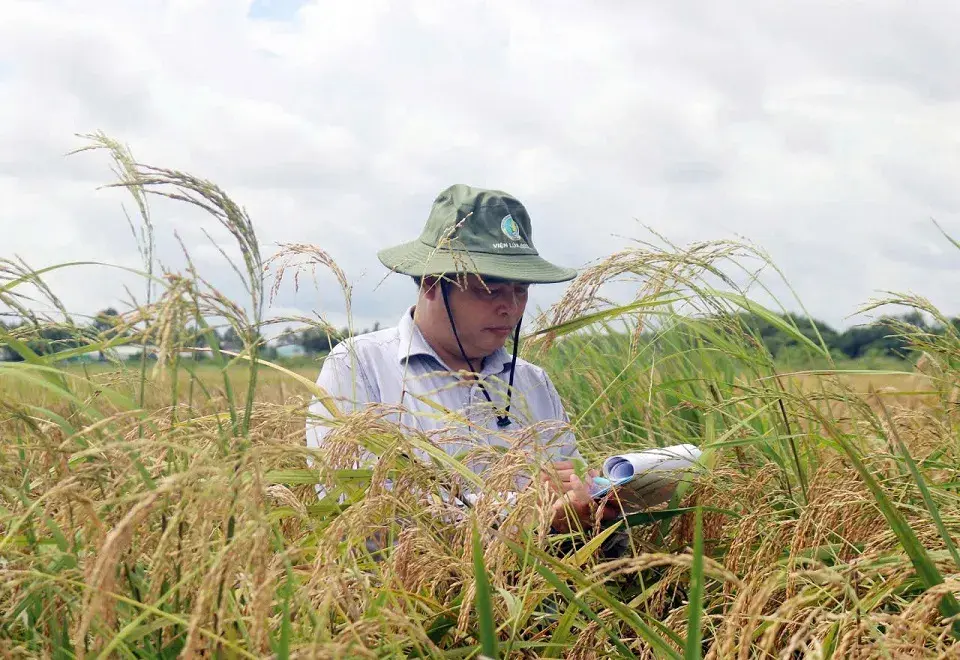
Unlocking the potential of indigenous rice genetic resources
The primary objective of the study was to evaluate the genetic diversity of 50 local accessions conserved at the National Plant Gene Bank using 10 functional SSR (Simple Sequence Repeat) markers associated with major drought-tolerance QTLs (Quantitative Trait Loci), including qDTY1.1, qDTY3.1, and qDTY12.1.
A second objective was to classify the accessions into two major groups—drought tolerant and drought susceptible—to identify candidate germplasm for drought-tolerant rice improvement.
The accessions were collected from mountainous provinces in northern Vietnam, where severe climatic conditions and limited water availability have shaped unique adaptive traits. Their conservation at the National Plant Gene Bank provides a robust foundation for genetic research and future varietal development.
From laboratory procedures to genetic profiling
The 10 functional SSR markers were selected based on previously reported drought-tolerance QTLs. These markers enabled the researchers to capture genetic variation associated with drought-tolerance traits across the accessions.
DNA was extracted using a modified CTAB method, followed by quality assessment using OD260/280 measurements and agarose gel electrophoresis. PCR amplification was conducted under optimized thermal cycling conditions for each primer pair, and PCR products were resolved on 8% polyacrylamide gels.
Genetic parameters—including number of alleles (Na), effective alleles (Ne), observed heterozygosity (Ho), expected heterozygosity (He), Shannon’s index (I), and PIC (Polymorphism Information Content)—were calculated. UPGMA clustering, Principal Coordinate Analysis (PCoA), AMOVA, and Fst statistics were applied to assess genetic structure and the degree of differentiation between drought-tolerant and drought-susceptible groups.
Identifying promising drought-tolerant lines and their breeding value
DNA quality and SSR amplification: DNA extracted from all 50 accessions met the quality requirements for PCR, with A260/A280 ratios ranging from 1.8 to 2.0. All 10 SSR markers produced clear and consistent amplification with no multi-banding or smearing.
Allelic diversity and key genetic indices: A total of 40 alleles were detected across the 10 SSR loci, with 2–6 alleles per locus (average: 4 alleles/locus). PIC values ranged from 0.24 to 0.77, averaging 0.60—indicating high genetic diversity among the accessions. Highly polymorphic markers including RM154, RM2634, and RM1261 (PIC > 0.70) showed strong potential for use in drought-tolerance selection.
Genetic clustering by UPGMA: UPGMA analysis clearly separated the 50 accessions into two clusters:
- Drought-tolerant group: 37 accessions plus the tolerant check CH207
- Drought-susceptible group: 13 accessions plus the susceptible check IR64
- The clustering pattern was fully consistent with field-based phenotypic evaluations.
PCoA results: PCoA further confirmed the distinct separation between tolerant and susceptible groups. The first two principal coordinates explained 27.92% of total genetic variation, revealing clear clustering patterns. Several accessions—A17 (Plẩu mù đề), A24 (Ble tớ), A10 (Khẩu tan đón type 1)—exhibited high genetic heterogeneity and strong potential as parental lines in breeding programs.
AMOVA and Fst analyses: AMOVA showed that 28.6% of genetic variation was attributable to differences between the tolerant and susceptible groups, indicating substantial population differentiation. The Fst value of 0.286 reflected moderate-to-high differentiation, suggesting that crosses between the two groups could yield progenies with enhanced drought tolerance.
Several alleles, particularly at RM1261 and RM2634, were found exclusively in Vietnamese local rice and absent in germplasm from India, China, and Nepal. This highlights the unique value of Vietnam’s indigenous rice genetic resources for global drought-tolerance breeding.
The study reaffirms the rich genetic diversity of Vietnam’s local rice varieties, including the presence of unique and highly valuable alleles. It also demonstrates the effectiveness of functional SSR markers linked to drought-tolerance QTLs in accelerating the development of drought-tolerant rice varieties.
The 50 Vietnamese local rice accessions showed high genetic diversity, with 40 SSR alleles detected across 10 loci. Genetic analyses separated the accessions into two distinct groups—drought tolerant and drought susceptible—with clear genetic differentiation between them. Several drought-tolerant accessions exhibiting high heterozygosity emerged as promising candidates for breeding programs. These findings provide a strong scientific basis for harnessing Vietnam’s genetic resources in the development of drought-tolerant rice varieties.
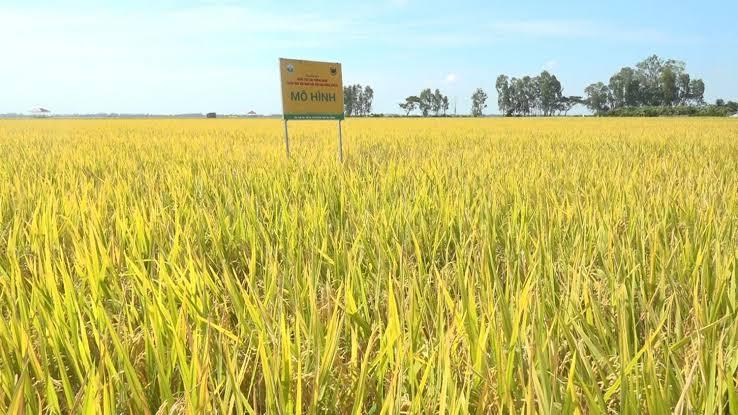
Whether rice paddy fields are inundated or dry produces distinct signatures in radar imagery. Building on this characteristic, researchers from the Southern Institute of Water Resources Research and the Vietnam National Space Center, Viet Nam Academy of Science and Technology, tested a method for detecting inundation in rice paddy fields in An Giang Province, providing an additional source of data for monitoring water regimes and estimating methane emissions from rice cultivation.
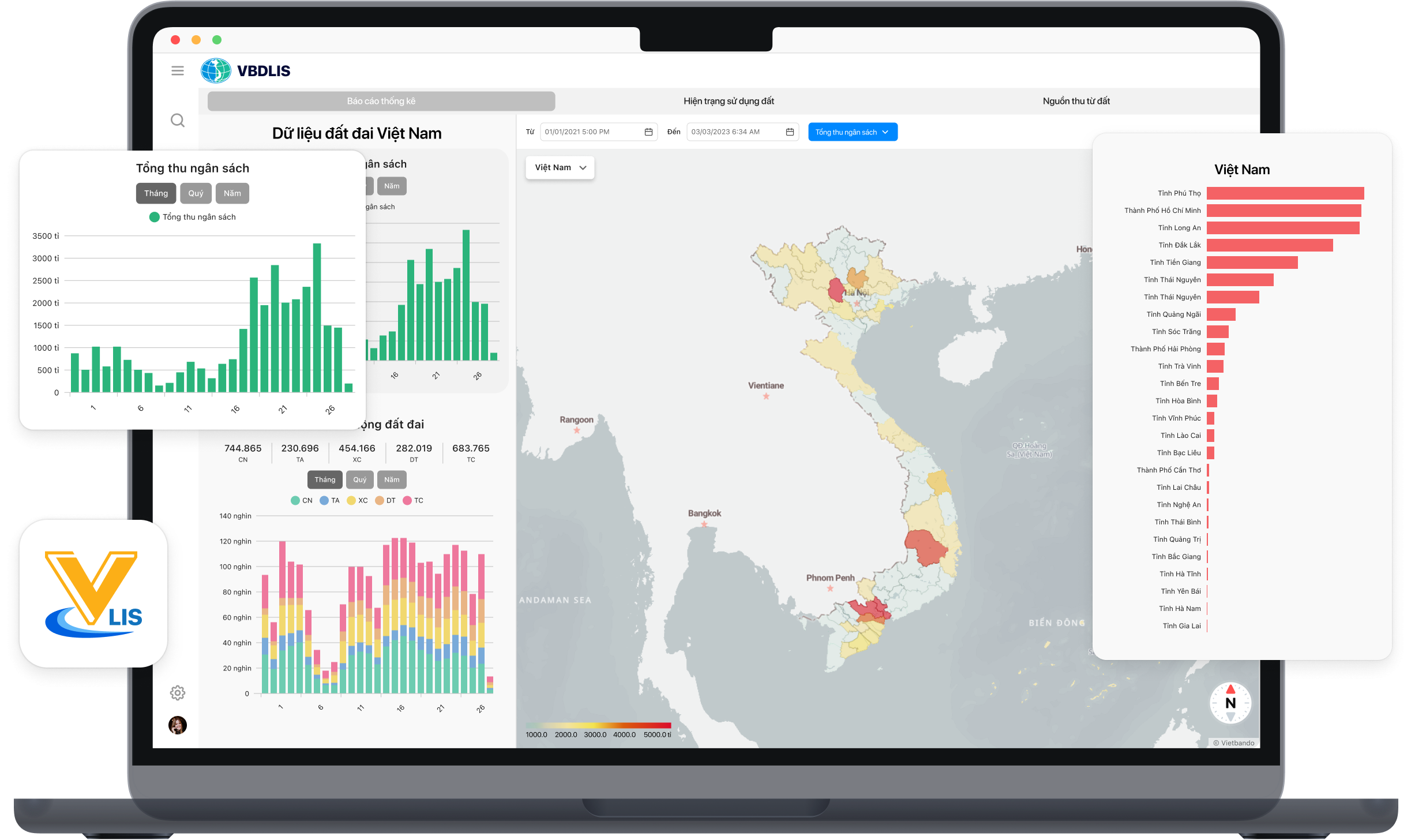
A land database can fully realize its value only when its data are accurate, complete, clean, up to date, and capable of being connected to and shared across the state management system. A study by Nguyen Dinh Trung of Vietnam National University of Agriculture and Nguyen Quang Thi of Thai Nguyen University of Agriculture and Forestry shows that applying VBDLIS in Nghe An province provided substantial support for organizing, reviewing, supplementing, synchronizing, and utilizing land data during the campaign to enrich and clean the national land database.

As digital transformation becomes a new driver of development, Vietnamese researchers have proposed a planning information system model that applies Geographic Information Systems (GIS) and artificial intelligence (AI) in Vinh Long Province. The research contributes to modernizing planning administration while introducing a new approach to digital government and data-driven governance in Viet Nam.

Using waste ethylene-vinyl acetate (EVA) shoe soles and vulcanized rubber—materials traditionally considered difficult to recycle—a research team from the School of Materials Science and Engineering at Hanoi University of Science and Technology has successfully developed a fully recycled composite material, creating potential new applications in green manufacturing and sustainable industrial production. The study not only contributes to addressing industrial waste challenges but also highlights Vietnam’s growing research and innovation capacity in sustainable materials and the circular economy.
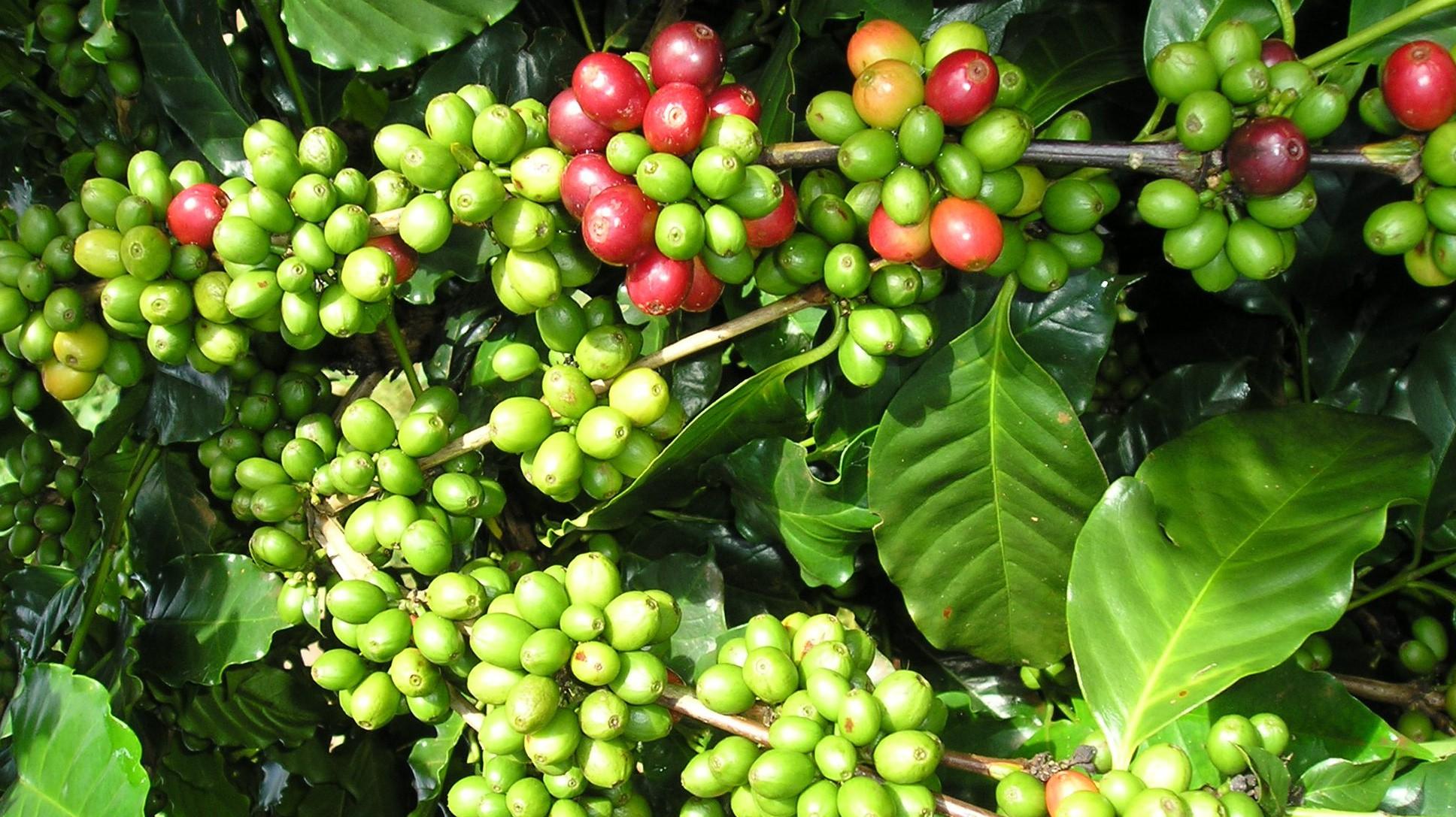
The research project entitled “Development of a suitability map for Arabica coffee cultivation on sloping land in Dien Bien province using remote sensing data, GIS technology, and the analytic hierarchy process (AHP)” conducted by Dinh Xuan Hung, Bui Tuan Hai, and Nguyen Ngoc Sang of the Institute of Water Resources Planning represents a scientifically and practically significant study in the context of ongoing agricultural restructuring toward sustainable production systems that are better adapted to natural conditions and capable of utilizing land resources more efficiently in Viet Nam’s Northern midlands and mountainous region.