



 During its participation in the 2026 Green Transformation Week (GX Week) in South Korea, a delegation from Viet Nam’s Ministry of Agriculture and Environment surveyed the Busan Resource Circulation Center (BRC) model. The experience highlights an approach to reintegrating waste into production chains, offering practical insights for Vietnam’s transition toward a circular economy.
From April 18 to 21, 2026, the Vietnamese delegation, led by Deputy Minister Le Cong Thanh, attended GX Week in Yeosu. The event brought together representatives from governments, international organizations, and businesses to discuss solutions for advancing green transformation, addressing climate change, and promoting sustainable development.
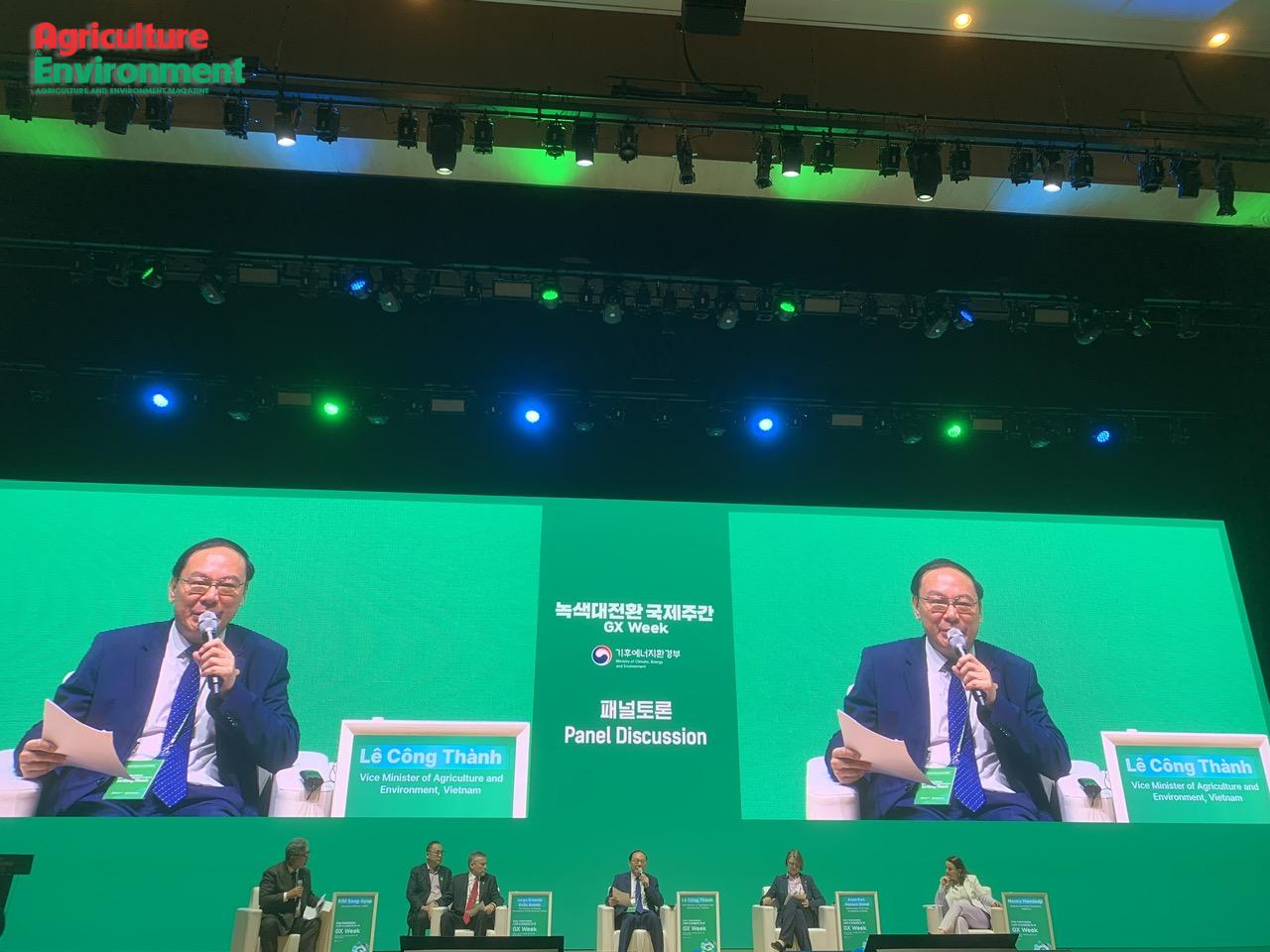
At the high-level policy dialogue on energy transition, Deputy Minister Le Cong Thanh said green transformation is an inevitable requirement in restructuring Viet Nam’s growth model, aligned with the country’s goal of achieving net-zero emissions by 2050 and enhancing resilience to climate change. He said Viet Nam is prioritizing a transition to clean and sustainable energy, development of a circular economy, efficient natural resource management, and low-emission ecological agriculture.
He also underscored the importance of international cooperation, particularly in technology transfer, policy exchange, and mobilization of financial and technical resources. This, he said, provides a basis for Viet Nam to actively seek and apply practical models from experienced countries, including South Korea.
During GX Week, the delegation participated in thematic sessions on the circular economy, green finance, industrial transformation, and environmental management, updating policy trends and technological developments relevant to Vietnam’s priorities.
From GX Week to field visit in Busan
Based on discussions at GX Week, the delegation conducted a field visit to Busan, South Korea’s second-largest port city and a leading locality in implementing circular economy models linked to urban solid waste management.
Busan was selected not only for its role in industry and logistics but also for its sustained efforts to transition toward circular waste management. In response to growing urban waste and environmental pressures, the city has gradually shifted from conventional waste treatment to a resource management system based on life-cycle and closed-loop principles.
During the visit, the delegation studied the Busan Resource Circulation Center (BRC), a key component of the city’s system. Unlike traditional centralized waste treatment facilities, the BRC operates as a node within a network connecting collection, source separation, recycling, and production, enabling treated waste to re-enter value chains as secondary raw materials.
The field visit provided insights into how a city-level resource circulation system is organized, from source separation to coordination among authorities, businesses, and communities. It also offered a basis for comparison with Vietnam, where circular economy and extended producer responsibility (EPR) policies have been introduced but remain under development and implementation.
BRC model: Beyond recycling to resource circulation
The BRC model represents a departure from conventional waste management approaches. Instead of treating waste as an output requiring disposal, it is designed to reintegrate waste into production cycles as a resource.
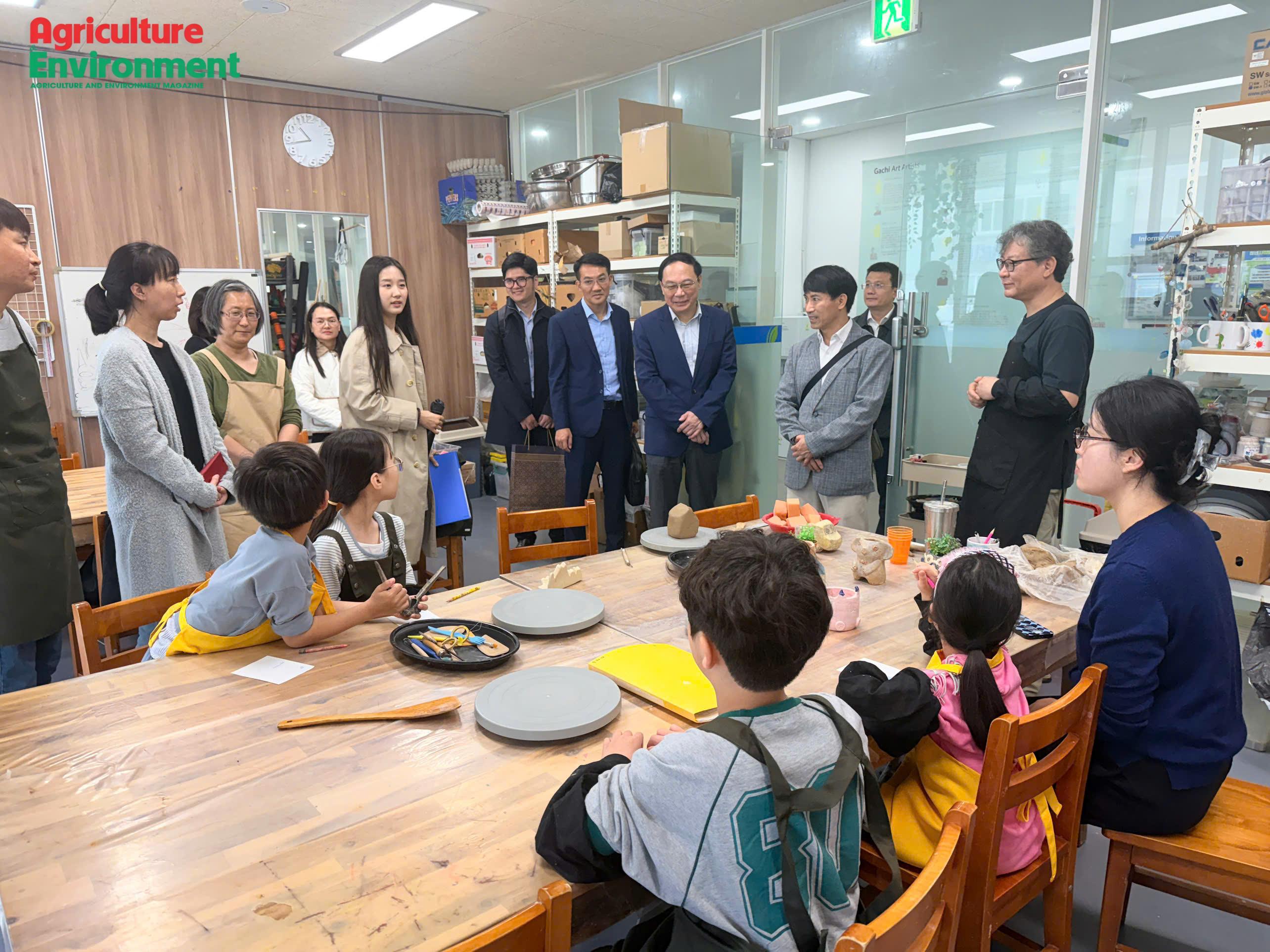
Structurally, BRC is not a single facility but part of a decentralized network of resource circulation centers. These centers serve as intermediaries linking waste collection and source separation with recycling facilities and manufacturing enterprises.
Operationally, the system follows a closed-loop model. Waste, particularly plastics, is sorted at source, processed, cleaned, and converted into recycled materials, which are then supplied to manufacturers for new production. This creates a relatively complete waste-to-resource value chain.
Beyond technical functions, the model also contributes to socio-economic objectives. Resource circulation centers in Busan are designed as multi-functional facilities that handle waste processing while generating local employment, particularly for elderly workers, and promoting environmental awareness through community education programs.
The city has also established supporting institutions, including resource recycling cooperation centers, which act as hubs for data collection, business support, and public awareness campaigns. This demonstrates that BRC is not merely a technological solution but part of an urban resource management system.
Why the BRC model works
Experience in Busan shows that the effectiveness of the BRC model lies not in standalone technology but in a coordinated system integrating policy, market mechanisms, and social participation.
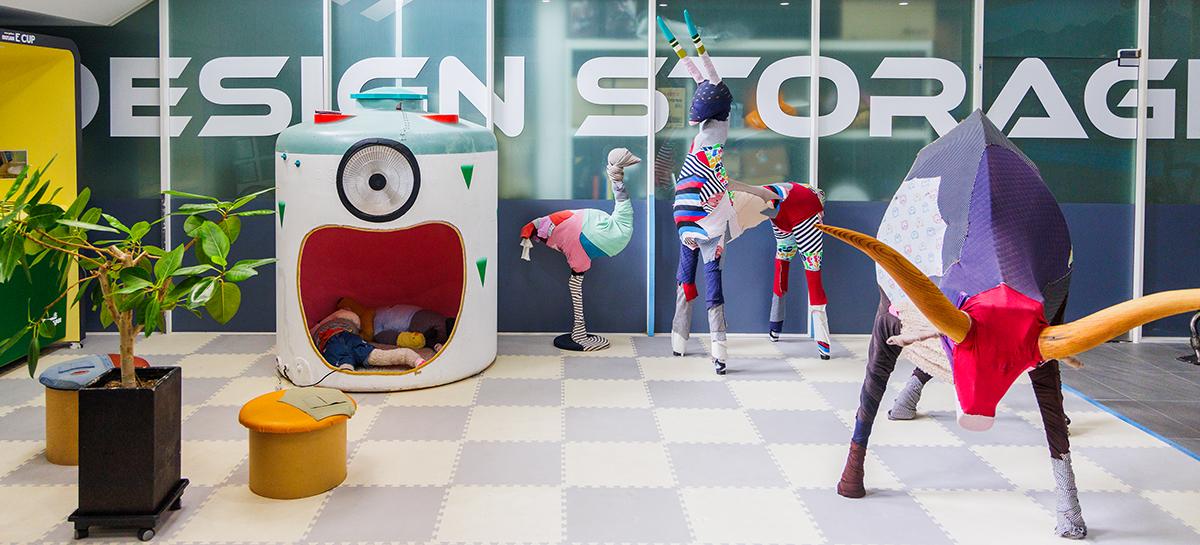
First, policy and regulatory frameworks provide the foundation. Local authorities enforce regulations on waste separation at source while developing supporting mechanisms such as data systems, educational programs, and incentives for business participation. These measures support the development of a functioning market for recycled materials.
Second, private sector participation is central to system operation. Companies such as Lotte Chemical not only invest in technology but also participate directly in building and operating resource circulation centers, providing equipment, training, and technical support. This public–private–community model helps connect policy with implementation.
Third, social factors are integrated into the system design. Waste separation at source, environmental education, and public awareness campaigns are implemented alongside technical solutions, contributing to more sustainable consumption and waste management practices.
Overall, the BRC model reflects a systemic approach in which waste is managed as a continuous resource flow from production and consumption to recycling and reuse. This contrasts with the end-of-pipe approach still common in many countries, including Viet Nam.
Viet Nam faces bottlenecks in waste separation
The Busan experience shows that a circular system can only function effectively when waste separation at source is implemented consistently and in a substantive manner. This step determines whether waste can be transformed into a resource.
In Viet Nam, source separation of municipal solid waste has been mandated under the 2020 Law on Environmental Protection and has been implemented since 2025. However, implementation remains limited.
According to the Department of Environment, citing remarks by Ho Kien Trung, Deputy Director General of the Department of Environment, as of June 30, 2025 — before the reorganization of provincial-level administrative units — 32 out of Viet Nam’s 63 localities had piloted source separation of municipal solid waste, mostly on a small and fragmented scale.
He also emphasized that waste separation at source is a prerequisite for turning waste into resources—the core objective of a circular economy. Achieving this requires a coordinated system encompassing infrastructure, processing technologies, and market mechanisms, rather than isolated pilot models.
These assessments indicate that Viet Nam’s bottleneck lies not only in implementation but also in the absence of a complete circular system. When stages such as separation, collection, recycling, and consumption of recycled materials are not connected, waste separation does not generate real value.
Compared with Busan, where separation is the starting point of a well-organized economic cycle, Viet Nam is still in the early stages of building its system foundation. This calls for not only policy refinement but also coordinated implementation across local authorities, businesses, and communities.
In this context, the BRC model suggests a systemic approach: instead of focusing on end-of-pipe treatment, waste management should be organized into a closed-loop system in which source separation is the entry point and recycling markets provide the driving force. This is also the direction Viet Nam is pursuing in its transition to a circular economy.
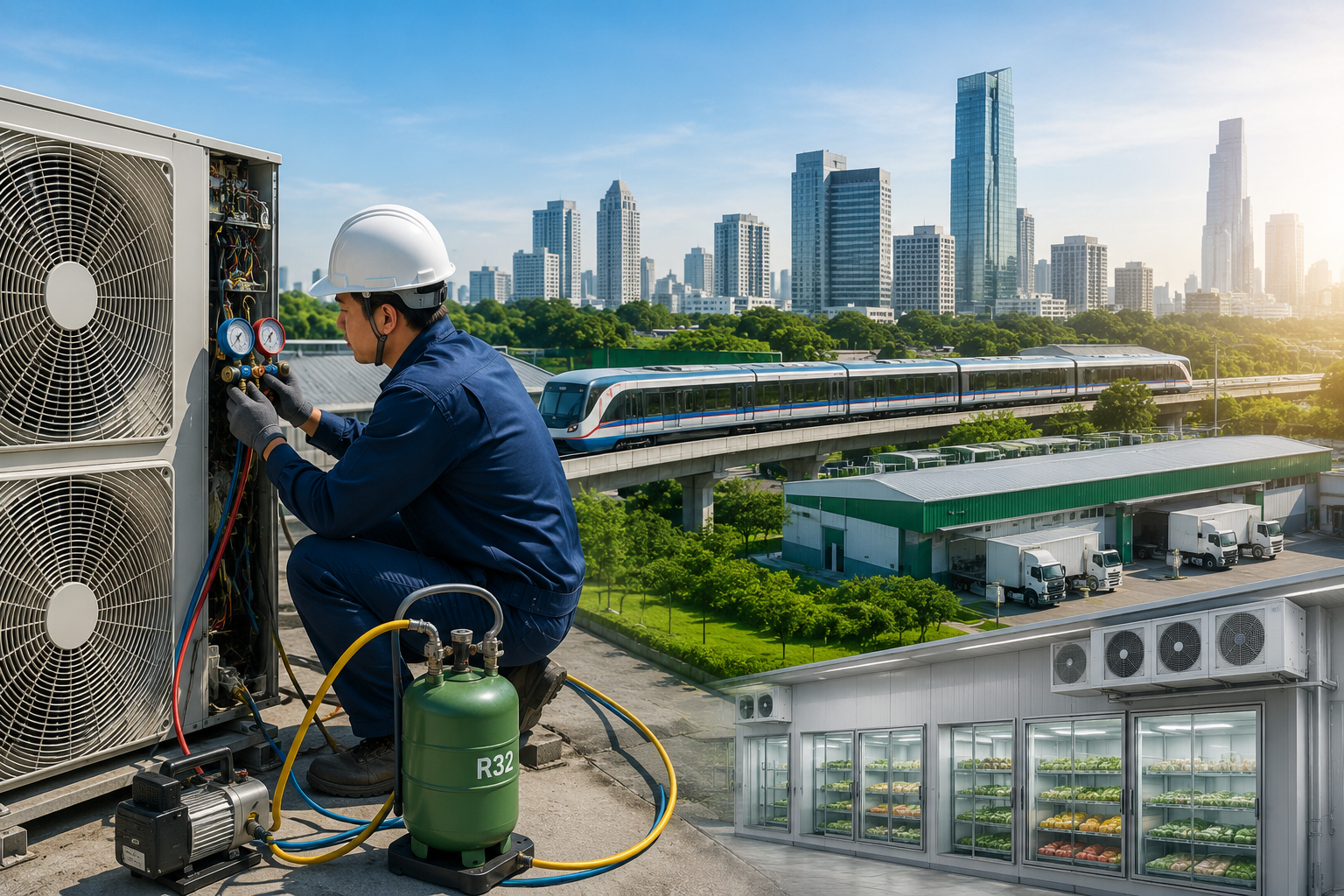
Experts, policymakers, representatives of international organizations, vocational education and training institutions, and businesses shared perspectives on Viet Nam’s roadmap for fulfilling international commitments, advancing technology transformation, developing green workforce capacity, and strengthening the management of controlled substances at the inception workshop of the sustainable management of controlled substances under the Montreal protocol project (SMS-MP) held in Hanoi on July 24.
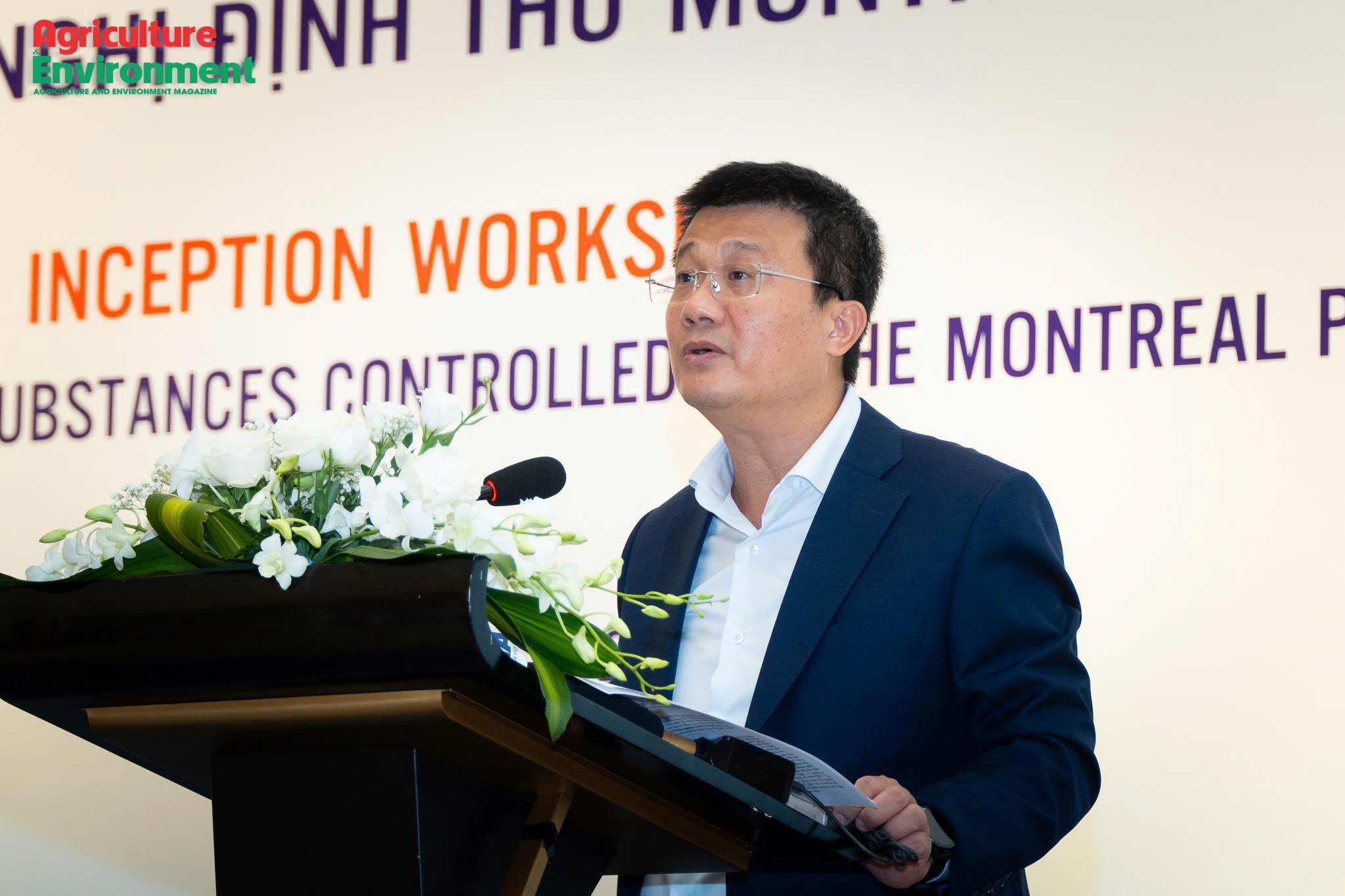
Climate-friendly, energy-efficient refrigeration technologies have become a key priority for Viet Nam as it implements its commitments under the Montreal protocol and the Kigali amendment. At the inception workshop on the sustainable management of Montreal protocol substances project (SMS-MP) on July 24, government agencies, international partners and businesses discussed coordinated measures on technology, policy and workforce development to support the country's transition.
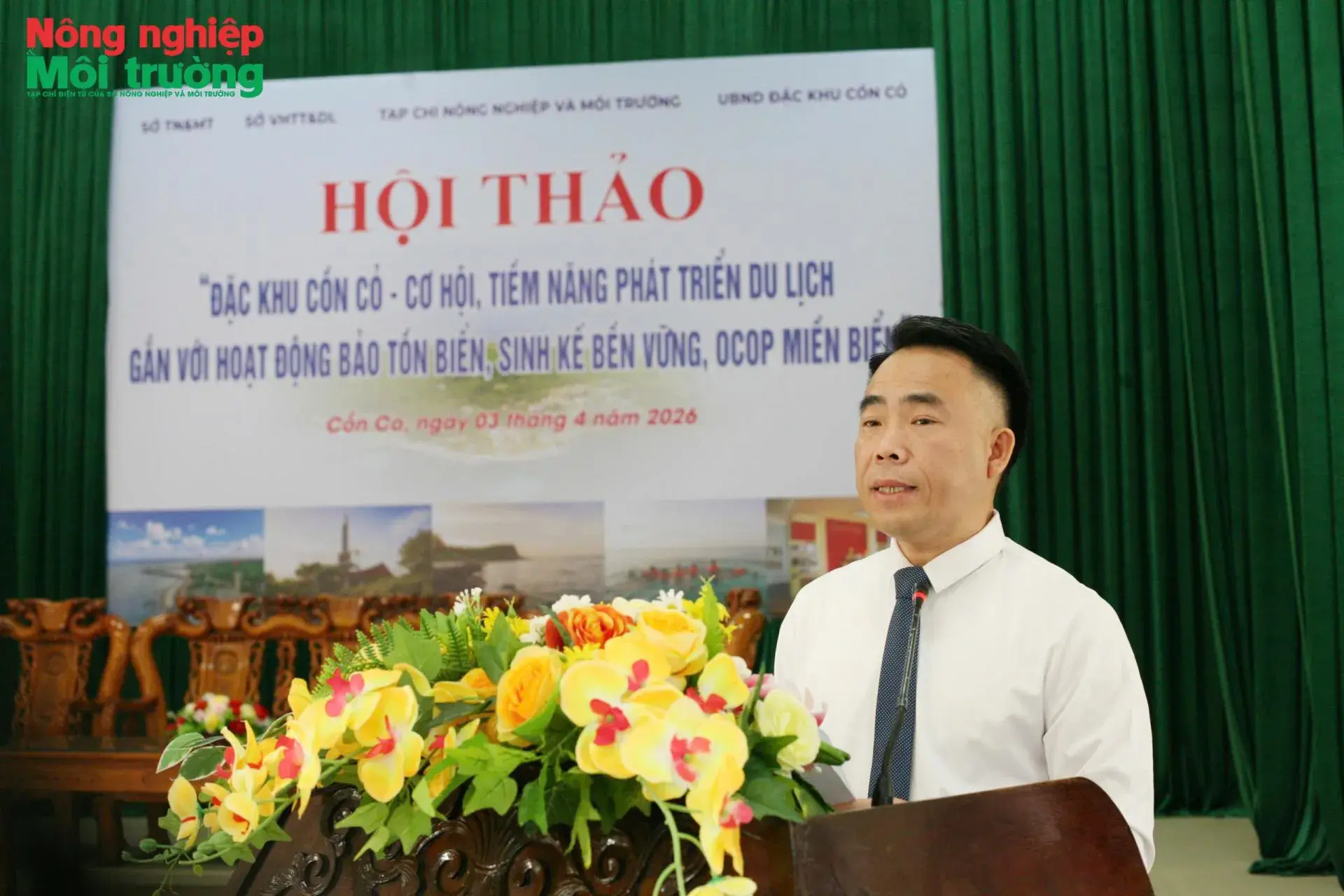
A policy workshop on “Con Co special zone – Opportunities and potential for tourism development linked to marine conservation, sustainable livelihoods, and coastal OCOP products” highlighted a new development approach in which growth must go hand in hand with conservation, and economic expansion must be grounded in ecological sustainability and community well-being.
As the impacts of climate change become increasingly evident, extreme weather events are directly affecting livelihoods and agricultural production. In response, the Nghe An Provincial Agricultural Extension Center has implemented a range of measures to support farmers, strengthen adaptive capacity, and promote more sustainable agricultural production.
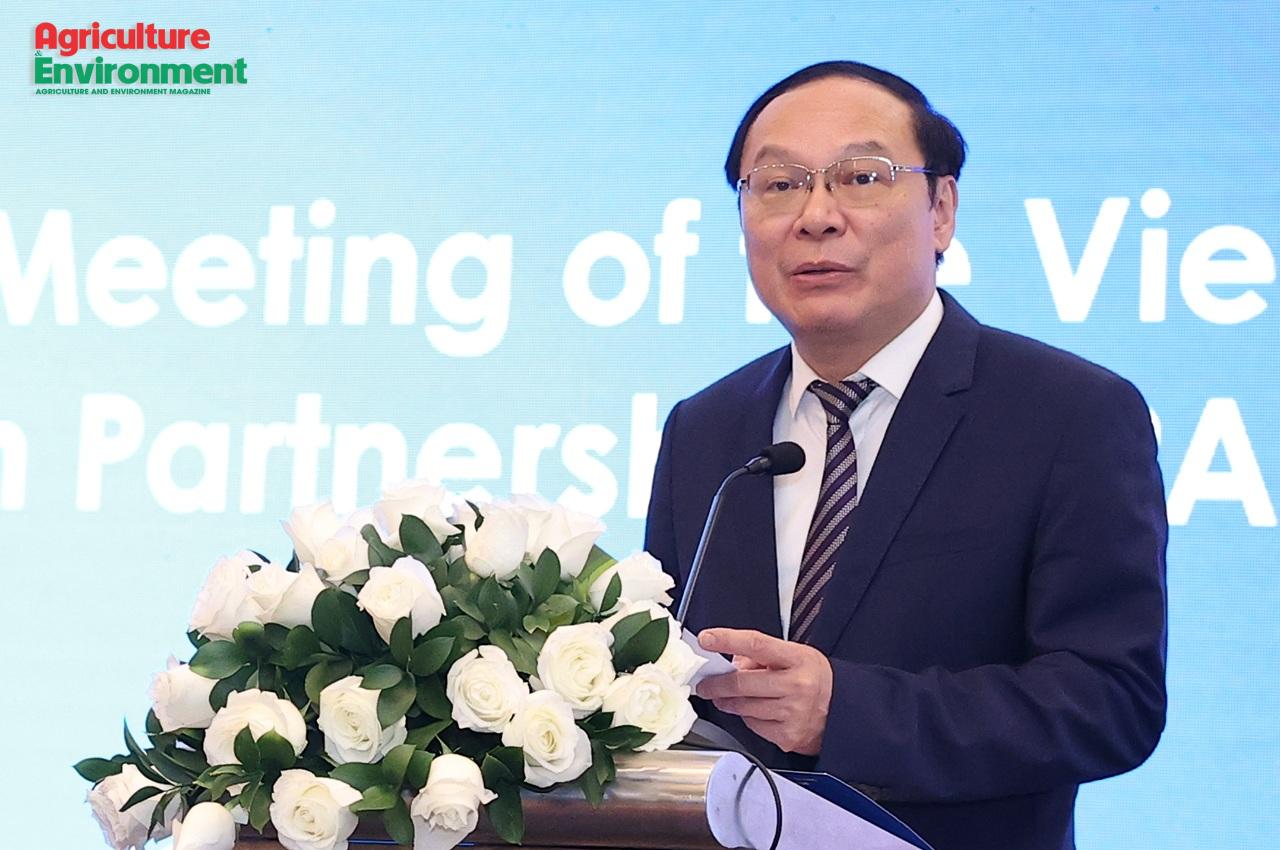
As plastic pollution increasingly emerges as a development challenge, Viet Nam is facing an urgent need to mobilize and effectively utilize resources to support the transition toward a circular plastics economy. At the 7th Implementation Working Group Workshop of the National Plastic Action Partnership (NPAP) Viet Nam, held on December 16, the Ministry of Agriculture and Environment, together with development partners, announced the Financial Roadmap for Plastic Action toward 2030. The roadmap estimates investment needs of USD 7.5–8.5 billion, while underscoring the role of multi-stakeholder cooperation in linking policy, finance, and practical implementation solutions.