



 A policy workshop on “Con Co special zone – Opportunities and potential for tourism development linked to marine conservation, sustainable livelihoods, and coastal OCOP products” highlighted a new development approach in which growth must go hand in hand with conservation, and economic expansion must be grounded in ecological sustainability and community well-being.
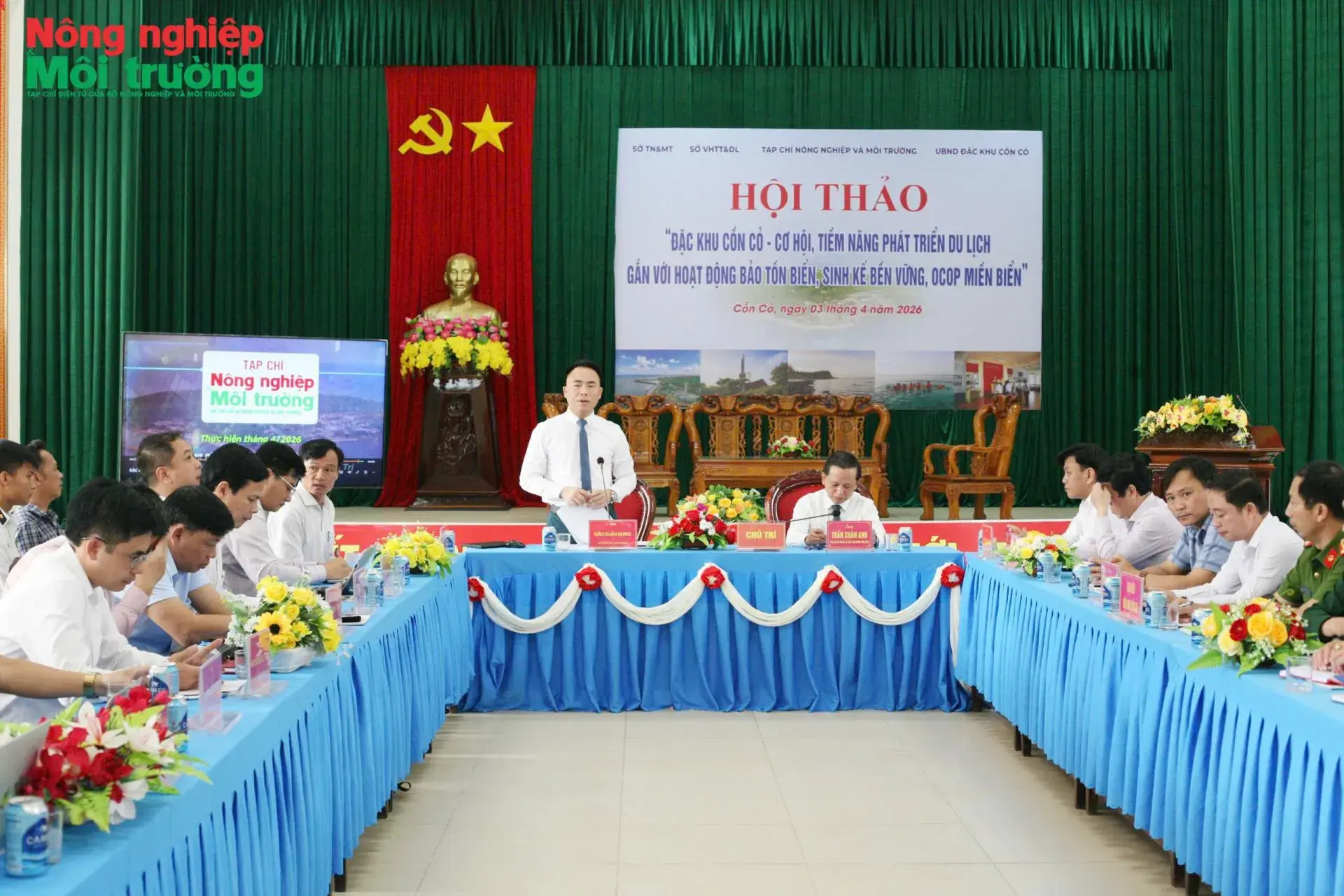
Con Co island positioned within Viet Nam’s blue economy strategy
On April 3 in Quang Tri province, the Agriculture and Environment Magazine, in coordination with the People’s Committee of Con Co special zone, held a thematic workshop attended by more than 100 delegates, including local officials, scientists, experts, businesses, and community representatives.
The event not only operationalized major policy directions on sustainable marine economic development but also placed Con Co island within the broader framework of Viet Nam’s blue economy strategy.
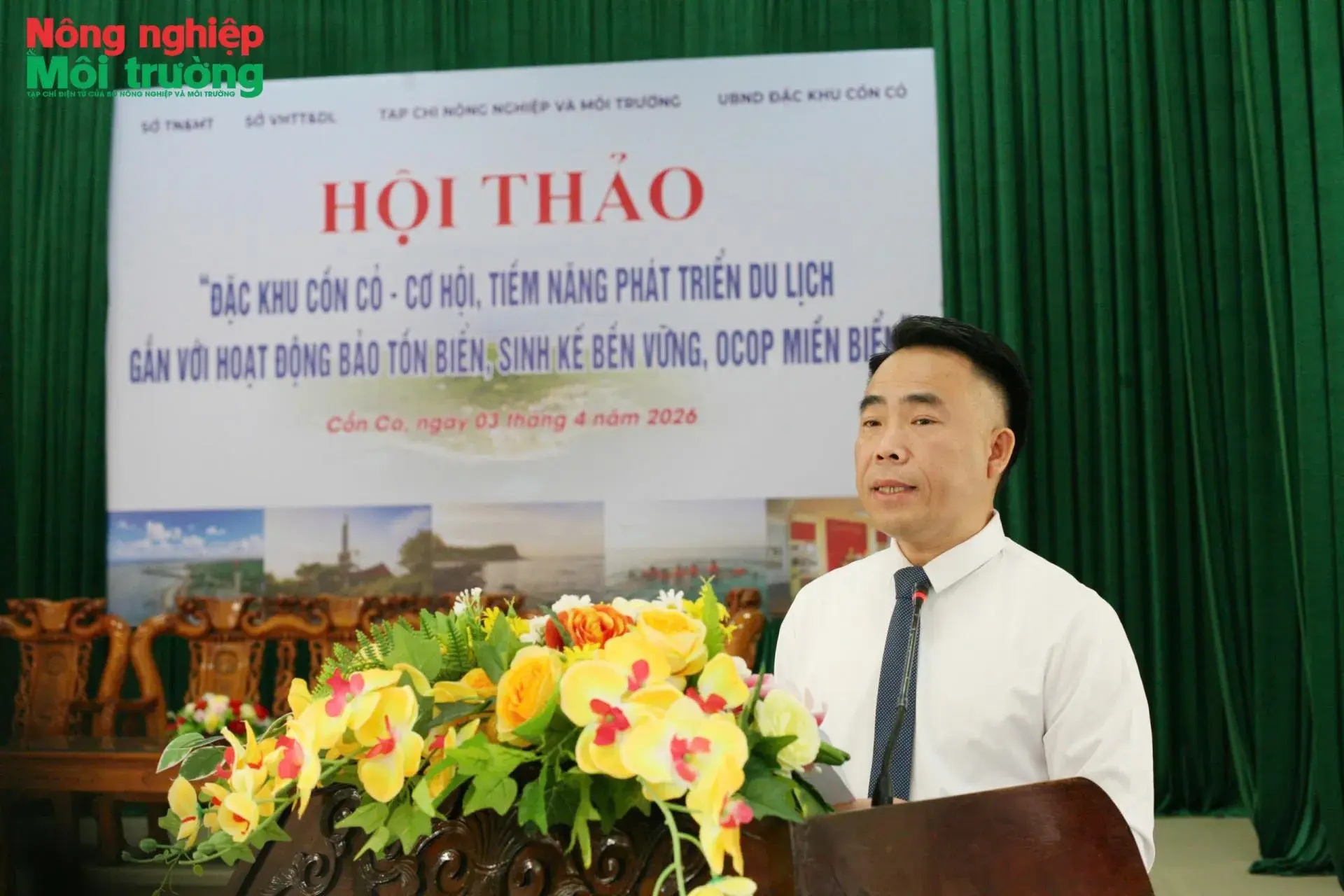
In his opening remarks, Dr. Dao Xuan Hung, Editor-in-Chief of the Agriculture and Environment Magazine, said Viet Nam, with more than 3,260 km of coastline and over 3,000 islands, possesses vast development space where the sea serves not only as an economic pillar but also as a living environment for tens of millions of people. However, amid climate change and biodiversity loss, the key question is no longer how much to develop, but how to develop sustainably.
Con Co Island, a frontline island of about 2.5 sq. km, holds significant advantages, including diverse marine ecosystems, rich coral reefs, largely unspoiled landscapes, and a strategic position along central Viet Nam’s coastal tourism routes.
“The question is no longer whether to develop, but how to develop,” he said.
Globally, development trends are shifting from resource exploitation to conservation and sustainable use, with eco-tourism, marine conservation, and community livelihoods forming three pillars of the blue economy. If properly planned, Con Co could serve as a model for this approach.
However, experience shows that rapid, poorly managed development can quickly damage ecosystems—the core asset of marine tourism. The workshop emphasized the need to build a distinctive, high-quality eco-marine tourism brand and avoid mass development.
At present, tourism on Con Co remains small in scale, with limited and short-stay products. Infrastructure and services are still underdeveloped, while environmental pressures are increasing alongside visitor numbers.
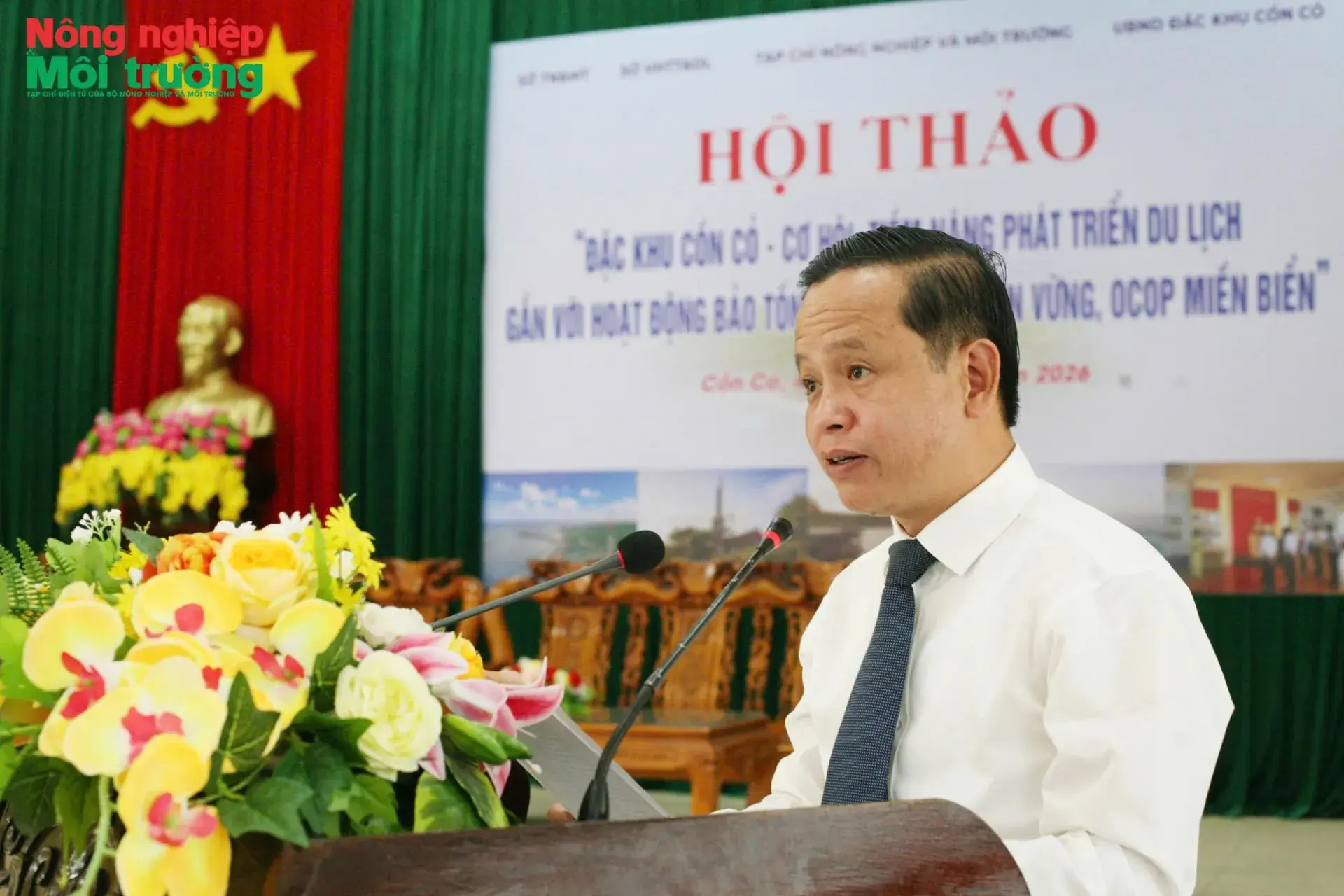
In his remarks, Tran Xuan Anh, a member of the provincial Party Committee and Secretary of the Party Committee and Chairman of the People’s Committee of Con Co Special Zone, said the event demonstrated the shared responsibility and coordination among central and local authorities, scientists, and businesses in unlocking the island’s tourism potential in tandem with conservation and sustainable livelihoods.
Con Co is described as a “pearl in the East Sea,” with pristine landscapes, rich ecosystems, and a strategic location at the southern gateway to the Gulf of Tonkin. Covering about 230 hectares, with more than 60% natural forest and a 4,500-hectare marine protected area, the island has strong potential for green marine economic development.
The special zone has identified tourism and services as its key economic sector, linked with fisheries and supporting industries, while ensuring a balance between economic development and national defense and security. Since opening tourism routes to the island in 2017, infrastructure and service quality have gradually improved, alongside stronger tourism management and promotion efforts aimed at positioning Con Co as a safe and friendly destination.
The workshop is expected to provide scientific and practical inputs to help shape an integrated, multi-value development model centered on quality, sustainability, and visitor experience. Con Co is pursuing a model based on “green economy – marine logistics – eco-tourism – all-people national defense,” with conservation as the foundation for growth.
Chairman of the People’s Committee Tran Xuan Anh also stressed the need for stronger regional linkages, connecting Con Co with destinations such as Hon La, Nhat Le, and Cua Viet to form a north-central coastal economic corridor.
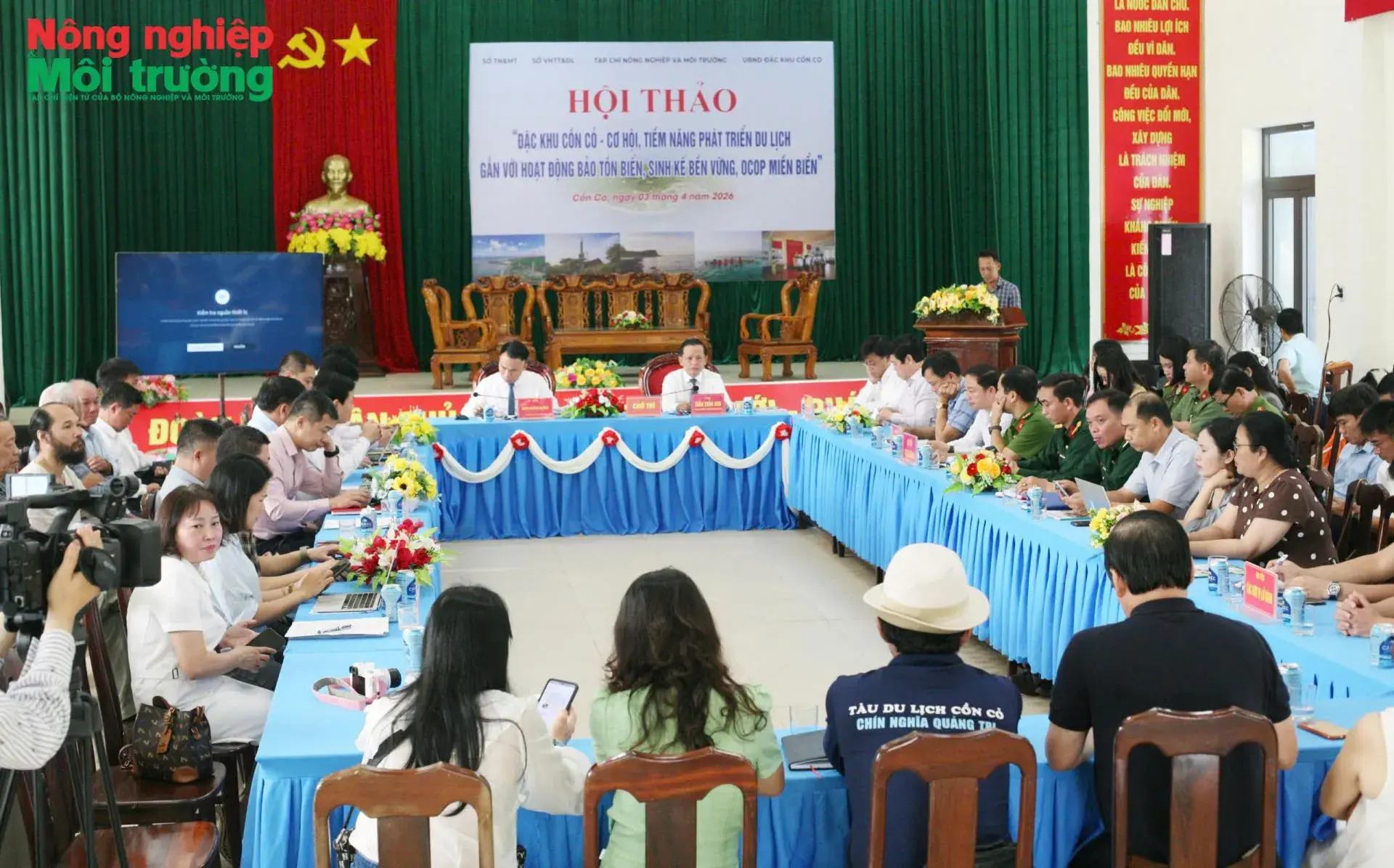
Conservation and livelihoods highlighted as key to sustainable development
A key message throughout the workshop was that marine ecosystem conservation must be central to all development decisions.
Presentations highlighted that coral reef ecosystems, seagrass beds, and marine resources around Con Co hold not only ecological value but also long-term economic significance. However, pressures from climate change, resource exploitation, and environmental pollution are increasing.
Experts proposed a fundamental approach: developing sustainable livelihoods based on conserved resources. Eco-tourism, fisheries logistics services, seafood processing, and coastal OCOP (One Commune One Product) products were identified as key pillars.
OCOP products were described not merely as commodities but as “local stories” embodying cultural values, natural resources, and indigenous knowledge, enhancing visitor experience while providing stable incomes for local communities.
In tourism development, participants agreed that Con Co should focus on in-depth offerings such as coral diving, marine ecosystem exploration, and environmental education tourism. Visitor carrying capacity should also be carefully managed to limit environmental impacts.
Businesses noted that the island’s greatest appeal lies in its pristine nature. Without proper planning, however, this advantage could quickly erode. They called for improved infrastructure—particularly maritime transport connectivity—and stable policy frameworks to attract long-term, selective, green investment.
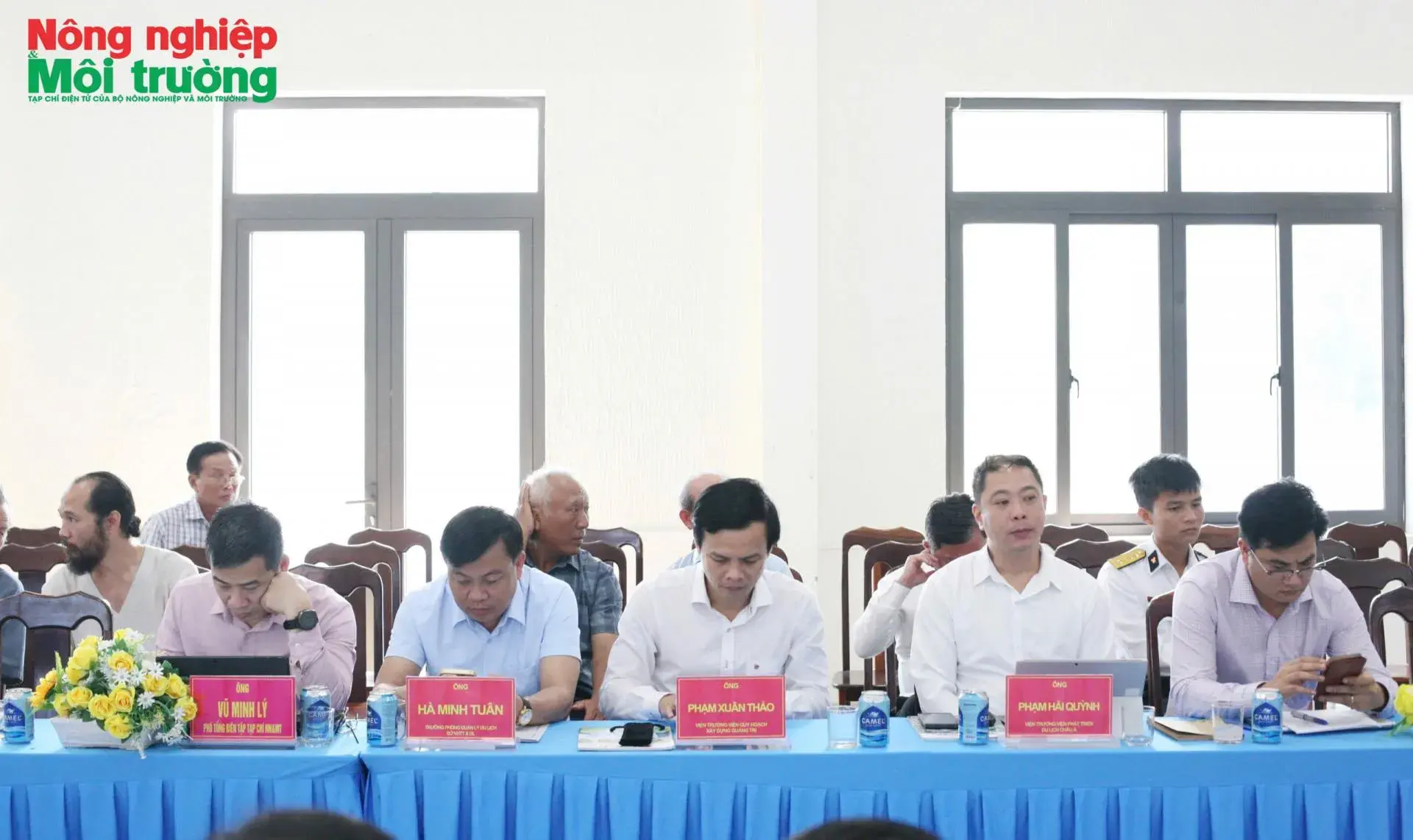
Regional connectivity seen as key to Con Co’s development
A roundtable session underscored a strategic requirement: Con Co cannot develop in isolation but must be integrated into broader regional linkages.
Connecting the island with tourism destinations in Quang Tri Province and the north-central region would not only increase visitor flows but also create sustainable value chains between the island and the mainland.
From a governance perspective, participants emphasized the need to refine investment incentive mechanisms aligned with green criteria, while strengthening environmental management, particularly in addressing plastic waste—one of the major challenges for island tourism.
The opening remarks also highlighted the role of the media. Beyond providing information, the press serves as a bridge for knowledge sharing, resource mobilization, and policy dialogue, helping shape Con Co’s image on Viet Nam’s and the global tourism map.
As part of the program, delegates conducted a field survey on the island, observing ecosystems, infrastructure, and livelihood models firsthand to inform policy recommendations.
The workshop concluded with a clear message: Con Co must not follow traditional development paths. Its future lies in a blue economy where tourism, conservation, and community livelihoods are closely interconnected.
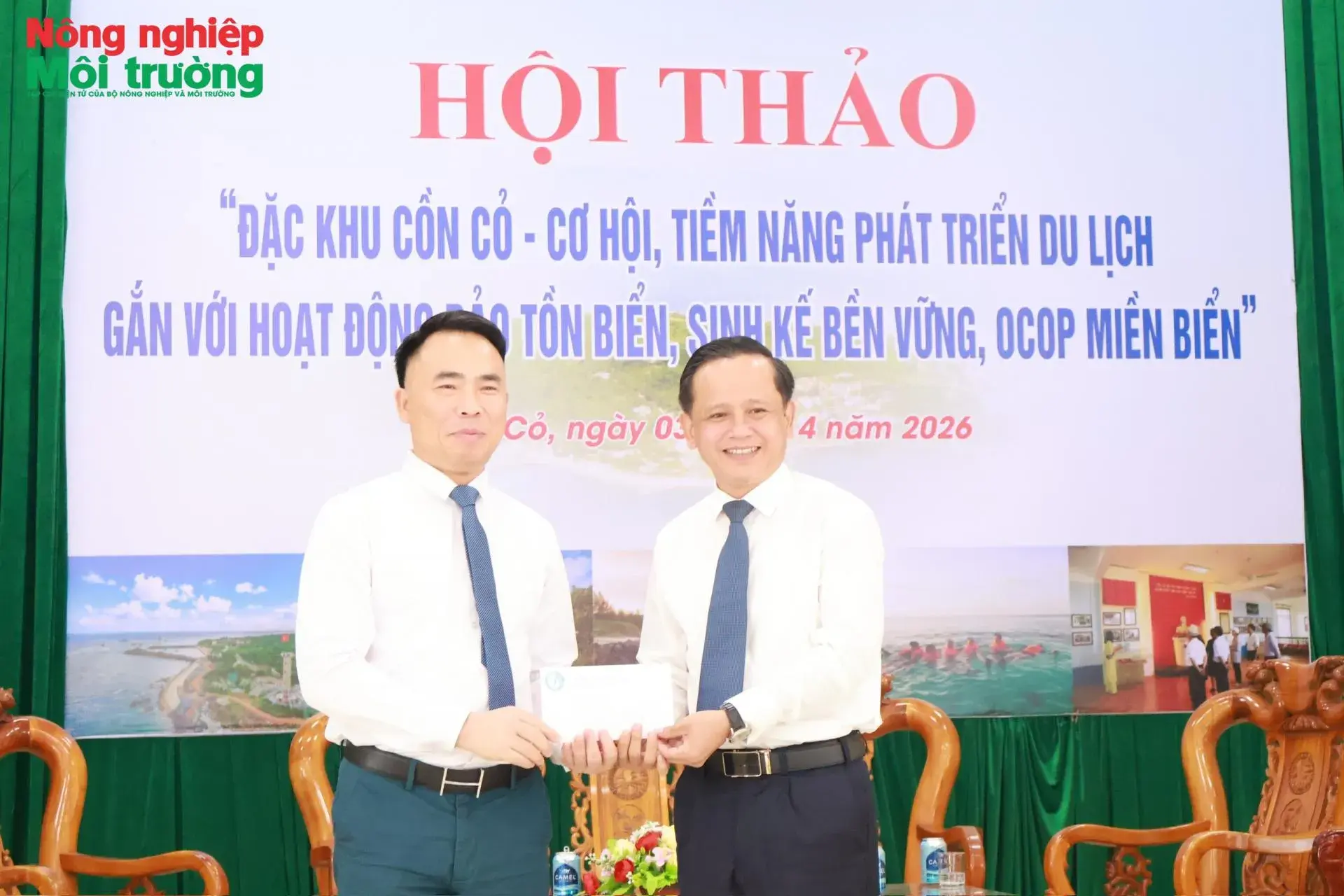
On this occasion, the Agriculture and Environment Magazine presented a television set worth VND 10 million to the People’s Committee of Con Co Special Zone.
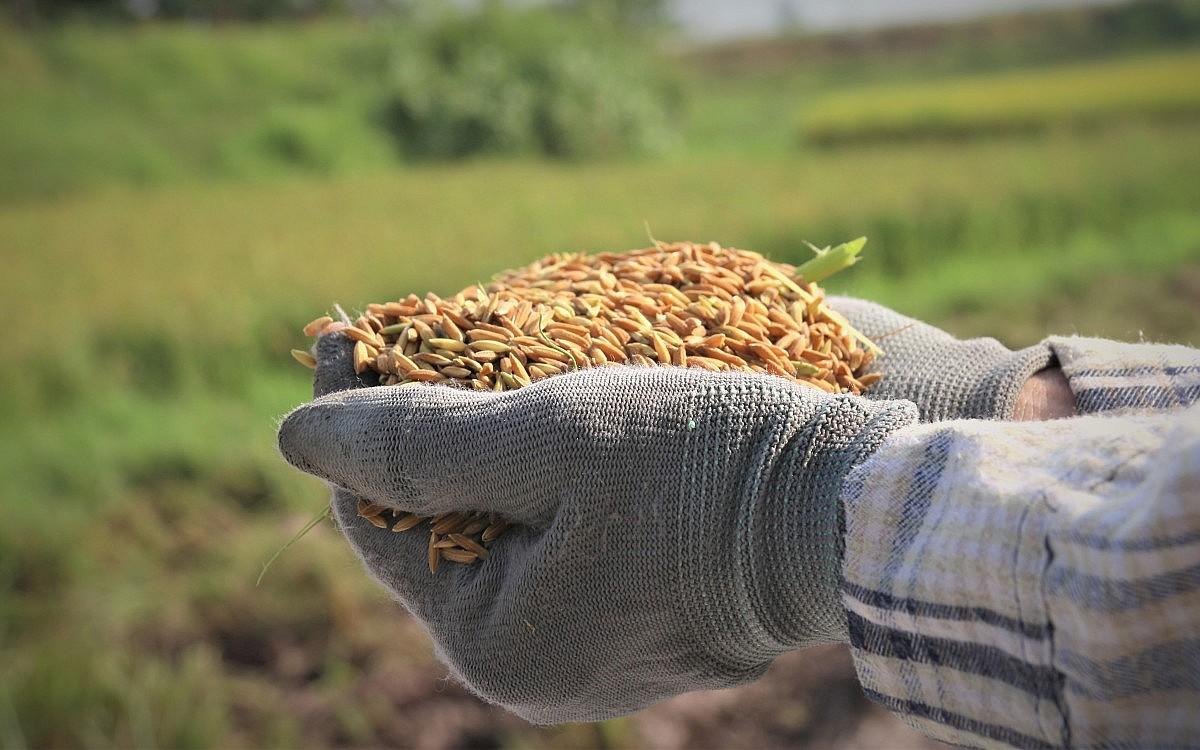
Policies achieve lasting impact only when they translate into changes in production practices. This is particularly true of efforts to reduce food loss and waste: setting reduction targets or encouraging the productive use of agricultural by-products will have limited effect unless producers can see clear economic returns and businesses have access to sufficiently stable markets.
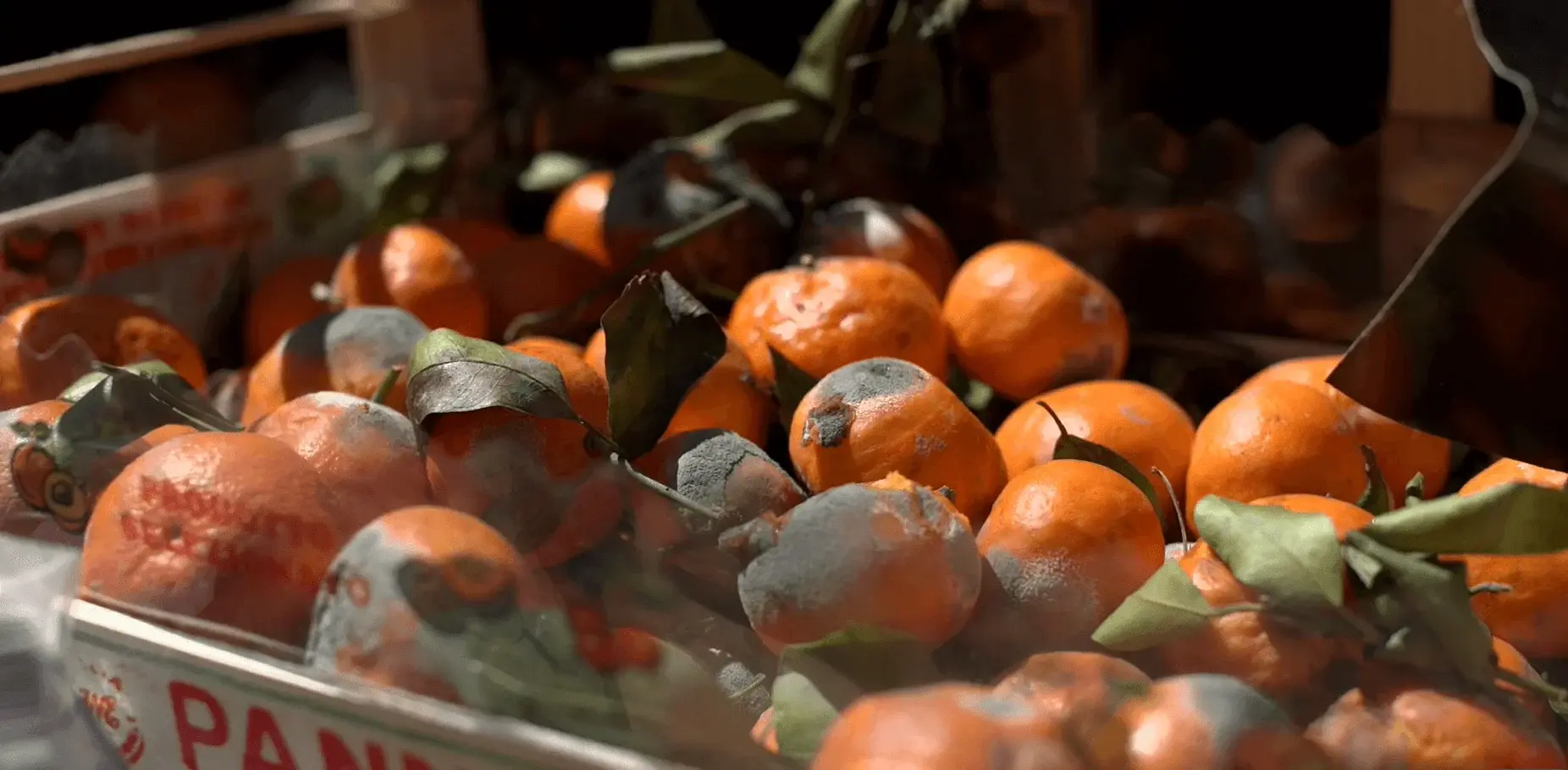
Viet Nam has gradually established a policy foundation for reducing food loss and waste (FLW), increasingly linking the issue to sustainable development, the circular economy, and food system transformation. The challenge in the next phase is therefore not to start from scratch, but to connect existing policies into a coherent, data-driven governance framework that prioritizes prevention and is supported by sufficiently strong coordination mechanisms to drive action at the national level.
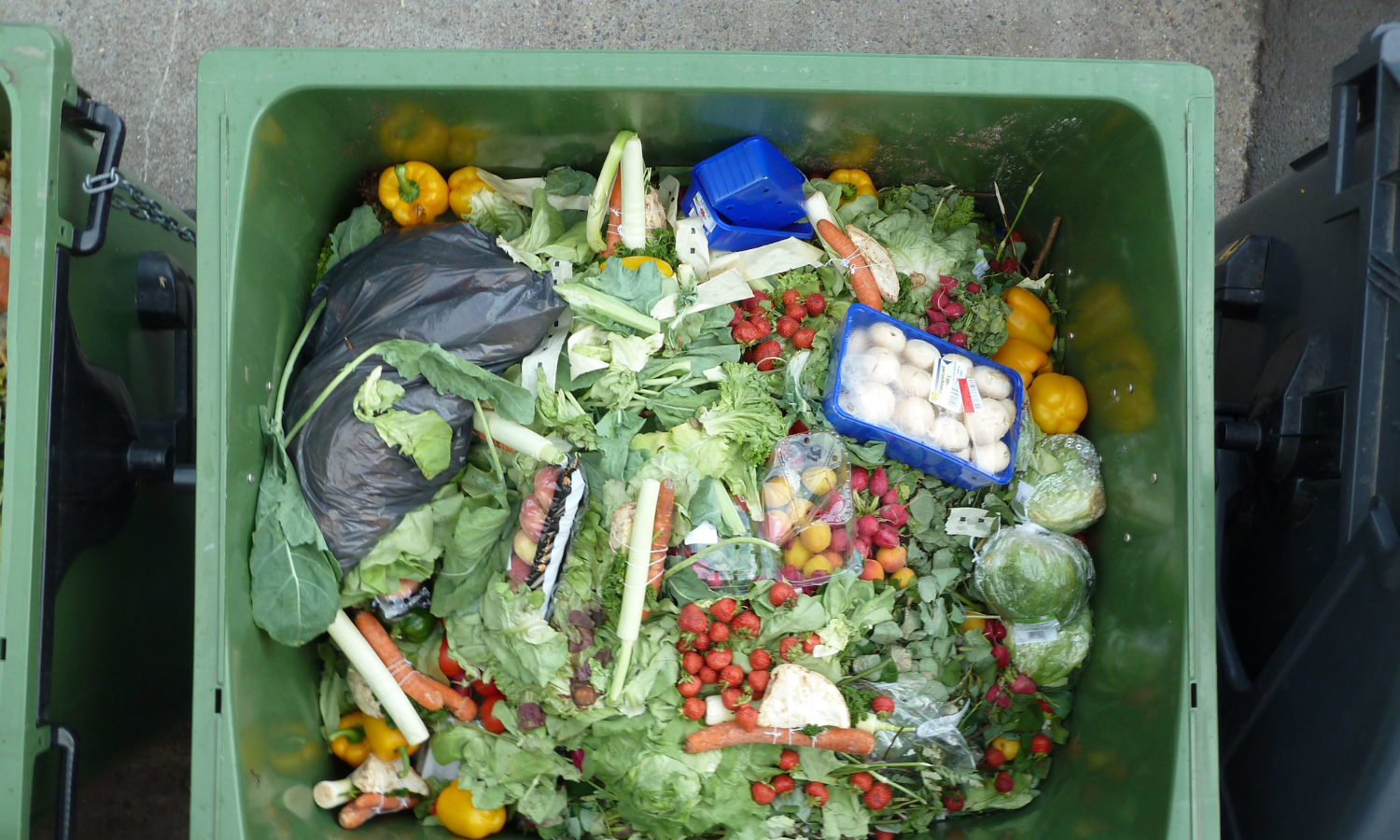
International experience suggests that food loss and waste (FLW) is not a problem that can be resolved through a single policy measure. Effective action requires institutions capable of coordinating stakeholders, data that can identify where losses occur, regulations that do not create unnecessary barriers, and mechanisms that allow businesses and communities to participate.
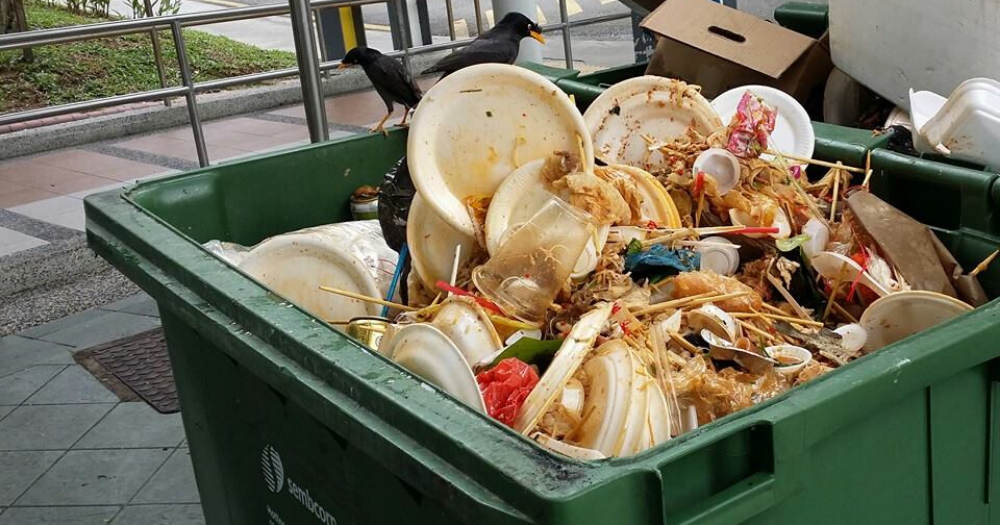
Food loss and waste are emerging as major bottlenecks in global agrifood systems, with large quantities of food lost or discarded despite the land, water, energy and labor invested in producing it. In Viet Nam, the issue not only diminishes the value of agricultural products but also generates substantial economic, environmental and social costs. Research on selected value chains shows that food losses occur throughout the chain, from production and harvesting to transportation, post-harvest handling and storage, while food waste continues to arise at the retail, food service and household levels. A clear understanding of the current situation is essential for Viet Nam to further strengthen its policies to reduce food loss, curb food waste and improve the efficiency of the agrifood system as a whole.

Resolution No. 36/2026/NQ-CP and new regulations on growing-area codes (GACs) and packing-facility codes (PFCs) are prompting changes in how these codes are managed, registered, and maintained. At a training session on implementation of the new regulations held on August 20, government officials and experts focused on procedural changes, requirements for digitizing records, and the supporting role of agricultural extension services at the local level.