



 The national conference on fisheries science, technology and fisheries surveillance 2026 is being organized to assess the current state of scientific and technological development in the sector, providing a scientific basis for defining major orientations for science, technology and innovation. The event will also support the development of mechanisms, policies and key tasks to advance the fisheries sector, contributing to both sectoral and national economic growth in the 2026–2030 period, with a vision to 2035.
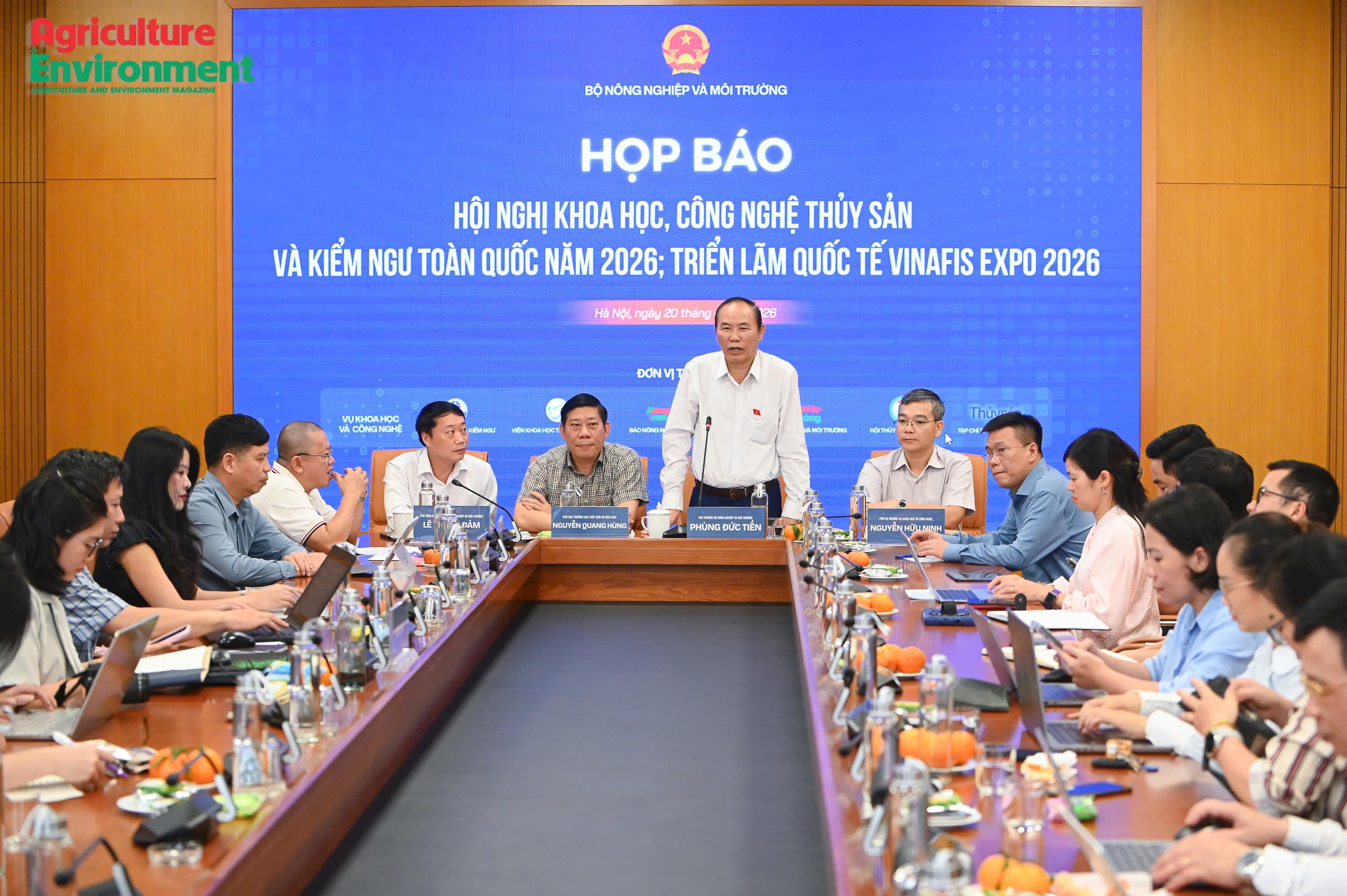
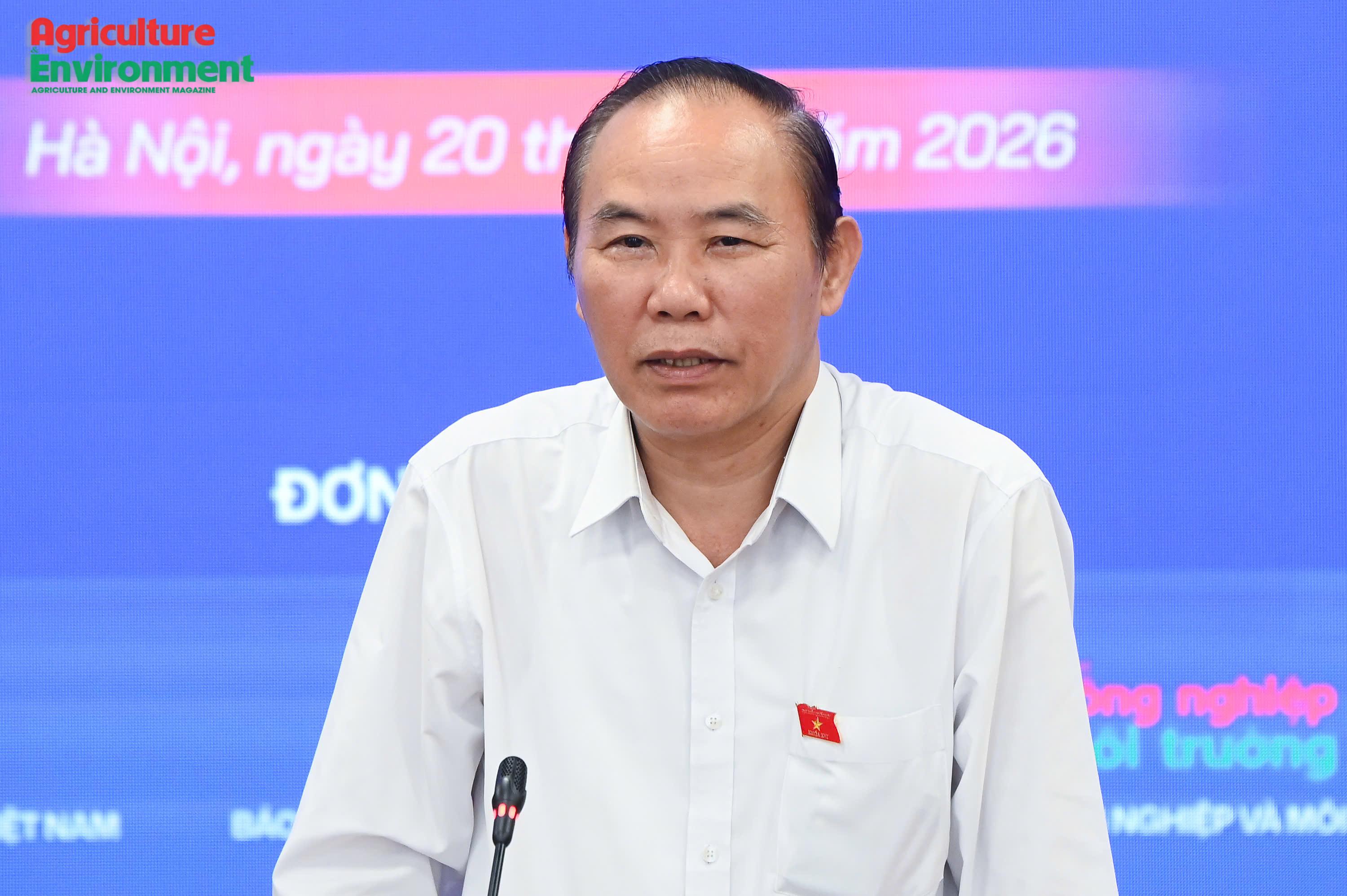
On April 20, in Hanoi, the Ministry of Agriculture and Environment held a press briefing to announce the conference, a key event for the fisheries sector in its new development phase. Deputy Minister of Agriculture and Environment Phung Duc Tien chaired the briefing.
The conference is scheduled to take place on April 27–28, 2026, in Ho Chi Minh City, bringing together around 300 participants, including policymakers, scientists, businesses and domestic and international organizations, as well as farmers and fishers directly engaged in the sector.
Technology–production link key to meeting growth targets
Opening the press briefing, Deputy Minister Phung Duc Tien said that as the agriculture sector targets growth of 3.6–3.7% and export turnover of $73–74 billion, science and technology are not only a driving force but also decisive in improving the quality of growth.
For fisheries, despite challenges in 2025, the sector is aiming for output of 9.25 million metric tons and export turnover of $11.32 billion. Achieving these targets requires stronger application of science and technology across the value chain, from aquaculture and processing to management and markets.
“This conference must not only serve as an academic forum but also act as a bridge linking research with production and business, and connecting technology with markets, thereby directly promoting growth and exports,” he said.
The Ministry said the conference will be held in Ho Chi Minh City, a major trade and fisheries hub of the Mekong Delta, which contributes 65–70% of the country’s fisheries export value. The location is expected to facilitate regional linkages and strengthen the connection between science and production.
Although preparations are largely complete, the Deputy Minister urged organizers to thoroughly review all aspects, including scientific content, reception, logistics and event arrangements, to ensure the conference is conducted professionally and effectively.
Nguyen Huu Ninh, Deputy Director of the Department of Science and Technology under the Ministry of Agriculture and Environment, said that in the coming period, fisheries science, technology and innovation will focus on developing disease-free, fast-growing key aquatic species; applying high technology, biotechnology and digital technology; promoting smart aquaculture; modernizing capture fisheries and reducing post-harvest losses; and advancing circular and green economy models in fisheries.
The conference will provide a comprehensive overview of the latest scientific and technological advances domestically and internationally, covering key areas such as aquaculture, aquatic nutrition, biotechnology, disease management, resource protection, capture fisheries, preservation, processing and sustainable fisheries development.
Beyond reviewing and assessing progress, these discussions will serve as an important practical basis for shaping the key science and technology program for 2026–2030, aimed at sustainable, circular and digitally driven fisheries development.
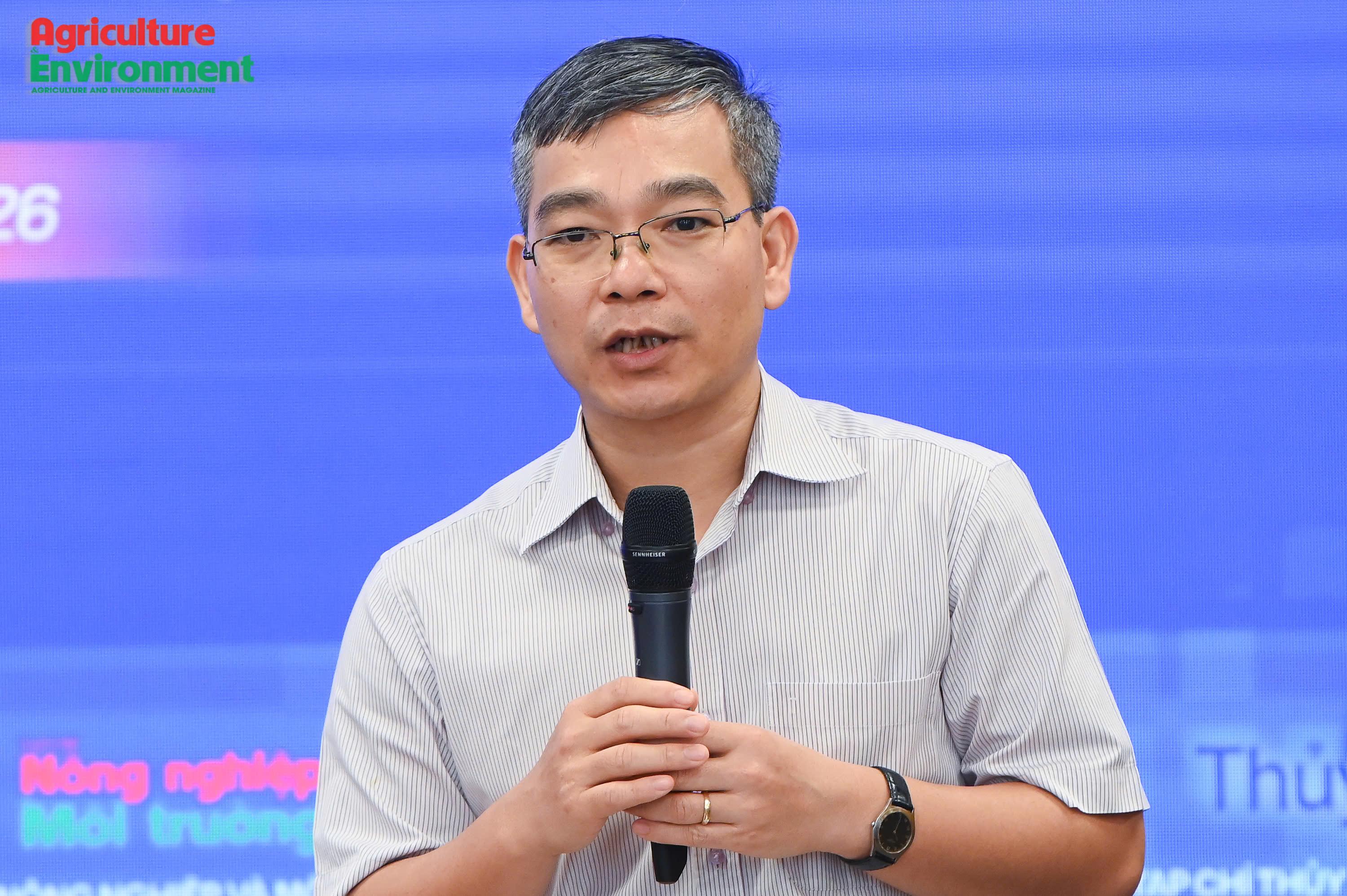
According to Deputy Director Nguyen Huu Ninh, the afternoon session will be divided into four subcommittees. The first and second subcommittees will focus on two key commodities—pangasius and shrimp (black tiger shrimp and whiteleg shrimp)—covering the full value chain from broodstock and seed production to farming, processing and trade. The third subcommittee will address marine aquaculture, identified as a breakthrough area linked to the application of modern technologies to improve efficiency and ensure sustainable development. The fourth will focus on conservation and exploitation of marine resources, with an emphasis on reducing post-harvest losses and increasing product value.
Following the discussions, the conference will consolidate outcomes, host brief presentations and hold a plenary session to agree on future directions for aquaculture and fisheries surveillance.
“Three-party linkage” seen as core to innovation ecosystem
A key highlight of the conference is promoting dialogue, experience sharing and the dissemination of effective models among stakeholders across the sector. Strengthening linkages among the “three pillars”—state management agencies, scientists and businesses—is seen as critical to building a sustainable development ecosystem. This cooperation is expected to reduce production risks, enhance competitiveness, increase added value and promote deeper sectoral development.
As part of the conference, the first Viet Nam International Fisheries Science and Technology Exhibition (VinaFis Expo 2026) will take place from April 28–30, 2026, at the Saigon Exhibition and Convention Center (SECC) in Ho Chi Minh City. The exhibition will provide a platform for policymakers, scientists, businesses, organizations and fishers to connect, share knowledge and facilitate technology transfer.
The event is jointly organized by the Ministry of Agriculture and Environment and the Vietnam Fisheries Society (VinaFIS). It is the first exhibition to cover the entire fisheries sector, creating opportunities for domestic and international organizations and businesses to connect and conduct trade across the value chain, from capture and aquaculture to processing and consumption.
The exhibition is expected to attract nearly 200 exhibitors, about 40% of which will be international businesses and buyers. Participants will include representatives of the Embassy of the Netherlands and regional fisheries associations such as the China Fisheries Association (CFA), the Malaysia Aquaculture Development Association (MADA) and the Indonesian Aquaculture Society (IAS), contributing to the development of a sustainable fisheries cooperation ecosystem and promoting the application of science and technology across the global value chain.
Nguyen Huu Dung, Secretary General of the Vietnam Fisheries Society, said a highlight of Vietfish Expo 2026 will be the participation of fisheries associations from countries around the South China Sea, including Malaysia, Indonesia, the Philippines and China.
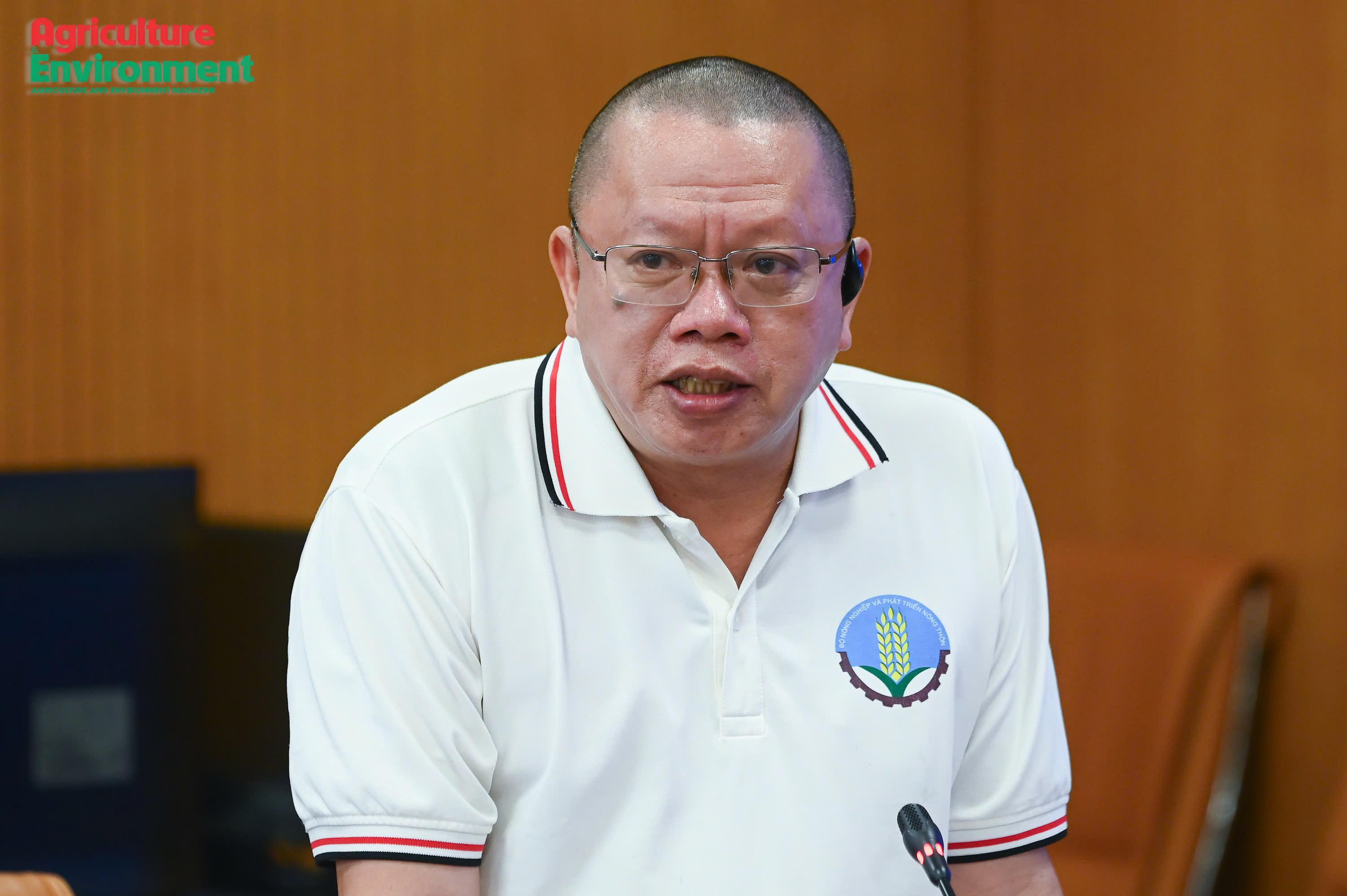
The organizers have also invited numerous international buyers, with a particular focus on the Chinese market, which has strong demand for Viet Nam’s live seafood. The exhibition is expected to serve as an effective bridge between buyers and sellers, helping expand market access for products such as eel and crab, while facilitating trade agreements to be signed at the event.
In addition to trade promotion activities, a fish release ceremony will take place on the afternoon of April 27, organized by the Ho Chi Minh City Department of Agriculture and Rural Development, with participation from various international organizations. The activity aims to protect the environment, replenish aquatic resources and promote sustainable development.
Amid the need for rapid yet sustainable development, climate change adaptation and deeper international integration, strengthening the “three-party linkage” alongside an innovation ecosystem will be key to achieving the sector’s goals. The directions and solutions agreed at the conference are expected to provide an important foundation for shaping the development of Viet Nam’s fisheries sector toward modernization, efficiency and enhanced competitiveness in the 2026–2030 period, with a vision to 2035.
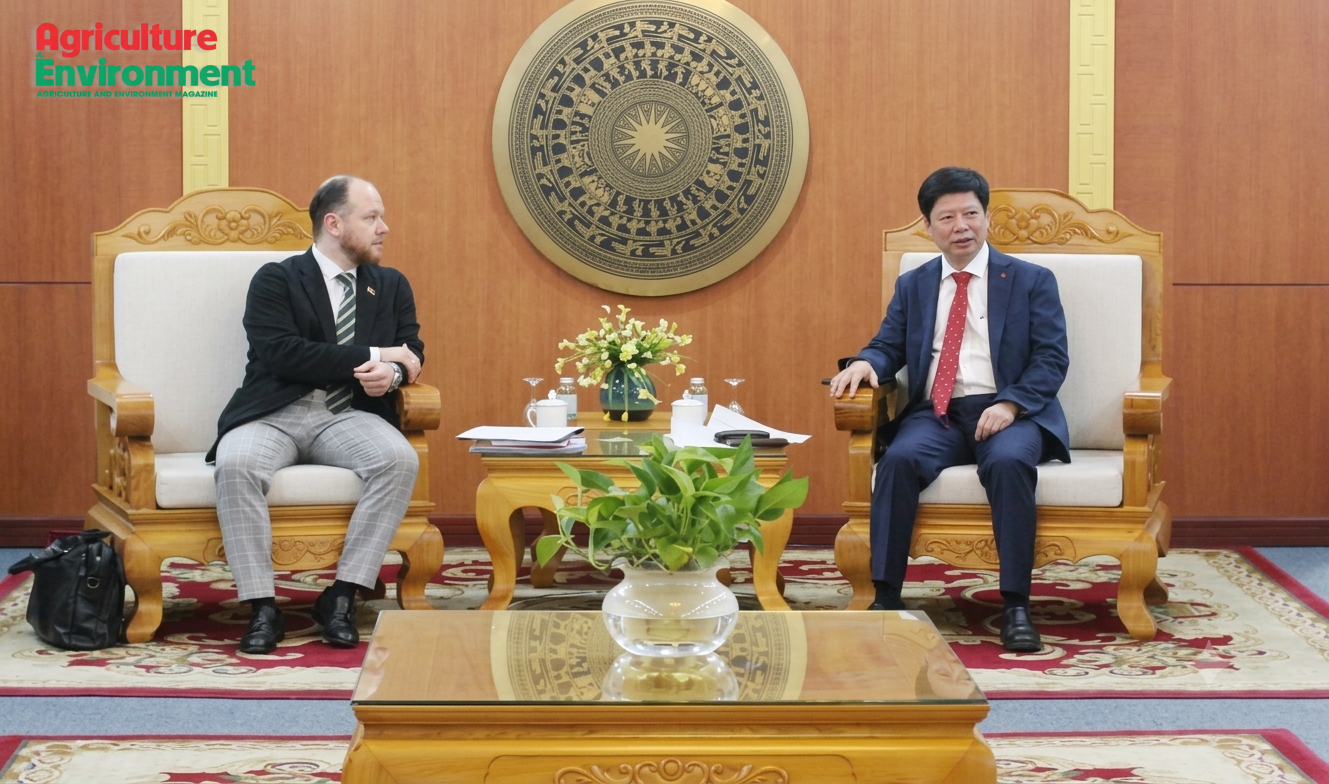
The licensing of four Belarusian companies to export boneless beef to Viet Nam, with the first shipment entering the Vietnamese market in April 2026, marks a concrete result in efforts to address market-access procedures between the two countries. In the opposite direction, the number of Vietnamese companies authorised to export meat and seafood to the Eurasian Economic Union (EAEU) is only about one-sixth the number of Belarusian companies authorised to export to Viet Nam, pointing to further scope for addressing technical barriers and expanding market opportunities for Vietnamese agricultural products.
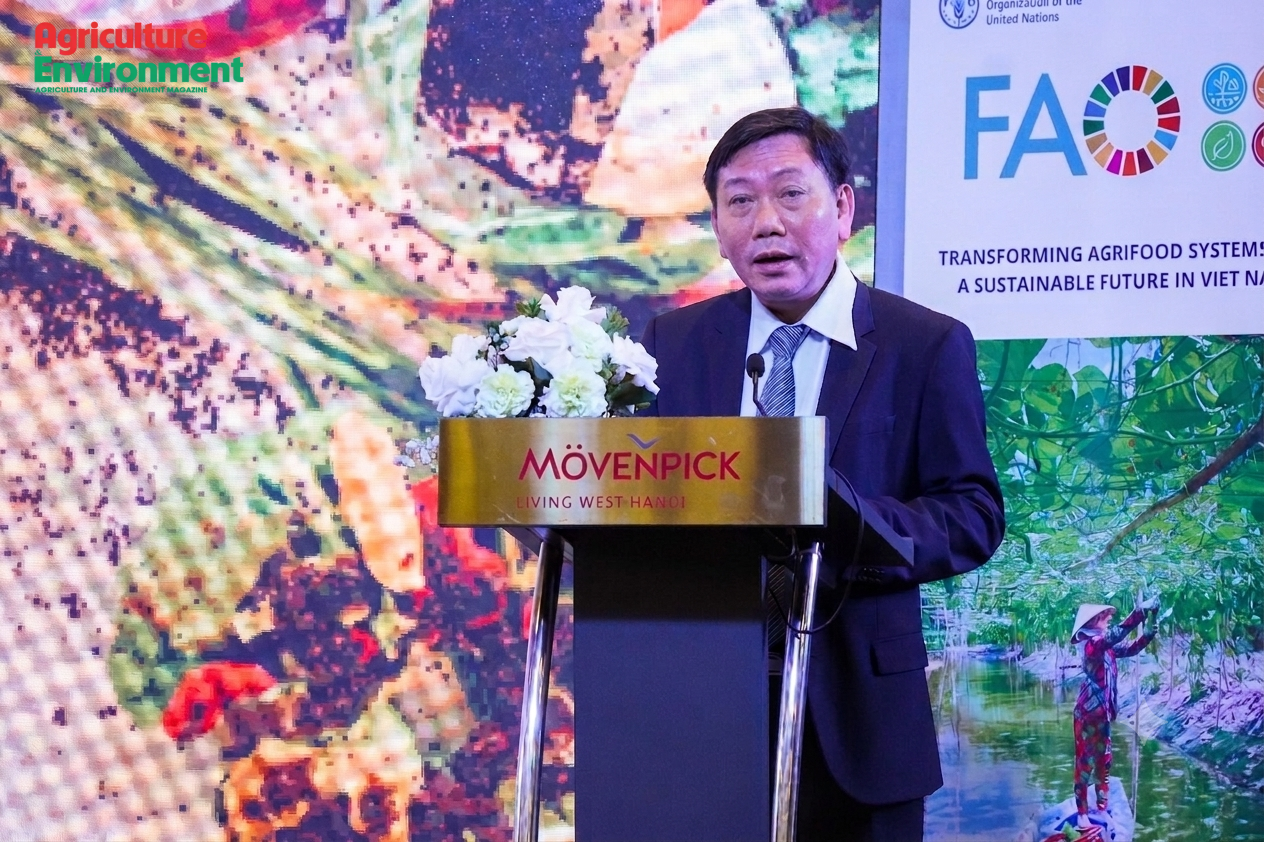
Reducing food loss and waste is not only about preventing food from being discarded. It also requires retaining and circulating value throughout the food system, from production and processing to distribution and consumption.
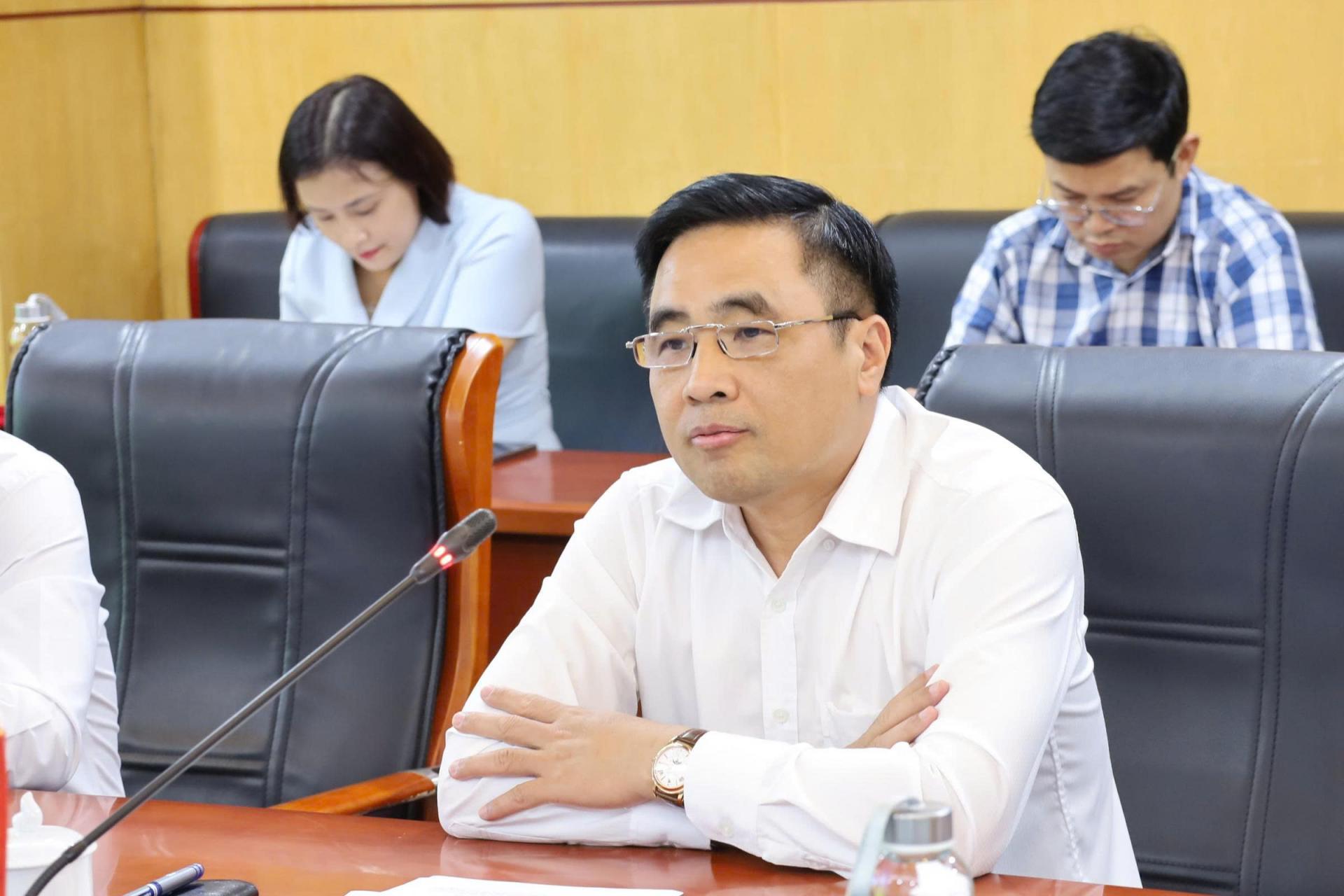
The August 18 meeting between Deputy Minister of Agriculture and Environment Nguyen Quoc Tri and Uruguay’s Deputy Minister of Livestock, Agriculture and Fisheries Matías Carámbula highlighted market access and balanced interests in agricultural trade between the two countries. These issues are directly relevant to translating bilateral cooperation priorities into concrete outcomes.
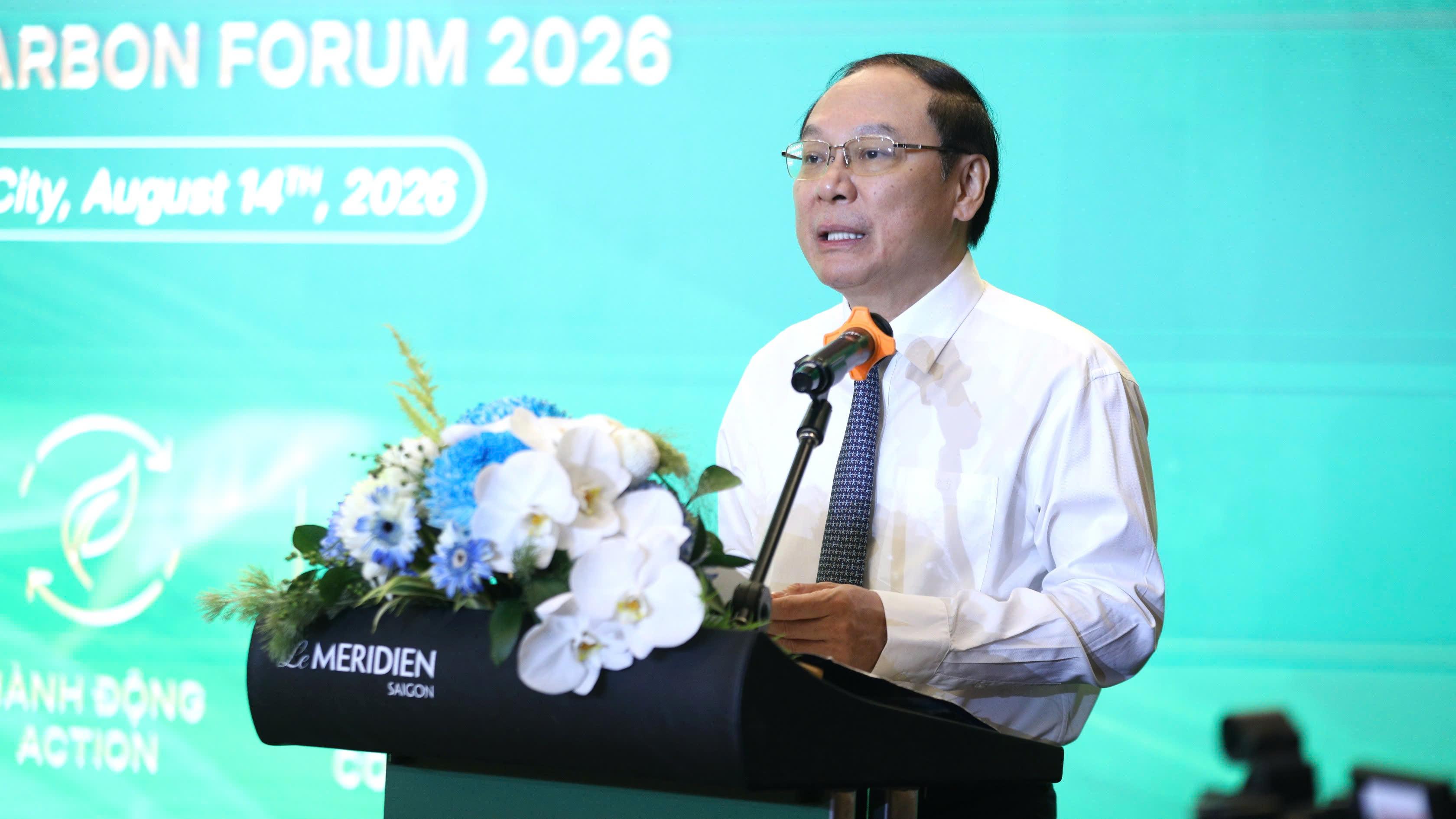
The "Viet Nam Carbon Forum 2026: From policty to action", held in Ho Chi Minh City on August 14, highlighted the carbon market’s transition into a new phase, with the legal framework being progressively completed, the domestic carbon exchange entering pilot operation and businesses facing growing pressure to make emissions reductions part of their business strategies.
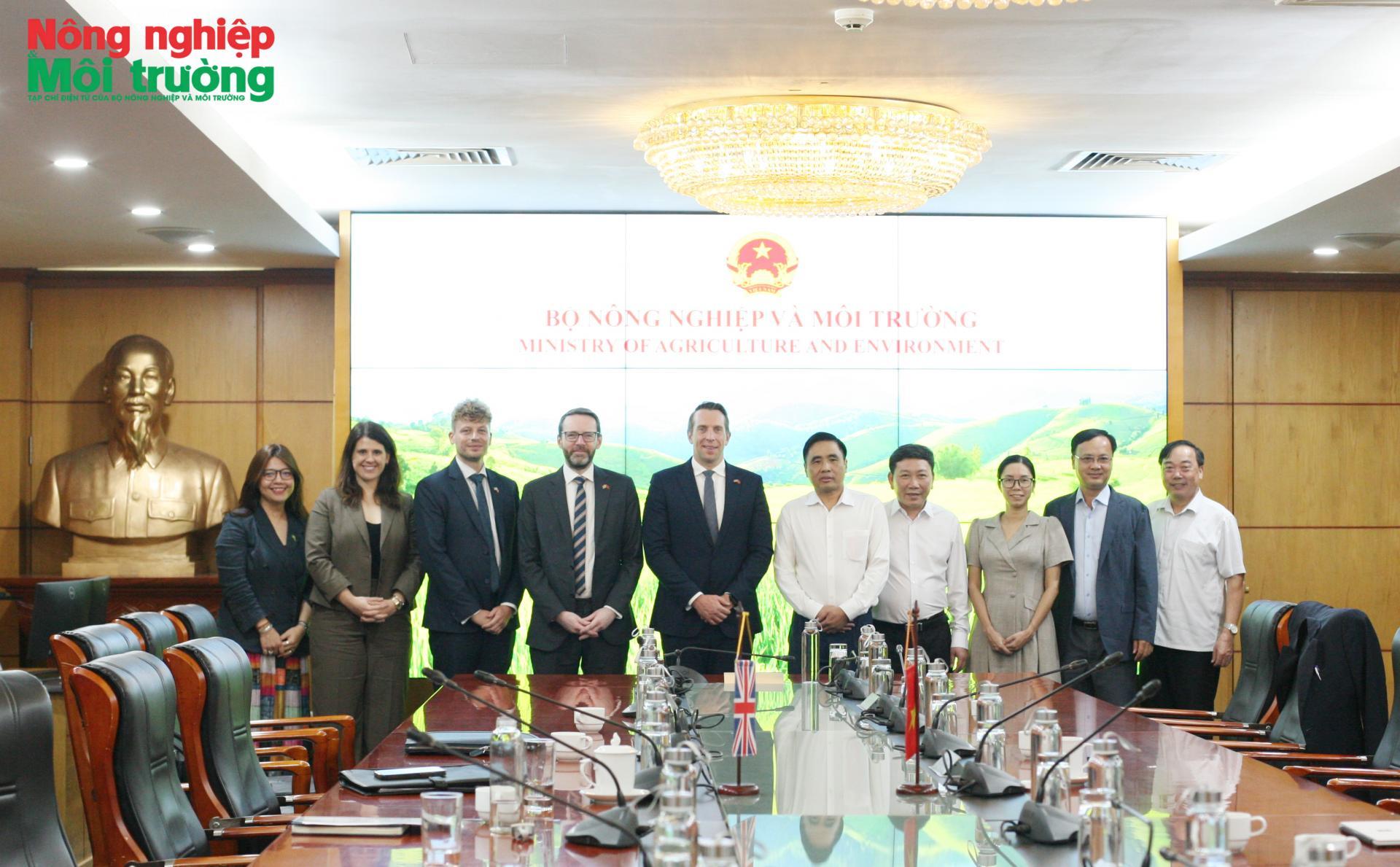
Viet Nam and the United Kingdom are stepping up coordination to expand market access for agricultural, forestry and fishery products, as bilateral trade in these sectors reached about US$1.16 billion in 2025, up 20% from the previous year.