



 A first-quarter growth rate of 3.5–3.7% and export turnover of $16.69 billion reaffirm the resilience of Viet Nam’s agriculture and environment sector. Yet emerging pressures—from weakening export momentum to rising standards in global markets—are exposing structural constraints and underscoring the need for a transition toward a more innovation- and data-driven growth model. The first-quarter review conference held on April 2 marked not only an assessment point, but also the starting line for a critical policy acceleration phase in Q2 2026.
Holding the line: Growth under external pressure
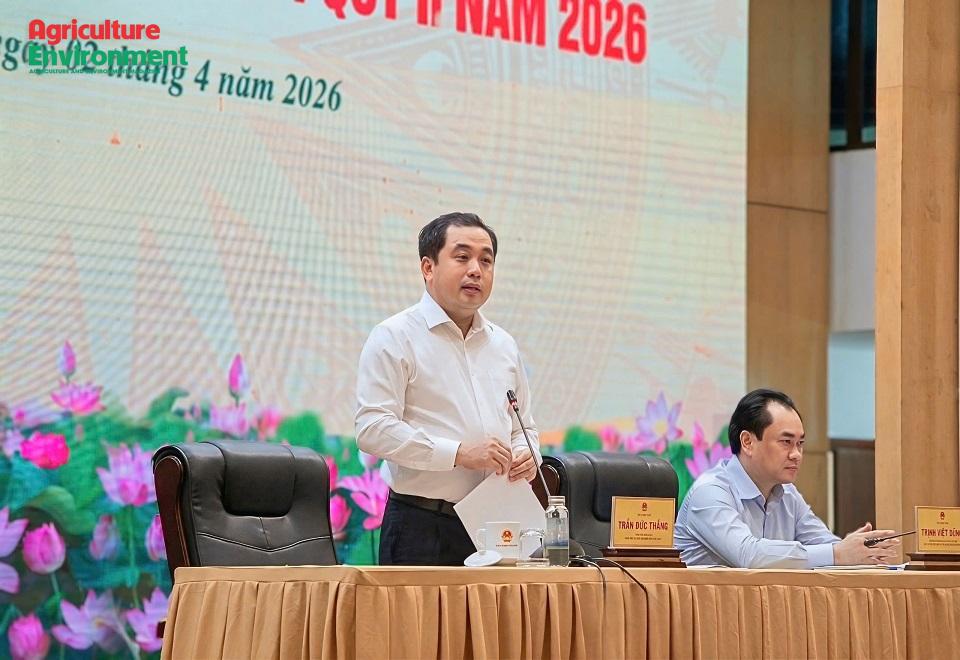
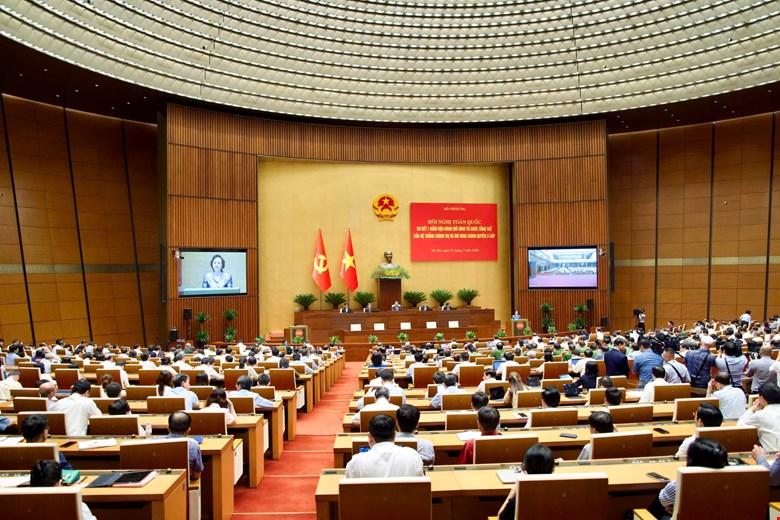
On April 2, 2026, the Ministry of Agriculture and Environment convened its first-quarter review conference and outlined priority tasks for the second quarter at a pivotal juncture in a new development cycle. This was the first quarter of implementing the 2026–2030 Socio-Economic Development Plan, while also serving as a preparatory phase for the first session of the 16th National Assembly and the consolidation of the Government for the 2026–2031 term. These institutional milestones require sectoral governance not only to remain responsive to short-term targets but also to lay the groundwork for long-term growth.
In his opening remarks, Permanent Deputy Minister Trinh Viet Hung emphasized the need for “objective and comprehensive assessments” of first-quarter performance. He called on all units to clearly identify shortcomings, underlying causes, and constraints in order to formulate policy responses for April and the second quarter. Importantly, this directive goes beyond data reporting, placing greater emphasis on strengthening policy analysis to support more effective decision-making under increasingly volatile conditions.
In practice, the first quarter of 2026 unfolded under unfavorable global conditions. Ongoing tensions in the Middle East continued to affect energy prices, transportation costs, and global supply chains, with spillover effects on agricultural markets. At the same time, major import markets—including the United States, the European Union, and China—have tightened requirements on traceability, environmental standards, and food safety. These evolving standards are compelling exporting countries, including Viet Nam, to adjust both production practices and regulatory systems.
Domestically, despite political stability and clear development orientations, the sector continues to face structural constraints. Legislative reforms—particularly amendments to the Land Law, the Law on Environmental Protection, and the Law on Marine and Island Resources and Environment—remain underway. Meanwhile, administrative reform, decentralization, and improvements in inter-agency coordination have become increasingly urgent.
In his concluding remarks, Minister Tran Duc Thang underscored the need to accelerate the implementation of key priorities starting in the second quarter, particularly as export turnover in March showed signs of decline compared to the first two months of the year. Without timely and effective policy responses, the sector’s growth targets for 2026 could face significant challenges.
Taken together, these developments suggest that the sector is entering a deeper phase of structural transition. Whereas growth in previous periods relied largely on expanding production scale and resource exploitation, future growth will need to be increasingly driven by science, technology, innovation, and data. The issues discussed at the conference—from sectoral data systems and traceability to strategic technologies—indicate that this transition is already taking shape in concrete policy actions.
In this context, the first quarter of 2026 can be seen as a “foundation-building” phase, while the second quarter—according to Minister Tran Duc Thang—will be a period of acceleration, where policy measures must be implemented decisively to generate tangible outcomes, particularly in exports, digital transformation, and climate response.
Growth under constraint: Why institutional reform still matters
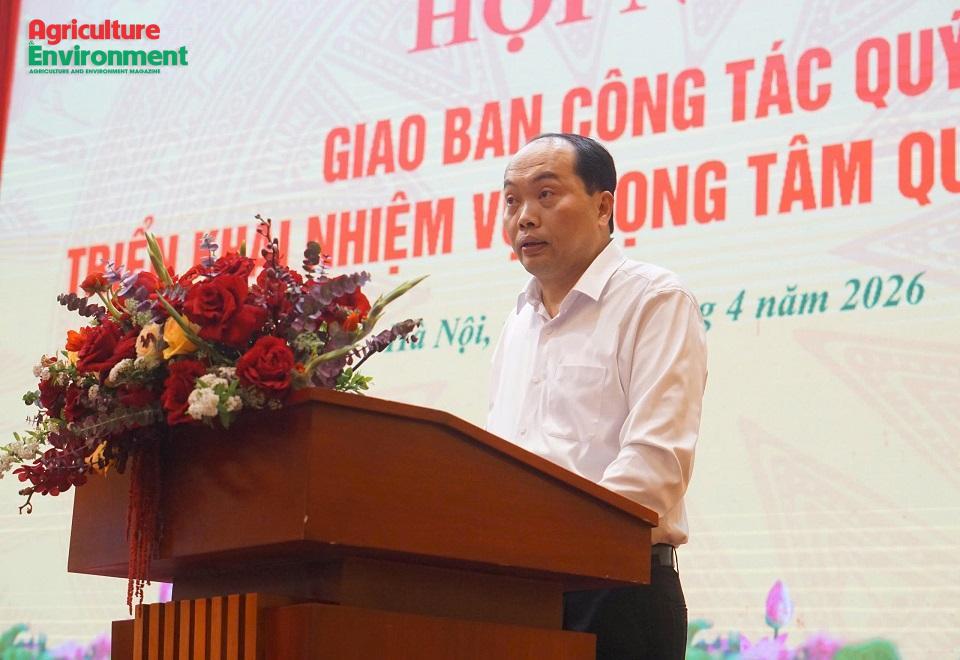
A report presented at the conference by Nguyen Xuan Chinh, Deputy Chief of the Ministry Office, shows that the agriculture and environment sector maintained stable growth in the first quarter of 2026, with an estimated growth rate of 3.5–3.7%, consistent with planned scenarios. This performance, achieved despite multiple external headwinds, continues to reaffirm the sector’s role as a key pillar of the national economy.
Across production subsectors, most key commodities maintained growth. The Winter–Spring rice cultivation area reached approximately 2.91 million hectares, with output estimated at 3.64 million tons, ensuring both domestic food security and export supply. Livestock production continued to recover, with pork output reaching 1.44 million tons, up 4.9% year-on-year, and poultry output reaching 660.8 thousand tons, up 5.8%. In forestry, newly planted forest area totaled 50.5 thousand hectares, while timber output reached 4.34 million cubic meters. Total fisheries production was estimated at 2.18 million tons, up 3.2%.
These figures suggest a relatively stable production base across agriculture, forestry, and fisheries, supported by early and proactive policy direction. Notably, in response to global uncertainties, the Ministry convened a sector-wide conference on March 12, 2026, to develop growth scenarios. Based on this, Minister Tran Duc Thang directed a range of measures aimed at controlling input costs, maintaining supply chains, and stabilizing markets—contributing to the sector’s ability to sustain growth in the first quarter.
In trade, exports continued to be a key driver. Total export turnover for agriculture, forestry, and fisheries reached $16.69 billion in the first quarter, up 5.9% compared to the same period in 2025. Imports totaled $11.9 billion, resulting in a trade surplus of $4.78 billion, up 12%. This represents a positive outcome in the context of a challenging global trade environment.
However, discussions at the conference also highlighted emerging risks. Minister Tran Duc Thang noted that export turnover in March declined compared to January and February, indicating that growth momentum may not yet be fully stable. Without timely policy adjustments, full-year growth targets could be affected.
At the subsector level, several specific constraints were identified. Duong Tat Thang, Director General of the Department of Animal Health and Production, reported that feed prices have increased by approximately 5–7%, raising production costs and affecting profitability for both enterprises and farmers. In fisheries, Tran Dinh Luan, Director General of the Directorate of Fisheries and Fisheries Surveillance, emphasized that combating illegal, unreported, and unregulated (IUU) fishing remains a central task, particularly in response to stringent requirements from the European Commission on traceability and vessel management.
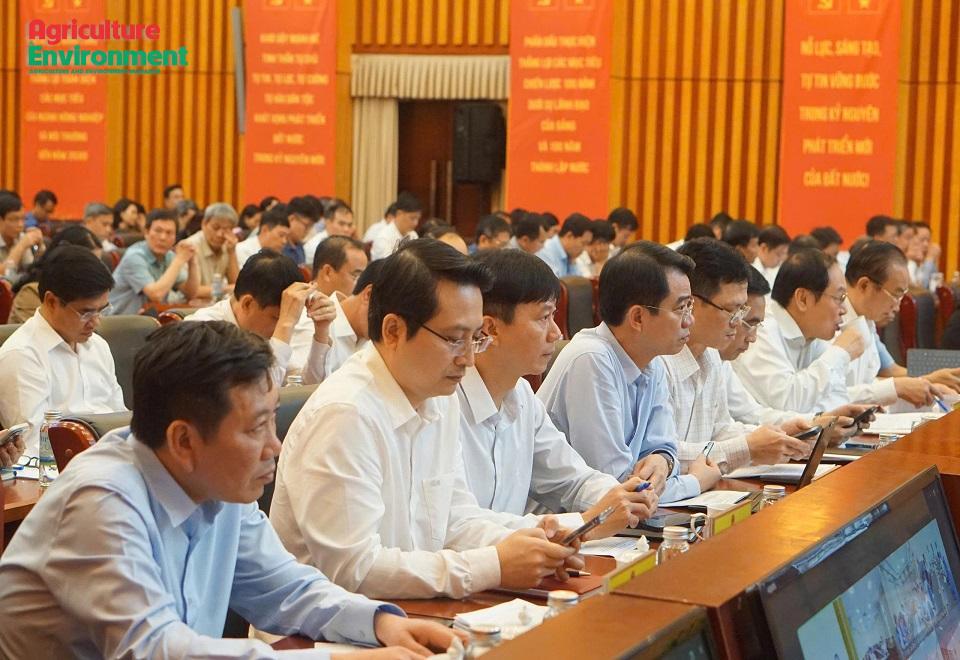
From a broader governance perspective, Minister Tran Duc Thang identified six key achievements in the first quarter: decisive and proactive policy direction; continued institutional development; progress in public administration reform and digital transformation; stable growth in agricultural production; strengthened science and technology activities; and early preparedness for disaster prevention and climate response.
At the same time, he candidly acknowledged persistent shortcomings. Policy forecasting and responsiveness remain limited in certain areas, while coordination among units has not always met expectations. These issues highlight the need to further improve governance mechanisms and strengthen accountability across the system.
Overall, while the first quarter results demonstrate stability under pressure, emerging signals from markets and production costs suggest that growth space is becoming more constrained. This underscores the need for faster, more coordinated, and more effective policy implementation in the second quarter.
From input expansion to innovation-led growth
One of the most notable themes emerging from the conference is the increasingly central role of science, technology, innovation, and digital transformation in shaping a new growth model for the sector.
A report from the Department of Science and Technology, presented by Director General Nguyen Van Long, indicates that the implementation of Resolution No. 57-NQ/TW has yielded initial results of a systemic nature. Rather than remaining at the level of strategic orientation, implementation has progressed into concrete actions with defined targets.
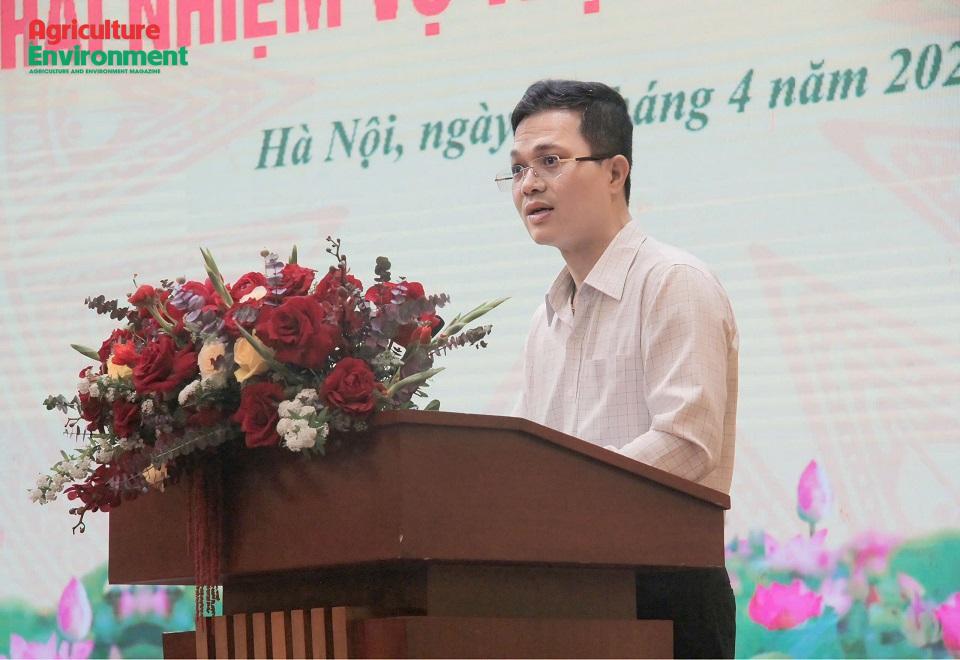
As of the end of March 2026, the Ministry had been assigned a total of 88 tasks related to the resolution, including 33 carried over from 2025 and 55 newly assigned for 2026. In the first quarter alone, five tasks were scheduled and all five were completed on time. This reflects a proactive approach to implementation and a growing effort to position science and technology as a substantive pillar of sectoral governance.
A key foundational component is the development and integration of sectoral data systems. To date, 11 out of 12 specialized databases have been connected and synchronized with the National Data Center (C12), including databases on land, hydrometeorology, environment, fisheries, crop production, and remote sensing. This represents a significant step toward establishing a data-driven governance system that enables information sharing across sectors and supports real-time policy decision-making.
However, technical bottlenecks remain. In the case of aquaculture databases, integration with national systems depends on data cleaning and reconciliation with population databases. This highlights that digital transformation is not only a matter of technological infrastructure but also of data standardization and inter-agency coordination.
At the same time, the development of an agricultural traceability system is being implemented according to a defined roadmap. The system has largely been completed and is currently being piloted for durian products from January 1, 2026 to June 30, 2027. Based on the results of this pilot phase, the Ministry plans to expand implementation to other agricultural and food products from July 2026. This system is expected to play a critical role in meeting international requirements for supply chain transparency while also strengthening domestic management.
Beyond data infrastructure and traceability, the identification of strategic technologies has been prioritized. The Ministry has conducted broad consultations with local authorities, enterprises, and the scientific community, engaging more than 50 experts both domestically and internationally. Proposed priority areas include crop and livestock breeding, input materials, and technologies for harvesting, storage, and processing.
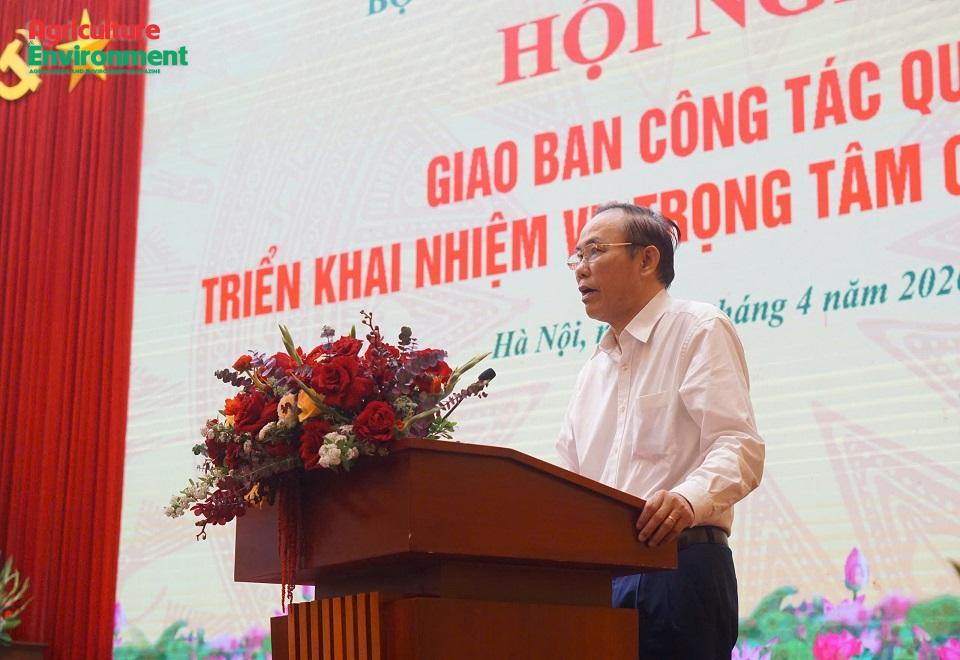
Speaking at the conference, Deputy Minister Phung Duc Tien emphasized the need to strengthen the linkage between scientific research and practical application. He highlighted that clearly defining inputs, evaluation processes, and application pathways is essential to ensuring the effectiveness of research outcomes. This reflects a broader shift from academic-oriented research toward demand-driven innovation aligned with production and market needs.
From a governance perspective, Minister Tran Duc Thang identified science, technology, innovation, and digital transformation as one of the six key achievements of the sector in the first quarter. He also called for continued efforts to develop a comprehensive sectoral data ecosystem as a foundation for improving state management and promoting sustainable development.
Taken together, these developments suggest that the sector has begun to establish the core components of an innovation ecosystem. The challenge ahead lies in translating these foundational elements into tangible outcomes, particularly in terms of productivity, product quality, and international competitiveness.
Climate adaptation and resource governance: From reactive response to proactive risk management
Alongside production and technological transformation, the conference devoted considerable attention to natural resource governance, environmental protection, and climate change adaptation—policy domains that are increasingly central to both growth sustainability and systemic resilience.
Addressing the conference, Deputy Minister Nguyen Hoang Hiep underscored that disaster risk management and water security will remain priority areas throughout 2026. In a context where extreme heat and drought are projected to intensify, the allocation and regulation of water resources for agricultural production and domestic use must be carried out through coordinated, cross-sectoral mechanisms. In particular, he emphasized the need for close alignment between the Ministry of Agriculture and Environment, the Ministry of Industry and Trade, and the national power sector. Without such coordination, policy implementation risks fragmentation and operational inefficiencies.
The principle of acting “early and proactively” was reaffirmed as a guiding approach. Rather than relying on reactive responses, agencies are expected to review preparedness plans, inspect critical infrastructure, and ensure operational readiness from the outset of the year. This reflects a broader transition from response-based disaster management toward anticipatory risk governance.
In the environmental domain, Deputy Minister Le Cong Thanh reported that the revised Law on Environmental Protection is being finalized, with reforms aimed at strengthening decentralization while enhancing inspection and oversight mechanisms. At the same time, he called for stricter control over projects with high pollution risks, emphasizing that economic development must be aligned with environmental integrity and ecosystem protection.
A notable policy direction is the gradual establishment of a domestic carbon market. Viet Nam is preparing the necessary institutional and technical conditions for its operation starting in 2026. This mechanism is expected to serve as a key economic instrument for reducing greenhouse gas emissions while mobilizing financial resources for climate adaptation and environmental protection. However, as highlighted at the conference, the effectiveness of the carbon market will depend on regulatory clarity, institutional capacity, and the readiness of participating stakeholders.
From a resource management perspective, the report of the Vietnam Department of Geology and Minerals, presented by Director Tran Binh Trong, indicated that geological baseline surveys and mineral resource management continue to be implemented in a coordinated manner. Strategic programs, including the assessment of rare earth potential, are being advanced to support long-term socio-economic planning and ensure sustainable resource utilization.
Nonetheless, several structural challenges persist. Illegal mining activities continue to occur in certain localities, while overlaps in regulatory provisions—particularly those related to resource taxation and extraction rights—remain unresolved. Addressing these issues will require further institutional refinement, alongside the application of digital technologies to strengthen monitoring and enforcement.
Taken together, the discussions suggest that the sector is gradually moving toward a more integrated and forward-looking policy framework—one that combines scientific evidence, data systems, and market-based instruments to manage climate and resource-related risks more effectively.
Agricultural trade and global integration: Navigating short-term pressures, repositioning for the long term
Export performance and international integration emerged as key themes of discussion, reflecting both their strategic importance and the growing uncertainties of the global economic environment.
According to consolidated reports, total agricultural, forestry, and fisheries exports in the first quarter of 2026 reached USD 16.69 billion, representing a 5.9 percent increase year-on-year. Imports were estimated at USD 11.9 billion, resulting in a trade surplus of approximately USD 4.78 billion, up 12 percent compared to the same period in 2025. These figures reaffirm the sector’s role as a critical pillar of the national economy.
However, in his concluding remarks, Minister Tran Duc Thang noted that export growth began to show signs of deceleration in March, with turnover declining compared to January and February. This trend reflects the broader impact of geopolitical tensions in the Middle East, which have disrupted global supply chains, driven up logistics and energy costs, and weakened demand in key markets.
In this context, the second quarter of 2026 is identified as a decisive period for regaining growth momentum. The sector has set a target of exceeding USD 73 billion in export value for the full year, a goal that will require not only maintaining production levels but also enhancing product quality, increasing value addition, and improving compliance with increasingly stringent international standards.
From a sectoral management perspective, Deputy Minister Phung Duc Tien emphasized the importance of closely monitoring developments in major markets such as the United States and China, while proactively developing response scenarios to address potential trade policy shifts and technical barriers. As informal cross-border trade channels become more restricted, a transition toward formal export mechanisms—anchored in traceability and product standardization—has become essential.
The report of the Plant Production and Protection Department, presented by Director Huynh Tan Dat, highlighted positive developments in market expansion. High-value commodities such as tea, pepper, mango, dragon fruit, and longan have maintained growth momentum, with some products recording increases exceeding 25 percent. At the same time, newly opened markets for pomelo and seedless lime in China, as well as expanded fresh fruit exports to Japan, are creating additional growth opportunities.
In the fisheries sector, according to the Department of Fisheries and Fisheries Surveillance, efforts to combat illegal, unreported, and unregulated (IUU) fishing remain a top priority, given their direct impact on access to the European market. Strengthening traceability systems from capture to processing and export is being prioritized, alongside the standardization of data management systems across central and local levels.
At the same time, international cooperation in fisheries is becoming increasingly complex. The United States is currently reviewing 11 fishing practices related to marine mammal protection, requiring Viet Nam to provide comprehensive data and demonstrate compliance with international regulations. This highlights that global integration now extends beyond market access to encompass governance capacity and regulatory alignment.
From a policy standpoint, Minister Tran Duc Thang called for a more proactive and strategic approach to international integration—one that goes beyond addressing immediate challenges to anticipating market trends, strengthening product branding, and enhancing overall competitiveness. This also requires closer coordination with the Ministry of Foreign Affairs and relevant agencies to address trade barriers and maximize the benefits of existing free trade agreements.
Accelerating reform and unlocking growth potential in Q2 2026
In concluding the conference, Minister Tran Duc Thang outlined a comprehensive set of priority tasks for the second quarter of 2026, emphasizing the need to accelerate implementation across all areas in order to meet annual growth targets amid an increasingly uncertain environment.
Institutional reform remains a central priority. Ministries and departments are required to expedite the development and submission of key legislative proposals, including amendments to the Land Law, the Law on Environmental Protection, and the Law on Marine and Island Resources and Environment. The guiding principle is to ensure both timeliness and quality, while proactively reviewing and eliminating unnecessary administrative procedures to remove bottlenecks for businesses and citizens.
Digital transformation is another critical focus. The Ministry aims to complete and formally announce the integration of sectoral databases with the National Data Center, establishing a foundation for more effective governance and policy implementation. At the same time, the rollout of agricultural traceability systems must be carried out in a coordinated manner, supported by communication and guidance to ensure participation from enterprises and farmers.
In the production sector, restructuring efforts will focus on enhancing value addition, leveraging comparative advantages, and strengthening product branding and quality standards. Building integrated value chains—from production to processing and market distribution—will be essential to improving competitiveness in international markets.
Public investment disbursement represents a significant challenge. With a total planned capital allocation of VND 6,699.5 billion for 2026, but a disbursement rate of only around 8 percent in the first quarter, there is considerable pressure to accelerate implementation in the coming months. Accountability of project leaders will be closely linked to performance outcomes.
Organizational restructuring is also being prioritized. Agencies are required to review their functions and responsibilities and propose restructuring plans aligned with the new government framework for the 2026–2031 term. This includes developing position-based staffing frameworks, streamlining the workforce, and improving the quality of civil servants and public employees.
At the same time, the Minister acknowledged several persistent shortcomings, including delays in policy forecasting and response in certain areas, ineffective coordination among units, and insufficient accountability among some officials. Strengthening administrative discipline and reinforcing leadership responsibility will therefore be critical in the next phase.
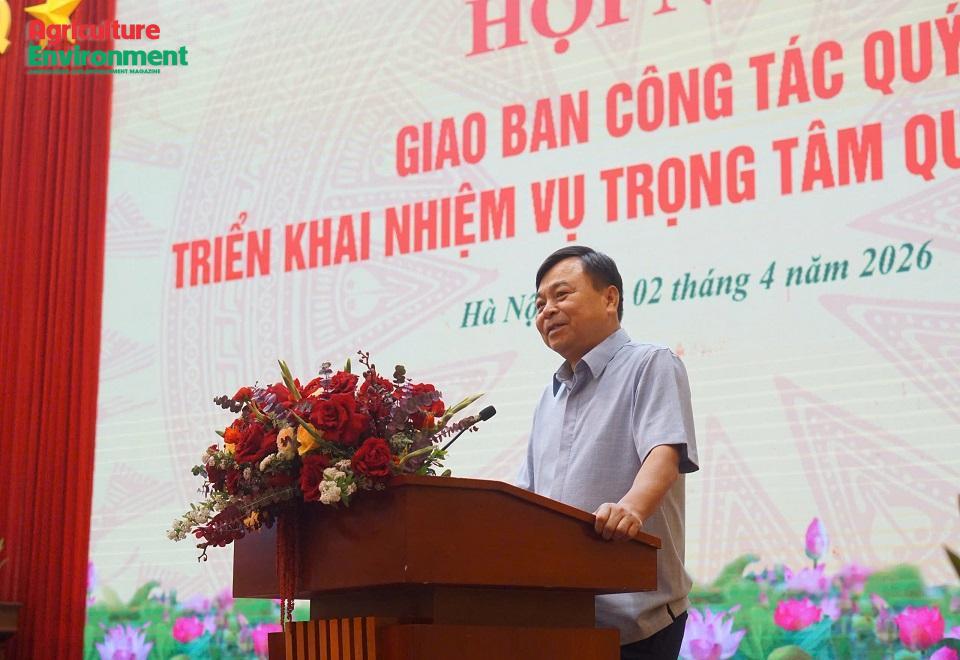
Complementing these overarching directions, Deputy Ministers provided more specific policy recommendations across key domains. Deputy Minister Trinh Viet Hung emphasized the need to improve the quality of assessment, forecasting, and policy formulation. Deputy Minister Nguyen Hoang Hiep called for stronger inter-sectoral coordination in water resource management and disaster risk reduction. Deputy Minister Le Cong Thanh highlighted the importance of leveraging technology and international experience in environmental governance. Meanwhile, Deputy Minister Phung Duc Tien stressed the need to enhance the effectiveness of science and technology application and to ensure food safety across value chains.
Taken together, these directions reflect a systemic approach to governance—one that combines the resolution of short-term challenges, such as sustaining growth and stabilizing exports, with the development of long-term foundations, including institutional reform, science and technology advancement, and digital transformation.
In the context of 2026 as a pivotal year in the 2026–2030 development cycle, policy decisions and implementation efforts in the second quarter will play a decisive role in shaping the sector’s overall trajectory. As Minister Tran Duc Thang emphasized, with a strong sense of unity and responsibility, the agriculture and environment sector must fully leverage its growth potential while building robust foundations for sustainable development in the longer term.
From growth stability to growth quality: Rethinking policy priorities
The first-quarter outcomes of 2026, as presented at the conference, suggest that the agriculture and environment sector has largely maintained stability despite a volatile external environment. Yet the discussions also point to a deeper and more fundamental question: is the current growth model adequate for emerging development demands, or does it require a more structural shift in both quality and composition.
In his concluding remarks, Minister Tran Duc Thang moved beyond acknowledging headline results to highlight a set of systemic constraints. Policy forecasting and responsiveness remain reactive in several areas; progress on institutional reform is uneven; and coordination across units has not consistently delivered the intended results. These issues are not new. However, under increasing development pressures, they are becoming more pronounced—and more consequential—as constraints on effective governance.
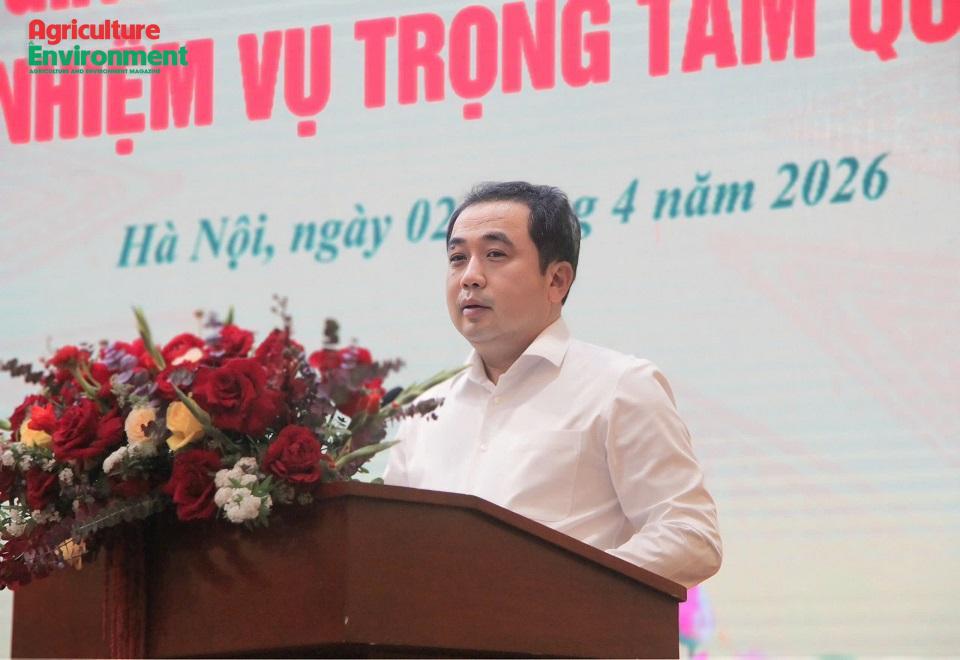
From this vantage point, the 3.5–3.7 percent growth recorded in the first quarter, while aligned with projections, warrants a cautious reading. The decline in export turnover in March, as noted by the Minister, signals that the sector’s growth momentum is still exposed to external shocks.
The implication is clear: maintaining growth is no longer sufficient. The policy focus must shift toward improving the quality of growth, with greater emphasis on value creation, productivity gains, and resilience.
A central theme emerging from the discussions is the relationship between science and technology and real-world production. The Department of Science and Technology reported full completion of assigned first-quarter tasks, alongside progress in key areas such as strategic technology identification, traceability systems, and data integration. However, as Deputy Minister Phung Duc Tien emphasized, performance should not be judged by output metrics alone. The real test lies in whether these initiatives translate into practical applications.
This highlights a structural disconnect that continues to challenge the sector: the gap between research and production, and between policy design and market realities. Without narrowing this gap, science and technology will struggle to serve as a true engine of growth.
A similar dynamic is evident in digital transformation. The integration of 11 out of 12 sectoral databases into the National Data Center represents tangible progress. Yet data systems only create value when they inform decision-making. This requires more than infrastructure—it demands a shift toward data-driven governance, where information actively shapes policy responses.
Beyond production and technology, the conference also reflected a broader evolution in policy thinking on climate change and resource management. The sector is gradually moving from reactive responses toward proactive adaptation, with economic instruments such as the carbon market entering the policy landscape. As Deputy Minister Le Cong Thanh noted, however, these tools will only be effective if supported by robust institutional frameworks, adequate management capacity, and informed participation from stakeholders.
Inter-sectoral coordination also emerged as a recurring concern. As emphasized by Deputy Minister Nguyen Hoang Hiep, challenges such as water resource management, disaster risk reduction, and energy coordination cannot be addressed in isolation. They require governance mechanisms that extend beyond traditional sectoral boundaries.
Taken together, these discussions suggest that the sector is entering a critical phase of transition. The first-quarter results provide a necessary baseline, but they do not, on their own, guarantee long-term sustainability.
What matters more is the sector’s ability to identify structural challenges early and adjust policy direction accordingly.
Accelerating implementation while building long-term capacity
The Ministry of Agriculture and Environment’s first-quarter review conference was more than a routine stocktaking exercise. Convened at the outset of the 2026–2030 development cycle, it offered a comprehensive assessment of where the sector stands—and where it needs to go.
The data presented outline a broadly positive picture. Growth has been maintained, food security ensured, and the sector continues to make a meaningful contribution to the trade balance. Progress has also been recorded in science and technology, digital transformation, and environmental management. At the same time, underlying vulnerabilities remain evident, ranging from global market uncertainties and climate pressures to institutional and coordination challenges within the system.
Against this backdrop, the call to “accelerate” in the second quarter and beyond emerged as a central message. Importantly, acceleration is not framed in purely quantitative terms. It is not simply about producing more or exporting more. Rather, it is about improving how growth is generated—through better institutions, stronger innovation capacity, and more effective use of data in governance.
Minister Tran Duc Thang underscored that the sector still holds significant untapped potential. Realizing that potential, however, will depend on stronger coordination across units, more proactive policy implementation, and clearer accountability at all levels of leadership.
This also implies a broader shift in governance philosophy—from administrative control toward a development-enabling approach, where the State sets direction and creates enabling conditions, while enterprises and citizens drive innovation.
Looking ahead, several strategic priorities will shape the sector’s long-term trajectory. These include advancing science and technology, building an integrated data ecosystem, operationalizing the domestic carbon market, and strengthening international integration capacity.
None of these are short-term undertakings. They require sustained commitment, policy consistency, and alignment across institutions.
In this sense, the first quarter of 2026 can be seen as laying the groundwork for a new phase of development. The challenge now is to translate that groundwork into tangible outcomes—not only for the remainder of 2026, but for the broader 2026–2030 period.
In an increasingly uncertain global context, adaptability and innovation will be decisive. The direction set at the conference suggests that the agriculture and environment sector is beginning to reposition itself—moving away from a model based primarily on natural endowments toward one anchored in knowledge, technology, and modern governance.
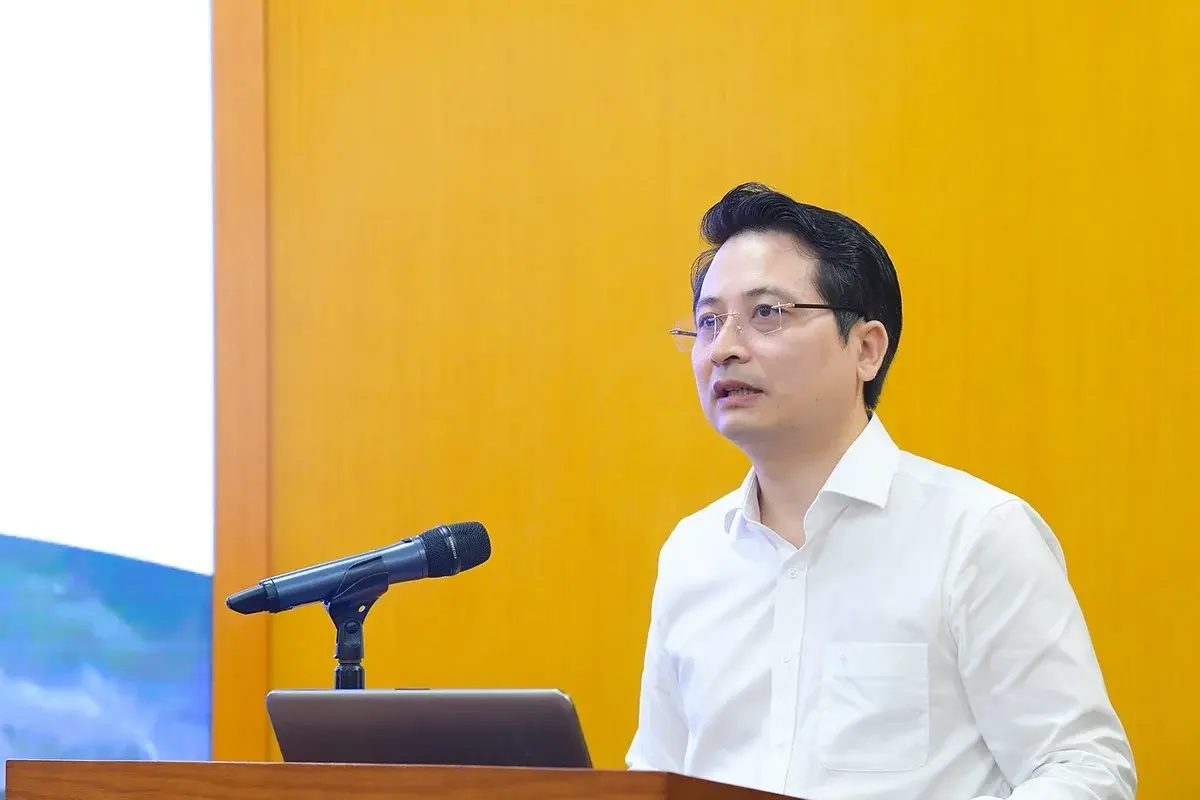
During the first nine months of 2026, the Ministry of Agriculture and Environment focused its legal affairs work on improving legislation, reforming administrative procedures and responding to voters’ petitions. The work was carried out in line with state management requirements while seeking to facilitate activities by people and businesses.

Politburo Resolution No. 26-NQ/TW, dated August 22, 2026, sets out a strategic development direction: to make tourism a truly spearhead economic sector while shifting decisively from volume-driven growth toward a model based on quality, green development, smart solutions, innovation and cultural identity. With its long-established culture, diverse natural landscapes, extensive coastline and dynamic society, Viet Nam is sending the international community a clear message: it is an open, responsible destination ready for deeper global integration.
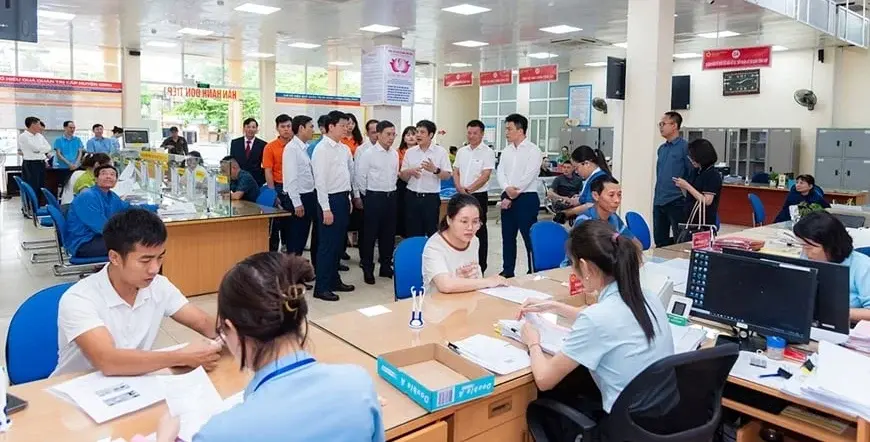
Decentralization and delegation of authority can achieve their intended outcomes only when accompanied by strong implementation capacity at the local level. Recognizing this, the Ministry of Agriculture and Environment has gone beyond transferring responsibilities by working closely with provincial and local governments through training, technical guidance, digital transformation, and the development of sectoral databases. One year into implementation, the initial results not only demonstrate tangible progress but also highlight areas that require further improvement to support the country's development objectives in the next phase.
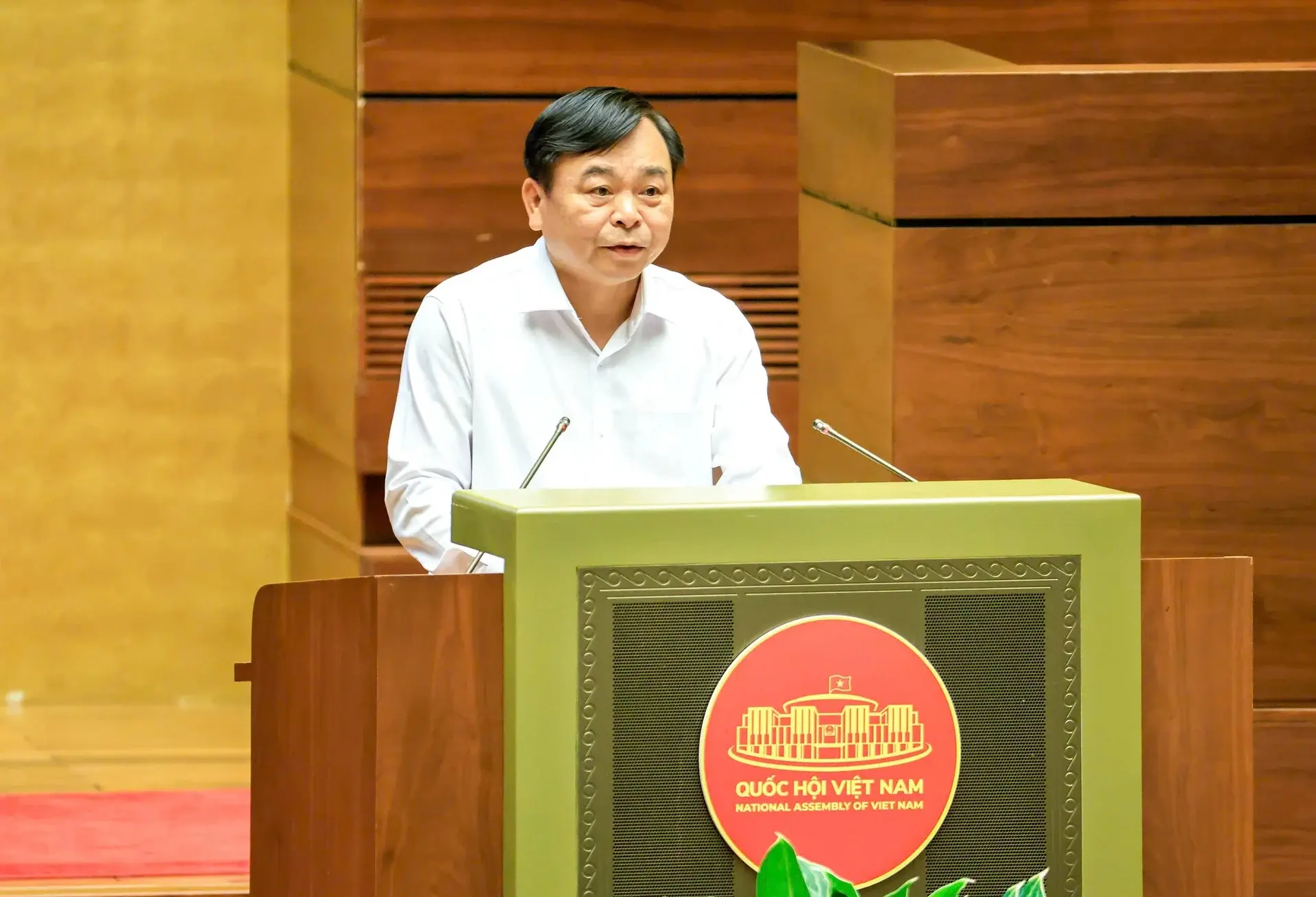
As a multi-sector ministry responsible for a broad range of functions closely linked to local governments, Viet Nam's Ministry of Agriculture and Environment (MAE) moved swiftly during the first year of implementing the two-tier local government model to streamline its organizational structure, strengthen the legal framework, and redefine the allocation of administrative authority. Initial results underscore the Ministry's proactive efforts to translate the Party and State's reform agenda into governance mechanisms suited to the sector's operational needs.
One year after the nationwide implementation of Viet Nam's two-tier local government model, initial results suggest that the reform represents far more than an administrative restructuring. It marks a significant shift in the country's governance philosophy. By streamlining the administrative structure, advancing decentralization and the delegation of authority, accelerating administrative reform, and promoting digital transformation, the new model is laying the foundation for a modern public administration that is efficient, effective, accountable, and responsive to the country's development needs in a new era.