



 Resolution No. 59-NQ/TW of the Politburo has established international integration as a strategic task—both urgent and long-term—closely linked to the requirement for rapid and sustainable national development amid an increasingly volatile global landscape. In concretizing this spirit, the Government issued Resolution No. 153/NQ-CP, while the Ministry of Agriculture and Environment proactively developed and implemented its own action program, identifying international integration as a key pillar in sectoral restructuring, expanding development space, enhancing Viet Nam’s international standing, and making substantive contributions to global goals on food security, environmental protection, and climate change response.
A shifting global landscape and the strategic turn of Resolution 59
At the First Congress of the Party Committee of the Ministry of Agriculture and Environment for the 2025–2030 term, the Draft Political Report of the Party Committee for the 2020–2025 term conducted an in-depth analysis of both international and domestic contexts, indicating that the sector’s development environment is facing increasingly complex changes with direct and multidimensional impacts.
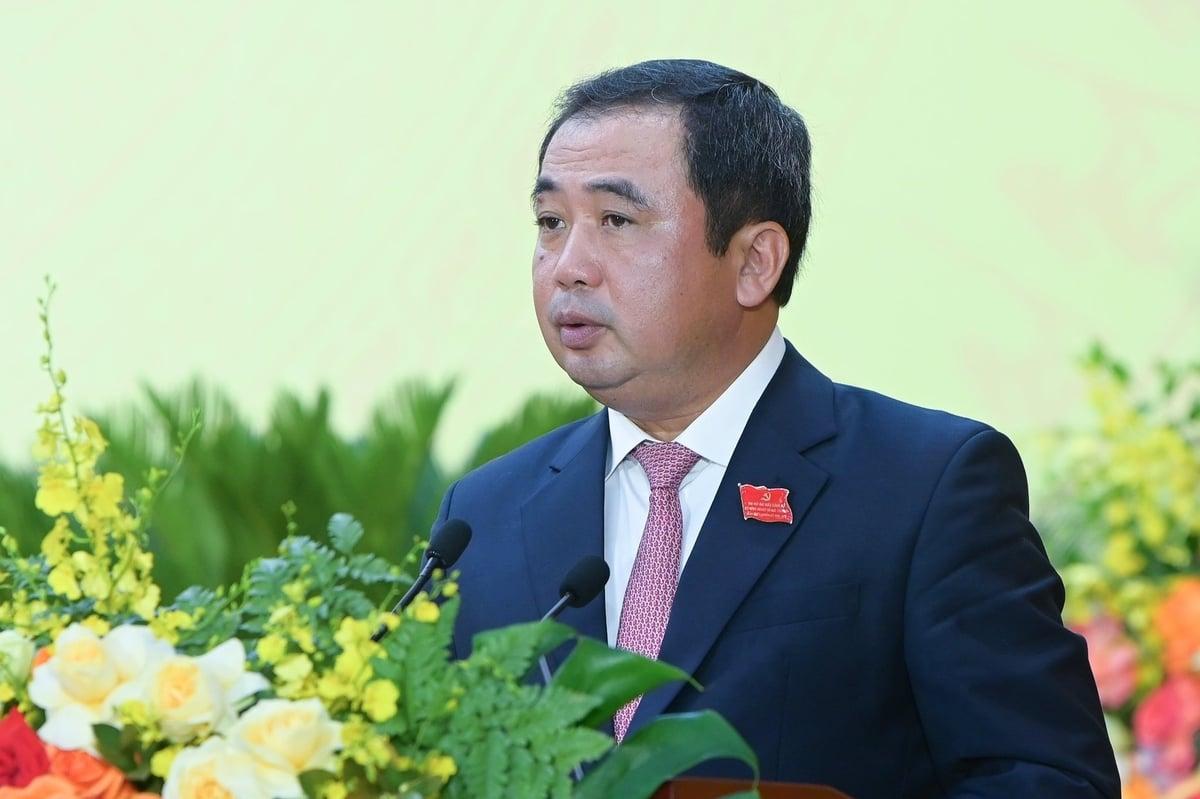
According to the Draft Report, global and regional dynamics continue to undergo profound shifts. Geopolitical and geoeconomic competition, along with trade tensions among major economies, is intensifying. Protectionism and the restructuring of global production and supply chains are becoming more pronounced. New requirements related to “green” standards, traceability, deforestation-free production, and emissions reduction are increasingly turning into mandatory technical barriers in global agricultural trade. At the same time, climate change is intensifying, causing more frequent extreme weather events, sea-level rise, and saltwater intrusion, all of which directly affect agricultural production, natural resources, and Viet Nam’s ecological environment.
Domestically, after nearly 40 years of renewal, Viet Nam’s overall national strength and international reputation have continued to rise, with agriculture remaining a key pillar of the economy. However, new demands for transforming the growth model, developing a green and low-carbon economy, together with the commitment to achieving net-zero emissions by 2050, are posing fundamental transformation challenges for the agriculture and environment sector.
Subsequently, the National Conference to disseminate and implement four major resolutions of the Politburo, held on September 16, 2025 at Dien Hong Hall of the National Assembly, marked an important milestone in shifting the entire political system from awareness to action. The Conference emphasized that dissemination alone is insufficient; resolute implementation is required, with practical effectiveness serving as the ultimate benchmark.
Among the four resolutions highlighted, Resolution No. 59-NQ/TW on “Continuing to promote and enhance the effectiveness of international integration in the new context” was identified as a strategic resolution shaping Viet Nam’s overall approach to international integration in the new development phase. The Resolution affirms that international integration is a key and regular task, a cause of the entire people and the whole political system, in which citizens and businesses are simultaneously the center, the main actors, and the driving force.
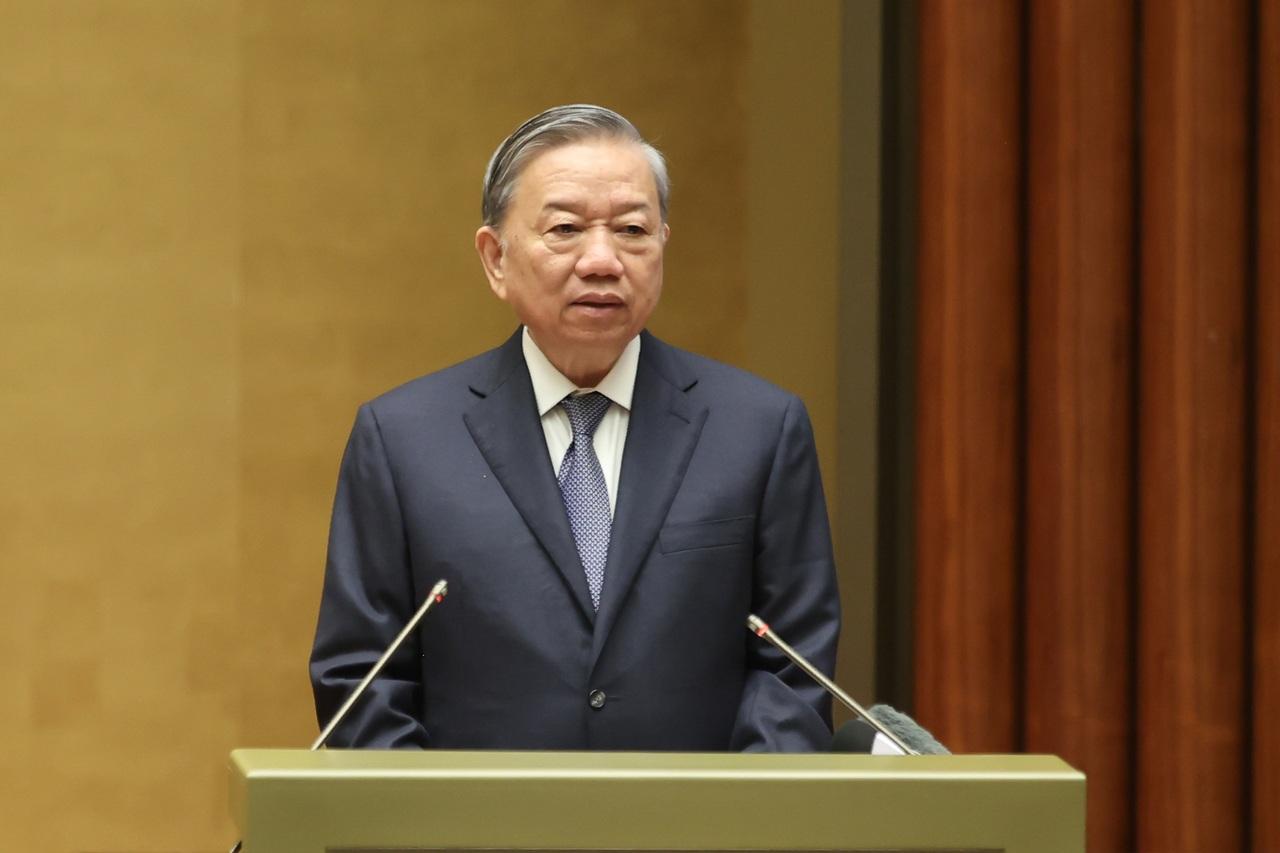
In his directive remarks at the Conference, Party General Secretary To Lam emphasized the need to swiftly move from “issuing policies” to “governing implementation,” viewing international integration as a strategic driver in which internal strength plays the decisive role, while external resources must be effectively leveraged to safeguard national interests.
For the agriculture and environment sector, this spirit sets out a clear requirement: international integration is no longer merely a backdrop, but must become a concrete action agenda, directly linked to sectoral restructuring, sustainable development, and enhancing the position of Viet Nam’s agriculture and environment in global value chains.
How the Ministry reframes international integration
In line with Resolution No. 59-NQ/TW of the Politburo, the report presented at the First Congress of the Party Committee of the Ministry of Agriculture and Environment by the Party Cell of the Department of International Cooperation made clear that international integration is no longer an auxiliary field or a standalone external activity. It has become a regular political task, directly associated with state management functions and the development strategy of the agriculture and environment sector.
Specifically, amid deepening integration, agriculture and environment is among the sectors most immediately, directly, and multidimensionally affected by international developments. Beyond market competition pressures, the sector faces a rapid rise in technical, environmental, and sustainability standards—factors that are reshaping participation in global value chains. This requires the Ministry’s integration efforts to be grounded in strategic thinking, supported by forecasting capacity, clear choices, and defined priorities.
This reality necessitates a decisive shift from ad hoc, event-driven integration to a proactive, long-term, and substantive approach. Integration must go beyond expanding relations, signing agreements, or organizing external activities; it must aim to create new development space, strengthen the sector’s endogenous capacity, and deliver tangible benefits to citizens and businesses.
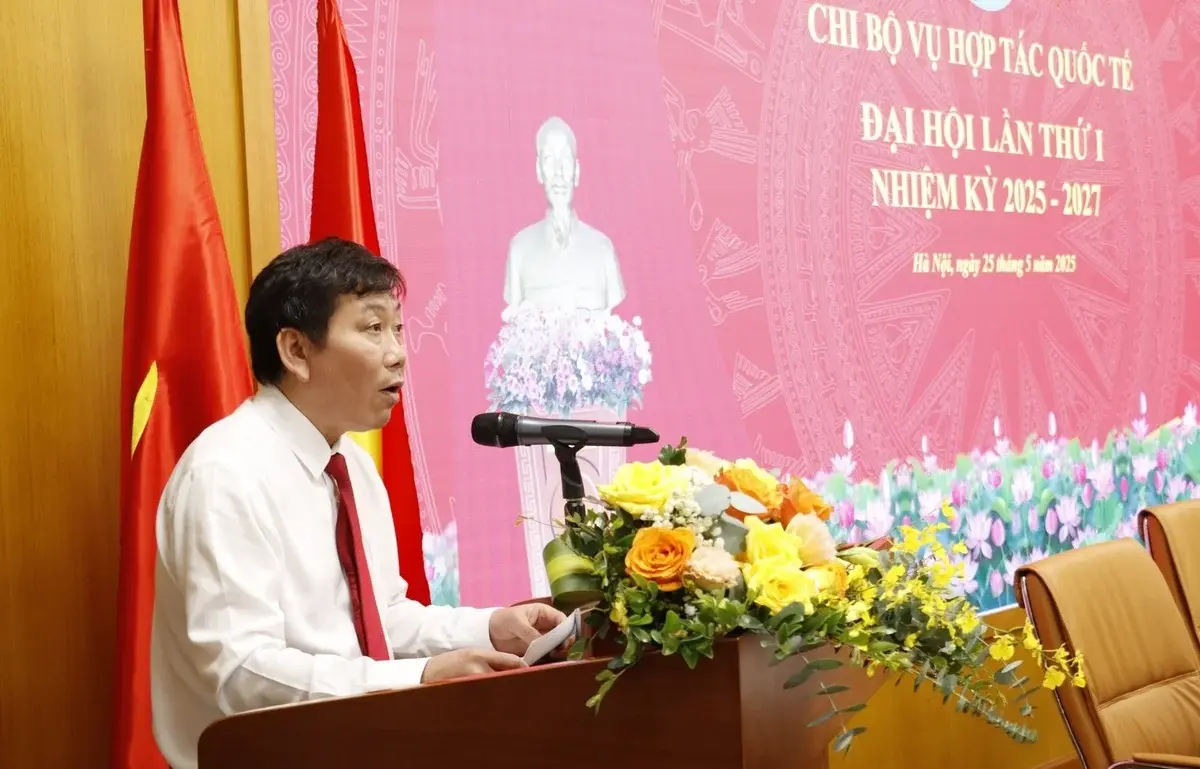
According to Mr. Nguyen Do Anh Tuan, Director of the Department of International Cooperation, international integration in the agriculture and environment sector should be understood simultaneously across three dimensions. First, integration is a tool to expand development space through access to markets, technology, knowledge, and international resources. Second, it serves as a driver of domestic reform, compelling the sector to raise standards in production, management, and environmental protection in line with international norms. Third, integration represents Viet Nam’s international responsibility, particularly in addressing global challenges such as food security, climate change, and environmental protection.
On that basis, the distinctive role of the Ministry of Agriculture and Environment in implementing Resolution No. 59-NQ/TW becomes evident. The Ministry is not only a regulator of an economic sector, but also a focal point for implementing numerous important international commitments that directly affect livelihoods, sustainable development, and national credibility. Therefore, international integration in this field cannot follow a generic approach; it must be organized, coordinated, and governed in a structured manner, with clear focus and priorities.
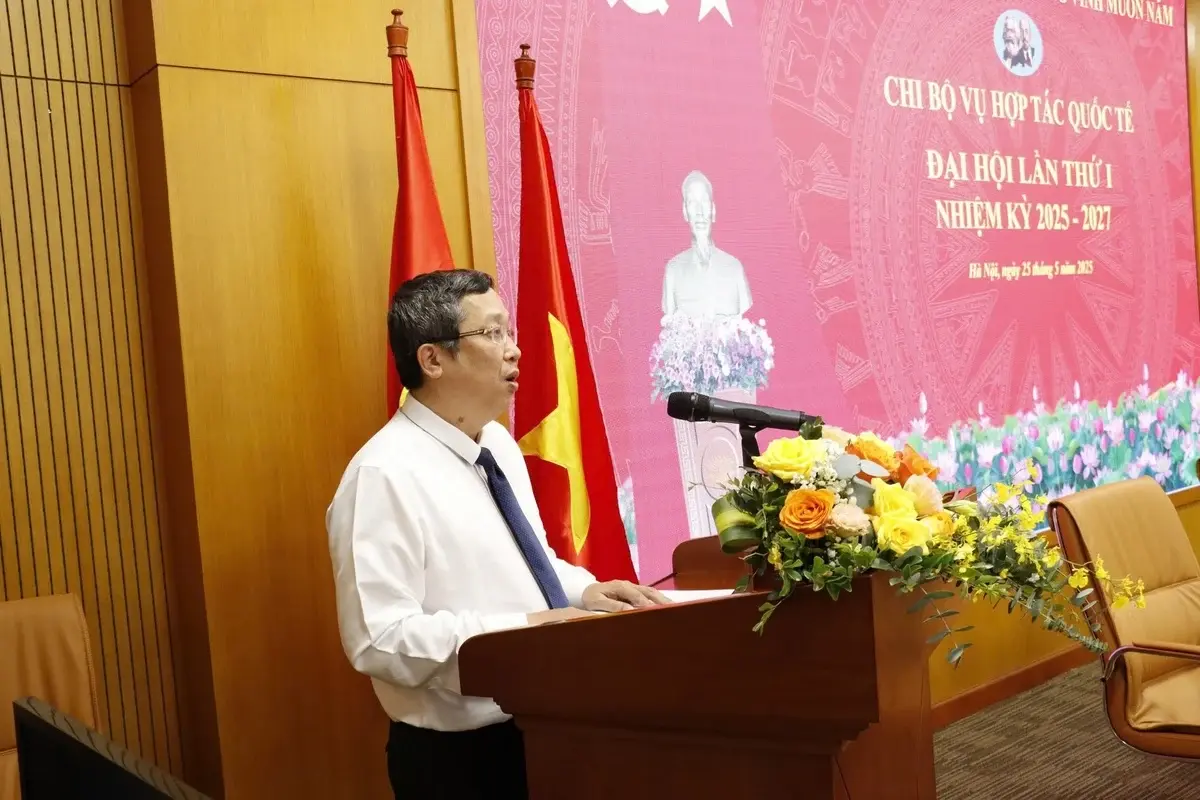
From the perspective of implementation, Deputy Minister Hoang Trung emphasized the need to enhance the strategic advisory role of international integration efforts, with the Department of International Cooperation serving as the focal point. Beyond compiling reports or organizing external activities, integration work must stay one step ahead in researching and forecasting international trends, early identifying challenges and opportunities, and providing timely advice to the Ministry’s leadership in governance and policy formulation.
Thus, while international integration is a strategic choice, its effectiveness ultimately depends on the capacity for implementation of each sector and agency. For the Ministry of Agriculture and Environment, this requirement lays the groundwork for a shift from an integration mindset to organized, focused, and accountable integration action—directly underpinning the development of action programs and implementation plans in the next phase.
From strategic direction to an operational framework
Building on the established awareness and approach, the key challenge for the Ministry of Agriculture and Environment lies in how to organize the implementation of Resolution No. 59-NQ/TW in a coordinated, substantive, and effective manner, consistent with the sector’s functions, mandates, and specific characteristics. This imperative was repeatedly underscored at the National Conference on September 16, 2025, where the call to move “from issuing policies to governing implementation” was articulated clearly.
In implementing Resolution No. 59-NQ/TW and Government Resolution No. 153/NQ-CP on the Action Program, the Ministry issued its own Implementation Plan to carry out assigned tasks in the field of international integration. The issuance of this Plan not only concretizes central directives, but also reflects a new approach: treating international integration as an area that must be governed through concrete tools, processes, and accountability, rather than remaining at the level of general orientation.
A notable feature of the Plan is its focus on defining clear priorities and sequencing, linking integration tasks to the state management functions of each specialized field. Integration is therefore not separated from agricultural production, resource management, environmental protection, or climate change response, but is directly embedded in sector-wide programs, projects, and professional tasks.
Rather than pursuing a scattered approach, the Plan concentrates on areas with direct and long-term impact on the sector’s competitiveness and sustainable development. These include expanding and maintaining export markets for agricultural, forestry, and fishery products amid rising international standards; implementing international environmental and climate commitments in line with domestic conditions; and mobilizing and effectively utilizing international resources to support a green and low-carbon growth transition.
Another important highlight lies in the organization of implementation. In line with leadership directives, each identified task is assigned to a clearly designated focal unit, accompanied by requirements for close coordination among units within the Ministry and with other ministries, sectors, and localities. This approach aims to overcome overlap and resource fragmentation, while strengthening accountability in implementation.
In essence, the Ministry’s Implementation Plan for Resolution No. 59 is not merely an administrative document, but a unified action framework for the entire sector’s international integration efforts in the 2025–2030 period. Through the Plan, the Ministry clarifies how international commitments and bilateral and multilateral agreements will be implemented, while establishing a basis for monitoring and substantively evaluating integration outcomes based on final results.
Importantly, the Plan underscores the requirement to link international integration with tangible benefits for citizens and businesses. Integration must not be pursued in a formalistic manner or driven by the number of agreements, but must directly serve to improve product quality, expand markets, enhance livelihoods, and protect the living environment. These criteria are also essential benchmarks for assessing the effectiveness of Resolution 59 implementation in the agriculture and environment sector.
It is evident that through issuing and implementing the Plan, the Ministry of Agriculture and Environment has begun translating Resolution No. 59-NQ/TW from a strategic orientation into a concrete action framework, laying the foundation for coordinated, focused, and well-governed international integration across the sector. This serves as the critical bridge between the integration mindset established at the resolution level and the practical actions to be carried out on the ground.
From coordination to execution: The Department of International Cooperation
Once Resolution No. 59-NQ/TW was operationalized through the Ministry’s Implementation Plan, the task shifted from orientation to practical execution. Within this structure, the Department of International Cooperation is designated as the coordination hub, connecting units within the Ministry with international partners while ensuring coherence in implementing integration tasks across the sector.
Unlike its strategic advisory role, the Department’s responsibilities at the implementation stage focus on coordinating, monitoring, and urging execution of the Plan. This function is decisive, as without effective coordination, integration tasks risk becoming fragmented, unevenly implemented, or diluted across different fields.
In line with leadership direction, the Department works with specialized units to review and integrate international integration tasks into annual and medium-term work programs. This approach ensures that integration does not become a standalone agenda, but is implemented alongside core state management responsibilities in agriculture, forestry, fisheries, resources, environment, and climate change response.
Another critical task is monitoring the implementation of international treaties and bilateral and multilateral agreements in agriculture and environment. Beyond ensuring compliance, monitoring aims to identify implementation bottlenecks early, enabling timely adjustments in approach, timelines, or coordination mechanisms in line with practical conditions.
As international standards on environment, climate, and sustainability increasingly affect production and exports, the Department’s coordination role becomes even more vital. By synthesizing information, linking specialized units, and engaging international partners, the Department helps the Ministry respond more proactively to new requirements rather than reacting after regulations take effect.
Additionally, the Department serves as a connector for mobilizing international resources to support the Ministry’s priority tasks. Guided by the principle of being “proactive and selective,” efforts to mobilize ODA, technical assistance, and research cooperation are closely aligned with the goal of strengthening the sector’s endogenous capacity, rather than pursuing project numbers or funding volume alone.
To enhance implementation effectiveness, Ministry leadership has emphasized the need to the internal institutional framework for external relations and international integration. In specialized meetings, leaders have called for the early issuance of a Ministry-level external relations regulation and the establishment of a unified steering and coordination mechanism for Resolution 59 implementation across the sector. These measures are considered essential to strengthening discipline, order, and governance effectiveness in integration efforts.
At the implementation stage, the Department of International Cooperation’s role lies not in substituting for specialized units, but in coordinating, connecting, and ensuring coherence in integration tasks. When this role is effectively fulfilled, Resolution No. 59-NQ/TW and the Ministry’s Implementation Plan can truly take root, driving innovation in the development model and enhancing the sector’s standing amid deepening integration.
What will define effective integration through 2030
Ultimately, implementation of Resolution No. 59-NQ/TW in the agriculture and environment sector must be measured by improvements in endogenous capacity and real-world integration outcomes, rather than by the number of agreements or external activities. In this spirit, the Ministry’s Implementation Plan clearly defines priorities and breakthrough solutions for the 2025–2030 period.
A core priority is to position international economic integration as a driver of sectoral restructuring toward a modern, green, and sustainable trajectory. For the Ministry, integration is not merely about expanding export markets, but about raising production standards, promoting deep processing, building brands, and elevating the position of Vietnamese agricultural products in global value chains. New requirements on traceability, deforestation-free production, emissions reduction, and circular economy are seen not just as technical barriers, but as catalysts for transforming the growth model.
At the same time, strengthening international cooperation in environment, climate change, and resource management is identified as a key pillar of integration in the new phase. Participation in international mechanisms, initiatives, and forums aims not only to fulfill commitments, but also to leverage knowledge, technology, and resources directly serving domestic environmental protection, climate adaptation, and sustainable development goals.
Another breakthrough solution is the proactive and selective attraction and effective use of international resources. The Ministry prioritizes resources that deliver long-term value, particularly in knowledge, technology, innovation, and governance capacity, rather than focusing solely on funding scale. Linking international cooperation projects to practical sectoral and local needs is considered a prerequisite for enhancing integration effectiveness.
In addition, improving the quality of monitoring, forecasting, and governance of international integration is identified as a foundational solution. Amid rapidly changing trade policies and international standards, proactive information gathering, trend forecasting, and timely advisory work are decisive for the sector’s ability to navigate risks and opportunities.
Finally, human resources and implementation organization are recognized as decisive factors. International integration requires a cadre of officials with strong professional capacity, deep understanding of international practices, political acumen, and a high sense of responsibility. This must be accompanied by a streamlined organizational structure with clear functions and accountability, linking integration outcomes to substantive performance evaluation.
Integration as a test of governance capacity
Resolution No. 59-NQ/TW has affirmed international integration as a strategic choice for the country in its new development phase. For the Ministry of Agriculture and Environment, this spirit has gone beyond general orientation and been concretized through action programs, implementation plans, and clearly defined tasks aligned with the sector’s functions and responsibilities.
From disseminating policy to developing implementation plans and carrying out tasks in practice, a unified action continuum has taken shape: a decisive shift from an integration mindset to governing integration through implementation, with practical effectiveness as the benchmark. International integration is no longer a purely external affair, but an integral component of sectoral governance and development.
Experience from implementing Resolution No. 59-NQ/TW shows that only when each international commitment is translated into concrete tasks, each plan is implemented to completion, and each international resource is used for its intended purpose can integration truly generate value added for the sector. That value is reflected in the competitiveness of agricultural products, the quality of the living environment, climate resilience, and Viet Nam’s increasingly visible position in global value chains and cooperation mechanisms.
Within this broader picture, the coordinating role of the Department of International Cooperation, together with the concerted engagement of all units within the Ministry, is decisive for the effective implementation of Resolution No. 59-NQ/TW. International integration can only succeed when it becomes a regular, disciplined, accountable endeavor, closely aligned with the sector’s sustainable development goals.
Implementing Resolution No. 59-NQ/TW is therefore not merely an immediate requirement, but a long-term process demanding consistency in thinking and decisiveness in action. With a proactive, selective, and substantive approach, international integration will continue to serve as a key driver for the Ministry of Agriculture and Environment in building a modern agricultural sector.
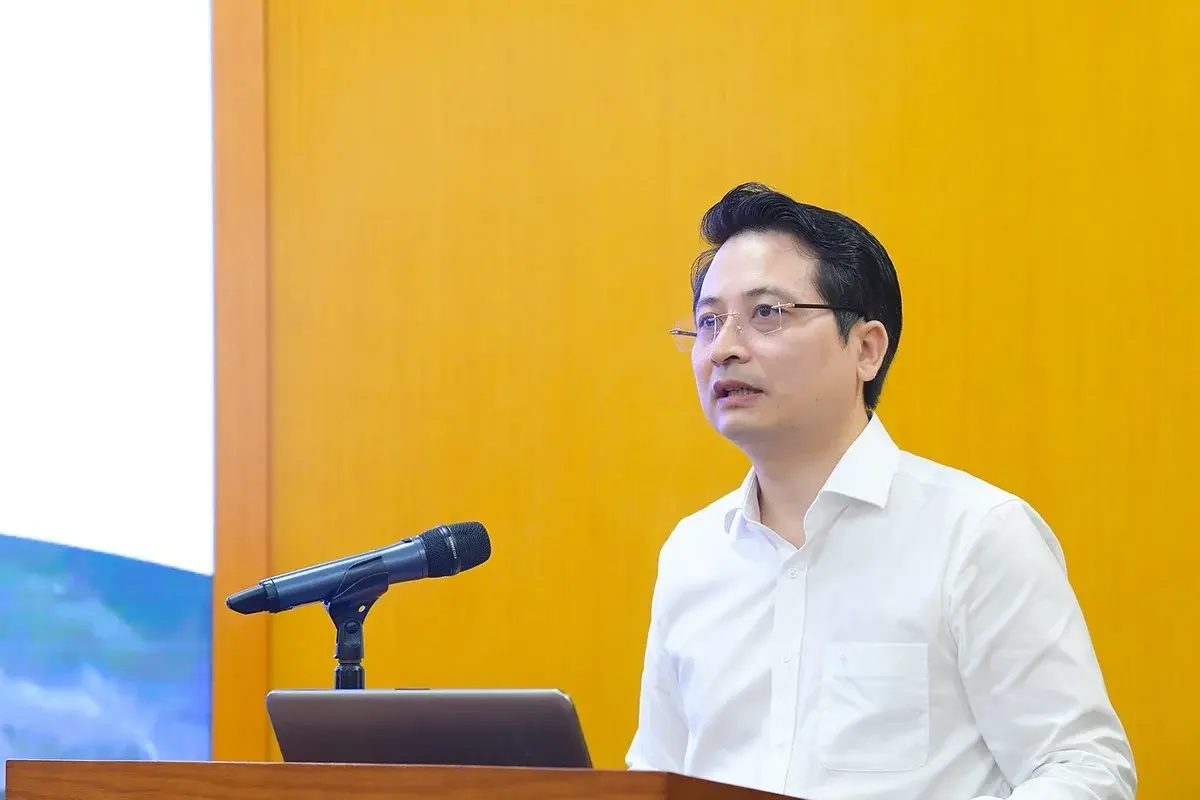
During the first nine months of 2026, the Ministry of Agriculture and Environment focused its legal affairs work on improving legislation, reforming administrative procedures and responding to voters’ petitions. The work was carried out in line with state management requirements while seeking to facilitate activities by people and businesses.

Politburo Resolution No. 26-NQ/TW, dated August 22, 2026, sets out a strategic development direction: to make tourism a truly spearhead economic sector while shifting decisively from volume-driven growth toward a model based on quality, green development, smart solutions, innovation and cultural identity. With its long-established culture, diverse natural landscapes, extensive coastline and dynamic society, Viet Nam is sending the international community a clear message: it is an open, responsible destination ready for deeper global integration.
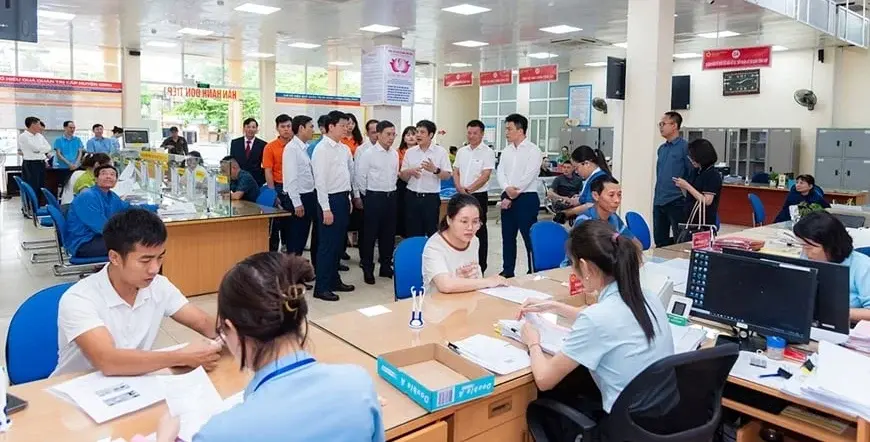
Decentralization and delegation of authority can achieve their intended outcomes only when accompanied by strong implementation capacity at the local level. Recognizing this, the Ministry of Agriculture and Environment has gone beyond transferring responsibilities by working closely with provincial and local governments through training, technical guidance, digital transformation, and the development of sectoral databases. One year into implementation, the initial results not only demonstrate tangible progress but also highlight areas that require further improvement to support the country's development objectives in the next phase.
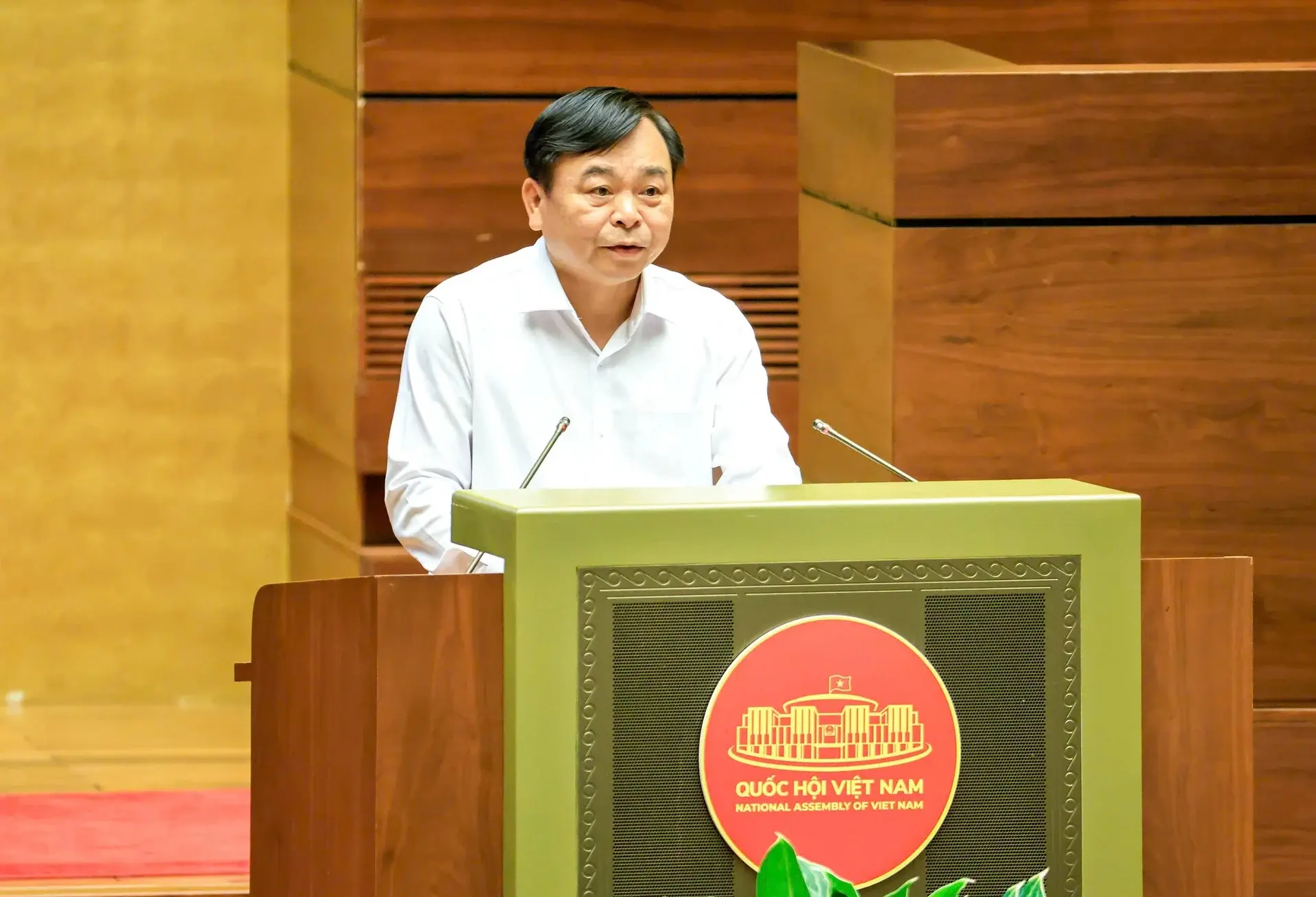
As a multi-sector ministry responsible for a broad range of functions closely linked to local governments, Viet Nam's Ministry of Agriculture and Environment (MAE) moved swiftly during the first year of implementing the two-tier local government model to streamline its organizational structure, strengthen the legal framework, and redefine the allocation of administrative authority. Initial results underscore the Ministry's proactive efforts to translate the Party and State's reform agenda into governance mechanisms suited to the sector's operational needs.
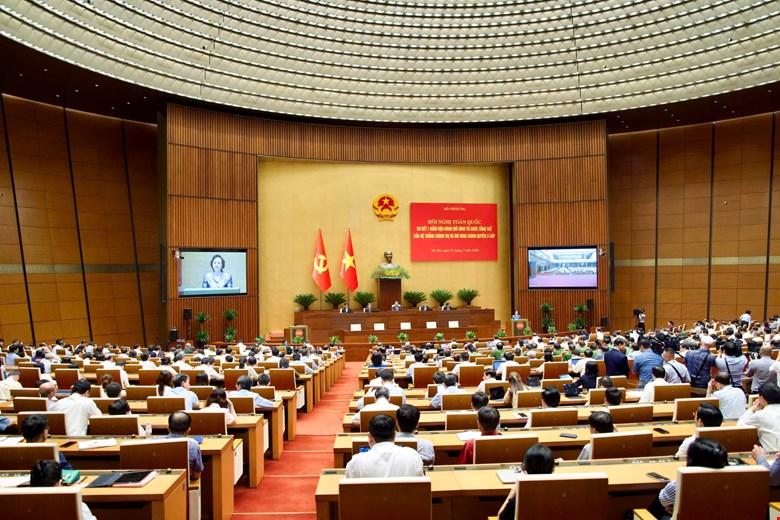
One year after the nationwide implementation of Viet Nam's two-tier local government model, initial results suggest that the reform represents far more than an administrative restructuring. It marks a significant shift in the country's governance philosophy. By streamlining the administrative structure, advancing decentralization and the delegation of authority, accelerating administrative reform, and promoting digital transformation, the new model is laying the foundation for a modern public administration that is efficient, effective, accountable, and responsive to the country's development needs in a new era.