



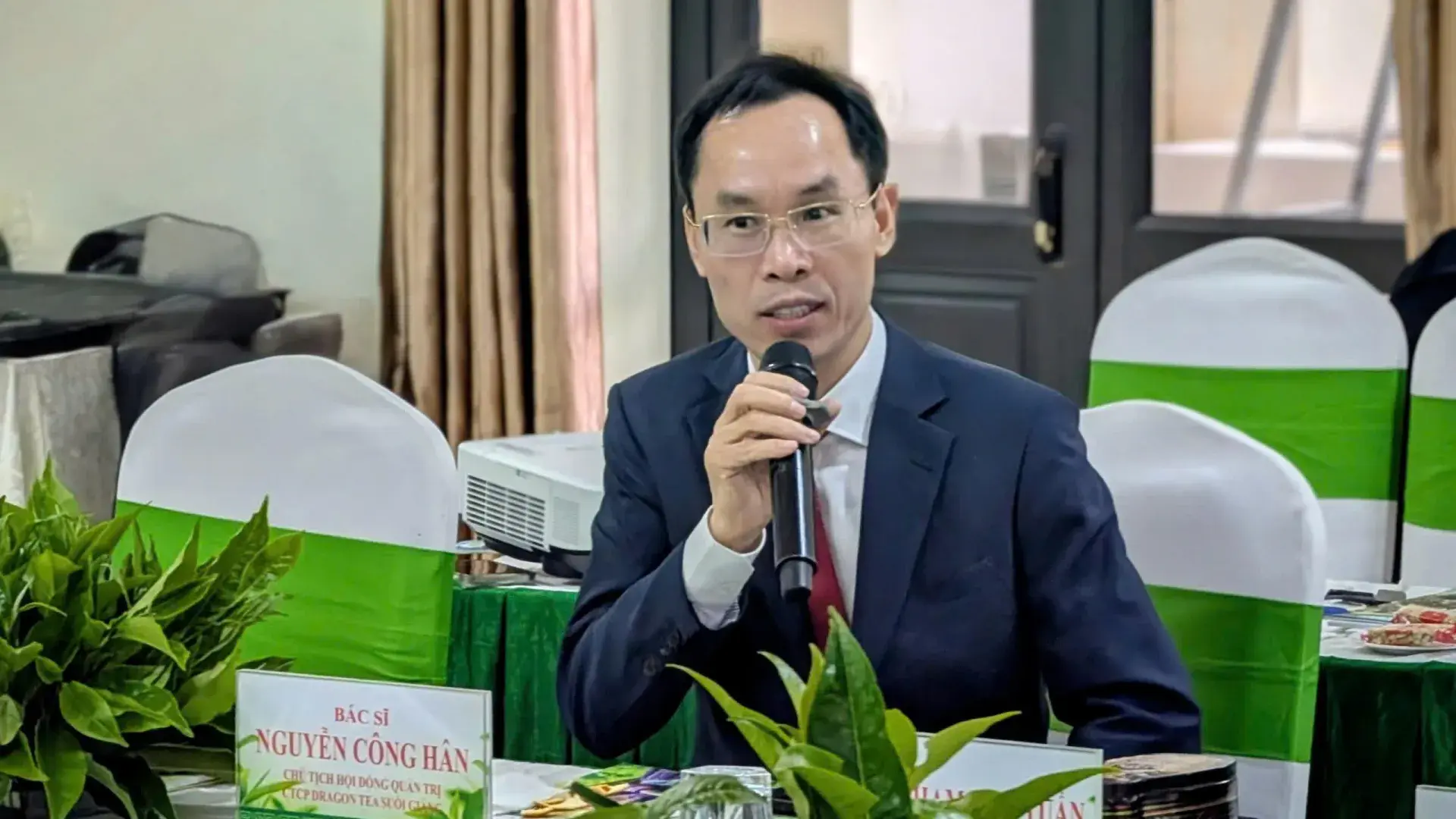
 In his presentation at the workshop “Developing and enhancing the value of Shan Tuyet tea” hosted by the Journal of Agriculture and Environment, Dr. Nguyen Cong Han, founder of Dragon Tea Suoi Giang, offered a convincing perspective on the scientific foundations and technological innovations needed to unlock the full potential of this unique tea heritage.
At the summit of Suoi Giang—more than 1,300 meters above sea level, where white clouds gather year-round—the ancient Shan Tuyet tea forest has quietly endured for centuries, serving as a living archive of the highlands. As modern science deepens its inquiry, the hidden values of this heritage are gradually revealed: it is not simply a tea plant or a beverage, but an endemic genetic resource, a repository of indigenous knowledge, and an ecological–cultural asset of national significance.
A heritage rooted in the natural and cultural landscape of Suoi Giang
Suoi Giang has long been intertwined with the oral traditions of the Mong community, where nature and people move in rhythm with the seasons. The ancient tea forest was documented by the French on the L’Indochine Française map in 1909—one of the earliest records confirming the region’s unique pedological and biological characteristics. More than a century later, research teams from Russia, Japan, and Europe have continued to verify that this is among the extremely rare ancient tea populations that still maintain natural growth.
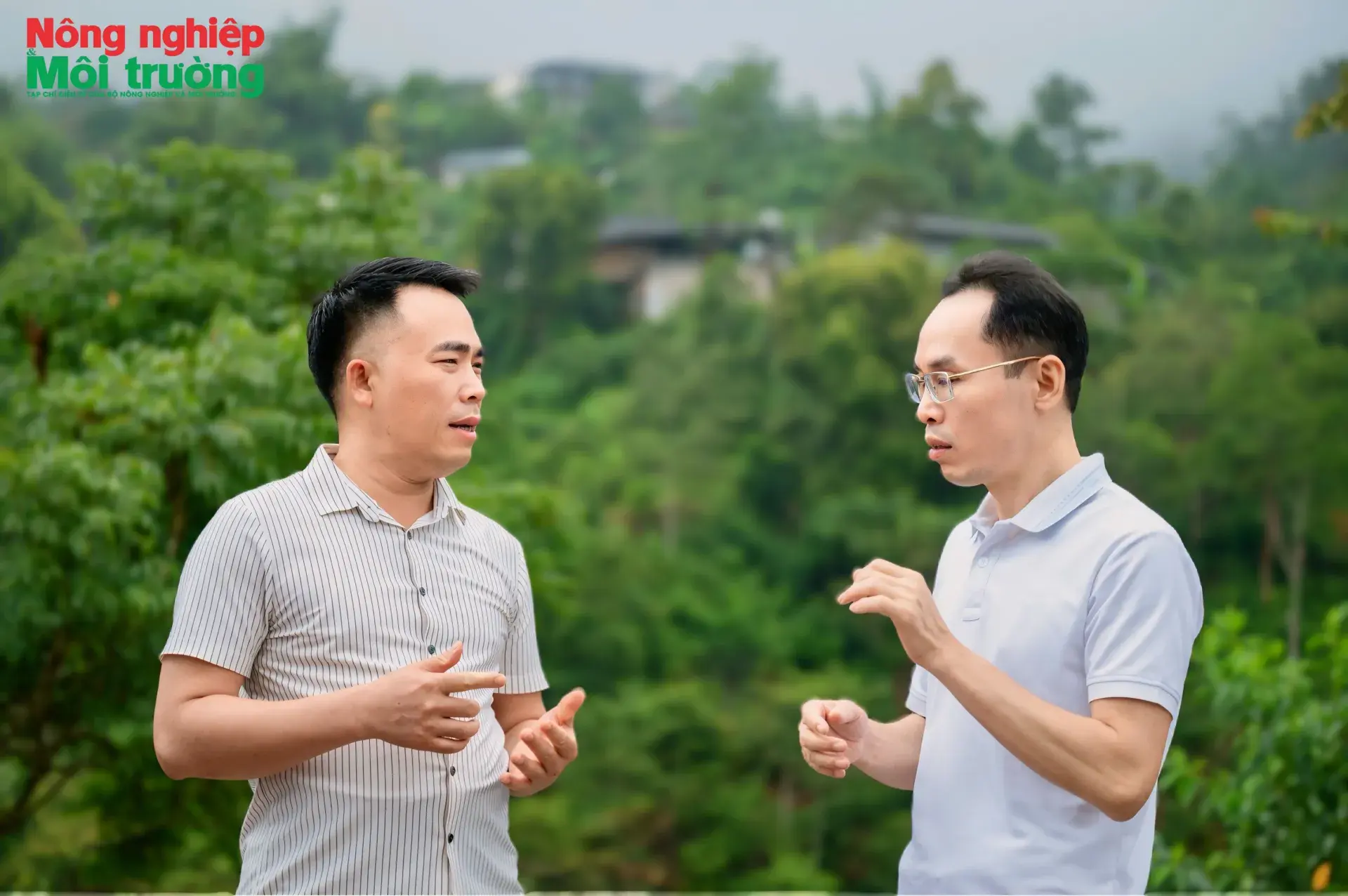
Tea holds a special place in Vietnamese culture—whether in the welcoming cup for guests, the communal teapot in the village courtyard, or casual neighborhood conversations. During periods of societal disruption, tea even served as a source of clean water, a means to stay alert, and a tool for disease prevention. Within that cultural continuum, Shan Tuyet tea from Suoi Giang occupies a singular position: a harmonious fusion of nature, culture, and indigenous wisdom.
The natural identity of an endemic ancient tea variety
Shan Tuyet tea from Suoi Giang belongs to the large-leaf Camellia sinensis var. assamica group, thriving at elevations above 1,300 meters where temperatures remain low, mist is constant, and light conditions shift continuously. These harsh climatic conditions contribute to its slow growth rate, thick downy leaves, moss-covered trunks, and strong bioactive accumulation—traits uncommon in most other tea varieties.
As early as 1976, the Soviet Academy of Sciences recognized Suối Giàng as a “biological goldmine.” Recent core-drilling studies reveal that many trees are 200–300 years old, while the largest specimens are estimated to be more than a thousand years old—clear evidence of long-term evolutionary stability.
Each tea bud contains a rich composition of polyphenols, catechins, L-theanine, and other compounds directly associated with antioxidant capacity, cellular protection, and support for the nervous system. Observations within the local community further reinforce these findings.
According to Dr. Nguyen Cong Han: “In recent years, through our medical work in Suoi Giang, all collected data reveal a remarkable finding: no cases of cancer have been recorded in the community. The two most recent community screenings (2024–2025) continue to show consistent results. This is a significant medical and biological phenomenon that warrants structured scientific research.”
Based on these observations, Dr. Nguyen Cong Han and his colleagues at Huu Nghi 103 General Hospital, in collaboration with Thai Nguyen University of Medicine and Pharmacy, are preparing to launch a long-term clinical research program (2025–2032) to further examine the relationship between ancient Shan Tuyet tea and community health.
Science, technology, and the opportunity to elevate Vietnamese tea
For Shan Tuyet tea, quality begins not inside the processing plant but the moment a bud is plucked. Fresh buds from ancient trees oxidize quickly, and their valuable compounds degrade rapidly if transportation is delayed. The use of drones to transport fresh buds from Giàng Cao peak to the processing facility within minutes has transformed the entire supply chain, preserving the natural bioactivity of the raw material.

At the Dragon Tea Suoi Giang plant—established by Dr. Nguyen Cong Hân—a synchronized high-technology process is implemented: Heat–pressure–high-oxygen processing ensures optimal oxidation control and stabilizes bioactive compounds; Enzyme regulation preserves polyphenols and L-theanine; Tannin conversion into theaflavins and thearubigins enhances cardiovascular benefits and antioxidant capacity; Caffeine adjustment tailors tea products for diverse age groups, including middle-aged and elderly consumers who drink tea daily.
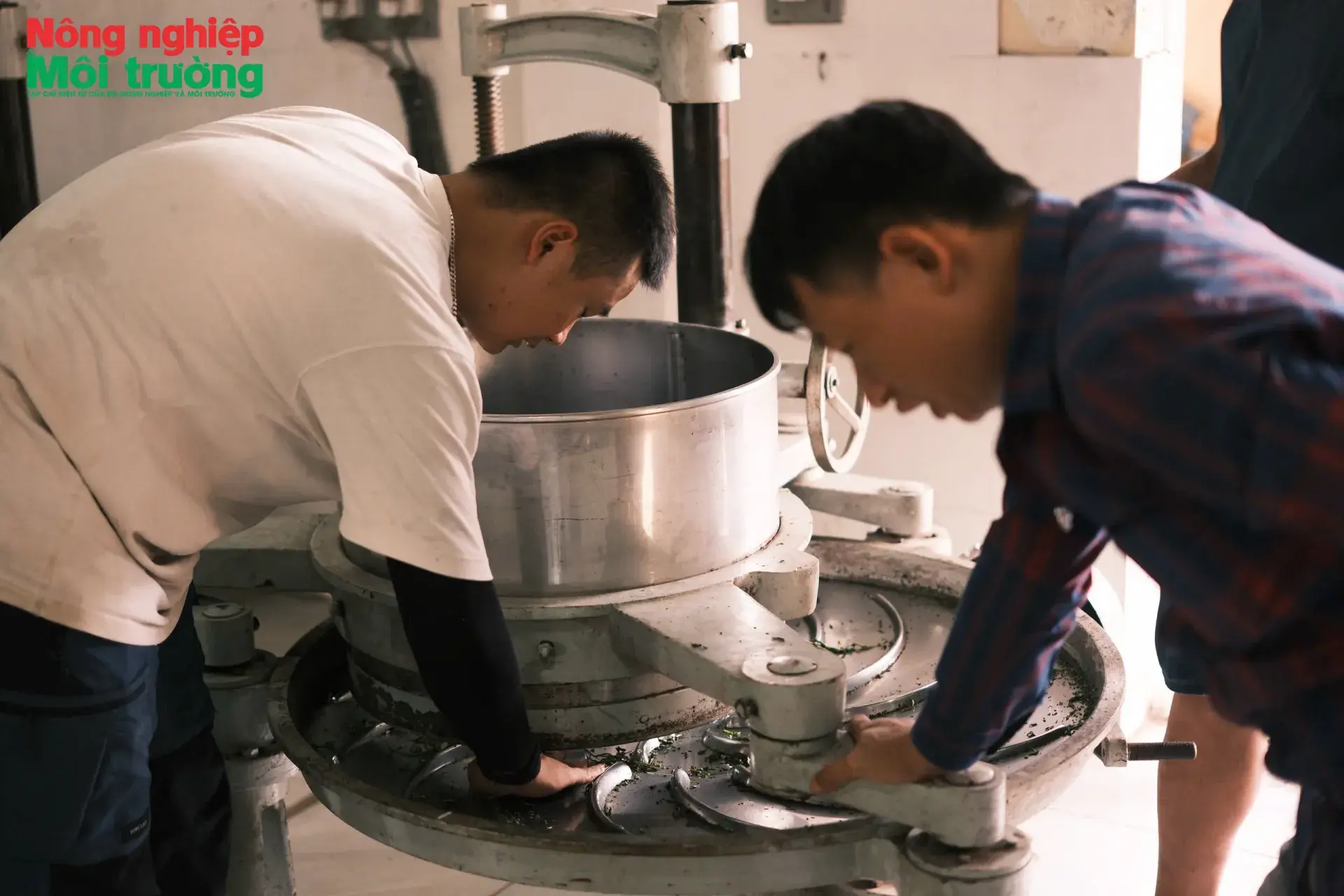
Thanks to this complete technological chain, the Suoi Giang Shan Tuyet product lines—including Yellow Tea, Red Tea, and White Tea—meet ISO 22000:2018 standards and have obtained U.S. FDA registration, opening access to markets with stringent regulatory requirements.
Beyond its role in production, the Dragon Tea Suoi Giang factory carries deep social meaning. Its presence in the community creates stable livelihoods for Mong households, reduces reliance on selling raw tea leaves, and—most importantly—supports the sustainable preservation of the ancient tea forest. For this reason, locals often call Dr. Nguyen Cong Han “the quiet hero of the Suoi Giang tea forest”—the one who brought technology into the village, turning heritage into a green economy without compromising nature.

Building on its exceptional raw material foundation, Dragon Tea Suoi Giang has developed a diverse product portfolio: live-fermented Yellow Tea, fully fermented Yellow Tea, tea cakes, tea powder, Red Tea, and White Tea. Among them, “Luyen Dan Ngoc Tra”—harvested from three trees estimated to be more than 500 years old and crafted through 18 stages combining indigenous knowledge with modern technology—represents the pinnacle of Vietnamese tea craftsmanship.
In Suoi Giang, an integrated tea ecosystem is emerging: Mong households protect the forest; young engineers operate drones; scientists examine biochemical compounds; and physicians track community health data. Each contributes a small part to the overall sustainability of the ancient tea population.
Shan Tuyet tea from Suoi Giang increasingly demonstrates the strength of a national heritage where agricultural value, biodiversity value, cultural value, and economic value converge. As scientific research advances and value chain management continues to improve, Shan Tuyet tea holds the potential to become a lasting symbol of Vietnamese tea on the global map—an enduring testament to the idea that preserving nature is also opening the door to future development.
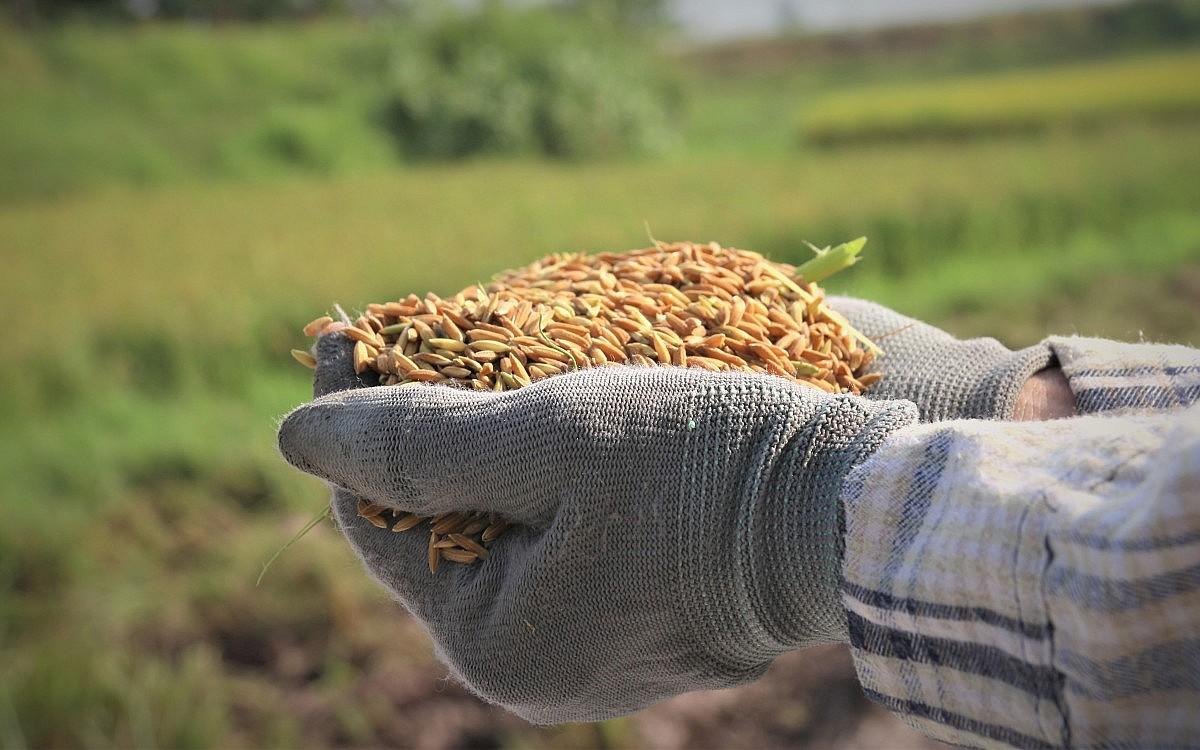
Policies achieve lasting impact only when they translate into changes in production practices. This is particularly true of efforts to reduce food loss and waste: setting reduction targets or encouraging the productive use of agricultural by-products will have limited effect unless producers can see clear economic returns and businesses have access to sufficiently stable markets.
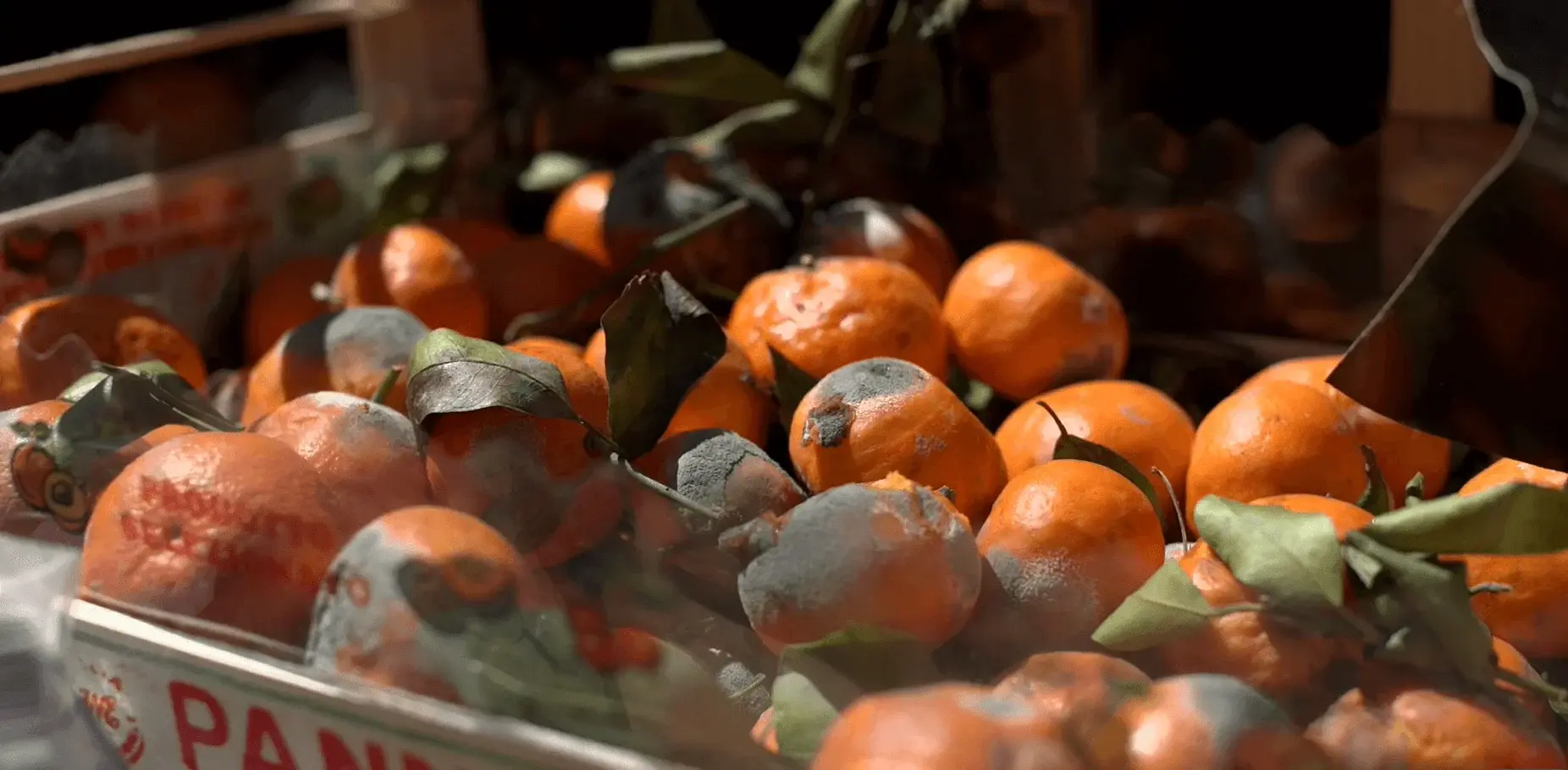
Viet Nam has gradually established a policy foundation for reducing food loss and waste (FLW), increasingly linking the issue to sustainable development, the circular economy, and food system transformation. The challenge in the next phase is therefore not to start from scratch, but to connect existing policies into a coherent, data-driven governance framework that prioritizes prevention and is supported by sufficiently strong coordination mechanisms to drive action at the national level.
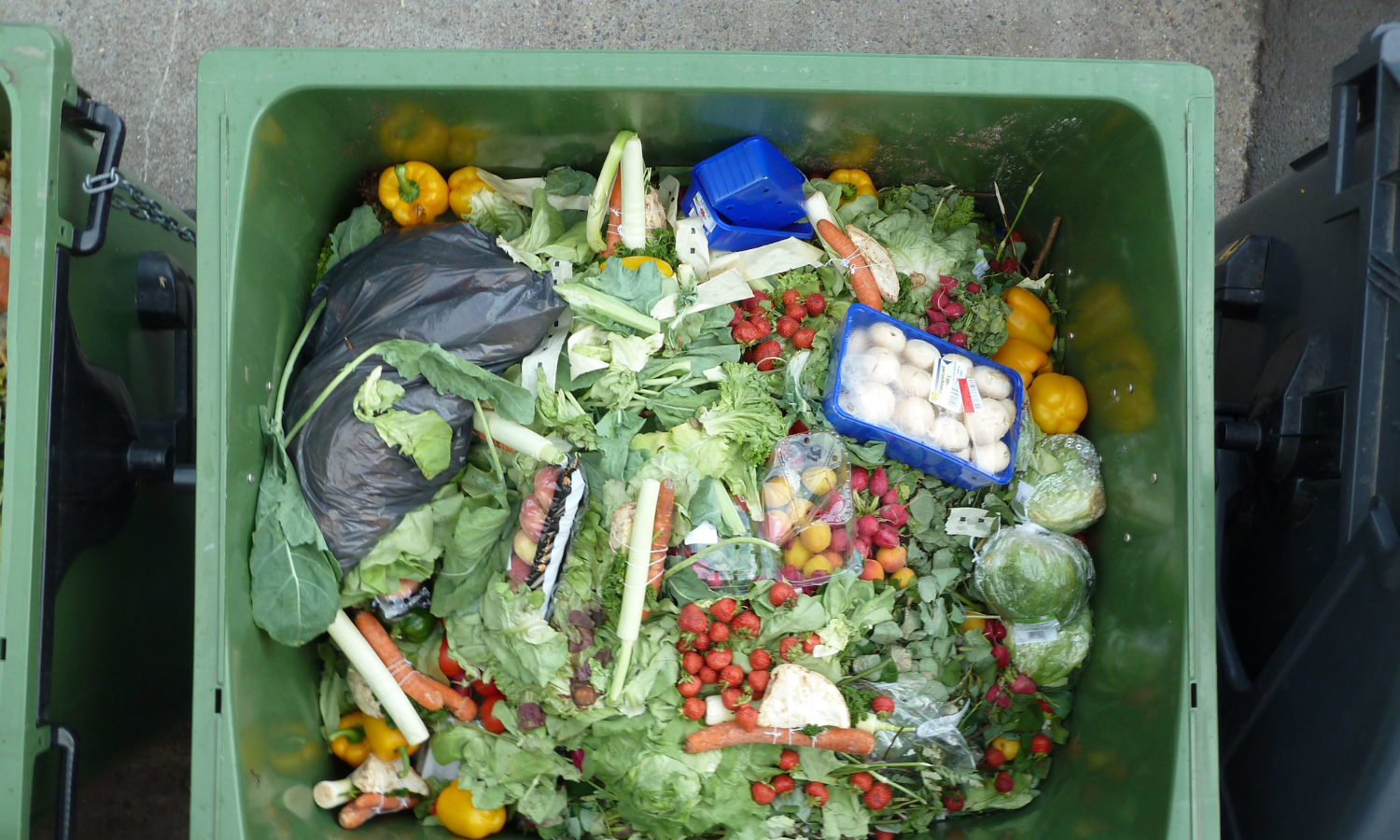
International experience suggests that food loss and waste (FLW) is not a problem that can be resolved through a single policy measure. Effective action requires institutions capable of coordinating stakeholders, data that can identify where losses occur, regulations that do not create unnecessary barriers, and mechanisms that allow businesses and communities to participate.
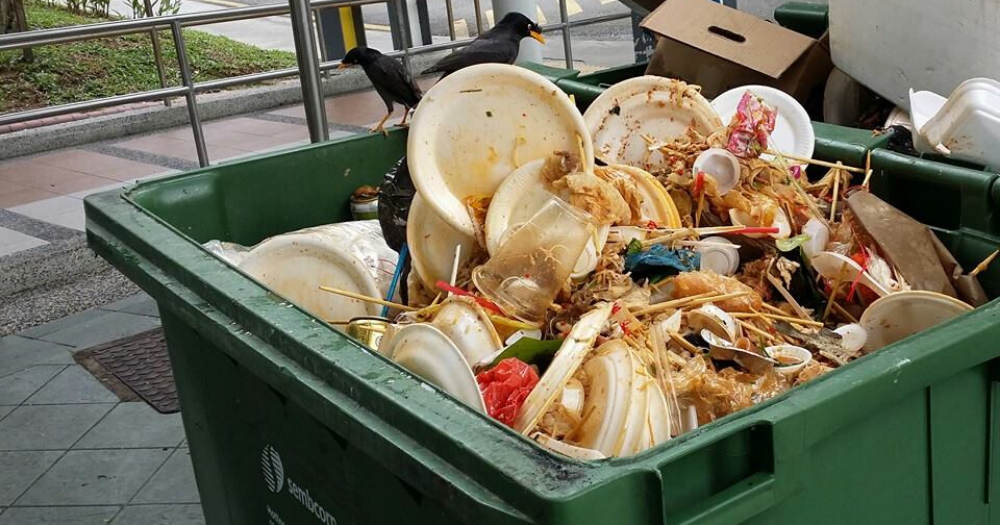
Food loss and waste are emerging as major bottlenecks in global agrifood systems, with large quantities of food lost or discarded despite the land, water, energy and labor invested in producing it. In Viet Nam, the issue not only diminishes the value of agricultural products but also generates substantial economic, environmental and social costs. Research on selected value chains shows that food losses occur throughout the chain, from production and harvesting to transportation, post-harvest handling and storage, while food waste continues to arise at the retail, food service and household levels. A clear understanding of the current situation is essential for Viet Nam to further strengthen its policies to reduce food loss, curb food waste and improve the efficiency of the agrifood system as a whole.

Resolution No. 36/2026/NQ-CP and new regulations on growing-area codes (GACs) and packing-facility codes (PFCs) are prompting changes in how these codes are managed, registered, and maintained. At a training session on implementation of the new regulations held on August 20, government officials and experts focused on procedural changes, requirements for digitizing records, and the supporting role of agricultural extension services at the local level.