



 Within the framework of the first National Conference on Livestock and Veterinary Science and Technology organized by the Ministry of Agriculture and Environment, a subcommittee on ruminant science and technology convened on March 28 at the National Convention Center (Hanoi) to discuss solutions to reduce methane emissions — one of the main sources of greenhouse gas emissions in the livestock sector. Studies presented at the session indicated that adjusting feed rations, using feed additives, and optimizing feed resources can directly influence rumen fermentation processes. The findings suggest that nutrition-based interventions are emerging as a practical approach to promoting more sustainable livestock production.
Rumen fermentation central to methane formation
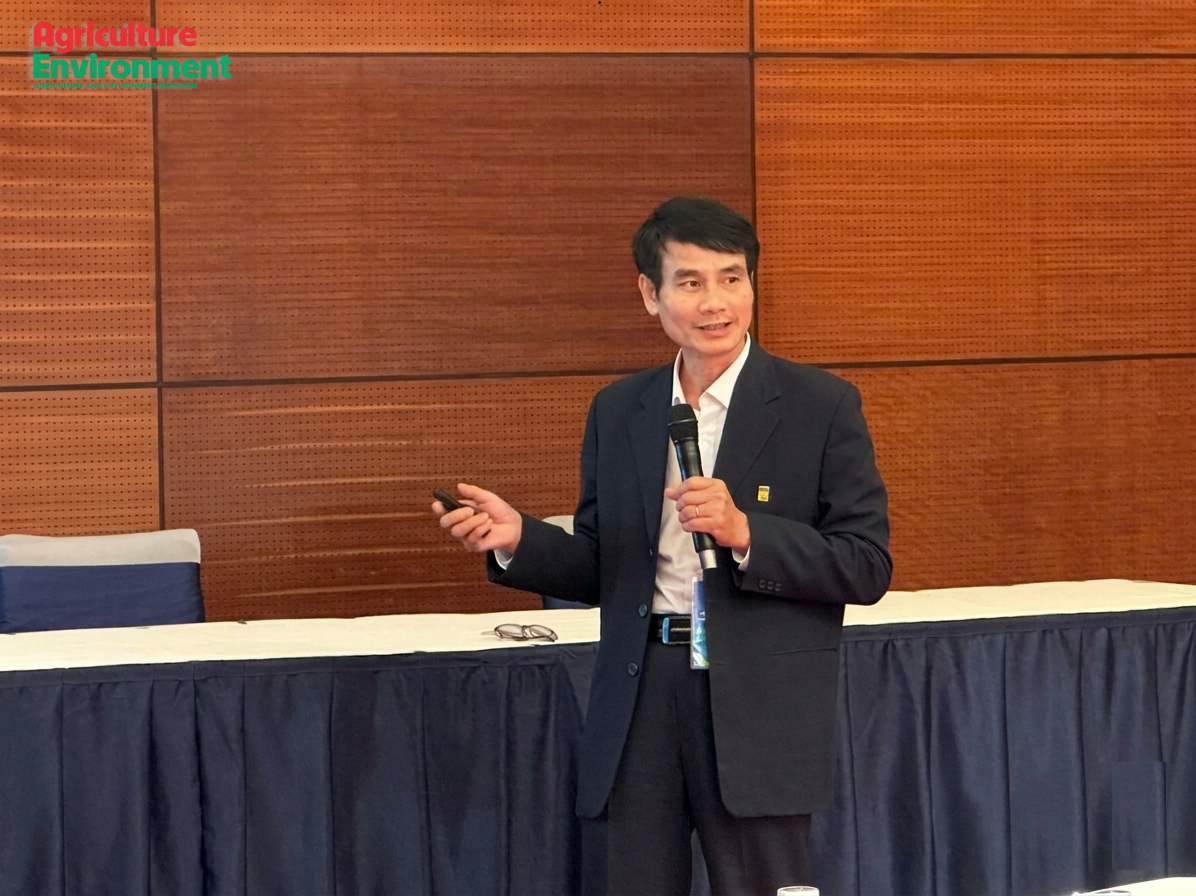
Associate Professor Dr. Nguyen Huu Van of the University of Agriculture and Forestry, Hue University
From a physiological perspective, research presented at the subcommittee emphasized that microbial fermentation plays a central role in methane formation in ruminant animals.
A study by Associate Professor Dr. Nguyen Huu Van of the University of Agriculture and Forestry, Hue University, provided experimental evidence on the stability of the rumen environment under different feeding regimes.
The study found that increasing the proportion of concentrate feed in diets for Phan Rang sheep did not significantly alter key biochemical indicators such as pH, ammonia nitrogen (NH₃-N), and volatile fatty acids (VFAs) within a certain range. This suggests that microbial populations can adapt to dietary adjustments while maintaining relative stability.
The findings indicate that the rumen — where feed is broken down and gas is produced — remains stable when diets are properly formulated. Methane is generated as a byproduct of this microbial activity.
Methane emissions are therefore not only an environmental concern but also reflect feed energy losses. Higher methane production means a portion of dietary energy is not converted into animal growth or productivity.
As a result, efforts to reduce emissions must be closely linked to managing rumen fermentation. This has led researchers to focus on nutrition-based strategies rather than end-of-pipe emission control measures.
Biochar reduces methane but raises efficiency concerns
Associate Professor Dr. Dinh Van Dung of the University of Agriculture and Forestry, Hue University
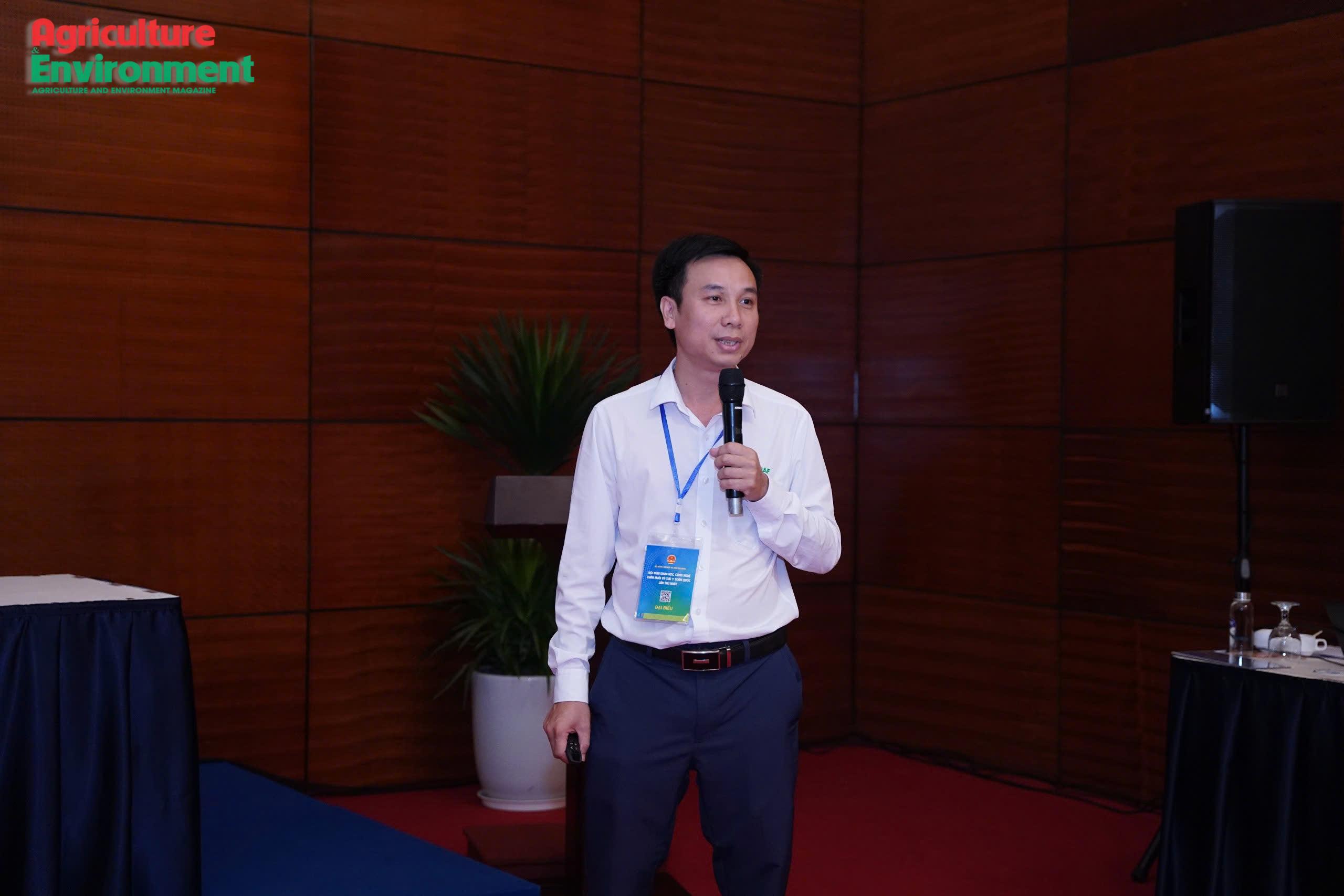
The use of feed additives to directly influence methane production has attracted considerable attention, including a study by Associate Professor Dr. Dinh Van Dung of the University of Agriculture and Forestry, Hue University.
The study examined the effects of adding rice husk-derived biochar to high-rice straw diets. Laboratory (in vitro) results showed that increasing biochar levels led to a corresponding reduction in methane production, indicating its potential to influence rumen microbial fermentation.
However, the effect was not linear. When biochar inclusion exceeded around 3% of dietary dry matter, digestibility of dry matter and organic matter declined. This suggests that reducing methane emissions may come at the cost of feed utilization efficiency if not properly managed.
According to Dr. Dung, determining an optimal inclusion level is essential before applying biochar in practice. Increasing additive levels cannot be viewed as a simple solution, as it must be balanced against digestibility and overall nutritional efficiency.
While biochar offers a way to intervene directly in methane formation during digestion, further validation under real farming conditions is needed, as current findings are based on laboratory experiments.
Methane emissions vary by season and feeding conditions
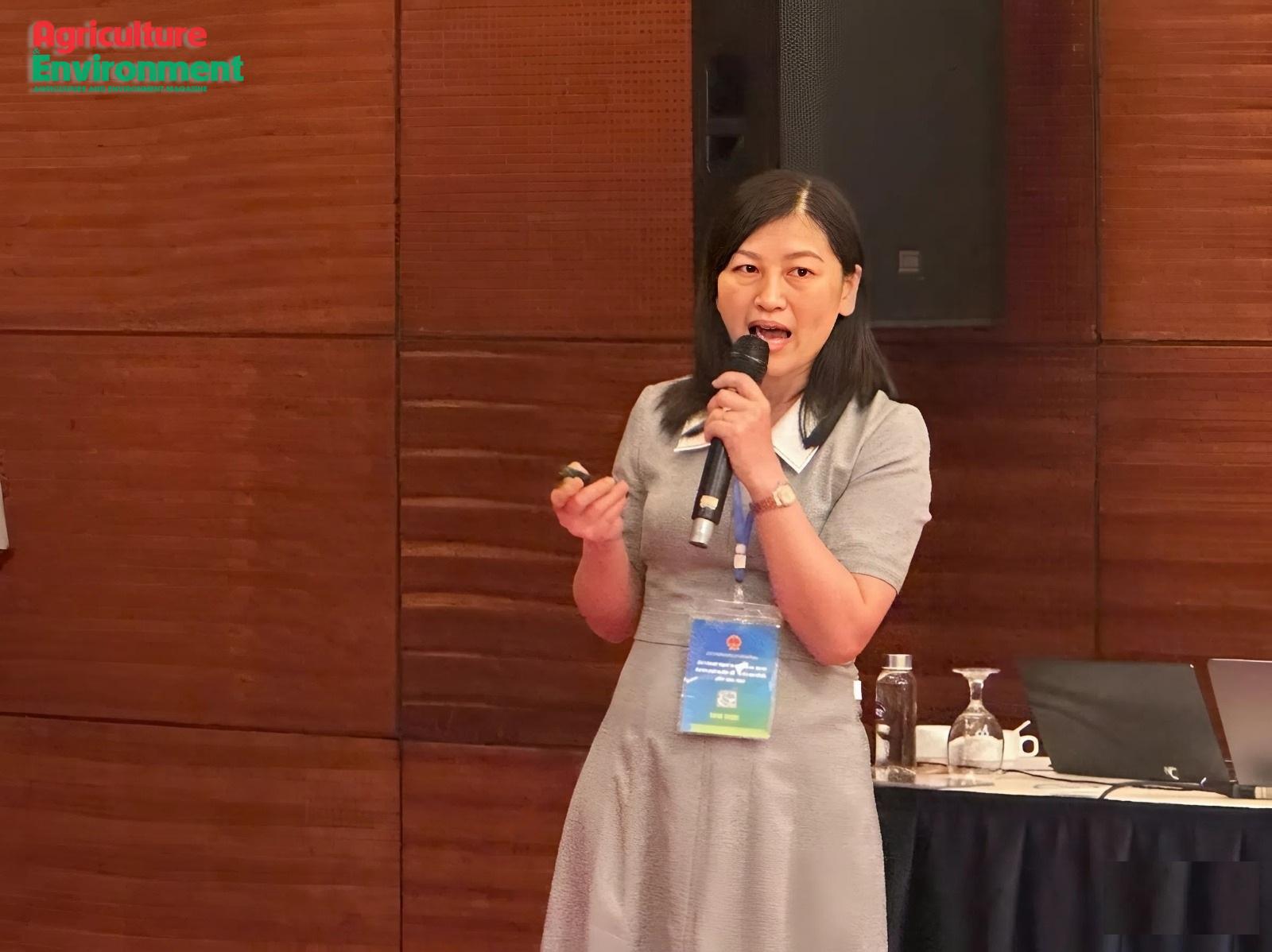
Dr. Dao Thi Binh An of the National Institute of Animal Sciences
While laboratory studies help clarify the mechanisms of methane formation, field research shows that emissions are strongly influenced by production conditions.
Research by Dr. Dao Thi Binh An of the National Institute of Animal Sciences assessed methane emissions from beef cattle under typical feeding systems in Viet Nam.
The findings indicate that methane emissions vary by season and ecological region. Emission factors and methane conversion rates (Ym) were generally higher in the dry season than in the rainy season, reflecting differences in feed quality and composition.
According to Dr. An, limited availability and lower quality of roughage during the dry season affect rumen fermentation and lead to higher emissions. In contrast, abundant green forage during the rainy season improves feed utilization efficiency and may reduce methane emissions per unit of energy intake.
These results highlight that methane emissions depend not only on the animal but also on production conditions and feeding strategies. There is no universal feeding formula applicable across all regions, and flexible, context-specific approaches are required.
The study also provides important data for developing country-specific emission factors, reducing reliance on default international values — a key requirement as greenhouse gas inventories and mitigation commitments become more stringent.
Feed optimization and by-product use support emission reduction
Dr. Nguyen Thi Vinh of the Vietnam National University of Agriculture
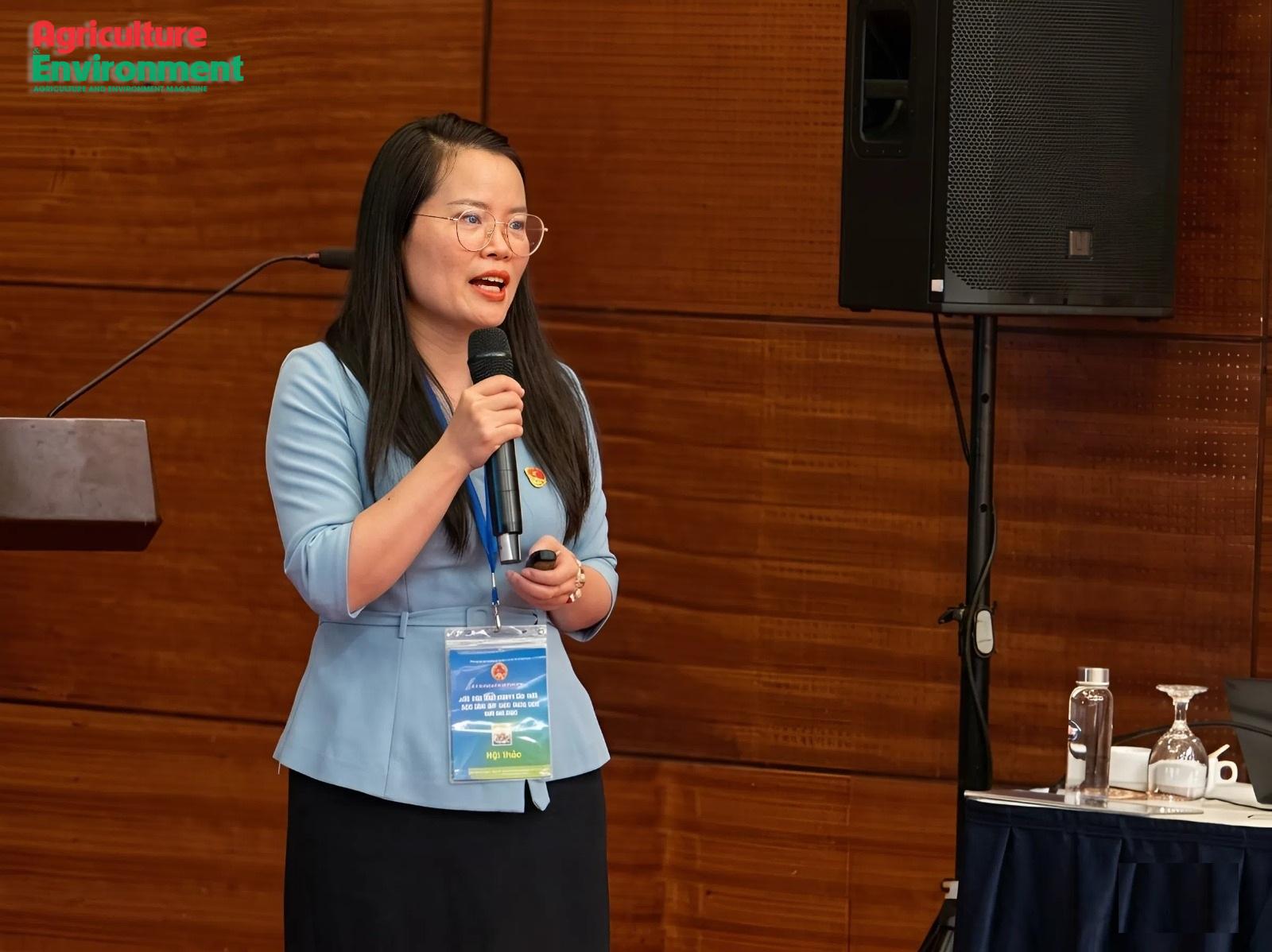
Beyond direct interventions, researchers also highlighted the importance of optimizing feed resources and feeding practices.
A study by Dr. Nguyen Thi Vinh of the Viet Nam National University of Agriculture explored the use of fruit by-products — a major but underutilized resource — in pellet feed production.
The study found that adding binders, particularly molasses, significantly improved pellet durability while enhancing nutritional value. Processing by-products into pellet feed helps reduce losses and enables more standardized ration formulation.
According to Dr. Vinh, better feed standardization supports more efficient nutrition management, which in turn stabilizes rumen fermentation and indirectly contributes to methane mitigation.
Other findings on concentrate feed ratios also suggest that diets can be adjusted without disrupting rumen function, opening the possibility of combining multiple nutrition-based solutions rather than relying on a single measure.
Together, these approaches indicate that methane mitigation is not solely about additives or isolated technologies, but also about how feed resources are managed across the entire production system. This is particularly relevant in Viet Nam, where agricultural by-products remain an abundant but underutilized resource.
Integrated nutrition strategies needed to reduce methane emissions
The studies presented at the subcommittee underscore that reducing methane emissions in ruminant livestock cannot be achieved through a single solution.
Approaches such as feed additives, seasonal diet adjustments, by-product utilization, and feed processing technologies each contribute to emission reduction, but are most effective when implemented as part of an integrated system.
At the mechanistic level, additives such as biochar can directly influence methane production, but their effectiveness depends on proper dosage and may involve trade-offs with digestibility. Meanwhile, field studies show that emissions vary significantly with feeding conditions and seasonal changes.
Improving feed structure and utilizing agricultural by-products can enhance feed efficiency — a key factor linked to emissions. Although these measures may not immediately reduce methane output, they help stabilize rumen fermentation and create conditions for more sustainable mitigation.
Overall, methane emissions are not an isolated variable but the result of complex interactions within nutrition and digestion. Effective mitigation therefore requires an integrated approach combining feed selection, ration formulation, and feeding management.
Given Viet Nam’s reliance on roughage and agricultural by-products, nutrition-based solutions are considered both practical and appropriate. However, further validation under real farming conditions, along with stronger linkages between research and production, will be essential to translate these findings into practice.
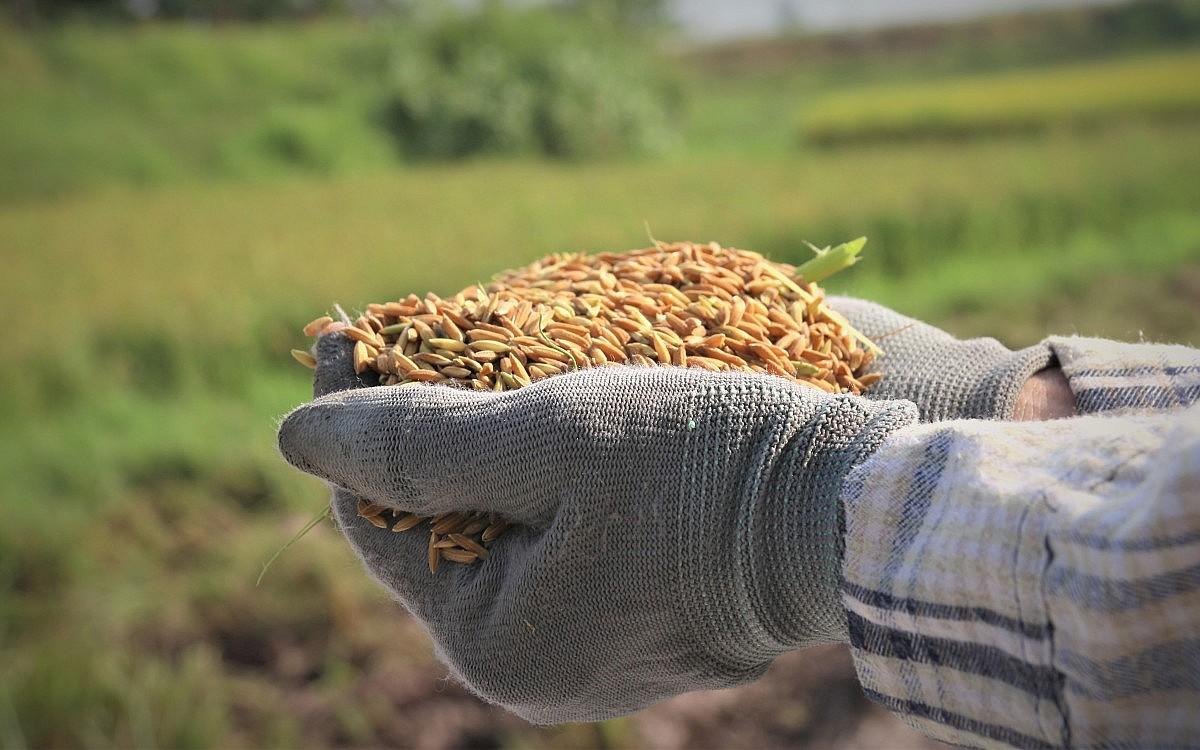
Policies achieve lasting impact only when they translate into changes in production practices. This is particularly true of efforts to reduce food loss and waste: setting reduction targets or encouraging the productive use of agricultural by-products will have limited effect unless producers can see clear economic returns and businesses have access to sufficiently stable markets.

Viet Nam has gradually established a policy foundation for reducing food loss and waste (FLW), increasingly linking the issue to sustainable development, the circular economy, and food system transformation. The challenge in the next phase is therefore not to start from scratch, but to connect existing policies into a coherent, data-driven governance framework that prioritizes prevention and is supported by sufficiently strong coordination mechanisms to drive action at the national level.
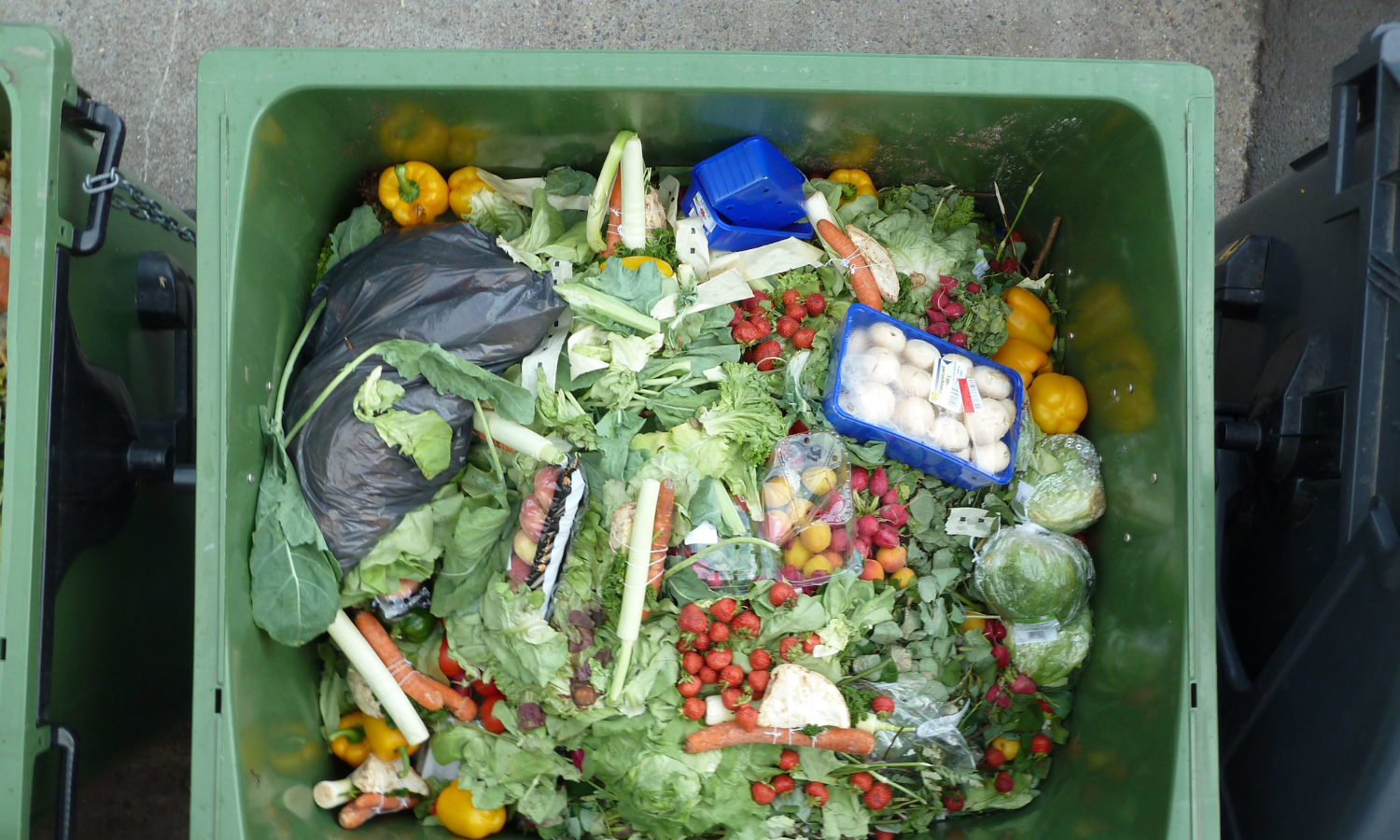
International experience suggests that food loss and waste (FLW) is not a problem that can be resolved through a single policy measure. Effective action requires institutions capable of coordinating stakeholders, data that can identify where losses occur, regulations that do not create unnecessary barriers, and mechanisms that allow businesses and communities to participate.
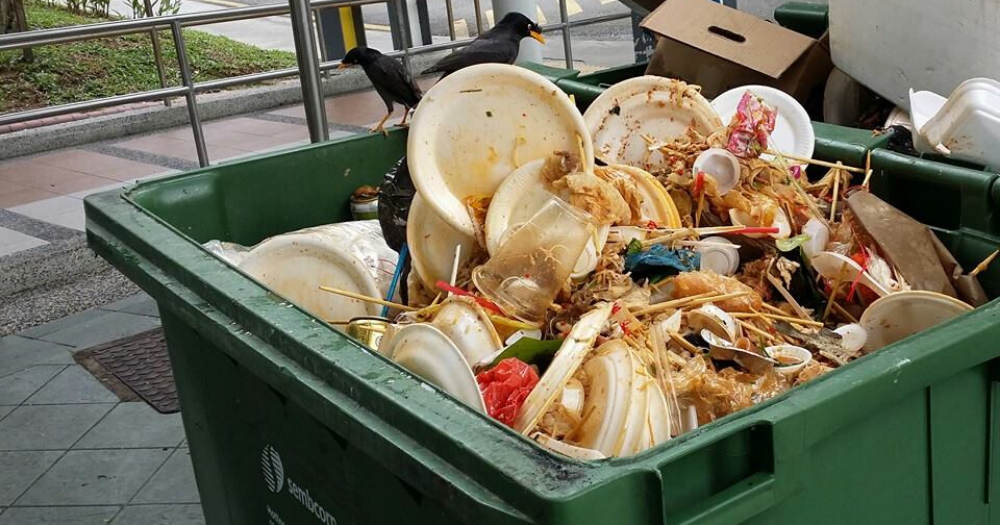
Food loss and waste are emerging as major bottlenecks in global agrifood systems, with large quantities of food lost or discarded despite the land, water, energy and labor invested in producing it. In Viet Nam, the issue not only diminishes the value of agricultural products but also generates substantial economic, environmental and social costs. Research on selected value chains shows that food losses occur throughout the chain, from production and harvesting to transportation, post-harvest handling and storage, while food waste continues to arise at the retail, food service and household levels. A clear understanding of the current situation is essential for Viet Nam to further strengthen its policies to reduce food loss, curb food waste and improve the efficiency of the agrifood system as a whole.

Resolution No. 36/2026/NQ-CP and new regulations on growing-area codes (GACs) and packing-facility codes (PFCs) are prompting changes in how these codes are managed, registered, and maintained. At a training session on implementation of the new regulations held on August 20, government officials and experts focused on procedural changes, requirements for digitizing records, and the supporting role of agricultural extension services at the local level.