



 On December 4, at the inaugural meeting of the Inter-ministerial standing working group tasked with implementing the Vietnam–Denmark joint action plan under the Green Strategic Partnership and Comprehensive Partnership, senior officials from the Ministry of Agriculture and Environment of Vietnam and their Danish counterparts conducted a comprehensive review of cooperation achievements for 2024–2025 and outlined bold new priorities for the 2026–2028 period. Emphasis was placed on driving the green transition, strengthening environmental and energy capacities, and advancing sustainable development goals.
Reviewing the 2024–2025 implementation of the Vietnam–Denmark joint action plan
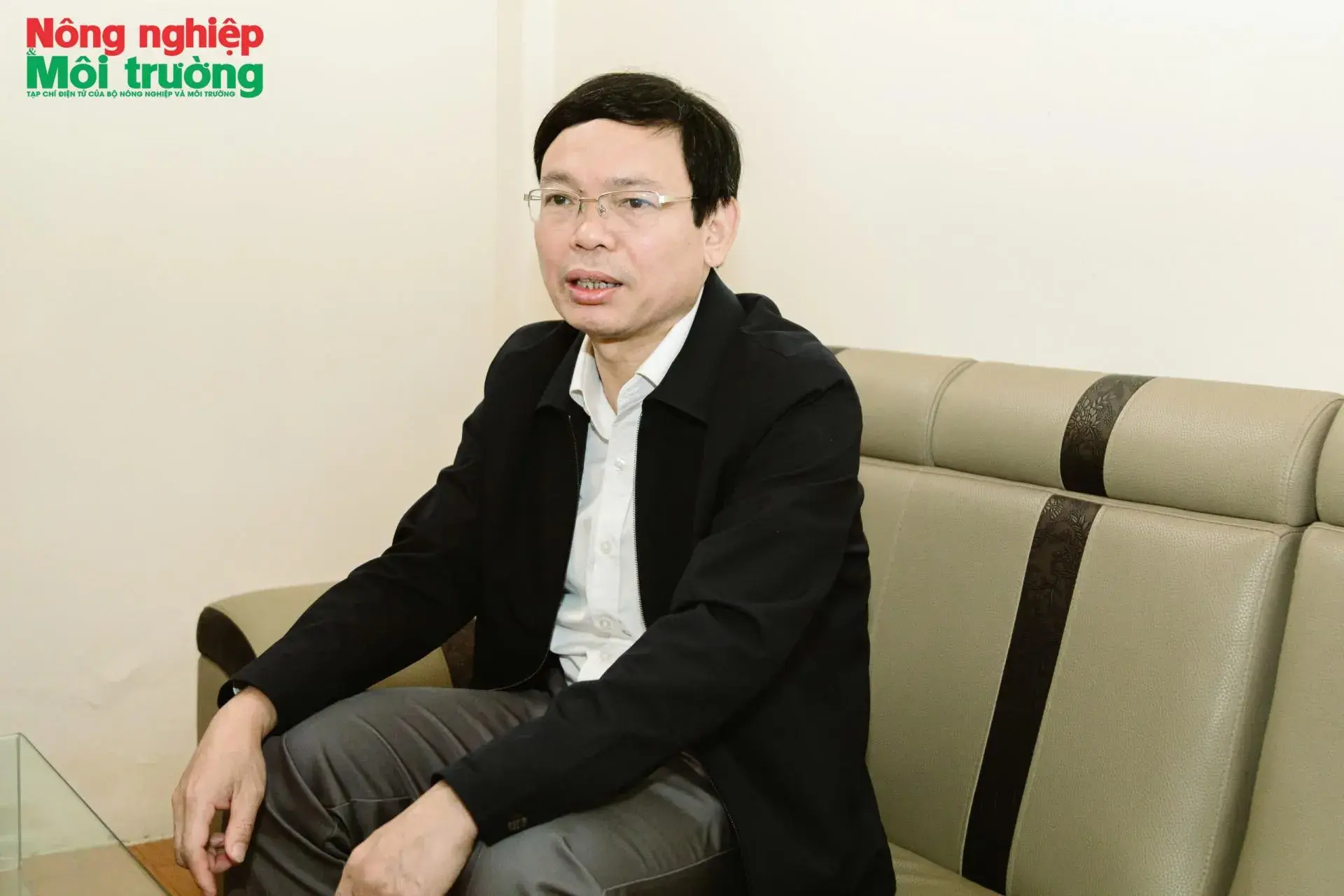
Mr. Pham Ngoc Mau, Deputy Director, Department of International Cooperation, Ministry of Agriculture and Environment
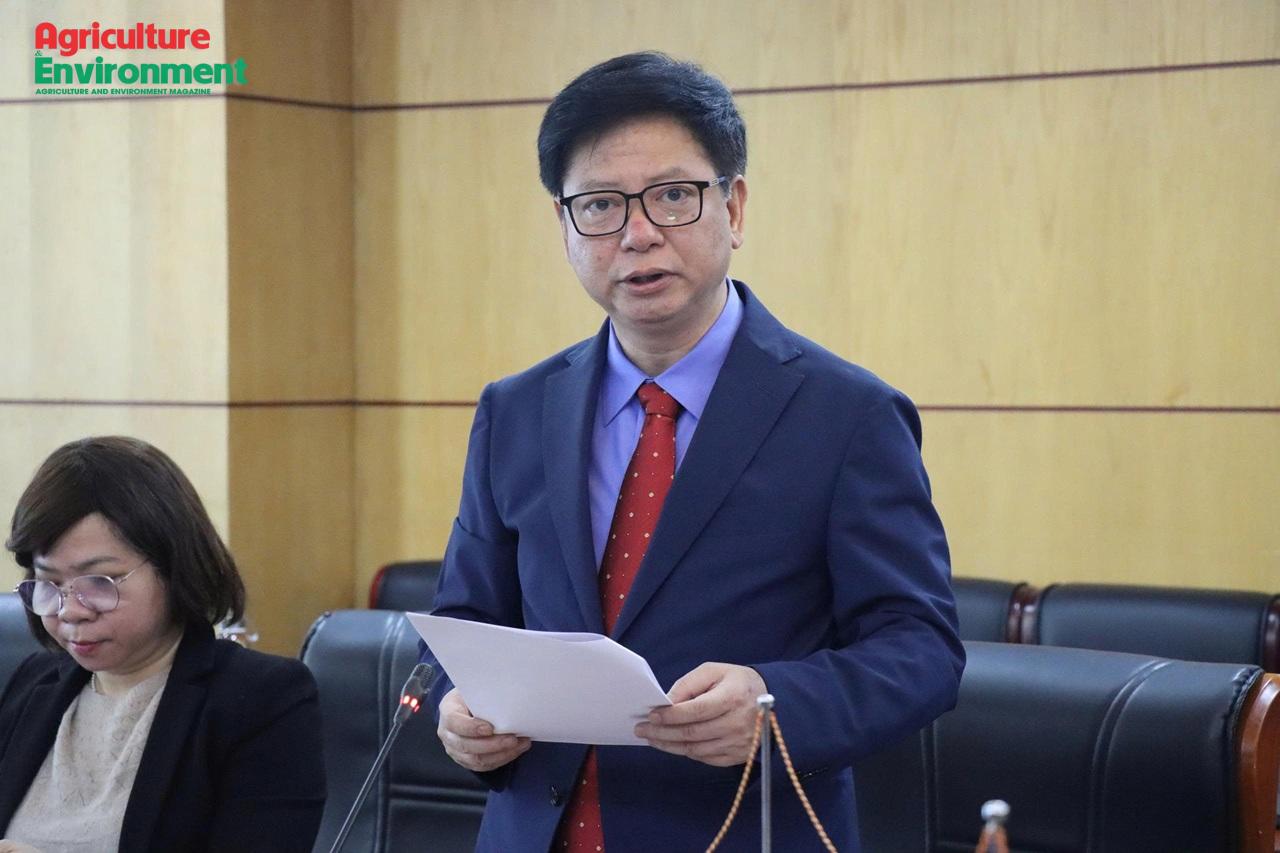
In the political and diplomatic sphere, Vietnam and Denmark have made significant strides in strengthening green dialogue. The two countries successfully facilitated high-level visits, delegation exchanges, and strategic engagements at regional and global forums, while also holding regular Deputy Minister-Level Political Consultations. Vietnam actively supported discussions within ASEAN on Denmark’s proposal to establish Sectoral Dialogue Partnerships in specialized fields.
In climate, environment, and energy cooperation, both sides have advanced the Vietnam–Denmark Energy Partnership Programme (DEPP3) 2020–2025, which focuses on enhancing long-term energy sector planning; Strengthening capacity to integrate renewable energy into the national grid; Promoting low-carbon industry development.
In parallel, Vietnam and Denmark have cooperated within the International Partners Group (IPG) to support the implementation of the Just Energy Transition Partnership (JETP) in Vietnam. As part of these efforts, the IPG proposed a portfolio of 23 priority projects for JETP implementation (IPG23), including one Denmark-funded technical assistance project valued at USD 3.55 million.
Collaborative momentum also extended to advancing green ambitions in key sectors. In 2024, the Ministry of Agriculture and Environment of Vietnam and the Danish Ministry of Food, Agriculture and Fisheries signed a Memorandum of Understanding on sustainable food and animal feed production and strategic collaboration on food safety. In 2025, both sides formalized the Phase 3 Technical Assistance Agreement under the strategic health sector cooperation framework, aimed at bolstering primary healthcare systems with a focus on prevention and management of non-communicable diseases.
In the realm of education and training, a series of enhanced capacity-building programs were delivered in 2024–2025, covering food safety management, environmental health, livestock management, and sustainable agriculture for Vietnamese officials. Meanwhile, the Ministry of Education and Training advanced the Vietnam–Denmark vocational education development project, successfully completing Phase 2.
The Directorate of Fisheries and Fisheries Surveillance has played a pivotal coordination role in bilateral fisheries cooperation, advancing green and sustainable practices through high-level bilateral dialogues and technical exchanges. Joint initiatives have broadened future collaboration opportunities to promote profitable, efficient, and environmentally friendly aquaculture systems.
Proposals to strengthen environmental policy and accelerate the green transition
Ms. Nguyen Thi Thien Phuong, Deputy Director, Department of Environment, Ministry of Agriculture and Environment
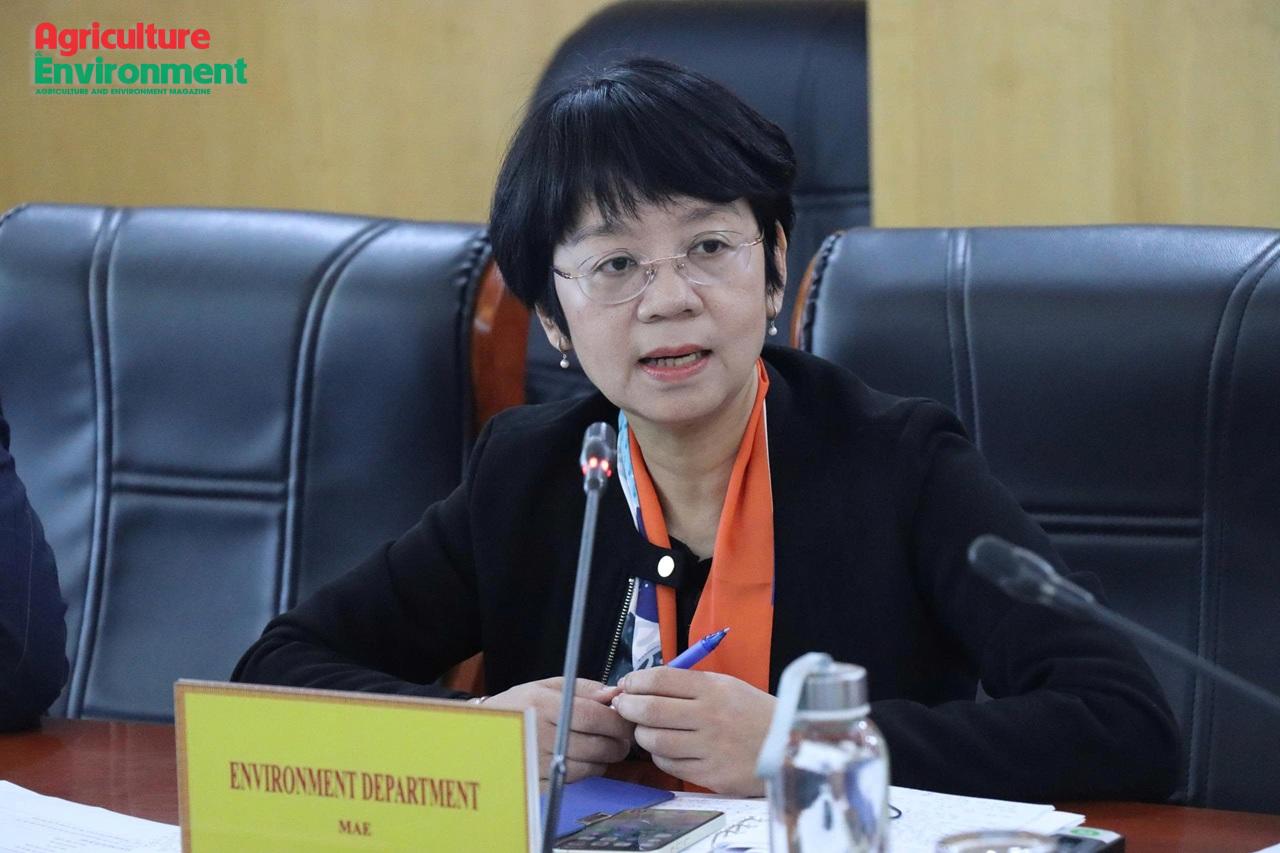
Drawing on practical experience and the urgency of environmental protection imperatives, the Department of Environment proposed key strategic cooperation directions to enhance management effectiveness and response capacities.
A priority is to expand international exchange on environmental policy development, especially models for managing and reducing plastic waste and pathways to limit microplastics in consumer goods. Access to cutting-edge global standards will help Vietnam refine its legal framework and align with modern environmental governance.
Additionally, technical assistance is needed to upgrade environmental monitoring systems, including managerial capabilities, standardized procedures, and methodologies—particularly for the marine environment, which faces acute pressures from climate change and economic activities. Strengthened cooperation in air quality forecasting and early warning systems was also proposed, with a view toward establishing cross-regional governance mechanisms in response to increasingly complex air pollution dynamics.
Another strategic focus is reducing emissions from transport and urban operations through research on green transport models, curbing open burning, and controlling construction-related dust emissions at the source.
Beyond technical measures, Ms. Nguyen Thi Thien Phuong advocated for policy enhancements to promote green products. She emphasized the development of criteria for recognizing environmentally friendly products and expanding support mechanisms for goods certified with green or eco labels, providing incentives for enterprises to transition toward sustainable production.
Expanding cooperation on green ports, smart logistics, and low-emission transport
Ms. Tran Thi Thanh Thuy, Deputy Director, Department of International Cooperation, Ministry of Construction
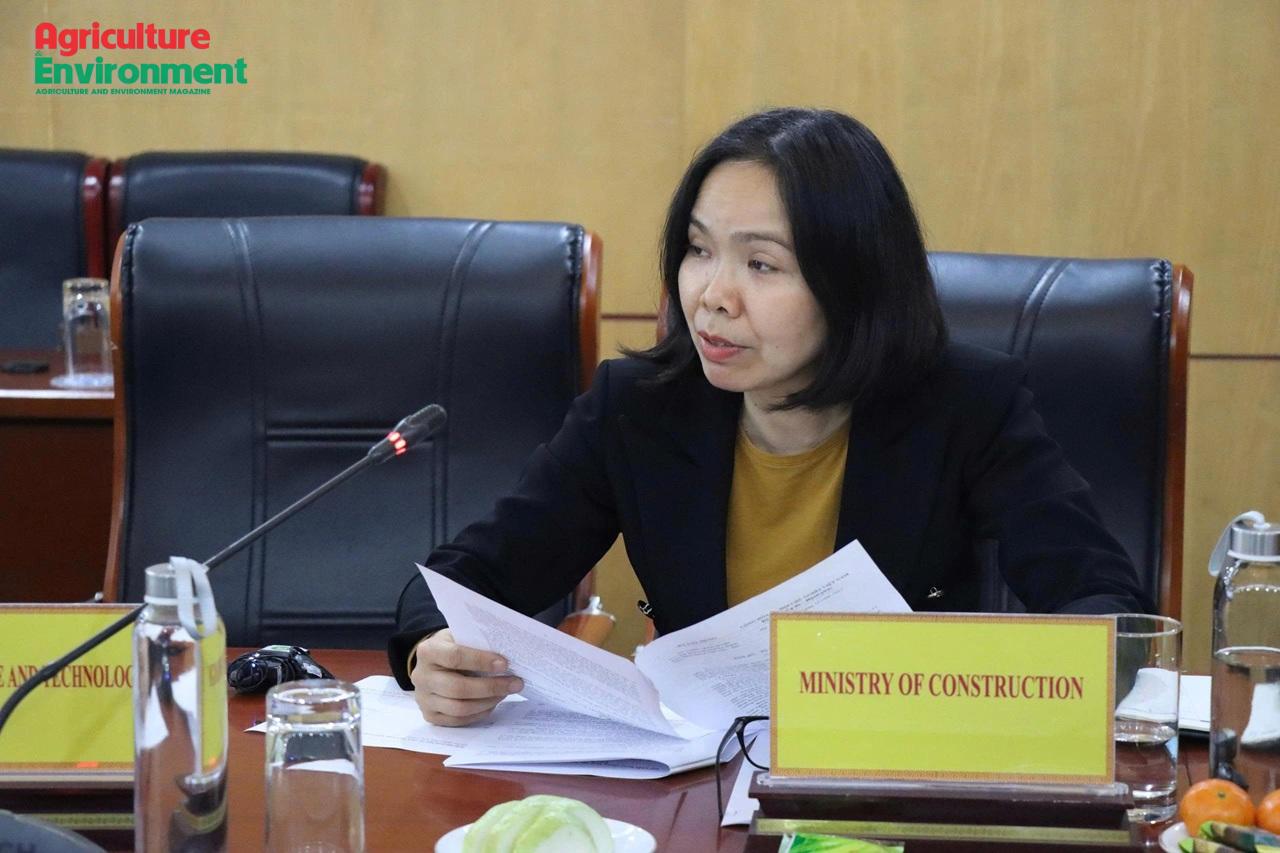
Denmark, a global maritime leader with a comprehensive maritime innovation ecosystem, possesses advanced port infrastructure and capabilities in green maritime technology.
Ms. Tran Thi Thanh Thuy underscored opportunities to deepen cooperation in the maritime sector, proposing increased delegation exchanges, technical workshops, and thematic seminars on digital transformation in port management, green logistics, and information technology applications aligned with Vietnam’s vision for smart, sustainable ports.
She also called for enhanced collaboration on port system governance, smart logistics solutions, and technology applications such as Vessel Traffic Services (VTS), Automatic Identification Systems (AIS), and clean energy fuels, which can contribute to modernizing Vietnam’s port infrastructure. She encouraged Denmark to support the refinement of Vietnam’s green port criteria to align with global best practices.
In the railway sector, the Ministry of Construction recommended expanding cooperation to leverage Denmark’s experience with railway electrification and policies that incentivize the modal shift from high-emission transport to environmentally friendly rail networks.
For the road transport sector, Ms. Tran Thi Thanh Thuy proposed exploring the feasibility of deploying electric vehicles (EVs) for freight and logistics in Vietnam; piloting EV and hybrid fleets suited to local conditions; enhancing integration among road, inland port, and logistics systems; and developing Total Cost of Ownership (TCO) frameworks to compare EVs with conventional internal combustion engine vehicles in the Vietnamese context.

Experts, policymakers, representatives of international organizations, vocational education and training institutions, and businesses shared perspectives on Viet Nam’s roadmap for fulfilling international commitments, advancing technology transformation, developing green workforce capacity, and strengthening the management of controlled substances at the inception workshop of the sustainable management of controlled substances under the Montreal protocol project (SMS-MP) held in Hanoi on July 24.
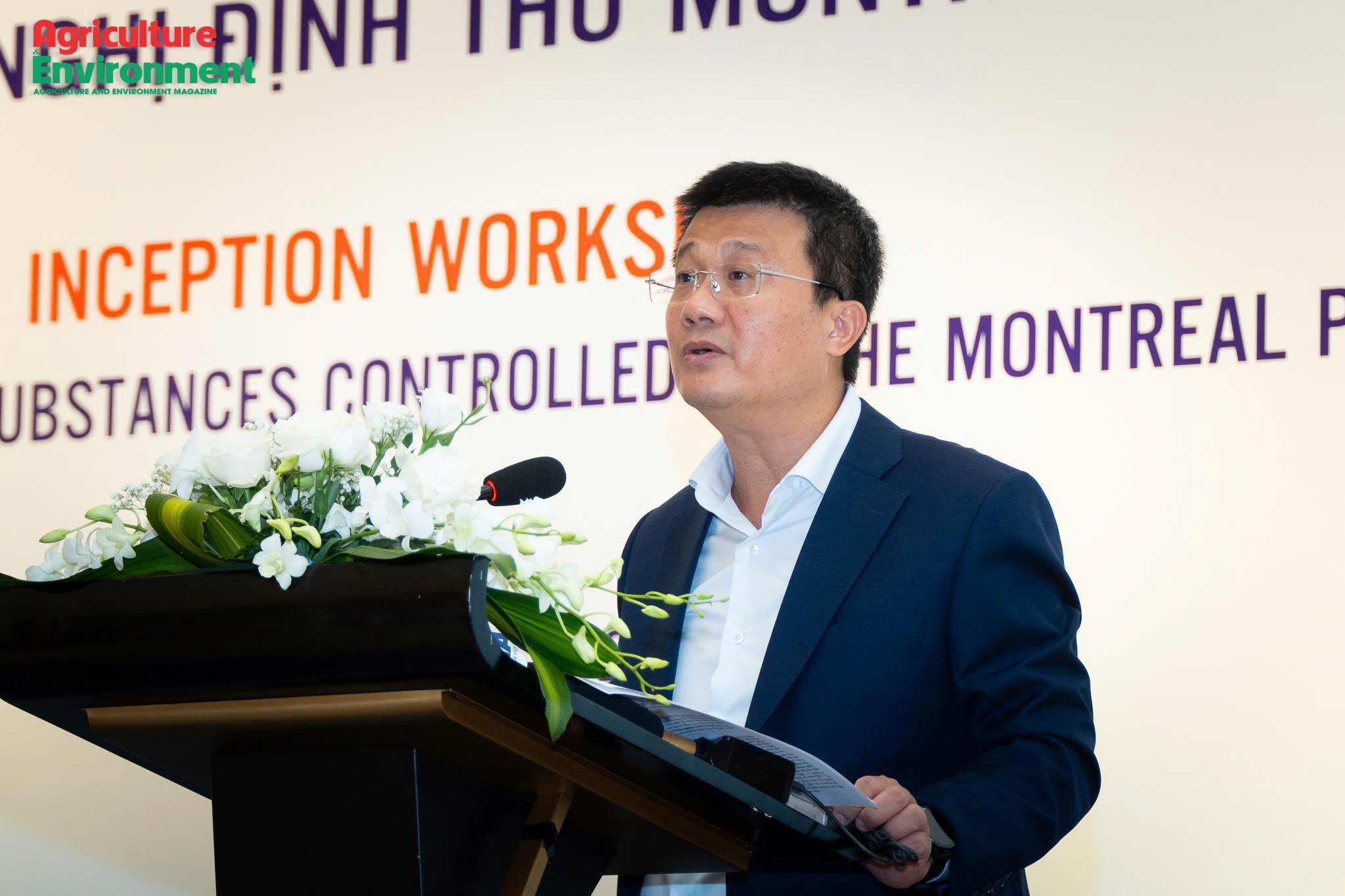
Climate-friendly, energy-efficient refrigeration technologies have become a key priority for Viet Nam as it implements its commitments under the Montreal protocol and the Kigali amendment. At the inception workshop on the sustainable management of Montreal protocol substances project (SMS-MP) on July 24, government agencies, international partners and businesses discussed coordinated measures on technology, policy and workforce development to support the country's transition.
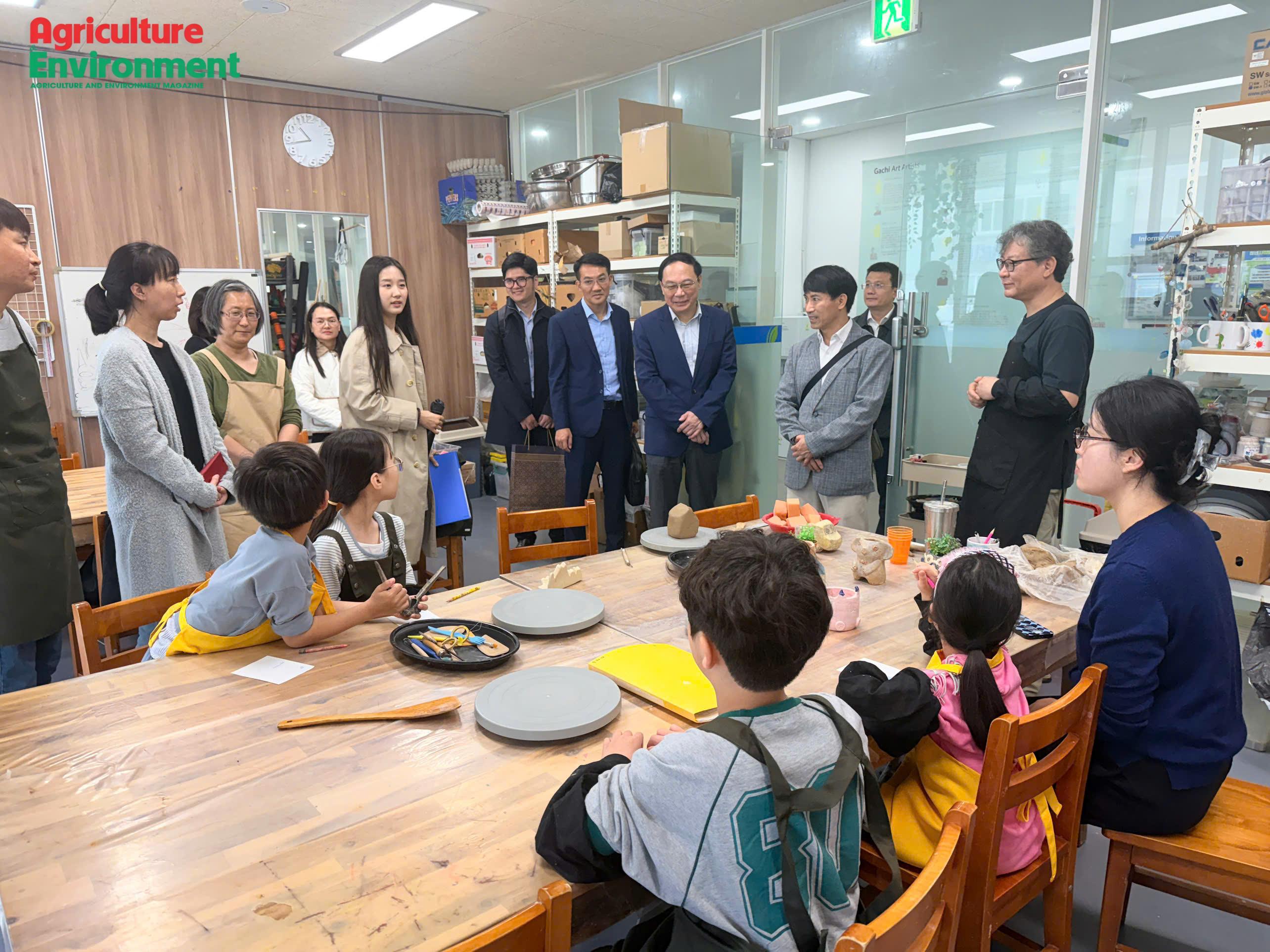
During its participation in the 2026 Green Transformation Week (GX Week) in South Korea, a delegation from Viet Nam’s Ministry of Agriculture and Environment surveyed the Busan Resource Circulation Center (BRC) model. The experience highlights an approach to reintegrating waste into production chains, offering practical insights for Vietnam’s transition toward a circular economy.
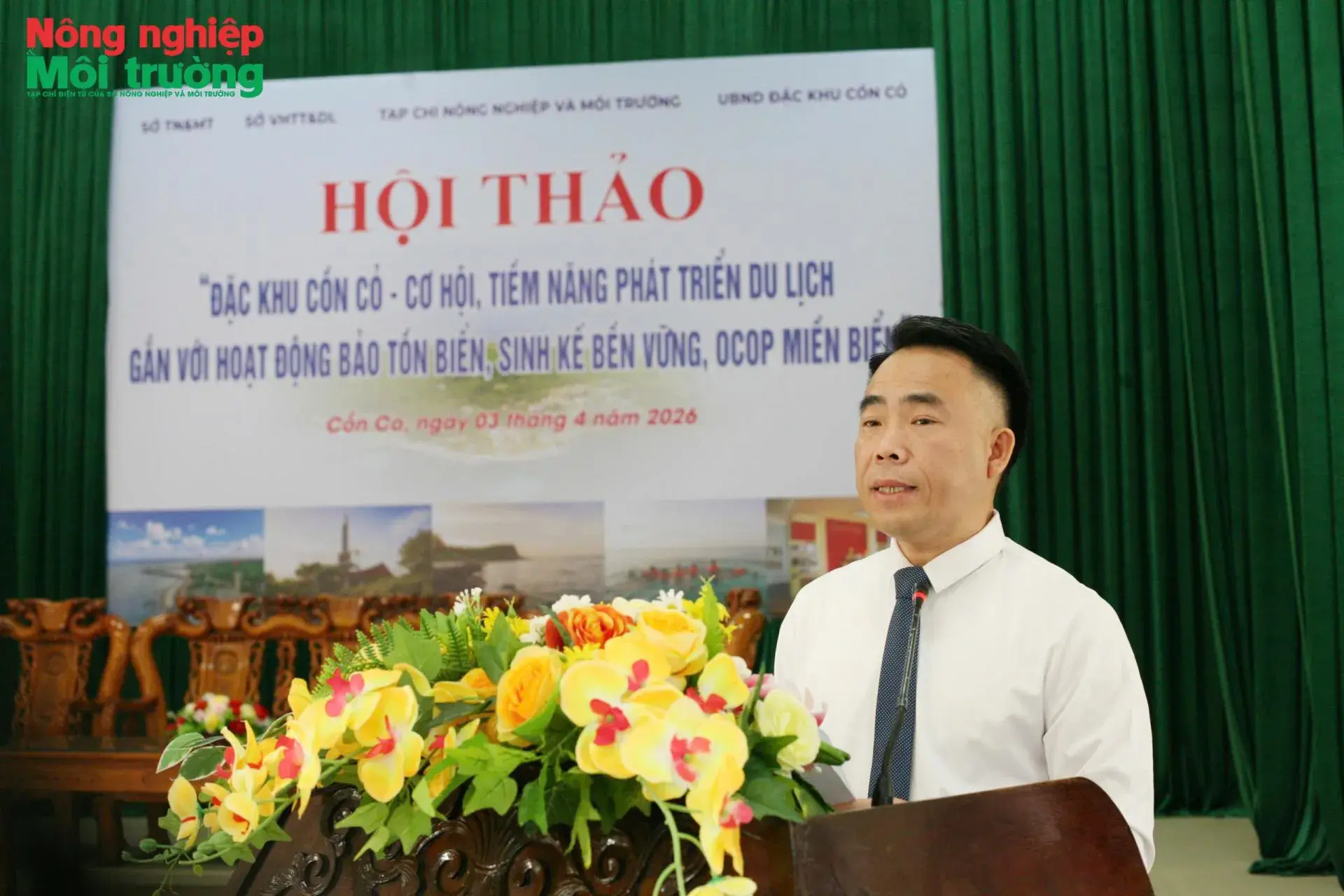
A policy workshop on “Con Co special zone – Opportunities and potential for tourism development linked to marine conservation, sustainable livelihoods, and coastal OCOP products” highlighted a new development approach in which growth must go hand in hand with conservation, and economic expansion must be grounded in ecological sustainability and community well-being.
As the impacts of climate change become increasingly evident, extreme weather events are directly affecting livelihoods and agricultural production. In response, the Nghe An Provincial Agricultural Extension Center has implemented a range of measures to support farmers, strengthen adaptive capacity, and promote more sustainable agricultural production.