



 Experts, policymakers, representatives of international organizations, vocational education and training institutions, and businesses shared perspectives on Viet Nam’s roadmap for fulfilling international commitments, advancing technology transformation, developing green workforce capacity, and strengthening the management of controlled substances at the inception workshop of the sustainable management of controlled substances under the Montreal protocol project (SMS-MP) held in Hanoi on July 24.
The discussions highlighted that close coordination among government agencies, training institutions and the private sector will be essential to developing a greener and more sustainable refrigeration sector while ensuring Viet Nam’s effective implementation of its commitments under the Montreal Protocol.
Viet Nam outlines roadmap for phasing out controlled substances under Montreal Protocol
Nguyen Dang Thu Cuc, Deputy Head of the Greenhouse Gas Emissions Management and Ozone Layer Protection Division, Department of Climate Change, Ministry of Agriculture & Environment
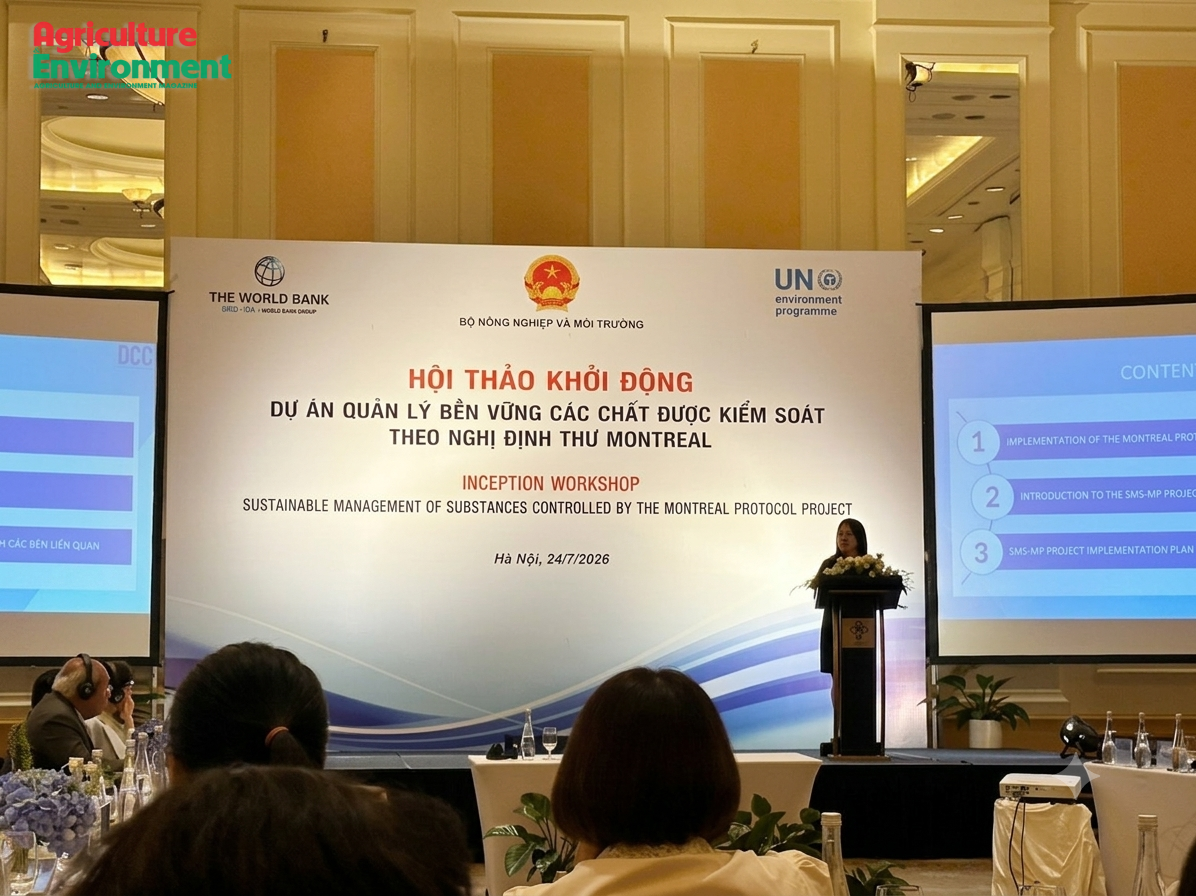
Speaking at the workshop, Nguyen Dang Thu Cuc, Deputy Head of the Greenhouse Gas Emissions Management and Ozone Layer Protection Division under the Department of Climate Change, said Viet Nam joined the Montreal Protocol in 1994 and has achieved significant progress over more than three decades of implementation.
According to Nguyen Dang Thu Cuc, the Montreal Protocol is recognized as one of the world’s most successful environmental treaties, with participation from all countries. Viet Nam has completed the phase-out of several first-generation ozone-depleting substances (ODS), including chlorofluorocarbons (CFCs), halons and methyl bromide, as well as other controlled chemicals in accordance with the international roadmap. These efforts have contributed to global climate action by avoiding approximately 240 million tonnes of CO₂ equivalent emissions, according to data compiled by the Montreal Protocol Secretariat.
Viet Nam is currently continuing its roadmap to manage and phase out two major groups of controlled substances: hydrochlorofluorocarbons (HCFCs) and hydrofluorocarbons (HFCs). For HCFCs — refrigerants widely used in refrigeration, air-conditioning and foam manufacturing — Viet Nam began reducing consumption in 2013 and aims to eliminate 97.5% of HCFC consumption by 2030, with a complete phase-out of HCFC use by 2040.
Regarding HFCs, Viet Nam began controlling consumption levels in 2024 in accordance with the Kigali Amendment to the Montreal Protocol. Under the roadmap, HFC consumption will be gradually reduced, targeting an 80% reduction by 2045, which is expected to lower emissions from approximately 13.9 million tonnes of CO₂ equivalent to 2.8 million tonnes of CO₂ equivalent.
Nguyen Dang Thu Cuc noted that the Law on Environmental Protection 2020 has established an important legal foundation for ozone layer protection in Viet Nam. Along with Government Decree No. 06/2022/ND-CP and relevant guiding documents, the country has developed a comprehensive management framework covering the production, import, use, recovery, recycling and disposal of controlled substances.
She emphasized that establishing a roadmap for controlling these substances not only enables state management agencies to proactively develop appropriate policies but also allows businesses to prepare technology conversion plans. At the same time, the roadmap provides a foundation for relevant agencies, including customs authorities, to coordinate the management and control of the import, export and circulation of refrigerants in accordance with regulations.
One of the key priorities in the coming period is strengthening refrigerant lifecycle management, from recovery and storage to recycling and disposal when equipment reaches the end of its operational life. According to Nguyen Dag Thu Cuc, proper recovery and recycling processes will help reduce the risk of emissions of substances harmful to the ozone layer and climate, while creating a supply of reclaimed refrigerants for continued use during the technology transition process.
Introducing the SMS-MP project, Nguyen Dang Thu Cuc said the project will be implemented from 2026 to 2031 with financial support from the Multilateral Fund for the Implementation of the Montreal Protocol, with the World Bank and the United Nations Environment Programme (UNEP) serving as implementing agencies. The Ministry of Agriculture and Environment is the project governing agency, while the Department of Climate Change serves as the project owner.
The project aims to support Viet Nam in fulfilling international commitments on HCFC phase-out and HFC phase-down, while promoting the transition toward refrigeration technologies that are more environmentally friendly and climate resilient.
Nguyen Dang Thu Cuc said the project will focus on several key areas, including supporting technology conversion in sectors with significant emission reduction potential, enhancing technical capacity through vocational training, supporting policy development and technical research, and strengthening the capacity of relevant management agencies.
Workforce development will be a major component of the project. The project will coordinate with the vocational education and training system to develop training programs, improve instructors’ capacity, and train technicians in refrigeration, air conditioning and construction-related fields. It will also promote skills certification mechanisms to ensure that workers have the necessary capacity to safely conduct refrigeration equipment maintenance, repair, recovery and disposal activities in accordance with regulations.
In addition, the project will provide technical assistance, support policy research and facilitate international knowledge sharing, while strengthening the capacity of enforcement agencies, including customs authorities, in controlling imports and exports of controlled substances.
Nguyen Dang Thu Cuc stressed that the green transition of the refrigeration sector requires coordinated participation from government agencies, international organizations, research institutions, training providers, business associations and enterprises. “Close cooperation among stakeholders will be a key factor enabling Viet Nam to effectively implement its commitments under the Montreal Protocol while promoting sustainable development of the refrigeration sector,” Nguyen Dang Thu Cuc said.
Supporting Viet Nam’s transition through strategic implementation of Montreal Protocol commitments
Mary-Ellen Foley, Senior Environmental Specialist, World Bank
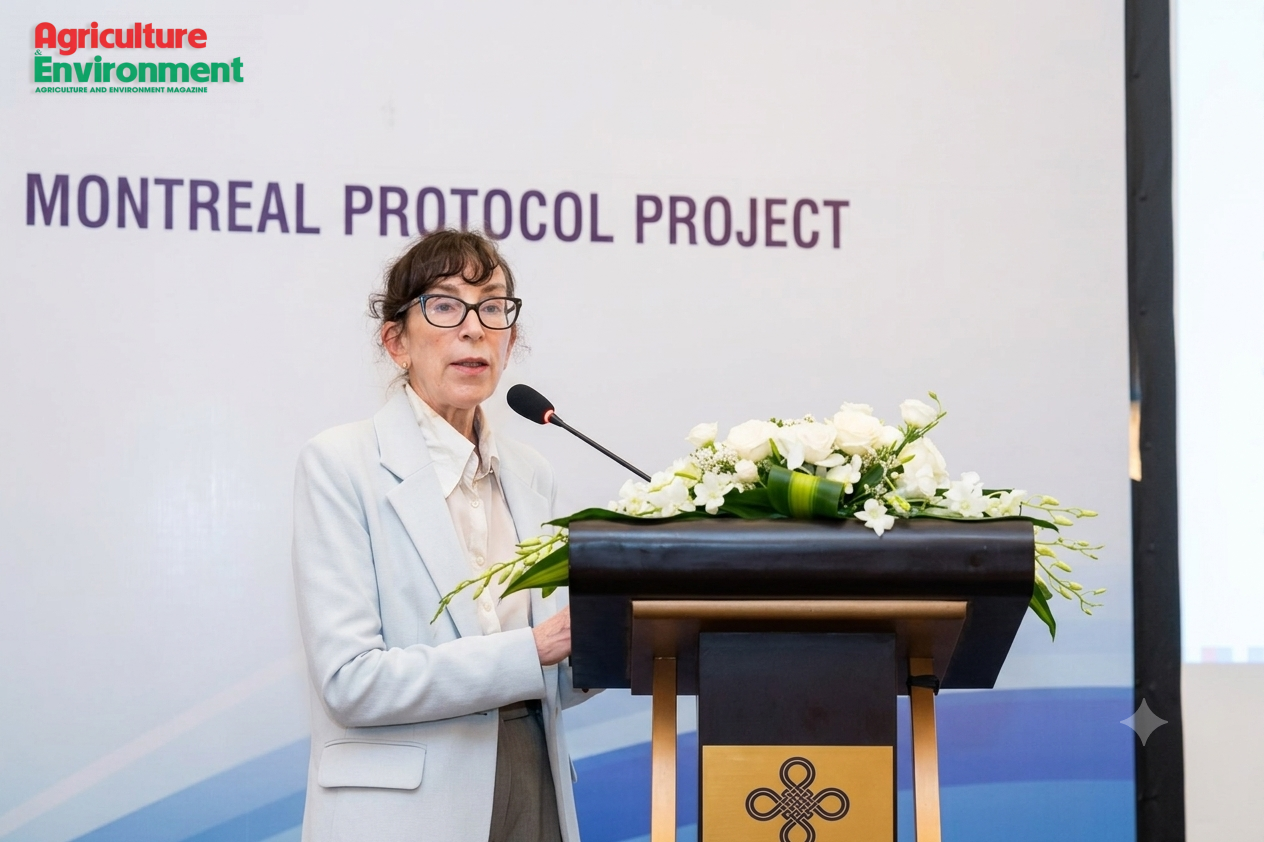
Speaking at the event, Mary-Ellen Foley, Senior Environmental Specialist at the World Bank, highlighted the significance of the Montreal Protocol as one of the most successful international environmental agreements, with a unique compliance mechanism and financial support system to assist developing countries in meeting their commitments.
She noted that Viet Nam has achieved significant progress in implementing the Montreal Protocol, with the country having successfully eliminated several ozone-depleting substances and continuously advanced towards the phase-out of HCFCs and the phase-down of HFCs in line with international commitments.
According to Mary-Ellen Foley, two key factors have contributed to the success of the Montreal Protocol. The first is the differentiated implementation timeline, which allows developing countries additional time to transition to alternative technologies, while developed countries take the lead in technology development and early compliance. The second is the financial mechanism through the Multilateral Fund for the Implementation of the Montreal Protocol, which provides grant support to help developing countries carry out their commitments.
She emphasized that the SMS-MP project was developed based on a comprehensive strategy and action plan jointly prepared by the Government of Viet Nam, the World Bank and UNEP. The preparation process focused on identifying priority areas for reducing HFC consumption while ensuring a balanced approach between meeting international obligations, supporting industry transition and maintaining sustainable economic development.
The project consists of two major components: the Kigali Implementation Plan (KIP) for HFC phase-down and the third stage of the HCFC Phase-out Management Plan (HPMP Stage III). These components are designed to complement each other and support Viet Nam in achieving its targets under the Montreal Protocol and the Kigali Amendment.
Mary-Ellen Foley said the project will focus on several priority areas, including technical assistance, policy development, technology conversion, capacity building and strengthening the management of controlled substances across key sectors.
For HCFC phase-out, the project will emphasize sustainable management throughout the lifecycle of substances, including containment, recovery, recycling and proper disposal, while preventing illegal imports and ensuring a smooth transition away from HCFC-dependent technologies.
For HFC phase-down, the project will support Viet Nam in implementing measures such as technical training, sector-based thresholds for high global warming potential (GWP) substances, quota management and technology transition. These activities will cover multiple sectors, including refrigeration, air conditioning, manufacturing and servicing.
She highlighted the importance of cooperation among all stakeholders, noting that the project requires close coordination between government agencies, technical institutions, enterprises, training organizations and international partners.
Under the World Bank’s component, with a grant value of US$12.3 million, the project aims to support Viet Nam in reducing HFC and HCFC consumption in accordance with its obligations under the Montreal Protocol. The project will establish a results framework to monitor progress annually, including Viet Nam’s compliance with HFC freeze targets through 2028, the 10% HFC reduction target in 2029, and HCFC phase-out milestones towards 2030.
Mary-Ellen Foley emphasized that capacity building would be a key focus of the project. The programme is expected to support training for approximately 8,000 refrigeration and air-conditioning technicians, as well as around 1,000 customs officers involved in controlling the import and export of controlled substances.
The project will also provide equipment and technical support to strengthen training programmes, improve customs inspection capacity and help enterprises comply with new regulations on controlled substances.
She noted that the World Bank will work closely with UNEP and Vietnamese partners to ensure effective project implementation, including compliance with financial management, procurement, environmental and social safeguard requirements.
According to Mary-Ellen Foley, the ultimate goal of the project is not only to help Viet Nam fulfill its commitments under the Montreal Protocol but also to promote green technology transformation, improve energy efficiency and contribute to climate change mitigation. The project is expected to avoid approximately 6.9 million tonnes of CO₂ equivalent emissions based on Viet Nam’s baseline consumption levels.
Building green workforce for Montreal Protocol compliance
Dr. Ha Duc Ngoc, the Department of Vocational Education and Continuing Education, Ministry of Education and Training
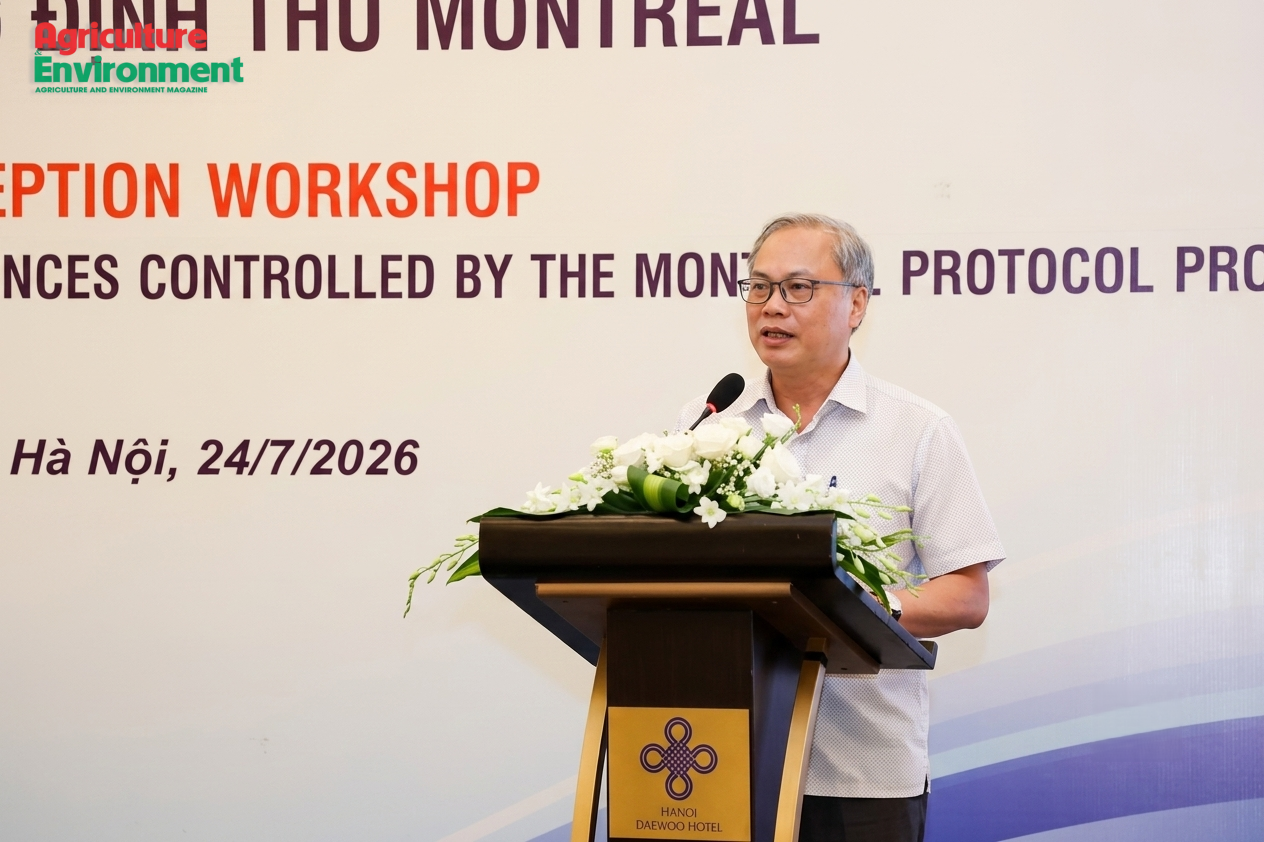
Speaking at the workshop, Dr. Ha Duc Ngoc from the Department of Vocational Education and Continuing Education said the vocational education and training (VET) system considers developing a green workforce as one of its key priorities to support environmental protection goals, including Viet Nam’s roadmap for phasing out controlled substances under the Montreal Protocol.
According to Dr. Ha Duc Ngoc, the Department of Vocational Education and Continuing Education has worked closely with the Department of Climate Change for many years to implement activities related to the management of controlled substances and enhance workforce capacity. The two agencies signed a cooperation agreement in 2019, providing a foundation for joint programs on training, curriculum development and technical support for vocational education and training institutions.
Dr. Ha Duc Ngoc said the VET system currently manages a nationwide network of colleges, intermediate schools and training institutions. Therefore, improving workforce capacity cannot focus only on major training centers in large cities but needs to be expanded nationwide.
According to the representative of the Department of Vocational Education and Continuing Education, recent vocational training regulations have incorporated new requirements for learning outcomes, ensuring that graduates are equipped with essential knowledge and skills related to environmental protection, efficient use of fuels and energy, and adaptation to the requirements of a green economy.
“This means that graduates at the intermediate and college levels entering the labour market must not only possess professional skills but also have environmental awareness and practical skills associated with sustainable development,” Dr. Ha Duc Ngoc emphasized.
Regarding refrigeration and the management of substances affecting the ozone layer, Dr. Ha Duc Ngoc said technicians and workers directly involved in operating, repairing and maintaining refrigeration equipment play a particularly important role. Without adequate knowledge, technical skills and awareness in refrigerant recovery and handling, efforts to reduce emissions and protect the environment would face significant challenges, he noted.
Dr. Ha Duc Ngoc said that in recent years, with support from cooperation programs, a number of vocational education and training institutions have received practical training equipment to support the training of refrigeration and air-conditioning technicians. At the same time, instructor training programs have been implemented to improve teaching quality and expand technical knowledge among learners.
However, he pointed out that demand for training remains substantial due to the nationwide scale of the vocational education system. Support should not only be directed to training institutions in Hanoi, Ho Chi Minh City and other major urban areas, but also extended to local facilities that need equipment upgrades, updated curricula and improved training capacity.
“Managing controlled substances is not the responsibility of only a few training institutions. It needs to be implemented across all localities where workers are directly involved in repairing and maintaining equipment using refrigerants,” Dr. Ha Duc Ngoc said.
Looking ahead, Dr. Ha Duc Ngoc called for continued expansion of training equipment support, increased technician training and stronger assistance for vocational education institutions nationwide. He also emphasized the need to further integrate knowledge and skills related to the management of environmentally harmful substances into formal vocational training programs.
Dr. Ha Duc Ngoc noted that under current regulations, vocational education institutions are allowed to organize specialized training courses and issue certificates for specific professional skills. This creates opportunities for schools to develop targeted training programs not only for students but also for workers already active in the labour market, including informal technicians who may not have received formal training.
“Training programs should not only focus on learners in educational institutions but also reach workers currently operating in the field, helping improve their capacity to control, recover and handle controlled substances in accordance with regulations,” Dr. Ha Duc Ngoc said.
According to Dr. Ha Duc Ngoc, cooperation among government agencies, international organizations, vocational education institutions and businesses will make green workforce development a critical factor in helping Viet Nam successfully implement its roadmap for phasing out controlled substances under the Montreal Protocol, while accelerating the green transition of the refrigeration sector.
Enhancing customs capacity to control regulated substances
Nguyen Thi Kim Que, Head of the Customs Supervision and Management Division under the Customs Department, Ministry of Industry and Trade
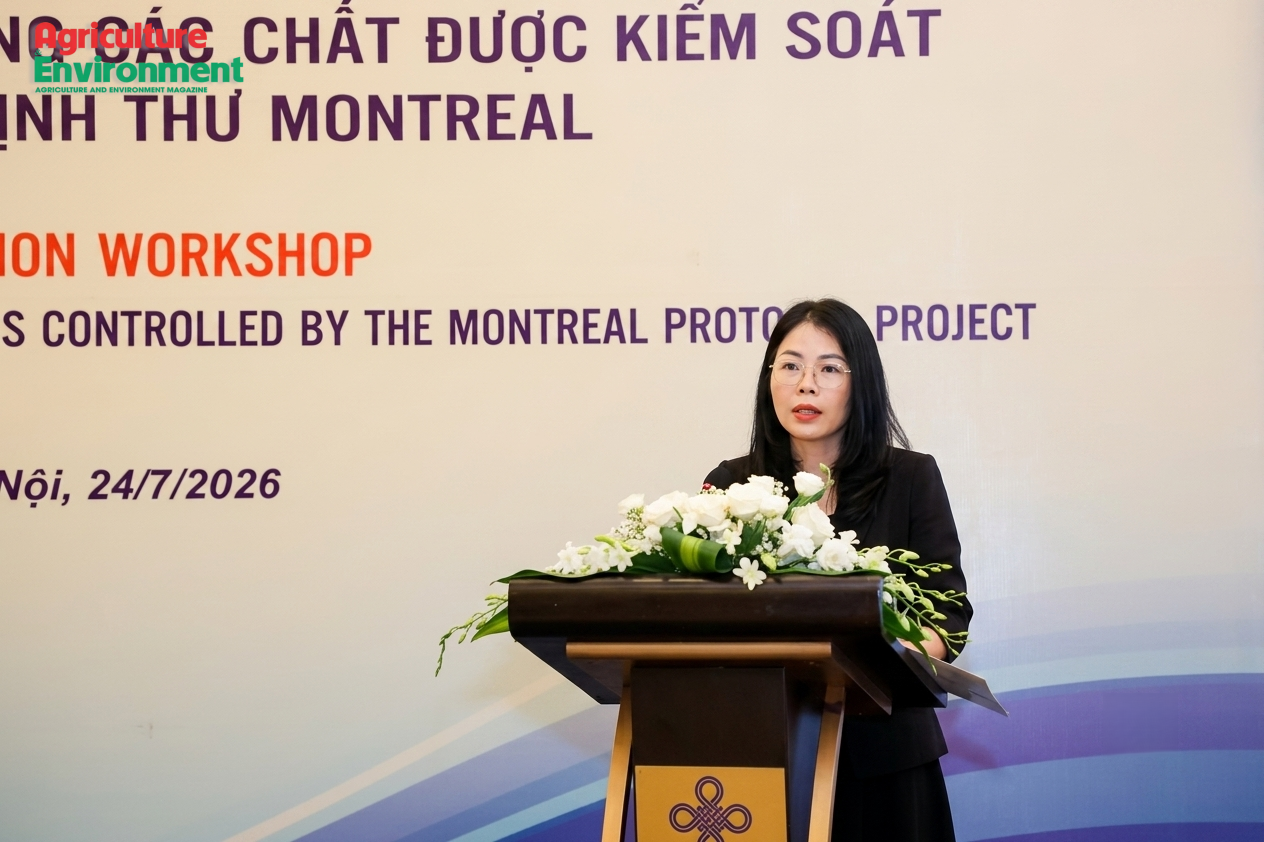
Nguyen Thi Kim Que, Head of the Customs Supervision and Management Division under the Customs Department, said customs authorities play an important role in controlling the import, export and transit of ozone-depleting substances (ODS) and greenhouse gases regulated under the Montreal Protocol.
She noted that, in recent years, the Customs Department has coordinated with the Department of Climate Change to strengthen the capacity of customs officers in implementing international commitments on the management and phase-out of regulated substances. The cooperation has focused on information exchange, sharing international experience in preventing illegal trade, verifying and handling violations, as well as organizing training programs for customs officials involved in inspection and supervision activities.
To date, around 350 customs officers nationwide have been trained in controlling the import and export of regulated substances, contributing to improved customs supervision capacity and more effective prevention of illegal trade in these substances.
According to Nguyen Thi Kim Que, the implementation of the Sustainable Management of Controlled Substances under the Montreal Protocol Project (SMS-MP) comes at an important time, providing further support for Viet Nam to effectively implement its commitments under the Montreal Protocol.
Under the project framework, the Customs Department will continue coordinating with the Department of Climate Change on activities including information and data exchange, capacity building for customs officers, provision of inspection and monitoring equipment at key border checkpoints, and awareness-raising for businesses and customs service agents on regulations related to the import and export of regulated substances.
The cooperation will also focus on enhancing the capacity of customs officers from central to local levels through specialized training on relevant policies, legal regulations, classification of goods containing regulated substances, and procedures for import and export management.
“The cooperation activities will help strengthen the ability to identify, prevent and handle violations related to the import and export of controlled substances, contributing to ozone layer protection and climate change response,” Nguyen Thi Kim Que emphasized.
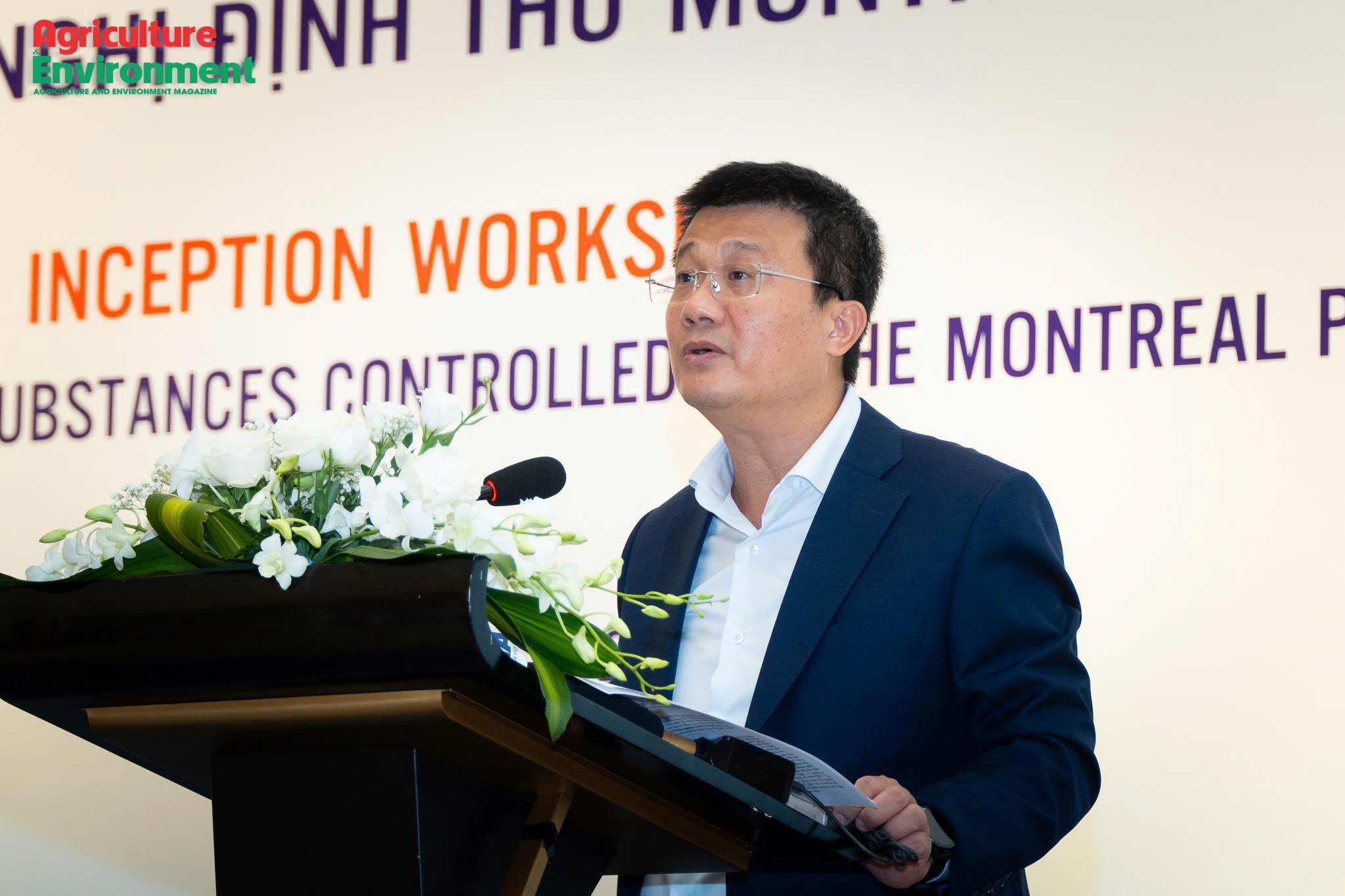
Climate-friendly, energy-efficient refrigeration technologies have become a key priority for Viet Nam as it implements its commitments under the Montreal protocol and the Kigali amendment. At the inception workshop on the sustainable management of Montreal protocol substances project (SMS-MP) on July 24, government agencies, international partners and businesses discussed coordinated measures on technology, policy and workforce development to support the country's transition.
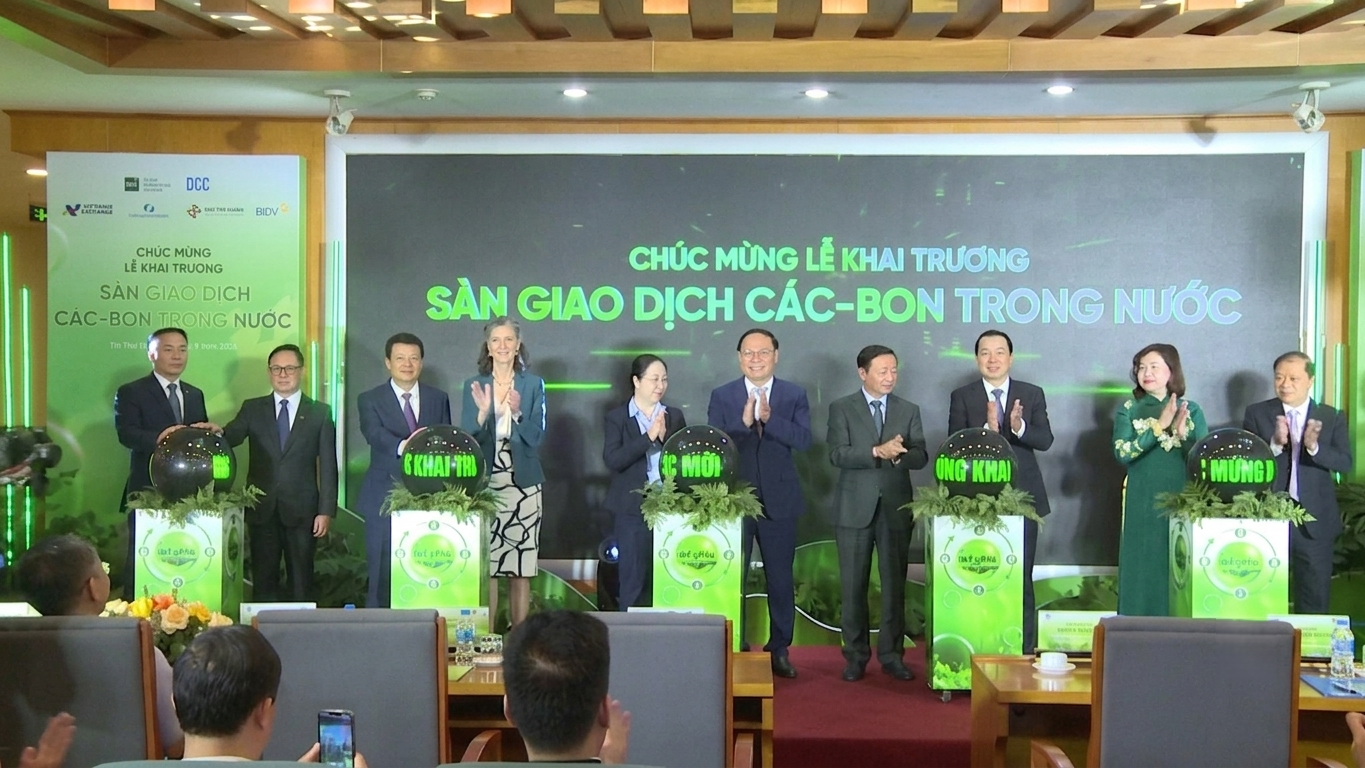
On June 29, Viet Nam officially launched its domestic carbon exchange at the Hanoi Stock Exchange (HNX), marking a significant step in the country’s roadmap to establish a national carbon market. For the first time, greenhouse gas emission allowances and carbon credits are being traded on a centralized official platform, turning carbon—previously treated as a difficult-to-quantify environmental factor—into a tradable commodity with measurable economic value.
As the global economy moves deeper into the Net Zero era, Viet Nam is emerging as one of Southeast Asia’s most ambitious countries in developing a large-scale carbon market. Beyond reducing greenhouse gas emissions, the strategy reflects a broader effort to restructure the economy toward a greener and more sustainable growth model while strengthening the country’s competitiveness in an era when carbon is increasingly becoming a new measure of value in international trade.
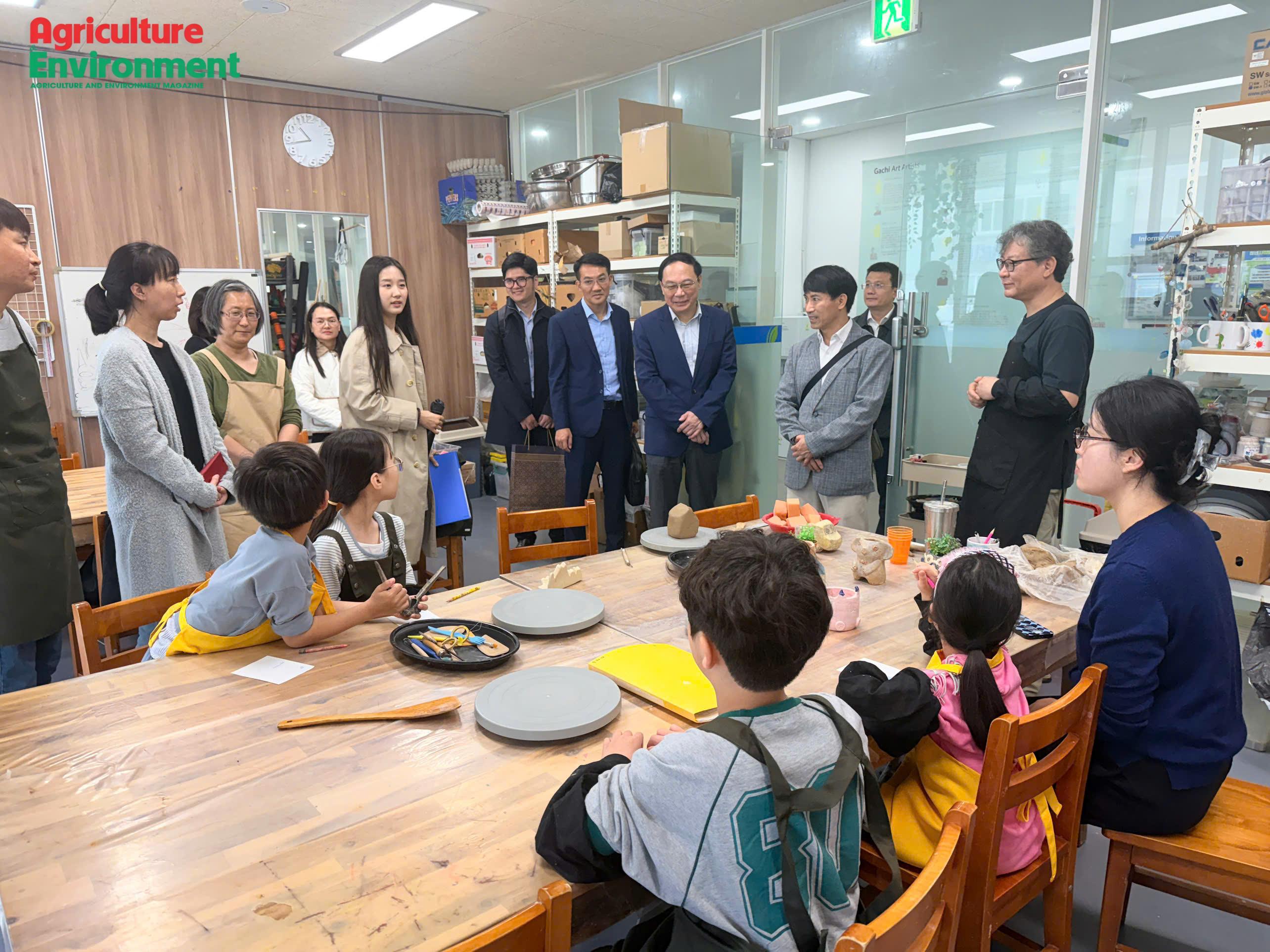
During its participation in the 2026 Green Transformation Week (GX Week) in South Korea, a delegation from Viet Nam’s Ministry of Agriculture and Environment surveyed the Busan Resource Circulation Center (BRC) model. The experience highlights an approach to reintegrating waste into production chains, offering practical insights for Vietnam’s transition toward a circular economy.
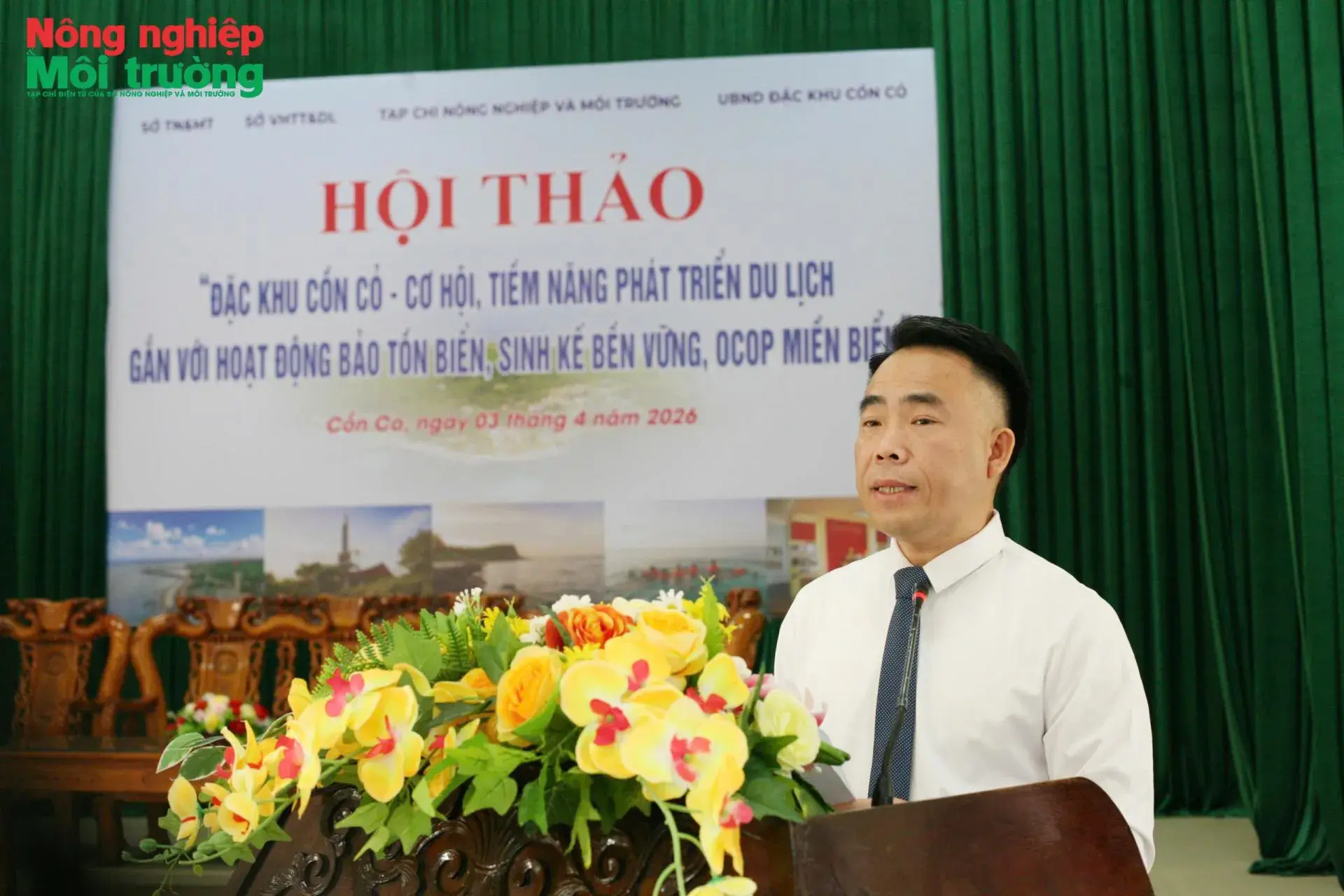
A policy workshop on “Con Co special zone – Opportunities and potential for tourism development linked to marine conservation, sustainable livelihoods, and coastal OCOP products” highlighted a new development approach in which growth must go hand in hand with conservation, and economic expansion must be grounded in ecological sustainability and community well-being.