




 A survey of 90 whiteleg shrimp (Litopenaeus vannamei) farming households in the Mekong Delta found that probiotics are widely used in intensive and super-intensive production systems, whereas prebiotics and synbiotics remain less widely adopted. The findings provide practical evidence to inform the development of biological solutions better suited to production conditions, helping improve pond management and support more sustainable shrimp farming.
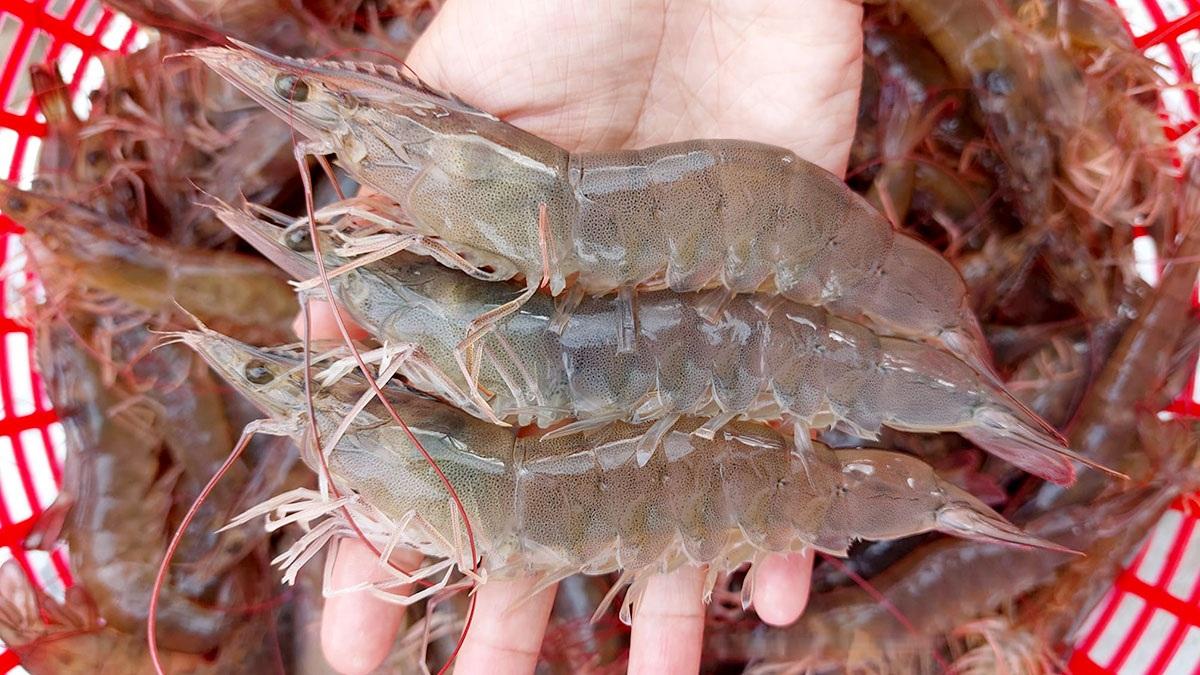
Probiotics are already widely used
Whiteleg shrimp (Litopenaeus vannamei) is an important aquaculture species in Vietnam. As intensive and super-intensive farming systems expand, increasing attention is being paid to water quality control, feed management, and the maintenance of shrimp health. In this context, biological solutions are gaining importance, particularly products that support the management of microbial communities in pond water and the shrimp gut.
A study by Huynh Truong Giang and colleagues, involving researchers from the College of Aquaculture and Fisheries at Can Tho University and technical personnel from the Ca Mau Department of Agriculture and Environment, examined the use of prebiotics, probiotics, and synbiotics among 90 whiteleg shrimp farming households. The survey was conducted from January to June 2024 and covered intensive and super-intensive farming systems in areas now within Can Tho City and Ca Mau Province.
One of the main findings was that all 90 surveyed households reported using probiotics. These products were commonly selected to help improve water quality, support digestion, and maintain shrimp health throughout the production cycle.
Among the probiotic products recorded in the survey, bacteria of the genus Bacillus predominated, appearing in 91.6% of the products examined. Yeasts of the genus Saccharomyces and bacteria of the genus Lactobacillus were found in 26.6% and 17.5% of products, respectively. Purple photosynthetic bacteria and nitrifying bacteria were less common, accounting for 6.5% and 3.2%, respectively.
These microbial groups serve different purposes, including supporting organic matter decomposition, improving water quality, aiding digestion, and helping maintain a balanced gut microbiota. Farmers’ use of products containing different microbial groups also reflects demand for biological solutions that can address multiple production needs.
Application practices also differed between the two farming systems. A higher proportion of households in super-intensive systems administered probiotics through feed to support digestion, although application to pond water was also common in both groups. These differences suggest that the use of biological products is closely linked to the technical characteristics and management practices of each production system.
However, widespread use does not necessarily mean that the effectiveness of every product has been established. The survey primarily documents the prevalence of probiotics in farming practice and provides information to help guide product quality assessment and the selection of formulations suited to farm-level requirements.
The potential of prebiotics and synbiotics remains underexplored
While probiotics were widely used among the surveyed farms, prebiotic adoption was considerably lower. Prebiotics were used by 15.9% of households in intensive systems and 34.8% in super-intensive systems. Among the prebiotic products recorded, β-glucan was the predominant component, appearing in all products surveyed, while mannan-oligosaccharide (MOS) was reported in 13%.
Prebiotics are substrates intended to selectively support beneficial microorganisms, whereas probiotics provide live beneficial microorganisms. When appropriately combined, they form synbiotics designed to support complementary effects within the host.
From an application perspective, this combination offers opportunities to develop biological products better suited to shrimp digestive physiology and farming conditions. However, the effectiveness of a synbiotic product depends not simply on the presence of both components but also on the compatibility between the selected prebiotic and probiotic strains.
The survey found that synbiotic use remained limited, with only about 10% of households reporting the use of products combining prebiotics and probiotics. More notably, only a small proportion of farmers reported understanding the mechanisms underlying this combination.
The gap between the widespread use of probiotics and the more limited adoption of prebiotics suggests that opportunities to expand biological solutions lie not only in increasing product availability but also in improving farmers’ understanding of the functions of individual components, their compatibility, and appropriate application conditions.
For research and product development, this finding points to an important direction. Rather than focusing solely on adding microbial strains or increasing the number of ingredients, the selection of prebiotic–probiotic combinations should be guided by evidence on compatibility, dosage, and effects on the cultured animals. Research into synbiotic formulations derived from indigenous microorganisms, as proposed by the authors, could contribute to solutions better suited to production conditions in the Mekong Delta.
Farm-level conditions shape product choices
An important contribution of the study is its identification of factors influencing farmers’ decisions to select biological products under actual production conditions.
The survey showed that farmers considered not only product composition but also price, availability, and supplier reliability. Approximately 64.4% of surveyed households expressed a preference for multi-strain probiotic products. The proportion varied numerically between the two farming systems, although the difference was not statistically significant. Overall, the findings suggest that product selection reflects both production needs and practical considerations at the farm level.
Information sources also played a significant role. Most farmers learned about products through technical personnel and sales representatives at dealers or supplying companies. Information shared by friends and colleagues was also common. By comparison, relatively few households reported selecting products based on a scientific understanding of their composition and functions.
This situation highlights the need for closer coordination among research institutions, agricultural and aquaculture extension services, technical personnel, and product suppliers. Clear communication about mechanisms of action, product composition, and application methods would give farmers a stronger basis for selecting products according to their actual needs, rather than relying primarily on commercial recommendations or shared experience.
Another concern is the difficulty of evaluating product quality. Although farmers generally found both prebiotic and probiotic products relatively easy to apply, assessing their actual quality and determining their effectiveness remained challenging. These difficulties were particularly pronounced for prebiotics, for which the range of available products was less diverse and their effects were harder to observe directly during production.
The survey also found that 55.6% of households reported increasing the dosage of prebiotics and probiotics by 1.5–2 times the recommended level when environmental conditions deteriorated or shrimp health declined. This practice warrants attention in technical guidance because increasing the dosage does not automatically ensure better results. Product selection, dosage, and application should instead be based on professional guidance and reliable information.
The value of biological products therefore depends on more than the products themselves. Information quality, access to technical advice, storage conditions, and compatibility with farm management practices are also important factors influencing farmers’ decisions.
Advancing biological solutions through research and farm-level guidance
The study provides a practical picture of how farmers are adopting biological solutions, which products are widely used, and where opportunities for further application remain.
For whiteleg shrimp farming in the Mekong Delta, these findings can help inform research and product development priorities. Improvements in prebiotic, probiotic, and synbiotic formulations should be aligned with the needs of different farming systems, the capacity to ensure product quality, and the practical conditions under which products are applied on farms.
Future studies should combine field surveys with product composition analyses and controlled trials to evaluate effectiveness, determine appropriate dosages, and assess compatibility among different components. Such evidence is necessary to distinguish between expected benefits, effects reported by farmers, and outcomes demonstrated through experimental testing.
Alongside research, expanded training for farmers on mechanisms of action, product selection, and application practices would also be valuable. Translating scientific findings into clear, practical guidance tailored to production conditions would give farmers a stronger basis for making informed decisions and using resources more efficiently.
Because the study involved 90 households selected through convenience sampling and relied primarily on farmer-reported information, its findings describe the surveyed group and should not be considered representative of the entire shrimp farming sector in the Mekong Delta. The study also did not directly measure the effectiveness of individual products through controlled trials. These limitations point to the need for further research to strengthen the scientific evidence supporting the application of biological products in shrimp farming.
As shrimp farming increasingly emphasizes environmental management and animal health, understanding how prebiotics and probiotics are used in practice is an important step toward developing biological solutions that are appropriate, scientifically supported, and responsive to producers’ needs. By providing field-level evidence, the study by Huynh Truong Giang and colleagues helps connect farm-level needs with research and development priorities for synbiotic products, contributing to efforts to advance sustainable shrimp farming in the Mekong Delta.
Sources: This article is based on the study “Use of Prebiotics and Probiotics in whiteleg shrimp (Litopenaeus vannamei) farming in the Mekong Delta” by Huynh Truong Giang, Phan Thi Cam Tu, Nguyen Thi Kim Ha, Vu Hung Hai, Lam Chi Nguyen, Do Thi Thanh Huong, published in the Science Journal of Agriculture and Environment, Issue 1, August 2026
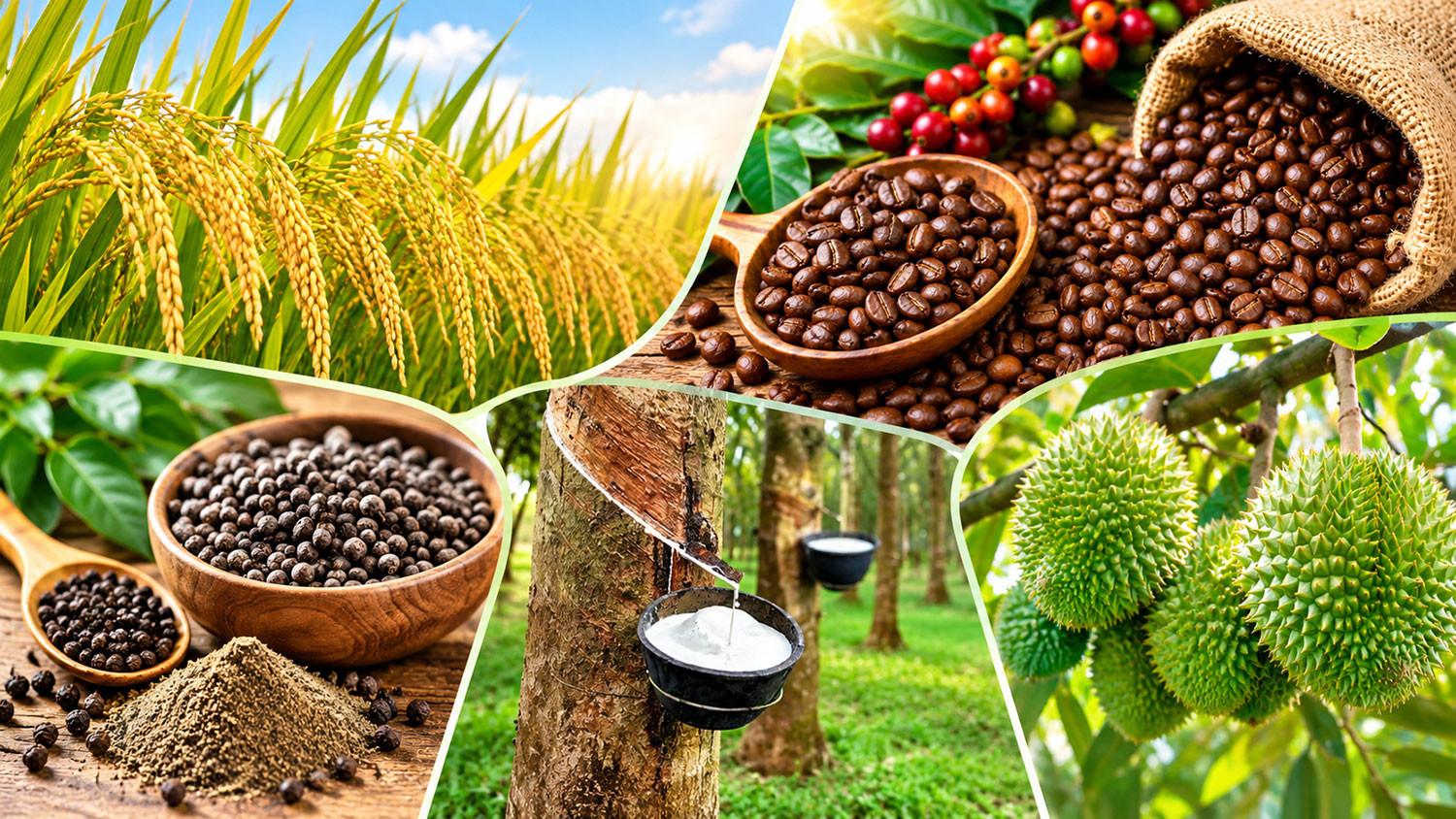
By 2025, Vietnamese agricultural products were being exported to more than 180 countries and territories, highlighting the need not only to expand market access but also to identify which markets should be consolidated, which offer further growth opportunities, and which warrant a more cautious approach. A study by Tran Cong Thang, Nguyen Anh Phong, and Vu Huy Phuc proposes a method for classifying agricultural export markets using a weighted set of criteria and tests the method on three major export commodities: rice, fruits and vegetables, and coffee. The findings provide a systematic reference for developing market strategies tailored to the characteristics of individual commodities.
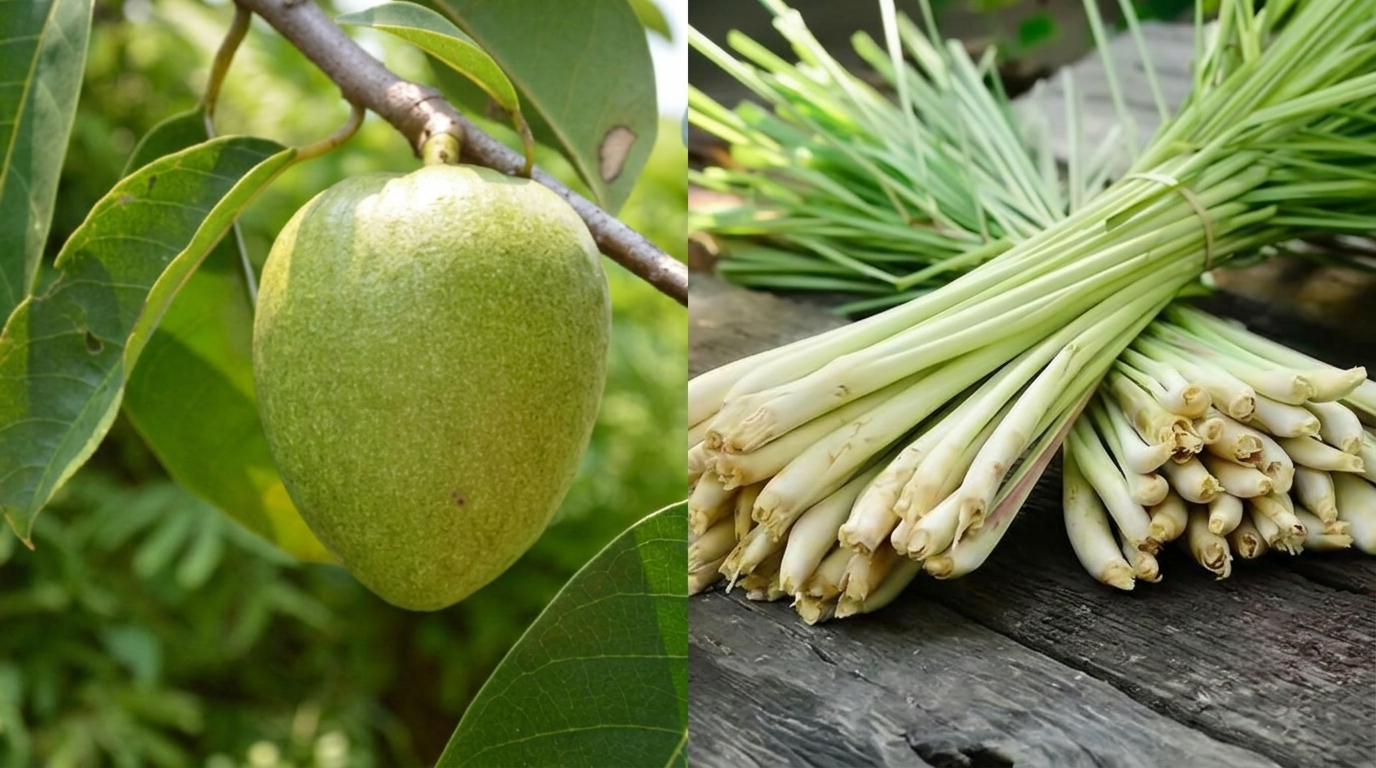
Research into plant-derived crop protection products is opening new avenues for sustainable agriculture. A study by Nguyen Van Phuoc, Ho Truong Huynh Thi Bach Phuong, Huynh Ba Di, and Cao Khoi Nghia of Kien Giang University found that nanoemulsions formulated from pond apple (Annona glabra) and lemongrass (Cymbopogon citratus) leaf extracts inhibited the fungal pathogen that causes rice blast and the bacterium responsible for bacterial leaf blight under laboratory conditions. These preliminary findings provide a scientific basis for further research into plant-derived formulations aimed at managing rice diseases while reducing reliance on synthetic chemical pesticides.
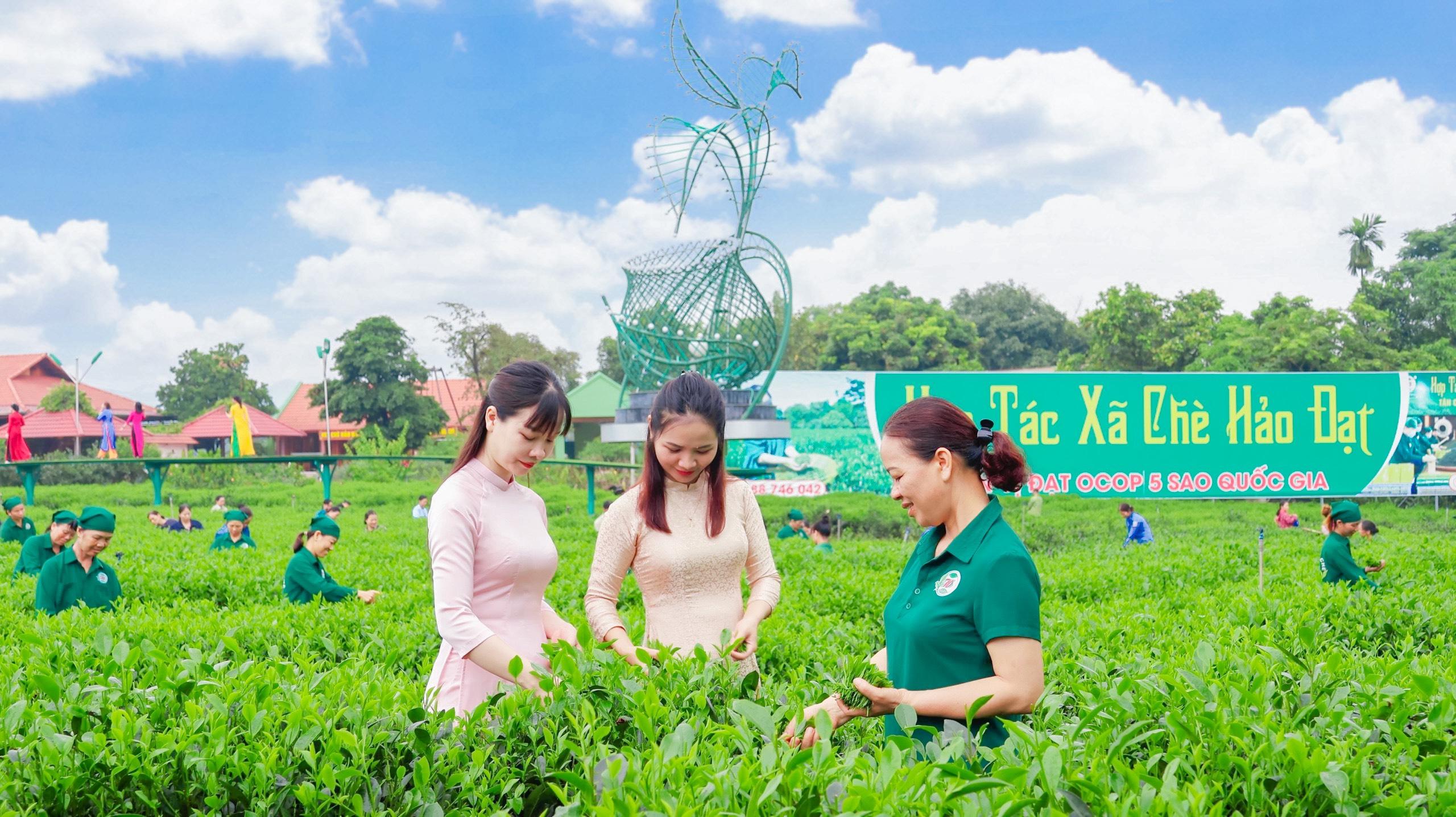
Effective implementation of the 2023 Law on Cooperatives requires not only dissemination of its provisions but also practical guidance and support mechanisms tailored to cooperatives’ operating conditions. A 2025 field survey conducted by Phung Giang Hai, Hoang Minh Huy, Vu Thi Thu Giang, and Nguyen Thi My across six localities identified challenges in applying six groups of new provisions and assessed support needs relating to legal compliance, governance, financial management, and operational arrangements. The findings provide an empirical basis for refining implementation guidance and developing support measures that better address the needs of agricultural cooperatives in Viet Nam.

A laboratory-scale study by Nguyen Thi Minh, Do Thi Thuy, and Le Minh Nguyet of Vietnam National University of Agriculture (VNUA) found that combining selected bacterial strains with microalgae improved domestic wastewater treatment efficiency. After 14 days, the combined system achieved a chemical oxygen demand (COD) removal efficiency of 96.67%, while substantially reducing organic pollutants, nutrients, and microbial indicators of contamination.
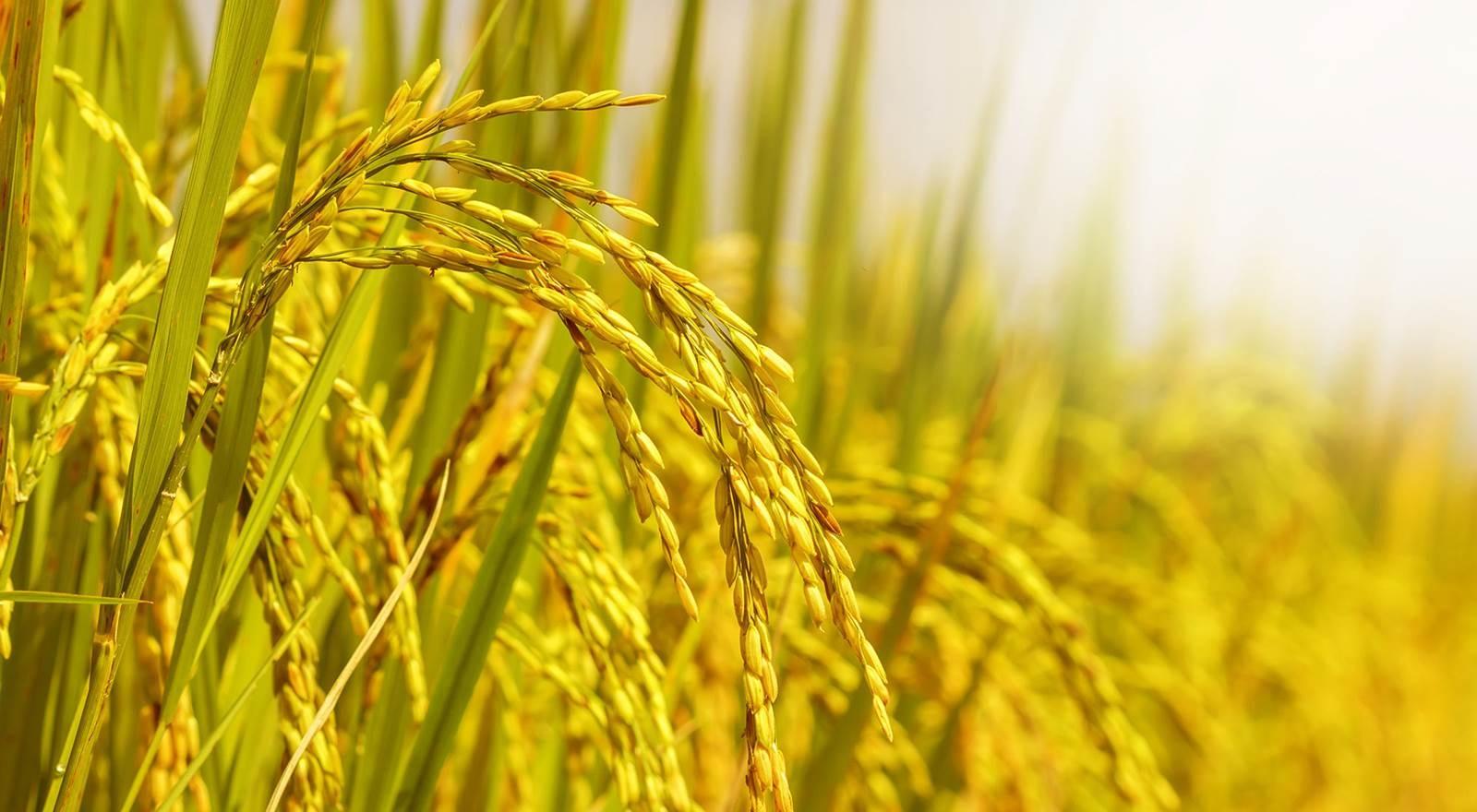
A study by Khong Ngan Giang and colleagues investigated genetic variation in three promising rice mutant lines using whole-genome sequencing data. By analyzing 186 genes associated with growth, yield, and grain quality, the researchers identified 10,614 single-nucleotide polymorphism (SNP) and insertion/deletion (INDEL) variants and designed 42 candidate INDEL primer pairs. The findings expand the available genetic variation data and provide potential tools for genetic research, germplasm evaluation, and marker-assisted rice breeding.