




 A study by Khong Ngan Giang and colleagues investigated genetic variation in three promising rice mutant lines using whole-genome sequencing data. By analyzing 186 genes associated with growth, yield, and grain quality, the researchers identified 10,614 single-nucleotide polymorphism (SNP) and insertion/deletion (INDEL) variants and designed 42 candidate INDEL primer pairs. The findings expand the available genetic variation data and provide potential tools for genetic research, germplasm evaluation, and marker-assisted rice breeding.
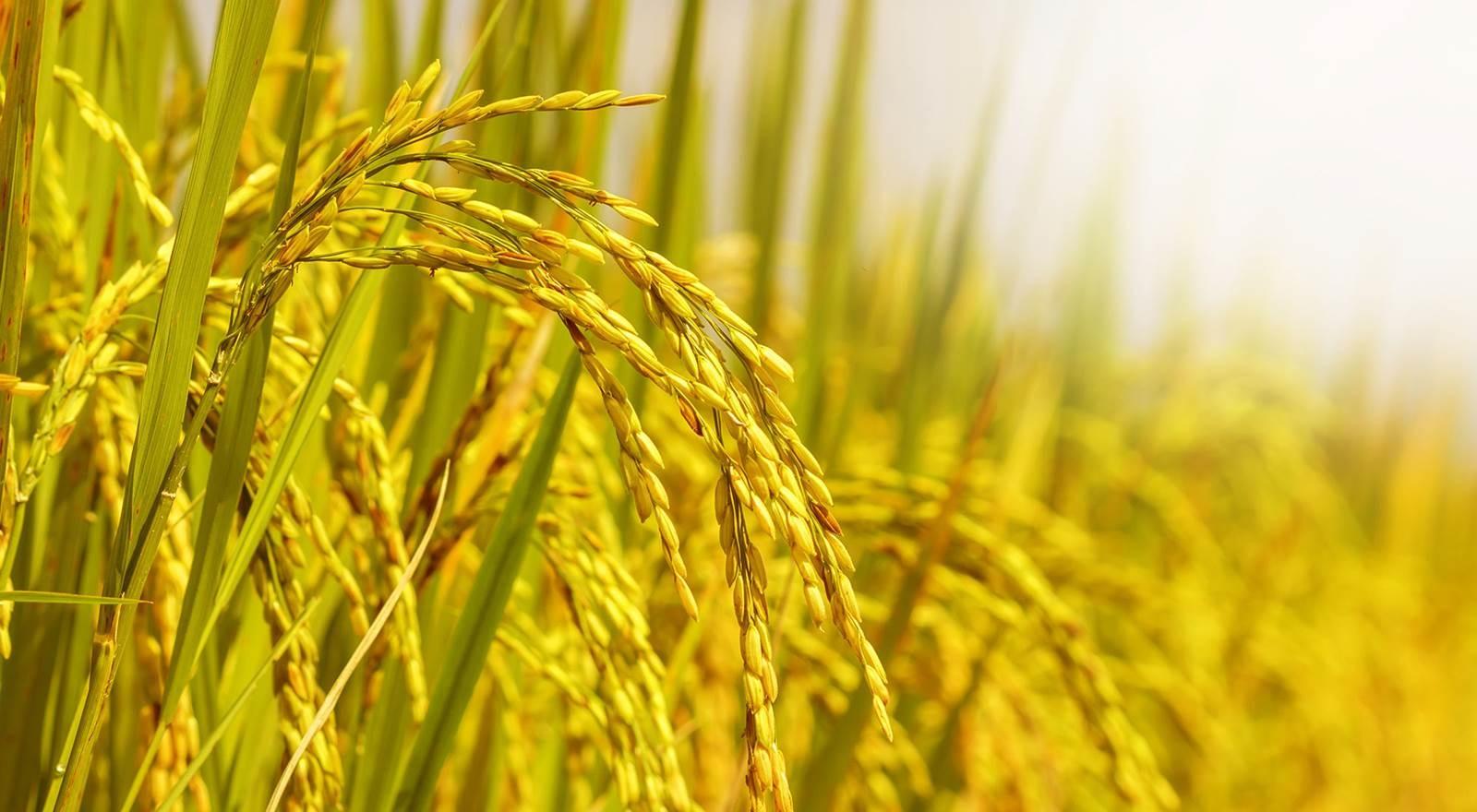
Mining genetic variation in promising rice mutant line
In rice breeding, identifying genetic variation is valuable because differences in DNA sequences can be investigated for their relevance to target agronomic traits. Advances in whole-genome sequencing have enabled large-scale analysis of genetic variation, while bioinformatics tools help identify genomic sites for further investigation. The research team applied this approach to explore genetic variation in promising rice mutant lines and identify candidate loci for molecular marker development.
The study analyzed whole-genome sequencing data from three rice mutant lines, A64, A68, and A83, selected from a mutation population of the Soc Trang 5 (ST5) rice variety, together with the control variety D3, corresponding to the original ST5 variety. According to the study, these lines were considered promising for improving yield and growth duration while maintaining grain quality comparable to that of the original variety. Comparing their genetic data with those of the control provided a basis for investigating differences in genes associated with rice development and yield.
The analysis covered 186 genes compiled from scientific publications and rice genome databases. These genes are associated with panicle architecture, grain number per panicle, plant height and architecture, growth duration, grain size, and grain quality. The researchers extracted and compared SNP and INDEL variants within the target gene regions across the mutant lines and the control variety.
A total of 10,614 SNP and INDEL variants were identified across the target gene set in the three mutant lines. Of these, 3,479 were identified in A64, 3,877 in A68, and 3,258 in A83. Differences in the number and distribution of variants indicate that the lines have distinct patterns of genetic variation in the regions examined, providing additional information for selecting materials for further analysis.
The significance of these findings lies not only in the number of variants identified. Mapping their locations and distribution across the target genes helps narrow the search for polymorphic loci that could potentially be developed into molecular markers. This provides a basis for translating whole-genome sequencing data into tools for genotype identification and rice breeding research.
Variation in genes associated with yield components and grain traits
Among the genes examined, several associated with panicle architecture, plant architecture, and grain size exhibited high levels of polymorphism. Notable examples include ANK1, ANK2, GN2, APO1/SCM2, DEP1, IPA1/OsSPL14, GW2, and GS5. Previous studies have reported roles for these genes in regulating rice morphology and yield components.
ANK1 and ANK2 are associated with the regulation of panicle architecture and panicle branching. GN2 is involved in regulating grain number per panicle, while APO1/SCM2 contributes to the development of primary panicle branches. These genes are relevant to studies of yield components because panicle structure and grain number are important factors in evaluating the potential of rice breeding materials.
DEP1 and IPA1/OsSPL14 are also relevant to research on plant architecture and panicle structure. Meanwhile, GW2 and GS5 are associated with grain size, extending the scope of the analysis to morphological traits that influence rice grain characteristics. The detection of multiple variants in these genes indicates that the dataset encompasses a range of agronomic traits rather than being confined to a single trait group.
The degree of polymorphism at a given locus was not uniform across the mutant lines. Some loci contained more variants in A68, whereas others showed greater variation in A83 or A64. This finding highlights the importance of evaluating breeding materials based on their specific genetic profiles rather than solely on the total number of variants identified in each line.
However, a high number of variants or a high level of polymorphism does not, by itself, establish that a particular variant benefits yield or grain quality. The immediate value of these findings lies in identifying genomic regions of interest for further investigation of genotype–phenotype relationships. When combined with agronomic trait assessments, these data could help researchers identify relevant variants and select materials for specific rice breeding objectives.
Designing candidate INDEL primer pairs for genotype discrimination
Building on the identified SNP and INDEL variants, the researchers selected INDEL loci that could potentially distinguish among the plant materials and designed candidate primer pairs for molecular marker development. A total of 42 candidate INDEL primer pairs were designed to target genes associated with several agronomic traits, including GN2, APO1/SCM2, DEP1, Hd1, D3, qSW5/GW5, SPL10, and Ghd8/DTH8.
An INDEL is a genetic variant involving the insertion or deletion of a DNA segment at a particular position in a sequence. When such a variant occurs within a region amplified by a suitable primer pair, the resulting polymerase chain reaction (PCR) products may differ in size among genotypes. This feature allows potential markers to be used for genotype discrimination through PCR followed by agarose gel electrophoresis.
The primer pairs were designed using DNA sequences flanking the INDEL sites. The researchers prioritized variants expected to produce PCR products differing in size by at least 9 base pairs (bp), with the aim of improving discrimination among the plant materials using conventional electrophoresis. The predicted differences in PCR product size ranged from 9 to 36 bp, depending on the primer pair and the materials compared.
Several candidate markers targeting qSW5/GW5, APO1/SCM2, DEP1, Hd1, D3, and SPL10 showed potential for distinguishing genotypes among the lines examined. The predicted differences in PCR product size provide a basis for prioritizing these candidates for experimental validation.
Developing candidate markers across multiple gene groups offers researchers additional options for investigating genetic differences among rice breeding materials. Rather than relying on a single genomic locus, researchers can examine variation in genes associated with panicle architecture, plant architecture, growth duration, and grain size. Once their reliability and ability to distinguish genotypes have been experimentally established, suitable markers could support germplasm evaluation and material screening in rice breeding programs.
INDEL markers are particularly promising because they can be detected using conventional PCR and agarose gel electrophoresis, techniques used in many molecular biology laboratories. This offers the potential for practical analysis at a reasonable cost, provided that the candidate markers are further developed and their performance is demonstrated across appropriate sets of plant materials. These technical advantages indicate potential applicability, but the performance of each candidate must still be established through experimental testing.
Experimental validation as the next step toward application
The study provides two valuable resources for rice breeding research: genetic variation data covering 186 target genes and a set of 42 candidate INDEL primer pairs. These resources provide a basis for further investigation of the genetic characteristics of promising rice mutant lines and for identifying loci that warrant closer examination in relation to agronomic traits.
Experimental PCR validation is the next step in determining whether the candidate primer pairs can be used reliably in breeding research. Testing should establish whether the primers amplify the intended DNA regions, whether the resulting products have the expected sizes, and whether genotype discrimination is reproducible in actual samples. Evaluation across a broader germplasm collection is also necessary to determine the discriminatory capacity and stability of the candidate markers.
In parallel, comparing genotype data with phenotypic assessments would help clarify the relationships between the identified variants and target traits. This is important for selecting appropriate markers and avoiding the assumption that the presence of a particular variant necessarily improves yield or grain quality when such an association has not been established.
By using a whole-genome sequencing-based approach, Khong Ngan Giang and colleagues have expanded the genetic information available for research on mutant rice lines and assembled a set of candidate INDEL primer pairs for further evaluation. The long-term value of these findings will depend on experimental validation, assessment across a wider range of germplasm, and the subsequent integration of suitable markers into breeding research. This work provides a foundation for more systematic use of genetic variation in efforts to develop rice varieties with improved yield and grain quality.
Sources: This article is based on the study “Exploitation of SNP and Indel variations for molecular marker development in promising rice mutant lines” by Khong Ngan Giang, Vo Thi Minh Tuyen, Nguyen Thi Hao, Doan Van Son, Tran Thi Hue Huong, Nguyen Truong Giang, Tran Manh Cuong, Le Duc Thao, published in the Science Journal of Agriculture and Environment, Issue 2, July 2026
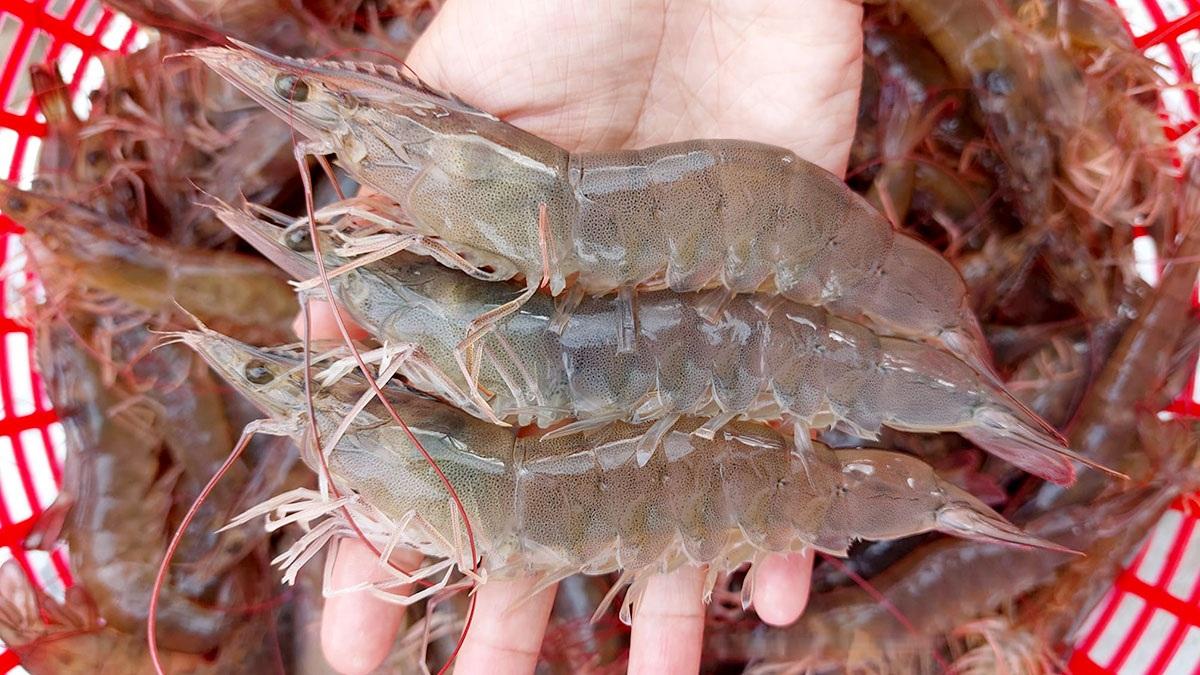
A survey of 90 whiteleg shrimp (Litopenaeus vannamei) farming households in the Mekong Delta found that probiotics are widely used in intensive and super-intensive production systems, whereas prebiotics and synbiotics remain less widely adopted. The findings provide practical evidence to inform the development of biological solutions better suited to production conditions, helping improve pond management and support more sustainable shrimp farming.

By 2025, Vietnamese agricultural products were being exported to more than 180 countries and territories, highlighting the need not only to expand market access but also to identify which markets should be consolidated, which offer further growth opportunities, and which warrant a more cautious approach. A study by Tran Cong Thang, Nguyen Anh Phong, and Vu Huy Phuc proposes a method for classifying agricultural export markets using a weighted set of criteria and tests the method on three major export commodities: rice, fruits and vegetables, and coffee. The findings provide a systematic reference for developing market strategies tailored to the characteristics of individual commodities.
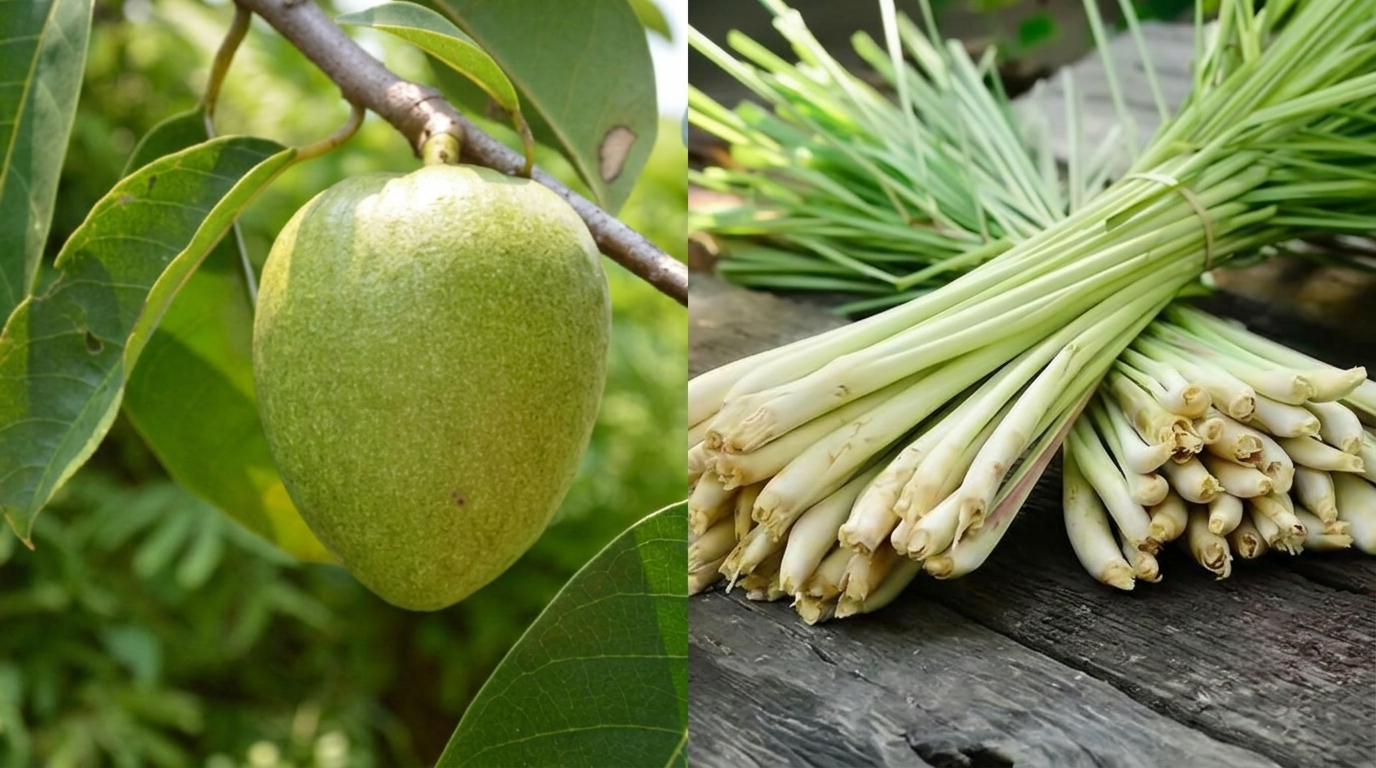
Research into plant-derived crop protection products is opening new avenues for sustainable agriculture. A study by Nguyen Van Phuoc, Ho Truong Huynh Thi Bach Phuong, Huynh Ba Di, and Cao Khoi Nghia of Kien Giang University found that nanoemulsions formulated from pond apple (Annona glabra) and lemongrass (Cymbopogon citratus) leaf extracts inhibited the fungal pathogen that causes rice blast and the bacterium responsible for bacterial leaf blight under laboratory conditions. These preliminary findings provide a scientific basis for further research into plant-derived formulations aimed at managing rice diseases while reducing reliance on synthetic chemical pesticides.
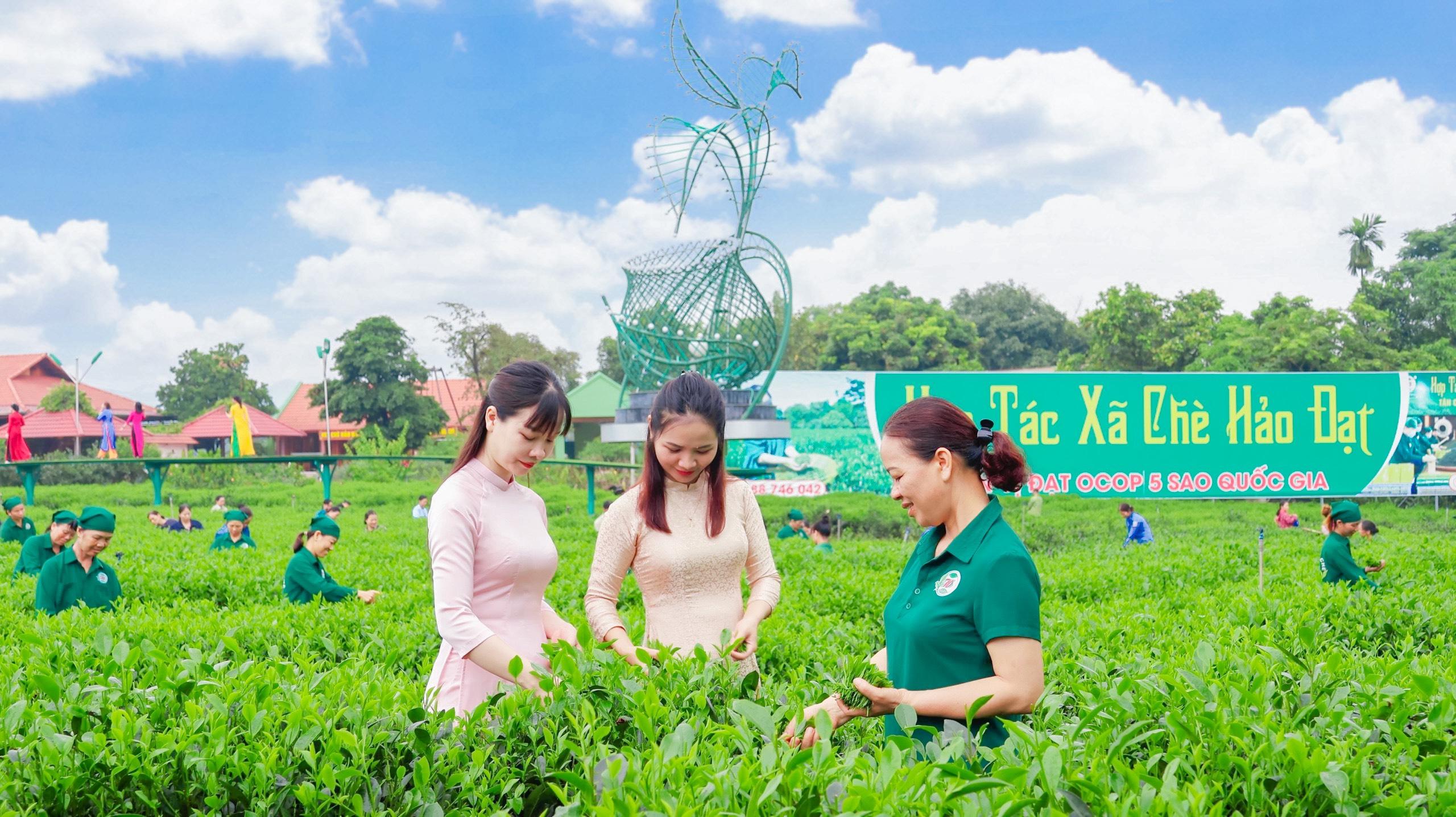
Effective implementation of the 2023 Law on Cooperatives requires not only dissemination of its provisions but also practical guidance and support mechanisms tailored to cooperatives’ operating conditions. A 2025 field survey conducted by Phung Giang Hai, Hoang Minh Huy, Vu Thi Thu Giang, and Nguyen Thi My across six localities identified challenges in applying six groups of new provisions and assessed support needs relating to legal compliance, governance, financial management, and operational arrangements. The findings provide an empirical basis for refining implementation guidance and developing support measures that better address the needs of agricultural cooperatives in Viet Nam.

A laboratory-scale study by Nguyen Thi Minh, Do Thi Thuy, and Le Minh Nguyet of Vietnam National University of Agriculture (VNUA) found that combining selected bacterial strains with microalgae improved domestic wastewater treatment efficiency. After 14 days, the combined system achieved a chemical oxygen demand (COD) removal efficiency of 96.67%, while substantially reducing organic pollutants, nutrients, and microbial indicators of contamination.