



 A laboratory-scale study by Nguyen Thi Minh, Do Thi Thuy, and Le Minh Nguyet of Vietnam National University of Agriculture (VNUA) found that combining selected bacterial strains with microalgae improved domestic wastewater treatment efficiency. After 14 days, the combined system achieved a chemical oxygen demand (COD) removal efficiency of 96.67%, while substantially reducing organic pollutants, nutrients, and microbial indicators of contamination.
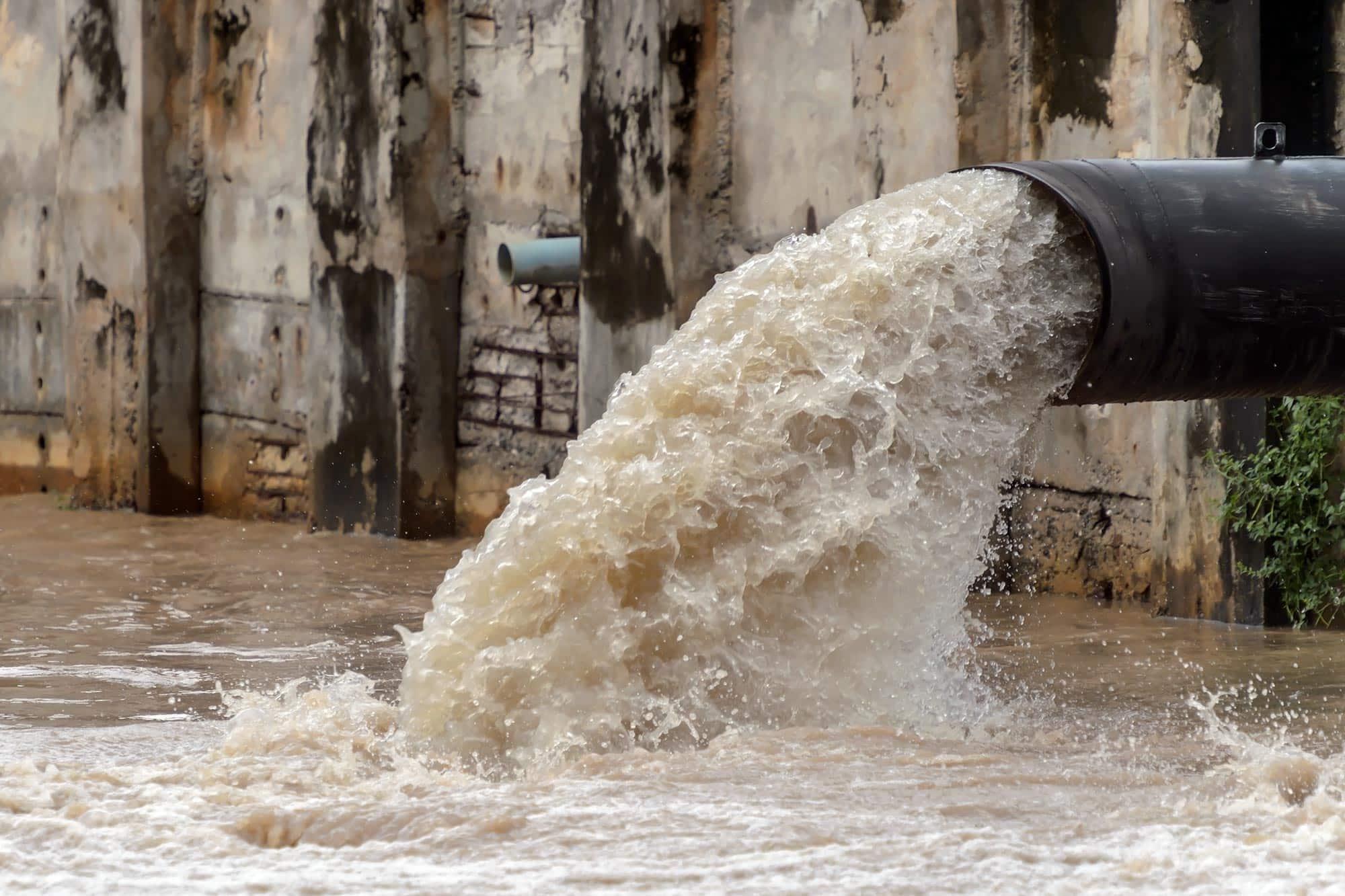
Selecting indigenous bacteria for wastewater treatment
Domestic wastewater contains readily biodegradable organic matter, nutrients such as nitrogen and phosphorus, and diverse groups of microorganisms. Harnessing the metabolic capabilities of microorganisms to transform pollutants is therefore an important research direction for improving water quality and developing biological treatment technologies.
In their study, "Research on domestic wastewater treatment using a mixed system of bacteria and microalgae", the authors focused on selecting indigenous bacterial strains with suitable biological characteristics for use in combination with microalgae. From five wastewater samples collected around VNUA in Hanoi, the researchers isolated 28 bacterial strains. Following assessments of enzyme activity and adaptability to different environmental conditions, four strains were selected for further wastewater treatment experiments.
The selected strains were Bacillus sp. A1, Pseudomonas sp. A2, Bacillus sp. A3, and Bacillus sp. C2. All four produced three extracellular enzymes: amylase, protease, and carboxymethyl cellulase (CMCase), which are involved in the breakdown of different substrates, including starch, proteins, and cellulose derivatives. These enzyme-producing capabilities were among the key characteristics used to screen bacterial strains for wastewater treatment.
The selected strains could grow across a pH range of 4–8, tolerate temperatures of approximately 30–50°C, and utilize various carbon and nitrogen sources. Compatibility tests also showed no antagonistic interactions among the four strains, supporting their potential use together in a treatment system.
The selection of bacterial strains with suitable biological activity and a relatively broad range of environmental tolerance provided a basis for evaluating their performance in wastewater treatment, both as a bacterial consortium and in combination with microalgae.
Combined treatment improves pollutant removal
The experiments were conducted at the laboratory scale using four treatment configurations: an untreated control, a bacterial consortium, a microalgal consortium, and a combined bacterial–microalgal system. Water quality was assessed after 14 days to compare their pollutant removal performance.
The combined system achieved the highest treatment efficiency among the configurations tested. The initial COD concentration of 465 mg/L decreased to 15.48 mg/L, corresponding to a removal efficiency of 96.67%. Five-day biochemical oxygen demand (BOD₅), an indicator of the oxygen required for the biodegradation of organic matter, decreased from 289 mg/L to 16.67 mg/L, representing a removal efficiency of 94.23%.
The system also reduced other water quality parameters. After 14 days, total suspended solids (TSS) decreased by 97.35%, total nitrogen by 94.25%, total phosphorus by 96.99%, and ammonium by 98.02%. These results indicate that the combined system reduced not only the organic pollutant load but also nutrient concentrations in the wastewater.
Another important finding was the reduction in microbial indicators of contamination. The total coliform count decreased by 99.99%, reaching 2,432 most probable number (MPN)/100 mL after treatment. This value was within the limit specified in Vietnam’s National Technical Regulation QCVN 14:2008/BTNMT, Column A, which the study used as its reference. According to the study’s results, all measured parameters in the combined-treatment configuration were within the corresponding limits of this regulation.
Although the bacterial and microalgal consortia also achieved substantial removal efficiencies when used separately, their combination produced better results across the principal parameters assessed. The findings therefore highlight the potential benefits of integrating complementary microbial groups for domestic wastewater treatment.
Potential for resource recovery and circular wastewater management
The significance of the study lies not only in the treatment efficiencies achieved but also in its approach of combining indigenous bacteria with microalgae. Isolating bacterial strains from wastewater, characterizing their biological properties, and incorporating selected strains into a combined treatment system provide an initial scientific basis for further research into environmental biotechnology.
The findings also suggest opportunities to explore the use of nutrients present in wastewater to support microalgal biomass production, an approach relevant to research on circular systems in agriculture. However, the study focused on assessing water quality after treatment. The recovery and subsequent use of microalgal biomass require separate evaluations of its composition and safety before suitable applications can be determined.
Further work is needed to assess the system at larger scales, using wastewater sources with different characteristics and under longer operating periods. Evaluating microbial community stability, treatment performance under real-world conditions, and the feasibility of biomass recovery would help establish the technology’s potential applications.
The study by Nguyen Thi Minh, Do Thi Thuy, and Le Minh Nguyet provides promising preliminary evidence for the use of bacterial–microalgal systems in domestic wastewater treatment. Further research could help determine how this approach can contribute to effective biological treatment and appropriate resource recovery within more sustainable wastewater management systems.
Sources: This article is based on the study “Research on domestic wastewater treatment using a mixed system of bacteria and microalgae” by Nguyen Thi Minh, Do Thi Thuy, and Le Minh Nguyet, published in the Science Journal of Agriculture and Environment, Issue 1, July 2026.
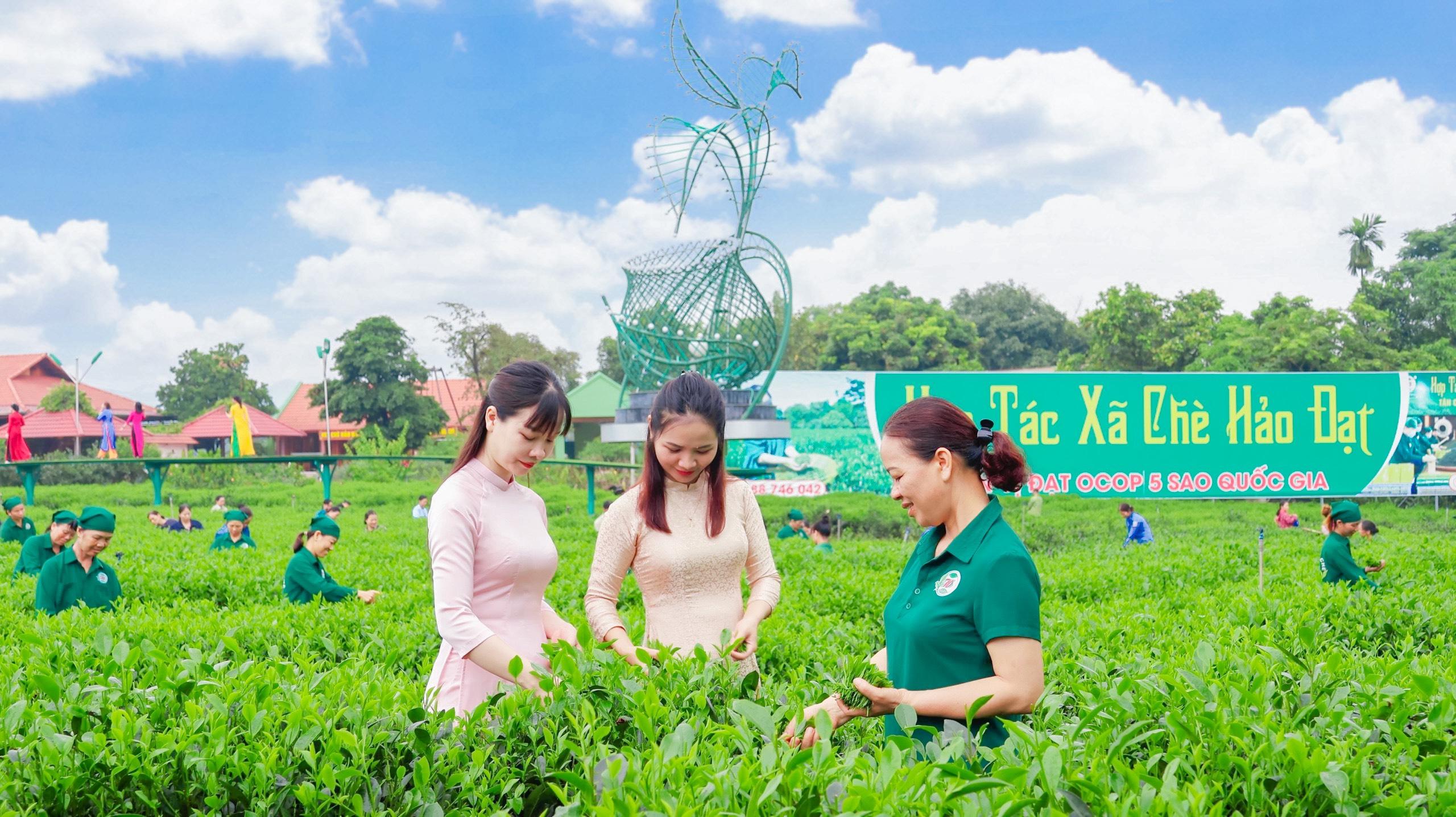
Effective implementation of the 2023 Law on Cooperatives requires not only dissemination of its provisions but also practical guidance and support mechanisms tailored to cooperatives’ operating conditions. A 2025 field survey conducted by Phung Giang Hai, Hoang Minh Huy, Vu Thi Thu Giang, and Nguyen Thi My across six localities identified challenges in applying six groups of new provisions and assessed support needs relating to legal compliance, governance, financial management, and operational arrangements. The findings provide an empirical basis for refining implementation guidance and developing support measures that better address the needs of agricultural cooperatives in Viet Nam.
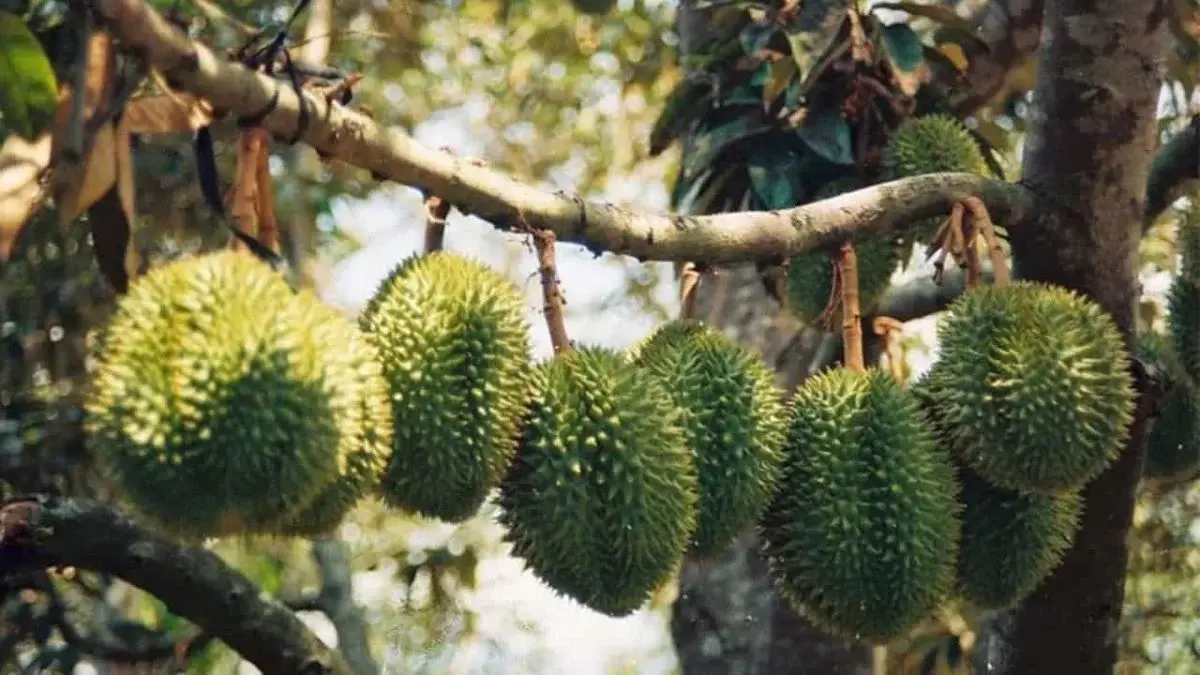
Fruit tree cultivation in the low-lying western part of Can Tho City requires crop selection that reflects local soil characteristics and hydrological conditions. A study by Phan Hoang Vu, Pham Thanh Vu, Vo Quang Minh, and Tran Quoc Kiet identified land constraints affecting durian and jackfruit, providing a scientific basis for crop planning and soil and water management tailored to local conditions.
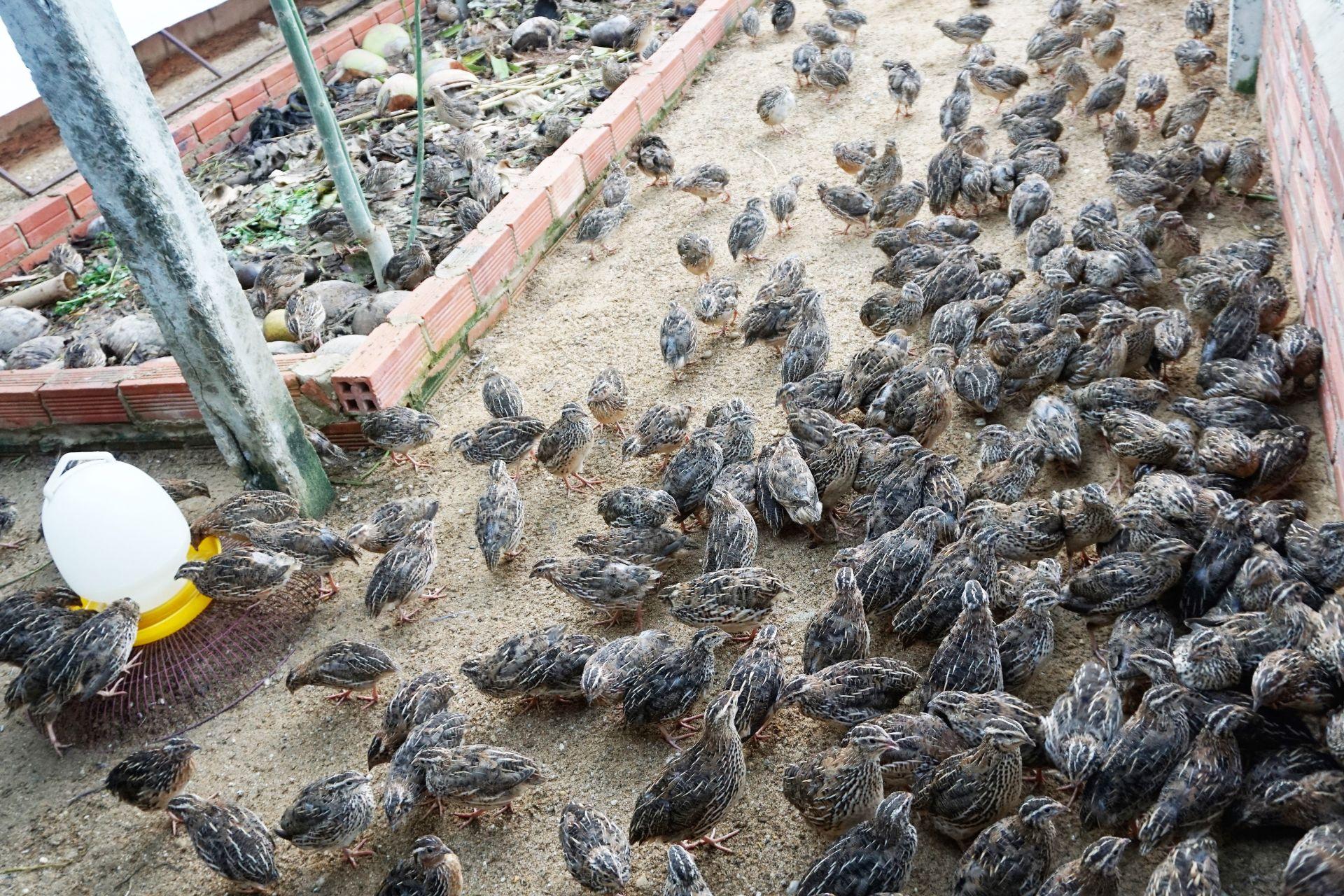
Quail farming offers several advantages, including flexible production scales, relatively low investment requirements, rapid growth, and short production cycles. A study by Van Thi Ai Nguyen and Le Thanh Thang examines the potential for applying a circular economy model to quail farming, particularly through the reuse of manure and feathers. By identifying resource losses along the livestock value chain, the study considers how by-product recovery could increase value in the sector and help reduce emissions. Realizing these potential benefits, however, requires appropriate technical processes, reliable market linkages, and economically viable solutions.
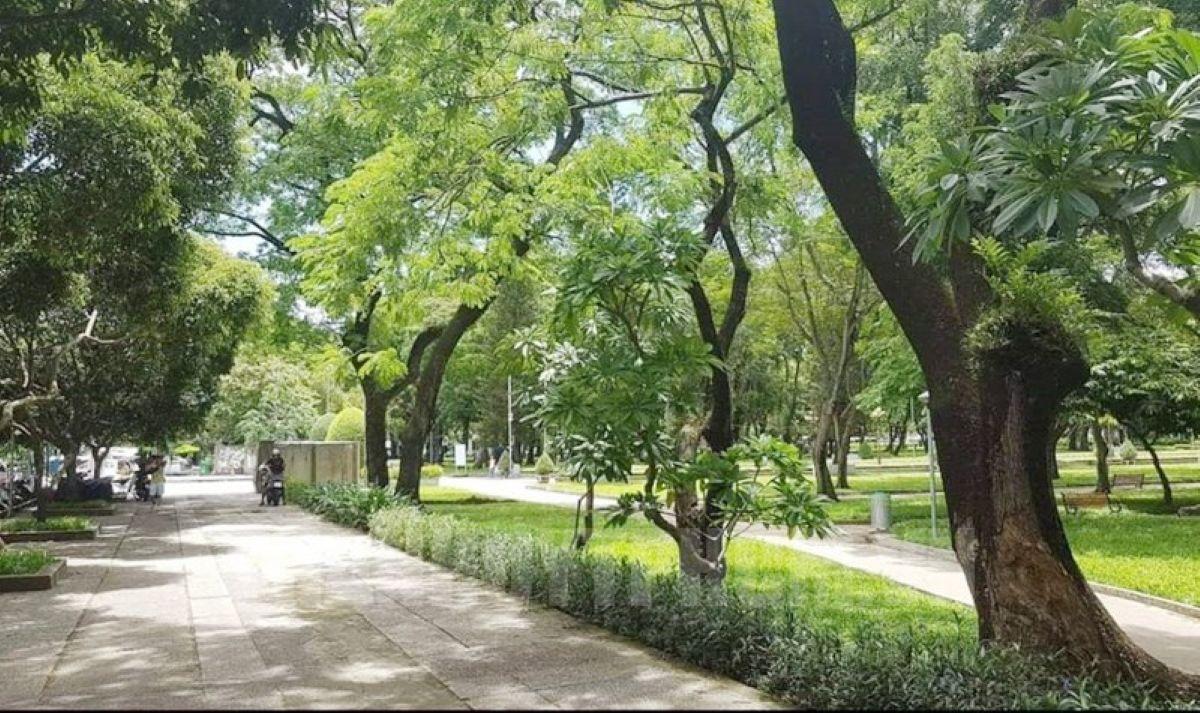
The health value of urban green spaces cannot be assessed by tree abundance or green space area alone. It also depends on vegetation structure, how people perceive their surroundings, and the contexts in which they access and use these spaces. A systematic review of 30 studies published between 2020 and 2026 by Pham Thi Bich Phuong and Li Shuhua consolidates evidence of the positive relationship between urban green spaces and public health. The authors also propose an integrated “vegetation–perception–health” framework to inform research and urban planning, particularly in tropical cities.
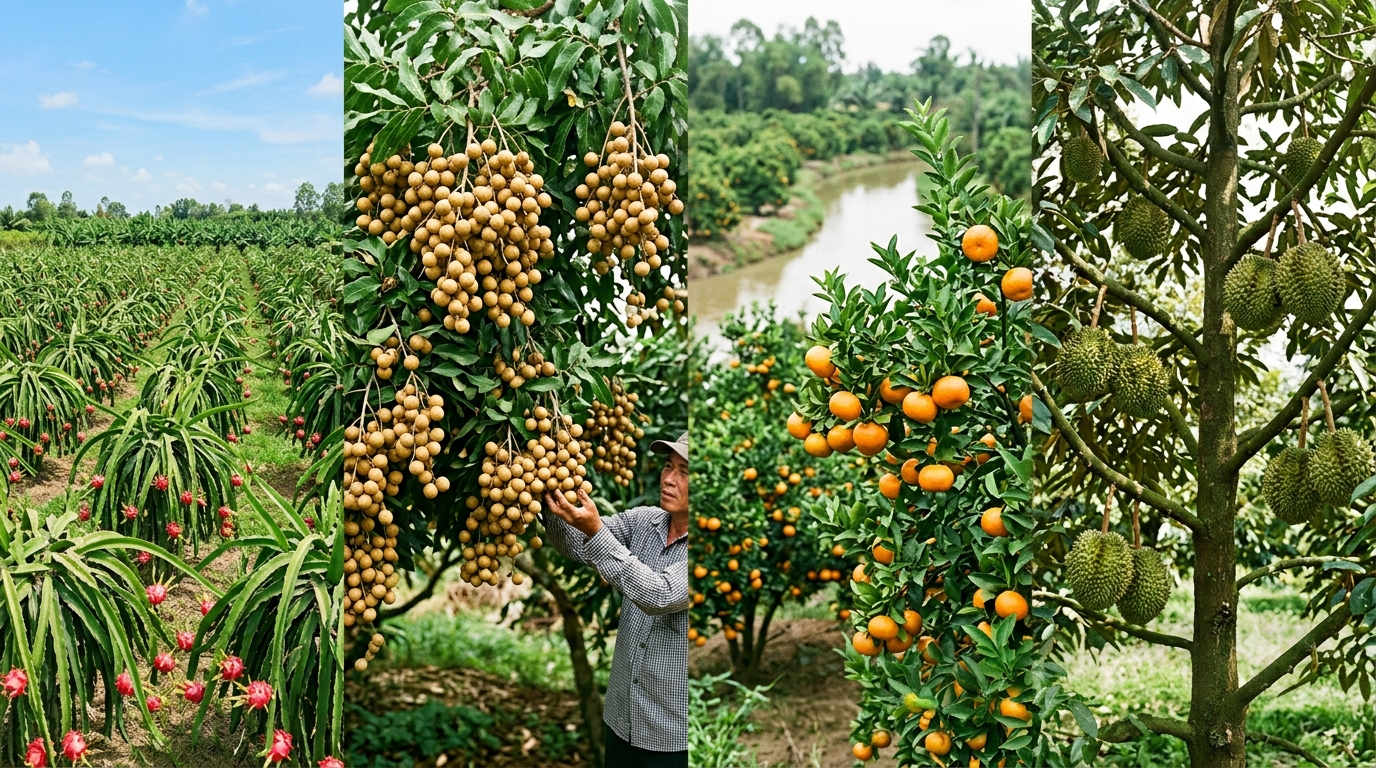
Durian, mandarin orange, and longan are economically important fruit crops for many farm households in Dong Thap Province. Their cultivation and harvesting also generate substantial quantities of by-products. Research by Nguyen Tran Thanh Truc, Nguyen Cam Tien, Pham Cam Dang, and Vo Quang Minh of the Department of Land Resources, College of Environment and Natural Resources, Can Tho University, highlights the potential to utilize these materials under a circular economy approach. The proposed models could create additional value from agricultural by-products while improving resource-use efficiency, soil quality, and the sustainability of agricultural production.