



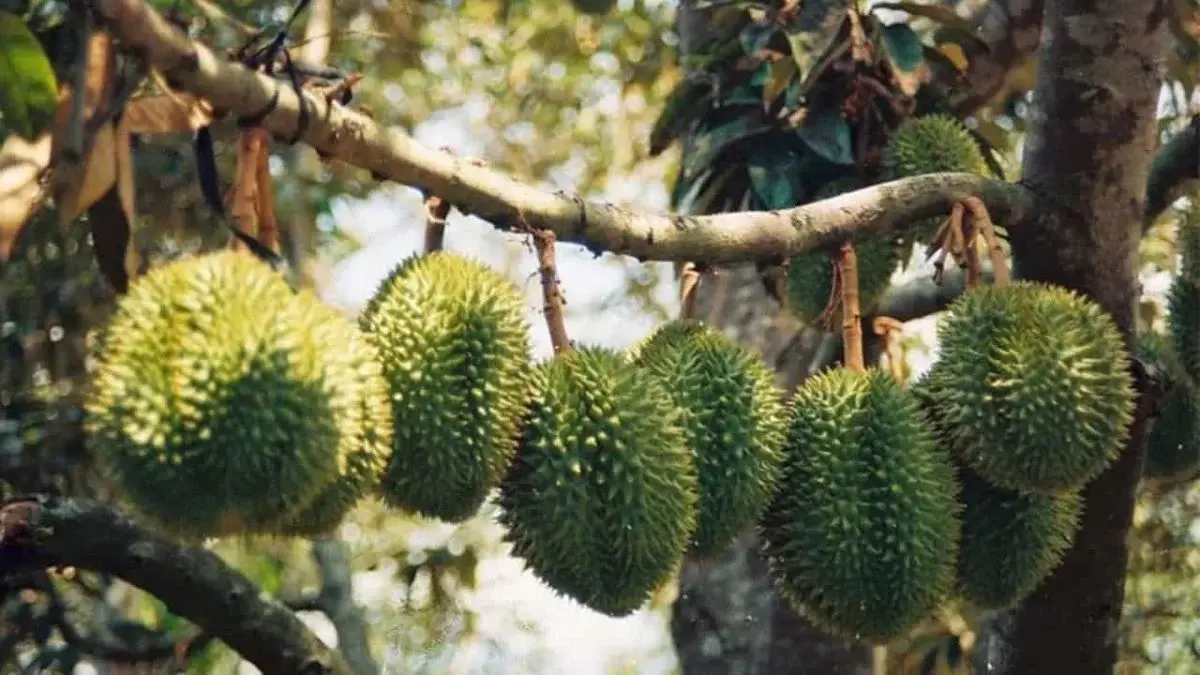
 Fruit tree cultivation in the low-lying western part of Can Tho City requires crop selection that reflects local soil characteristics and hydrological conditions. A study by Phan Hoang Vu, Pham Thanh Vu, Vo Quang Minh, and Tran Quoc Kiet identified land constraints affecting durian and jackfruit, providing a scientific basis for crop planning and soil and water management tailored to local conditions.
Land conditions and the shift to fruit cultivation
The Mekong Delta is undergoing a shift in agricultural land use, with many rice-growing areas being converted to fruit tree cultivation to meet market demand and improve economic returns. However, the long-term growth and productivity of orchards depend substantially on how well the ecological requirements of each crop align with local land conditions.
In the low-lying western part of Can Tho City, low elevation, widespread acid sulfate soils, and seasonal flooding and salinity intrusion create distinctive conditions for agricultural production. The area is also experiencing the expansion of major fruit tree crops, with durian and jackfruit accounting for substantial shares of the cultivated area.
The study by Phan Hoang Vu, Pham Thanh Vu, Vo Quang Minh, and Tran Quoc Kiet focused on identifying land constraints affecting these two crops and assessing their suitability for the natural conditions of the study area.
The researchers obtained soil property data from the Land Resource Database and combined them with a crop cover map derived from remote-sensing image interpretation. Following the land evaluation framework developed by the Food and Agriculture Organization of the United Nations (FAO) in 1976, they compared land characteristics with the ecological requirements of durian and jackfruit to identify the main constraints.
This approach enabled multiple factors to be assessed simultaneously rather than evaluating growing conditions on the basis of individual characteristics alone. Four constraint groups were identified: acid or potentially acid soils, poorly drained soils, flooding risk, and salinity risk. The researchers assessed these constraints for each crop and examined the extent to which multiple constraints occurred in the same area.
Contrasting land constraints for durian and jackfruit
The findings revealed clear differences in how land constraints affected durian and jackfruit. Although both crops face unfavorable soil and hydrological conditions, durian is more severely affected by soil acidity and poor drainage.
Acid or potentially acid soils affected 18.6% of the assessed durian area, compared with 4.2% of the jackfruit area. This difference reflects the contrasting adaptability of the two crops to the acid sulfate soil conditions found in the study area.
Acid sulfate soils can adversely affect crops because of high soil acidity and elevated concentrations of soluble aluminum and iron that can damage root systems. For durian, these conditions can impair growth and nutrient uptake. Jackfruit is more tolerant of acidic soils and can therefore adapt to a broader range of soil conditions.
Poor drainage was another major factor differentiating the two crops. The study found that drainage-related constraints affected 53.9% of the durian area and 38.7% of the jackfruit area. Heavy-textured soils, particularly clay soils, can have low permeability and become saturated after rainfall, limiting oxygen availability in the root zone. These conditions can impede fruit tree growth, especially in durian, which is sensitive to oxygen deficiency around its roots.
The differences became even more pronounced when multiple constraints were considered simultaneously. Three constraints affected 16.8% of the durian area, while four constraints affected an additional 2.4%. In total, 19.2% of the assessed durian area was affected by three or four simultaneous constraints, more than 2.3 times the corresponding proportion for jackfruit, at 8.2%.
This is one of the study's key findings. Although land may remain under cultivation despite a particular limitation, the simultaneous presence of multiple constraints increases the demands on land and water management and crop production practices. The study identified 199.6 hectares of durian cultivation affected by all four constraint groups; no comparable combination was found in the assessed jackfruit area.
In addition to soil-related constraints, flooding risk was identified across the entire cultivated area of both crops. However, the study classified flooding risk as an indirect constraint because most orchards in the area are protected by dike systems that enable water levels within cultivated areas to be managed. Salinity risk was also classified as an indirect constraint, as its effects depend substantially on the effectiveness and operation of water-control infrastructure.
This distinction has practical implications. Flooding and salinity risks can be mitigated through the maintenance of protective infrastructure and effective water regulation. By contrast, soil acidity and poor drainage are direct constraints arising from existing soil properties. These constraints are difficult to eliminate completely and may require substantial investment to address.
Implications for crop planning
The value of the study lies not only in identifying constraints to fruit tree cultivation but also in demonstrating how land evaluation results can inform crop planning suited to the conditions of low-lying areas.
The differences between durian and jackfruit show that decisions on crop diversification should not be based solely on market prospects or short-term economic returns. Crop adaptability to acid sulfate soils, drainage conditions, and local hydrology should also be considered when determining appropriate land-use options.
Based on the land constraints assessed, jackfruit is better adapted than durian to the specific conditions of the study area. This finding provides a reference for crop selection, particularly in areas with acid or potentially acid soils and poor drainage. For land being considered for durian cultivation, careful assessment of soil conditions and the overlap of multiple constraints is important to help reduce production risks.
The findings also highlight the role of hydrological management in the long-term sustainability of orchards. Maintaining and upgrading dike systems, regulating water levels, and managing flooding and salinity risks are important for both crops. In areas with potentially acid soils, water-level management also warrants particular attention to reduce the risk of pyrite oxidation, which can generate acidity when hydrological conditions change.
By identifying the spatial distribution and overlap of land constraints, the study provides a data basis for land-use planning, crop diversification decisions, and the identification of areas requiring priority soil and water management. This approach links crop selection to specific ecological conditions rather than applying a uniform cultivation model across the entire region.
As agriculture in the Mekong Delta continues to adapt to changing soil and water conditions, accurate assessment of land suitability is important for sustainable production. The study in the low-lying areas of Can Tho City contributes scientific evidence to decision-making, supporting fruit tree development strategies that reflect the adaptability of individual crops and the area's natural conditions.
Sources: This article is based on the study “Identification of land constraints for fruit tree cultivation in the low-lying areas of Can Tho city” by Phan Hoang Vu, Pham Thanh Vu, Vo Quang Minh, and Tran Quoc Kiet, published in the Science Journal of Agriculture and Environment, Issue 2, June 2026.
Effective implementation of the 2023 Law on Cooperatives requires not only dissemination of its provisions but also practical guidance and support mechanisms tailored to cooperatives’ operating conditions. A 2025 field survey conducted by Phung Giang Hai, Hoang Minh Huy, Vu Thi Thu Giang, and Nguyen Thi My across six localities identified challenges in applying six groups of new provisions and assessed support needs relating to legal compliance, governance, financial management, and operational arrangements. The findings provide an empirical basis for refining implementation guidance and developing support measures that better address the needs of agricultural cooperatives in Viet Nam.
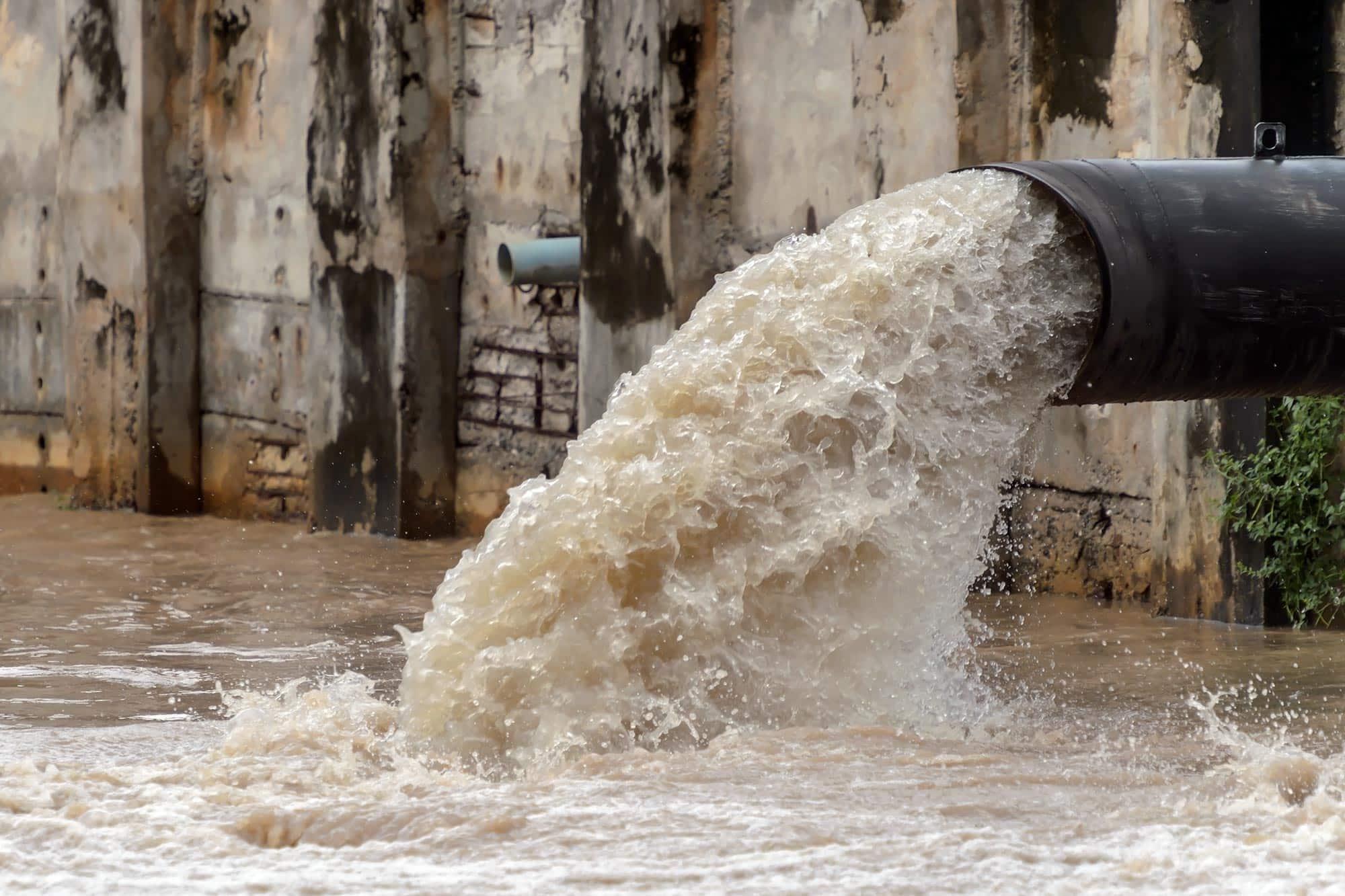
A laboratory-scale study by Nguyen Thi Minh, Do Thi Thuy, and Le Minh Nguyet of Vietnam National University of Agriculture (VNUA) found that combining selected bacterial strains with microalgae improved domestic wastewater treatment efficiency. After 14 days, the combined system achieved a chemical oxygen demand (COD) removal efficiency of 96.67%, while substantially reducing organic pollutants, nutrients, and microbial indicators of contamination.
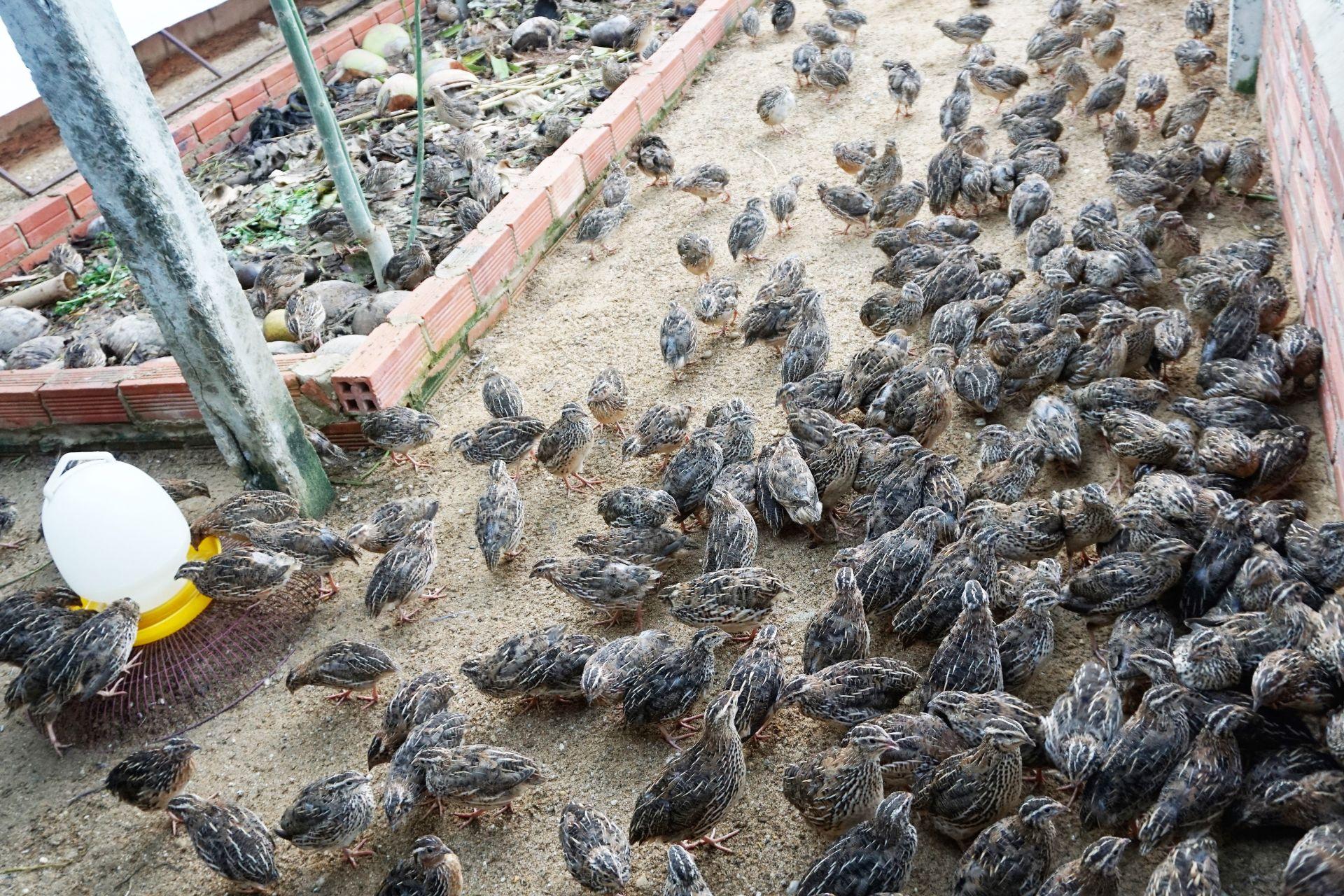
Quail farming offers several advantages, including flexible production scales, relatively low investment requirements, rapid growth, and short production cycles. A study by Van Thi Ai Nguyen and Le Thanh Thang examines the potential for applying a circular economy model to quail farming, particularly through the reuse of manure and feathers. By identifying resource losses along the livestock value chain, the study considers how by-product recovery could increase value in the sector and help reduce emissions. Realizing these potential benefits, however, requires appropriate technical processes, reliable market linkages, and economically viable solutions.
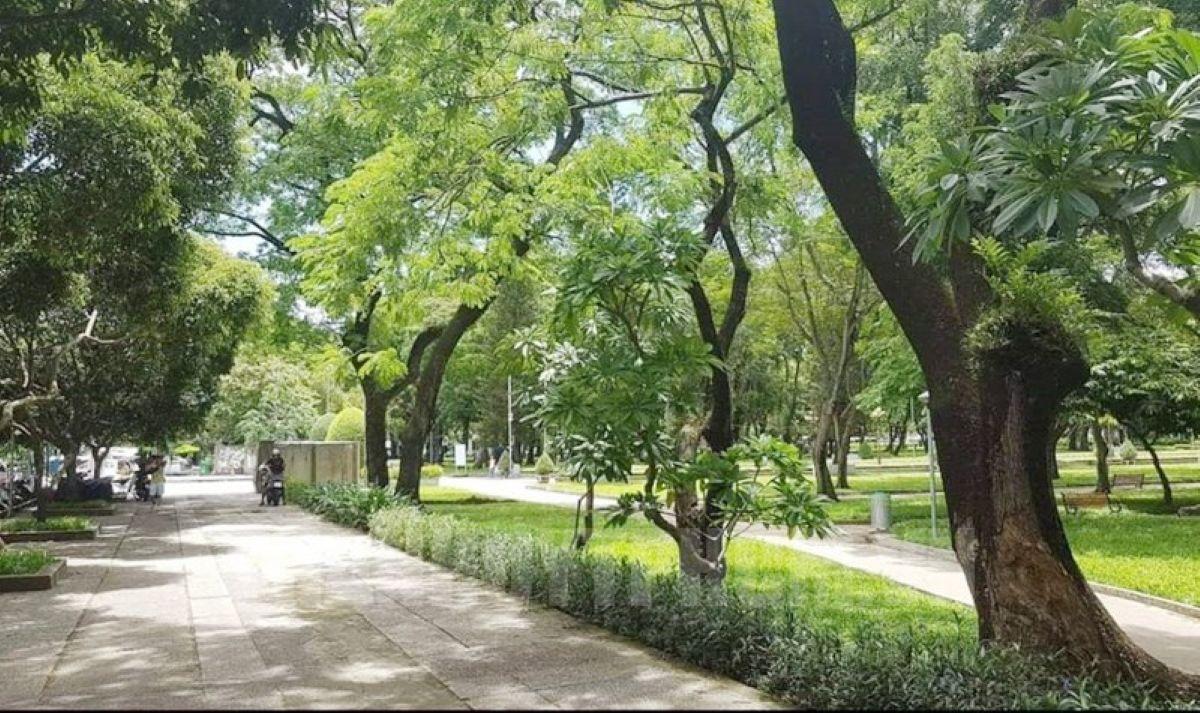
The health value of urban green spaces cannot be assessed by tree abundance or green space area alone. It also depends on vegetation structure, how people perceive their surroundings, and the contexts in which they access and use these spaces. A systematic review of 30 studies published between 2020 and 2026 by Pham Thi Bich Phuong and Li Shuhua consolidates evidence of the positive relationship between urban green spaces and public health. The authors also propose an integrated “vegetation–perception–health” framework to inform research and urban planning, particularly in tropical cities.
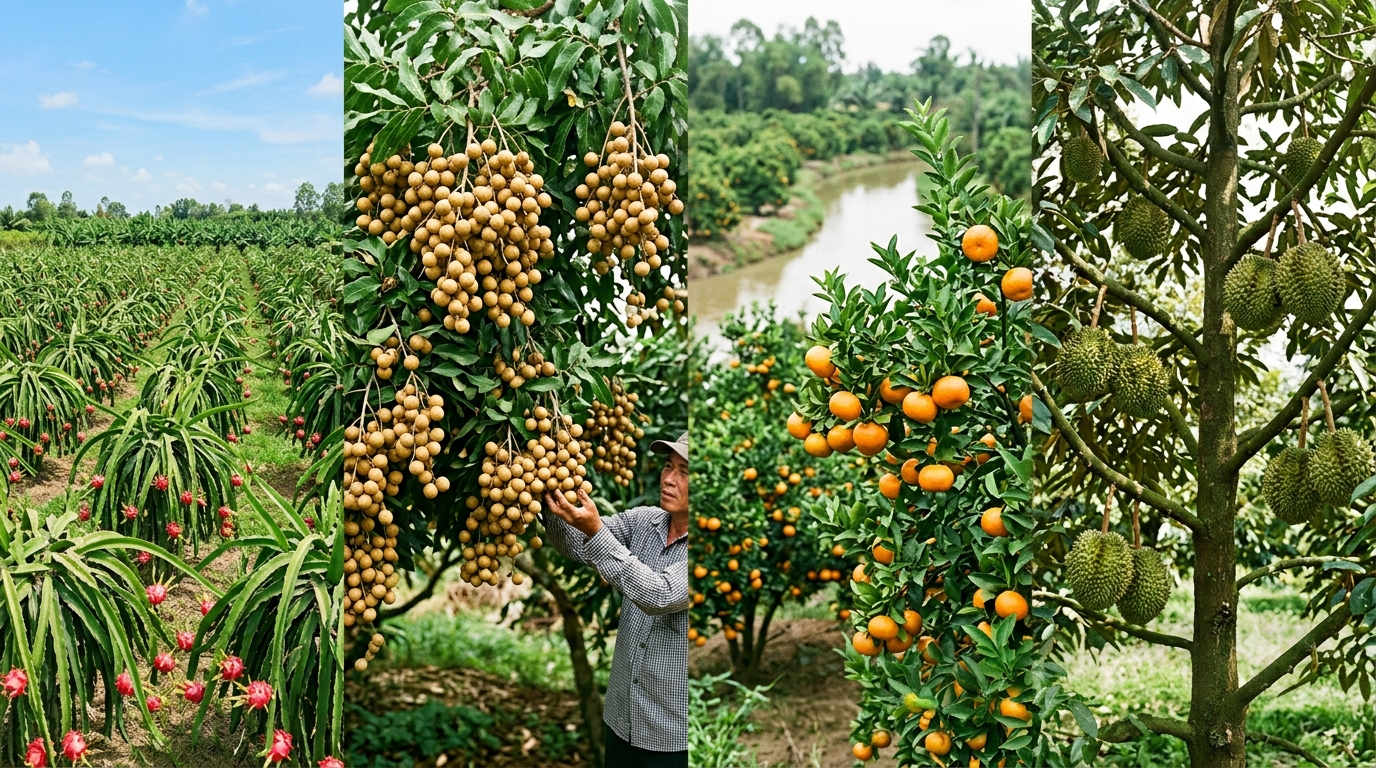
Durian, mandarin orange, and longan are economically important fruit crops for many farm households in Dong Thap Province. Their cultivation and harvesting also generate substantial quantities of by-products. Research by Nguyen Tran Thanh Truc, Nguyen Cam Tien, Pham Cam Dang, and Vo Quang Minh of the Department of Land Resources, College of Environment and Natural Resources, Can Tho University, highlights the potential to utilize these materials under a circular economy approach. The proposed models could create additional value from agricultural by-products while improving resource-use efficiency, soil quality, and the sustainability of agricultural production.