



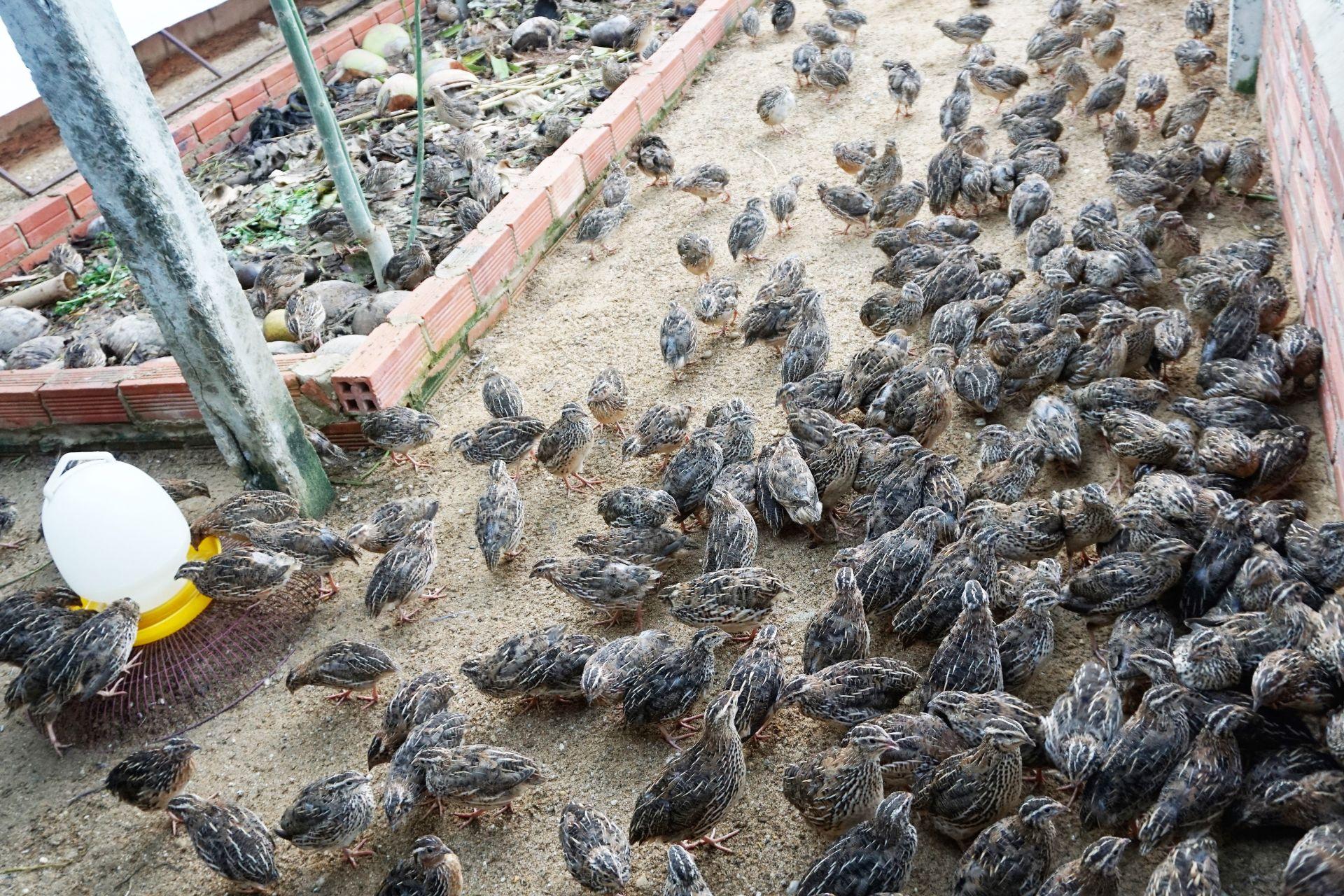
 Quail farming offers several advantages, including flexible production scales, relatively low investment requirements, rapid growth, and short production cycles. A study by Van Thi Ai Nguyen and Le Thanh Thang examines the potential for applying a circular economy model to quail farming, particularly through the reuse of manure and feathers. By identifying resource losses along the livestock value chain, the study considers how by-product recovery could increase value in the sector and help reduce emissions. Realizing these potential benefits, however, requires appropriate technical processes, reliable market linkages, and economically viable solutions.
Resource recovery across the value chain
Livestock production efficiency depends not only on animal productivity and the market prices of eggs and meat, but also on how efficiently resources are used and how material flows generated during production are managed. Feed, water, energy, and other inputs are converted into products to varying degrees. Materials that are not converted or recovered effectively can result in resource losses and contribute to environmental impacts.
According to Van Thi Ai Nguyen and Le Thanh Thang, the circular economy provides a framework for examining the entire livestock value chain, from input supply and production to waste treatment, distribution, and consumption. Rather than treating manure, feathers, and other by-products as waste streams to be discarded, this approach seeks to recover, reuse, or convert them into inputs for other production activities.
This approach is relevant to quail farming, which can be operated at different scales and is characterized by relatively low investment requirements, rapid growth, and short production cycles. These characteristics create opportunities for households and small farms to integrate quail production with crop cultivation or suitable systems for treating and reusing by-products.
In Viet Nam, quail farming is predominantly organized at the household level, with varying levels of investment. Under these conditions, utilizing available by-products could diversify the value generated by farming activities while reducing the volume of waste requiring treatment. The effectiveness of this approach, however, depends on proper collection, treatment, and reuse, rather than simply transferring waste from one stage of the production process to another.
The study examines the relationship between economic efficiency and environmental protection. The value of a circular economy model lies not only in generating additional products, but also in reducing nutrient losses, improving resource-use efficiency, and linking livestock farming with other production activities.
Reuse pathways for quail by-products
Among the by-products generated by quail farming, manure is a notable biological resource because it can supply nutrients for subsequent production processes. The authors’ review of the literature indicates that quail manure can be processed into organic fertilizer, used as a substrate for bioconversion, or provide nutrients for certain cultivation systems.
One potential application is composting quail manure. When properly treated, manure can be converted into organic fertilizer for crop production, returning nutrients to the soil and potentially reducing reliance on some chemical fertilizers. Treatment can also help stabilize organic material and mitigate environmental risks associated with applying untreated manure or disposing of it improperly.
Another application discussed in the study is the use of fermented quail manure to provide nutrients for Azolla microphylla. A study by Latif et al. (2023), cited by the authors, examined the potential use of this manure to support the growth of the aquatic fern. This approach suggests opportunities to link livestock farming with other biological production systems, increasing the circulation of materials within a farm.
Quail manure has also been investigated as a substrate for black soldier fly larvae (Hermetia illucens). Diola et al. (2024), cited in the study, examined the potential for reducing waste and achieving bioconversion using manure from quail, chickens, and pigs. This line of research merits attention as a possible means of recovering value from livestock waste and producing biomass with potential practical applications.
However, the potential to convert by-products into useful products does not mean that every option can be adopted directly by individual farms. Technology selection must take into account the characteristics of the raw material, hygiene and biosecurity requirements, production scale, operating costs, and specifications for the final product. Products intended for agricultural use or as feed ingredients must also meet the relevant technical and safety requirements.
For quail feathers, the authors discuss the possibility of using thermal processing or hydrolysis to produce protein-rich material. However, the relatively small volume of feathers generated by quail farming may make collection and commercial-scale processing difficult. Research on poultry feather meal indicates that appropriately processed and formulated feather-derived ingredients may have potential for use in animal feed. Findings from studies of other poultry species, however, cannot automatically be applied to quail feathers under all production conditions.
Overall, these reuse pathways suggest that quail farming by-products could contribute to several biological cycles. The feasibility and effectiveness of each option still need to be assessed under specific production conditions, particularly on farms with limited resources.
Technical and market barriers
A circular economy system can operate effectively only when material flows are collected, treated, and returned to production appropriately. In quail farming, the advantages of flexible production scales and short production cycles need to be accompanied by effective waste management, access to suitable technologies, and coordination across the value chain.
According to the authors’ analysis, one major constraint is the limited technical capacity for treating by-products at the household-farm level. Drying manure, discarding it, or applying it directly without appropriate treatment can reduce opportunities for resource recovery and increase pollution risks. The lack of standardized technical protocols specifically designed for quail farming also makes it more difficult to provide guidance, maintain product quality, and scale up circular economy models.
Another challenge is weak coordination across the value chain. Collecting and treating manure and manufacturing secondary products require cooperation among farmers, cooperatives, businesses, processing facilities, and research institutions. Without an organized collection system or stable markets for the resulting products, collection and transportation costs can undermine the economic viability of reuse options, particularly when individual farms generate only small quantities of by-products.
Market conditions are also critical. Organic fertilizers, compost, biological products, and other materials derived from by-product conversion can generate economic value only if they meet quality requirements and have viable markets. Technology selection should therefore consider not only waste-treatment capacity, but also capital and operating costs, the available volume of raw materials, and market demand.
In response to these challenges, the study emphasizes the need for technical protocols suited to household-farming conditions, together with mechanisms for cooperation among farmers, cooperatives, and businesses. Compact technologies with reasonable investment requirements and operating demands suited to farm conditions may be worth considering. Training and technology transfer should also help farmers understand both the potential economic benefits and the requirements for environmental management and biosecurity.
Evidence needed for wider adoption
A key aspect of the study by Van Thi Ai Nguyen and Le Thanh Thang is its consideration of quail farming as part of an agricultural system in which resources can be recovered and reused, rather than focusing exclusively on egg and meat production. Utilizing manure and other by-products could expand the value generated along the quail farming value chain while creating additional links with crop production and bioconversion activities.
However, the study is based primarily on literature analysis and synthesis. The applications discussed provide a basis for identifying opportunities and guiding further implementation, but they do not replace empirical assessments of costs, profitability, emission reductions, or resource-use efficiency for specific models under Vietnamese conditions.
To establish the practical feasibility of these approaches, the authors propose further quantification of their economic and environmental benefits, the development of a life cycle assessment (LCA) framework for quail farming systems, and evaluation of their potential for wider adoption under different market conditions. These steps are necessary to compare technological options, identify suitable operating conditions, and avoid widespread adoption before sufficient evidence is available.
In the long term, a circular economy approach to quail farming needs to combine three elements: effective resource recovery, control of environmental impacts, and economic feasibility. As treatment protocols improve, markets for secondary products become better organized, and value-chain participants establish appropriate coordination mechanisms, the potential for resource circularity in quail farming may be more readily translated into practical value.
The study therefore contributes to the discussion on circular agriculture by highlighting how by-products that receive relatively little attention could become supplementary resources for production. Their utilization, however, needs to be guided by scientific evidence, appropriate technologies, and a comprehensive assessment of implementation conditions.
Source: This article is based on the research paper by Van Thi Ai Nguyen and Le Thanh Thang, “Potential for applying circular economy model in quail farming: Solutions to increase value and sustainable development,” published in Issues 3–4 (February 2026) of the Science Journal of Agriculture and Environment.
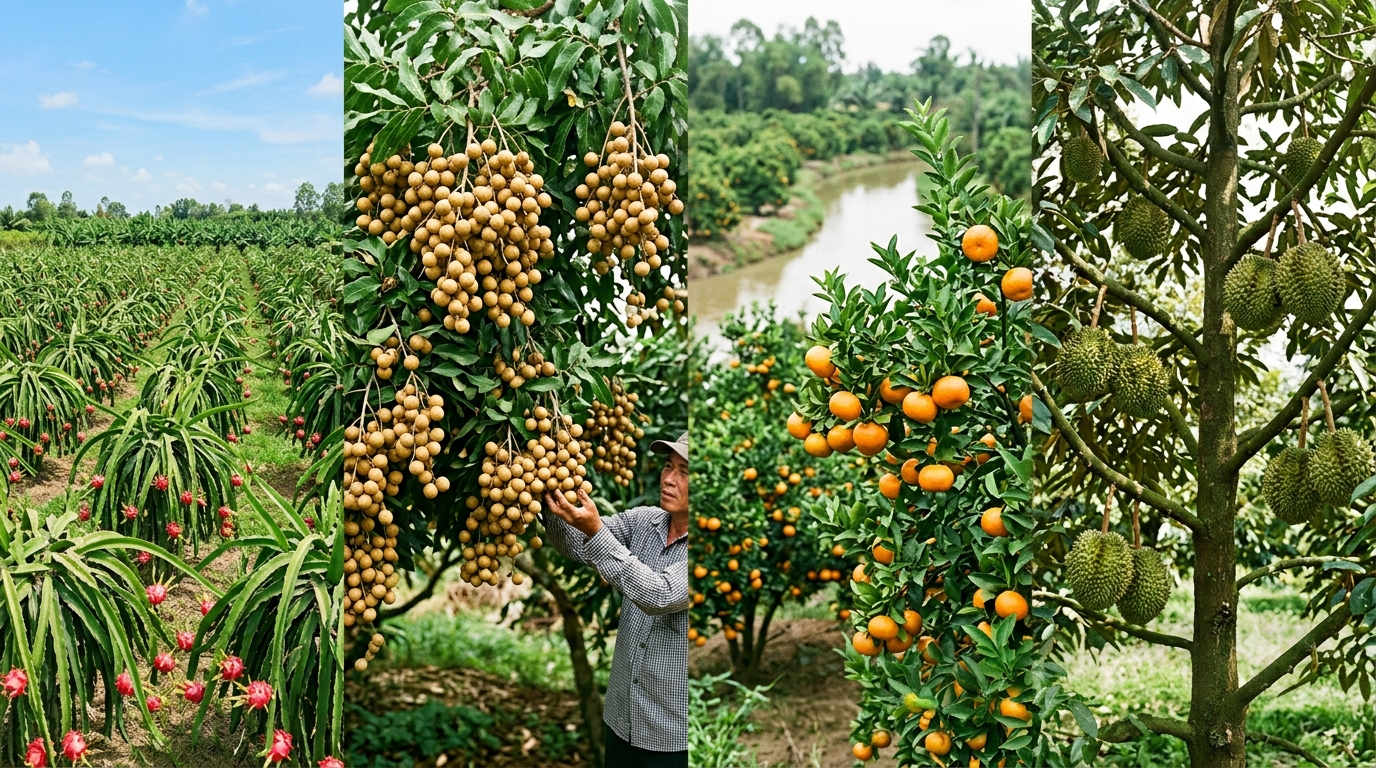
Durian, mandarin orange, and longan are economically important fruit crops for many farm households in Dong Thap Province. Their cultivation and harvesting also generate substantial quantities of by-products. Research by Nguyen Tran Thanh Truc, Nguyen Cam Tien, Pham Cam Dang, and Vo Quang Minh of the Department of Land Resources, College of Environment and Natural Resources, Can Tho University, highlights the potential to utilize these materials under a circular economy approach. The proposed models could create additional value from agricultural by-products while improving resource-use efficiency, soil quality, and the sustainability of agricultural production.
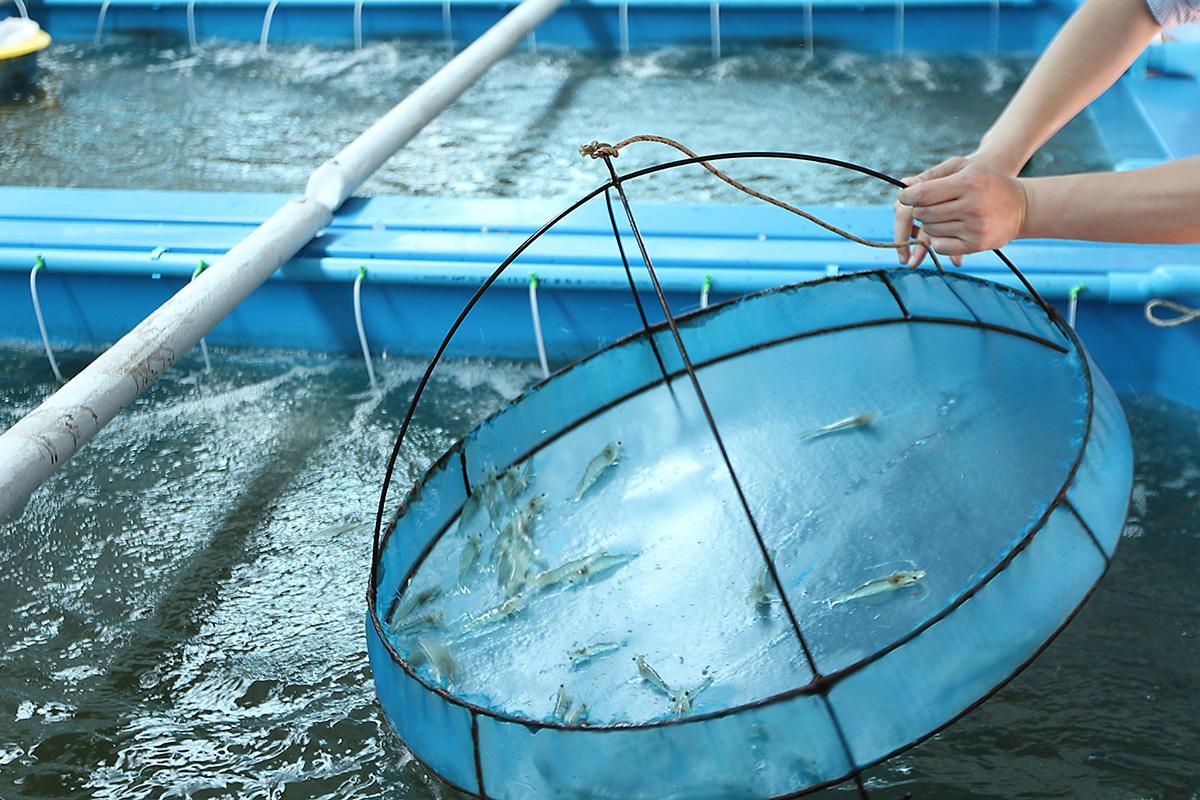
Science and technology play an important role in the development of the agriculture and environment sector, contributing to national food security, greater production efficiency and producer incomes, stronger exports, and Viet Nam’s position as a major agricultural producer in the global market. However, the development and application of science and technology in Viet Nam in general, and in fisheries and fisheries surveillance in particular, still face a number of limitations. It is therefore essential to establish orientations for science and technology development and innovation in fisheries and fisheries surveillance for the 2026–2030 period.
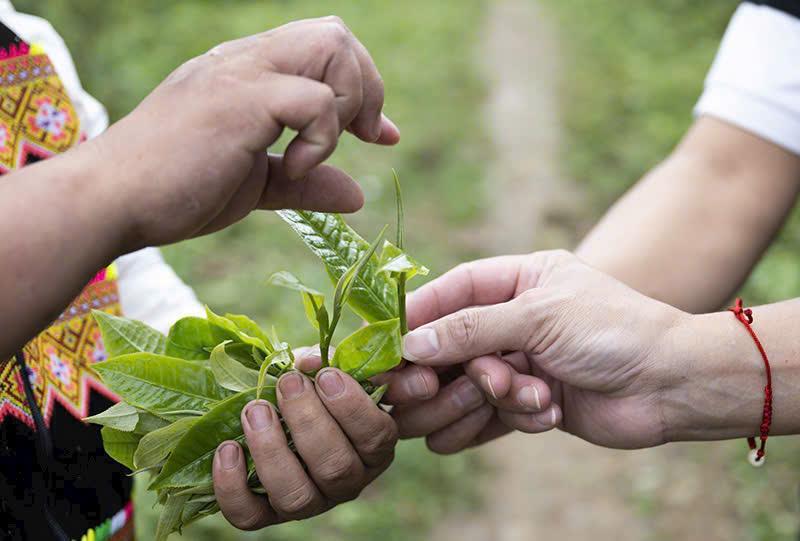
In the highlands of Northern Viet Nam, ancient Shan tea trees not only provide raw materials for distinctive tea products but also preserve valuable genetic resources, indigenous knowledge, and the livelihoods of ethnic minority communities.
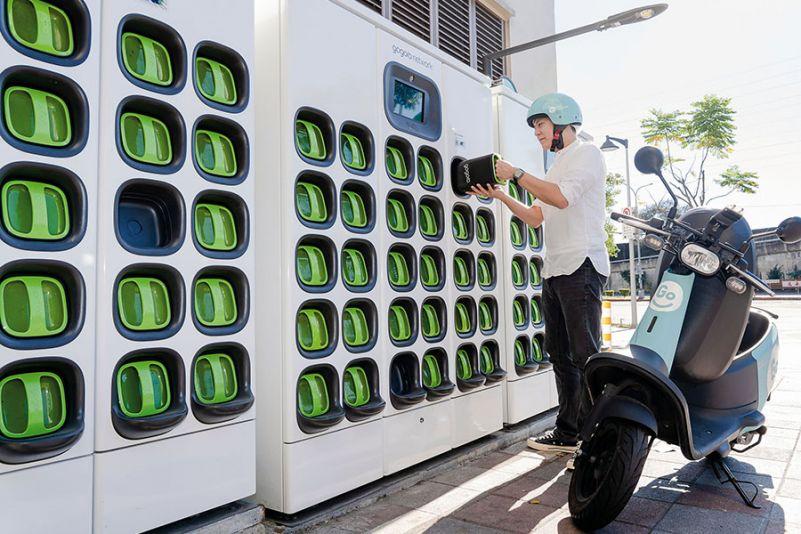
The rapid development of electric mobility is supporting Viet Nam’s energy transition and helping reduce emissions from the transport sector. However, the environmental performance of this transition depends not only on the number of electric vehicles (EVs) in use but also on how vehicles and batteries are managed at the end of their useful lives. Before the volume of end-of-life batteries increases substantially, Vietnam is studying models for the collection, reuse, remanufacturing, and recycling of end-of-life vehicles and EV batteries, with a view to establishing a circular value chain.
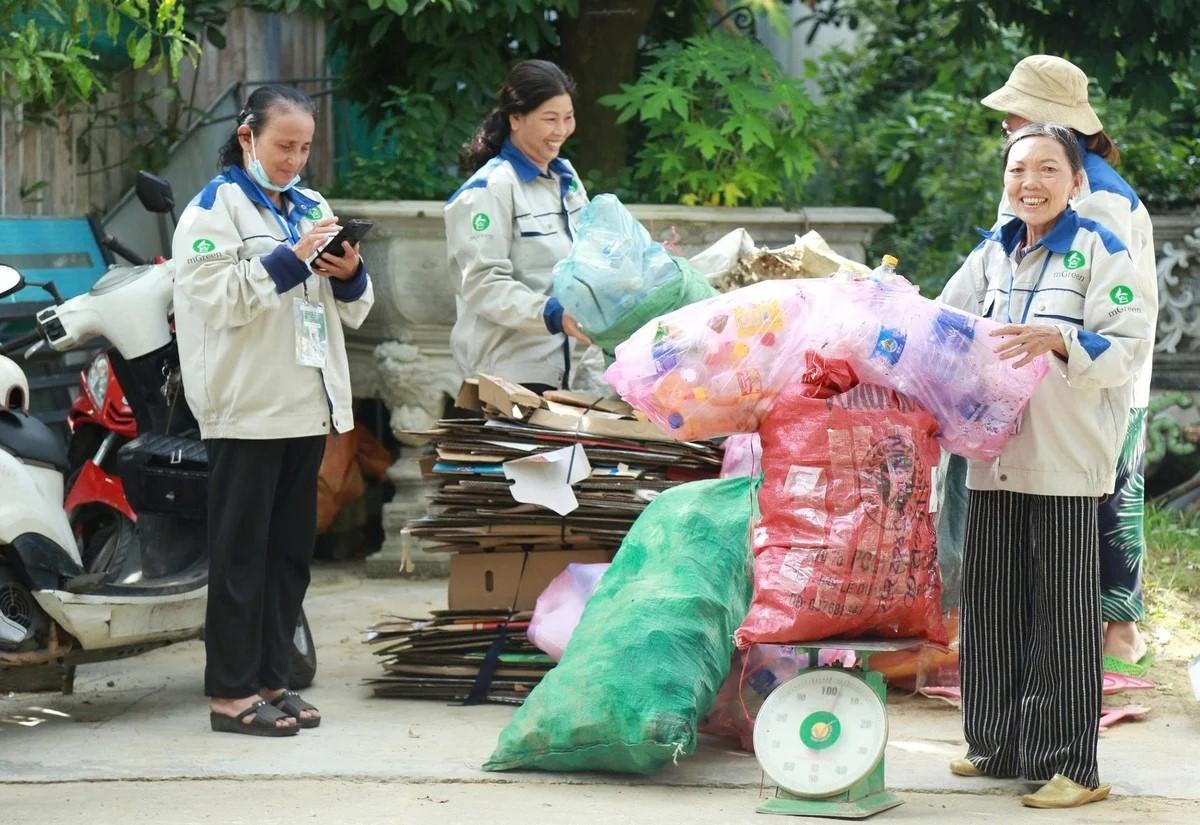
While the international community continues to seek common ground on a global legally binding instrument to end plastic pollution, the question for Viet Nam is not only when the Global Plastics Treaty will be adopted, but, more importantly, how prepared the domestic economy, businesses, and governance systems are for the new requirements it may entail.