



 While the international community continues to seek common ground on a global legally binding instrument to end plastic pollution, the question for Viet Nam is not only when the Global Plastics Treaty will be adopted, but, more importantly, how prepared the domestic economy, businesses, and governance systems are for the new requirements it may entail.
The study “Global Plastics Treaty: Negotiation dynamics and socio-economic implications for Viet Nam” by Nguyen Thi Thuy and Vu Dinh Hieu of the Institute of Meteorology, Hydrology, Environment and Sea Sciences approaches the issue from this gap. Rather than simply recounting developments in the international negotiations, the study establishes an analytical framework to identify the channels through which the Treaty could affect Viet Nam, assess the country’s relative level of preparedness, and propose groups of measures that should be prepared before the instrument is finalized.
The research was conducted under the project “Research on theoretical and practical foundations for proposing solutions to implement the Global Plastics Treaty”, project code TNMT.ĐL.2025.04.03. The article was published in the Vietnamese Special Issue III/2026 of Environment Magazine.
The study’s notable contribution lies in connecting three dimensions that are often examined separately: the evolution of a multilateral environmental negotiation process; policy provisions that could become international obligations; and the specific socio-economic implications for a developing country such as Viet Nam. From this perspective, the Global Plastics Treaty is viewed not merely as an issue of environmental diplomacy, but also as a factor that could reshape industrial policy, trade, waste management, employment, and business competitiveness.
Socio-economic implications for Viet Nam
The study begins with a basic reality: plastic pollution has moved beyond the scope of conventional waste collection and treatment. Plastics are present across most areas of production and daily life, while plastic material flows cross national borders through trade in raw materials, products, packaging, and waste. The impacts of pollution also spread through rivers, oceans, land, air, and food chains, increasingly limiting the ability of individual countries to address the problem in isolation.
According to OECD data cited in the study, the world used approximately 460 million tonnes of plastics and generated around 353 million tonnes of plastic waste in 2019. UNEP projected that global plastic consumption would exceed 500 million tonnes in 2024, generating approximately 400 million tonnes of plastic waste. Without effective interventions, global plastic waste could nearly triple to approximately 1.2 billion tonnes by 2060.
These figures help explain why Resolution 5/14, adopted by the United Nations Environment Assembly in 2022, marked a turning point in international environmental governance. The resolution established the basis for developing an international legally binding instrument on plastic pollution, including plastic pollution in the marine environment, based on a life-cycle approach to plastics.
The authors systematically reviewed official documents of UNEP and the Intergovernmental Negotiating Committee on Plastic Pollution, reports by the Vietnamese delegation to the negotiation sessions, and studies by the OECD, World Bank, and other international organizations. On this basis, the study reconstructs the process from INC-1 through subsequent negotiating sessions, demonstrating a shift from discussions of general principles toward direct negotiations on specific groups of provisions.
INC-1 established the organizational and substantive scope of the process. INC-2 shifted the focus toward policy options and called for the preparation of a “zero draft.” From INC-3 onward, countries began negotiating the draft across related groups of provisions, while INC-4 continued to clarify areas of divergence. INC-5 in Busan was expected to finalize the Treaty but failed to reach consensus. The resumed session in Geneva likewise demonstrated substantial gaps among negotiating groups.
The failure to agree on the Treaty does not mean that the negotiating process has produced no results. The study identifies one important shift that has already emerged: the focus of governance is moving from end-of-pipe waste management toward management across the entire life cycle of plastics. This means that solutions cannot focus solely on collection, recycling, and post-consumer treatment, but must also cover product design, raw materials, production, distribution, use, reuse, and chemicals management.
Based on this approach, the study divides the policy issues under negotiation into three groups. Upstream measures concern the production of primary plastic polymers, chemicals and polymers of concern, problematic plastic products, and microplastics. Midstream measures include product design, reduction in use, reuse, repair, refill, recycled content, and extended producer responsibility. Downstream measures focus on collection, sorting, recycling, treatment, existing plastic pollution, and the transboundary movement of plastic waste.
This classification is one of the study’s valuable features because it translates a complex international instrument into policy areas that can be mapped against the domestic governance system. It enables regulators and businesses to identify which provisions could affect product design, which relate to raw-material markets, and which would require additional investment in waste-management infrastructure.
The study also avoids reducing the negotiating process to a divide between countries that “support” and those that “oppose” ending plastic pollution. The substantive differences concern how the objective should be achieved: the degree of legally binding obligations; whether primary plastic polymers should be subject to controls; the criteria for identifying problematic plastic products and chemicals of concern; whether product-design requirements should be globally applicable; and how developing countries should receive financial and technological support.
One group of countries supports highly binding global obligations covering the entire life cycle of plastics. Another prioritizes national flexibility and places greater emphasis on waste management. Differences also emerge in debates over new financial mechanisms, technology transfer, capacity building, national reporting, and compliance mechanisms.
By analyzing the unresolved issues, the authors demonstrate that the final form of the Treaty will directly determine the scale of its implications for Viet Nam. An instrument focused primarily on waste management would generate substantially different requirements from one that imposes obligations concerning raw materials, production, product design, chemicals, and trade in plastic products.
Assessing Viet Nam’s readiness
If the first part of the study clarifies what the Treaty might regulate, its next important contribution is to identify the channels through which such provisions could affect Viet Nam.
The authors identify four major economic impact channels: business compliance costs; trade and exports; markets for recycled materials, secondary materials, and environmental services; and green investment and technological innovation. This approach avoids viewing the Treaty in one dimension, either solely as a compliance burden or solely as an opportunity to accelerate the circular economy.
In terms of costs, businesses may need to modify product designs, substitute chemicals and materials, increase the use of recycled content, provide data, and fulfill extended producer responsibility requirements. These requirements could increase costs in the short term, particularly for small and medium-sized enterprises and businesses using older technologies.
In terms of trade, the emergence of new standards for plastic products, packaging, recycled materials, and chemicals could directly affect market access. According to 2023 Ministry of Industry and Trade data cited in the study, Viet Nam’s plastics industry comprises approximately 3,300 enterprises and provides employment for more than 250,000 workers. Its products are exported to 146 markets, including the United States, Japan, ASEAN countries, and the European Union.
The scale and degree of international integration make the plastics industry particularly sensitive to changes in international regulations. Businesses that adapt slowly may face difficulties in meeting green standards, while those that proactively innovate in product design, improve recyclability, and increase the use of secondary materials may strengthen their position in supply chains.
Conversely, the expansion of sorting, reuse, and recycling could create markets for secondary materials, environmental technologies, testing, traceability, and collection services. If properly organized, compliance costs could be transformed into incentives for technological innovation and the development of new value chains.
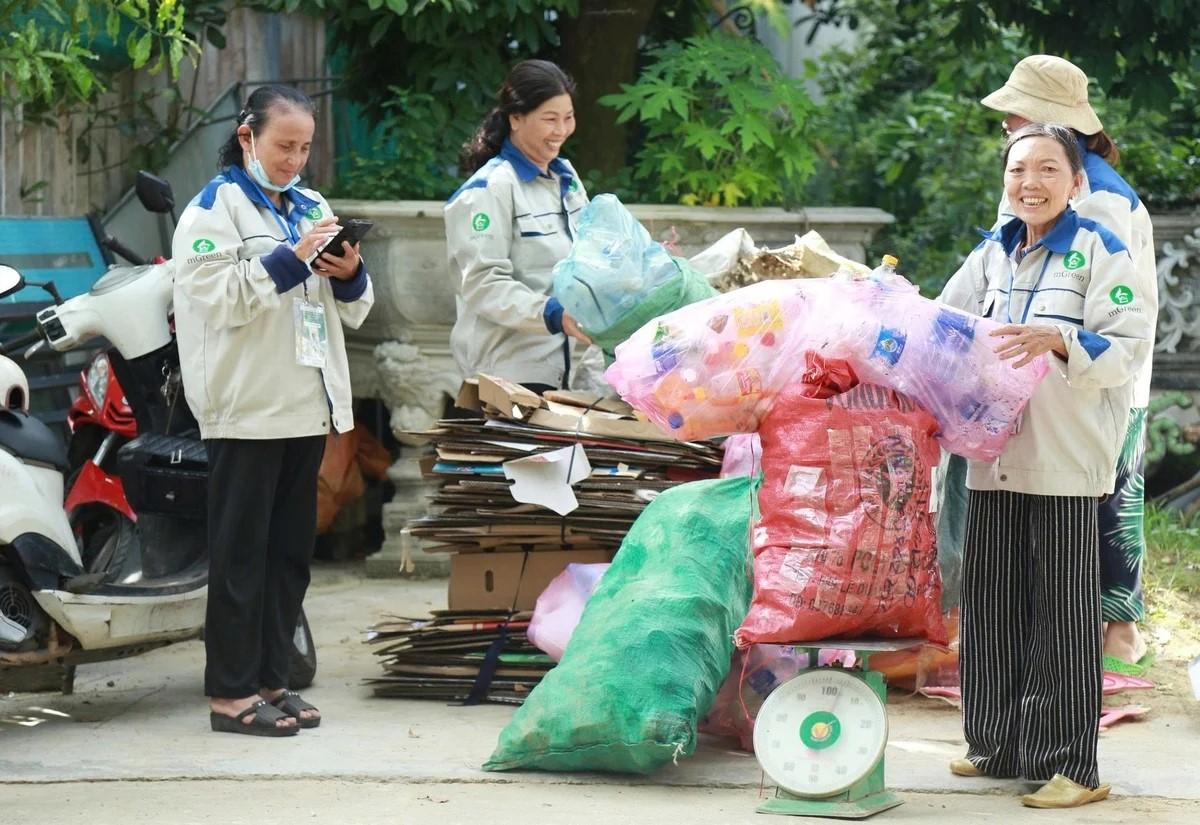
The social impacts are analyzed in terms of employment, public health, consumer behavior, and the livelihoods of the informal sector. As source separation, EPR, and recycling expand, demand for labor in collection, sorting, recycling, and quality control could increase. However, if policy development focuses exclusively on the formal recycling sector without mechanisms to integrate informal waste workers, some vulnerable workers could lose their livelihoods.
This is particularly relevant to the principle of a just transition. The Treaty can generate sustainable outcomes only if environmental benefits are not achieved at the expense of excluding vulnerable groups from value chains. Policies should therefore take into account training, recognition of workers’ roles, improved working conditions, and mechanisms enabling the informal sector to participate in collection and sorting systems under safer conditions.
From an environmental perspective, the study anticipates positive impacts if the obligations are adequately designed and implemented. Reducing single-use plastic products, expanding reuse, improving collection, and controlling leakage could reduce pressure on rivers, oceans, land, and air. However, the authors also caution that the selection of solutions should be based on life-cycle assessment, avoiding situations in which one product is replaced with another material that increases energy or water consumption or emissions at another stage of the life cycle.
To assess the level of readiness, the study applies a qualitative assessment approach based on Vietnamese legislation and relevant documents. The findings indicate that Viet Nam has established important foundations. The 2020 Law on Environmental Protection provides for source separation of household solid waste, the circular economy, and extended producer responsibility for producers and importers. Decree No. 08/2022/ND-CP further specifies provisions on EPR and waste management.
In addition, Viet Nam has adopted the National Action Plan on Marine Plastic Waste Management through 2030 and the Scheme for the Development of a Circular Economy. These policies provide a basis for linking future international obligations with ongoing domestic reforms.
However, the study finds that readiness remains uneven across different capacity areas. Major gaps include the absence of an integrated database on plastic flows; incomplete standards for ecodesign and recycled materials; fragmented collection, sorting, and recycling systems; insufficient financial resources for the transition; differences in implementation capacity among localities; and the need to further strengthen inter-agency coordination mechanisms.
This assessment enables the study to move beyond a description of legislation. The existence of circular economy or EPR regulations does not necessarily mean that the system is ready to meet international reporting, monitoring, and compliance requirements. The gap between policy and implementation capacity will determine the actual costs borne by the government, businesses, and society.
Preparing for Treaty implementation
Based on the findings, the authors recommend that Viet Nam maintain a balanced negotiating position: supporting the objective of ending plastic pollution and a life-cycle approach to plastics, while upholding the principle of equity, taking into account national capacities, and linking obligations with financial support, technology transfer, and capacity building.
This is not a choice between environmental ambition and economic development. A Treaty imposing high obligations without the resources needed for implementation would be difficult to translate into substantive change in developing countries. Conversely, an instrument that is overly flexible and lacks accountability mechanisms may not be sufficient to reverse the upward trend in plastic pollution.
The study recommends that Viet Nam develop an implementation-preparation plan based on a life-cycle approach, clearly allocating responsibilities for legislation, data, standards, EPR, finance, technology, and communication. This preparation should begin during the negotiation process rather than waiting until the Treaty is adopted before reviewing the domestic system.
The first priority should be the establishment of a national plastics database. The system should cover production, imports, consumption, packaging, waste, collection, recycling, leakage into the environment, and EPR responsibilities. Without sufficiently reliable data, Viet Nam will have difficulty establishing baselines, setting targets, preparing national reports, and evaluating policy effectiveness.
The second group of measures concerns the development of standards for product design, recycled materials, recyclability, and chemicals management. These standards form the bridge between environmental requirements and production activities. Clear standards will help businesses anticipate investment pathways while limiting situations in which products are labeled “green” or “recyclable” despite the absence of actual recycling capacity.
EPR should be upgraded toward a more transparent system with auditing requirements and stronger links to product design and actual recyclability. According to the study, EPR should not be viewed merely as a financial contribution obligation, but as an economic and technical instrument that creates incentives to reduce difficult-to-recycle materials, increase the value of recyclable materials, and develop recycling markets.
Another issue of particular significance is support for small and medium-sized enterprises, recycling businesses, local governments, and the informal sector. These groups may face significant impacts while having limited access to finance, technology, and information. Without appropriate support policies, the transition could widen disparities between large and small enterprises and between localities with well-developed infrastructure and those facing greater constraints.
From a research perspective, the authors cautiously point out that current assessments remain largely qualitative. Because the international instrument has not yet been finalized, the costs and benefits associated with individual obligations cannot yet be fully determined. Future research should therefore quantify impacts by product sector, enterprise category, and locality; assess the costs and benefits of different options; and develop plastic material-flow models to support measurement, reporting, and verification.
This caution strengthens the study’s credibility. The research does not conclude that every obligation under the Treaty would automatically generate benefits, nor does it treat international requirements solely as external pressure. The ultimate impacts will depend on the content of the instrument, domestic preparedness, the allocation of costs, and the capacity to transform environmental obligations into drivers of innovation.
The work by Nguyen Thi Thuy and Vu Dinh Hieu therefore provides a useful analytical approach for both researchers and policymakers. Developments in the negotiations are examined in direct relation to the structure of Viet Nam’s plastics industry, trade, employment, the informal sector, recycling capacity, and governance institutions.
The study’s overarching message is that Viet Nam should not wait for a final instrument before beginning to act. Building data systems, developing standards, upgrading EPR, supporting businesses, and strengthening inter-agency coordination are all necessary tasks for domestic plastic pollution management, regardless of the Treaty’s eventual form.
Early preparation could help Viet Nam limit compliance costs, strengthen its voice at the negotiating table, promote the recycling industry, and improve green competitiveness. Conversely, delays could leave businesses less prepared for new standards and increase adjustment costs once international obligations take effect.
From an environmental issue, the Global Plastics Treaty is opening a broader discussion about growth models, producer responsibility, and how societies value resources. The study contributes to bringing that discussion closer to Viet Nam’s circumstances by identifying the foundations already in place, the gaps that need to be addressed, and the policy choices that need to be prepared today.
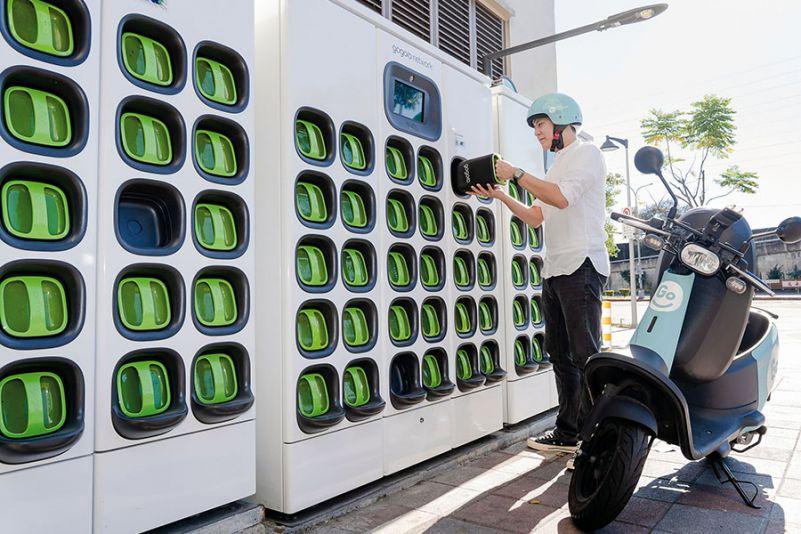
The rapid development of electric mobility is supporting Viet Nam’s energy transition and helping reduce emissions from the transport sector. However, the environmental performance of this transition depends not only on the number of electric vehicles (EVs) in use but also on how vehicles and batteries are managed at the end of their useful lives. Before the volume of end-of-life batteries increases substantially, Vietnam is studying models for the collection, reuse, remanufacturing, and recycling of end-of-life vehicles and EV batteries, with a view to establishing a circular value chain.

A scientific study by An Giang University, Vietnam National University, Ho Chi Minh City, and the An Giang Center for Rural Clean Water and Environmental Sanitation has demonstrated the potential of water lettuce (Pistia stratiotes) for treating piggery wastewater under natural conditions. The findings show that treatment performance varies with the initial biomass density and the pollutant being targeted. The approach offers a low-cost, environmentally friendly biological treatment option with potential for application by pig farms and household producers in Viet Nam.
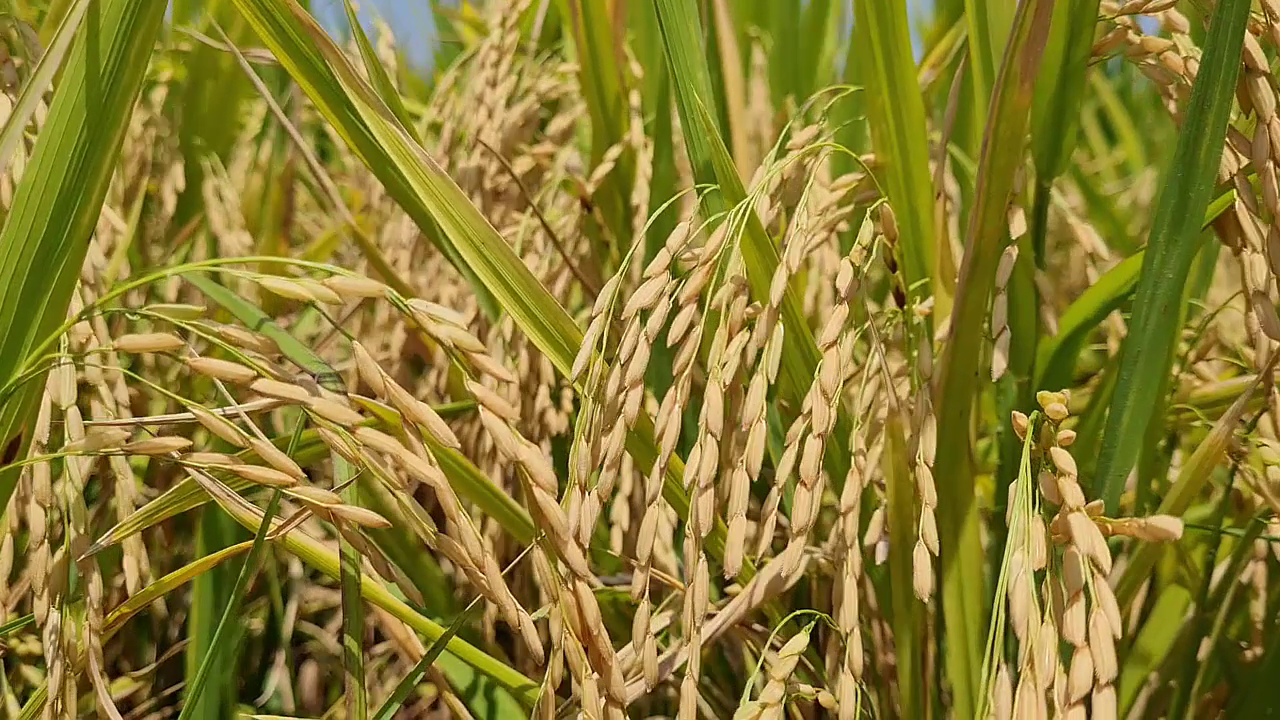
A study of 180 local rice accessions conserved at the Plant Resources Center revealed diversity in subspecies classification and grain quality traits. Within this germplasm collection, researchers identified eight accessions with promising characteristics, including aroma, low amylose content, and low to intermediate gelatinization temperatures, providing additional genetic resources for conservation and the breeding of high-quality rice varieties.

Scientists from the Vietnam Academy of Science and Technology (VAST) have successfully developed a process for extracting and purifying glucose oxidase (GOx) and characterizing its key properties using a fungal strain isolated from soil in a Vietnamese rice-growing area. The findings provide a scientific basis for exploring indigenous microbial resources and offer prospects for gradually developing domestic sources of valuable enzymes for applications in the food industry, biosensors, and environmental technology.
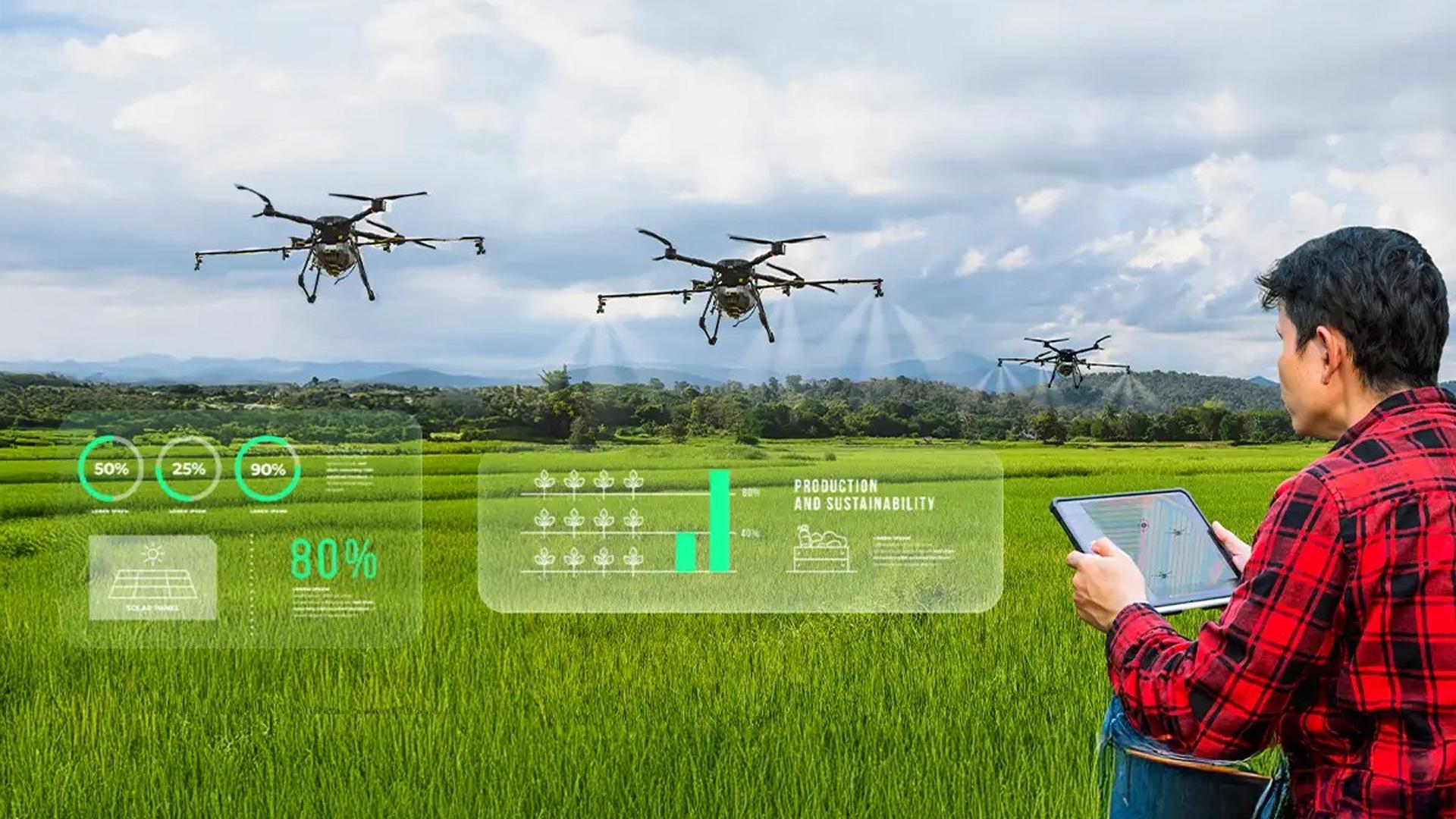
As land, labor, and other traditional production inputs face increasing constraints, growth in the agriculture, forestry, and fisheries sector can no longer rely primarily on expanding production scale. Development drivers are gradually shifting toward science and technology, innovation, mechanization, and the use of data to create value. The research study “Assessing the effectiveness of science and technology in the growth of the agriculture, forestry, and fisheries sector” provides a relatively comprehensive picture of this transition in Viet Nam.