



 Ensuring food security, adapting to climate change and delivering on sustainable development commitments have become increasingly interconnected policy priorities for Viet Nam. Against this backdrop, food systems transformation is emerging as a key pillar of the country's long-term development agenda.
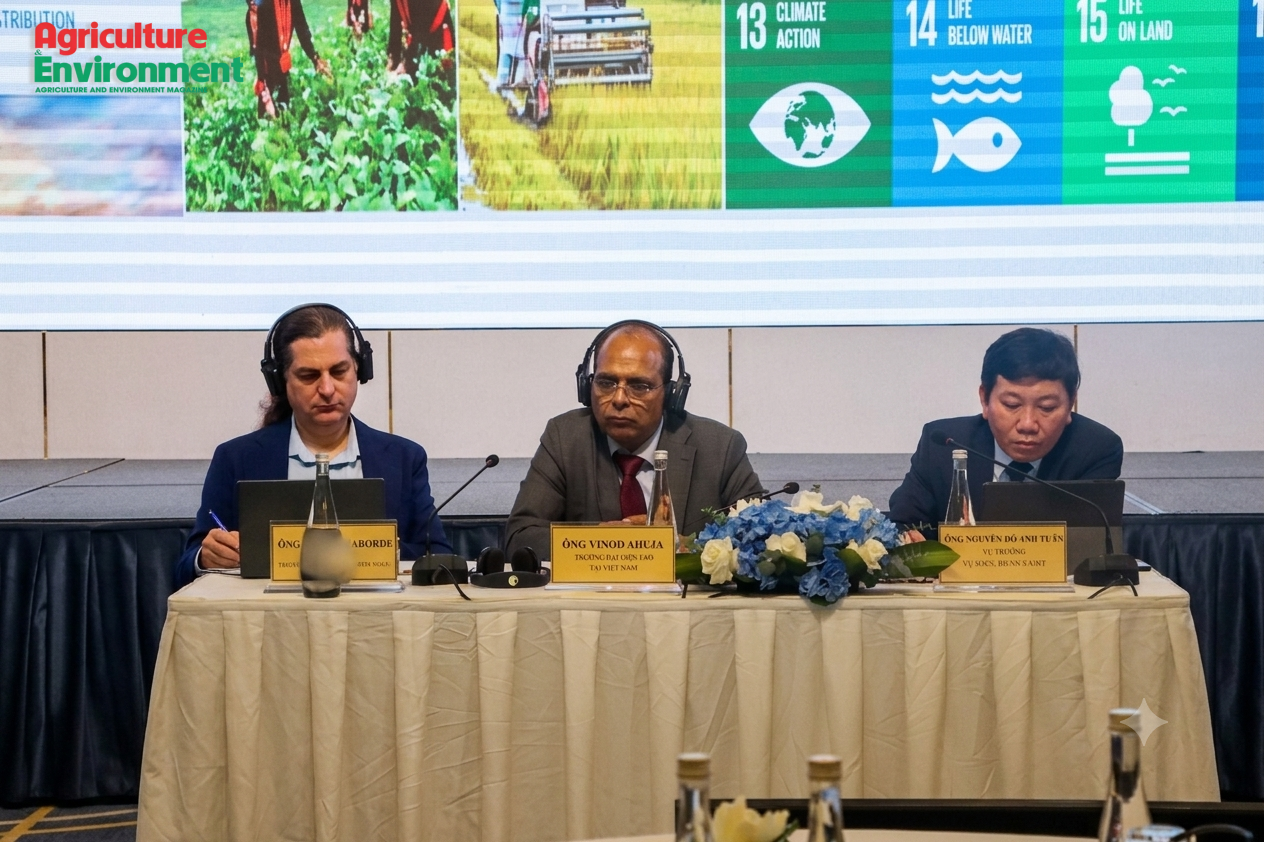
The two-day conference, "Food systems transformation in Viet Nam in the global context: Harmonizing priorities, strengthening collaboration and advancing implementation," co-organized by the Ministry of Agriculture and Environment (MAE) and the Food and Agriculture Organization of the United Nations (FAO) on July 28-29, brought together policymakers, experts and development partners to review existing policy directions, identify priorities for the next phase and strengthen coordination for implementation.
Viet Nam places food systems transformation at the center of long-term development
Over nearly four decades of Doi Moi, Viet Nam has made remarkable progress in agricultural development and food security. Once a food-deficit country, it has become one of the world's leading agricultural exporters, making an important contribution to global food security. Those achievements, however, have also highlighted the need for a new development model as climate change, natural resource depletion, biodiversity loss, environmental pollution, changing consumer demand and international sustainable development commitments increasingly reshape the country's food systems.
Opening the conference, Nguyen Do Anh Tuan, Director General of the Department of International Cooperation, Ministry of Agriculture and Environment, said food systems transformation has evolved from a global development trend into an urgent national priority for Viet Nam. He said food systems should no longer be viewed solely through the lens of agricultural production. Instead, they encompass the entire value chain—from production and processing to distribution and consumption—while supporting broader objectives related to nutrition, environmental protection, climate resilience, economic development and social welfare.
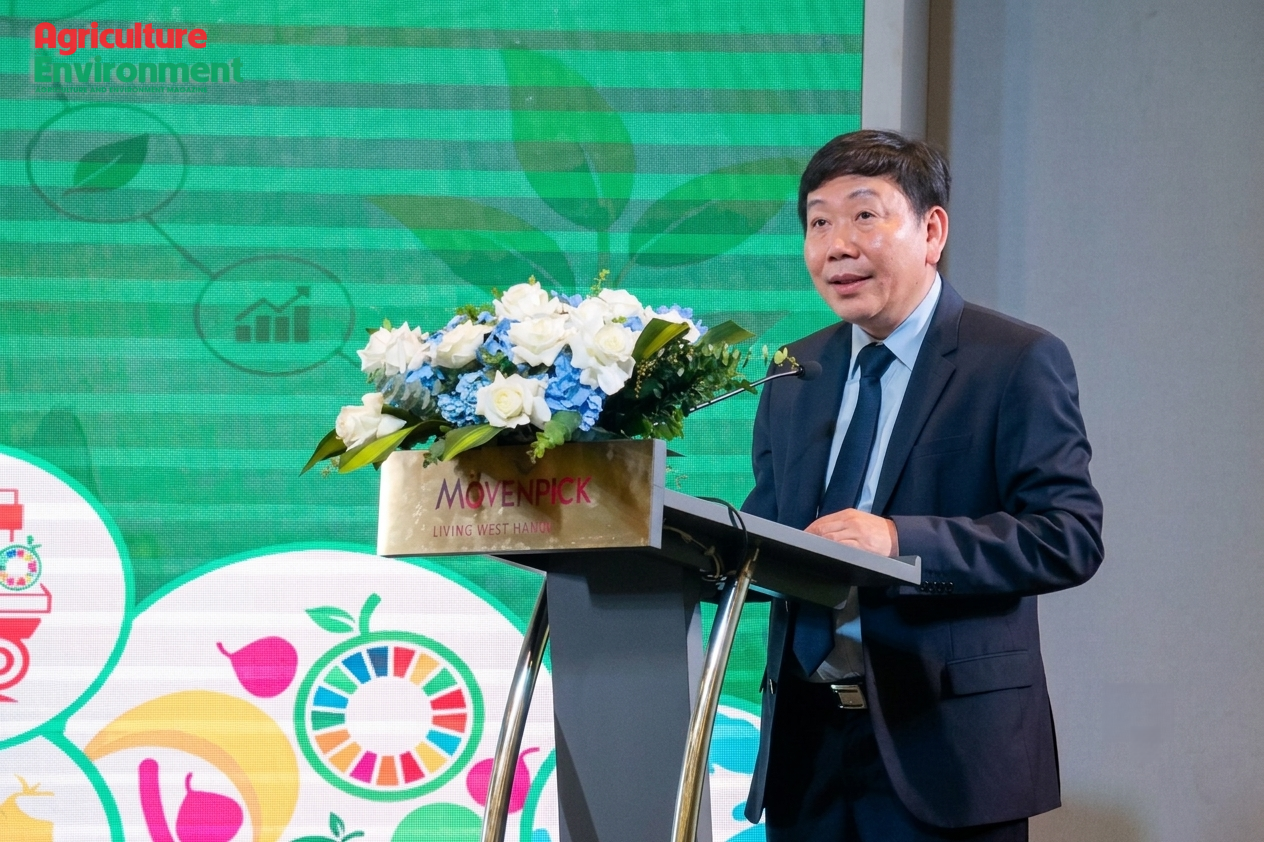
According to Nguyen Do Anh Tuan, Viet Nam has gradually strengthened its policy framework to advance this transition. A key milestone was Prime Minister's Decision No. 300/QD-TTg, approving the National Action Plan on Transparent, Responsible and Sustainable Food Systems Transformation through 2030. Food systems transformation has also been integrated into national strategies on agricultural development, green growth, climate change response and Viet Nam's commitment to achieve Net-Zero greenhouse gas emissions by 2050.
Nguyen Do Anh Tuan said the transition cannot be driven by the agricultural sector alone. It requires coordinated action across ministries, sectors and levels of government, together with businesses, research institutions, international organizations and development partners. Balancing economic growth, livelihoods, nutrition, efficient resource use and greenhouse gas emissions reduction calls for an integrated, science-based approach supported by stronger cross-sectoral coordination.
The conference also reviewed progress in implementing the National Action Plan while providing an opportunity to assess Viet Nam's policy directions against evolving international trends and identify priorities for the next stage of implementation.
FAO urged countries to focus on high-impact priorities
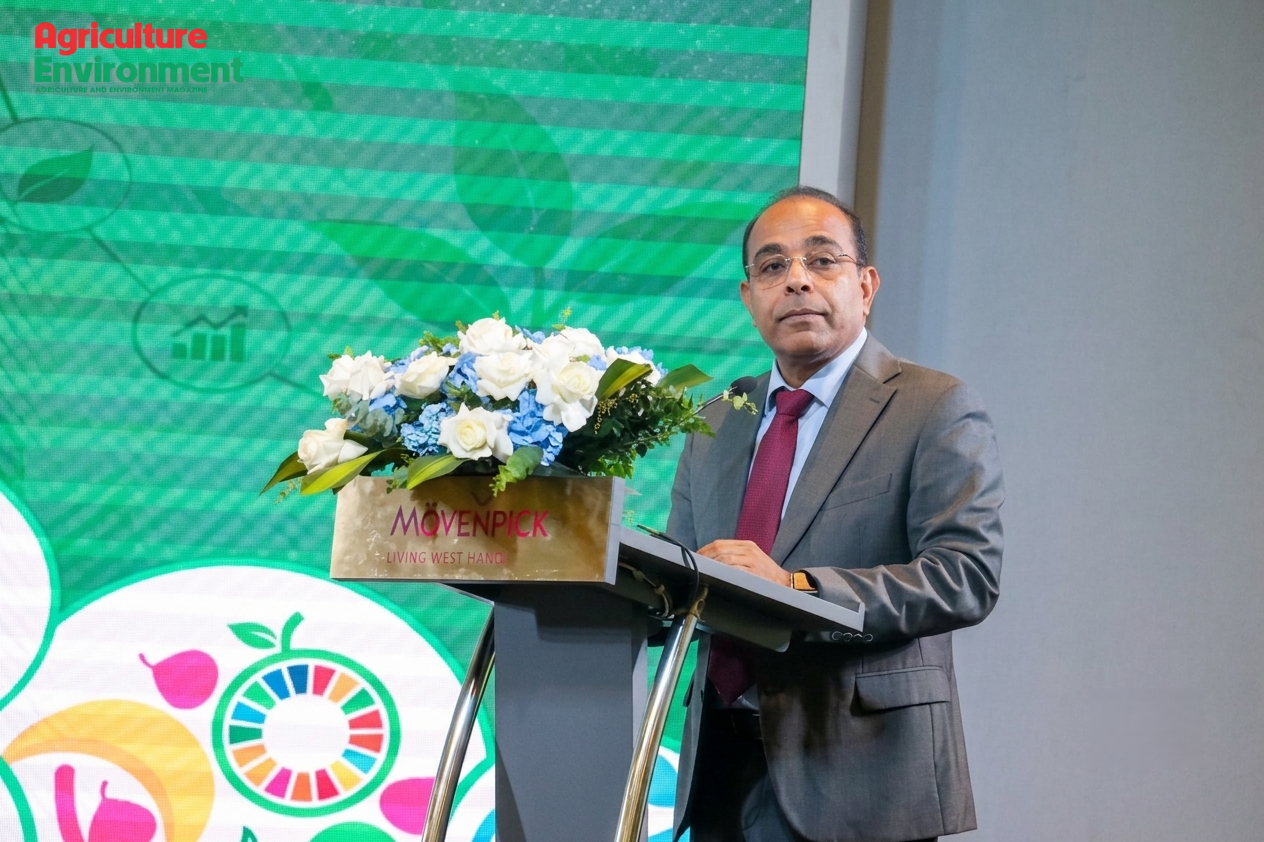
Recognizing Viet Nam's achievements in food security and agricultural development, Vinod Ahuja, FAO Representative in Viet Nam, said the country's success has also created new challenges for the next stage of development. While previous efforts focused on ensuring adequate food supplies and increasing agricultural output, he said the challenge today is to build food systems that continue generating economic value while becoming more environmentally sustainable, improving nutrition and strengthening resilience to climate and market shocks.
According to Vinod Ahuja, countries need to shift from expanding production to improving the overall performance of their food systems. Rather than pursuing too many objectives simultaneously, governments should identify priorities capable of generating system-wide impacts while ensuring coherence across policies, investment, science and technology, and implementation mechanisms. He said food systems transformation would produce meaningful results only when priorities are clearly defined and implemented at sufficient scale.
Echoing this view, David Laborde, Director of the Agrifood Economics and Policy Division (ESA), FAO, said agrifood systems transformation has become a shared priority as countries seek to tackle hunger, improve nutrition, respond to climate change, protect natural resources and sustain economic growth simultaneously. To support those efforts, FAO has developed the Global Roadmap for Agrifood Systems Transformation, a reference framework that helps countries assess existing policy frameworks, identify gaps and determine priority actions suited to their national circumstances.
David Laborde said the Global Roadmap is neither a rigid set of standards nor a one-size-fits-all model. Instead, it provides a systems-based approach that enables countries to define their own transformation pathways based on socio-economic conditions, available resources and development priorities. For Viet Nam, he said, that means reviewing its existing policy framework rather than mechanically adopting international recommendations, allowing the country to identify the priorities most likely to deliver tangible results.
FAO experts agreed that successful food systems transformation depends not on adopting more policies, but on setting clear priorities, mobilizing resources and ensuring effective implementation. That approach also underpins Viet Nam's next phase of work—reviewing its policy framework, identifying remaining gaps and establishing priority actions tailored to national conditions.
Policy review identified gaps and implementation priorities
One of the workshop's central discussions focused on the findings of Viet Nam's policy review on food systems transformation. Presenting the study, Cao Duc Phat, former Minister of Agriculture and Rural Development, said the expert team did not begin by drafting a new policy framework. Instead, it systematically compared Viet Nam's existing policies, strategies and regulations with the directions outlined in FAO's Global Roadmap to identify areas of alignment, policy gaps and priorities requiring further attention.
According to Cao Duc Phat, the exercise was intended not to formulate another national strategy, but to determine which policy areas have already been effectively addressed, where gaps remain and which issues should be prioritized in the next phase. To support the review, the research team developed a policy mapping framework covering Party resolutions, National Assembly resolutions, legislation, government strategies and national programs to assess how comprehensively Viet Nam's policy framework addresses the goals and actions proposed by FAO.
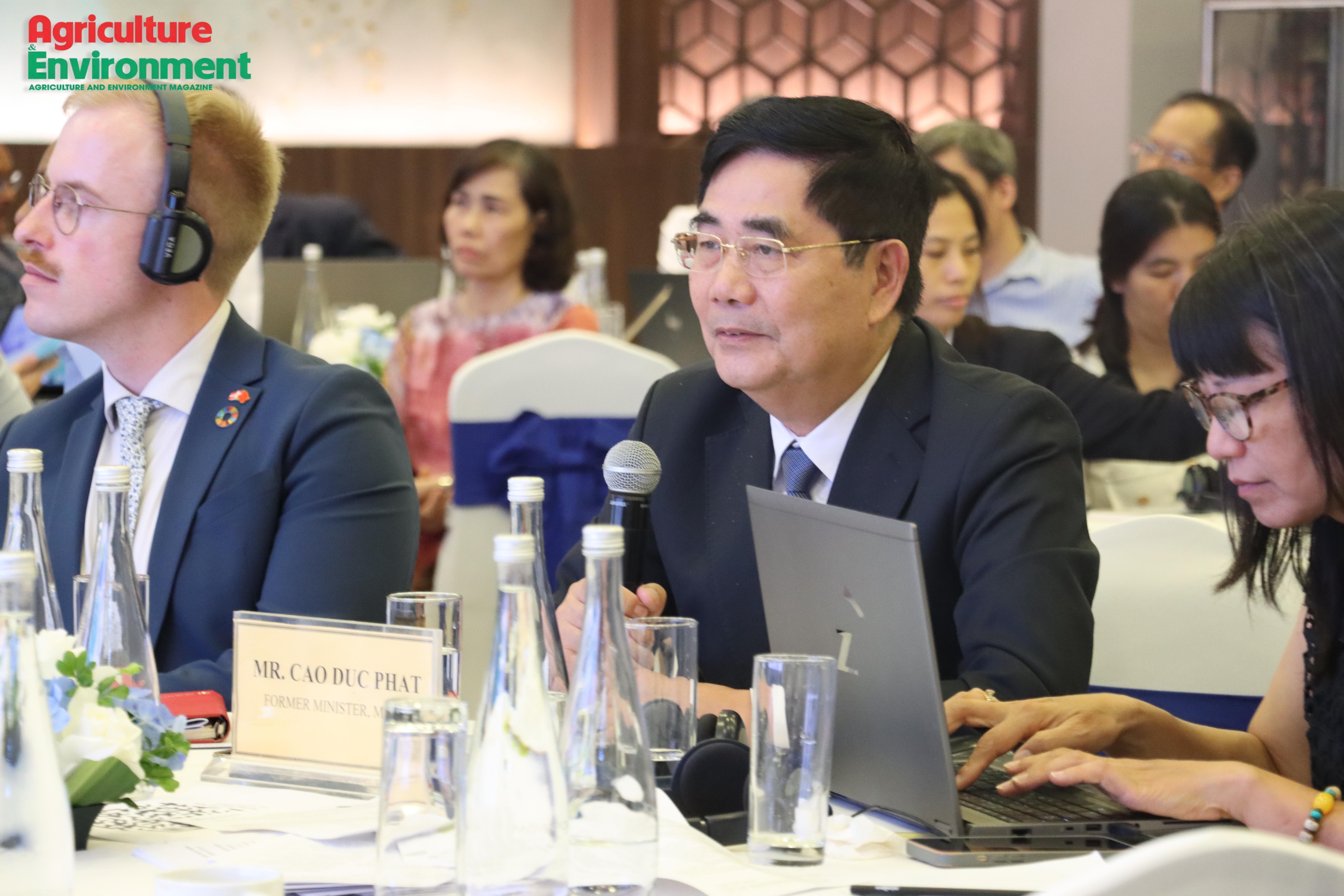
The review found that many of Viet Nam's major policy directions are already broadly aligned with FAO's systems approach, particularly in land management, water resources and institutional development. The research team compared 21 laws, 61 government strategies, programs and projects, and 15 ministerial and local initiatives against the 10 action areas and 120 actions set out in the Global Roadmap. The assessment showed that Viet Nam's ambitions in food security and nutrition exceed global benchmarks in several areas, while further efforts are needed to strengthen policies related to climate action, emissions reduction and the green transition.
Cao Duc Phat said the review also confirmed that food systems transformation extends well beyond agricultural production, encompassing natural resource management, environmental protection, trade, consumption, finance, science and technology, and governance.
Of the 120 actions proposed by FAO, 115 were considered applicable to Viet Nam, although they require adaptation to national conditions and prioritization based on expected impact. The expert group also recommended additional actions reflecting Viet Nam's specific circumstances, including improving smallholder livestock production, modernizing slaughter and processing systems, enhancing value addition in crop production, increasing plantation forest productivity, preventing water pollution, promoting technologies that improve productivity while reducing emissions, developing human resources, and strengthening standards and data systems.
Using four criteria—economic growth, farmers' incomes, greenhouse gas emissions reduction and climate resilience—the team developed a methodology for prioritizing actions. Following consultations with technical units under the Ministry of Agriculture and Environment, a list of 41 priority actions was finalized to guide the next phase of implementation.
Partnerships seen as key to implementation
Alongside policy refinement, participants agreed that food systems transformation can succeed only through close collaboration among government agencies, international organizations, the private sector, research institutions and local authorities.
Presenting progress on implementing the National Action Plan, Bui My Binh, Senior Specialist at the Department of International Cooperation, Ministry of Agriculture and Environment, said Viet Nam has gradually established a multi-stakeholder coordination mechanism through the Food Systems Transformation Partnership (FST Partnership). The partnership connects government agencies, development organizations, businesses and international partners to facilitate knowledge sharing, resource mobilization and coordinated implementation of Decision No. 300/QD-TTg.

According to Bui My Binh, more than three years of implementation have produced a range of collaborative initiatives, including policy support, capacity building, knowledge exchange and pilot projects on sustainable agriculture, emissions reduction and value chain development.
Participants agreed that, given limited resources and the increasingly complex nature of food systems transformation, identifying the right priorities must go hand in hand with effective coordination and sustained support from international partners. The policy review presented at the workshop is expected to provide an important basis for updating implementation priorities while strengthening links among existing programs, projects and initiatives across Viet Nam.
The conference concluded that food systems transformation is a long-term process requiring cross-sectoral coordination and broad participation across society. Continued refinement of policy priorities, stronger resource mobilization and expanded partnerships will be essential to building transparent, responsible, sustainable and resilient food systems in the years ahead.
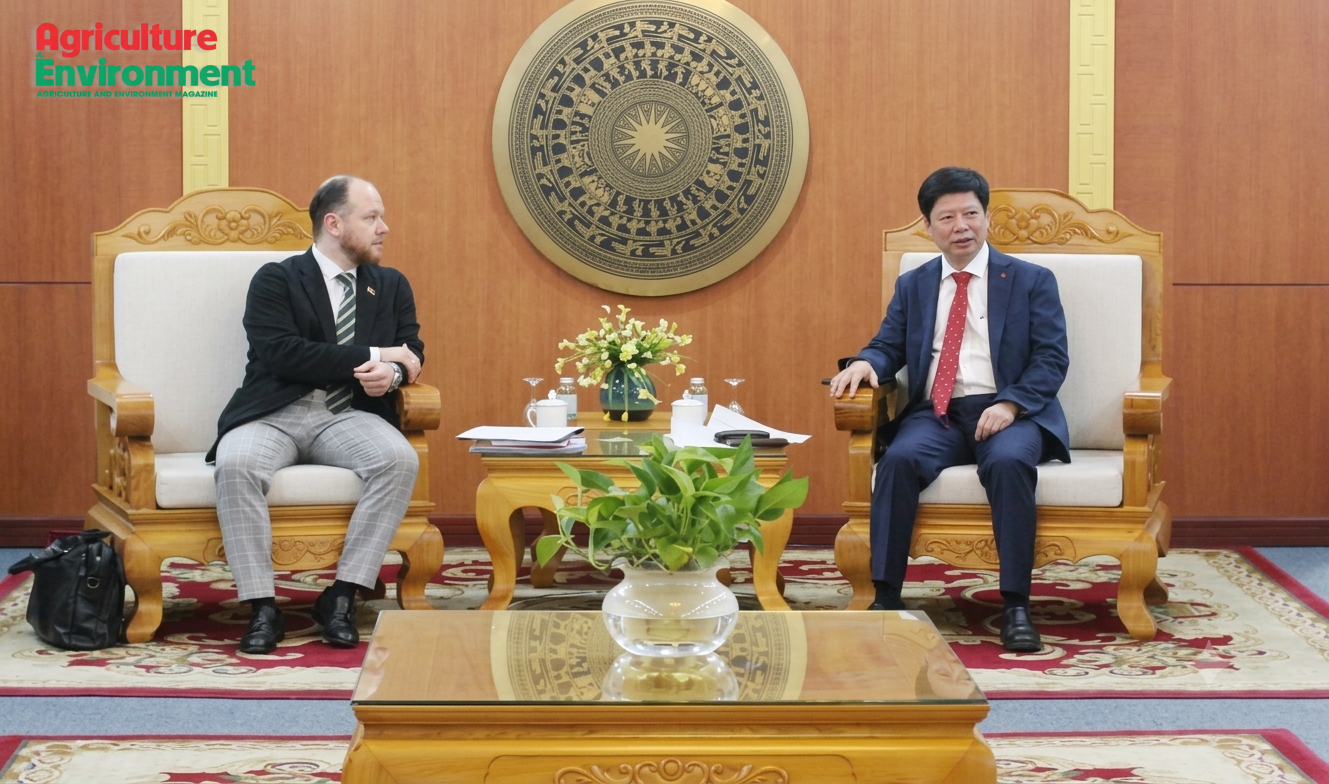
The licensing of four Belarusian companies to export boneless beef to Viet Nam, with the first shipment entering the Vietnamese market in April 2026, marks a concrete result in efforts to address market-access procedures between the two countries. In the opposite direction, the number of Vietnamese companies authorised to export meat and seafood to the Eurasian Economic Union (EAEU) is only about one-sixth the number of Belarusian companies authorised to export to Viet Nam, pointing to further scope for addressing technical barriers and expanding market opportunities for Vietnamese agricultural products.
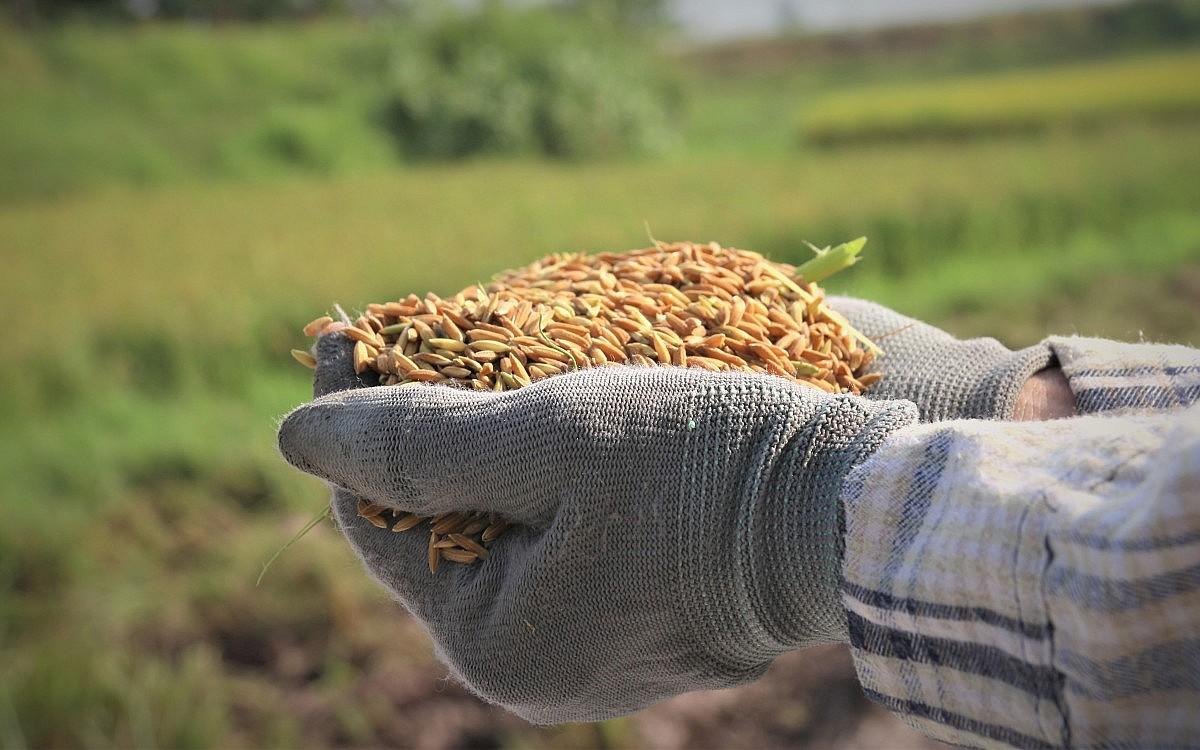
Policies achieve lasting impact only when they translate into changes in production practices. This is particularly true of efforts to reduce food loss and waste: setting reduction targets or encouraging the productive use of agricultural by-products will have limited effect unless producers can see clear economic returns and businesses have access to sufficiently stable markets.

Viet Nam has gradually established a policy foundation for reducing food loss and waste (FLW), increasingly linking the issue to sustainable development, the circular economy, and food system transformation. The challenge in the next phase is therefore not to start from scratch, but to connect existing policies into a coherent, data-driven governance framework that prioritizes prevention and is supported by sufficiently strong coordination mechanisms to drive action at the national level.
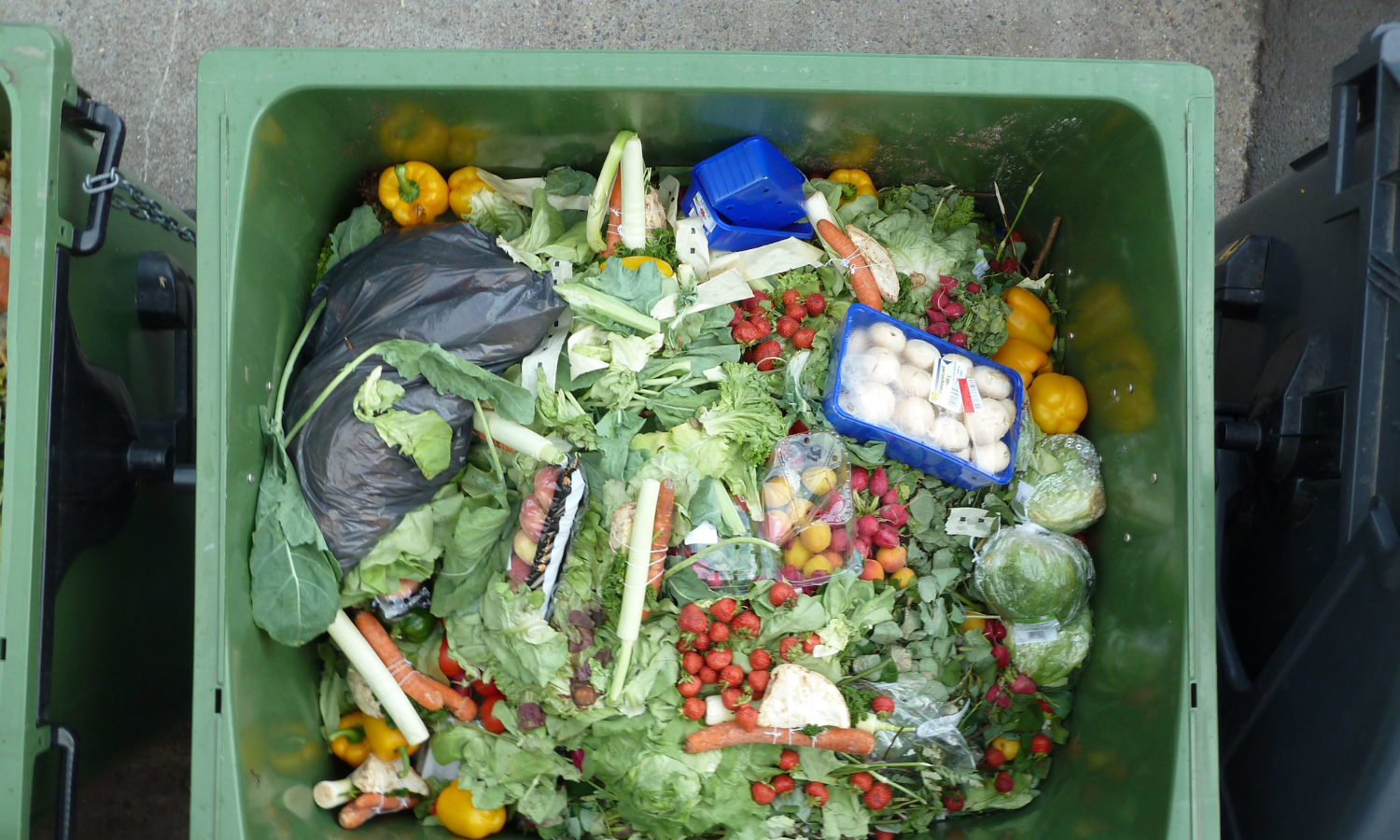
International experience suggests that food loss and waste (FLW) is not a problem that can be resolved through a single policy measure. Effective action requires institutions capable of coordinating stakeholders, data that can identify where losses occur, regulations that do not create unnecessary barriers, and mechanisms that allow businesses and communities to participate.
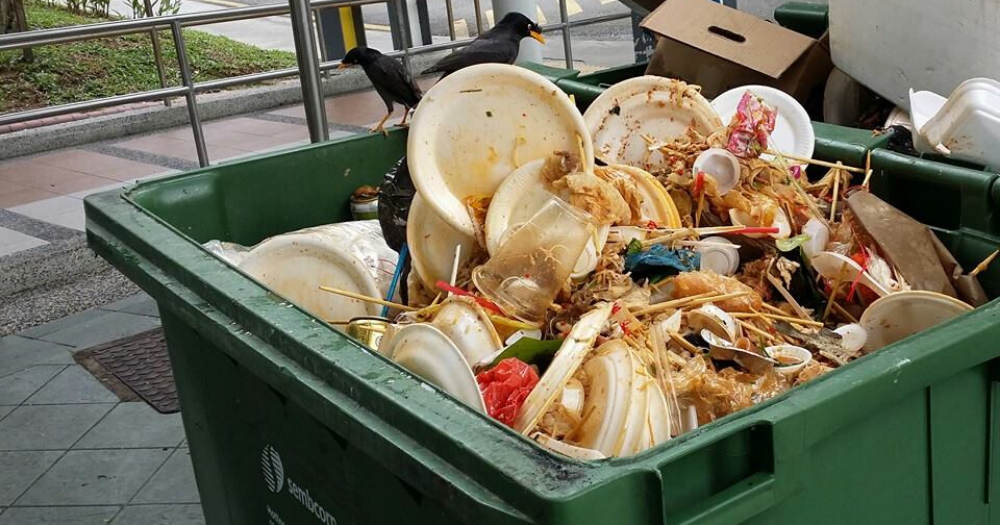
Food loss and waste are emerging as major bottlenecks in global agrifood systems, with large quantities of food lost or discarded despite the land, water, energy and labor invested in producing it. In Viet Nam, the issue not only diminishes the value of agricultural products but also generates substantial economic, environmental and social costs. Research on selected value chains shows that food losses occur throughout the chain, from production and harvesting to transportation, post-harvest handling and storage, while food waste continues to arise at the retail, food service and household levels. A clear understanding of the current situation is essential for Viet Nam to further strengthen its policies to reduce food loss, curb food waste and improve the efficiency of the agrifood system as a whole.