



 An Giang has extensive marine waters, numerous islands and considerable potential for development, giving the province an opportunity to transform marine aquaculture from fragmented, household-based operations into a modern economic sector. However, challenges involving spatial planning, investment capital, technology, seed supply, market linkages and environmental protection must be addressed in a coordinated manner to achieve the province’s targets for 2030 and its vision for 2045.
Marine resources offer potential, but production remains fragmented
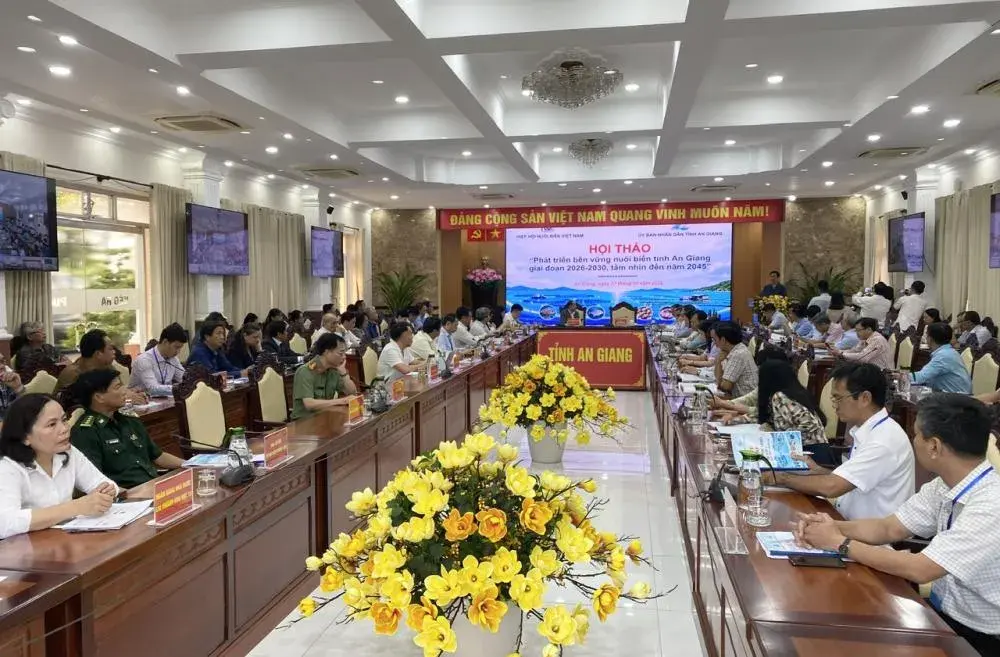
On October 27, the An Giang Provincial People’s Committee and the Viet Nam Marine Aquaculture Association (VSA) jointly held a conference on sustainable marine aquaculture development in An Giang for 2026–2030, with a vision to 2045. Participants included representatives of the Ministry of Agriculture and Environment, technical agencies, research institutions, businesses, banks and local authorities.
The conference focused not only on identifying the province’s potential, but also on pinpointing institutional, organizational, technological and market-related bottlenecks that must be addressed to develop marine aquaculture into a modern, industrial-scale and sustainable sector.
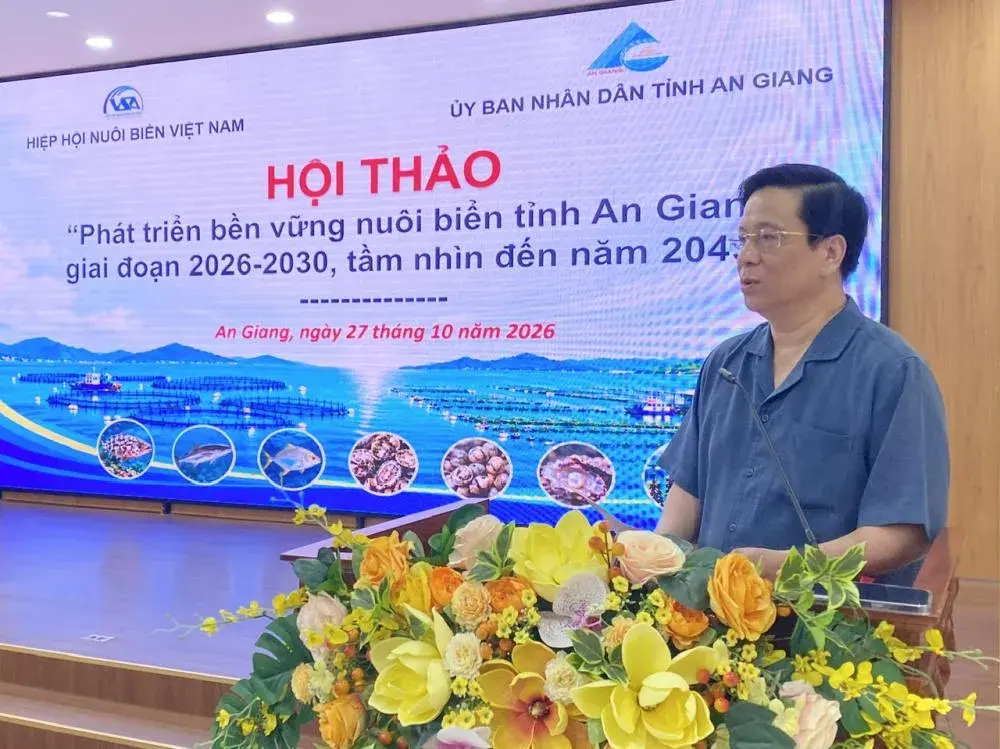
In his opening remarks, Ho Van Mung, Chairman of the An Giang Provincial People’s Committee, emphasized that marine aquaculture development should go beyond expanding farming areas and increasing output. The sector must improve productivity, added value and competitiveness while adapting to climate change, raising local incomes and protecting marine ecosystems. The province has identified the industrialization and modernization of marine aquaculture as a priority, with marine spatial planning linked to scientific and technological applications, digital transformation and value chain development.
Ho Van Mung called for coordinated efforts to remove bottlenecks related to institutional mechanisms, financing, infrastructure, seed supply and technology. He also emphasized the need to strengthen links between businesses and farmers, place local people at the center of development, and balance economic growth with environmental protection and national defense and security in marine and island areas.
According to a report presented at the conference by Le Huu Toan, Director of the An Giang Department of Agriculture and Environment, the province has approximately 63,290 square kilometers of marine waters, a coastline more than 200 kilometers long and over 140 islands of various sizes. Its marine waters extend from Phu Quoc, Nam Du and Kien Hai to Ba Lua, Hai Tac and Tho Chau, providing conditions for a range of aquaculture activities.
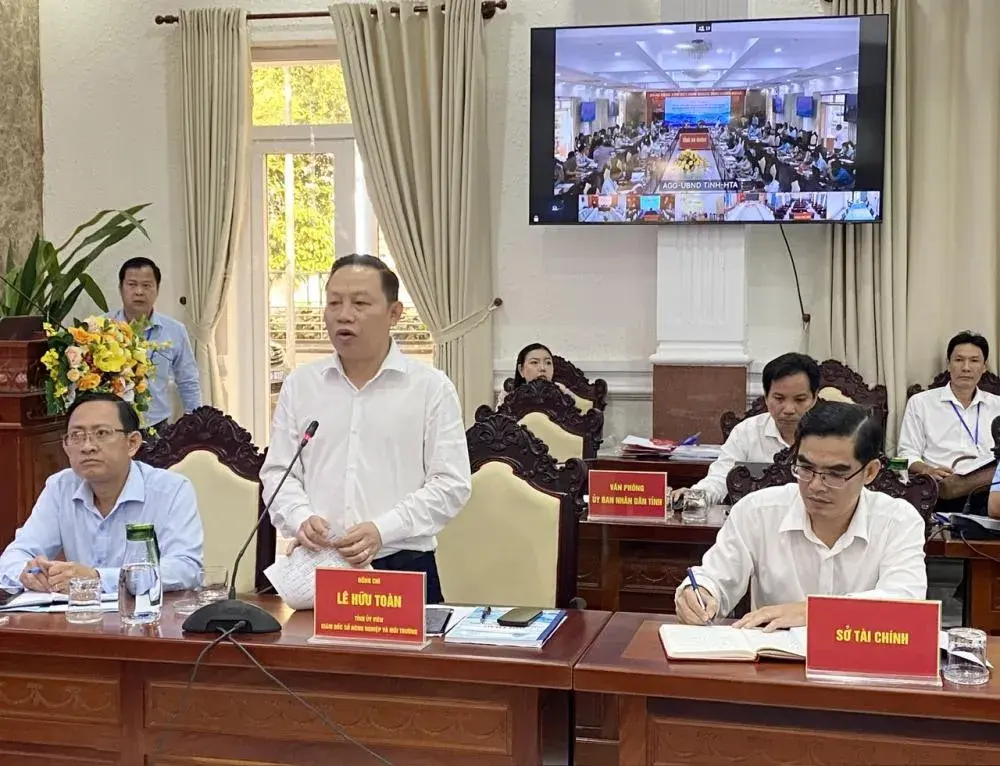
Between 2021 and 2026, marine aquaculture production in An Giang increased from 69,269 metric tons to an estimated 133,000 metric tons, representing average annual growth of 13.9%, according to the report. The area devoted to mollusk farming was projected to reach 24,950 hectares in 2026, with output of approximately 113,156 metric tons. The number of marine fish cages was expected to rise to 6,115, with production of about 7,000 metric tons.
These figures highlight marine aquaculture’s contribution to the province’s fisheries production. However, increased output does not necessarily mean the sector has successfully transitioned to a modern production model. Assessments presented at the conference indicated that farming remains fragmented and small-scale, relies heavily on traditional practices, lacks integrated value chains and does not consistently meet technical standards.
This highlights the gap between natural resource potential and the capacity to organize production. Simply increasing the number of cages and expanding farming areas without adequate controls on production inputs, environmental conditions, disease and market access could expose farmers and marine ecosystems to greater risks.
Against this backdrop, Associate Professor Nguyen Chu Hoi, former Deputy Director-General of the Viet Nam Administration of Seas and Islands, discussed An Giang’s marine aquaculture development in the context of changing economic conditions, emphasizing the need for marine spatial planning and sustainable marine economic development. Associate Professor Nguyen Huu Dung, Chairman of the Vietnam Marine Aquaculture Association, highlighted the need to industrialize marine aquaculture to improve productivity, product quality and competitiveness.
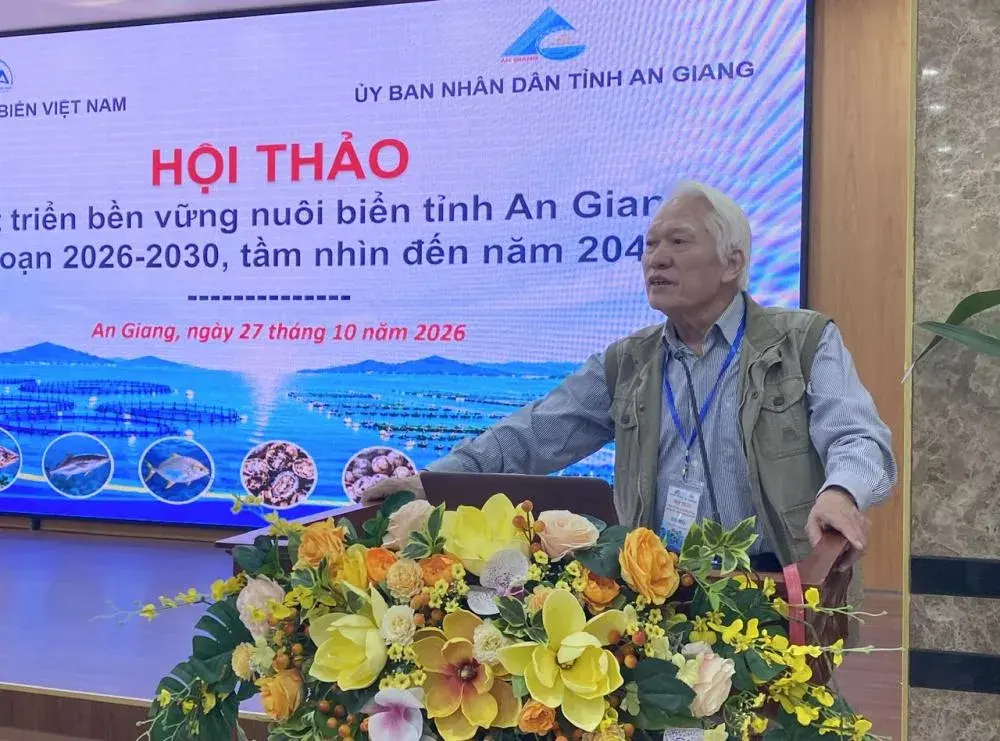
Nguyen Huu Dung said the transition could not be limited to replacing wooden cages with high-density polyethylene (HDPE) cages. It required a broader shift from small-scale farming to production organized around value chains.
One proposed solution was the development of “modern marine aquaculture villages,” a model designed to reorganize farming areas and bring households and businesses together in designated zones or clusters with shared infrastructure, common technical standards, support services, environmental monitoring and risk-management arrangements. The model could also strengthen links across the value chain, from seed and feed supplies to technology, harvesting, processing and product distribution.
The proposal calls for a shift away from developing individual farming households toward building an organized marine economic sector capable of mobilizing investment and participating more effectively in markets. If appropriately designed, modern marine aquaculture villages could help reduce fragmented production and uncoordinated competition among farms while improving access to insurance and credit, supporting brand development and strengthening farmers’ bargaining power with buyers.
However, the model’s effectiveness would depend on appropriate spatial planning, coordination among stakeholders, community management capacity and arrangements that balance the interests of farmers and businesses.
Building on this approach, the Viet Nam Marine Aquaculture Association proposed that An Giang pilot integrated marine aquaculture and tourism in suitable areas while attracting business investment in open-sea and offshore aquaculture. This approach could generate additional economic value from marine resources, but implementation would need to take into account environmental carrying capacity, infrastructure requirements, maritime safety and market feasibility. In the longer term, the challenge is not merely to expand farming operations, but to establish modern production systems that effectively manage environmental impacts and secure sustainable livelihoods for coastal communities in An Giang.
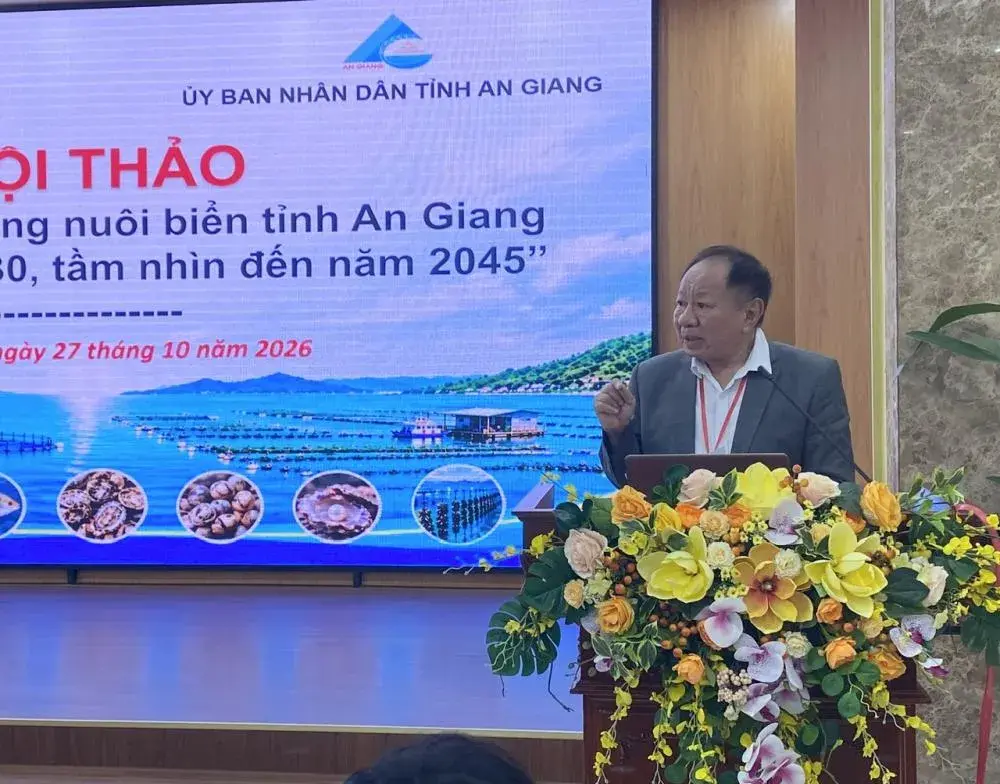
Industrialization must nevertheless be guided by the functional zoning of marine areas, assessments of environmental carrying capacity, hydrodynamic conditions and disaster resilience. Not all areas are suitable for every farmed species or investment model. Expansion must be accompanied by environmental impact assessments, biodiversity conservation, protection of natural seed resources and coordination with tourism, maritime transport, marine conservation, national defense and security.
Marine spatial planning must therefore form the foundation of the sector’s transformation, rather than serve merely as an administrative procedure preceding investment projects.
Finance, technology and market access are central to value-chain development
One of the main issues raised at the conference was farmers’ access to capital and technology. Switching to HDPE cages, which offer greater resistance to waves and strong winds than traditional wooden cages, is an important step toward modernization. However, the initial investment may exceed the financial capacity of many farming households. Without suitable credit arrangements, technical assistance and viable cost-recovery mechanisms, widespread adoption will be difficult.
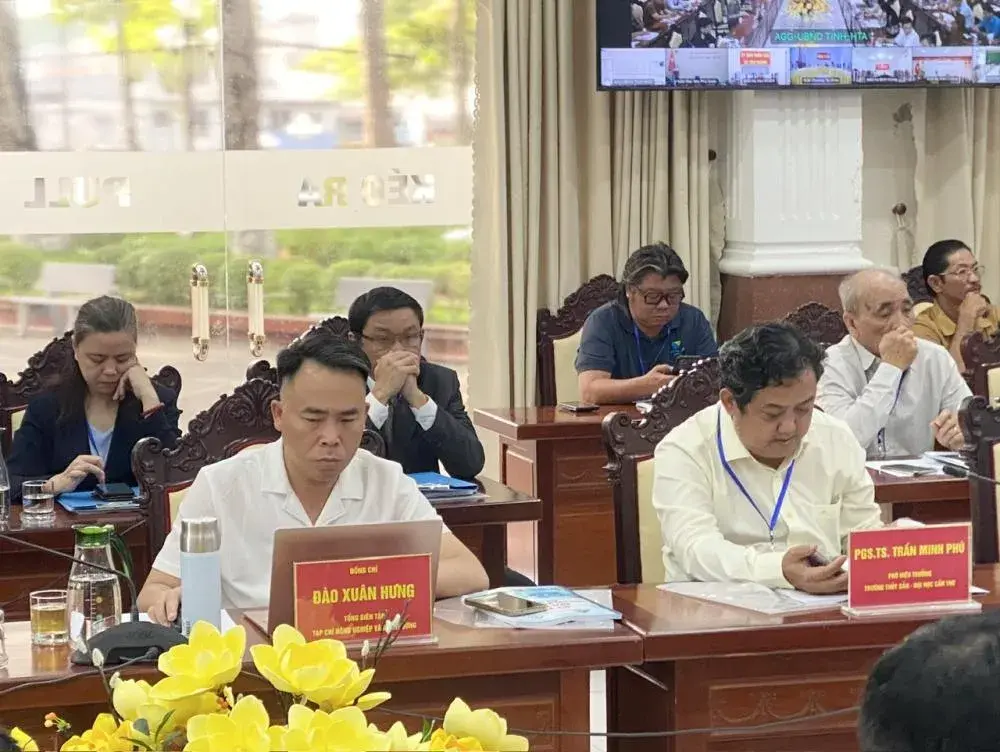
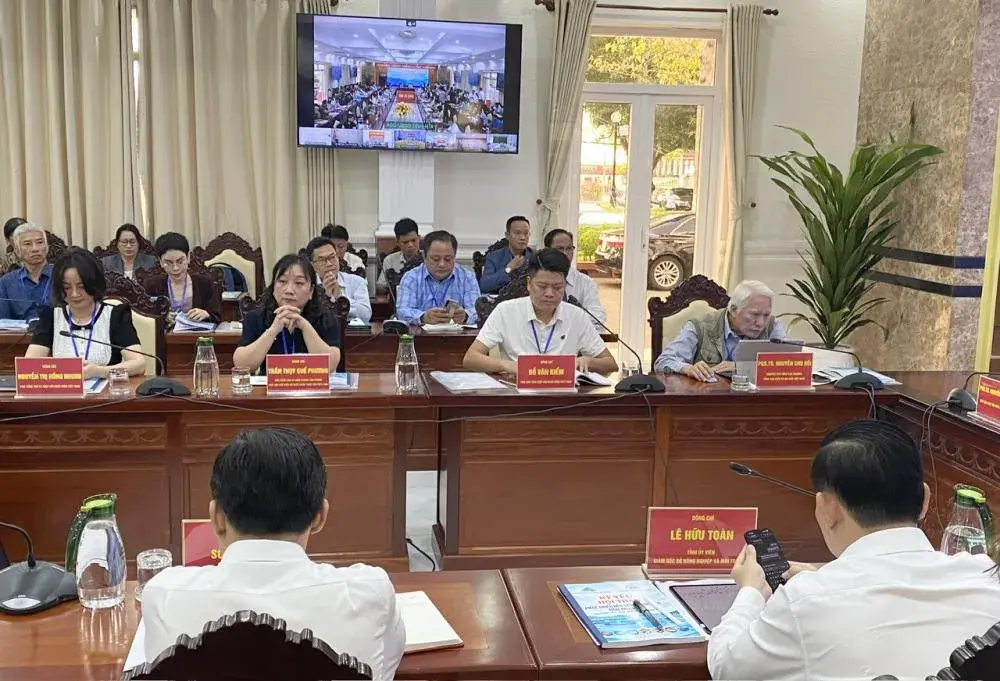
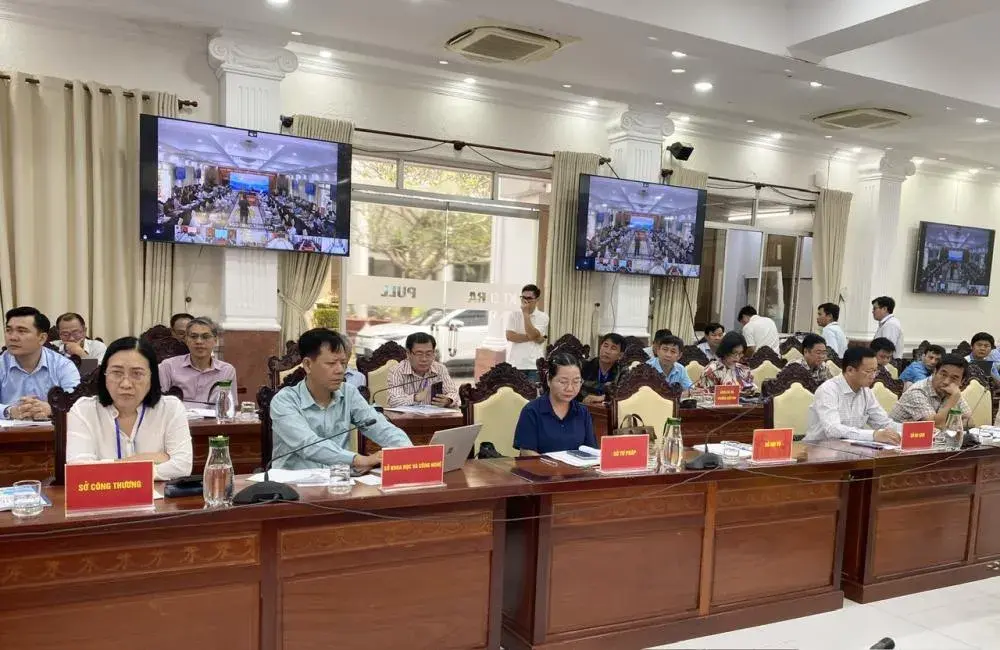
Presentations on Viet Nam’s marine aquaculture development strategy through 2030, with a vision to 2045, investment incentives and the current state of local aquaculture development provided a basis for translating national policies into measures suited to An Giang’s conditions.
At the conference, Associate Professor Vo Van Nha, Deputy Director of the Viet Nam Academy of Fishery Sciences, presented proposals on potential species for marine aquaculture. Species selection is critical to investment performance and should be based on ecological conditions, the availability of reliable seed supplies, farming technology, market demand and economic returns, rather than retail prices or popularity alone.
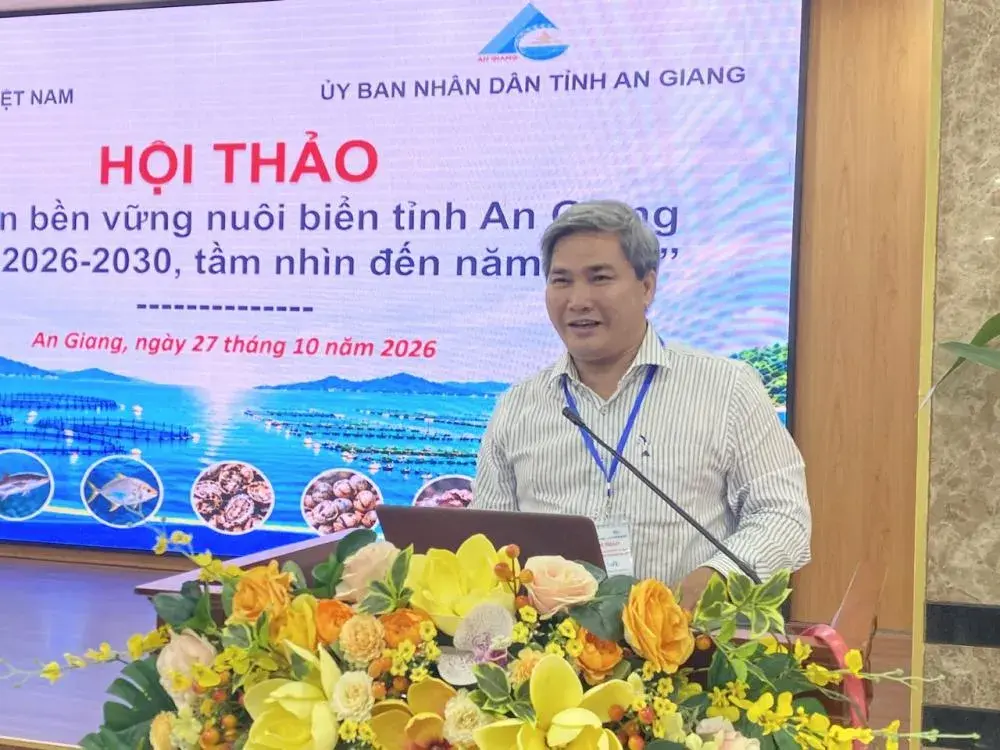
Nguyen Tien Long, Vice Chairman and Strategy Director of AVP Captain Joint Stock Company, discussed the application of science and technology, digital transformation and financial solutions for marine aquaculture. The central challenge is to ensure that technology helps reduce costs, manage risks and improve productivity, rather than becoming an additional investment that farmers struggle to recover.
Regarding the transition to modern cages, Nguyen Thi Hai Binh, General Director of STP Group Joint Stock Company, presented the company’s approach to supporting farmers in adopting advanced HDPE cage systems. For the model to be effective, however, arrangements for financial assistance, leasing or installment payments, maintenance responsibilities and access to credit must be clearly defined. Partnerships among equipment suppliers, financial institutions and farmers will be sustainable only when each party’s benefits, risks and obligations are transparent.
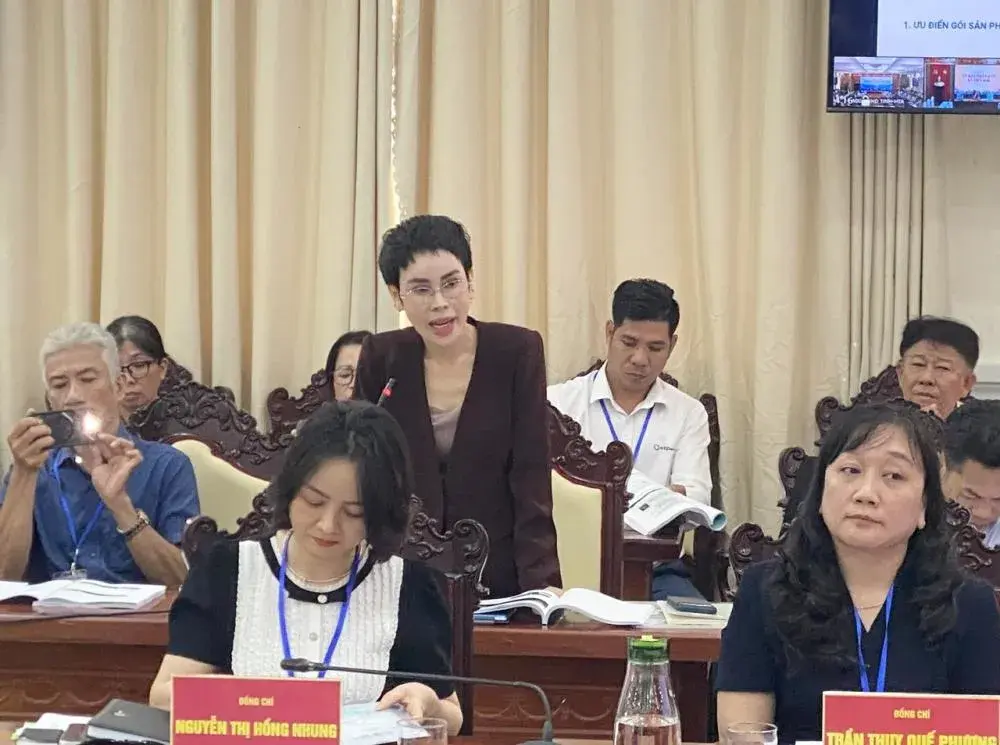
Another bottleneck concerns seed and feed supplies, as well as environmental management. Ho Van Mung highlighted the sector’s dependence on wild seed stocks or supplies from other localities, alongside the use of low-value fish as feed for farmed marine fish. These constraints can undermine production stability, product quality and waste management.
Research into hatchery production, feed optimization, feed conversion ratios and environmental monitoring systems should therefore be treated as a priority. The introduction of new farmed species, including golden pompano, blue swimming crab, blood cockles, bigfin reef squid and sea urchins, should also be supported by scientific evidence, technical protocols and assessments of economic viability before wider adoption.
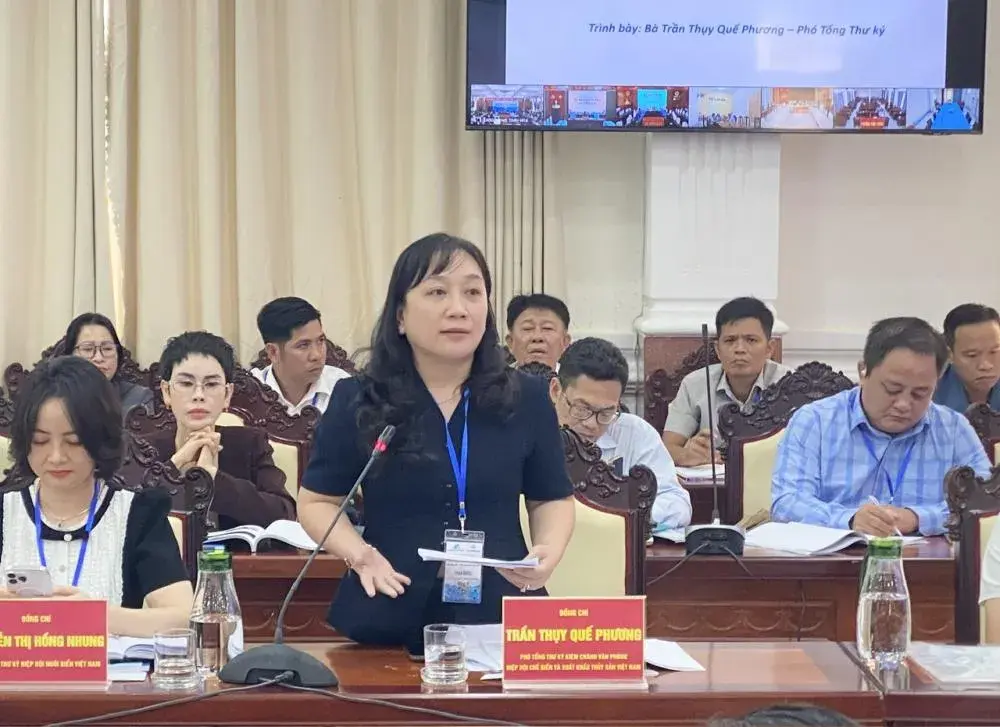
On the market side, a representative of the Viet Nam Association of Seafood Exporters and Producers (VASEP) outlined the current state of Viet Nam’s marine aquaculture processing industry and proposed solutions for An Giang. The recommended approach was to develop farming areas in line with the raw material requirements of processing businesses and export markets, invest in harvesting, preservation and logistics infrastructure, and standardize farming areas and traceability systems from the outset.
These measures are essential to prevent production from expanding before reliable markets are secured. For marine aquaculture to become a competitive commodity sector, an integrated value chain must connect seed production, feed supply, grow-out farming, harvesting, processing, distribution and exports. Production growth must therefore be matched by market demand, quality standards and higher added value.
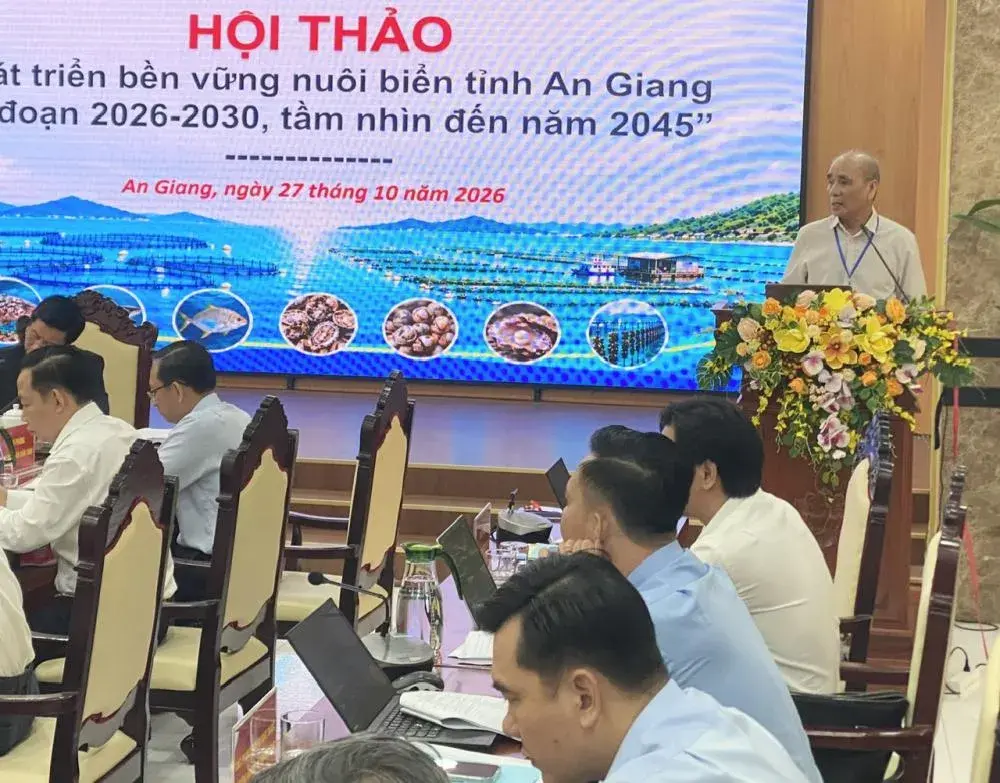
Diversifying livelihoods was another focus of the conference. Nguyen Tat Hoan, representing Ngua Bien Yacht Company, presented a proposal to repurpose fishing boats for tourism and natural marine aquaculture. Hoang Ngoc Binh, representing Australis Viet Nam Seafood Co., Ltd., discussed technical transfers, advanced technologies and market linkages for local farmers. Le Ben, Deputy Director of Tri Tin Co., Ltd., introduced a low-emission seaweed farming model, while a pearl farming model linked to marine conservation, presented by Ngoc Hien Pearl One Member Co., Ltd., illustrated another potential way to combine production with ecotourism.
These models could diversify the economic value generated by marine resources, but they require evaluation based on actual performance, market feasibility and environmental impacts. For low-emission seaweed farming, appropriate measurement and verification methods are necessary before any reductions in greenhouse gas emissions can be established.
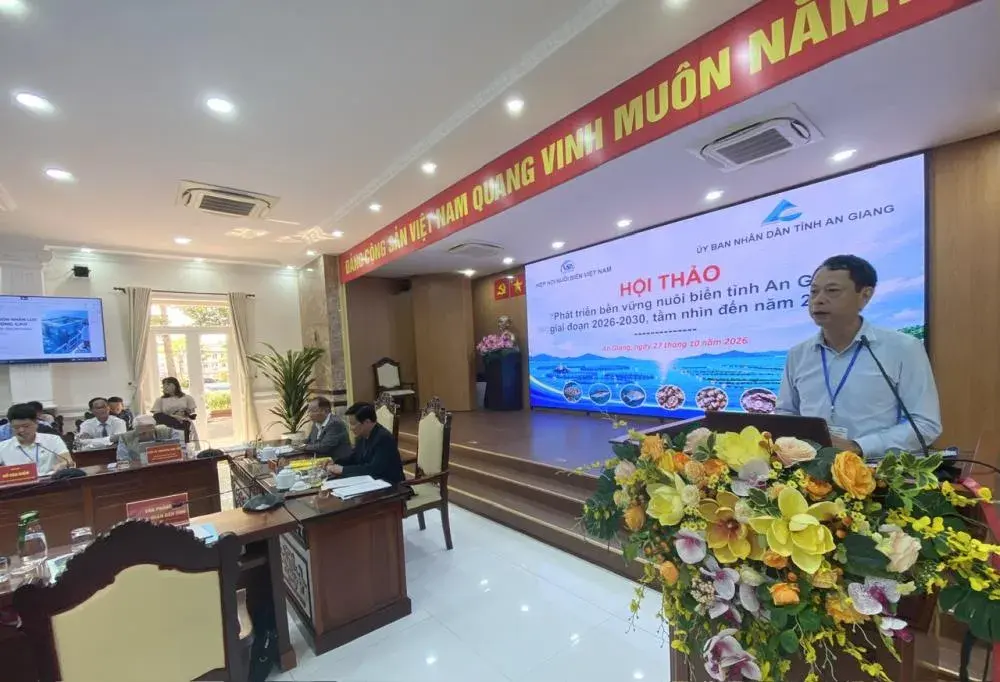
On conservation, Bui Thi Thu Hien, representing the International Union for Conservation of Nature (IUCN) in Viet Nam, presented approaches to linking marine aquaculture with other effective area-based conservation measures (OECMs), with the aim of developing green brands. Dr. Hoang Xuan Ben, Deputy Director of the Institute of Oceanography under the Viet Nam Academy of Science and Technology, shared international experience in marine aquaculture under natural conditions and proposed options for An Giang. Associate Professor Thai Thanh Binh, Vice Rector of the Fisheries and Technical Economic College, highlighted the need to train a skilled professional workforce for the sector.
These contributions underscored that modern marine aquaculture requires more than investment in equipment. It also depends on skilled personnel, sound management, technical standards and effective environmental monitoring.
In light of the issues raised, Ho Van Mung called for focused discussion on seven areas: removing institutional bottlenecks; mobilizing capital and transitioning to HDPE cages; securing seed and feed supplies and controlling disease; strengthening links between businesses and farmers; studying the modern marine aquaculture village model; developing a circular economy, conservation measures and digital transformation; and training the workforce. The priority is to identify specific obstacles, clarify responsibilities and develop actionable solutions rather than stop at broad policy directions.
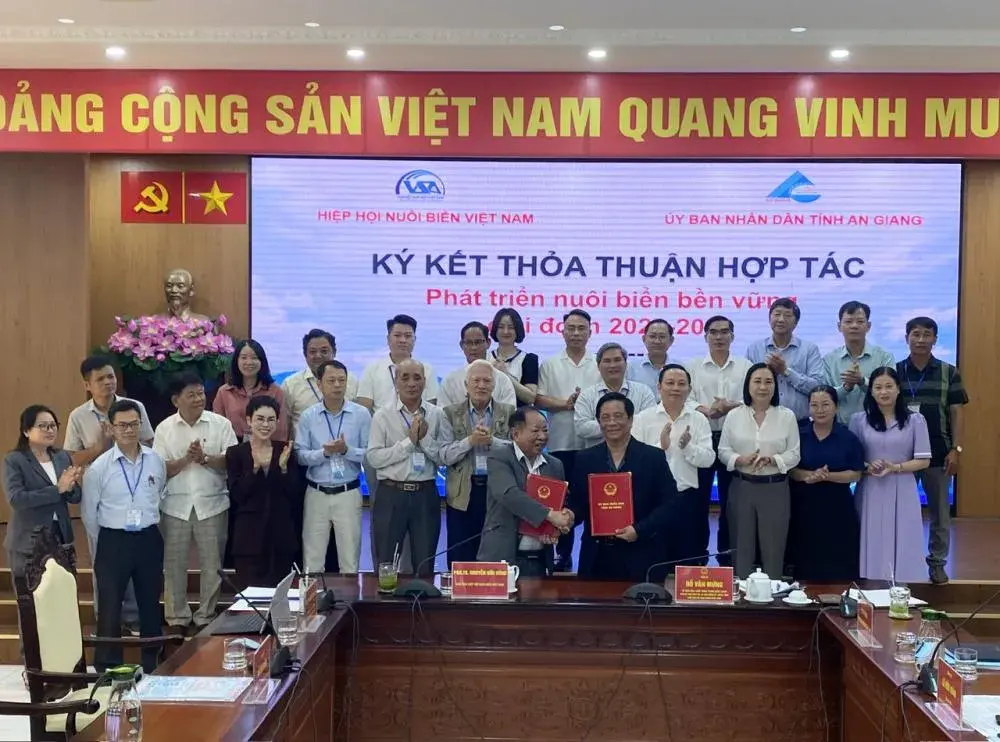
The 2026–2030 period should lay the groundwork for transforming marine aquaculture in An Giang. The province should prioritize areas with suitable farming conditions, complete procedures for allocating marine areas for aquaculture, make management procedures transparent, strengthen links among businesses, cooperatives and farmers, and select pilot models with potential for wider adoption.
Development targets should also extend beyond output, farming area and the number of cages. They should incorporate criteria for economic efficiency, farmers’ incomes, integration along the value chain, product quality, environmental carrying capacity and disaster resilience.
The vision for 2045 can only be realized if development goals are translated into action plans with clearly defined resources, timelines and monitoring mechanisms. Sustainable marine aquaculture is not about increasing production at any cost, but about improving production efficiency, generating greater value and balancing the interests of the state, businesses and local communities with the protection of marine ecosystems.
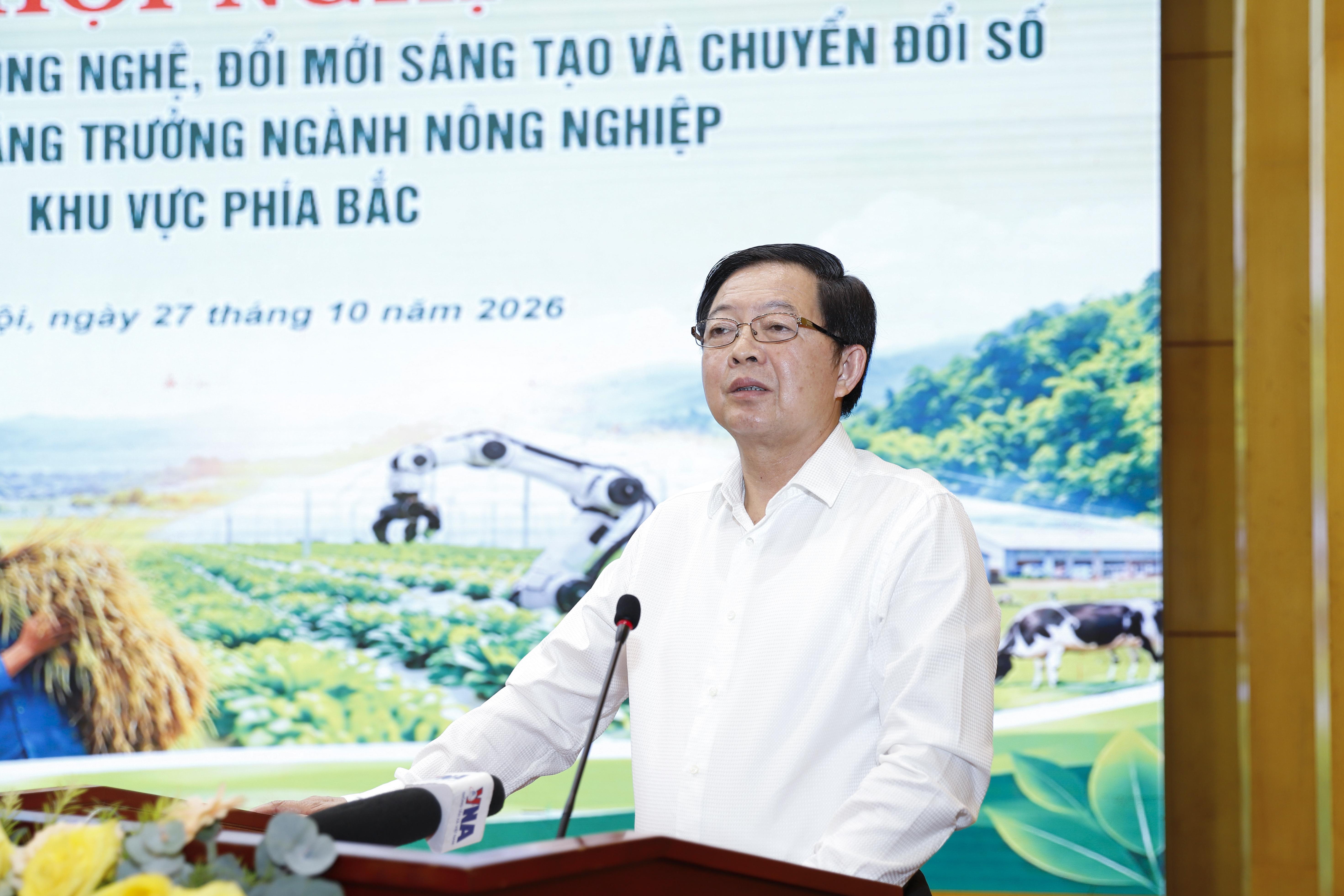
At a conference on science, technology, innovation and digital transformation to drive growth in the agricultural sector in northern Viet Nam, held in Hanoi on October 27, Deputy Prime Minister Ho Quoc Dung called for research projects to address practical needs, identify clear applications and deliver measurable results. Issues raised by leaders of the Ministry of Agriculture and Environment and the Ministry of Public Security highlighted the need to improve research effectiveness, strengthen links with businesses and bring scientific and technological advances into production and commercial use.
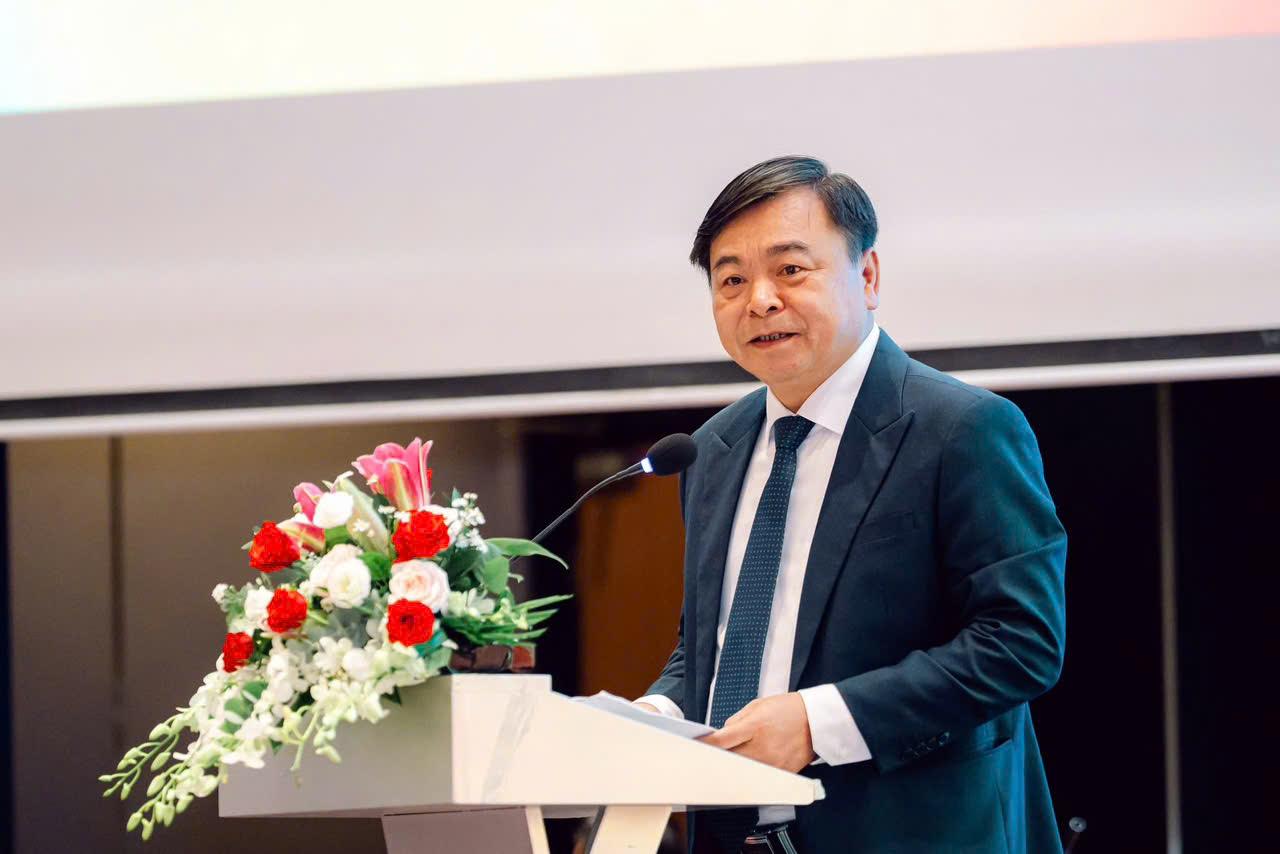
At a conference held on October 15 to mark World Food Day 2026 and strengthen cooperation on the implementation of Viet Nam’s “One million hectares of high-quality, low-emission rice scheme in the Mekong Delta”, the Ministry of Agriculture and Environment, the Food and Agriculture Organization of the United Nations (FAO) and development partners reviewed implementation progress, plans for expansion and resource needs for the next phase. Initial results indicate potential gains in production efficiency, lower input use and reduced emissions. However, scaling up the model will require closer coordination on infrastructure, production organization, market linkages and green finance.
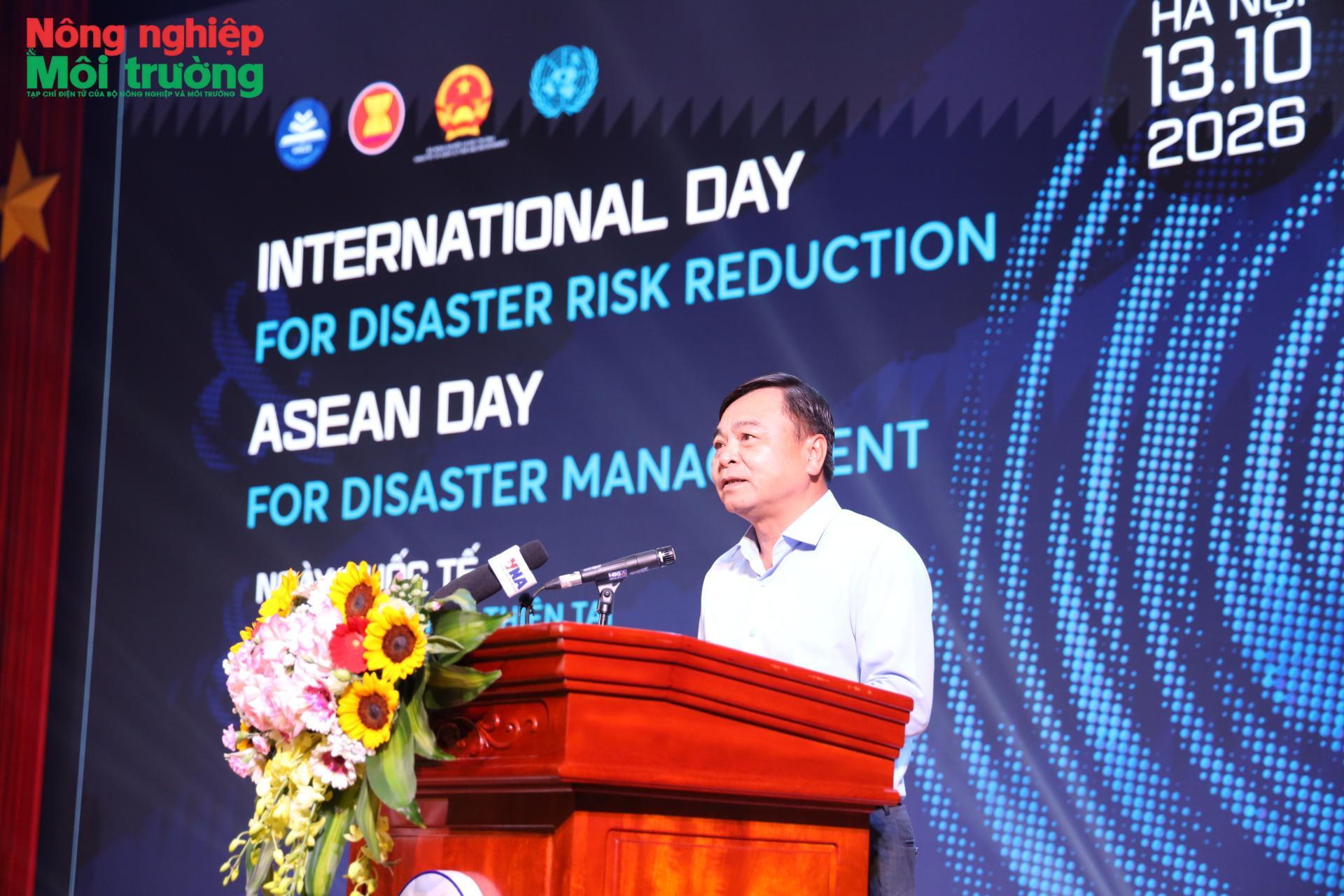
As disaster risks grow more complex, preparedness must extend beyond the response plans of authorities to include households, schools and communities. At a rally held in Hanoi on the afternoon of October 13 to mark the 2026 International Day for Disaster Risk Reduction and ASEAN Day for Disaster Management, the Ministry of Agriculture and Environment and its partners called for a shift toward proactive disaster risk management, underpinned by early warning, public awareness and community participation.
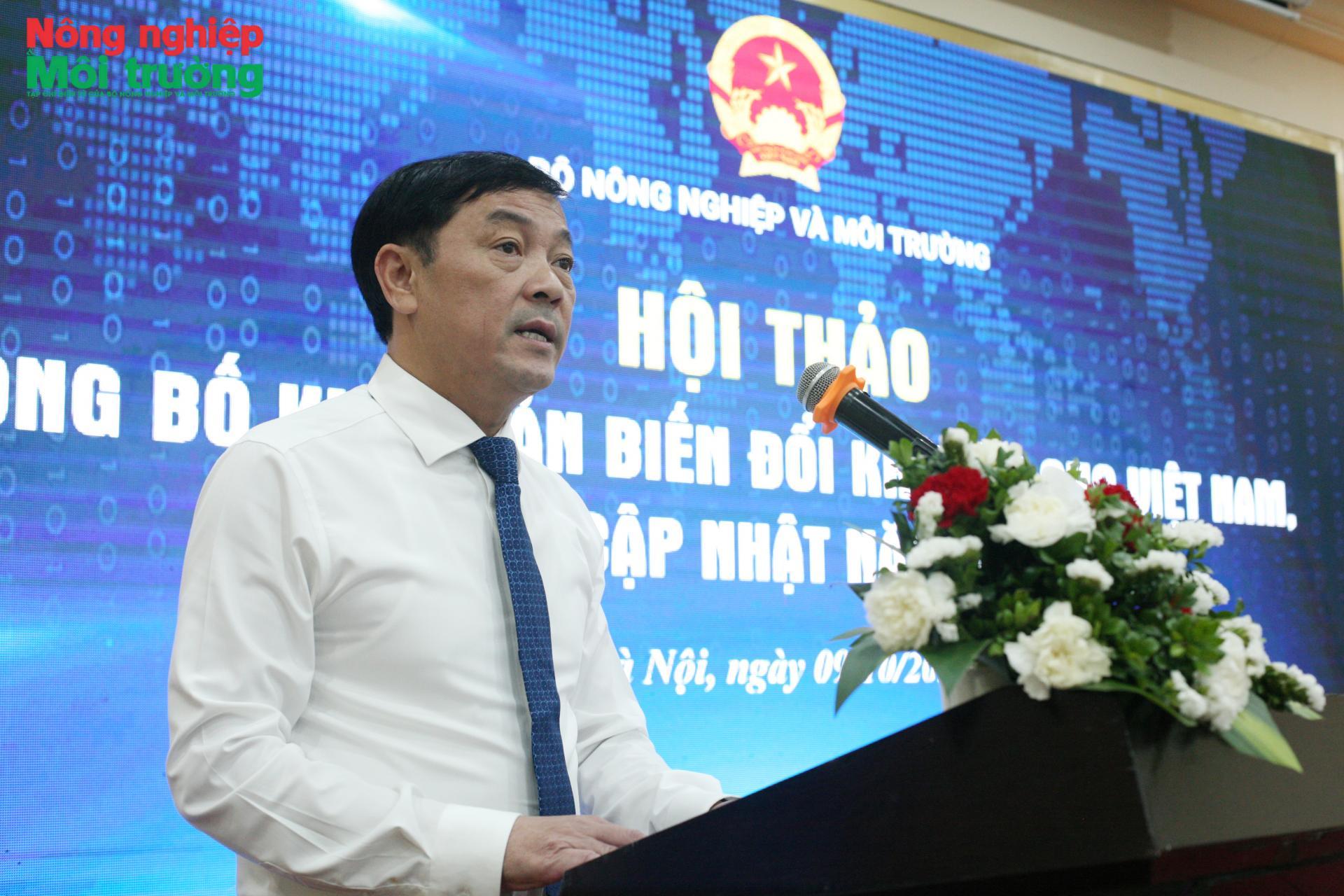
On October 9, 2026, the Ministry of Agriculture and Environment held a conference in Hanoi to announce the 2025 update to Viet Nam’s climate change scenarios. With revised calculation methods, updated data and an expanded scope of risk assessment, the scenarios provide an enhanced scientific basis for policymaking, development planning and adaptation measures. Their value, however, depends not only on how clearly they identify potential future climate trends, but also on how effectively the information is incorporated into decision-making and implementation by ministries, agencies and local authorities.
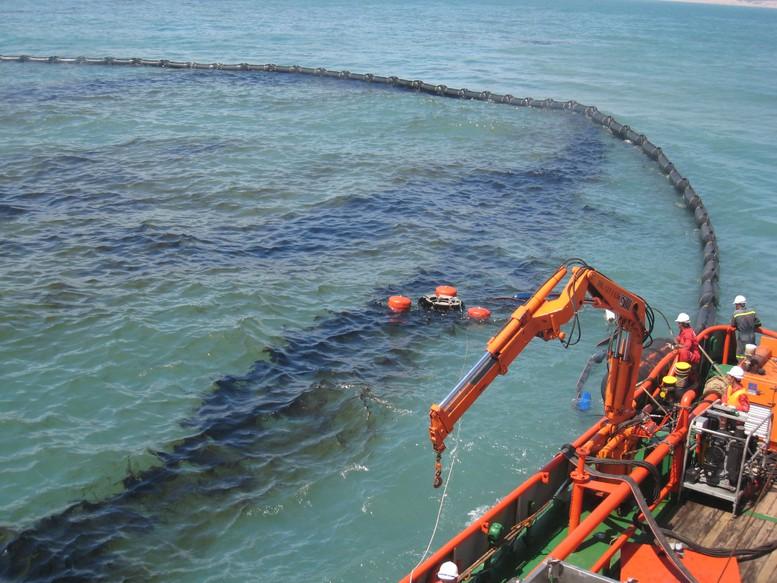
Two days of technical discussions at Far Eastern Federal University in Russia highlighted the need to translate technologies and response plans into operational capability. The Viet Nam Environmental Incident Response Center (SOS) shared its experience in using a WebGIS digital mapping platform to link resource locations with equipment status and management responsibilities, helping maintain readiness through routine operations.