




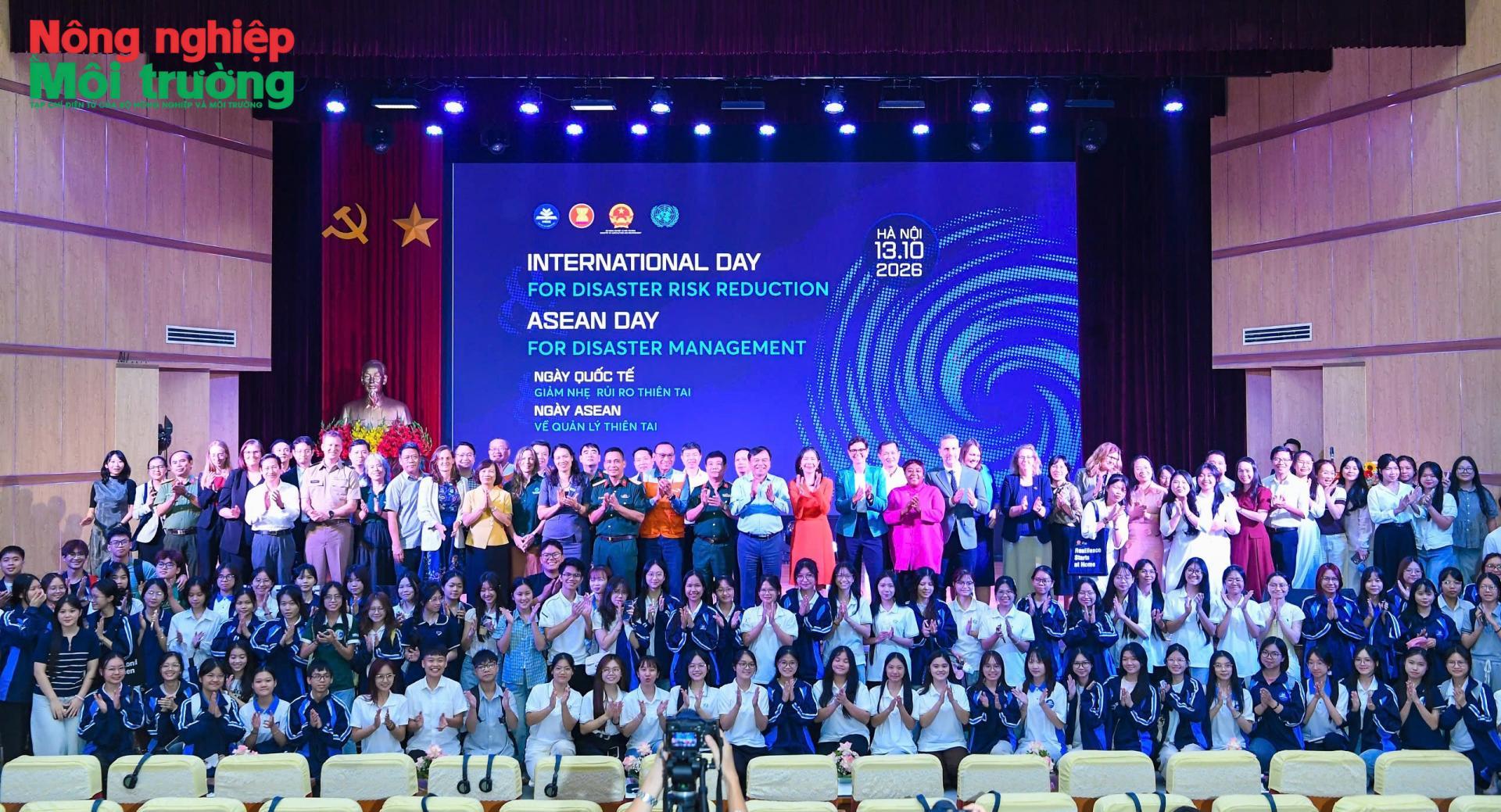
 As disaster risks grow more complex, preparedness must extend beyond the response plans of authorities to include households, schools and communities. At a rally held in Hanoi on the afternoon of October 13 to mark the 2026 International Day for Disaster Risk Reduction and ASEAN Day for Disaster Management, the Ministry of Agriculture and Environment and its partners called for a shift toward proactive disaster risk management, underpinned by early warning, public awareness and community participation.
Prevention must come before response
Speaking at the rally, organized by the Ministry of Agriculture and Environment in coordination with Hanoi National University of Education and international organizations, Deputy Minister of Agriculture and Environment Nguyen Hoang Hiep said disaster management required a fundamental change in mindset. Rather than focusing primarily on emergency response and post-disaster recovery, authorities at all levels, relevant sectors and communities must identify hazards, strengthen forecasting, issue timely warnings and reduce risks before disasters strike.
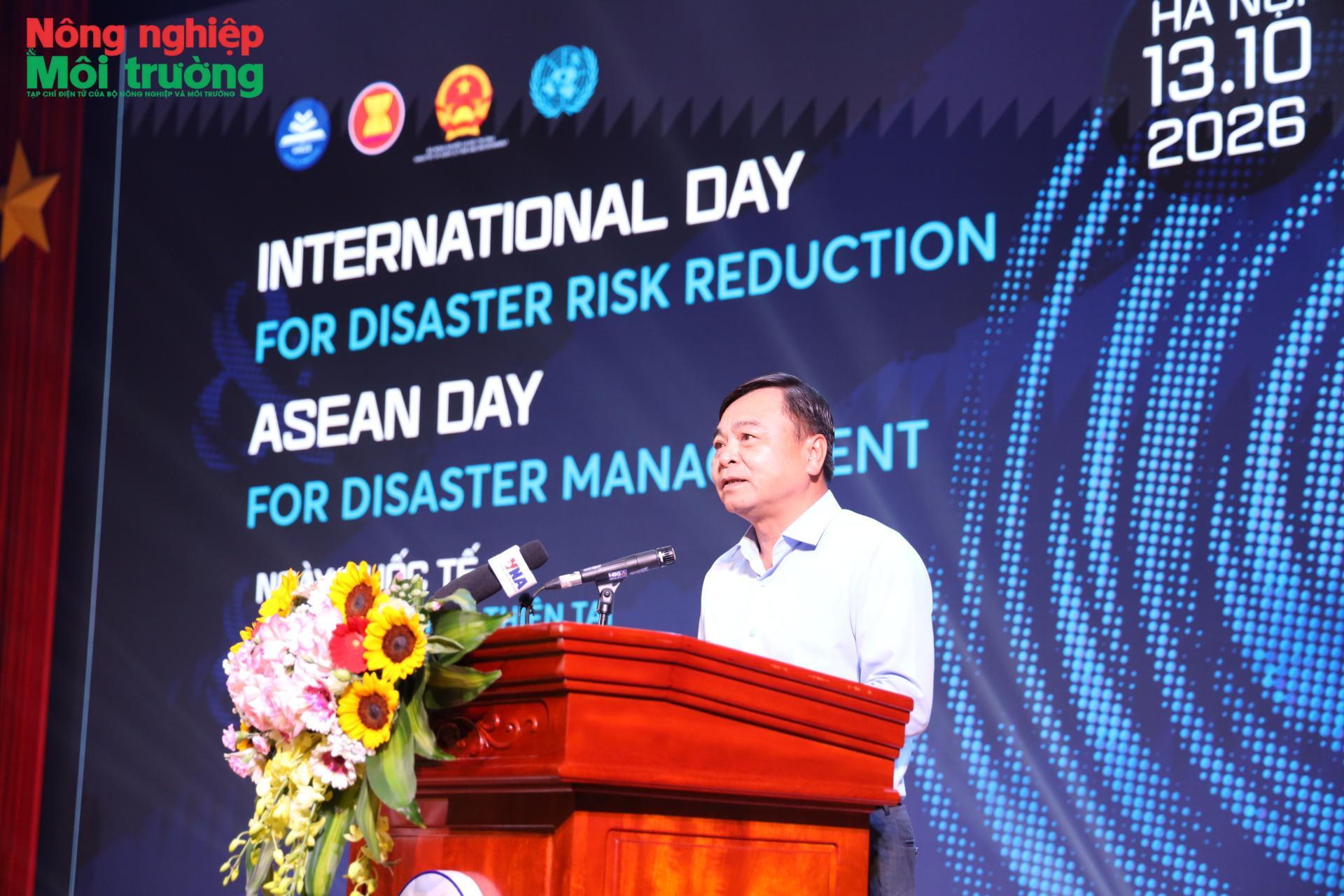
“As the saying goes, we often wait until the water reaches our feet before acting. But when it comes to disasters, by then there may not be enough time left to jump,” Deputy minister Nguyen Hoang Hiep said.
He stressed that authorities should not wait until a storm approaches to reinforce homes, until floodwaters rise to evacuate residents, or until a landslide occurs before considering warnings. Prevention must begin early, with efforts to identify hazards, improve forecasting and ensure that warnings reach the people who need them. When residents understand the risks in their areas and prepare accordingly, losses of life and property can be reduced.
This approach calls for coordinated disaster management rather than an overwhelming reliance on search-and-rescue operations once emergencies are underway. Alongside identifying high-risk areas, preparing evacuation plans and protecting critical infrastructure, authorities must ensure that communities have access to timely information, the skills to protect themselves and the capacity to act when necessary.
Drawing lessons from the Quang Trung Campaign to rebuild and repair homes damaged by storms and floods in central Viet Nam, Deputy Minister Nguyen Hoang Hiep said its achievements demonstrated the importance of coordination among the political system as a whole, the armed forces, local authorities, residents and international partners.
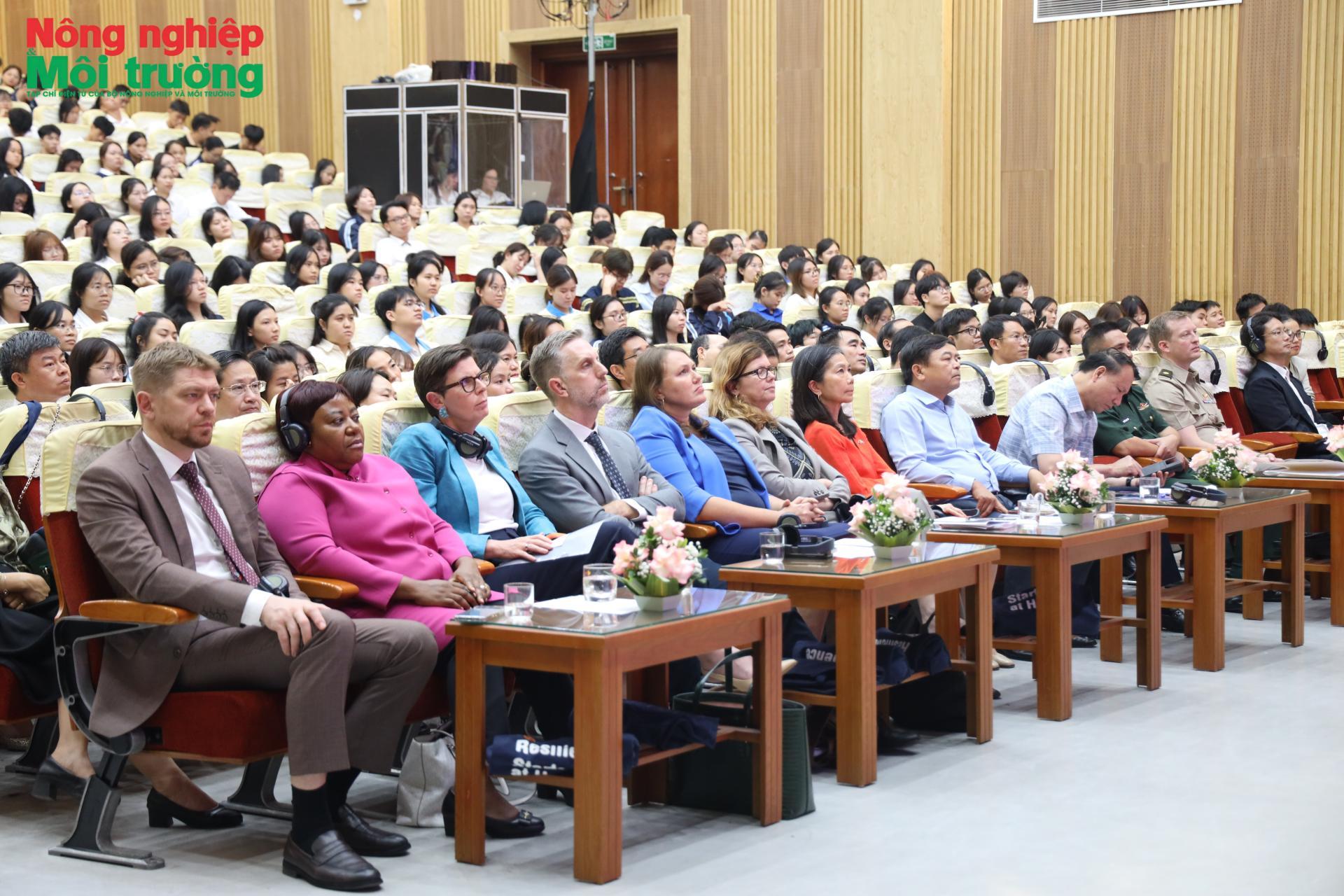
The lessons in mobilizing resources and coordinating recovery efforts should also inform preparations before disasters occur. The objective, Deputy Minister Nguyen Hoang Hiep said, is not merely to respond more quickly when emergencies arise, but, more importantly, to reduce risks before they cause damage.
The Ministry of Agriculture and Environment said it would continue to strengthen its approach to disaster risk management, placing proactive prevention, early warning, science and technology, data and community participation at the center of its efforts.
Schools can build a culture of disaster preparedness
Education was a key focus of the rally, reflecting its role in building communities better equipped to withstand disasters. Deputy Minister Nguyen Hoang Hiep said holding the event at Hanoi National University of Education was particularly significant because a safer society requires not only disaster protection infrastructure, but also people with the knowledge, skills and awareness needed to protect themselves.
In recent years, the ministry, working with relevant agencies and organizations, has organized a range of activities to bring disaster prevention and preparedness knowledge to students and teachers. These initiatives have included knowledge competitions such as the “Golden bell challenge,” the “School ambassador” program, creative arts activities and lesson-design contests.
In Ninh Binh province, the “Golden bell challenge” reached more than 3,000 middle school students, providing an interactive platform for learning about disaster risks and response skills. Meanwhile, the “Dance storm – Disaster response dance” competition at Hanoi National University of Education attracted more than 19,000 Youth Union members and students, using an engaging format to raise awareness of disaster preparedness among young people.
In teacher education, the Competition on “Developing and delivering lessons on disaster risk reduction and climate change adaptation” expanded from two participating teacher-training universities in the previous year to four in 2026, receiving more than 200 entries. The expansion reflected growing engagement among future teachers and created opportunities to develop practical teaching materials that can help integrate disaster preparedness into school curricula more systematically.
Models of “disaster-safe schools” are also being developed to create educational environments where hazard awareness, safety planning and practical response skills are integrated into school activities.
The value of these initiatives extends beyond participation figures and competition results. When students acquire relevant knowledge, teachers have effective ways to communicate it, and schools prepare practical safety plans, disaster preparedness can be strengthened at the local level. Students can also help bring safety knowledge and habits into their homes, extending the reach of education into the wider community.
The expectations placed on teachers and students therefore go beyond acquiring knowledge. Hiep said they could also help disseminate information and influence the behavior of younger generations. A lesson about disaster preparedness learned today could become a life-saving skill in a future emergency.
Household resilience depends on wider systems
The 2026 International Day for disaster risk reduction carried the theme “Resilience starts at home,” highlighting the role of households in preparing for disasters and reducing risks. Pauline Tamesis, United Nations Resident Coordinator in Viet Nam, reinforced this message in her remarks at the rally.
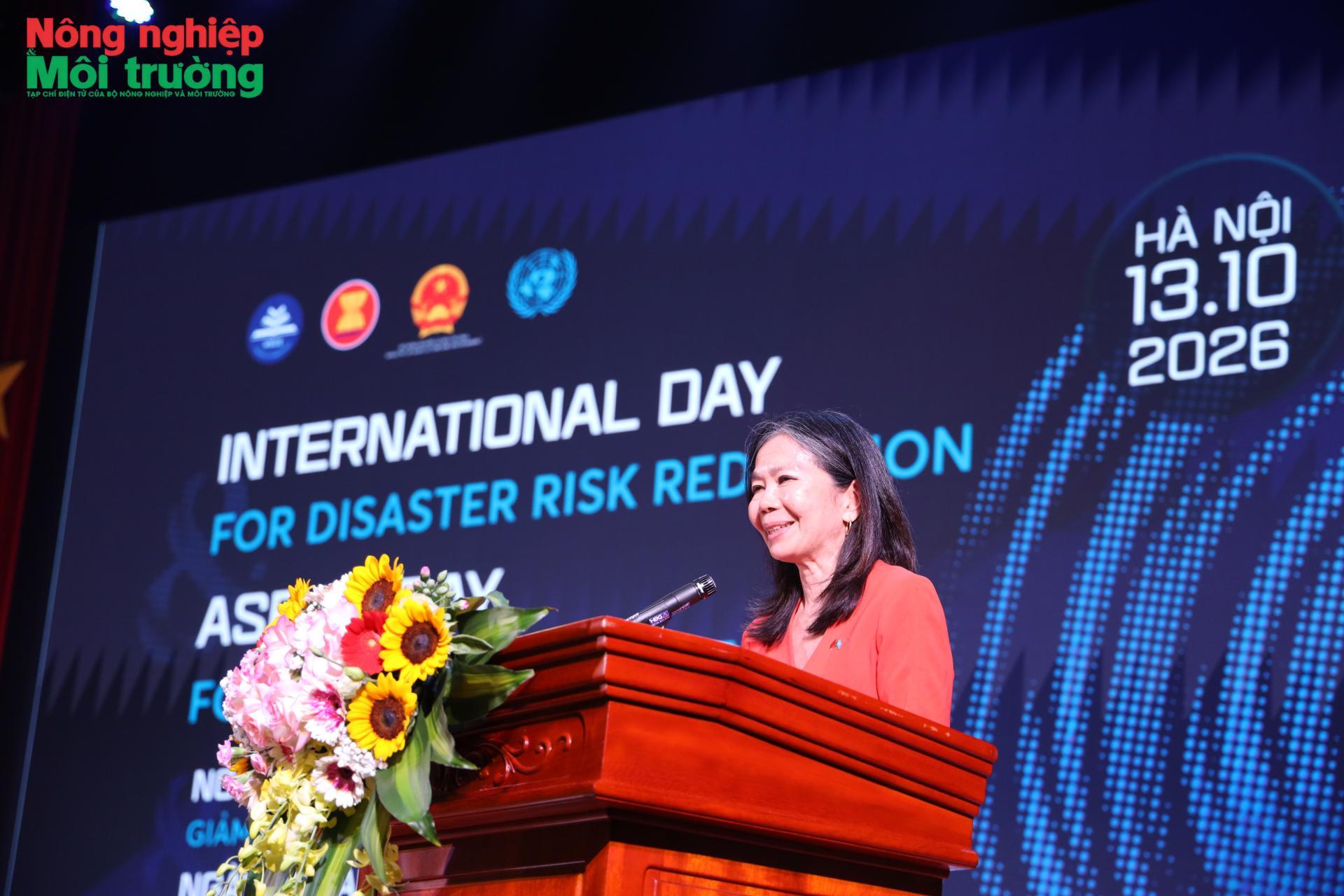
She said homes were not only places of shelter but also where children could continue their education and livelihoods could be maintained and restored after disasters. However, household resilience depends in large part on the wider systems that support families and communities.
Families can prepare evacuation plans, keep essential supplies and monitor warnings, but their efforts may be undermined if alerts arrive too late, evacuation routes are unsafe or residential areas have not been planned with disaster risks in mind. Resilience must therefore be built at multiple levels, from individual households to communities and local authorities.
As the climate changes rapidly and the impacts of different hazards increasingly overlap, disaster risk reduction can no longer be treated as a separate policy area. Tamesis said it should be central to sustainable development and closely linked to climate change adaptation, water security, social welfare and economic development.
This approach requires disaster risks to be considered when policies are formulated, plans are developed and development programs are implemented, rather than mobilizing resources only after damage has occurred. Investment in resilience should be treated as an essential part of protecting people and safeguarding development gains.
Encouraging households to prepare does not mean transferring responsibility for disaster prevention and response to individual families. Household preparedness can be fully effective only when supported by reliable early warning systems, safe infrastructure, risk-informed planning and capable local authorities. Effective disaster risk management therefore depends on linking people's ability to protect themselves with the responsibilities of public institutions to coordinate efforts, plan ahead and provide resources.
Early warnings must lead to timely action
Drawing on lessons from post-response reviews and the development of multi-hazard emergency response plans, Tamesis identified four priorities: translating early warnings into early action, scaling up early action, integrating resilience into development, and placing people and communities at the center of disaster risk reduction.
Turning warnings into action is particularly important for protecting lives. Early warning systems are effective only when alerts reach at-risk populations promptly, are easy to understand and are accompanied by clear guidance. Residents need to understand the level of danger, when to act, where to seek safety and how to protect their family members.
Scaling up early action means expanding preventive measures in high-risk areas and communities rather than limiting them to places that have already suffered serious damage. Integrating resilience into development requires disaster and climate risks to be considered from the outset when policies, programs and projects are designed.
A people-centered approach also requires particular attention to vulnerable groups and their access to information, resources and essential services. Prevention measures must reflect local conditions and the needs of different population groups so that warnings can be translated into practical action.
Pauline Tamesis said resilience begins with families, is strengthened within communities and is sustained through strong partnerships. Coordination among government agencies, local authorities, international organizations, schools and residents is vital to protecting vulnerable groups and safeguarding Viet Nam’s development gains.
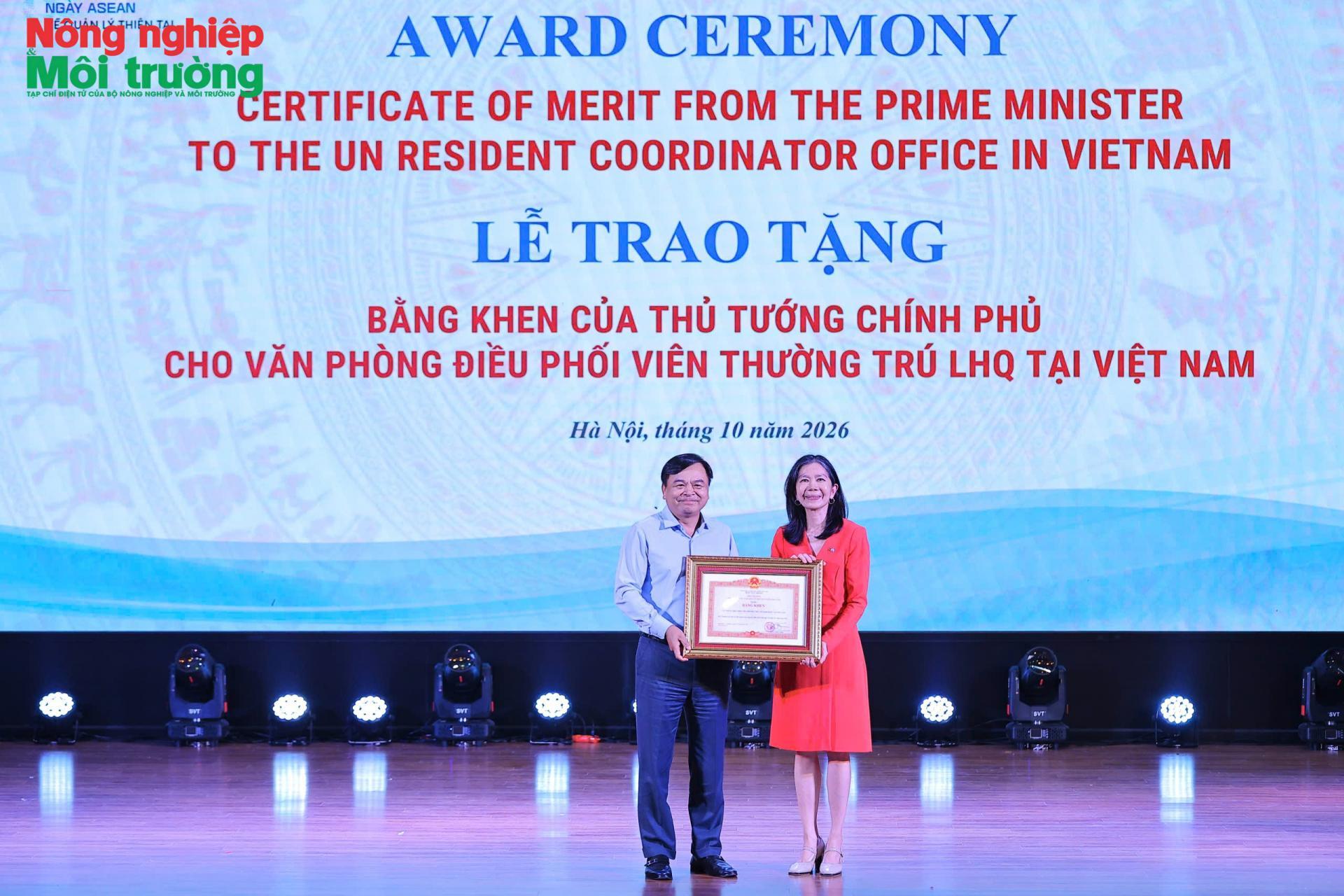
As part of the rally, participants heard lessons from the armed forces’ involvement in the Quang Trung Campaign and recognized the winning teams in the lesson-design competition on disaster risk reduction and climate change adaptation. The Office of the United Nations Resident Coordinator in Viet Nam also received a Certificate of Merit from the Prime Minister in recognition of its contributions to disaster risk reduction.
The rally underscored that resilience cannot be built only when a disaster is imminent. It requires sustained efforts in education, local preparedness, effective early warning systems and the integration of disaster risk management into development planning. Better-prepared households, schools that equip young people with practical safety skills and communities supported by effective prevention systems can all help reduce disaster losses before hazards strike.

At a conference held on October 15 to mark World Food Day 2026 and strengthen cooperation on the implementation of Viet Nam’s “One million hectares of high-quality, low-emission rice scheme in the Mekong Delta”, the Ministry of Agriculture and Environment, the Food and Agriculture Organization of the United Nations (FAO) and development partners reviewed implementation progress, plans for expansion and resource needs for the next phase. Initial results indicate potential gains in production efficiency, lower input use and reduced emissions. However, scaling up the model will require closer coordination on infrastructure, production organization, market linkages and green finance.
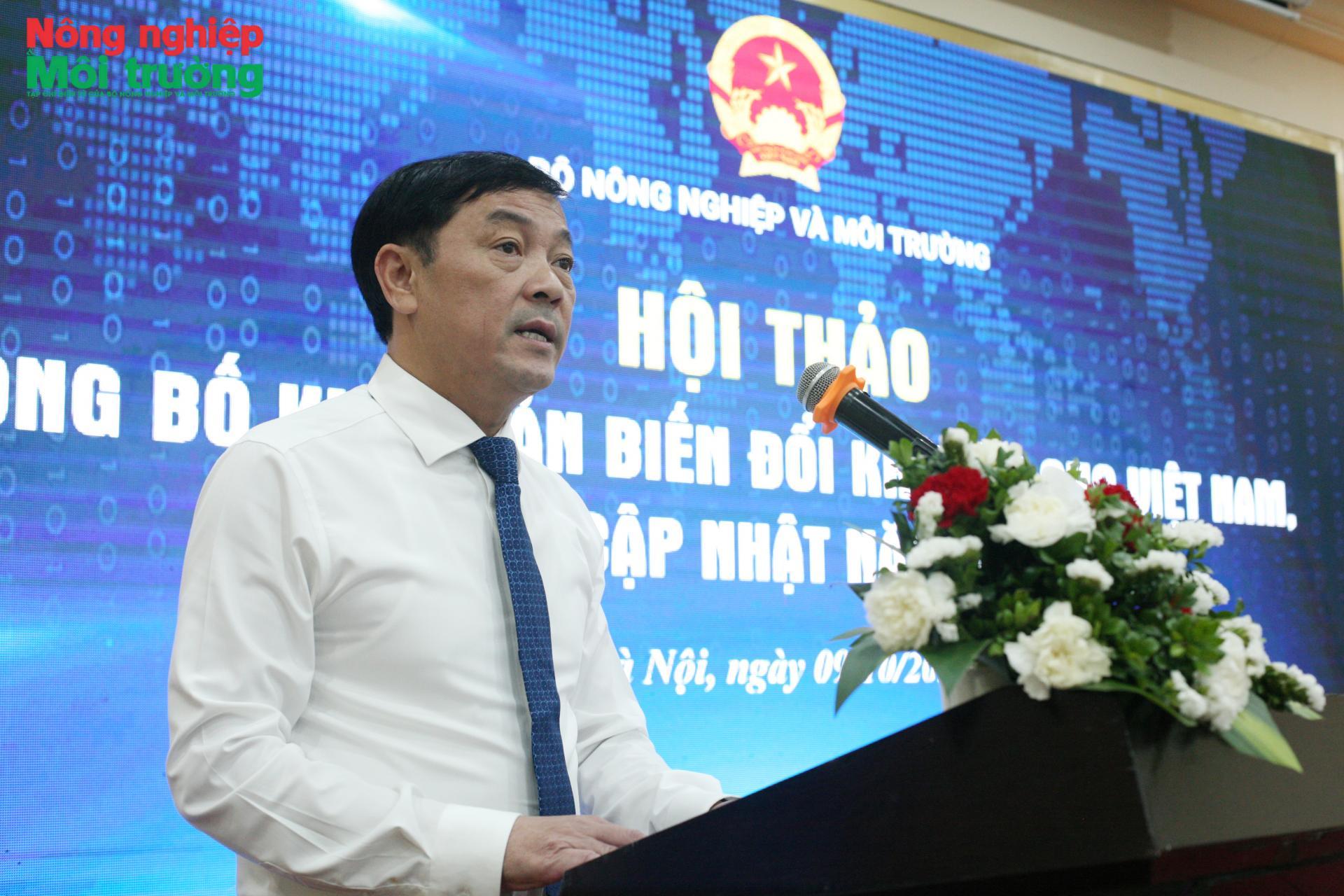
On October 9, 2026, the Ministry of Agriculture and Environment held a conference in Hanoi to announce the 2025 update to Viet Nam’s climate change scenarios. With revised calculation methods, updated data and an expanded scope of risk assessment, the scenarios provide an enhanced scientific basis for policymaking, development planning and adaptation measures. Their value, however, depends not only on how clearly they identify potential future climate trends, but also on how effectively the information is incorporated into decision-making and implementation by ministries, agencies and local authorities.
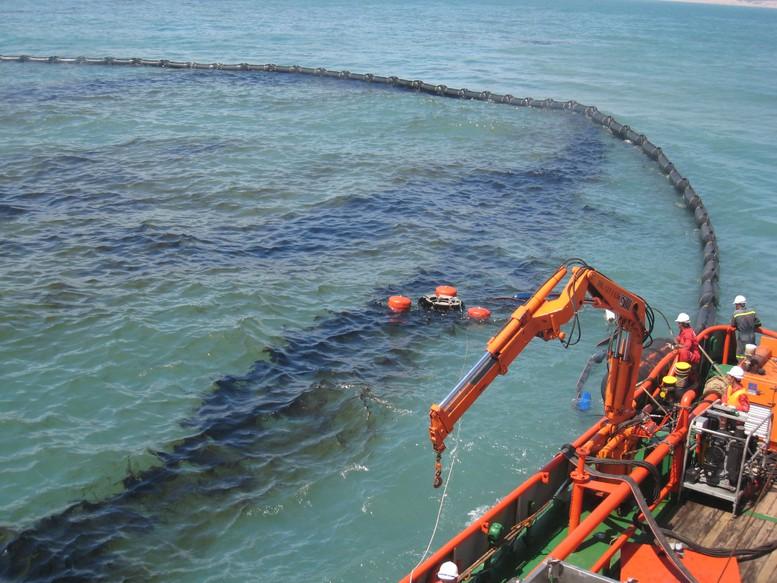
Two days of technical discussions at Far Eastern Federal University in Russia highlighted the need to translate technologies and response plans into operational capability. The Viet Nam Environmental Incident Response Center (SOS) shared its experience in using a WebGIS digital mapping platform to link resource locations with equipment status and management responsibilities, helping maintain readiness through routine operations.
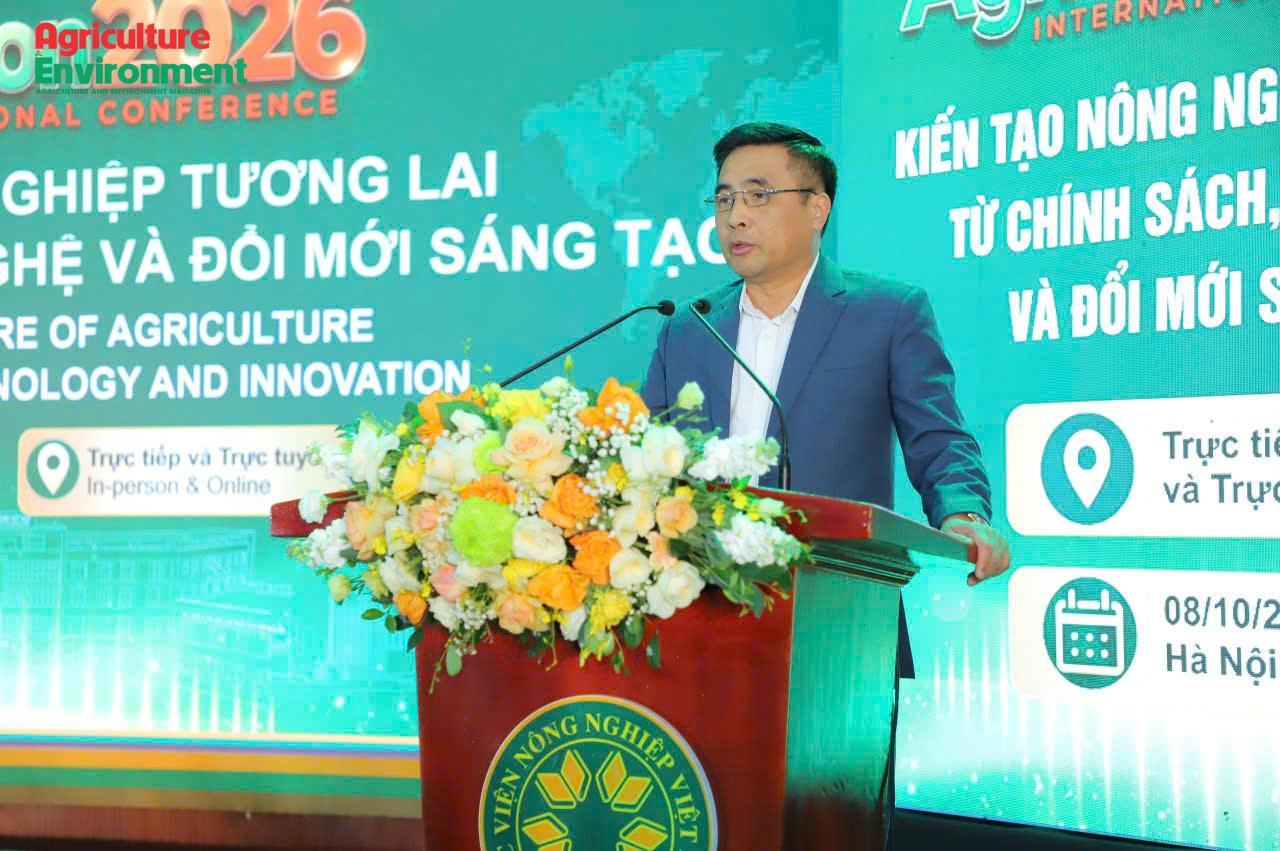
An international conference held in Hanoi on Oct. 8, 2026, called for closer alignment between agricultural policy, technology and innovation and the practical needs of production. Deputy Minister of Agriculture and Environment Nguyen Quoc Tri said Vietnam needs to accelerate its shift toward knowledge-driven growth, higher-quality output and greater value creation, with scientific research judged by measurable improvements in production and farmers’ incomes.
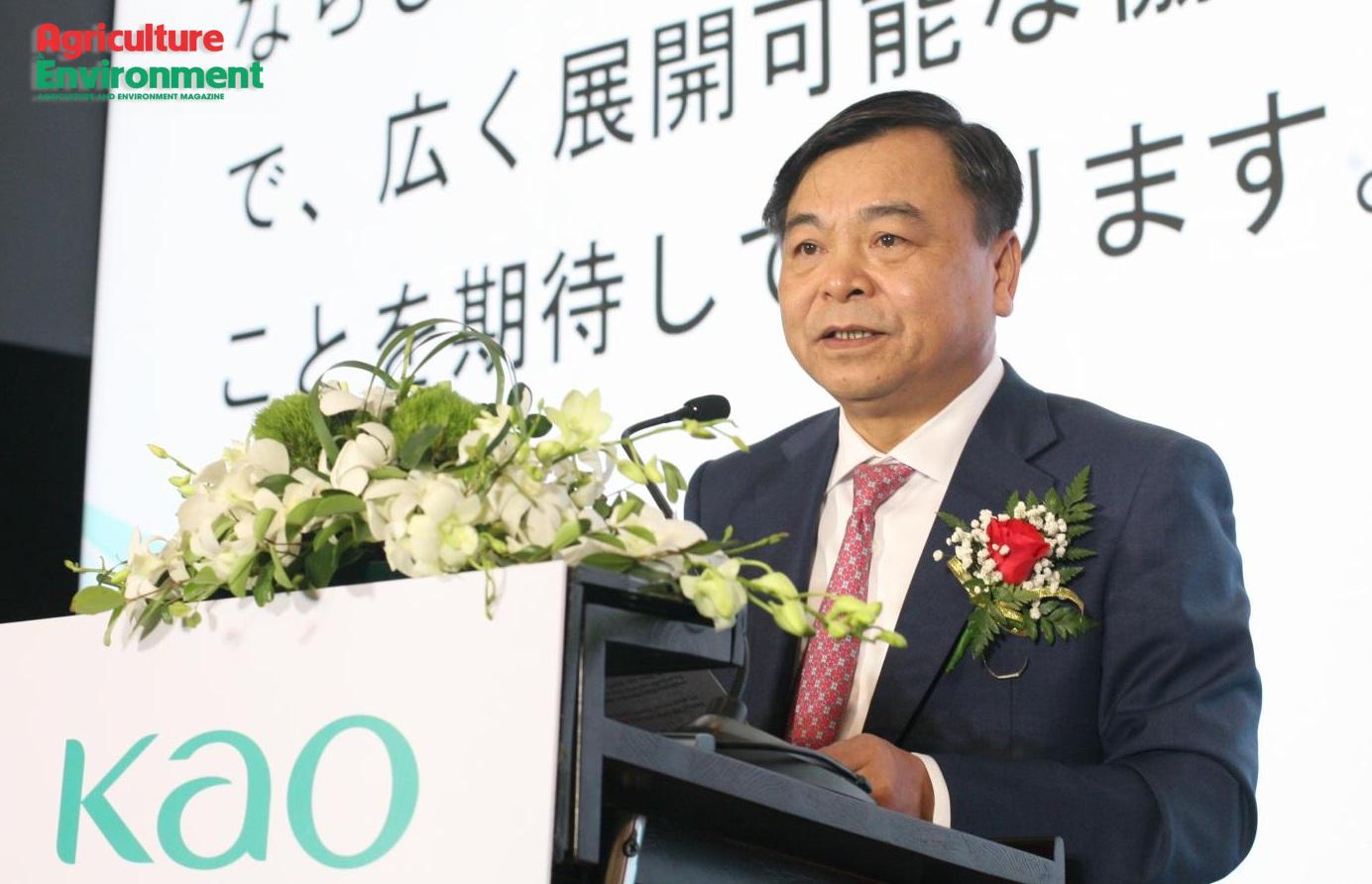
Deputy Minister of Agriculture and Environment Nguyen Hoang Hiep has urged businesses to focus on science and technology, green production, innovation to increase the value of agricultural products, and stronger linkages and public-private partnerships. Solutions should improve resource efficiency, reduce the impacts of chemicals and reflect actual production conditions. He made the remarks at a ceremony in Hanoi on October 6, 2026, where Kao Viet Nam announced initiatives to support sustainable agriculture as it marked 30 years of operations in the country.