



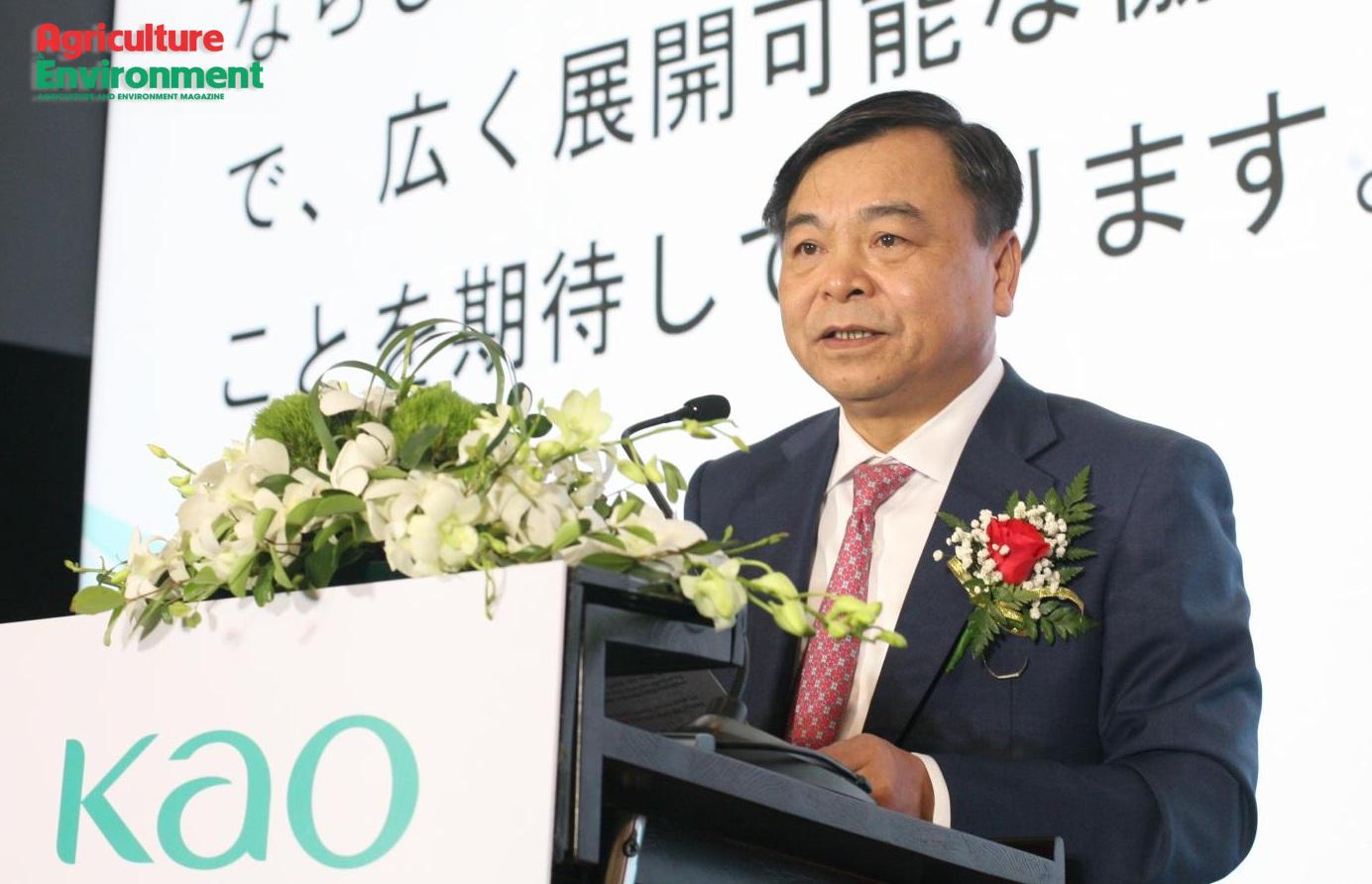
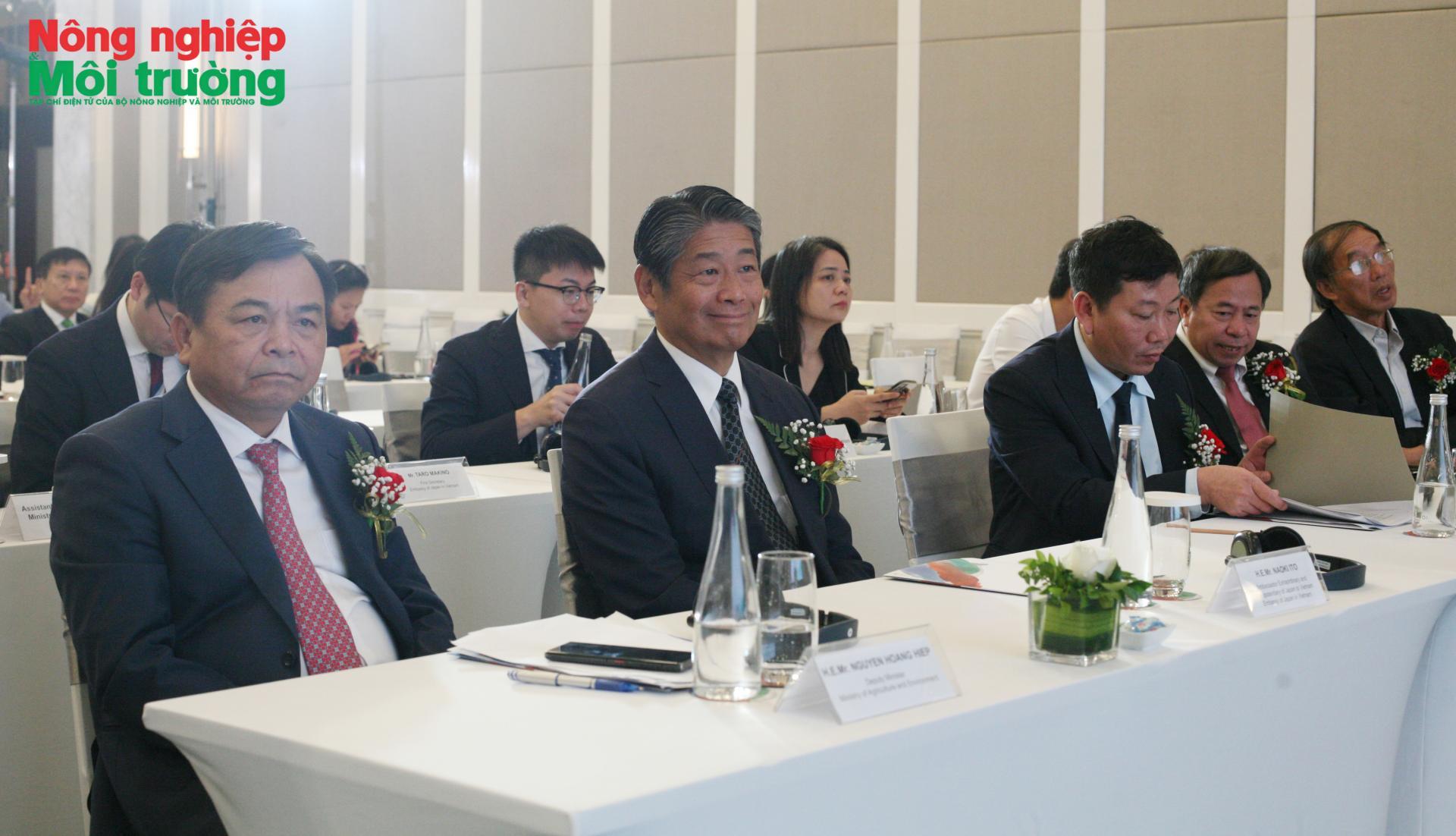
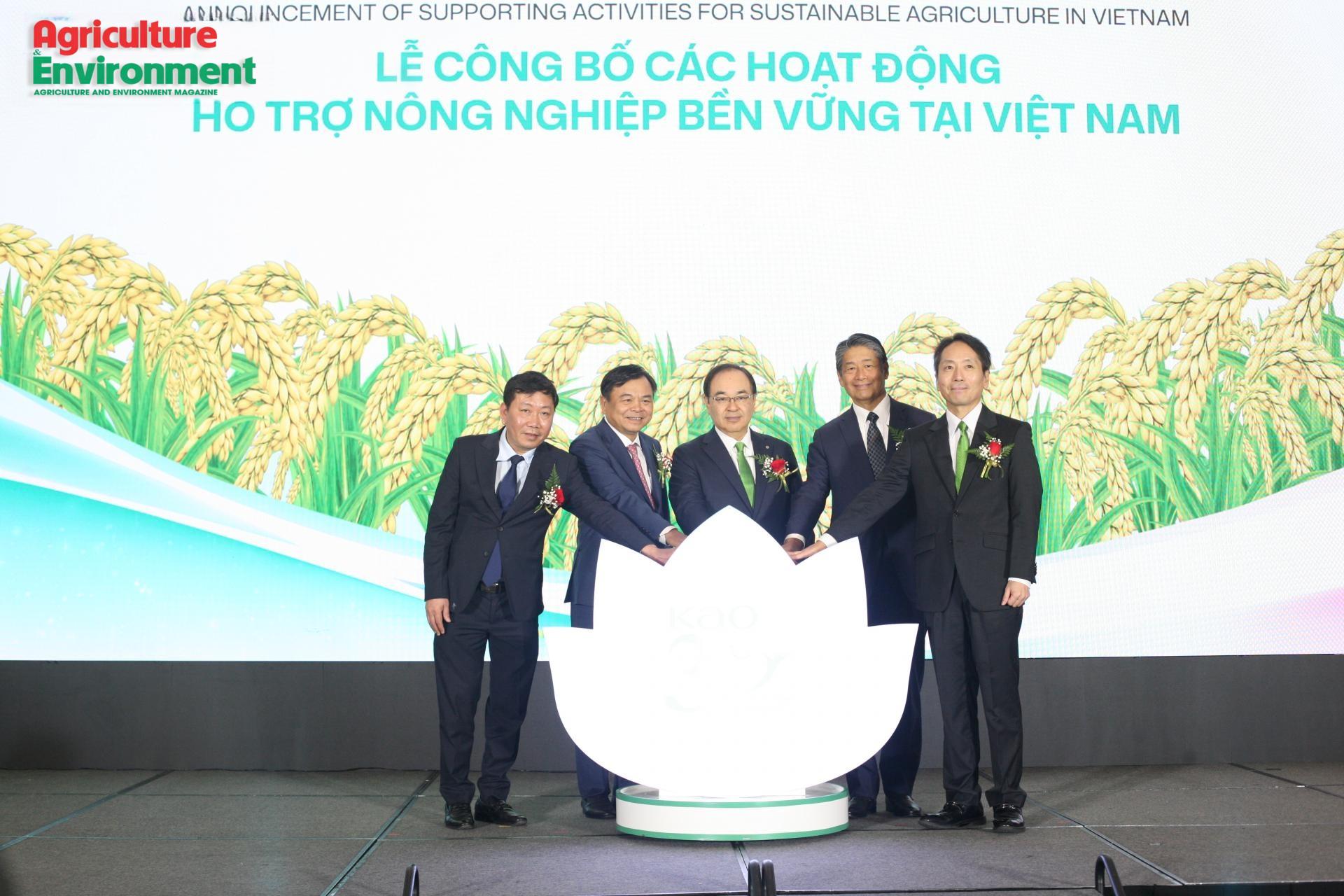
 Deputy Minister of Agriculture and Environment Nguyen Hoang Hiep has urged businesses to focus on science and technology, green production, innovation to increase the value of agricultural products, and stronger linkages and public-private partnerships. Solutions should improve resource efficiency, reduce the impacts of chemicals and reflect actual production conditions. He made the remarks at a ceremony in Hanoi on October 6, 2026, where Kao Viet Nam announced initiatives to support sustainable agriculture as it marked 30 years of operations in the country.
Aligning technology with sector needs
Deputy Minister Nguyen Hoang Hiep said Viet Nam is working to build a modern, efficient, green and sustainable agricultural sector, with a growing emphasis on shifting from a production-oriented mindset to an economic approach. Agricultural production should be linked to markets, processing and value chains, while improving resource efficiency, reducing emissions and protecting the environment.
To translate this vision into practice, science, technology and innovation must address specific production challenges, from the use of agricultural inputs and farming practices to the storage and processing of agricultural products. Businesses can contribute not only investment but also knowledge, technology and practical solutions that help increase value added and improve the competitiveness of Vietnamese agricultural products.
At the October 6 event, Deputy Minister Nguyen Hoang Hiep welcomed Kao Viet Nam’s participation in sustainable agriculture initiatives and called on the company to focus on three priorities.
First, research and apply science, technology and green-production solutions that improve the efficiency of land, water and other resource use; reduce chemical use and its impacts; and cut emissions and waste, while taking account of Viet Nam’s production conditions.
Second, promote innovation and increase the value of agricultural products. Alongside technologies used in production, greater attention should be given to postharvest storage and processing technologies that preserve product quality and reduce losses. These efforts can help increase value added and strengthen competitiveness in the market.
Third, strengthen cooperation with relevant government agencies, local authorities, businesses, cooperatives, research institutes, universities and development partners. Such cooperation should lead to programs with clearly defined objectives that address practical needs, deliver measurable results and have the potential to be scaled up.
These priorities align with Viet Nam’s Strategy for Sustainable Agriculture and Rural Development for 2021–2030, with a vision to 2050, approved by the Prime Minister under Decision No. 150/QD-TTg dated January 28, 2022. The strategy calls for modern, efficient and sustainable agricultural development, with an emphasis on improving productivity, quality and value added while protecting the environment.
Against this policy backdrop, private-sector participation is meaningful when businesses’ technological capabilities are aligned with the sector’s development priorities. Cooperation should be assessed by its tangible contributions to production, resource efficiency, environmental protection and the value of agricultural products, rather than simply by technology demonstrations or announced initiatives.
Making public-private cooperation more effective
One initiative announced at the event was the planned cooperation between Kao Viet Nam and the Partnership for Sustainable Agriculture in Viet Nam (PSAV). The two sides aim to explore opportunities to develop solutions and exchange knowledge and experience, while connecting the company’s technological capabilities with the practical needs of the agricultural sector.
According to Nguyen Do Anh Tuan, Director General of the Department of International Cooperation at the Ministry of Agriculture and Environment and Director of the PSAV Permanent Secretariat, PSAV is a public-private partnership platform that connects stakeholders across value chains, helps identify priority issues, mobilizes resources and promotes initiatives that address practical needs. Its 20-20-20 targets are to increase productivity by 20%, reduce poverty by 20% and cut emissions by 20%.
Under this model, government agencies help set development priorities, facilitate coordination and oversee policy implementation. Businesses can contribute technology, expertise and resources; research institutes and universities can provide scientific evidence and evaluation capacity; while local authorities, cooperatives and farmers can help identify needs, assess the suitability of proposed solutions and highlight practical challenges.
This approach is particularly important in agriculture, where crops, production scales, natural conditions and investment capacity vary significantly across regions. A solution that works well in one production system may not be suitable for another. Cooperation should therefore begin with identifying the problem to be addressed, selecting appropriate applications and designing trials suited to local conditions.
To improve effectiveness, cooperation programs need clearly defined objectives, activities, resources and responsibilities for each participating party. Results should also be monitored against verifiable criteria to inform adjustments and determine whether solutions can be scaled up.
This would help PSAV strengthen its role in connecting stakeholders, facilitating dialogue and supporting practical cooperation programs, rather than limiting its activities to information exchange between businesses and their partners.
Assessing technology under field conditions
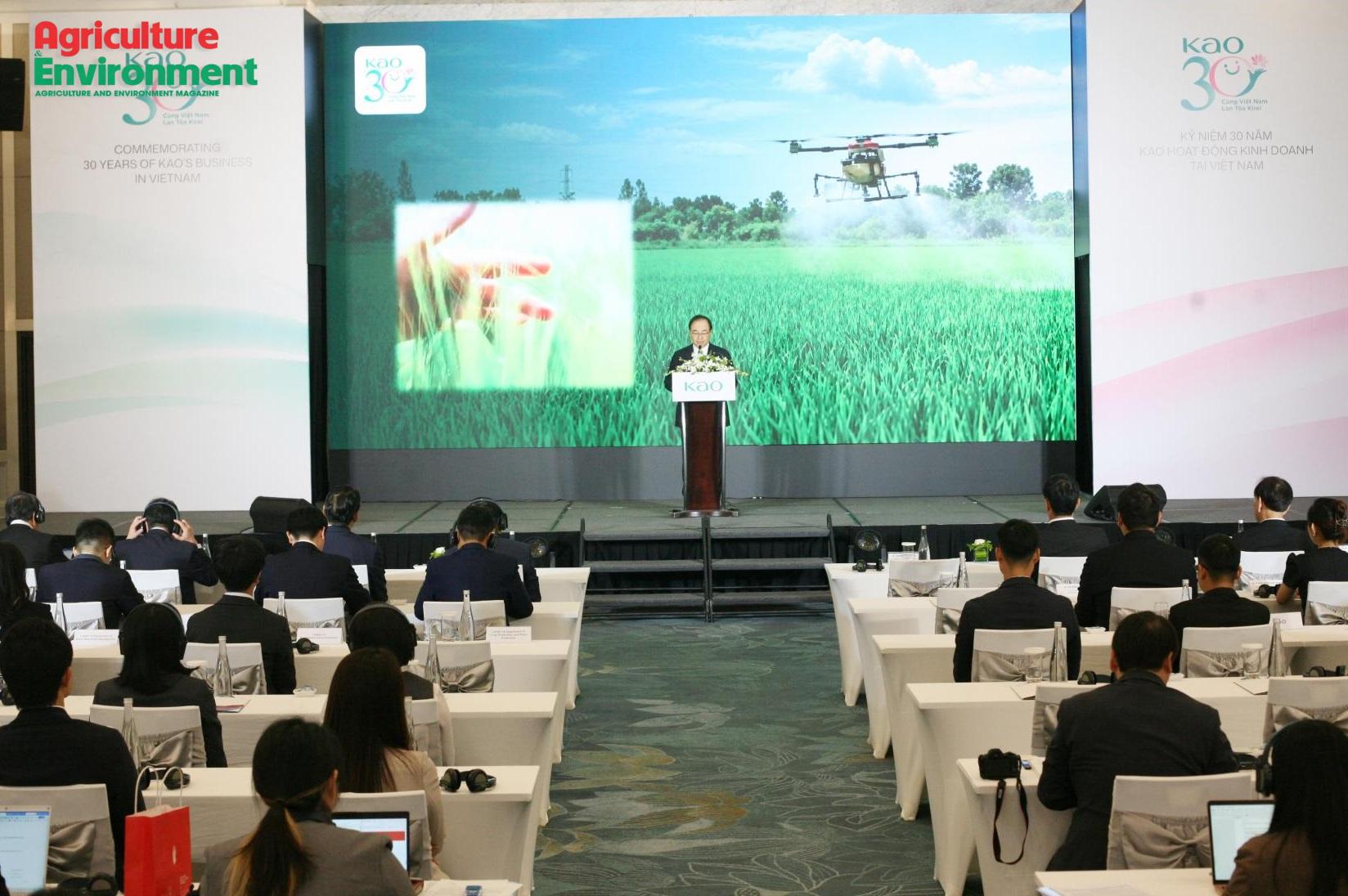
At the event, Kao Viet Nam introduced technology designed to optimize surface interactions, focusing on how droplets of agricultural chemicals interact with plant leaf surfaces. According to the company, its functional adjuvants are designed to improve wetting, spray coverage and droplet adhesion to leaves, with the aim of improving pesticide-use efficiency.
The technology also aims to limit evaporation and off-target spray drift, particularly when pesticides are applied using unmanned aerial vehicles (UAVs). On its official research website, Kao says it is developing adjuvants for drone spraying that combine improved wetting with technologies designed to suppress evaporation and spray drift.
Controlling spray droplets is directly relevant to the efficient use of agricultural chemicals. However, the extent of any improvement depends on crop type, pesticide properties, weather conditions, spraying equipment and application methods. The technology’s potential should therefore be distinguished from results demonstrated under specific production conditions.
Trials in Viet Nam should establish whether the technology can reduce pesticide application rates without compromising pest-control efficacy, how effectively it limits off-target drift, and how it affects production costs, food safety and the environment. Evaluations should use appropriate controls and cover different farming conditions to avoid drawing broad conclusions from a single case.
Reducing pesticide use does not eliminate all environmental risks. An adjuvant’s performance must be assessed alongside the pesticide formulation with which it is used, application practices and potential environmental effects. New technologies should also be considered as part of integrated pest management, including compliance with pesticide-use requirements and reduced reliance on chemicals where suitable alternatives are available.
Beyond spray-application technology, the announced cooperation could also create opportunities to explore solutions for postharvest storage, processing and quality preservation. These areas are important for reducing postharvest losses, increasing product value and improving resource efficiency across the production chain.
Kao says it wants to expand its contribution to sustainable agriculture in Viet Nam after 30 years of operations in the country by combining its technology and expertise with the knowledge and experience of its partners. The value of this direction, however, will depend on whether it can be translated into specific programs that meet the sector’s needs and deliver measurable results.
From a government policy perspective, the challenge is not simply to attract businesses, but to establish mechanisms that direct public and private resources toward clear priorities, ensure objective technology assessments and deliver tangible benefits for agricultural production. Such an approach can help public-private partnerships contribute more effectively to the green transition, increase the value of agricultural products and advance sustainable agricultural development in Viet Nam.
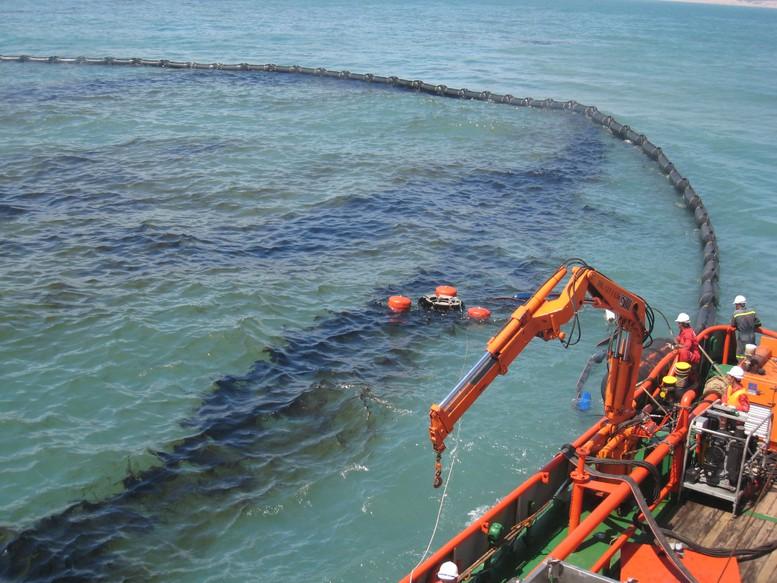
Two days of technical discussions at Far Eastern Federal University in Russia highlighted the need to translate technologies and response plans into operational capability. The Viet Nam Environmental Incident Response Center (SOS) shared its experience in using a WebGIS digital mapping platform to link resource locations with equipment status and management responsibilities, helping maintain readiness through routine operations.
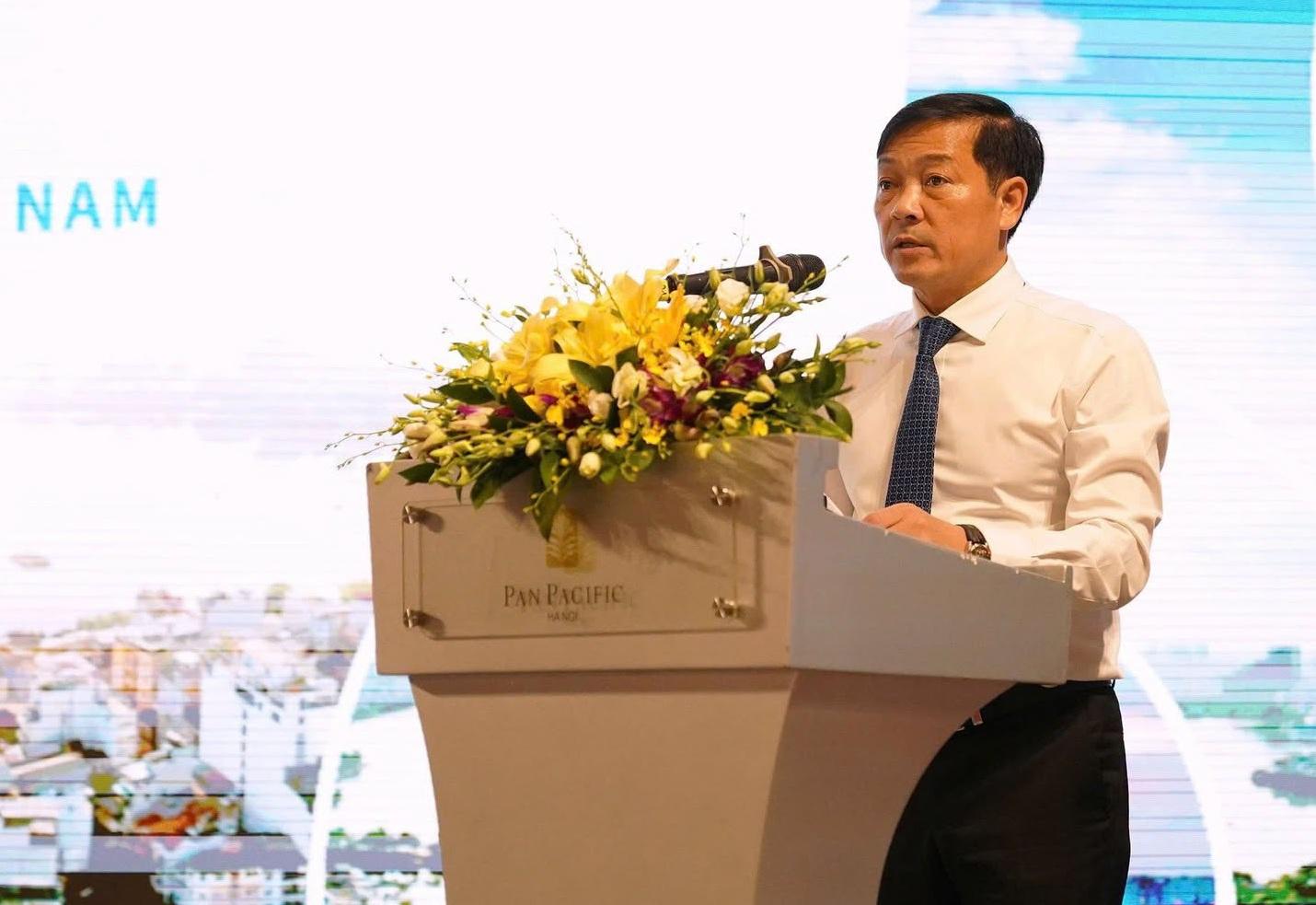
Air pollution in Viet Nam, particularly in major cities, is underscoring the need to move from addressing individual emission sources to target-based air quality management supported by data and inter-sectoral and inter-regional coordination. This was a key focus of the national conference “Combatting air pollution and improving air quality in Viet Nam: Turning policy to action,” held in Ha Noi on September 29.
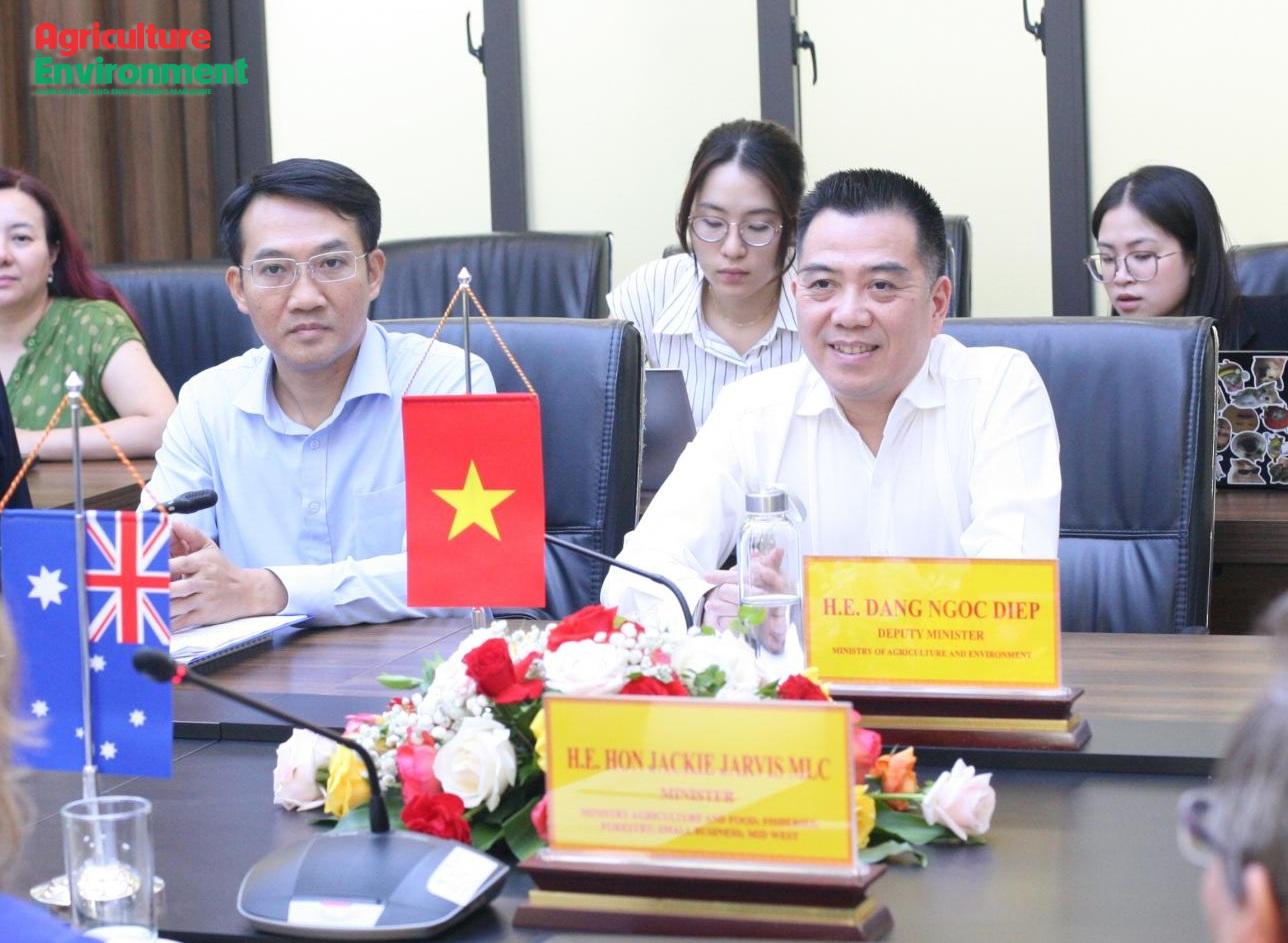
The September 24 meeting between Deputy Minister of Agriculture and Environment Dang Ngoc Diep and Hon Jackie Jarvis MLC, Western Australia’s Minister for Agriculture and Food; Fisheries; Forestry; Small Business; and the Mid West, highlighted scope for expanding Viet Nam-Australia cooperation beyond trade in agricultural, forestry and fishery products to science and technology, climate change adaptation, biosecurity and the marine economy. The two sides also discussed strengthening business links, addressing technical issues and turning areas of potential into concrete cooperation programs.
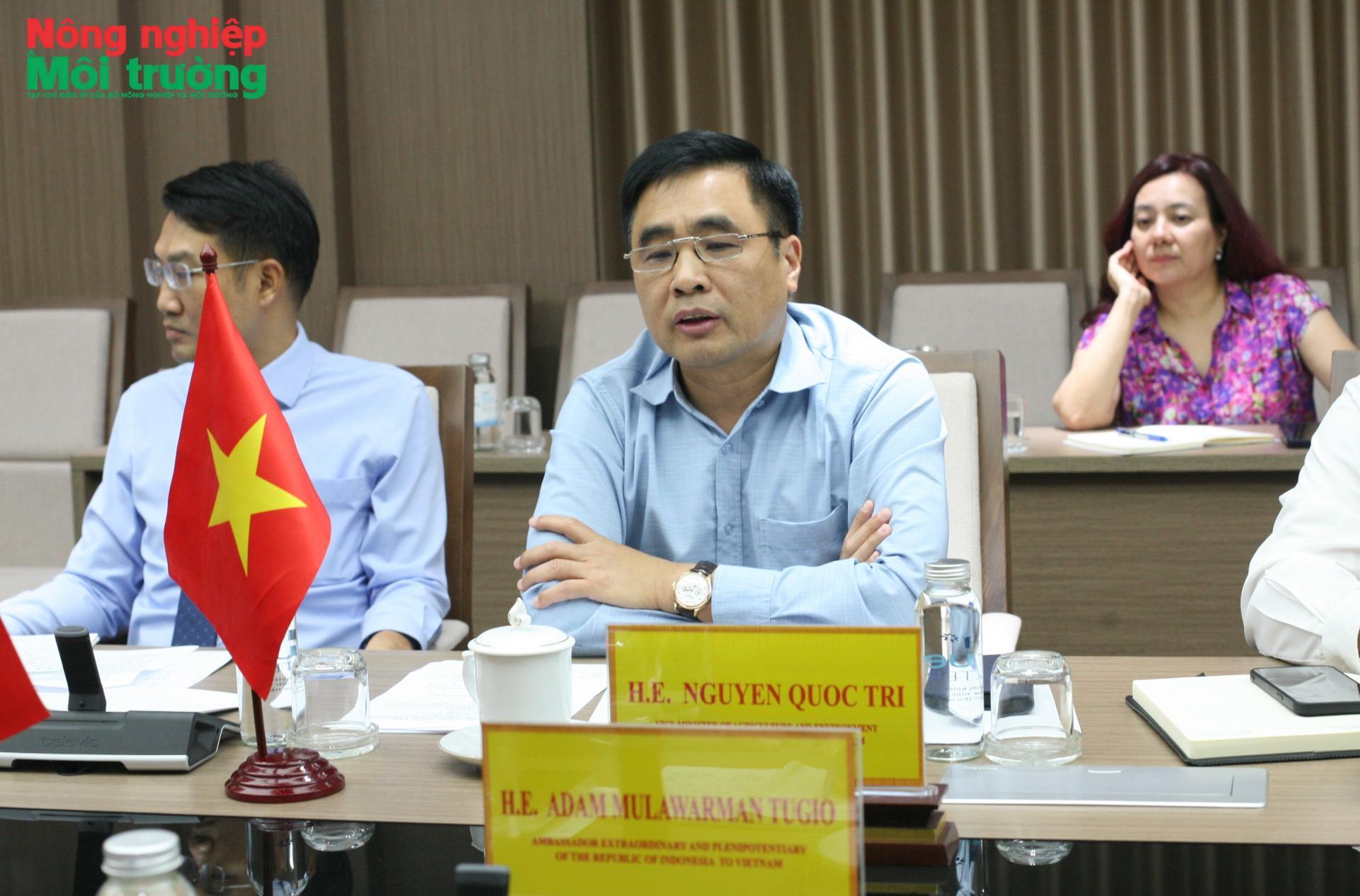
A meeting between Deputy Minister of Agriculture and Environment Nguyen Quoc Tri and Indonesian Ambassador to Viet Nam Adam Mulawarman Tugio on September 22 highlighted the specific market issues shaping agricultural cooperation between the two countries. From Halal products and fisheries to livestock and veterinary vaccines, expanding bilateral trade is closely tied to standards, quarantine requirements, technical dossiers and business connections.
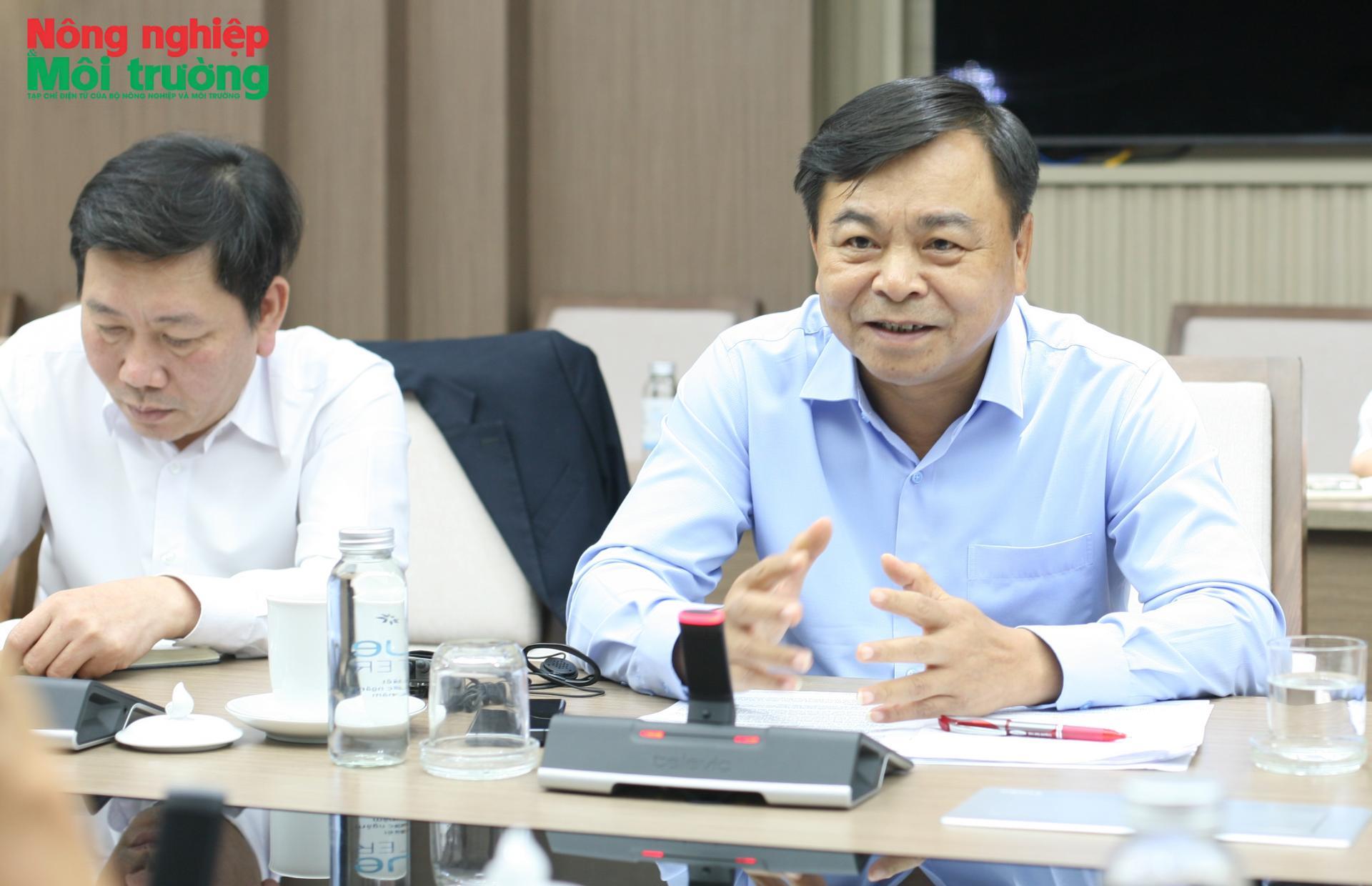
Deputy Minister of Agriculture and Environment Nguyen Hoang Hiep met with a World Bank (WB) delegation on September 9 to discuss the AgriConnect initiative. The meeting focused on ways to better connect public investment, policy and private capital to the development of agricultural value chains.