



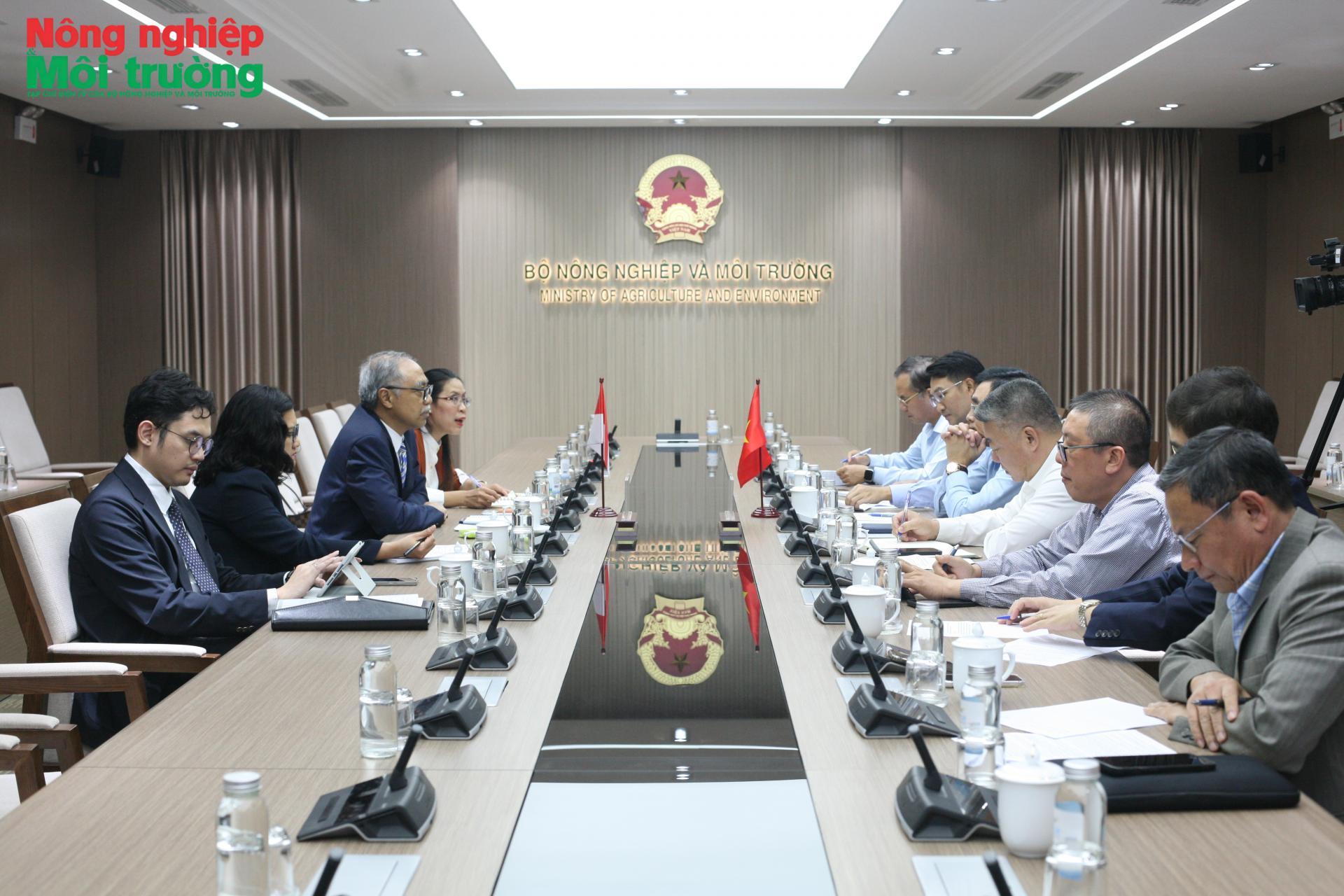
 A meeting between Deputy Minister of Agriculture and Environment Nguyen Quoc Tri and Indonesian Ambassador to Viet Nam Adam Mulawarman Tugio on September 22 highlighted the specific market issues shaping agricultural cooperation between the two countries. From Halal products and fisheries to livestock and veterinary vaccines, expanding bilateral trade is closely tied to standards, quarantine requirements, technical dossiers and business connections.
Sectoral cooperation in a broader strategic framework
The meeting came as Viet Nam and Indonesia have upgraded their ties to a Comprehensive Strategic Partnership in 2025. In July 2026, the two countries signed an Action Plan to implement the Comprehensive Strategic Partnership for 2026–2030, identifying agriculture, food security, fisheries, the Halal industry, science and technology, trade and investment among areas for cooperation. The two sides also set a target of raising bilateral trade to $18 billion by 2028.
Within this framework, agricultural cooperation is directly linked to trade and livelihoods while also involving a range of sector-specific regulatory requirements. At the September 22 meeting, Deputy Minister Nguyen Quoc Tri reaffirmed Viet Nam's commitment to its cooperation with Indonesia and expressed a desire to maintain substantive exchanges in agriculture, fisheries and other areas under the ministry's remit.
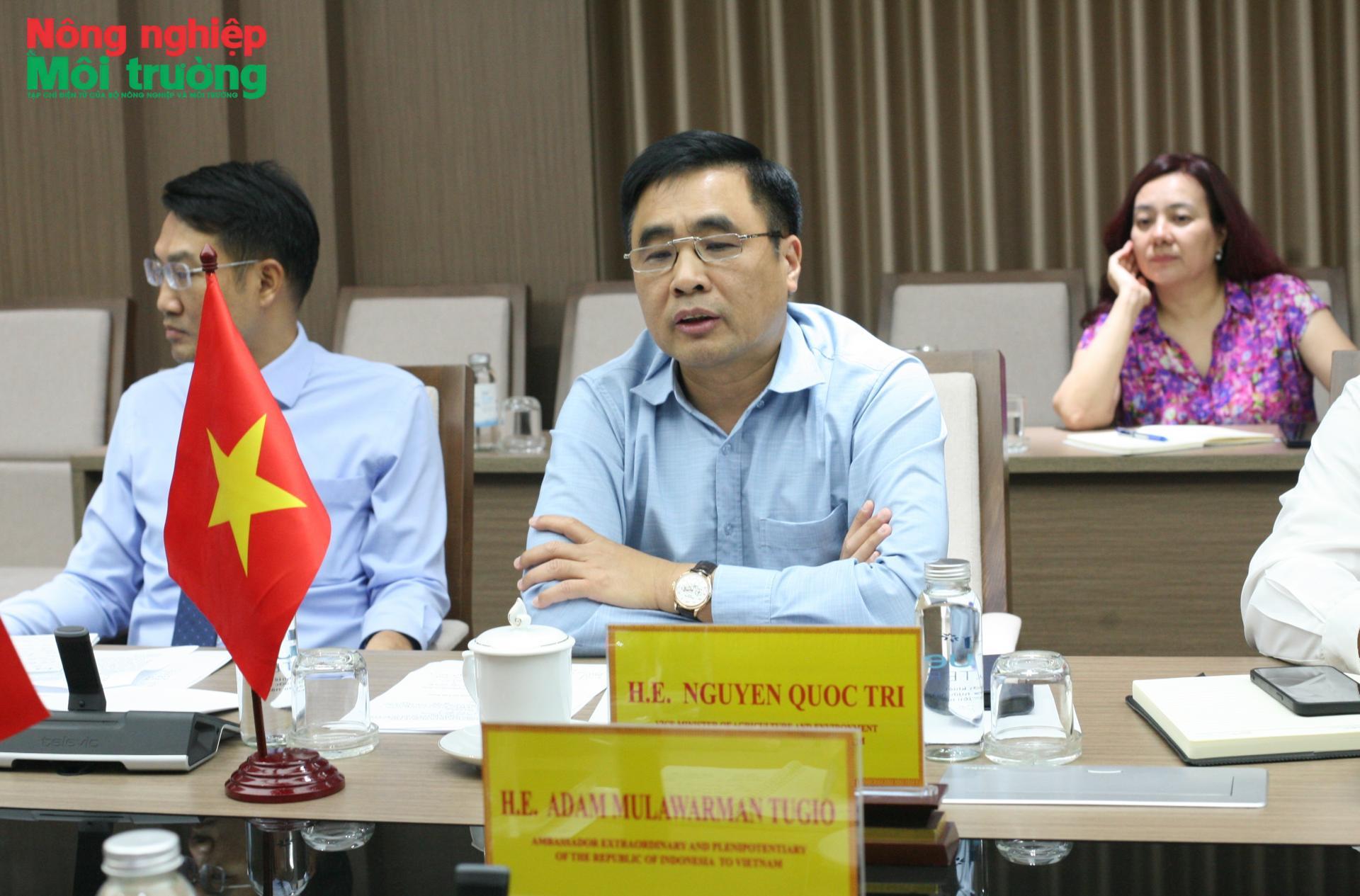
The discussions went beyond broad policy directions. Indonesia expressed interest in expanding cooperation in aquaculture, connecting businesses, investment and technology sharing, while also raising the processing of applications to import day-old chicks (DOCs) and chicken meat and seeking continued support for the appraisal and licensing of veterinary vaccine production projects in Viet Nam.
Viet Nam, meanwhile, expressed interest in bringing Vietnamese-origin Halal products to the Indonesian market, as well as cooperation in livestock production, processing and the development of dairy value chains. Viet Nam also asked Indonesia to share experience in aquaculture, seaweed farming and environmental protection.
Behind these specific proposals lies a common question: how can bilateral policy directions be translated into flows of goods, investment projects and production chains that meet the requirements of each market?
Halal: Where market access meets standards
Among the issues discussed, Halal products offer a clear example of the gap between market potential and actual market access.
Ambassador Adam Mulawarman Tugio said many localities in Viet Nam had potential to develop Halal products and services and that Indonesia was ready to share its experience and expertise in the field. Viet Nam, for its part, sees its abundant supply of agricultural and food products as a basis for developing Halal goods and asked Indonesia to facilitate access for Vietnamese-origin products to its market. The two sides could also consider connecting businesses to bring Halal products to third-country markets.
For a product to cross a border, however, being Halal is not simply a product attribute; it also involves certification and conformity assessment and control.
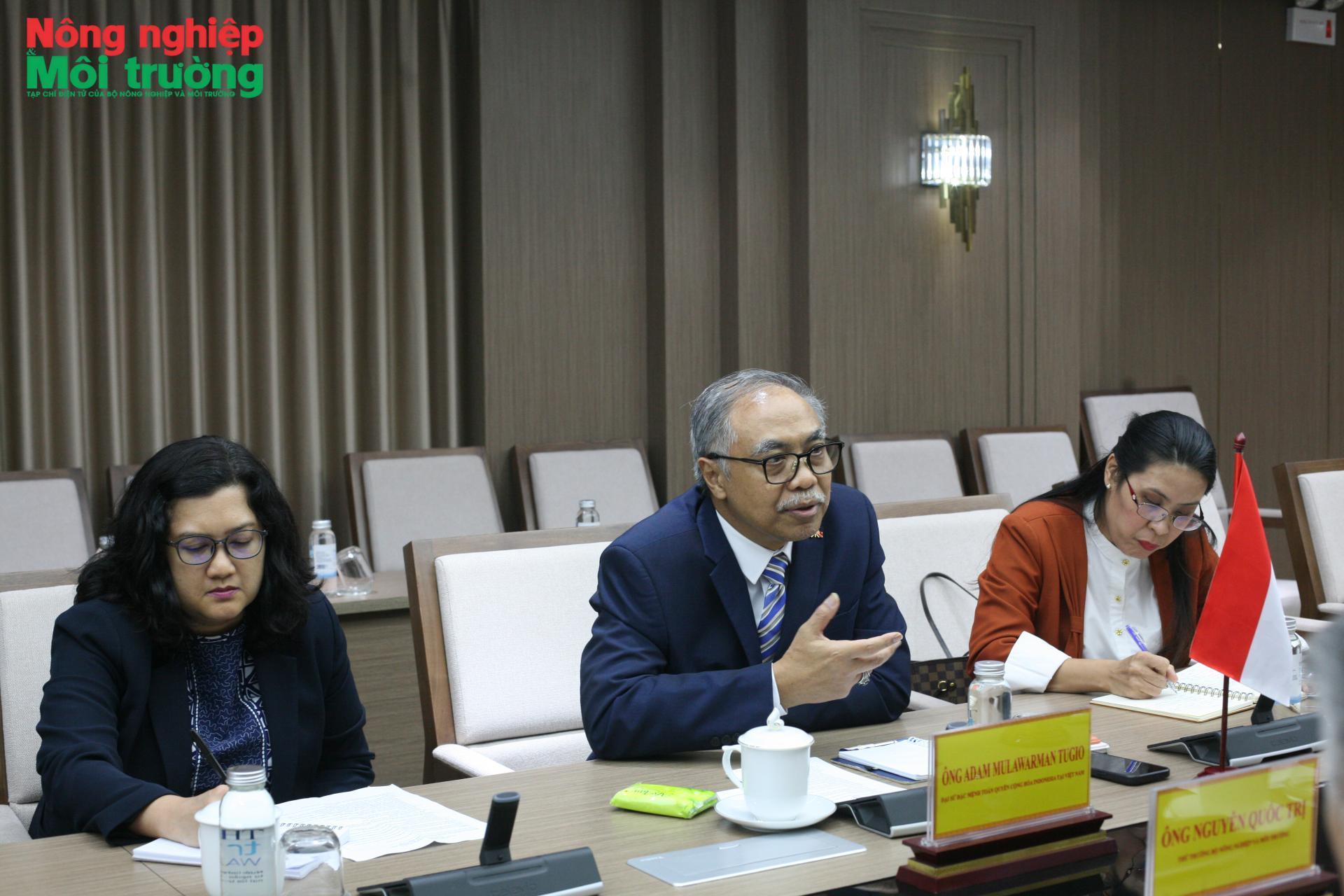
The issue is particularly relevant as Indonesia adjusts its controls on imported Halal products. According to Viet Nam's Ministry of Industry and Trade, Indonesia's Halal Product Assurance Agency (BPJPH) issued Decision No. 4/2026 on August 10, 2026, on ensuring the conformity of foreign Halal products imported into Indonesia. The new rules add requirements for documentary and physical inspections in the country of loading and/or the country of origin before shipment.
According to the Ministry of Industry and Trade, the new mechanism also requires consistency between documentation and the actual goods, covering Halal certificates or registration numbers, import product lists, HS codes, invoices, packing lists, lot numbers and production dates. The requirements show that compliance with standards involves not only certification but also data management, traceability and consistency across the supply chain.
For Vietnamese businesses, these requirements are a factor to consider when seeking access to the Indonesian market. Export product groups covered by the new regulations, according to information from the Viet Nam Trade Office in Indonesia cited by the Ministry of Industry and Trade, include certain confectionery products, cereals, processed fruits and vegetables, and processed seafood.
Viet Nam is also developing its domestic regulatory framework for Halal products and services. Cooperation with Indonesia therefore involves not only expanding export markets but also improving the capacity of Vietnamese businesses to meet standards and comply with assessment and certification requirements.
This is particularly relevant as the two countries have included the Halal industry in their 2026–2030 Action Plan.
Animal-product trade and the role of technical requirements
While Halal raises the issue of market access from the perspective of standards and certification, Indonesia's proposals concerning day-old chicks and chicken meat illustrate another dimension: opening the market to animal products must be accompanied by risk assessment and veterinary requirements.
At the meeting, Ambassador Adam Mulawarman Tugio asked Vietnam to advance applications for imports of day-old chicks and chicken meat from Indonesia. Indonesia also sought continued support in the appraisal and licensing process for veterinary vaccine production projects in Viet Nam.
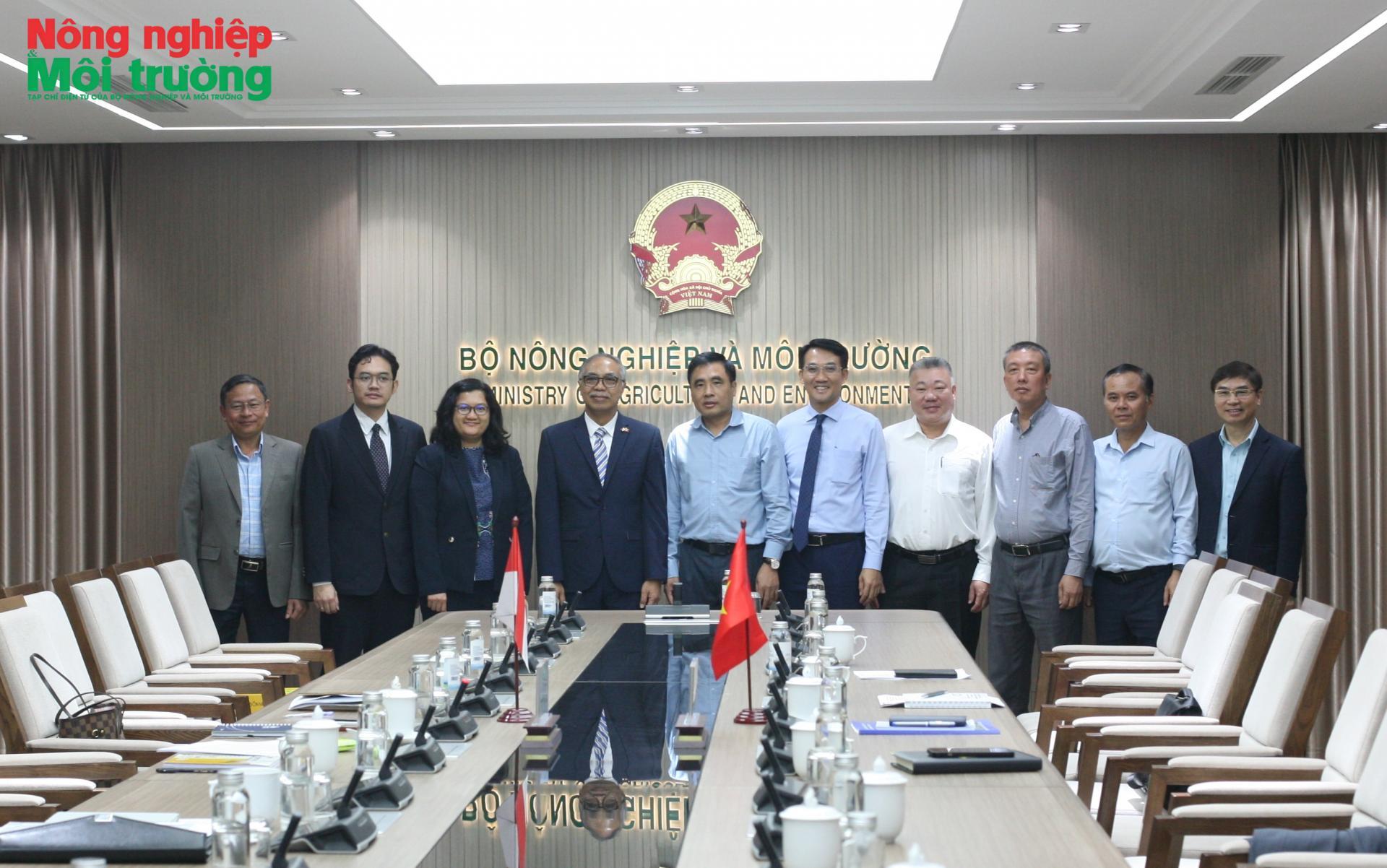
Deputy Minister Nguyen Quoc Tri said market access for animal products must be based on assessments of veterinary conditions, animal disease risks, food safety and quarantine requirements under Vietnamese regulations. He asked Indonesia to work with the relevant technical agencies to provide complete dossiers and technical information and follow the required procedures.
The issue extends beyond the specific cases of chicken meat and day-old chicks. In agricultural trade, market access is closely linked to managing risks that may affect animal health, food safety and domestic production systems. Facilitating trade therefore does not mean setting aside technical assessment procedures.
This approach also provides a basis for the two sides to address quarantine issues involving livestock, poultry and fishery products through clearer technical coordination. Once dossiers, standards and quarantine requirements are clearly defined, regulators and businesses can identify the conditions that products must meet to enter the market.
Fisheries cooperation beyond trade
Fisheries is another area where Vietnam-Indonesia cooperation could extend beyond trade in goods to technology sharing and investment links.
According to the meeting, the two countries have signed several agreements in fisheries, including cooperation on lobster. Building on those arrangements, the Indonesian ambassador raised the need for business connections, investment and technology sharing in aquaculture.
Viet Nam acknowledged Indonesia's interest in investing in aquaculture and expressed interest in learning more about Indonesia's experience with seaweed farming and environmental protection. The proposals indicate that the scope of cooperation is not limited to enabling products from one country to enter the other's market, but also includes the production capacity and technology underpinning those products.
This direction is also relevant to agricultural trade as market requirements increasingly involve quality, safety, traceability and environmental considerations. In fisheries, aquaculture technology, disease control, product quality and environmental protection are closely linked to the ability to maintain market access.
With the two countries identifying agriculture, fisheries, trade and investment as areas for continued cooperation during 2026–2030, sectoral consultation mechanisms will be important in identifying specific issues that require follow-up.
From Halal certification and animal-product quarantine to aquaculture technology, the issues raised at the September 22 meeting show that agricultural cooperation between Vietnam and Indonesia is not simply a matter of expanding trade volumes. It also requires the two sides to identify and address the technical conditions, standards and procedures needed for goods, technology and investment to move within a transparent framework consistent with each country's regulations.
This provides a basis for government agencies and businesses from both countries to continue technical exchanges, complete dossiers, connect with potential partners and examine cooperation models that can be implemented in practice.
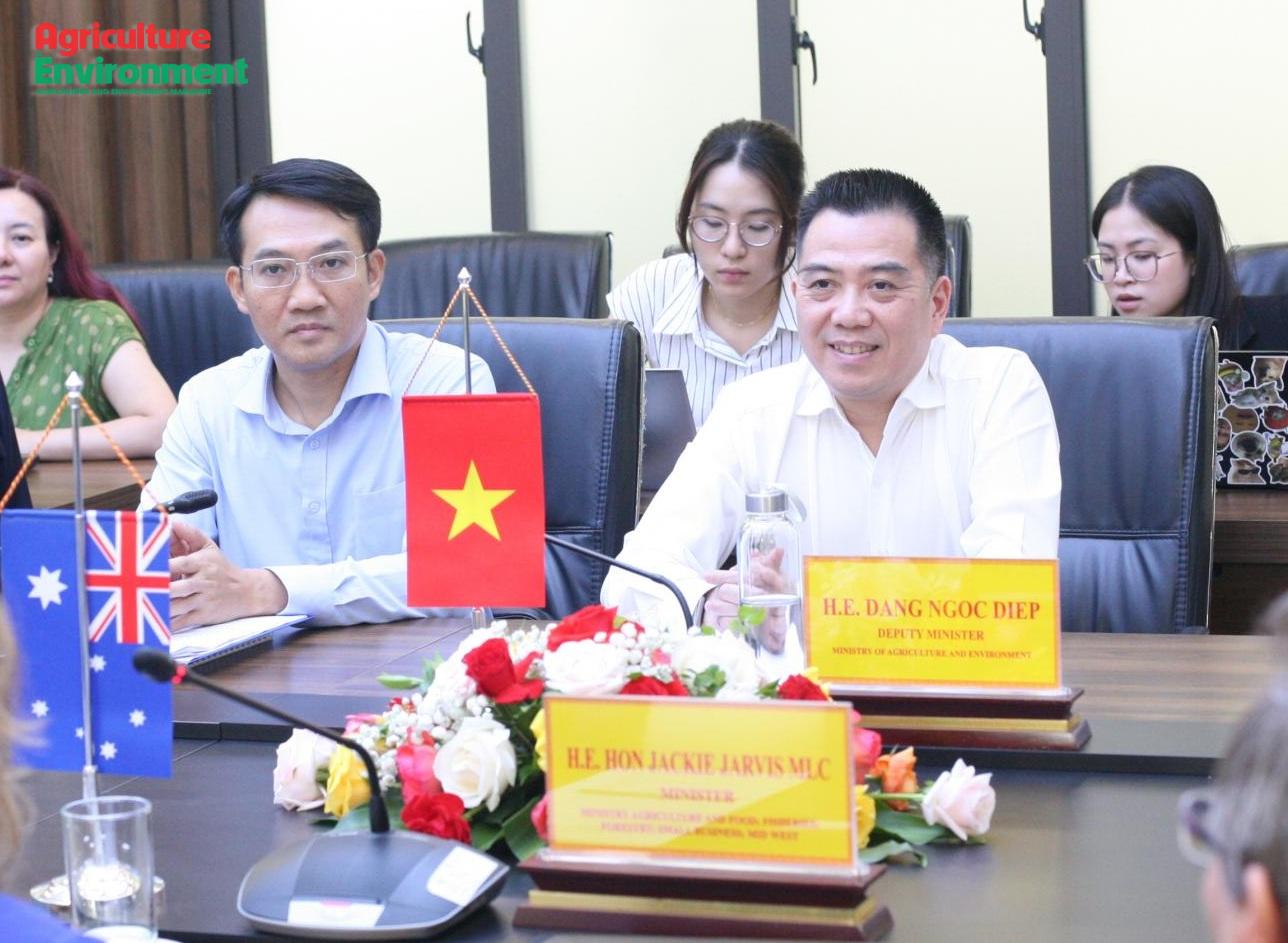
The September 24 meeting between Deputy Minister of Agriculture and Environment Dang Ngoc Diep and Hon Jackie Jarvis MLC, Western Australia’s Minister for Agriculture and Food; Fisheries; Forestry; Small Business; and the Mid West, highlighted scope for expanding Viet Nam-Australia cooperation beyond trade in agricultural, forestry and fishery products to science and technology, climate change adaptation, biosecurity and the marine economy. The two sides also discussed strengthening business links, addressing technical issues and turning areas of potential into concrete cooperation programs.
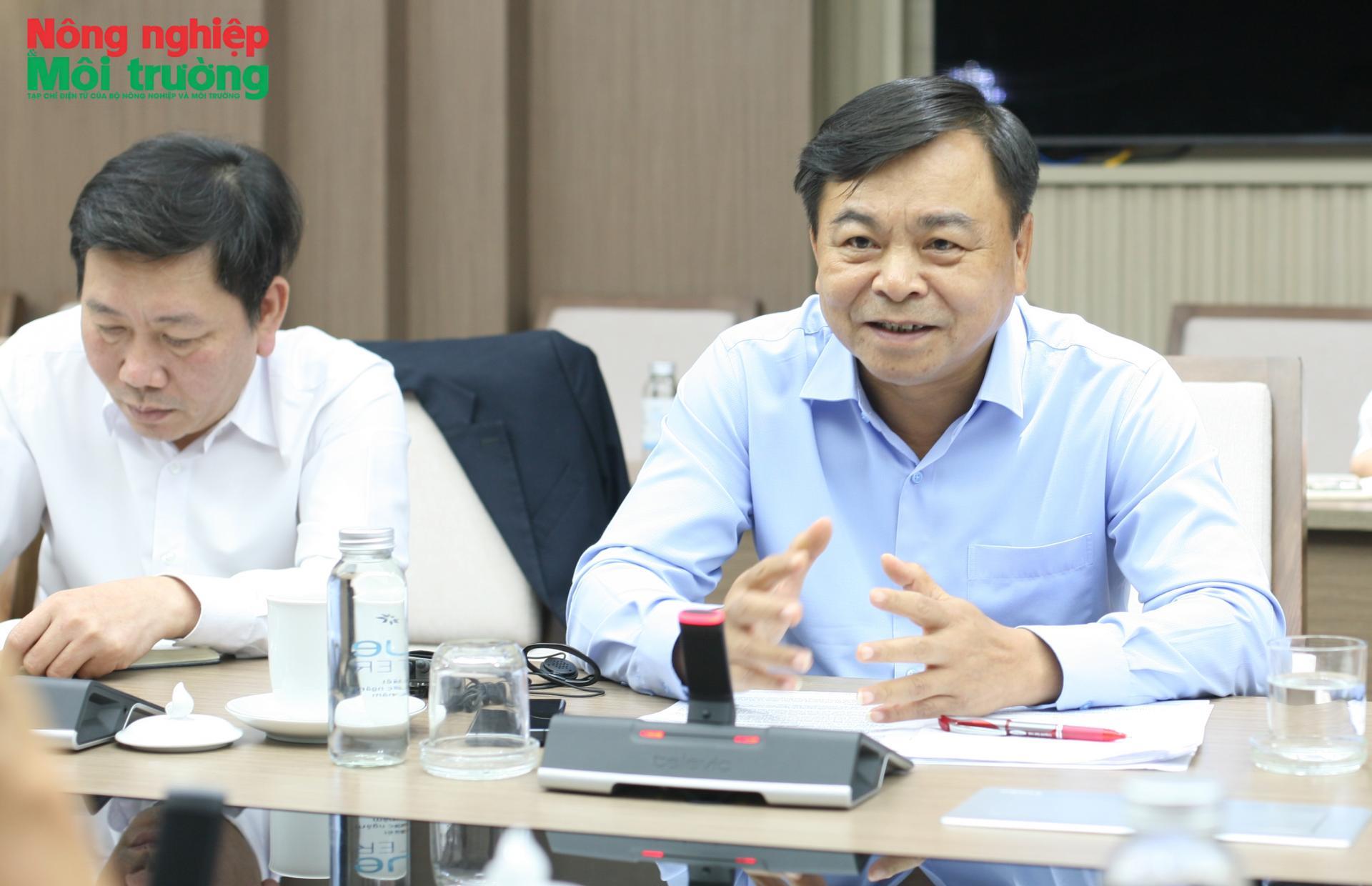
Deputy Minister of Agriculture and Environment Nguyen Hoang Hiep met with a World Bank (WB) delegation on September 9 to discuss the AgriConnect initiative. The meeting focused on ways to better connect public investment, policy and private capital to the development of agricultural value chains.
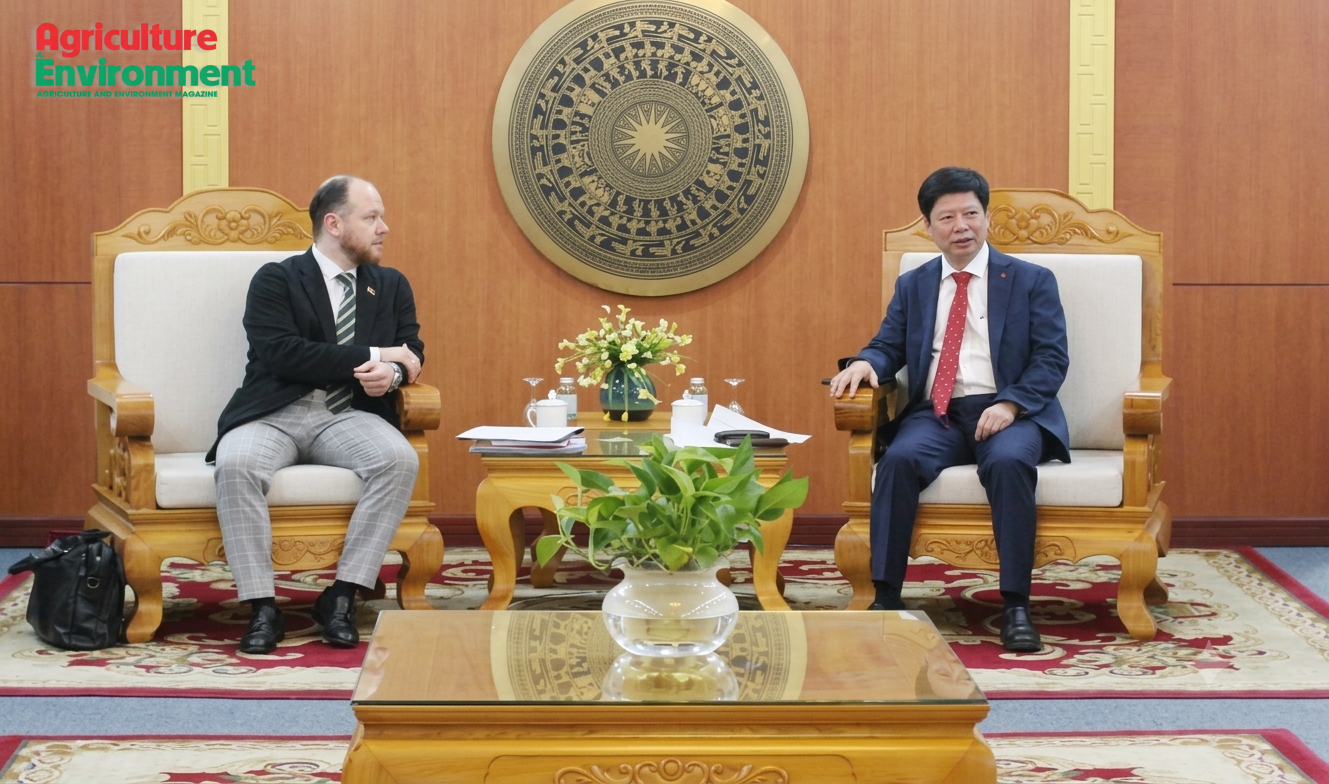
The licensing of four Belarusian companies to export boneless beef to Viet Nam, with the first shipment entering the Vietnamese market in April 2026, marks a concrete result in efforts to address market-access procedures between the two countries. In the opposite direction, the number of Vietnamese companies authorised to export meat and seafood to the Eurasian Economic Union (EAEU) is only about one-sixth the number of Belarusian companies authorised to export to Viet Nam, pointing to further scope for addressing technical barriers and expanding market opportunities for Vietnamese agricultural products.
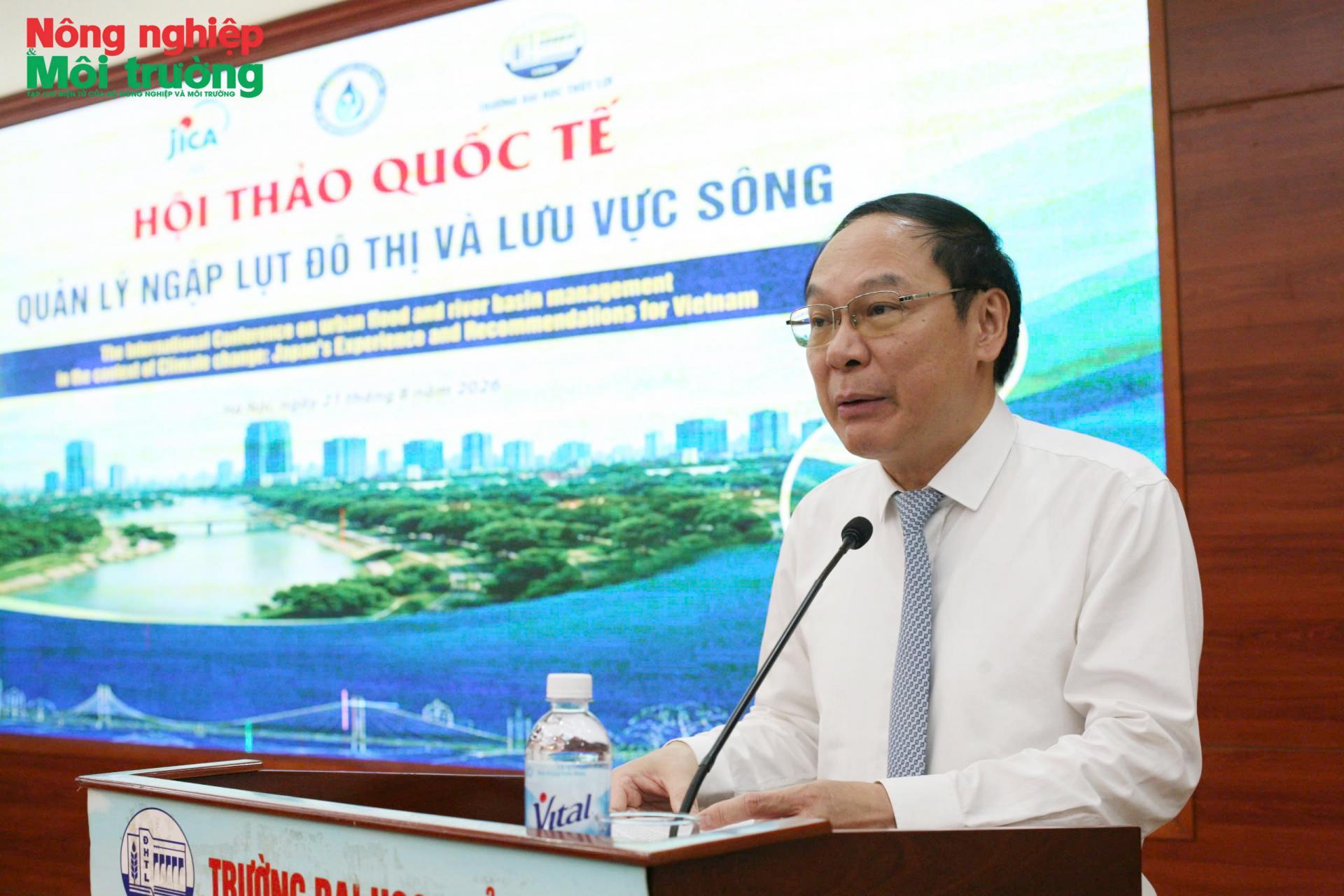
Urban flooding is increasingly influenced by a combination of heavy rainfall, river flows, tides, water-storage capacity, land use and urban spatial planning. At the international conference on “Urban flood and river basin management in the context of climate change: Japan’s experience and recommendations for Viet Nam”, held in Hanoi on August 21, Deputy Minister of Agriculture and Environment Le Cong Thanh said the issue should be addressed as part of integrated water resources management, urban planning and disaster risk governance, rather than being treated solely as a drainage problem within individual cities.
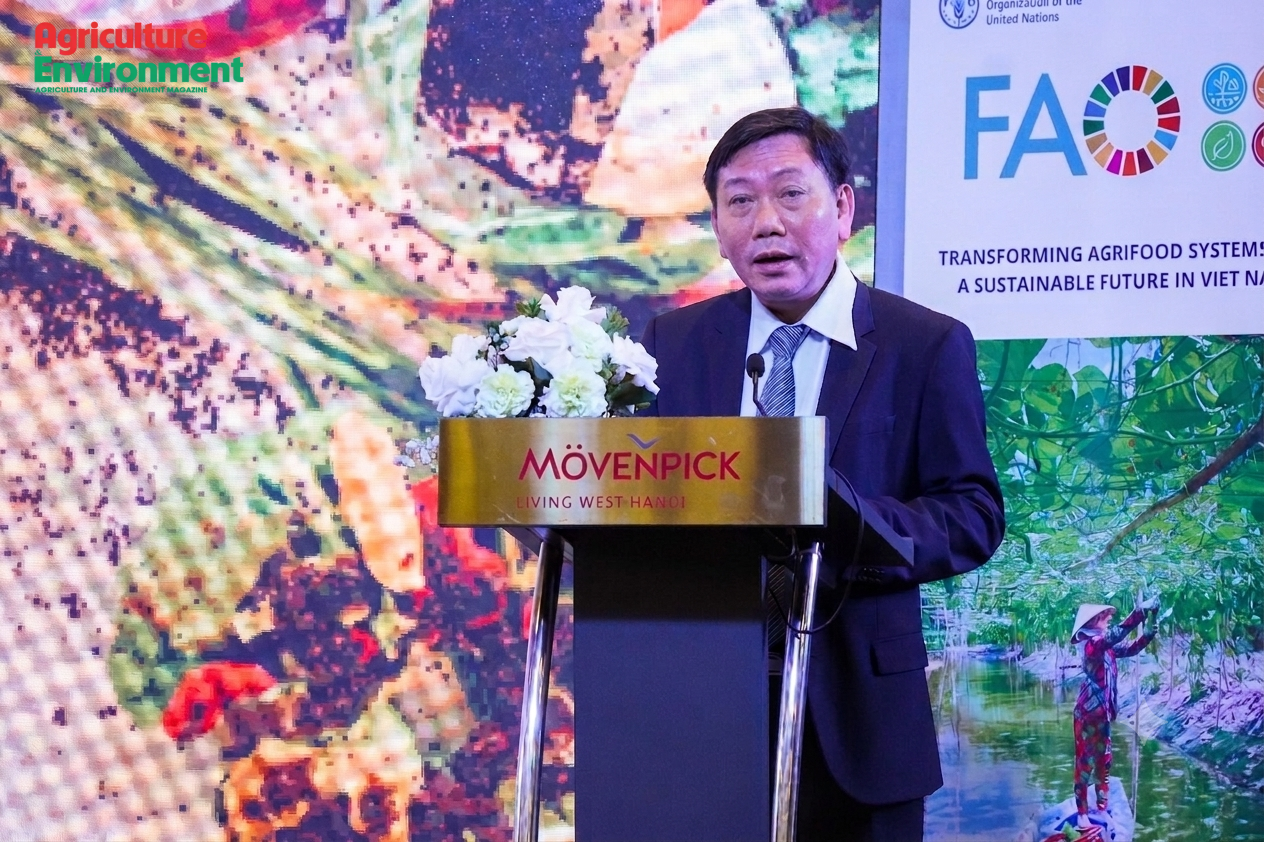
Reducing food loss and waste is not only about preventing food from being discarded. It also requires retaining and circulating value throughout the food system, from production and processing to distribution and consumption.