



 An international conference held in Hanoi on Oct. 8, 2026, called for closer alignment between agricultural policy, technology and innovation and the practical needs of production. Deputy Minister of Agriculture and Environment Nguyen Quoc Tri said Vietnam needs to accelerate its shift toward knowledge-driven growth, higher-quality output and greater value creation, with scientific research judged by measurable improvements in production and farmers’ incomes.
Resource-intensive agricultural growth is nearing its limits
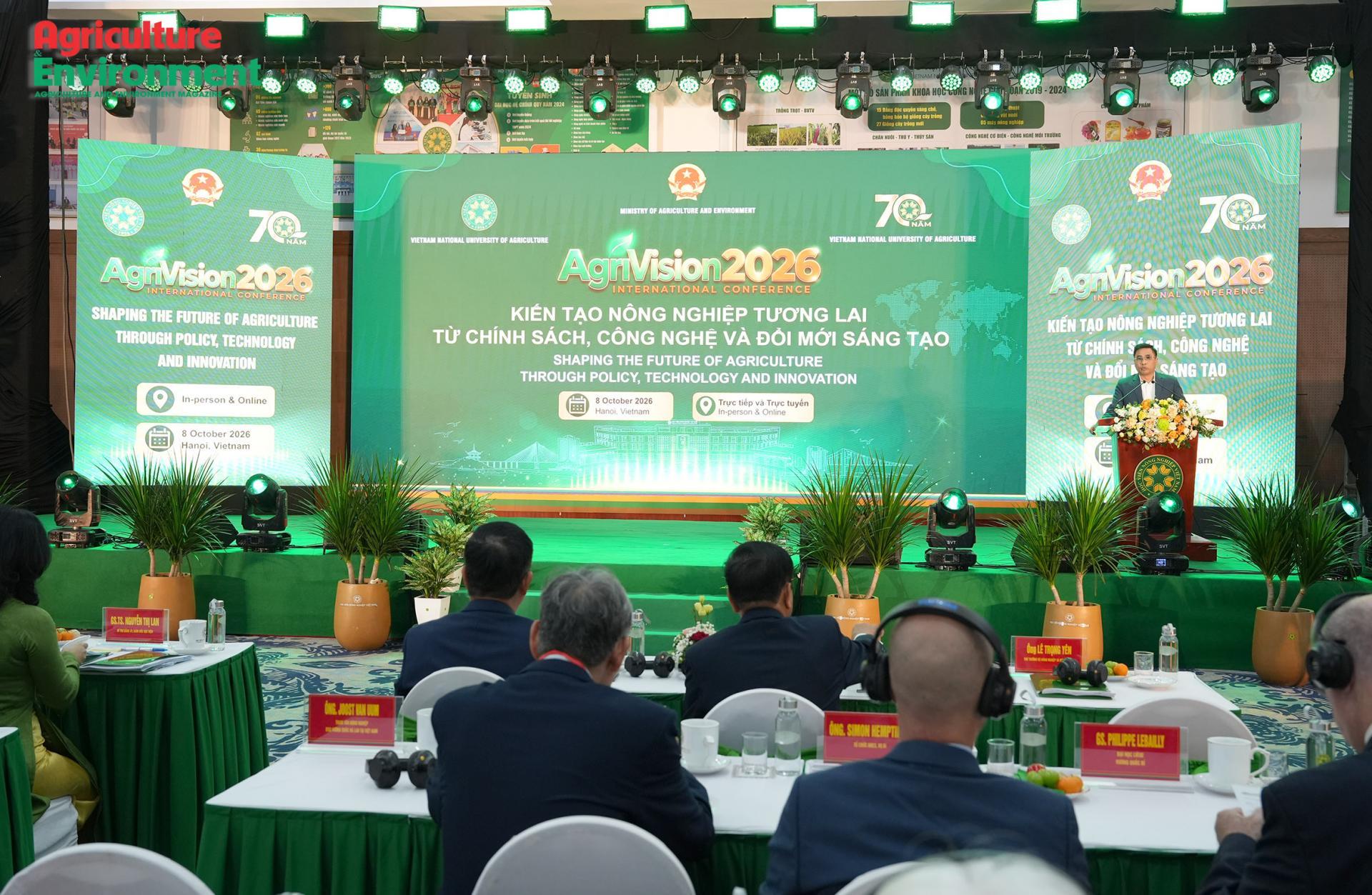
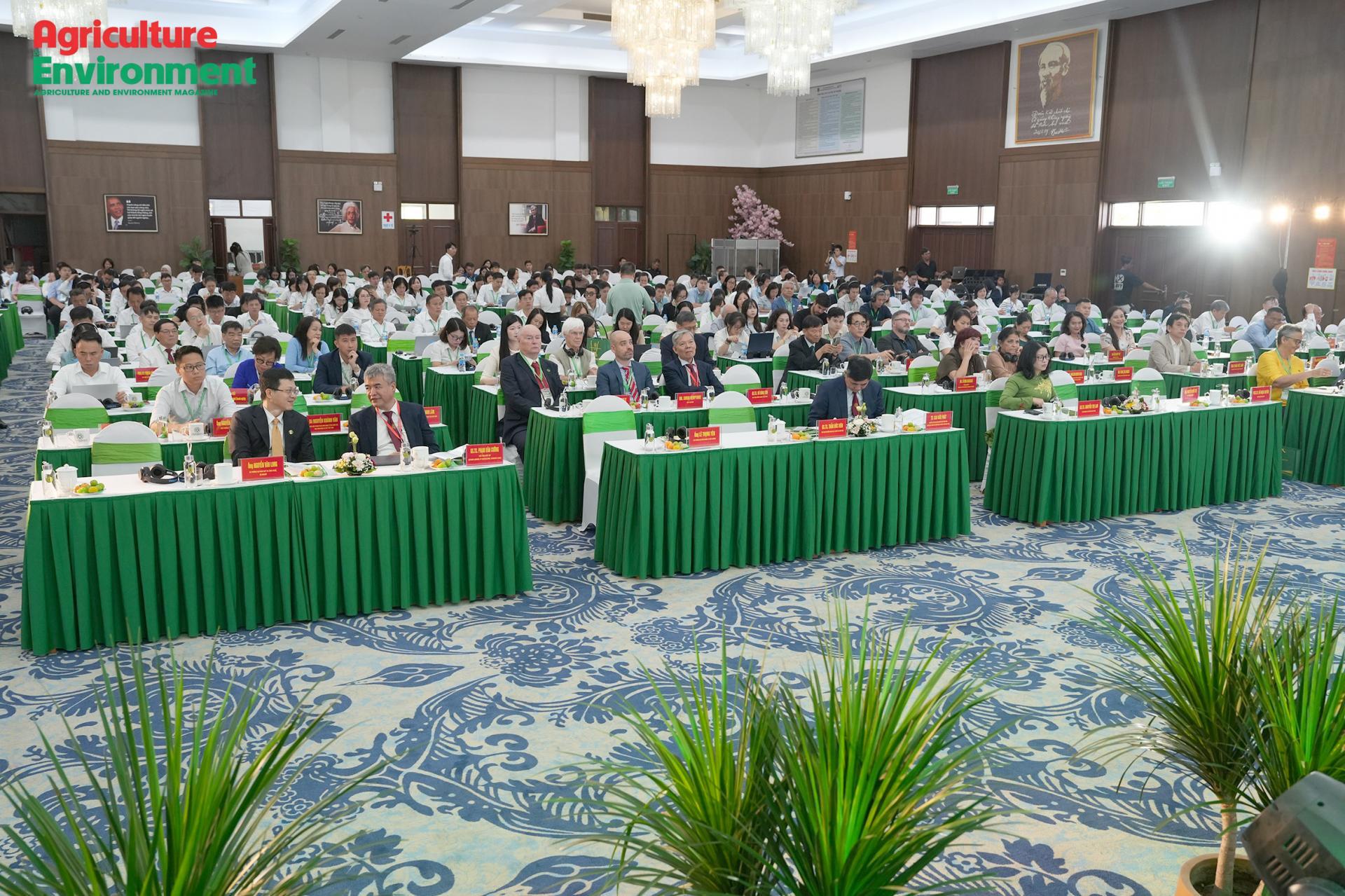
The Vietnam National University of Agriculture (VNUA) organized the international conference AgriVision 2026 under the theme “Building the future of agriculture through policy, technology and innovation” as part of activities marking the university’s 70th anniversary (1956–2026). The conference brought together policymakers, scientists, experts, businesses, educational institutions, research institutes and international partners to discuss pathways toward greener, smarter and more sustainable agriculture that is better able to adapt to climate change.
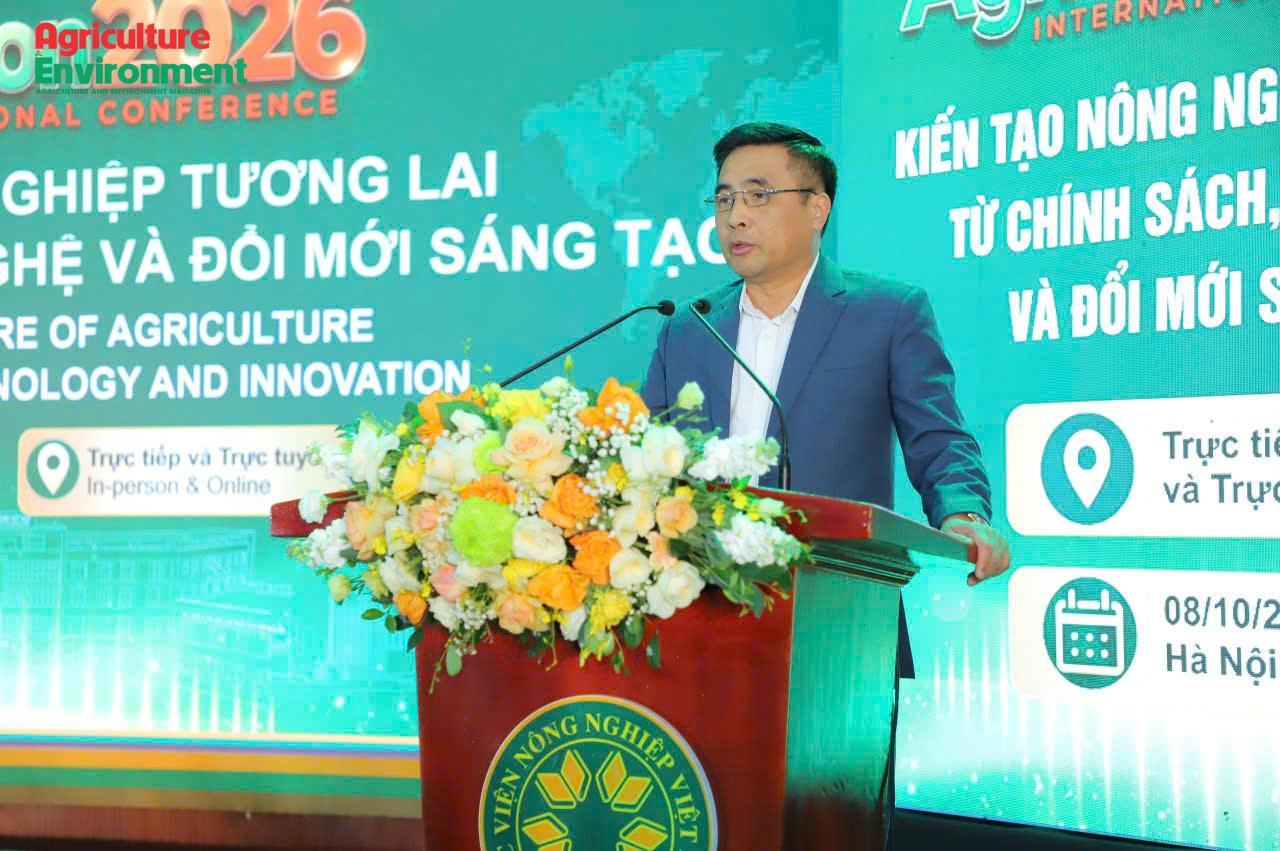
In his address, Deputy Minister Nguyen Quoc Tri praised the choice of a theme that addressed pressing challenges facing the sector. He noted that Vietnamese agriculture had made significant progress in ensuring food security, developing commercial production, improving productivity and product quality, and expanding export markets. These achievements, however, also underscored the need to reform the growth model further to improve efficiency and competitiveness.
A growth model relying heavily on land, labor, agricultural inputs and expanding output is approaching its limits. Climate change, natural disasters, disease outbreaks and resource depletion, together with increasingly stringent requirements for food safety, traceability, emissions reduction and international competitiveness, are placing greater demands on the sector.
“Agriculture cannot grow by producing more alone; it must become more efficient and generate greater value,” Nguyen Quoc Tri said.
This calls for greater economic value from each unit of land and other production resources. Each hectare should generate more value; water, fertilizers and pesticides should be used more efficiently; and farmers should earn higher incomes from the land they cultivate.
The shift requires moving away from an emphasis on expanding output toward raising productivity through knowledge, improving quality through technology, reducing costs through innovation and increasing value through better market access. Science and technology must therefore become substantive drivers of agricultural restructuring, rather than simply supporting production.
Research must respond to production and market needs
Deputy Minister Nguyen Quoc Tri identified the gap between research findings and their practical application as a major challenge. Some valuable scientific results have yet to find a viable route into production, while businesses and farmers with clearly defined needs still lack access to technological solutions suited to their circumstances.
He called for a change in how scientific research is organized. Rather than relying primarily on existing research capabilities, research priorities should be determined more directly by the needs of businesses, localities and producers. Major challenges facing the sector should also be addressed through large-scale, interdisciplinary research programs involving businesses from the outset and incorporating testing, refinement, commercialization and wider adoption.
The value of a technology should be assessed not only by its novelty or the number of published studies, but also by the problems it solves, who can use it, how effective it is and whether it can be scaled up. Research delivers practical value when it helps reduce costs, raise productivity, improve product quality, limit risks or better meet market requirements.
Achieving this requires clear responsibilities and closer coordination among stakeholders. The government needs to establish an enabling framework for technology testing and transfer. Scientists should focus on solving practical problems, while businesses should invest in technologies, organize production and bring products to market. Farmers should participate in identifying needs, testing solutions and evaluating results, rather than merely receiving technologies after research has been completed.
The Deputy Minister called on conference participants to identify the technologies Viet Nam should prioritize for investment and domestic development over the next five to 10 years. He also urged them to examine institutional and policy barriers that slow research, testing, technology transfer and commercialization, and to explore ways to establish major interdisciplinary research programs involving businesses from the outset to address specific regional or national challenges.
Another priority is to ensure that Vietnamese agricultural science keeps pace with advances worldwide while strengthening domestic capabilities and making greater contributions to the international scientific community.
Deputy Minister Nguyen Quoc Tri said the goals of Resolution No 57-NQ/TW on breakthroughs in science and technology, innovation and digital transformation must be translated into measurable products and outcomes. He expected the conference discussions to yield concrete proposals on institutional frameworks, priority technologies, research programs and cooperation models, with clear responsibilities and expected results.
Technology must deliver value while protecting the environment
Alongside efforts to raise productivity and value, agricultural development must generate economic benefits while protecting natural resources, the environment and rural livelihoods.
Biotechnology, big data, artificial intelligence, automation, remote sensing and digital platforms offer opportunities to transform agricultural production. These technologies can help producers move beyond heavy reliance on experience toward data-driven decisions, strengthen forecasting and risk management, and develop more transparent and efficient value chains.
However, technology can deliver meaningful benefits only when it suits production conditions, is affordable, meets safety requirements and is accessible to users. Even technically advanced solutions may be difficult to scale up if they are too costly, complicated to operate or have yet to demonstrate their effectiveness in practice.
From the perspective of education and research, Professor Nguyen Thi Lan, president of VNUA, said agriculture must simultaneously meet several demands: ensuring food and nutrition security, raising producers’ incomes, adapting to climate change, protecting natural resources and safeguarding public health.
A solution that increases productivity but causes long-term damage to soil, water or human health cannot be considered sustainable, she said. Economic performance must therefore be assessed alongside social impacts and environmental consequences when selecting development pathways and technologies.
This principle is also central to green and organic agriculture. Decisions on technology, agricultural inputs and production methods must account for their effects on ecosystems, product quality and the long-term sustainability of farmers’ livelihoods. Benefits for productivity, quality and the environment must be demonstrated through practical evidence and assessed against applicable principles and standards, rather than assumed on the basis of technological promise alone.
Professor Nguyen Thi Lan also noted that significant obstacles remain between a promising research finding and a solution that can be widely adopted. These include cost, safety, users’ capacity to operate the technology and access to markets. The key questions are not simply whether a technology is technically superior, but who can use it, at what cost and with what benefits.
These challenges show that technological innovation must be supported by appropriate policies, implementation capacity and comprehensive evaluation. In agriculture, success cannot be measured solely by additional output. Resource-use efficiency, resilience to climate change and long-term benefits for producers must also be taken into account.
VNUA can strengthen the link between research and production
Presentations at AgriVision 2026 offered international perspectives on research priorities relevant to the future of agriculture. Professor Rattan Lal of The Ohio State University in the United States discussed soil health and carbon sequestration. Professor Jishu Shi of Kansas State University in the United States focused on research collaboration on vaccines for African swine fever. Professor Shenggen Fan of China Agricultural University discussed policies for agrifood systems transformation and China's experience, while Professor Jangho Kim of Chonnam National University in South Korea addressed nanotechnology in agriculture.
These topics reflected the increasingly interdisciplinary nature of agricultural research, spanning natural resource management, biotechnology, disease control and agrifood systems. The conference also held thematic sessions on sustainable crop production and climate change adaptation; climate-smart livestock production and aquaculture, including the One Health approach; and improving research quality, internationalization and academic publishing at VNUA.
Professor Tran Duc Vien, VNUA’s former president and current chairman of the university’s Council for Science and Education, proposed a cooperation model involving the government, universities and research institutes, businesses, farmers and communities. Under this model, farmers would actively contribute data, participate in testing and adopt research findings, while taking a more proactive role in their production and business activities.
Farmers need support in accessing knowledge, market information and traceability skills. Educational institutions, meanwhile, should develop systems thinking, critical thinking and the capacity for continuous learning. International experience must be adapted to Vietnam’s circumstances, and each research task should have clearly assigned responsibilities, adequate resources and measurable evaluation indicators.
Deputy Miniter Nguyen Quoc Tri called on VNUA to further strengthen its role as a major center for agricultural education and research. The university should focus on addressing key challenges involving varieties, technology, land, processing, markets, digital transformation and high-quality human resources. In particular, it needs to build stronger links between scientists and businesses, and between research and production, bringing knowledge from lecture halls and laboratories to fields, farms, factories and markets.
Professor Nguyen Thi Lan said VNUA hoped to work with partners to establish interdisciplinary research groups and pilot models tailored to production needs. Farmers’ practical experience should be recognized as an important source of information, helping scientists identify the right problems, select appropriate solutions and assess their effectiveness under real-world conditions.
The conference’s value should therefore extend beyond academic exchanges and general recommendations. It should be reflected in research projects put into practice, solutions tested under actual production conditions and tangible benefits for farmers.
The Ministry of Agriculture and Environment will continue to work with VNUA to address institutional barriers and promote research, technology application and transfer. Such support is essential to improving coordination among policymakers, scientists and businesses in addressing the sector’s development challenges.
After 70 years of development, VNUA faces the task of strengthening its research and training capacity while making more direct contributions to agricultural practice. The central message of AgriVision 2026 was that the future of agriculture will depend not only on generating knowledge and developing new technologies, but also on translating scientific advances into higher productivity, better quality, greater agricultural value and improved farmers’ incomes while protecting natural resources and the environment.
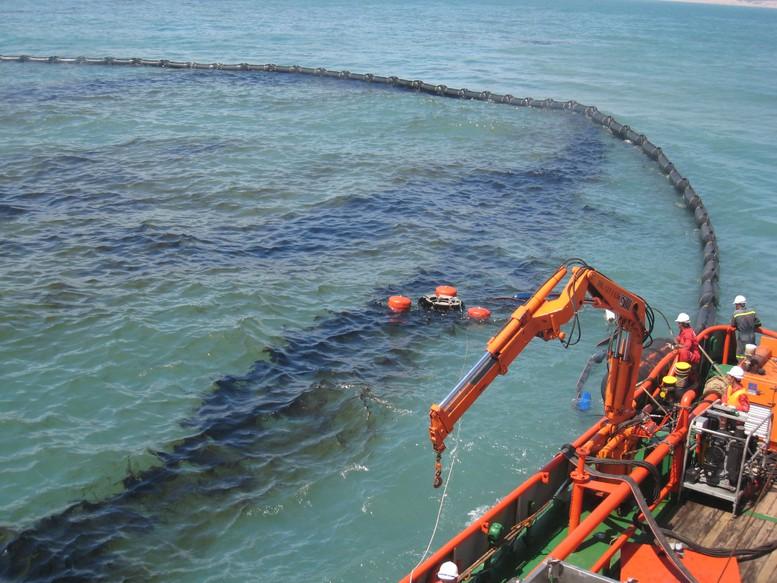
Two days of technical discussions at Far Eastern Federal University in Russia highlighted the need to translate technologies and response plans into operational capability. The Viet Nam Environmental Incident Response Center (SOS) shared its experience in using a WebGIS digital mapping platform to link resource locations with equipment status and management responsibilities, helping maintain readiness through routine operations.
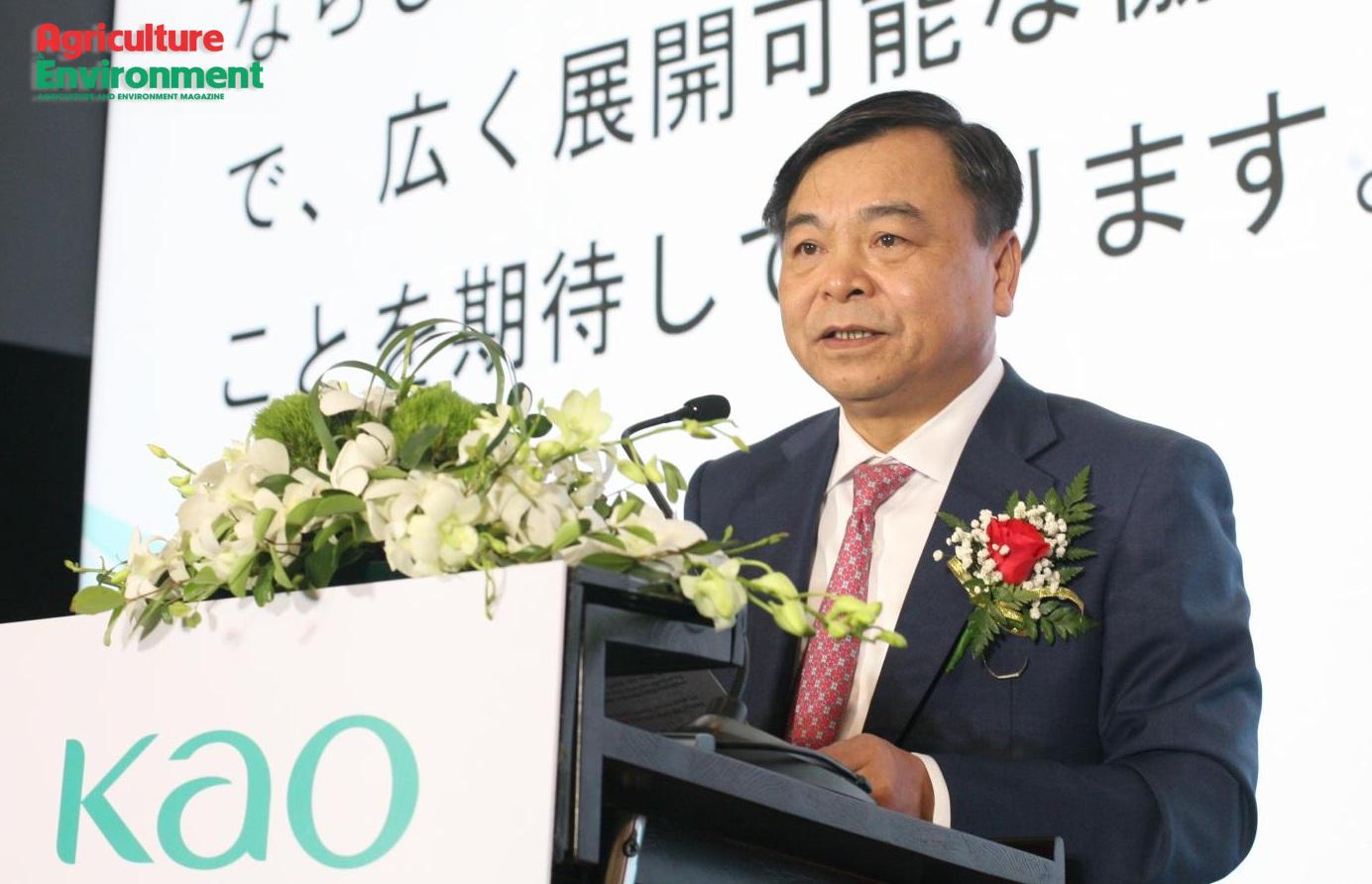
Deputy Minister of Agriculture and Environment Nguyen Hoang Hiep has urged businesses to focus on science and technology, green production, innovation to increase the value of agricultural products, and stronger linkages and public-private partnerships. Solutions should improve resource efficiency, reduce the impacts of chemicals and reflect actual production conditions. He made the remarks at a ceremony in Hanoi on October 6, 2026, where Kao Viet Nam announced initiatives to support sustainable agriculture as it marked 30 years of operations in the country.
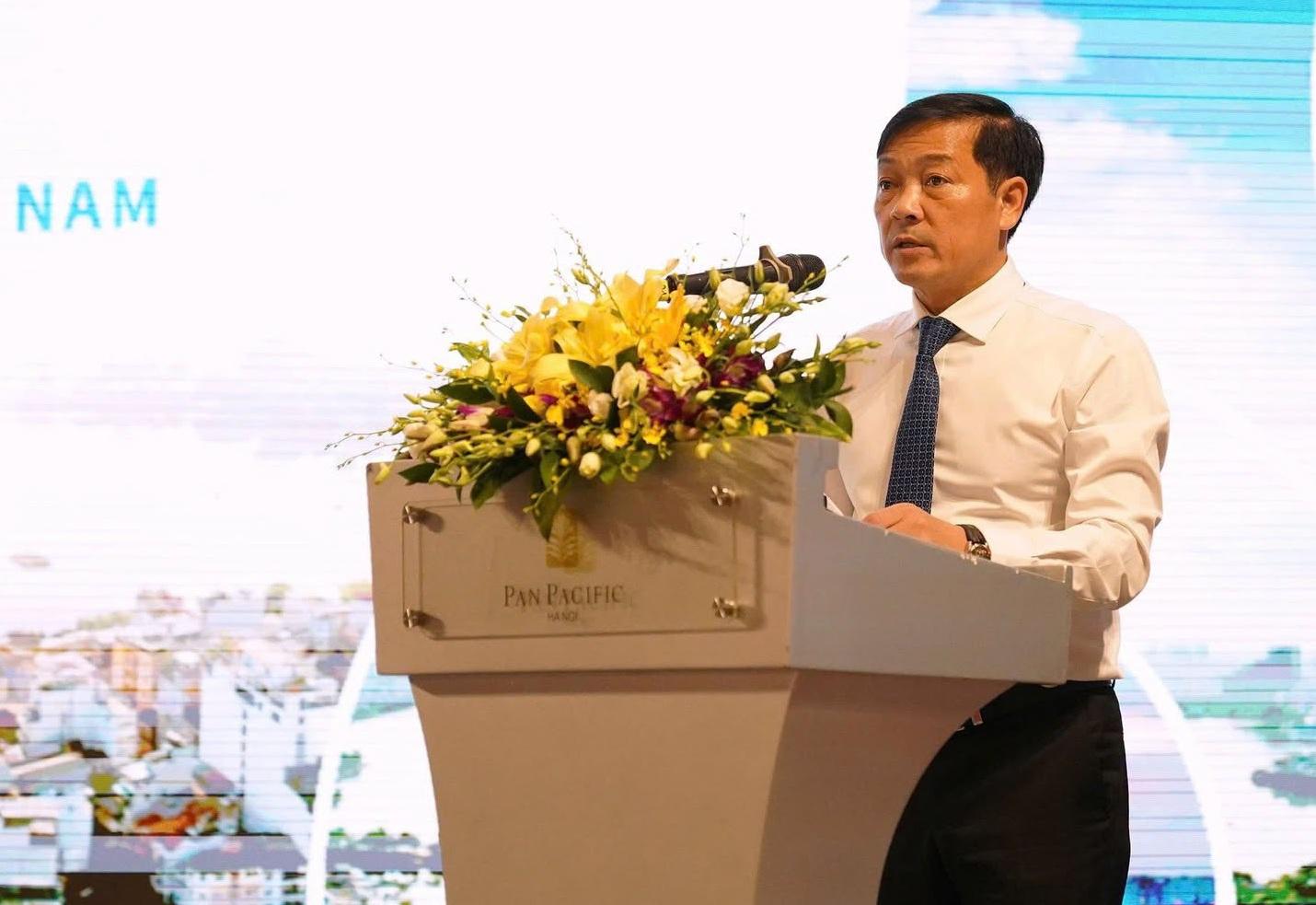
Air pollution in Viet Nam, particularly in major cities, is underscoring the need to move from addressing individual emission sources to target-based air quality management supported by data and inter-sectoral and inter-regional coordination. This was a key focus of the national conference “Combatting air pollution and improving air quality in Viet Nam: Turning policy to action,” held in Ha Noi on September 29.
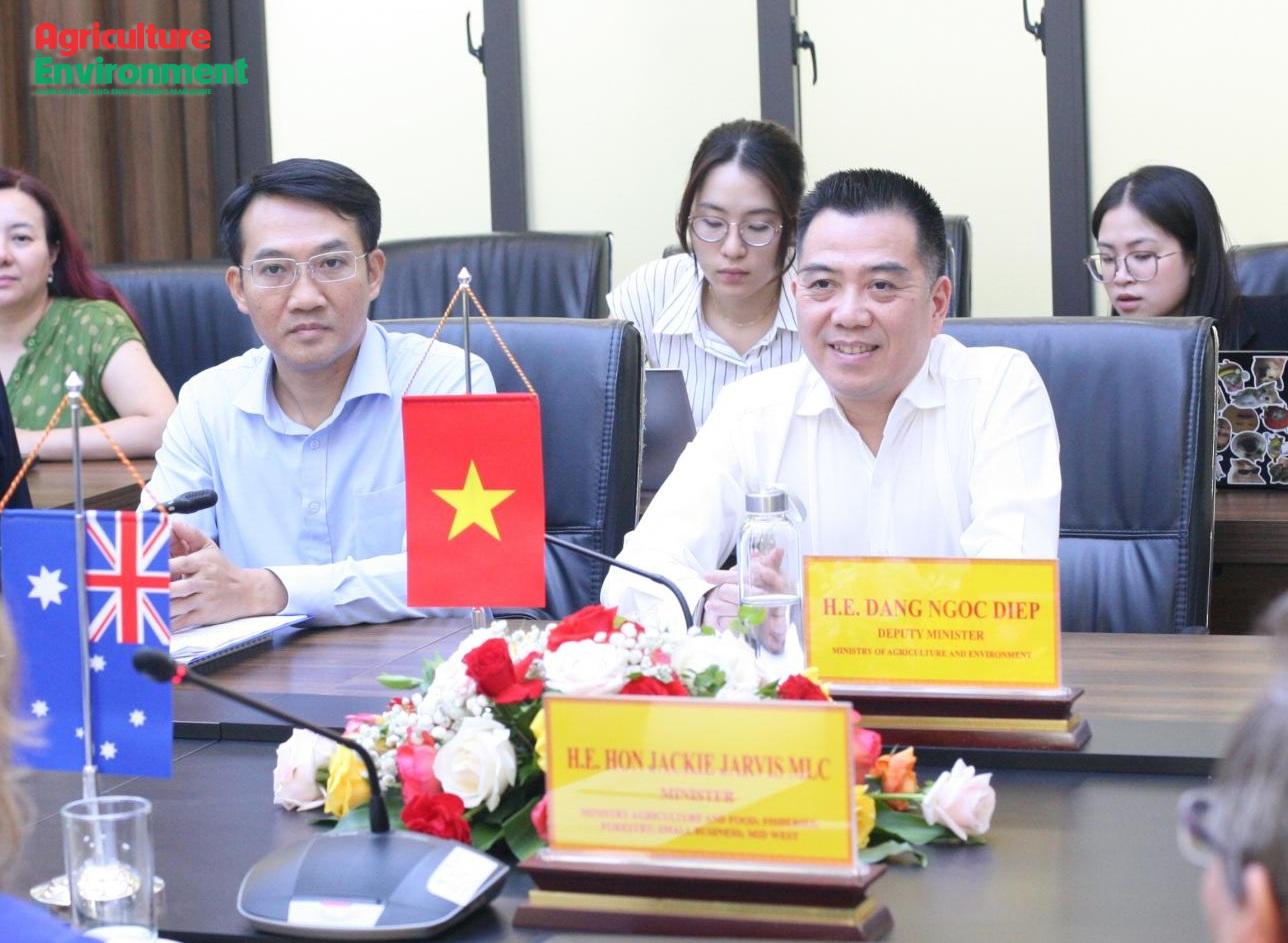
The September 24 meeting between Deputy Minister of Agriculture and Environment Dang Ngoc Diep and Hon Jackie Jarvis MLC, Western Australia’s Minister for Agriculture and Food; Fisheries; Forestry; Small Business; and the Mid West, highlighted scope for expanding Viet Nam-Australia cooperation beyond trade in agricultural, forestry and fishery products to science and technology, climate change adaptation, biosecurity and the marine economy. The two sides also discussed strengthening business links, addressing technical issues and turning areas of potential into concrete cooperation programs.
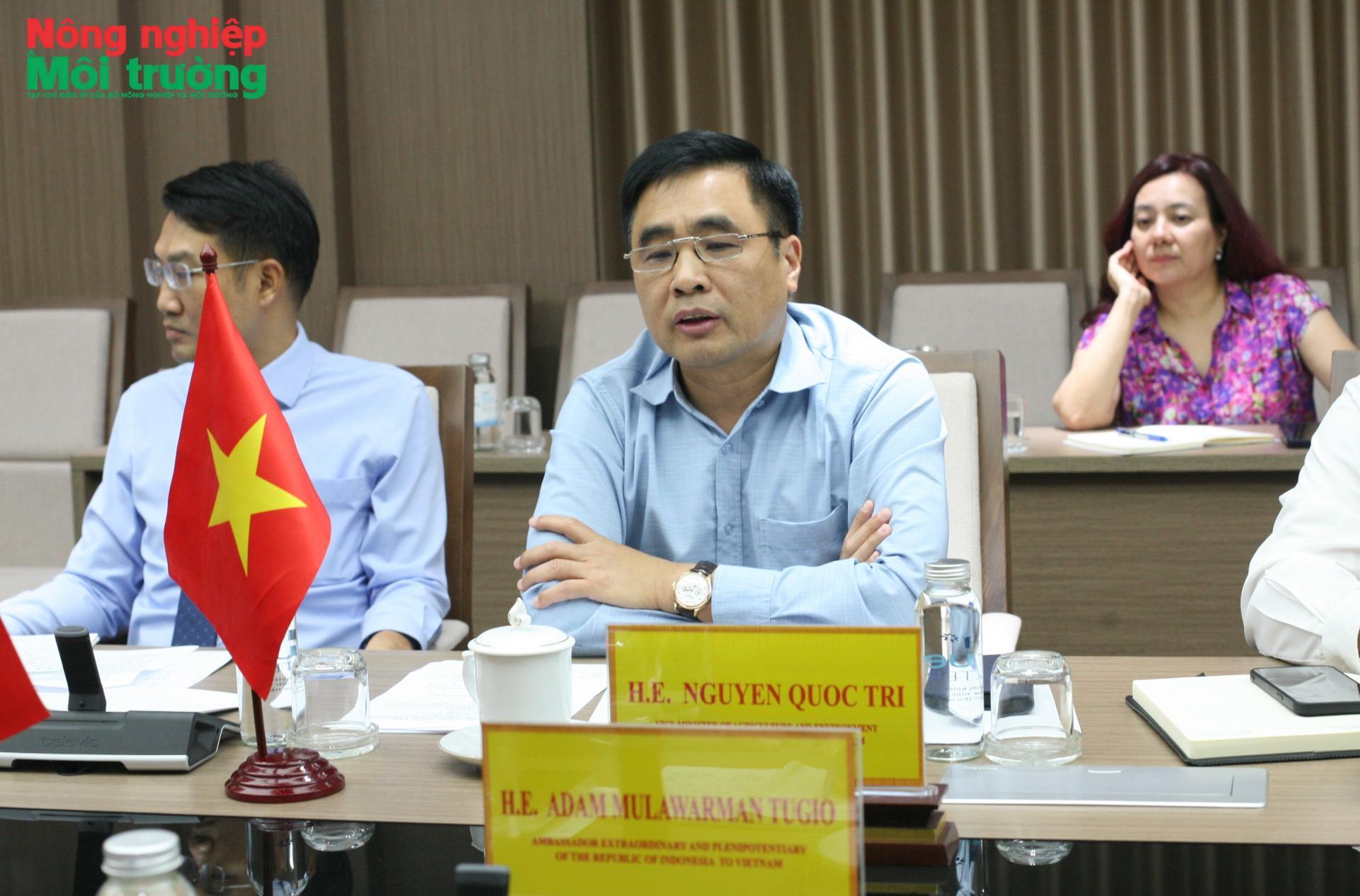
A meeting between Deputy Minister of Agriculture and Environment Nguyen Quoc Tri and Indonesian Ambassador to Viet Nam Adam Mulawarman Tugio on September 22 highlighted the specific market issues shaping agricultural cooperation between the two countries. From Halal products and fisheries to livestock and veterinary vaccines, expanding bilateral trade is closely tied to standards, quarantine requirements, technical dossiers and business connections.