



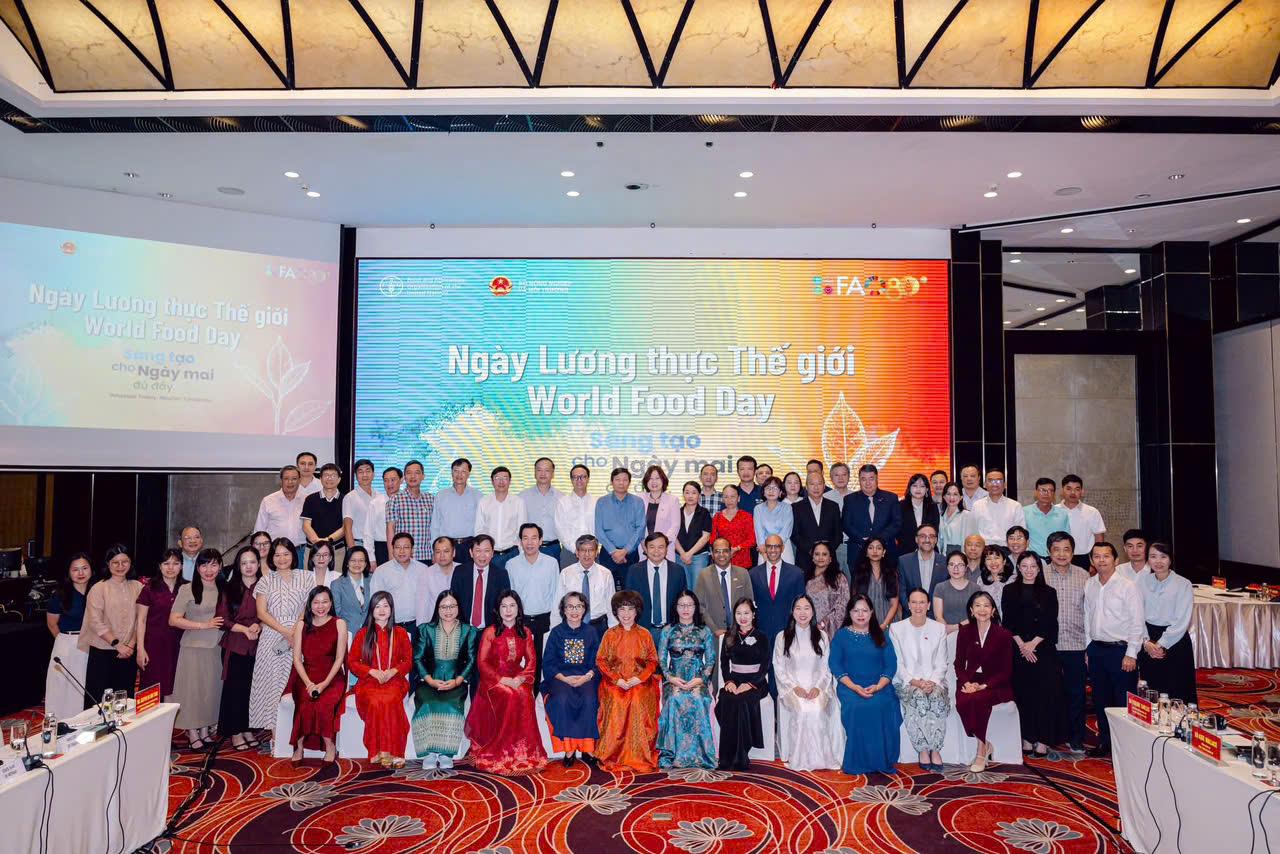
 At a conference held on October 15 to mark World Food Day 2026 and strengthen cooperation on the implementation of Viet Nam’s “One million hectares of high-quality, low-emission rice scheme in the Mekong Delta”, the Ministry of Agriculture and Environment, the Food and Agriculture Organization of the United Nations (FAO) and development partners reviewed implementation progress, plans for expansion and resource needs for the next phase. Initial results indicate potential gains in production efficiency, lower input use and reduced emissions. However, scaling up the model will require closer coordination on infrastructure, production organization, market linkages and green finance.
Changing production practices and measuring early gains
Held under the theme “Innovate today - Nourish tomorrow.” for World Food Day 2026, the conference focused on how innovation can drive practical changes in agrifood systems. The message emphasized that innovation must go beyond developing new technologies and solutions. It must also be applied in practice, scaled up and translated into tangible benefits for producers, the environment and markets.
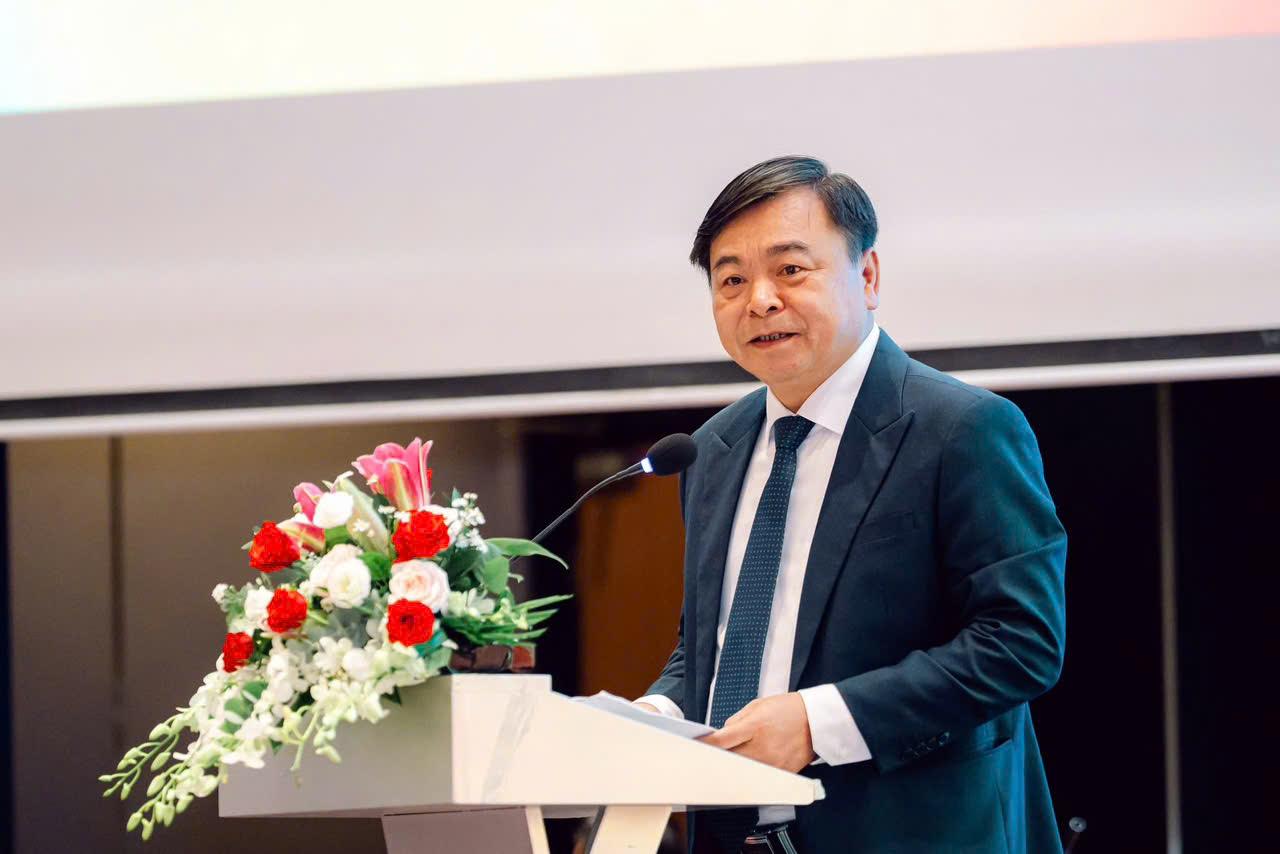
In his opening remarks, Deputy Minister of Agriculture and Environment Nguyen Hoang Hiep stressed that food security cannot rely solely on increasing production volumes. Production systems must generate greater value, use natural resources more efficiently, reduce environmental impacts and ensure sustainable livelihoods. For Vietnam’s rice sector, this means shifting the focus from production volume to quality, efficiency, reputation and long-term competitiveness.
According to Deputy Minister Nguyen Hoang Hiep, the significance of the Scheme for the sustainable development of one million hectares of high-quality, low-emission rice linked to green growth in the Mekong Delta by 2030 lies not only in the area covered but also in changes to farming practices and the organization of the rice value chain. Sustainable production protocols must go hand in hand with lower input use, more efficient resource management, stronger roles for cooperatives and farmers, closer business partnerships, value chain development and resource mobilization for the green transition. Progress, therefore, should be assessed not only by the area participating in the scheme but also by rice quality, economic performance, farmers’ incomes and verifiable emissions reductions.
Sharing this perspective, Vinod Ahuja, FAO Representative in Viet Nam, highlighted the importance of rice to agrifood systems and the need to improve production quality under current conditions. Producing high-quality, low-emission rice requires technological innovation, reduced use of fertilizers, pesticides and other agricultural inputs, stronger cooperative capacity and better coordination among stakeholders throughout the value chain.
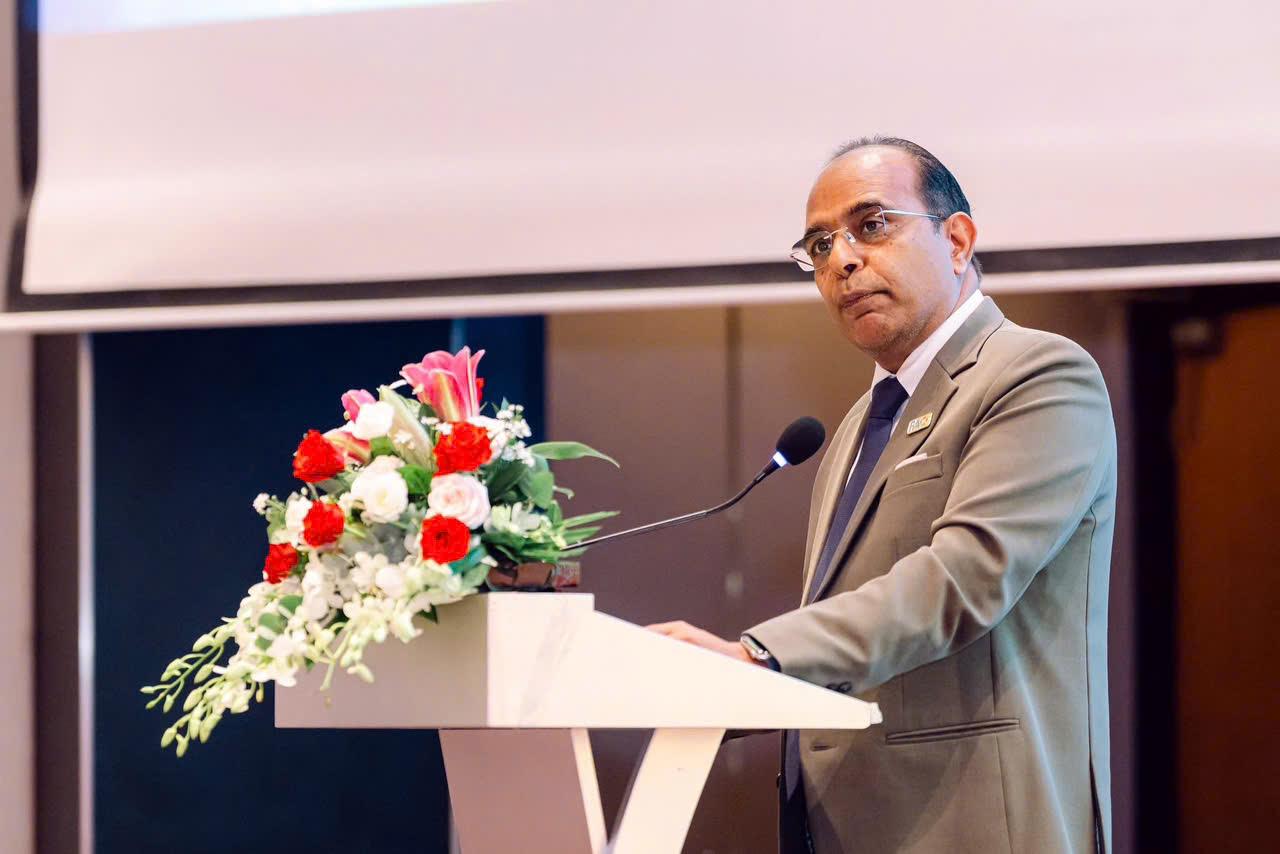
FAO reaffirmed its commitment to working with the Vietnamese Government and farmers to implement the scheme, facilitate knowledge and technical exchanges, and mobilize additional resources. At the conference, the organization also planned to share cooperative-based models for high-quality, low-emission rice production supported by the StarFarm project, helping connect practical experience with efforts to expand such models across the Mekong Delta.
Results presented at the conference indicated that adoption of the production protocol was expanding. By August 2026, nearly 420,000 hectares had adopted part or all of the high-quality, low-emission rice production protocol, equivalent to about 89.8% of the area target set for 2026. Of this area, approximately 67,000 hectares had implemented the full protocol, including requirements to reduce seed use and fertilizer application, manage water levels and measure emissions.
According to Nguyen Thi Thu Huong, Deputy Director General of the Department of Crop Production and Plant Protection, an analysis of participating models found that rice seeding rates had fallen by 30%–50%, chemical fertilizer use by 20%–30%, and pesticide applications by two to three per crop season. Meanwhile, yields had been maintained or increased by 5%–12% compared with conventional farming practices. Additional profits ranged from VND 1.5 million to VND 9.3 million per hectare per crop season, depending on production conditions and the individual model. Average greenhouse gas emissions reductions were reported at approximately 3–4 metric tons of carbon dioxide equivalent (CO₂e) per hectare per crop season.
These initial findings suggest that changes in farming practices can reduce input costs, maintain yields and improve economic performance at the same time. However, the figures reflect results from participating models and should not be interpreted as outcomes achieved uniformly across the entire area covered by the scheme.
Alongside technical changes, production organization and market connections have also begun to improve. The number of reported linkage models rose from seven, covering 302 hectares in 2024, to more than 376 by the summer–autumn 2026 crop season. Centralized production areas have begun to take shape, while links between cooperatives and businesses supplying agricultural inputs or purchasing rice have gradually expanded.
The “Viet Nam green low-emission rice” label has also been introduced, helping connect production with markets that have more stringent requirements. According to the conference report, initial shipments marketed under the label have reached markets including Japan, Australia, Singapore and Malaysia. This marks an early step toward translating changes in production practices into greater commercial value for high-quality, low-emission rice.
Expansion depends on infrastructure and local readiness
Plans to expand the scheme were among the issues raised by Ministry of Agriculture and Environment leaders at the conference. Deputy Minister Nguyen Hoang Hiep said a proposed adjustment was under consideration to expand its scope from the current target of one million hectares to approximately 1.65 million hectares of rice in the Mekong Delta, alongside increased investment by the central government and local authorities.
Under this proposed approach, expansion would not simply mean increasing the area under the scheme. It would also require higher production value and better conditions for farmers to implement the full sustainable production protocol. Hiep stressed the need to refine implementation mechanisms, select appropriate technologies, strengthen production and market linkages, and mobilize domestic and international resources more effectively.
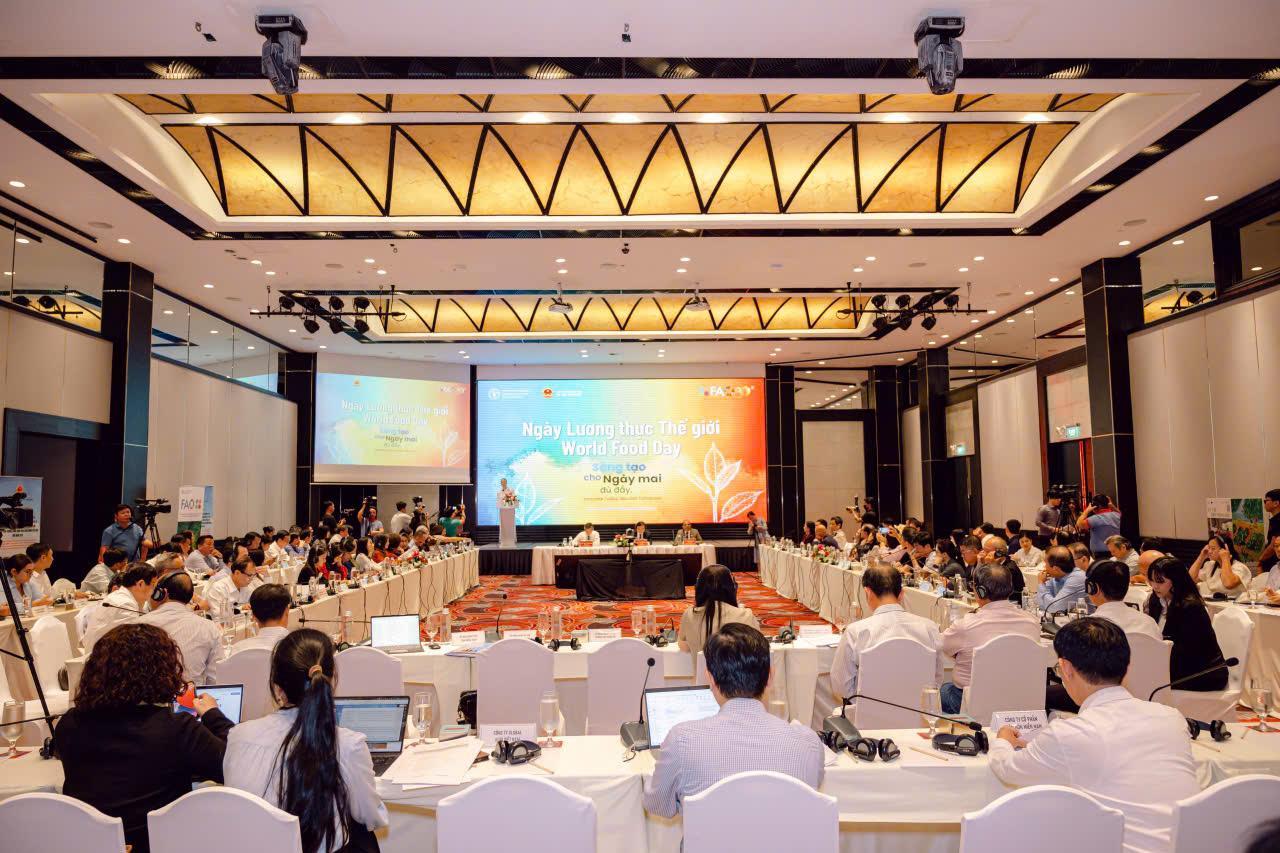
The proposed expansion should be understood as an adjustment under consideration at the time of the conference, rather than a formally approved change in the scheme’s scope. Regardless of the final area, implementation must reflect local production conditions, the ability to meet technical requirements and the capacity of stakeholders to coordinate across the rice value chain.
From an international cooperation perspective, Kate Wallace, Australia’s Consul-General in Ho Chi Minh City, praised Viet Nam’s initiative to develop high-quality, low-emission rice production. She noted that the Mekong Delta is vital to rice production but is also exposed to drought, flooding and sea-level rise. The transition must therefore improve product quality while strengthening the resilience of agricultural production to climate change.
Australia pledged to continue working with the Ministry of Agriculture and Environment, Vietnamese farmers, cooperatives and businesses to develop sustainable value chains, improve market connections and promote climate adaptation models. Wallace also emphasized that no government or organization could achieve sustainable agricultural development goals alone. Progress depends on coordination among government agencies, international organizations, development partners, businesses and producers.
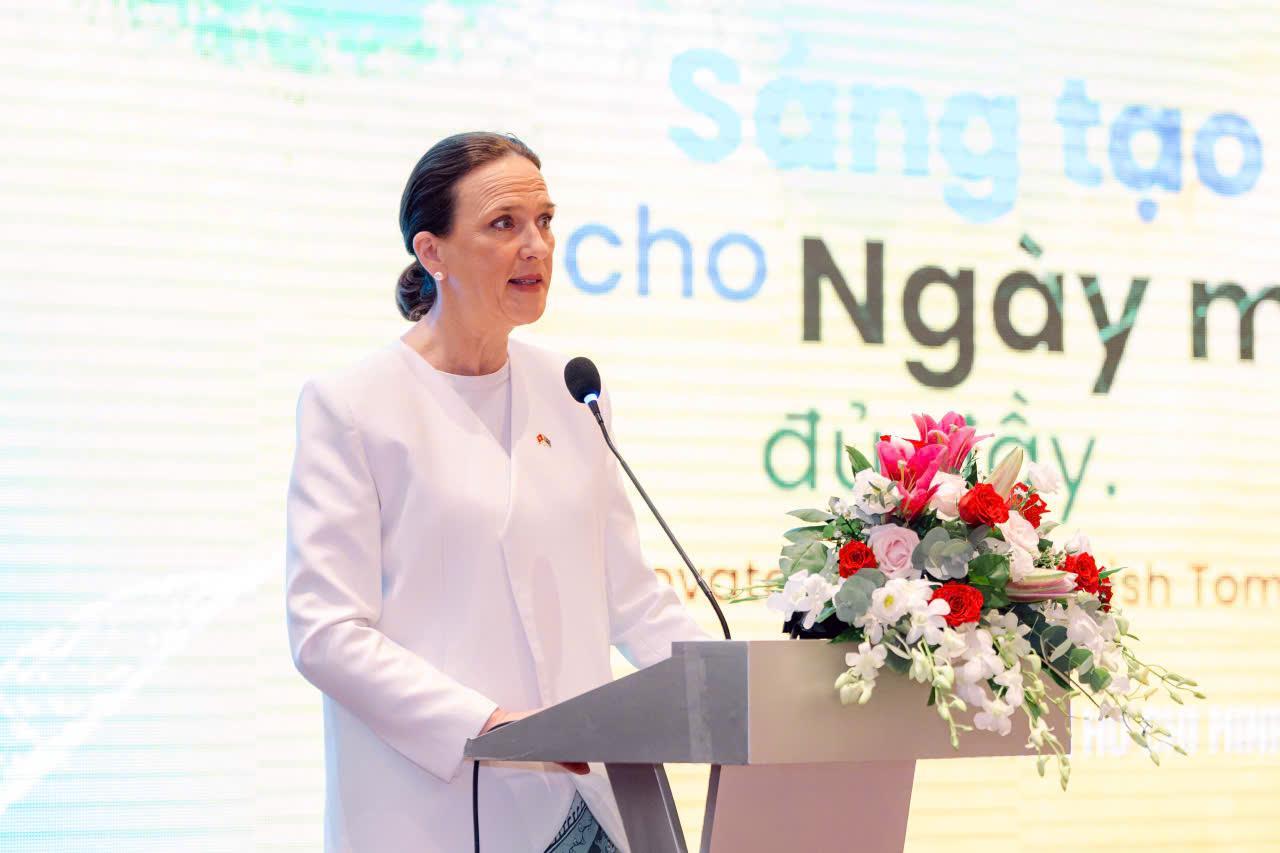
She noted that more than three decades of cooperation between Australia and Viet Nam in agriculture, including programs supported through the Australian Centre for International Agricultural Research (ACIAR), had helped establish a foundation for developing and applying innovative solutions. Support programs in the Mekong Delta have engaged large numbers of farmers, with a focus on higher-value products and stronger links between production and markets.
Turning these commitments into practical outcomes will require infrastructure investment alongside any expansion of the cultivated area. Under the Ministry’s stated direction, the central government and local authorities need to invest proactively in essential production infrastructure. Businesses should invest more in raw-material areas and market development, while research institutes and universities should provide scientifically grounded solutions that fit local conditions and can be scaled up. Development partners should align their support with local plans and specific needs.
This approach also means avoiding expansion before essential conditions for irrigation, production organization and market access are in place. Increasing the area covered by the scheme must go hand in hand with consistent implementation of the production protocol, rather than simply counting participating hectares. This will be crucial to sustaining early gains in input efficiency, farm profitability and emissions reductions as the model expands.
Strengthening cooperatives, markets and emissions verification
Despite initial progress, implementation of the scheme continues to face constraints involving infrastructure, technology, production organization and resource mobilization. These issues need to be addressed together if sustainable cultivation is to expand across the Mekong Delta while maintaining economic and environmental benefits.
According to the technical report presented at the conference, production infrastructure remains uneven, particularly in on-farm irrigation, storage facilities, drying facilities and logistics. Mechanization and the use of technology in seeding, water management, rice straw handling and digital transformation also vary across localities. These gaps make it harder to apply the production protocol consistently, especially when moving from individual pilot models to larger production areas.

Rice straw management illustrates the challenge. In some localities, 50%–70% of rice straw is collected from fields, but this remains below the scheme’s expectations. Collection technologies, processing facilities, reuse systems and support services are not yet sufficiently developed, while markets for straw-derived products remain unstable. The task is therefore not simply to remove straw from fields to reduce emissions, but to establish viable value chains that generate revenue and sustain circular-economy activities after external support ends.
Another bottleneck is the capacity to organize production and maintain links between cooperatives and businesses. Although the number of linkage models has grown rapidly, many remain confined to individual sites or pilot areas and have yet to develop into large production zones capable of sustaining production and stable sales. Some cooperatives also lack management capacity, while new requirements for quality control, input management and compliance with production protocols call for stronger coordination.
Deputy Minister Nguyen Hoang Hiep stressed that implementation in the coming period must involve further improvements to policy mechanisms, stronger production and sales linkages, and better capacity to measure and verify emissions reductions. For cooperatives, the priority is not simply to increase the number of participating organizations, but to improve their performance so that they can organize production, provide services and manage quality across entire production areas.
Under the Ministry’s direction, businesses are also expected to become more involved in organizing production zones, not only purchasing final products but also supplying agricultural inputs and related services. Relationships among farmers, cooperatives and businesses should be formalized through clear contracts that define the responsibilities and rights of each party. Rice farmers should receive a share of the value that reflects their implementation of the production protocol. This is essential to encourage them to maintain sustainable practices rather than participate only while project support is available.
On financing, a credit program supporting production, processing and marketing linkages has been launched, but access to green finance and international funding remains uneven across participating areas. The conference report said more than VND 4 trillion had been disbursed under the related credit program to farmers, cooperatives and businesses involved in the scheme. However, funding needs to be better aligned with actual investment requirements, from production infrastructure to processing, storage and market development.
The ability to measure and recognize emissions reductions also requires further work. The Ministry of Agriculture and Environment has issued procedures for measuring, reporting and verification (MRV) of emissions reductions, and initial measurements have been conducted in participating models. However, the underlying data, compatibility with international standards and prospects for mutual recognition need to be strengthened.
According to the directions outlined at the conference, improving the MRV system should go hand in hand with developing a database connected to national data systems, standardizing measurement methods and establishing a basis for considering the development of carbon credits. Reliable measurement and verification could create an additional source of value for the rice value chain. However, issuing and trading carbon credits will depend on data quality, applicable standards, verification mechanisms and arrangements for sharing benefits among participating stakeholders.
Market development presents another challenge. The “Viet Nam green low-emission rice” label has made an initial start, but further work is needed on branding, trade promotion, traceability and certification criteria. Differentiating low-emission rice from conventional products requires more than environmental messaging; it also depends on reliable information systems and market mechanisms that recognize the value of the product.
From the international cooperation perspective, Vinod Ahuja, FAO Representative in Viet Nam, reaffirmed FAO’s willingness to work with the Vietnamese Government on the scheme and related initiatives. He highlighted the importance of technological innovation, cooperative-based models, additional financial resources and technical assistance. This aligns with Vietnam’s objective of shifting international support from individual pilot models toward standardizing and scaling up effective solutions so that results can be sustained after projects end.
Kate Wallace, Australia’s Consul-General in Ho Chi Minh City, also emphasized coordination among government agencies, international organizations, development partners, businesses and farmers. Cooperation should focus on practical results, more resilient value chains and sustainable markets for agricultural products. This would help align international assistance with specific needs, from production management to market access, rather than focusing solely on establishing pilot models.
These challenges show that expanding the scheme involves more than increasing the area using a particular production protocol. It requires coordinated changes in infrastructure, management capacity, value chain organization and systems for verifying environmental outcomes. These issues will need to be priorities during the 2026–2030 implementation period.
Coordinating investment and ensuring benefits for farmers
To address these bottlenecks and expand the scheme effectively, the Ministry of Agriculture and Environment has outlined a division of responsibilities among stakeholders and called for public resources, credit, private investment and international assistance to be aligned with the practical needs of production areas. The priority is not simply to mobilize additional funding, but also to ensure that different sources complement one another, avoid fragmentation and deliver lasting results.
Under the direction outlined by Deputy Minister Nguyen Hoang Hiep, the government should prioritize foundational infrastructure and shared systems, including irrigation, transport, databases, science and technology, and systems for measuring, reporting and verifying emissions reductions. Training, technical extension and technology transfer should also be strengthened, along with efforts to improve cooperative capacity so that localities can implement production protocols suited to their conditions.
Local authorities are expected to review participating areas, prepare specific implementation plans and link production areas with cooperatives, businesses and the necessary infrastructure. Expansion should follow a clear roadmap, prioritizing areas that meet requirements for irrigation, production organization and market access. Local authorities also need to play a stronger role in farmer training, guidance and technology transfer to support full implementation of the production protocol.
Private-sector investment should focus on raw-material areas, processing facilities, drying and storage facilities, logistics, mechanization and traceability. Businesses should move beyond purchasing rice to become more involved in organizing production, supplying inputs and developing markets for high-quality, low-emission rice. Financial institutions are expected to provide credit for production, processing and marketing linkages, while cooperatives should serve as focal points for production organization, service provision and quality management across production areas.
The Ministry has called on international partners to shift their support from individual pilot models toward standardization, scaling up and ensuring that results continue after projects end. Priorities identified at the conference include refining technical packages for different agroecological subregions and crop seasons; training and developing advisory services for cooperatives; building monitoring and evaluation systems and databases based on consistent methods aligned with international standards; supporting infrastructure and mechanization; and developing circular-economy models for rice straw.
In market development, international cooperation could help establish criteria and certification for low-emission rice, strengthen traceability, connect producers with buyers and develop mechanisms that allow markets to recognize the product’s value. In green finance and carbon markets, the priorities include expanding green credit and results-based financing, improving procedures for verifying and managing emissions reductions, and developing appropriate benefit-sharing arrangements for farmers, cooperatives, businesses and local technical staff.
Vinod Ahuja said FAO hoped to continue working with the government, farmers and development partners to mobilize additional financial resources and technical assistance for relevant initiatives. Wallace reaffirmed Australia’s commitment to supporting Vietnam through research, innovation, capacity development and climate-resilient production models. These commitments provide a basis for aligning support programs with the scheme’s priorities, particularly the need to expand implementation and strengthen value chains.
Safeguarding farmers’ interests is a cross-cutting requirement. Adopting low-emission production practices requires farmers to change established methods, comply with technical requirements and work more closely with cooperatives and businesses. Contracts must therefore clearly define standards, responsibilities, market outlets and benefit-sharing arrangements. Reliable verification of emissions reductions is also needed to recognize the contributions of rice growers and other participants in the value chain.
The approach must also account for the Mekong Delta’s varied agroecological conditions. Technical solutions, early-warning systems and production planning should reflect local exposure to drought, salinity, acid sulfate soils and flooding. Sustainable production protocols should therefore be adapted to different agroecological subregions and crop seasons rather than applied uniformly across the entire area.
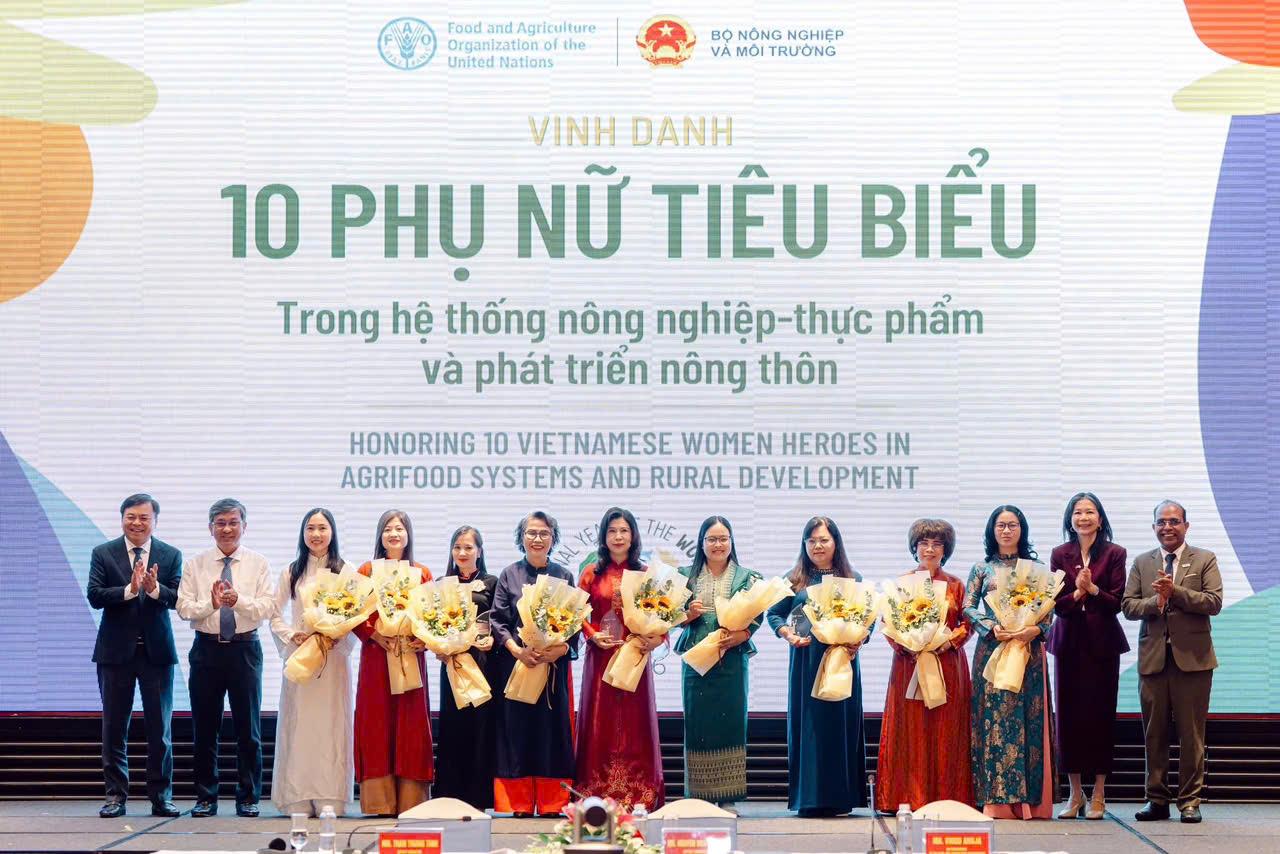
As part of the conference, the Ministry of Agriculture and Environment and FAO honored 10 women for their contributions to agriculture, agrifood systems and rural development. The honorees represented a range of fields, including farming, management, scientific research, agricultural extension, business development and technology applications. The recognition highlighted women’s role in agricultural innovation and the need to improve their access to knowledge, technology, finance and markets.
For the high-quality, low-emission rice scheme, the challenge in 2026–2030 will be to ensure that an expanding cultivation area is matched by consistent implementation, stronger economic performance and verifiable environmental results. As Deputy Minister Nguyen Hoang Hiep emphasized, the future of Viet Nam’s rice sector depends not only on production volumes but also on how production is organized, markets are developed, and responsibility for the environment and farmers’ livelihoods is shared. Coordination among the government, local authorities, businesses, cooperatives, farmers and international partners will be critical to turning initial results into lasting change across the region.
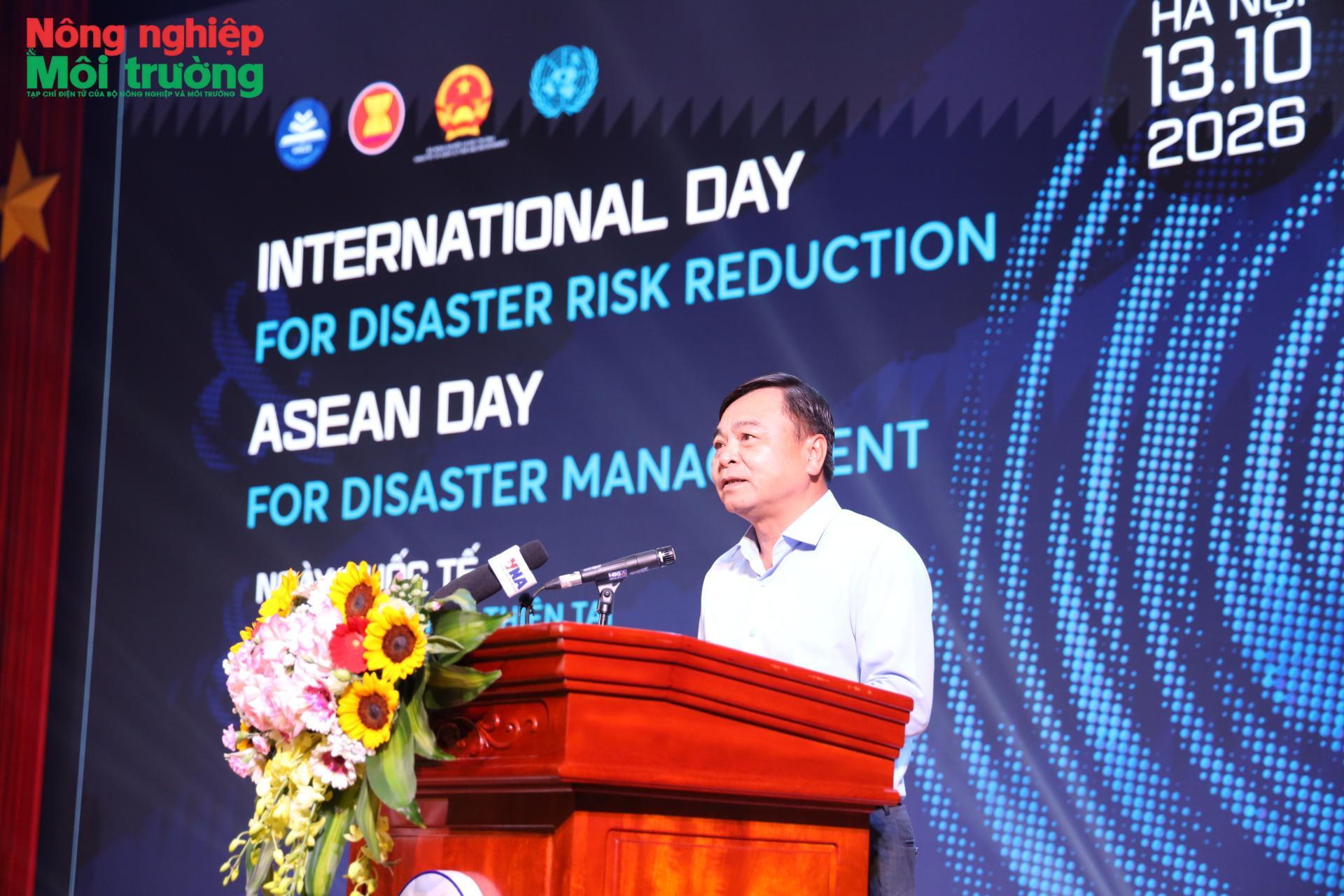
As disaster risks grow more complex, preparedness must extend beyond the response plans of authorities to include households, schools and communities. At a rally held in Hanoi on the afternoon of October 13 to mark the 2026 International Day for Disaster Risk Reduction and ASEAN Day for Disaster Management, the Ministry of Agriculture and Environment and its partners called for a shift toward proactive disaster risk management, underpinned by early warning, public awareness and community participation.
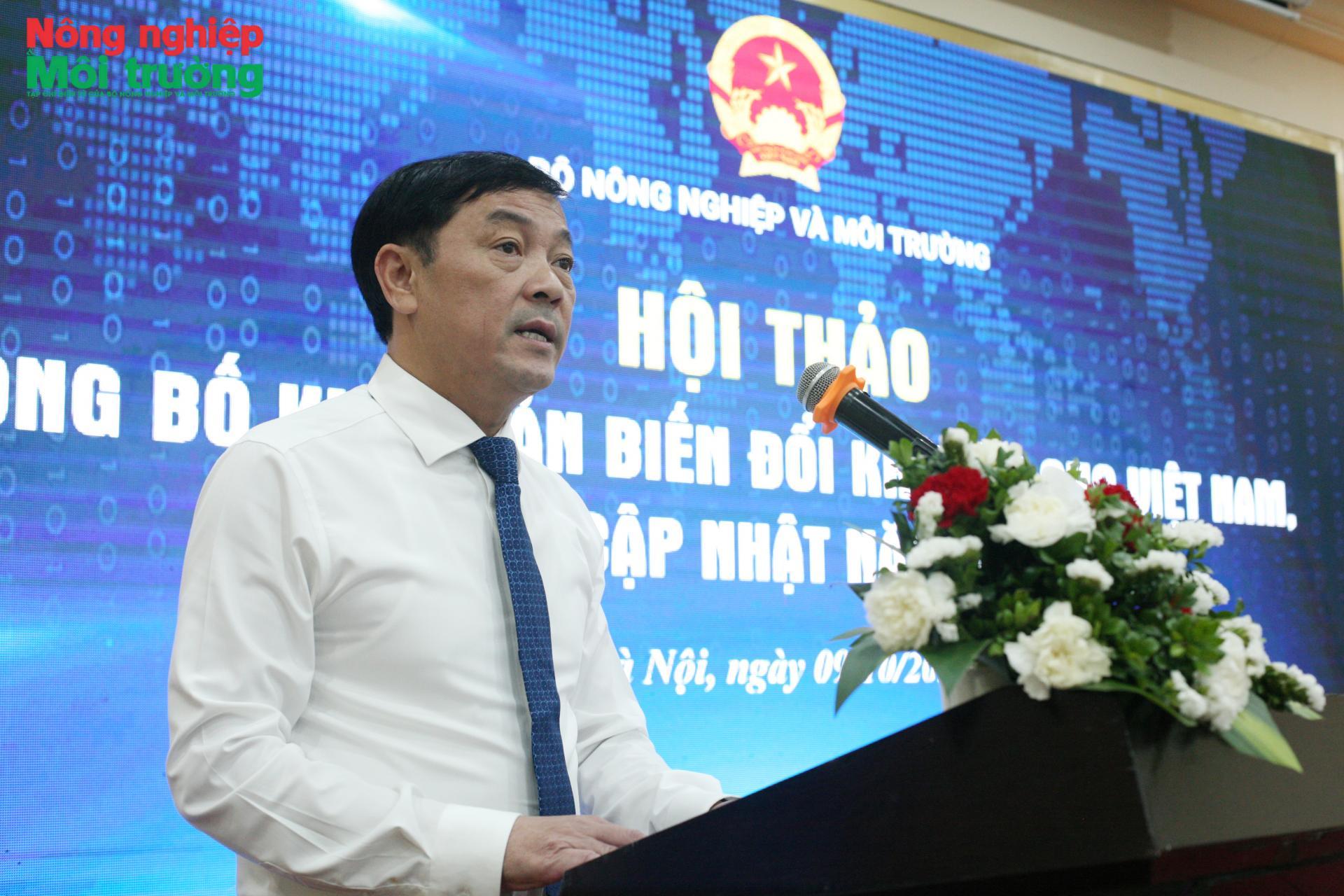
On October 9, 2026, the Ministry of Agriculture and Environment held a conference in Hanoi to announce the 2025 update to Viet Nam’s climate change scenarios. With revised calculation methods, updated data and an expanded scope of risk assessment, the scenarios provide an enhanced scientific basis for policymaking, development planning and adaptation measures. Their value, however, depends not only on how clearly they identify potential future climate trends, but also on how effectively the information is incorporated into decision-making and implementation by ministries, agencies and local authorities.
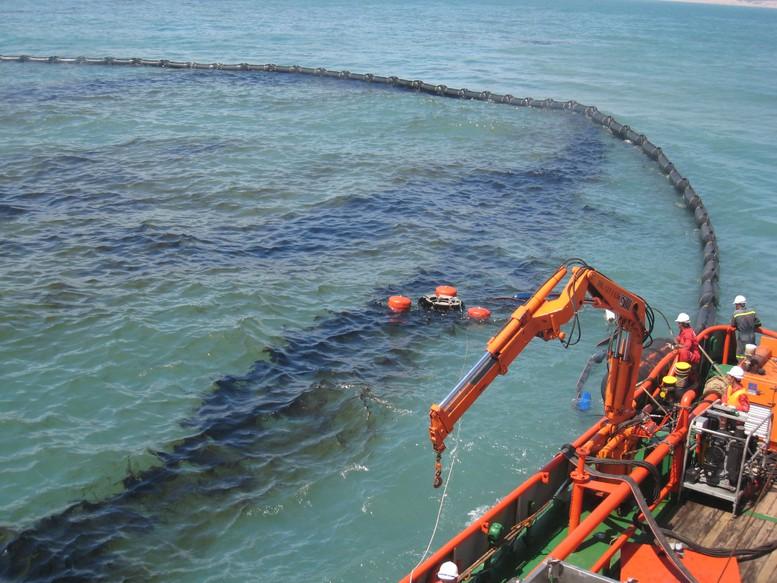
Two days of technical discussions at Far Eastern Federal University in Russia highlighted the need to translate technologies and response plans into operational capability. The Viet Nam Environmental Incident Response Center (SOS) shared its experience in using a WebGIS digital mapping platform to link resource locations with equipment status and management responsibilities, helping maintain readiness through routine operations.
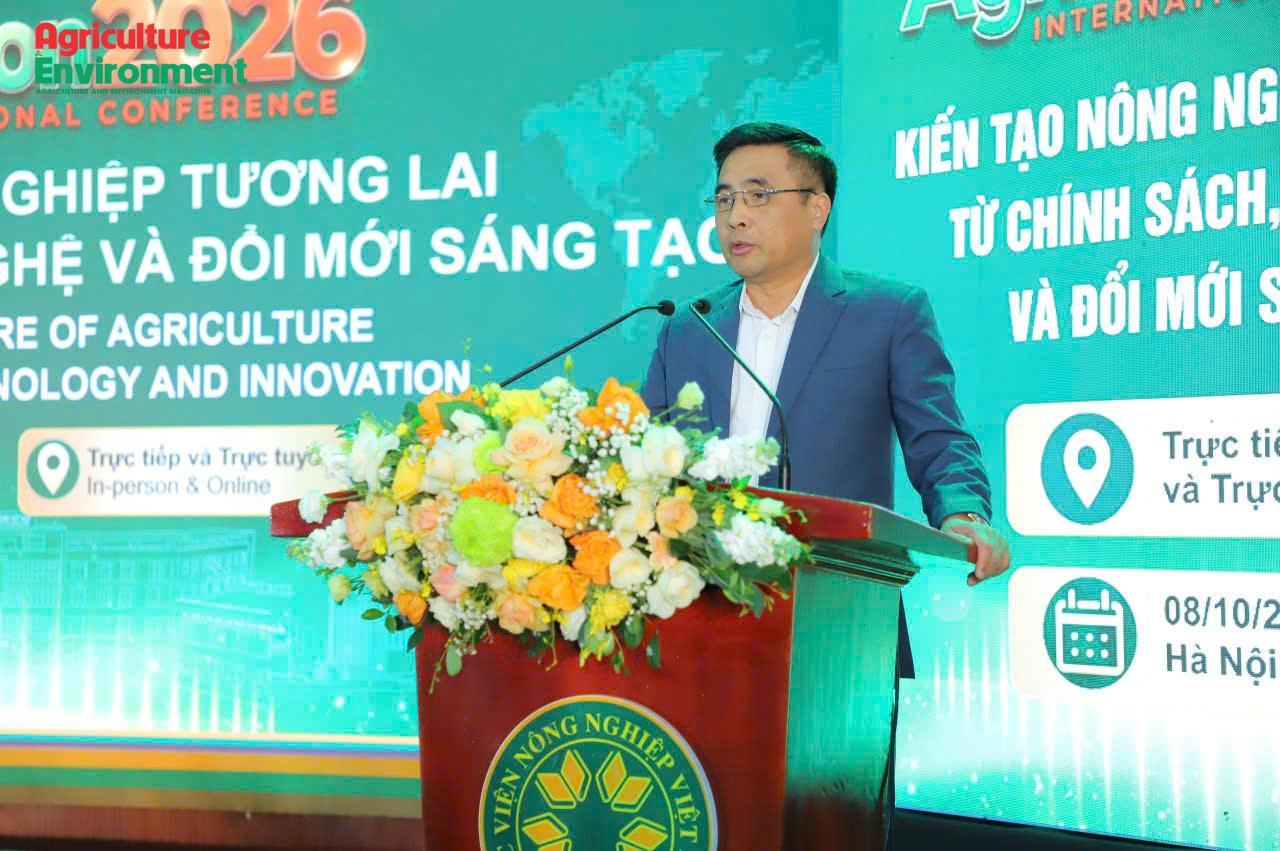
An international conference held in Hanoi on Oct. 8, 2026, called for closer alignment between agricultural policy, technology and innovation and the practical needs of production. Deputy Minister of Agriculture and Environment Nguyen Quoc Tri said Vietnam needs to accelerate its shift toward knowledge-driven growth, higher-quality output and greater value creation, with scientific research judged by measurable improvements in production and farmers’ incomes.
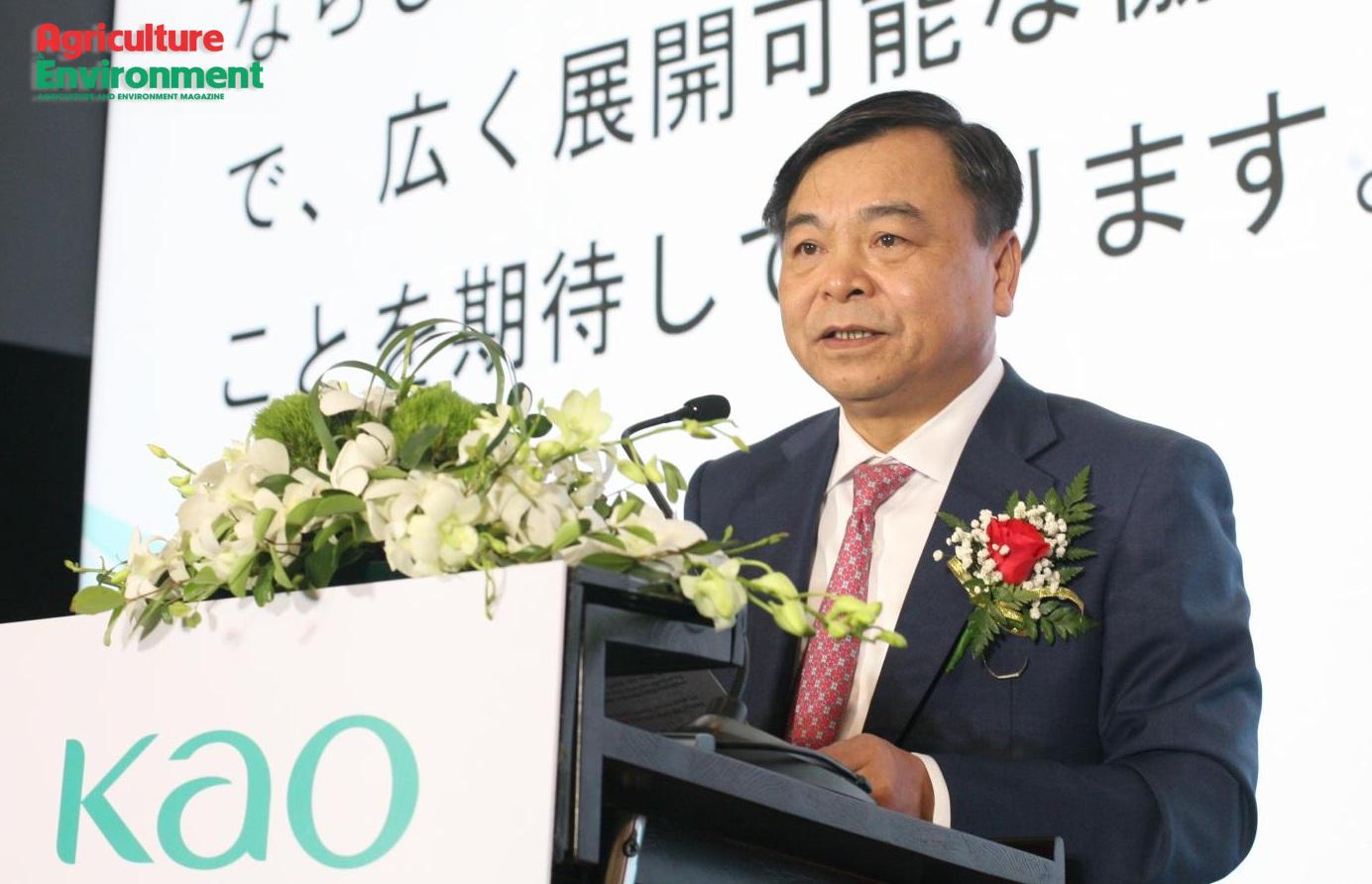
Deputy Minister of Agriculture and Environment Nguyen Hoang Hiep has urged businesses to focus on science and technology, green production, innovation to increase the value of agricultural products, and stronger linkages and public-private partnerships. Solutions should improve resource efficiency, reduce the impacts of chemicals and reflect actual production conditions. He made the remarks at a ceremony in Hanoi on October 6, 2026, where Kao Viet Nam announced initiatives to support sustainable agriculture as it marked 30 years of operations in the country.