



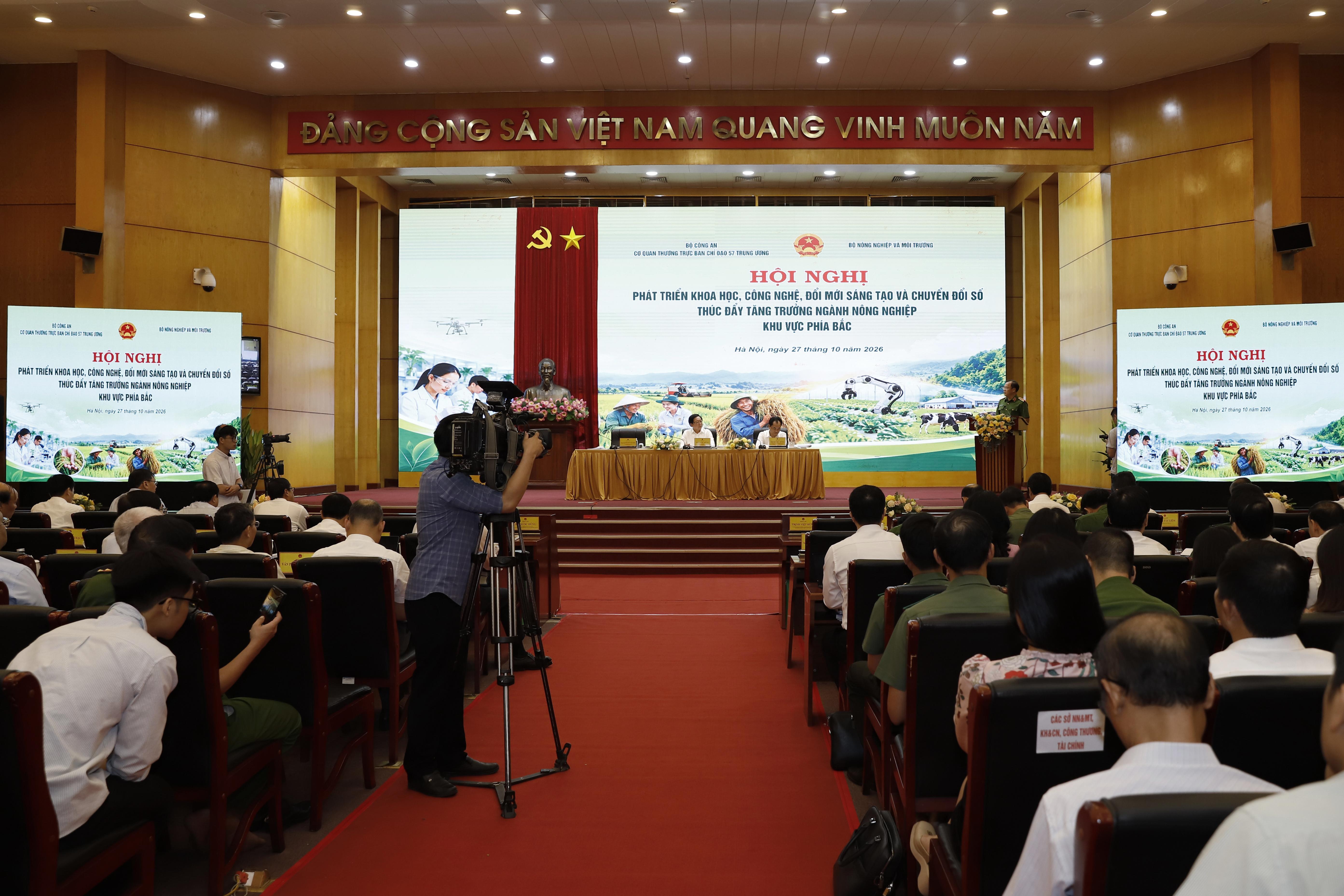
 At a conference on science, technology, innovation and digital transformation to drive growth in the agricultural sector in northern Viet Nam, held in Hanoi on October 27, Deputy Prime Minister Ho Quoc Dung called for research projects to address practical needs, identify clear applications and deliver measurable results. Issues raised by leaders of the Ministry of Agriculture and Environment and the Ministry of Public Security highlighted the need to improve research effectiveness, strengthen links with businesses and bring scientific and technological advances into production and commercial use.
Agricultural growth requires higher productivity and value added
Amid intensifying trade competition, increasingly stringent green standards and traceability requirements, and mounting challenges from natural disasters and climate change, the agriculture, forestry and fisheries sector has maintained its growth momentum and made an important contribution to the wider economy. However, the demands of the next stage of development require higher productivity, better product quality, greater efficiency and more value added, rather than continued reliance primarily on expanding production volumes.
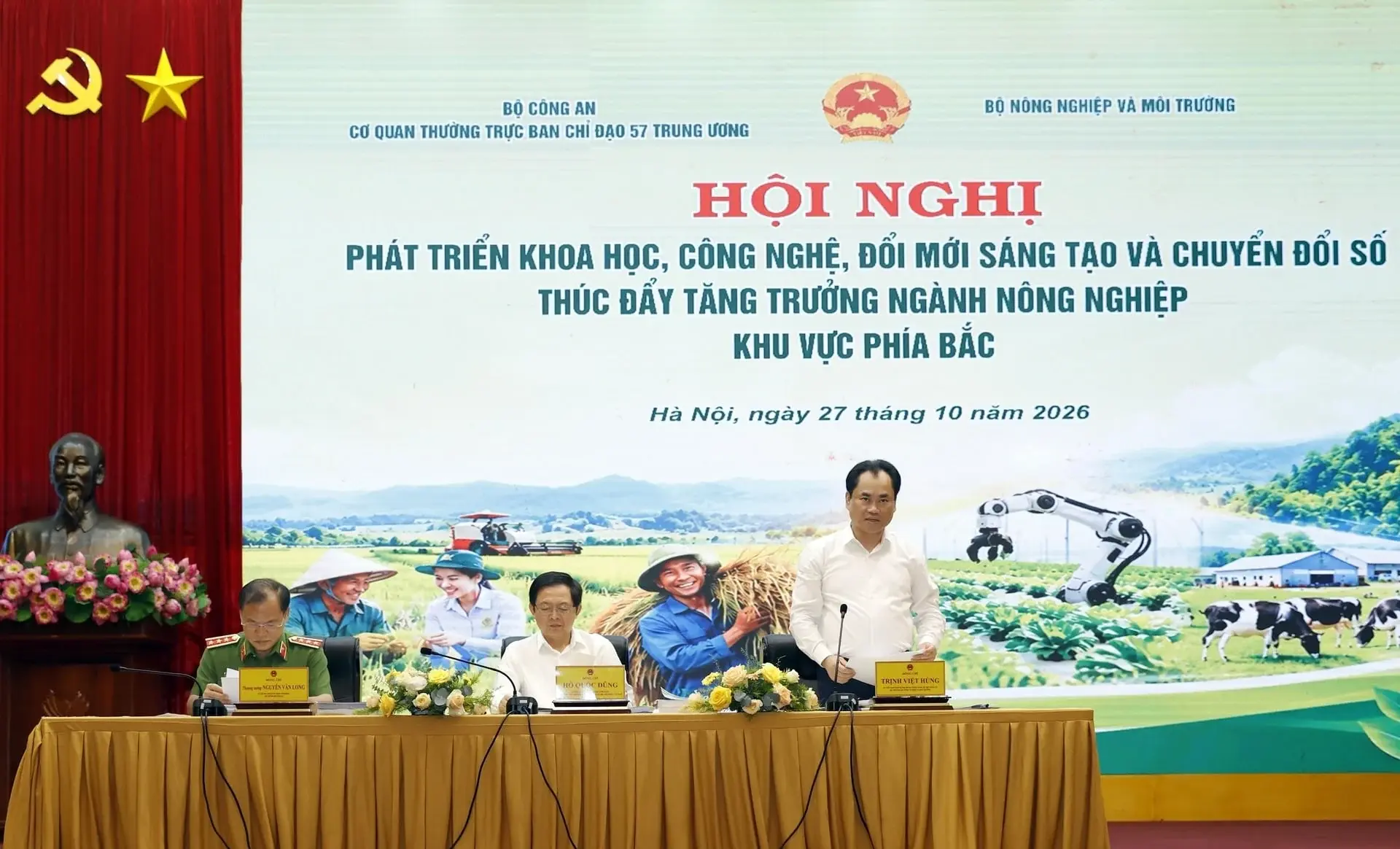
In his opening remarks, Minister of Agriculture and Environment Trinh Viet Hung said the agriculture, forestry and fisheries sector grew by 4.02% in the first nine months of 2026, while exports of agricultural, forestry and fishery products reached US$56.3 billion, up 7.8% year on year. Advances in crop and livestock breeding, biotechnology, mechanization, post-harvest preservation, processing and product traceability had contributed to improvements in productivity, quality and production efficiency.
The minister said the sector needed to shift decisively from extensive growth to a model driven by productivity and value creation, with science and technology, innovation and digital transformation serving as key drivers of faster and more sustainable development.
Northern Viet Nam has advantages in its network of research institutes, universities, scientific experts and technology companies. However, links between research and production, as well as technology transfer and adoption, remain limited. Making better use of existing resources therefore requires resolving bottlenecks in production, processing and market access.
Reporting on the sector's performance and challenges, Deputy Minister of Agriculture and Environment Dang Ngoc Diep said the sector grew by 3.78% in 2025, with exports of agricultural, forestry and fishery products totaling US$70.63 billion.
Science and technology had contributed to higher productivity and more efficient production. The use of improved varieties, biotechnology and biological products, mechanization and advanced farming practices had helped increase the yields of new rice varieties by about 9%, raise annual output by an estimated 2.4 million metric tons and generate approximately VND12 trillion in additional economic value each year.
Progress had also been made in other areas. Domestic research and production of veterinary vaccines had strengthened the country's capacity to prevent and control animal diseases. The forestry sector had recognized 102 new forest tree varieties, bringing the total number of recognized varieties to 346, alongside 47 recognized technical advances.
Aquaculture output rose from 4.89 million metric tons in 2021 to 6.11 million metric tons in 2025, representing average annual growth of about 5.2%. Meanwhile, value added in agricultural, forestry and fishery processing grew by around 7.5%–8% annually. The share of high-value products from deep processing increased from about 20% in 2020 to 30% in 2025.
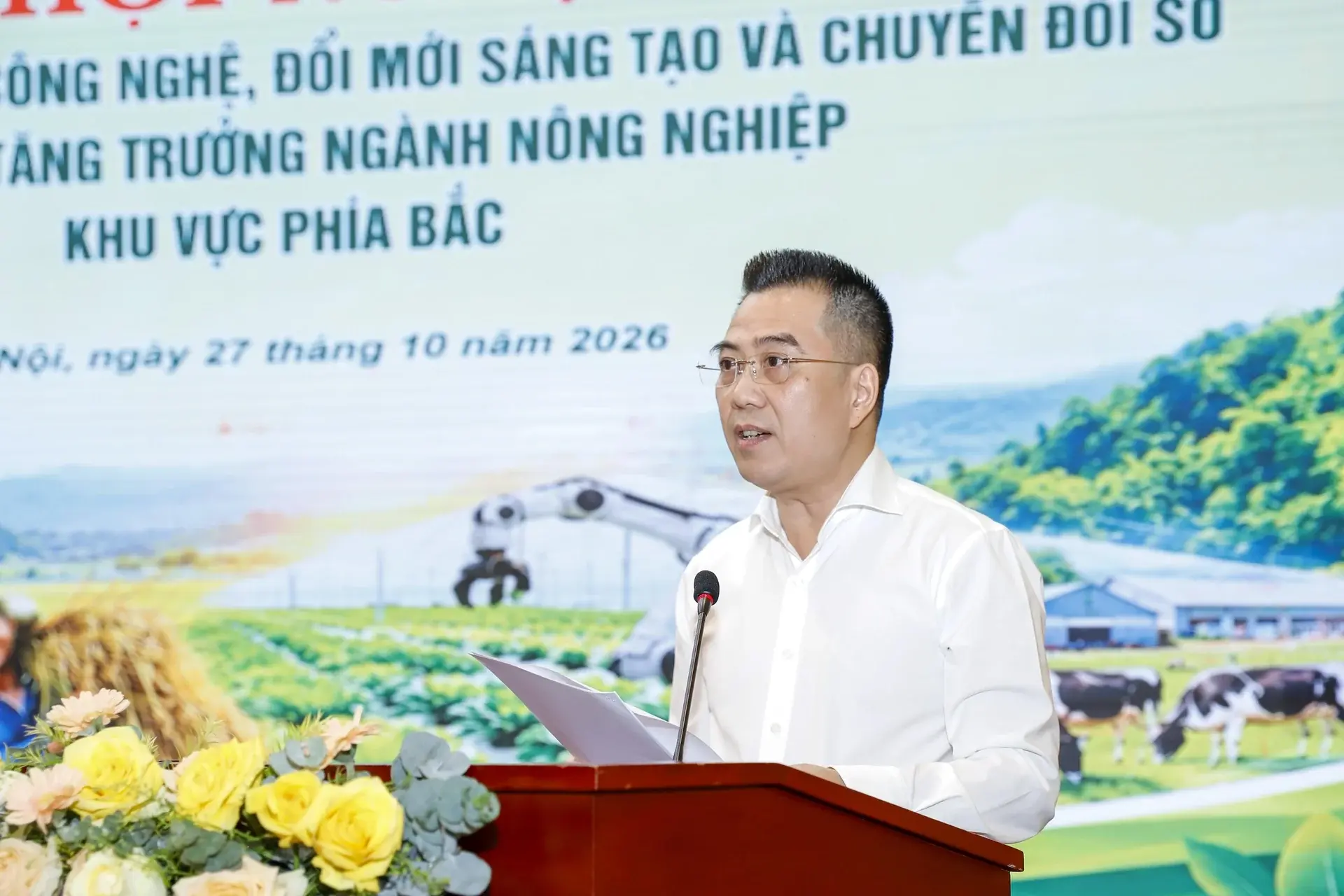
Despite these gains, Deputy Minister Dang Ngoc Diep said the sector continued to face significant constraints, including inadequate incentives for research, technology transfer and commercialization, fragmented investment, and limited mobilization of private-sector resources through public-private partnerships.
Domestic capacity to develop and multiply crop, livestock and aquaculture varieties remained uneven. Production was still fragmented and dominated by smallholder farms, while links among farmers, cooperatives, businesses, processors and markets were not yet sufficiently sustainable.
Dependence on imported inputs also put pressure on production efficiency. Feed accounts for about 60%–70% of livestock production costs, while domestically sourced raw materials meet only 30%–35% of demand. Imports of raw materials for animal feed totaled 24.78 million metric tons, worth approximately US$8.22 billion. In addition, cold-storage, logistics and processing infrastructure remained inadequate, limiting efforts to reduce post-harvest losses and turn byproducts into higher-value products.
In response, Deputy Minister Dang Ngoc Diep proposed changing how science and technology projects are organized, moving away from isolated research projects toward solutions to specific challenges facing agricultural commodities, value chains and localities. Project selection should reflect regional advantages, the scale of raw-material production areas, market demand and the capacity of businesses to participate.
Other priorities include developing sectoral databases, improving project commissioning and funding mechanisms, mobilizing resources more effectively, and assessing results based on their practical impact.
Bridging the gap between research and commercialization
Senior Lieutenant General Nguyen Van Long, Deputy Minister of Public Security, provided further evidence of weaknesses in the implementation of science and technology initiatives, citing a review covering 34 provinces and cities. According to the review, localities had reported 916 science, technology and innovation projects associated with 908 products. Of these, 451 were in agriculture, including 229 in crop production and livestock, 63 in forestry, 74 in fisheries, and 85 in processing and post-harvest preservation.
However, research outputs had not translated into comparable commercial results. Of the 451 agricultural products, 341 were still at the research or testing stage, while only 11 had been commercialized, accounting for just over 2%. The figures highlighted the difficulty of moving research beyond laboratories and pilot testing into business operations and the marketplace.
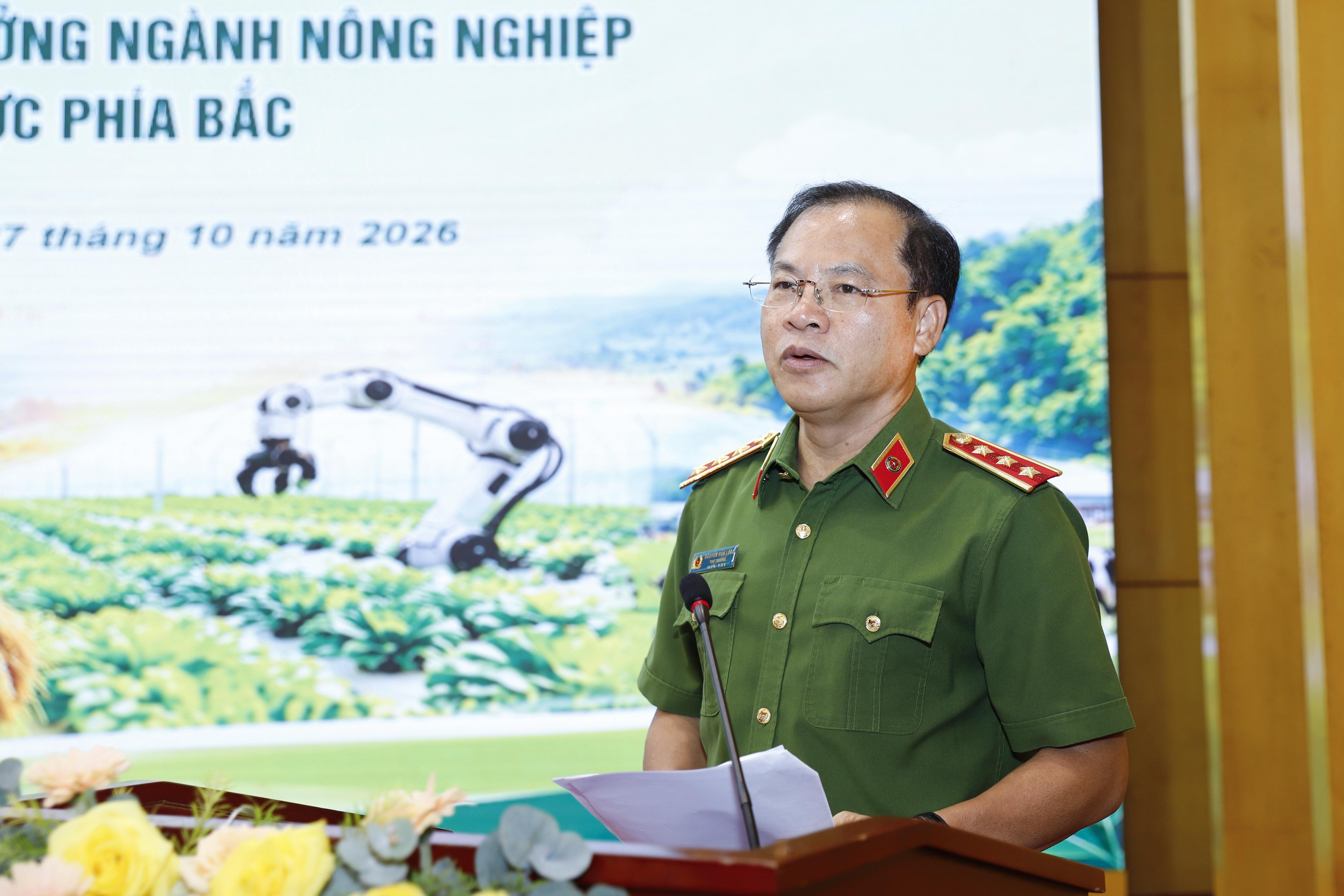
The allocation and use of funding presented another challenge. Senior Lieutenant General Nguyen Van Long said that, as of September 24, 2026, more than VND25 trillion had been allocated to localities for science, technology and innovation initiatives in agriculture, but just over VND8.1 trillion had been disbursed, equivalent to about 33%. Businesses and cooperatives led only 50 of the 451 agricultural projects recorded, or approximately 11%.
He said the main bottleneck was not simply a shortage of funding, technology or scientific expertise, but the lack of effective mechanisms to coordinate stakeholders throughout the product development process.
In some cases, projects were not closely linked to product volumes, economic value, competitiveness or target markets. As a result, research could end at the testing stage without producing commercially viable products.
Senior Lieutenant General Nguyen Van Long called on the Ministry of Agriculture and Environment to take the lead in identifying priority growth challenges across commodity value chains and localities, and in connecting production needs with the capabilities of research institutes, universities and businesses. Research institutions should focus on addressing specific problems faced by local authorities and businesses rather than proposing projects primarily on the basis of their existing research capacity.
He also stressed the need to improve relevant procedures, standards and technical regulations to remove barriers to production, aquaculture and technology adoption. Regarding market infrastructure, he highlighted the proposed National Agricultural Products Exchange and called for science and technology trading to be consolidated on a common platform, rather than allowing individual localities and ministries to develop separate exchanges that could fragment resources.
Localities, he said, should select a limited number of high-potential challenges that match their strengths, while research institutes and universities should orient their work toward the needs of local authorities, businesses and markets.
This approach would help establish a continuous product development process, from research and testing through technology refinement, application, commercialization and market expansion.
Aligning research priorities with practical needs and accountability
In his concluding remarks, Deputy Prime Minister Ho Quoc Dung said northern Vietnam had considerable agricultural potential thanks to its diverse ecological conditions, specialty products, concentrated production areas and network of research, training and technology transfer institutions. Initial applications of science and technology in rice, fruit, tea, pineapple, livestock, dairy farming, fisheries, forestry and wood processing provided a foundation for further gains in productivity, quality and added value.
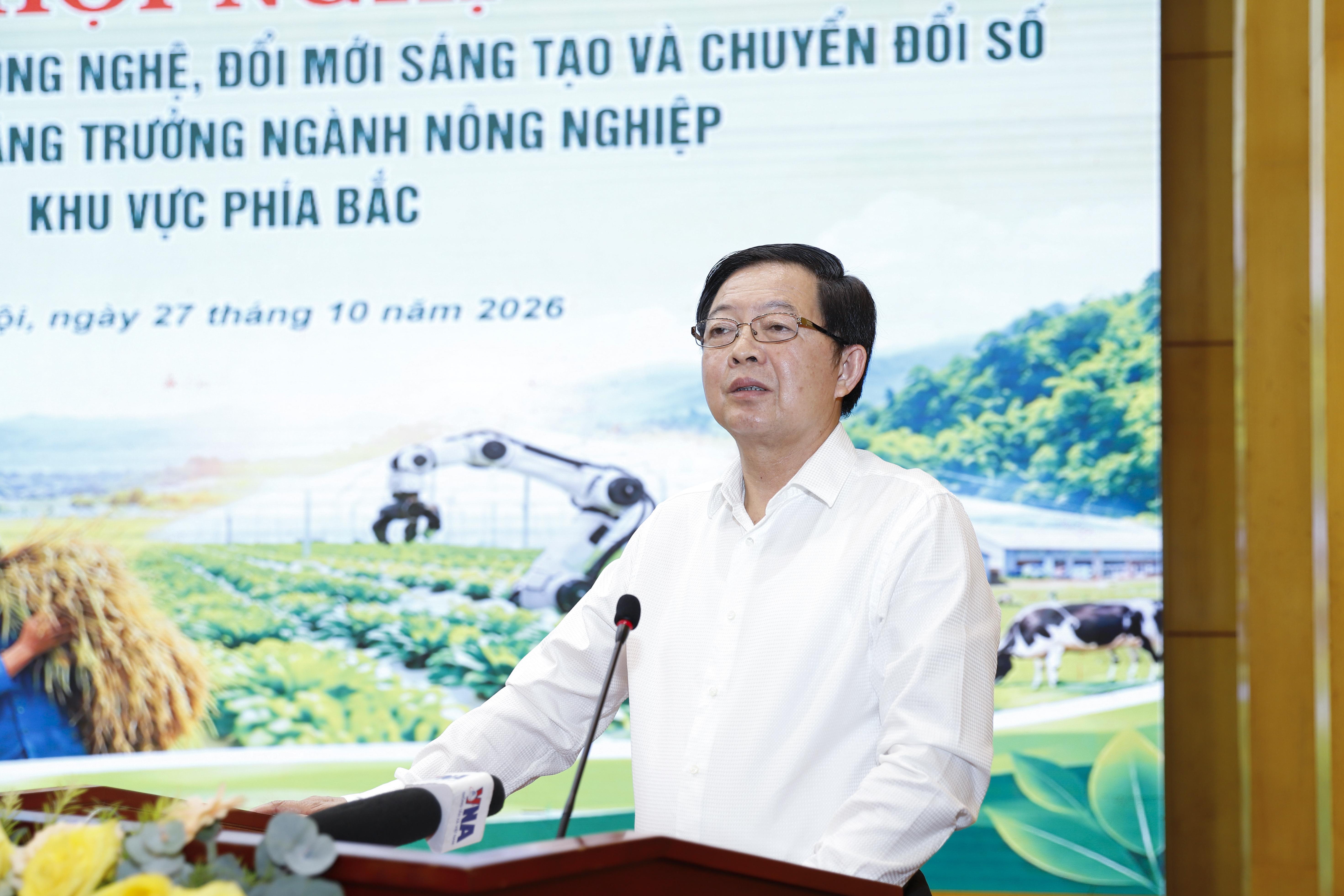
However, rising demands for quality, food safety, traceability, green standards and competitiveness required the sector to change its growth model. Rather than relying on expanding cultivated areas, increasing inputs and exploiting natural resources, agriculture needed to improve productivity, use resources more efficiently, expand deep processing, build brands and participate more fully in domestic, regional and global value chains.
To achieve this, the deputy prime minister instructed the Ministry of Agriculture and Environment to coordinate with other ministries, localities, research institutes, universities and businesses to identify major challenges that could be addressed through science and technology, innovation and digital transformation. Priority projects should address actual bottlenecks in individual commodities and localities, focusing on areas with the potential to deliver clear improvements in productivity, quality, production costs, added value and competitiveness.
Priority areas include developing high-yielding, high-quality and resilient crop and livestock varieties; precision agriculture and automation; biotechnology, post-harvest preservation and deep processing; disease prevention and control; forestry and fisheries technologies; and technologies that improve resource efficiency, reduce emissions and support climate change adaptation.
The deputy prime minister also called for wider use of digital data, artificial intelligence and other appropriate technologies in raw-material area management, production monitoring, disaster and disease forecasting, traceability, quality control and market development.
He emphasized that every project must follow the principle of “six clear requirements”: clearly identified leadership, tasks, responsibilities, completion deadlines, deliverables and decision-making authority. From the outset, each project must identify the commissioning agency, research organization, receiving business or cooperative, implementation site, required resources and methods for measuring results.
The deputy prime minister called for a decisive shift away from isolated research projects toward programs designed to solve growth challenges across value chains and ecological regions. Projects that merely name a technology without identifying its users, application plan, expected economic results and minimum required resources should not be included on the priority list.
Under this approach, local authorities should identify their development needs and comparative advantages; research institutes and universities should develop solutions, master technologies, conduct trials and facilitate technology transfer; and businesses and cooperatives should participate from the initial definition of needs and project commissioning through co-investment, testing, adoption and commercialization. The State should create an enabling environment, improve institutions, support fundamental research and testing, and develop shared technologies while encouraging businesses to play a greater role in product development and market expansion.
Alongside changes in research organization, Deputy Prime Minister Ho Quoc Dung called for the removal of barriers related to project commissioning, financing, technology transfer, intellectual property, economic and technical norms, and research commercialization. State budget funding should be allocated selectively, with priority given to fundamental research, strategic technologies, public-interest projects, cross-sectoral initiatives and shared research and testing infrastructure. Businesses should also be encouraged to invest in research and development and technological innovation.
On digital transformation, the Ministry of Agriculture and Environment was tasked with working with the Ministry of Public Security, the Ministry of Science and Technology and relevant agencies to standardize, connect, share and make effective use of existing databases. Data on land, raw-material production areas, varieties, growing seasons, product quality, diseases, forests, fisheries, natural resources and the environment must be updated and interoperable to support public administration, forecasting, production planning and decision-making by businesses, cooperatives and farmers. Data development must also safeguard cybersecurity and information security while avoiding fragmented and duplicative investment.
The deputy prime minister said heads of agencies and units would be held accountable for the progress and results of their assigned projects. They must resolve issues within their authority and promptly report obstacles that exceed it. Projects that are not yet ready for implementation must specify what remains to be completed and who is responsible. Models that fail to demonstrate effectiveness should be adjusted or discontinued in accordance with regulations to prevent waste and unnecessary delays.
“The ultimate measure is not the number of projects, reports or cooperation agreements, but whether technologies are put to use, products are commercialized, productivity and quality improve, production costs fall, added value increases, emissions are controlled and farmers’ incomes rise,” he said.
These outcomes should form the basis for monitoring and evaluating the implementation of the conference’s conclusions.
The ministry sets four priorities for implementation
Minister of Agriculture and Environment Trinh Viet Hung said the ministry would act on the deputy prime minister’s conclusions through four priority areas: reforming the management and implementation of science, technology, innovation and digital transformation projects; improving research institutions and strengthening links between research, businesses and markets; proactively removing institutional and policy bottlenecks; and accelerating digital transformation and data development for management, production and market connectivity.
The minister placed particular emphasis on product traceability and transparency. He said these requirements applied across all commodity sectors, not only those already using digital technologies. Traceability data must be accurate, complete, clean and up to date, while information on product origins, production facilities and quality must reflect actual conditions. Inaccurate or misleading product information must be avoided.
He called on localities to review their product and producer traceability systems to ensure that information could be verified. The Ministry of Agriculture and Environment would consolidate and classify the proposals raised at the conference and turn them into an implementation plan with clear responsibilities, timelines and deliverables. It would also work closely with the Ministry of Public Security, the standing body of the Central Steering Committee for the Development of Science, Technology, Innovation and Digital Transformation, and other relevant ministries and agencies to monitor progress, follow up on implementation and evaluate results.
The conference established specific deadlines for the next steps. By November 15, 2026, provincial and municipal People’s Committees in northern Viet Nam must select three to five priority challenges with growth potential. Each proposal must specify the current situation, targets for improvement, market size, implementation location, responsible focal point, prospective business partners and required resources. The deputy prime minister cautioned against scattered proposals or projects without clearly identified demand for practical application.
By November 30, 2026, the Ministry of Foreign Affairs and the Ministry of Industry and Trade, working with the Ministry of Science and Technology, the Ministry of Finance and relevant agencies, must complete proposals to improve economic diplomacy, with a focus on trade promotion, export market expansion, market forecasting, removal of trade and technology barriers, and stronger links between Vietnamese businesses and international partners.
By December 15, 2026, the Ministry of Agriculture and Environment must finalize the list of priority challenges, specifying the lead agencies, coordinating units, receiving businesses, resources, timelines and deliverables. By the same deadline, research institutes and universities must publish lists of technologies and research results available for transfer, distinguishing technologies ready for application from those requiring further testing and results still at the research stage. Each proposal must identify the testing location, receiving organization, funding and time required for completion.
By December 31, 2026, the Ministry of Agriculture and Environment must coordinate with relevant ministries, localities and businesses to propose a model for a National Agricultural Products Exchange. The proposal must be based on an assessment of implementation of the task assigned by the Government under Resolution No. 162/NQ-CP dated June 7, 2025, and be submitted to the prime minister. Projects that meet the necessary conditions are to begin implementation in the first quarter of 2027.
The deputy prime minister also instructed the ministry to work with relevant agencies to establish a mechanism for monitoring, inspecting and evaluating implementation of the conference’s conclusions. Difficulties must be addressed promptly, and projects that are no longer appropriate must be adjusted where necessary.
Monitoring must cover progress, accountability, resources and performance indicators, with assessments based on practical application and socioeconomic benefits. Delays, formalistic implementation and projects without clear deliverables or defined applications must be addressed.
Emphasizing that the conference marked only the beginning of the implementation process, Deputy Prime Minister Ho Quoc Dung called on ministries, sectors, localities and relevant agencies to translate its conclusions into action plans with clear objectives, tasks, timelines and outcomes.
Each locality must identify the right challenge, each research institute or university must provide an appropriate technological solution, and each business or cooperative must have a clear pathway to adopt it. Results must be demonstrated through practical impact, helping northern Vietnam make better use of its agricultural potential and supporting more efficient, greener and more sustainable development.
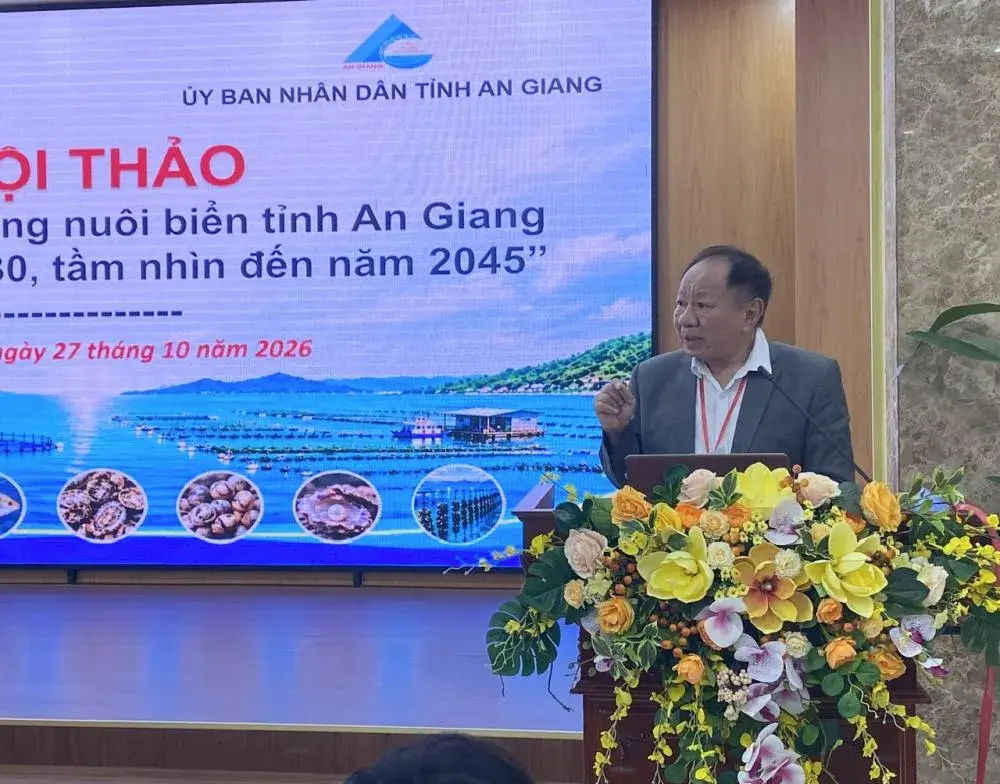
An Giang has extensive marine waters, numerous islands and considerable potential for development, giving the province an opportunity to transform marine aquaculture from fragmented, household-based operations into a modern economic sector. However, challenges involving spatial planning, investment capital, technology, seed supply, market linkages and environmental protection must be addressed in a coordinated manner to achieve the province’s targets for 2030 and its vision for 2045.
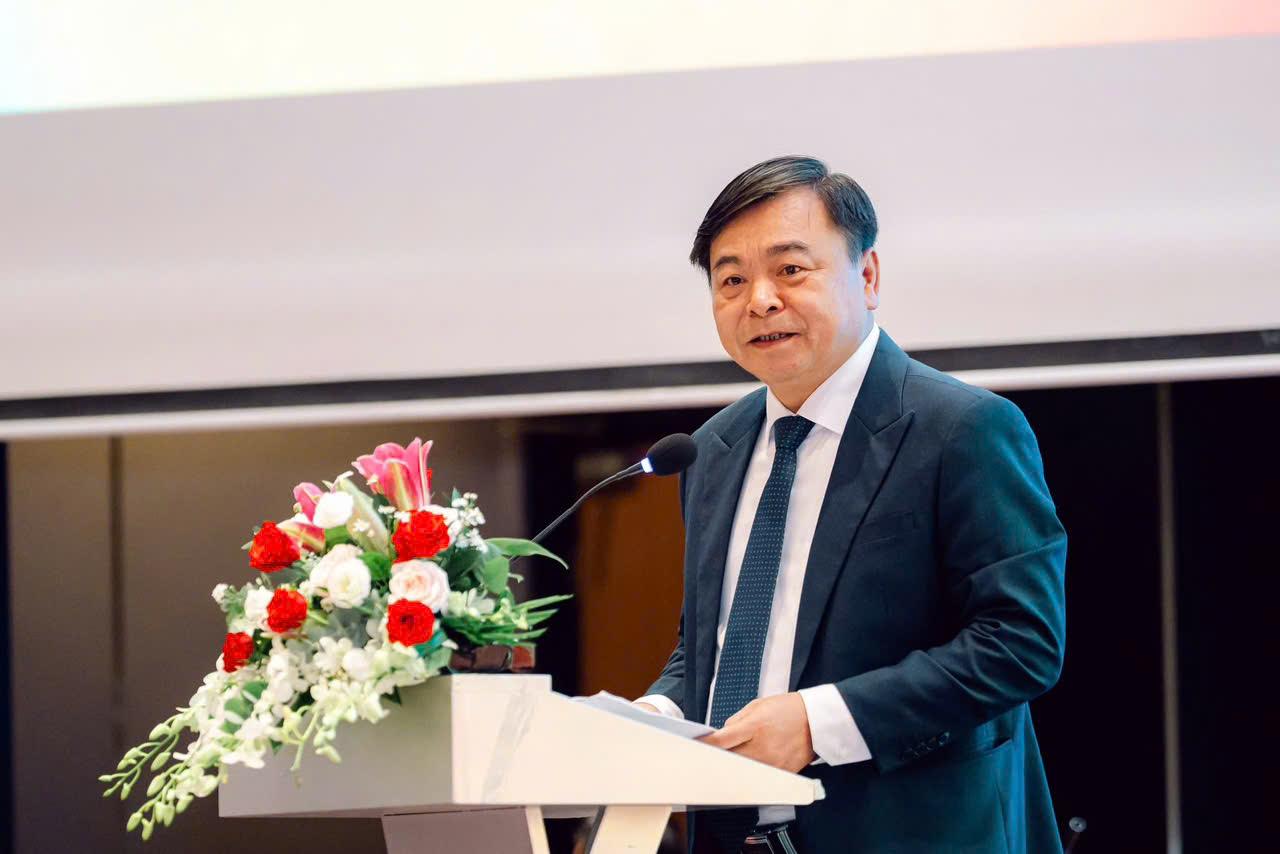
At a conference held on October 15 to mark World Food Day 2026 and strengthen cooperation on the implementation of Viet Nam’s “One million hectares of high-quality, low-emission rice scheme in the Mekong Delta”, the Ministry of Agriculture and Environment, the Food and Agriculture Organization of the United Nations (FAO) and development partners reviewed implementation progress, plans for expansion and resource needs for the next phase. Initial results indicate potential gains in production efficiency, lower input use and reduced emissions. However, scaling up the model will require closer coordination on infrastructure, production organization, market linkages and green finance.
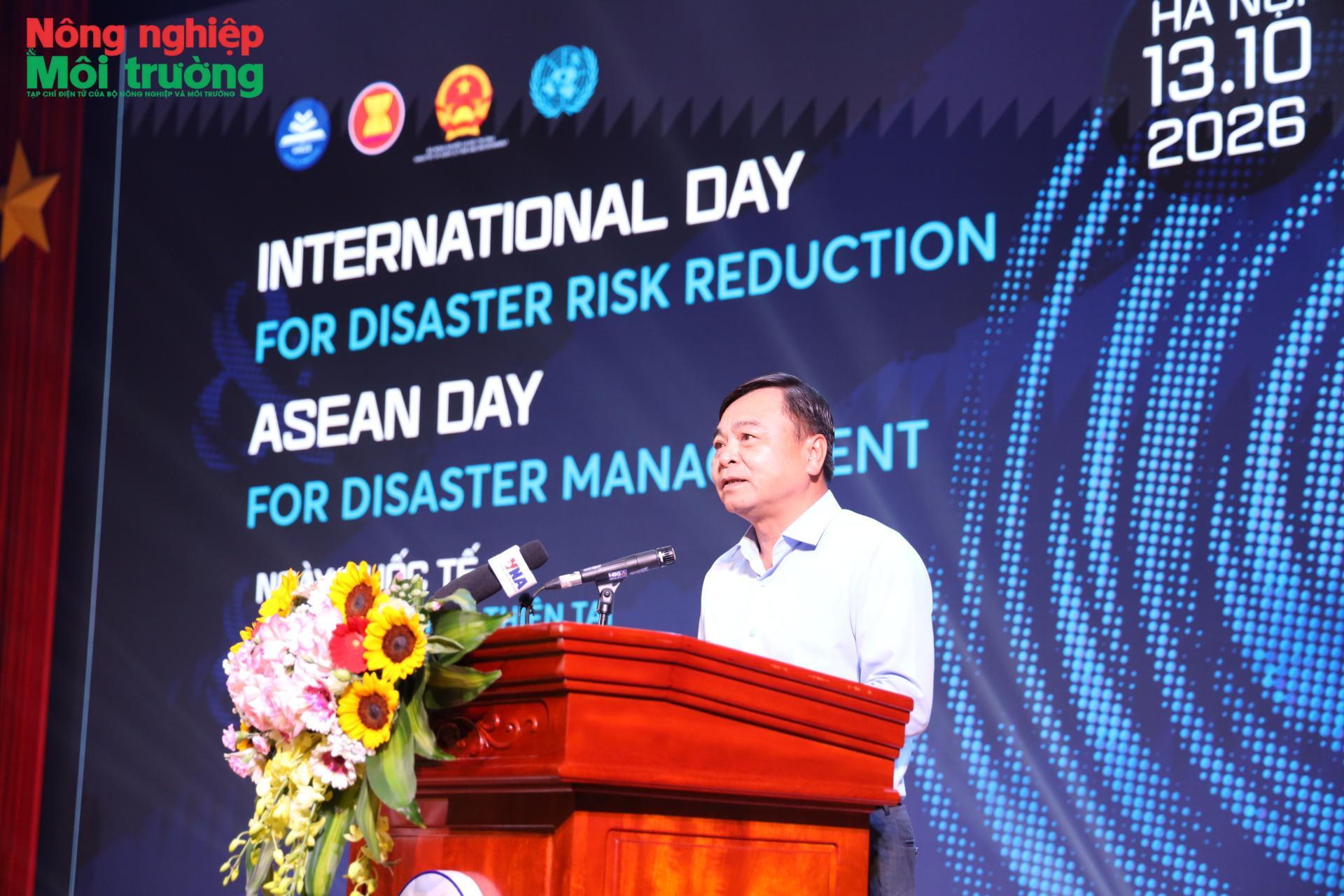
As disaster risks grow more complex, preparedness must extend beyond the response plans of authorities to include households, schools and communities. At a rally held in Hanoi on the afternoon of October 13 to mark the 2026 International Day for Disaster Risk Reduction and ASEAN Day for Disaster Management, the Ministry of Agriculture and Environment and its partners called for a shift toward proactive disaster risk management, underpinned by early warning, public awareness and community participation.
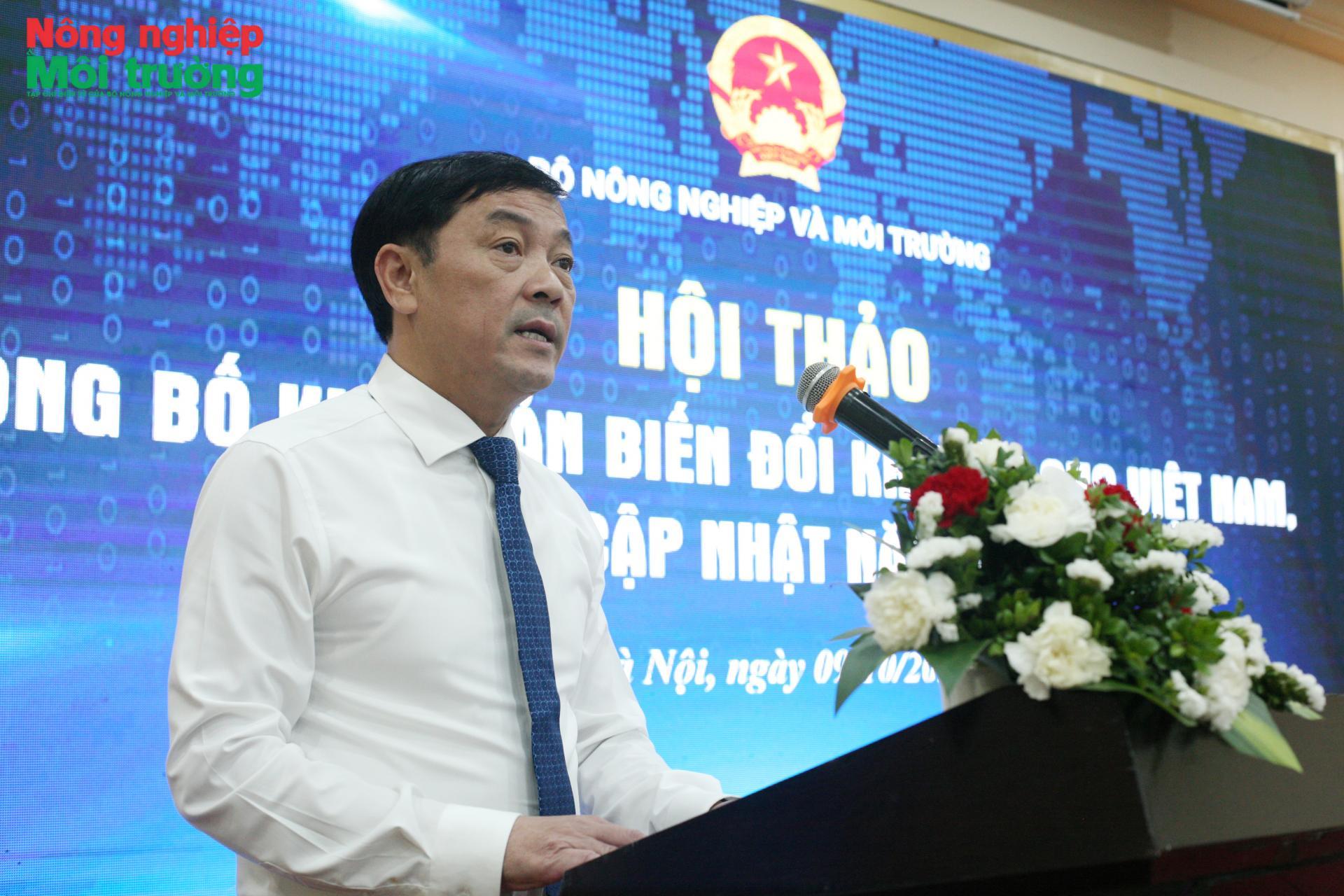
On October 9, 2026, the Ministry of Agriculture and Environment held a conference in Hanoi to announce the 2025 update to Viet Nam’s climate change scenarios. With revised calculation methods, updated data and an expanded scope of risk assessment, the scenarios provide an enhanced scientific basis for policymaking, development planning and adaptation measures. Their value, however, depends not only on how clearly they identify potential future climate trends, but also on how effectively the information is incorporated into decision-making and implementation by ministries, agencies and local authorities.
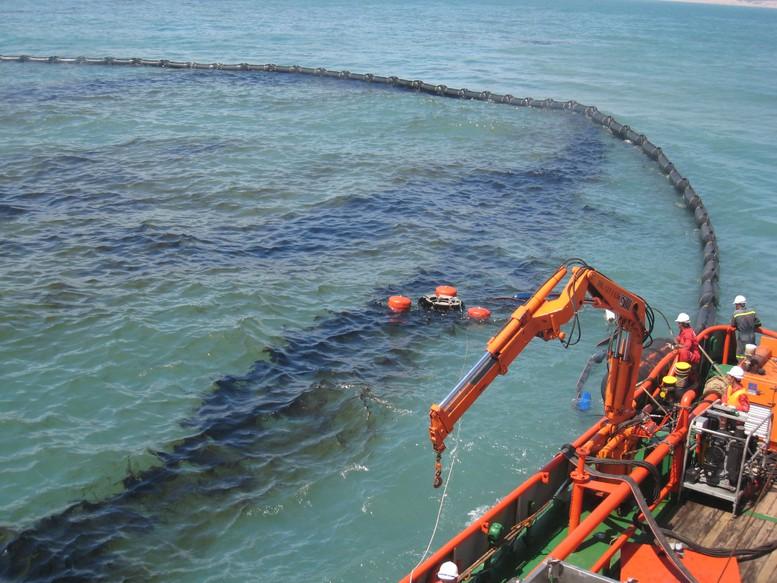
Two days of technical discussions at Far Eastern Federal University in Russia highlighted the need to translate technologies and response plans into operational capability. The Viet Nam Environmental Incident Response Center (SOS) shared its experience in using a WebGIS digital mapping platform to link resource locations with equipment status and management responsibilities, helping maintain readiness through routine operations.