



 Held in Hanoi from October 28 to 31, 2026, the 21st Asian-Australasian Association of Animal Production Societies Animal Science Congress (AAAP 2026), under the theme “Sustainable animal production,” brought together scientists, policymakers and business representatives from 45 countries and territories. The congress featured 1,111 scientific papers selected by the organizers. Discussions highlighted the growing importance of disease resilience, reduced environmental impacts, more efficient resource use and improved production systems in achieving sustainable livestock development. Science and technology, institutional reform and international cooperation are central to addressing these challenges.
Mounting pressures are reshaping the livestock sector
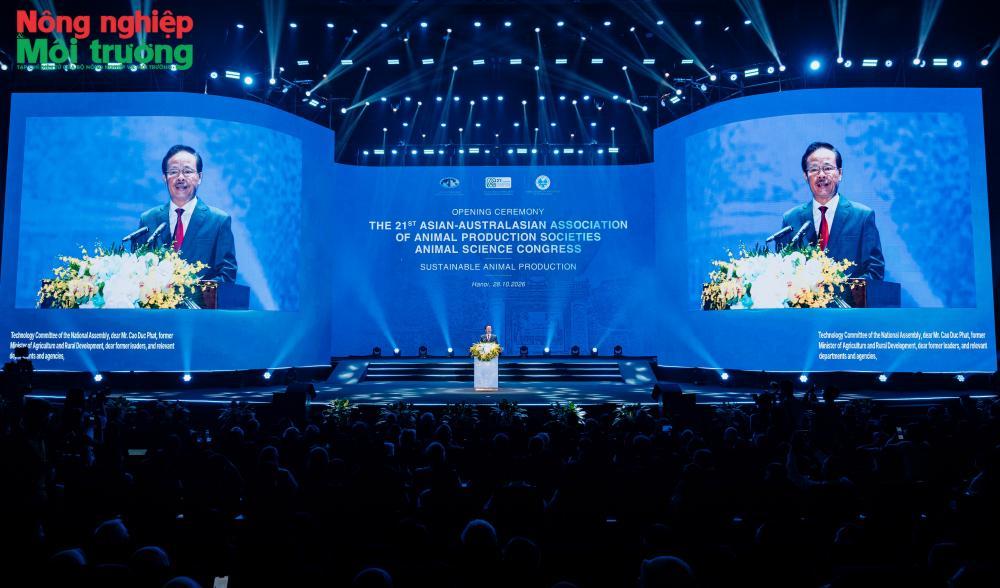
The 21st Asian-Australasian Association of Animal Production Societies (AAAP) Animal Science Congress officially opened on October 28 at the National Convention Center in Hanoi. Organized by the Animal Husbandry Association of Vietnam (AHAV), AAAP 2026 brought together scientists, experts, policymakers, business representatives and organizations working in livestock production, veterinary medicine, environmental management and food processing from 45 countries and territories. With 1,111 scientific papers selected, the congress provided a forum for academic exchange and the sharing of experience on issues shaping the future of livestock production in the region and worldwide.
This was the second time Viet Nam had hosted the event, following the 13th AAAP Congress, held in Hanoi in 2008. According to Dr. Nguyen Xuan Duong, president of AHAV and president of AAAP 2026, Viet Nam’s livestock sector and those of other countries in the Asia-Australasian region were entering a period of growth in 2008, with relatively well-established production models and development directions. The situation has since changed considerably. Deeper international integration, rapid technological advances and growing environmental, disease-related and market pressures are imposing new demands on how livestock production is organized.
Over nearly two decades, Viet Nam’s livestock sector has made significant progress. According to Dr. Nguyen Xuan Duong, Viet Nam now has the world’s sixth-largest pig herd and second-largest waterfowl population. The country is also among ASEAN’s leading producers of industrial animal feed, veterinary medicines and vaccines. These achievements reflect improvements in production capacity, supporting industries and the sector’s integration into regional and global markets.
However, growth in production scale does not mean that the sector’s fundamental challenges have been resolved. Animal disease outbreaks, particularly African swine fever (ASF), remain a major threat to production. Climate change and the need to reduce greenhouse gas emissions are increasing pressure to improve technologies and production processes, while adding to production costs. Meanwhile, dependence on imported animal feed ingredients leaves domestic production vulnerable to fluctuations in international markets. Requirements for food safety, environmental pollution control and animal welfare are also becoming increasingly stringent.
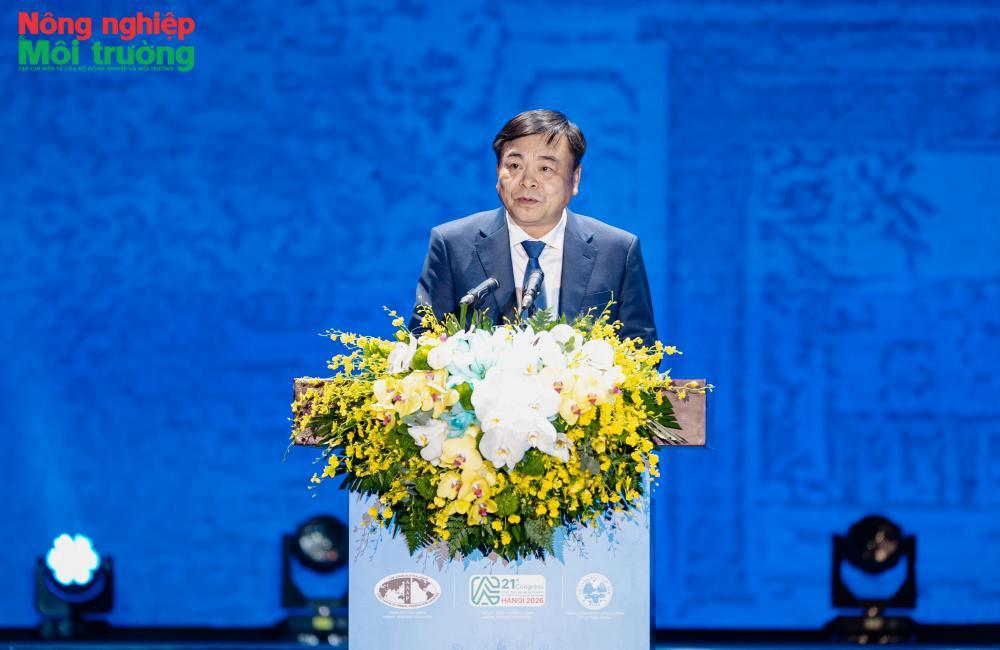
Another important issue is the changing structure of livestock production. Speaking at the opening session, Deputy Minister of Agriculture and Environment Nguyen Hoang Hiep said that the share of Viet Nam’s national pig herd raised by smallholder farms had fallen from approximately 70% in 2020 to less than 30% in 2025. This shift reflects the trend toward larger-scale production, but also highlights mounting competitive pressure on household farms and small and medium-sized enterprises (SMEs). Without appropriate support mechanisms, the transition could further narrow market opportunities for traditional producers.
At the same time, digital transformation and artificial intelligence are changing how livestock operations are managed, monitored and organized. These technologies offer opportunities to improve productivity, strengthen disease surveillance and use resources more efficiently. However, their adoption also requires reliable data, skilled personnel, investment capital and the capacity to access and apply new technologies. According to Dr. Nguyen Xuan Duong, these factors will directly influence the production models and practices that shape the sector’s future.
These developments indicate that sustainable livestock production can no longer be defined solely by higher productivity or larger herds. The sector must simultaneously address economic efficiency, food and nutrition security, producer livelihoods, animal health, environmental protection and resilience to increasingly complex challenges.
Science, technology and institutional reform are central to livestock development
Speaking at the opening ceremony, Deputy Minister Nguyen Hoang Hiep emphasized the livestock sector’s important role in ensuring food and nutrition security, supplying food, generating employment and improving incomes. It is also a sector in which the private sector plays a substantial role, investing in production and processing as well as the supply of animal feed, veterinary medicines and related services.
In recent years, despite constraints related to limited land for livestock production, climatic conditions and disease control, Viet Nam’s livestock sector has continued to develop, supported by the efforts of scientists, businesses and livestock producers. However, deeper integration into regional and international markets has brought longstanding weaknesses into sharper focus, including fragmented value chains, high input costs, limited disease-control capacity, environmental pollution and pressure on competitiveness.
According to the Deputy Minister, amid climate change and volatility in global markets, the livestock sector needs to shift its focus away from production scale and output alone toward higher quality, efficiency, value addition and competitiveness. Modern, green, circular and sustainable livestock production must become a consistent development priority, with economic performance linked to environmental protection, livelihood security and greater self-reliance.
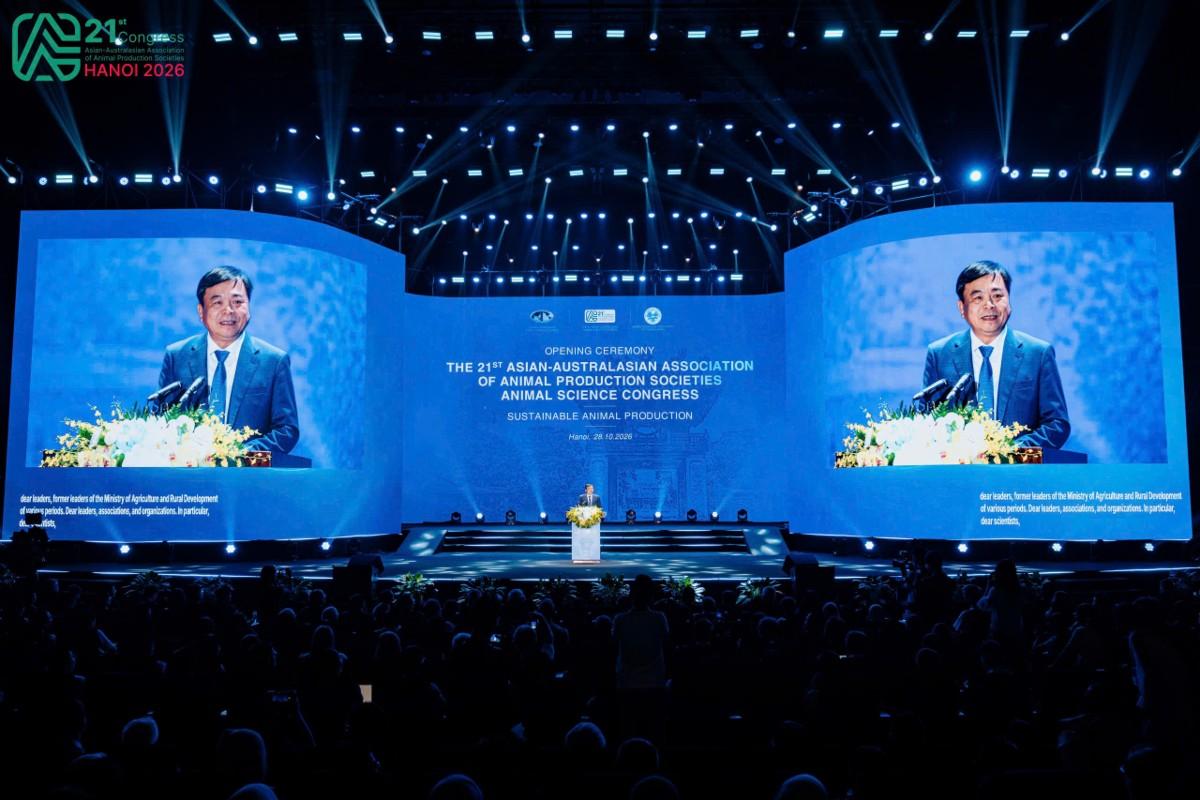
To advance this agenda, Deputy Minister Nguyen Hoang Hiep outlined five priority areas. These include improving the institutional and policy framework to create favorable conditions for economic stakeholders to invest in livestock production; making science and technology, innovation and digital transformation key drivers of growth; restructuring production around market-oriented value chains; promoting green and circular livestock production, biosecurity and emissions reduction; and strengthening international cooperation, research capacity and workforce training.
Science and technology have a direct role in improving productivity, product quality and resource-use efficiency. Biotechnology, automation, artificial intelligence and digital tools can support herd management, animal health monitoring, disease forecasting and product quality control. However, their adoption must be driven by practical needs and tailored to the operating conditions and investment capacity of different production models, rather than pursued simply for the sake of introducing new technologies.
Another key requirement is stronger collaboration among research institutes, universities, businesses and livestock producers. Such links are essential to transferring, refining and commercializing research findings while enabling scientists to address practical challenges in production more effectively. When businesses and producers participate in identifying research priorities from the outset, scientific solutions are more likely to meet actual needs and achieve wider application.
Deputy Minister Nguyen Hoang Hiep also stressed the need to align livestock development with the country’s major policy priorities, including breakthroughs in science and technology, stronger international integration, institutional and legal reform, and private-sector development. This underscores that sustainable livestock production is not the responsibility of sectoral regulators or businesses alone. It requires coordinated action across policymaking, scientific research and production organization.
Interdisciplinary research addresses the challenges of sustainable livestock production
A notable feature of AAAP 2026 was its interdisciplinary scientific program, which covered 14 thematic areas, including animal genetics and breeding, animal nutrition and feed, animal physiology and reproduction, animal health, livestock environmental management, digital management and smart farming, smallholder livestock farming and animal welfare. This broad scope reflects the multidimensional nature of sustainability, in which technical, economic, environmental and social considerations are closely interconnected.
In a keynote address at the opening session, Professor Nguyen Thi Lan, president of Viet Nam National University of Agriculture (VNUA) and a member of the National Assembly, emphasized that transforming the livestock sector requires coordinated action in science, technology and policymaking, as well as cooperation among stakeholders throughout the value chain. Beyond raising productivity, she said, the sector must address climate change, animal diseases, environmental degradation and antimicrobial resistance.
The One Health approach, which links human, animal and environmental health, was identified as an important framework for this transformation. Under this approach, biosecurity, disease control, responsible antibiotic use and food safety must be addressed in an integrated manner. Animal health management needs to be linked with disease surveillance, the control of potential disease transmission risks and environmental protection. Such coordination is essential to reducing risks to public health and maintaining the stability of livestock production systems.
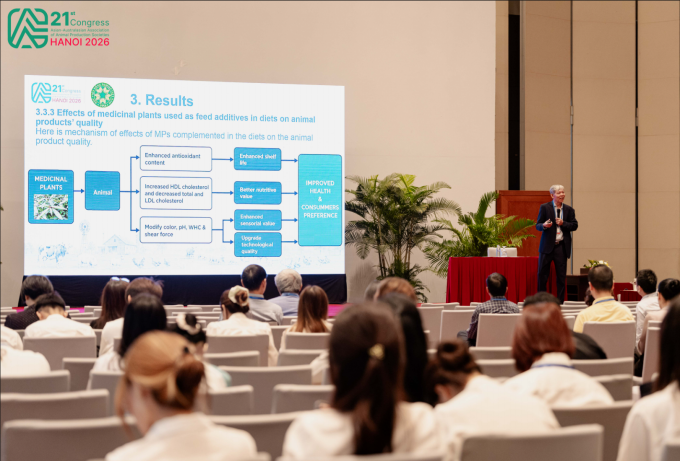
Another important research direction is genetic improvement to enhance production efficiency. In his presentation on developing sustainable animal breeding programs, Professor Julius van der Werf of the University of New England in Australia examined how genetic progress can improve growth rates, feed efficiency and animal productivity.
Under this approach, breeding programs should be designed around clearly defined objectives, reliable data and actual production conditions. Technologies such as artificial insemination, reproductive technologies and genomic selection can accelerate genetic progress. However, breeding objectives should extend beyond productivity to include animal health, reproductive performance, longevity, welfare and the conservation of genetic diversity. Genetic improvement should also support environmental goals, including lower emissions intensity per unit of output.
In the area of nutrition, Professor Ermias Kebreab of the University of California, Davis, in the United States, examined how improvements in animal diets, technology and production management could be combined to reduce environmental impacts. The appropriate use of agricultural by-products, improvements in feed efficiency and the formulation of diets based on animals’ nutritional requirements can help reduce input costs while limiting greenhouse gas emissions.
Feed analysis technologies, artificial intelligence and emissions measurement tools can support the development of appropriate diets, monitor resource-use efficiency and assess environmental impacts. However, according to the speaker, emissions-reduction measures must be supported by scientific evidence and take account of production costs and the conditions faced by livestock producers. A solution can deliver meaningful results only when it is practical, economically viable and capable of being implemented on a sufficiently large scale.
These presentations highlighted the need for an integrated approach to sustainable livestock production. Genetic improvement must be aligned with nutrition and animal management; disease control must go hand in hand with biosecurity and environmental management; and technology applications must be assessed not only in terms of production efficiency but also producers’ ability to access and use them. Productivity and emissions reduction must be pursued together to avoid improvements in one area creating additional pressures in another.
Linking research, industry and livestock value chains
Alongside its academic program, AAAP 2026 provided a platform for product showcases, technology demonstrations and business networking. The exhibition area on the first floor of the National Convention Center was open from October 28 to 30, with more than 40 booths representing businesses, research institutes, universities and domestic and international organizations. Products, equipment, animal feed, veterinary medicines and technological solutions were showcased, providing opportunities for research and business organizations to exchange views on practical needs, cooperation and the application of technical advances.
Combining an academic forum with a business networking platform has practical significance for technology transfer. In livestock production, research findings can create value only when translated into production processes, products or solutions suited to actual operating conditions. Businesses are not merely investors and recipients of technology; they can also help identify research priorities, participate in field trials and support the wider application of innovations in the market.
However, the modernization of livestock production must also take account of the ability of producers with different scales of operation and resource capacities to participate. For household farms, cooperatives and SMEs, access to technology, capital, market information and production standards directly affects their competitiveness. Restructuring production around value chains therefore needs to be accompanied by appropriate support and cooperation mechanisms, ensuring that different stakeholders can benefit from scientific and technological advances.
One initiative the organizers hoped to advance at AAAP 2026 was the development of a Hanoi Message on Sustainable Livestock Production, addressed to the scientific community, businesses, livestock producers and governments across the region, with a call for greater cooperation and collective action. Under the proposed framework, the message focused on three core objectives: people, animals and the environment. The human dimension covered food and nutrition security, livelihoods and social welfare; the animal dimension addressed animal health, welfare and responsible genetic resource management; and the environmental dimension emphasized natural resource conservation, ecosystem protection and proactive responses to climate change.
To translate these objectives into action, the proposed message outlined four strategic pillars: the economy, society, the environment and animal welfare. It also identified commitments relating to livestock genetic resources, sustainable nutrition, the One Health approach, animal health and welfare, circular livestock production, science and technology, innovation, farmer empowerment, responsible value chains, climate action and environmental protection, and stronger multi-stakeholder cooperation.
These shared objectives and commitments are particularly relevant as the livestock sector faces increasingly transboundary challenges, ranging from animal diseases and climate change to market volatility and rising product standards. However, the value of a common message lies not only in defining principles and goals but also in translating them into practical cooperation programs, research activities, technological solutions and concrete policies.
With its international participation, 1,111 selected scientific papers and broad scientific agenda, AAAP 2026 provided an opportunity for Vietnam’s livestock community to deepen exchanges with regional and international partners. More importantly, the issues discussed helped clarify the sector’s development priorities for the coming period: improving production efficiency, strengthening disease control, using resources more efficiently, reducing environmental impacts and balancing the interests of livestock producers and businesses with animal welfare and community well-being.
Turning these priorities into practical results will require sustained coordination among government agencies, scientists, businesses and producers, supported by a coherent institutional framework that encourages innovation and ensures broader access to development opportunities. This is also essential to making science and technology genuine drivers of the livestock sector’s competitiveness and resilience, both in Viet Nam and across regional and global livestock production systems.
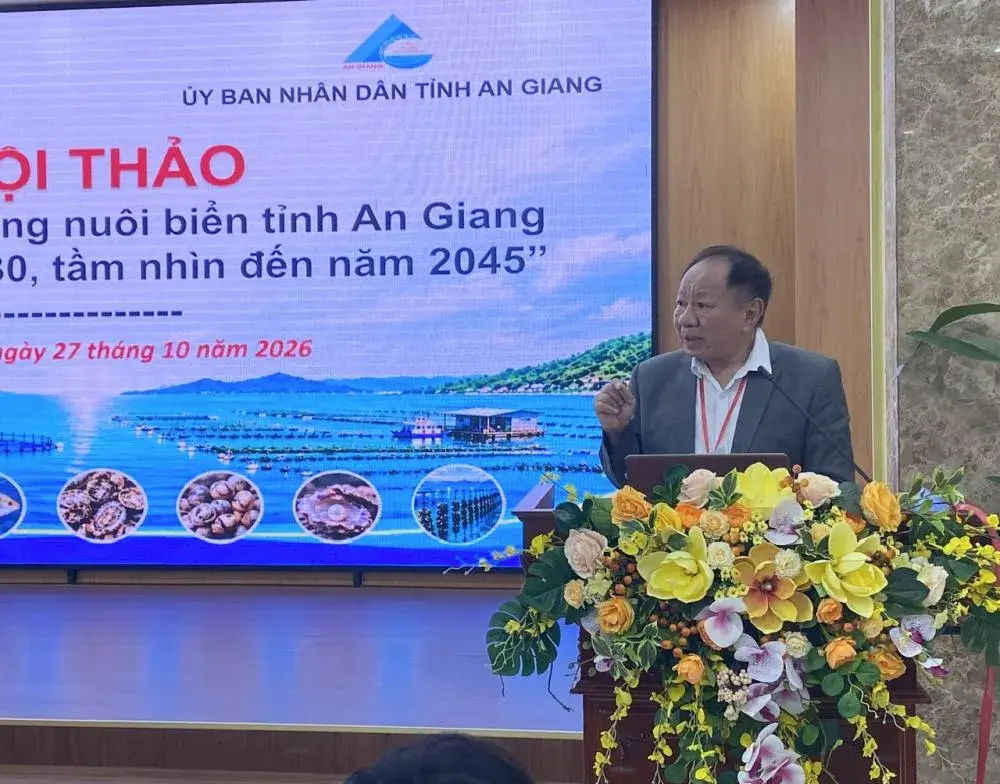
An Giang has extensive marine waters, numerous islands and considerable potential for development, giving the province an opportunity to transform marine aquaculture from fragmented, household-based operations into a modern economic sector. However, challenges involving spatial planning, investment capital, technology, seed supply, market linkages and environmental protection must be addressed in a coordinated manner to achieve the province’s targets for 2030 and its vision for 2045.
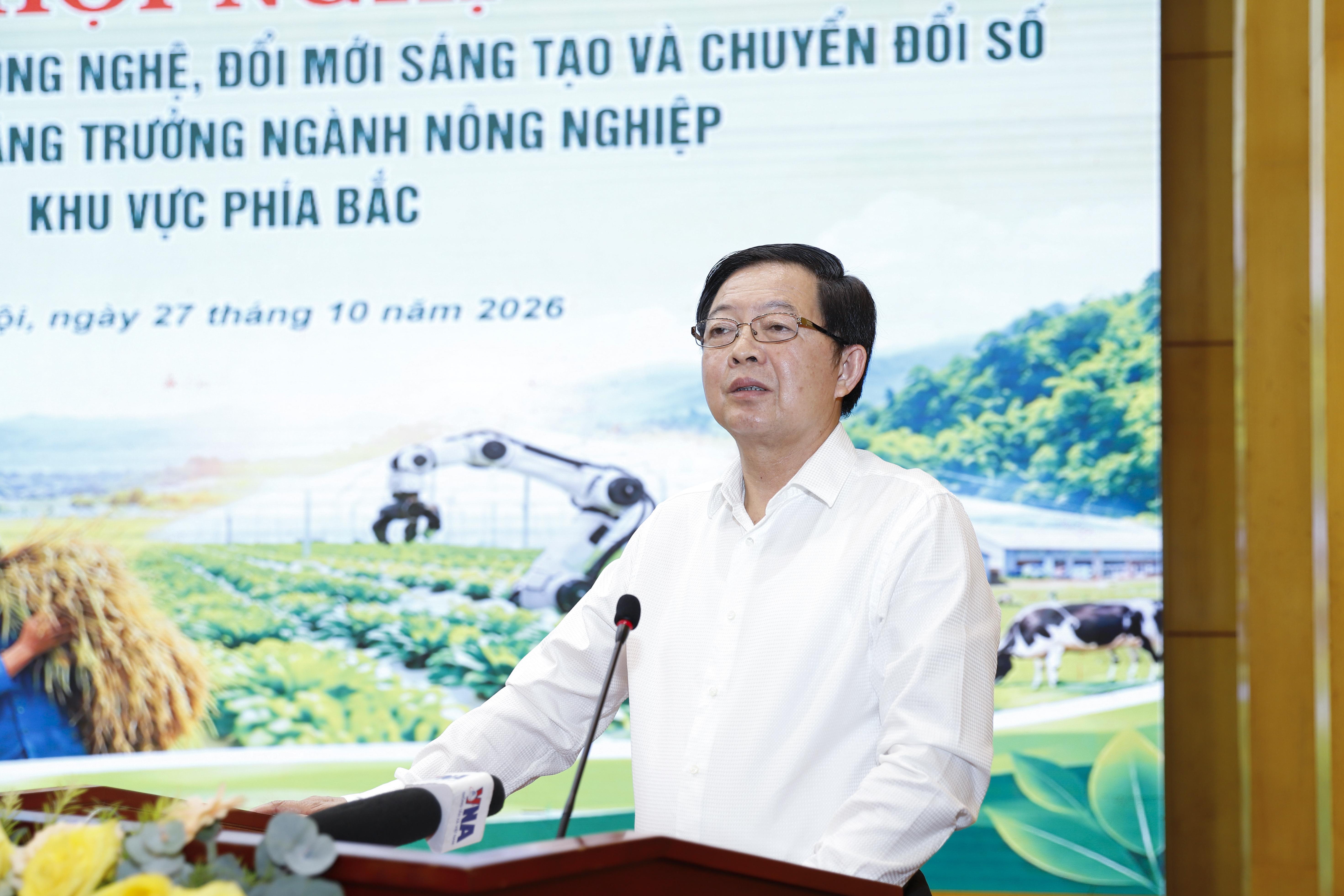
At a conference on science, technology, innovation and digital transformation to drive growth in the agricultural sector in northern Viet Nam, held in Hanoi on October 27, Deputy Prime Minister Ho Quoc Dung called for research projects to address practical needs, identify clear applications and deliver measurable results. Issues raised by leaders of the Ministry of Agriculture and Environment and the Ministry of Public Security highlighted the need to improve research effectiveness, strengthen links with businesses and bring scientific and technological advances into production and commercial use.
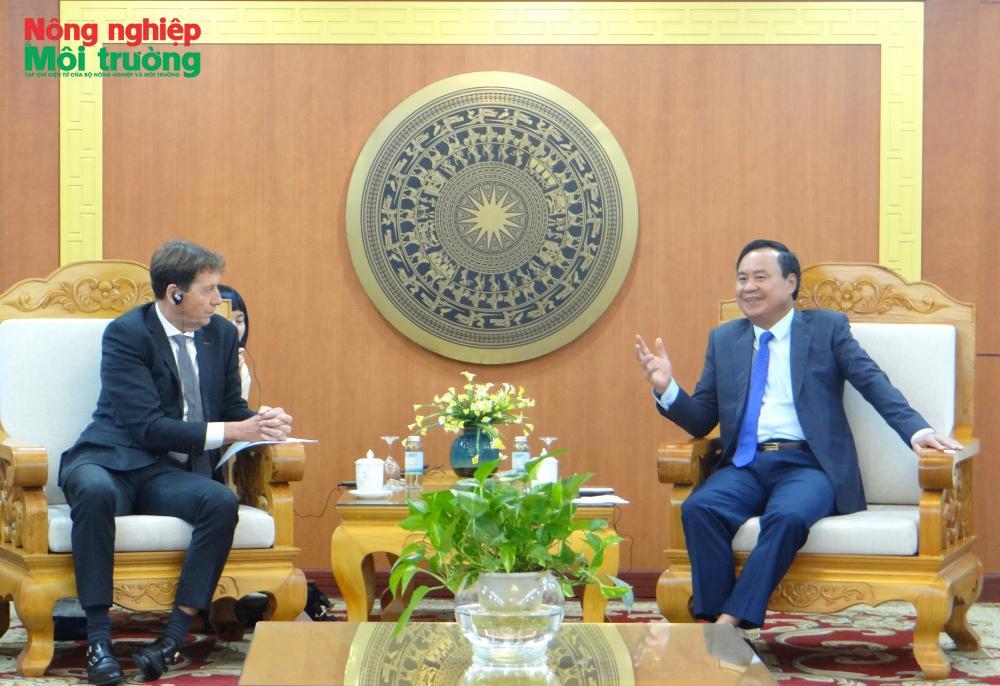
Deputy Minister of Agriculture and Environment Vo Van Hung met with Christophe Pierre Crepin, Director of the Agriculture and Environment Division at the World Bank’s East Asia and Pacific Region, on October 26 to discuss progress on the Sustainable Fisheries Development Project in Viet Nam and measures to mobilize resources for fisheries infrastructure. Both sides emphasized the need to align infrastructure investment with technological innovation, stronger management capacity and greater private sector participation in fisheries value chains.
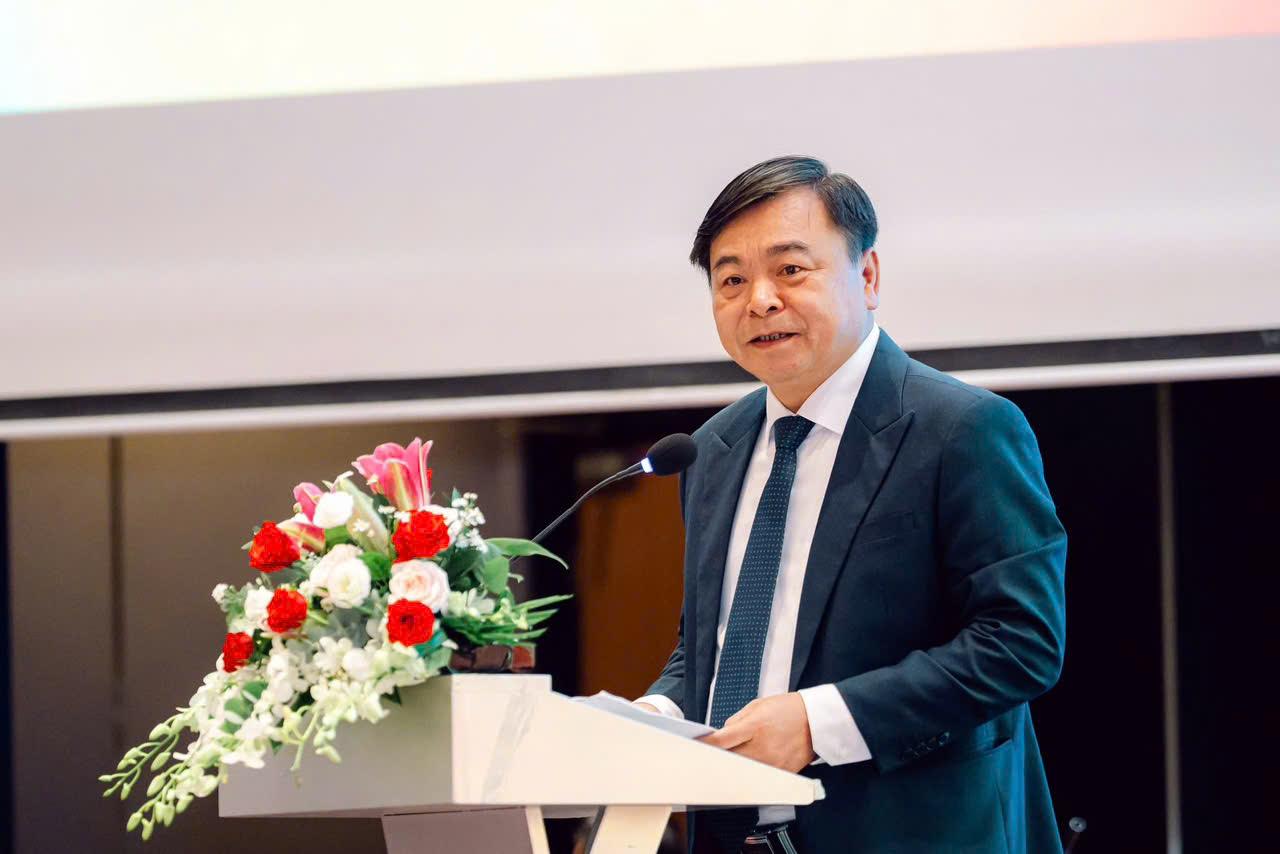
At a conference held on October 15 to mark World Food Day 2026 and strengthen cooperation on the implementation of Viet Nam’s “One million hectares of high-quality, low-emission rice scheme in the Mekong Delta”, the Ministry of Agriculture and Environment, the Food and Agriculture Organization of the United Nations (FAO) and development partners reviewed implementation progress, plans for expansion and resource needs for the next phase. Initial results indicate potential gains in production efficiency, lower input use and reduced emissions. However, scaling up the model will require closer coordination on infrastructure, production organization, market linkages and green finance.
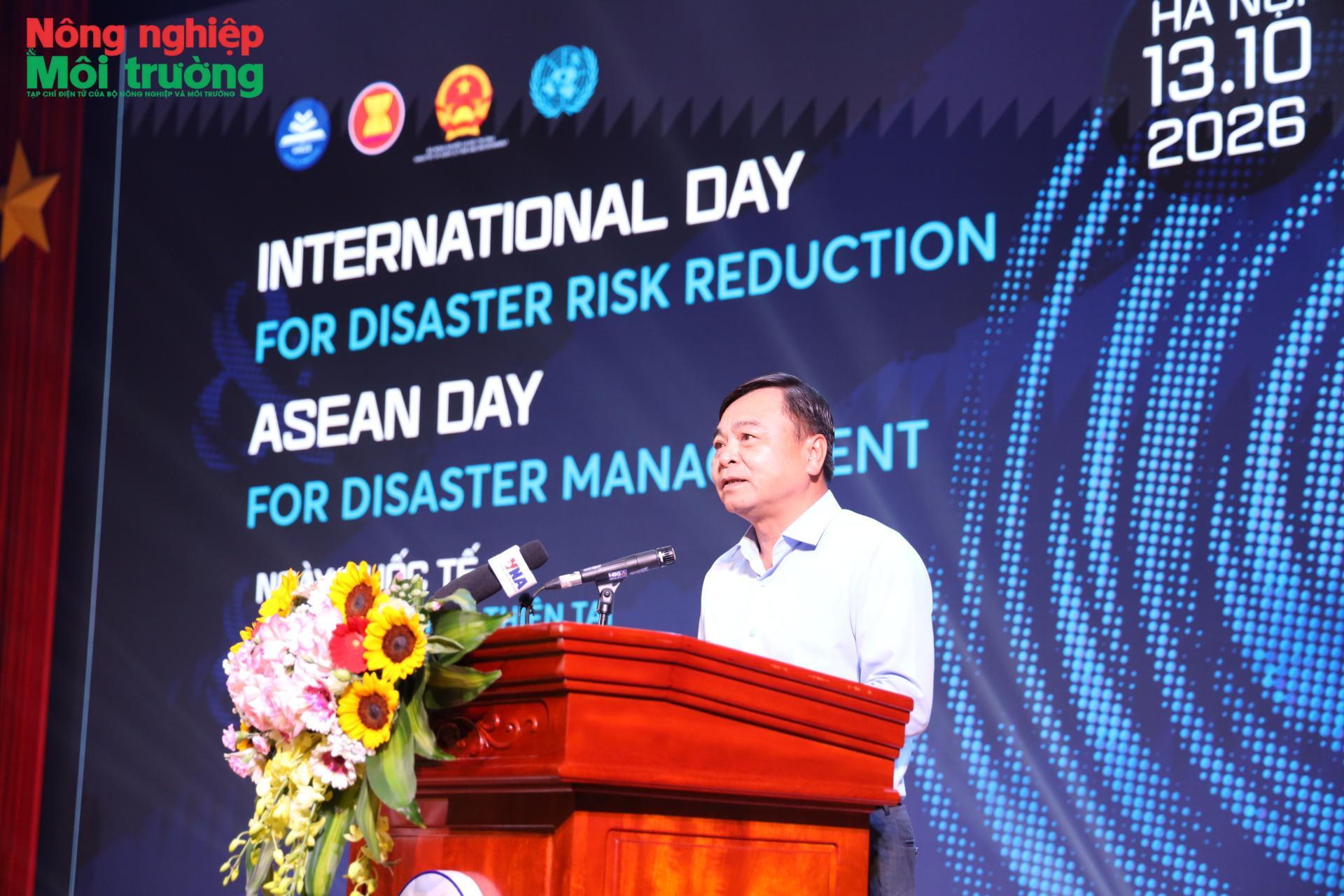
As disaster risks grow more complex, preparedness must extend beyond the response plans of authorities to include households, schools and communities. At a rally held in Hanoi on the afternoon of October 13 to mark the 2026 International Day for Disaster Risk Reduction and ASEAN Day for Disaster Management, the Ministry of Agriculture and Environment and its partners called for a shift toward proactive disaster risk management, underpinned by early warning, public awareness and community participation.