



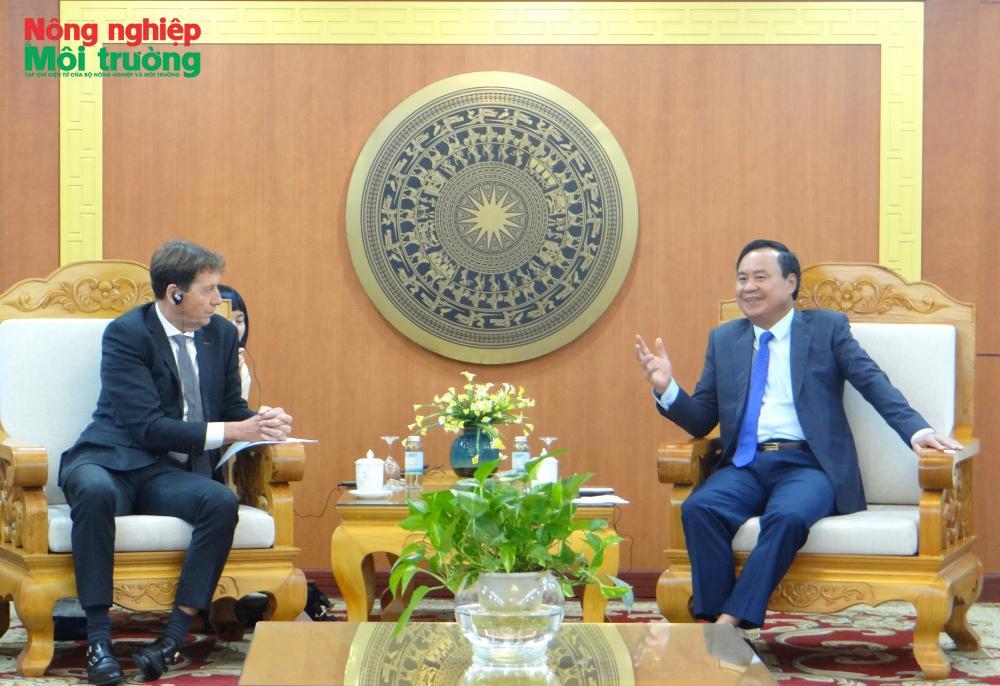
 Deputy Minister of Agriculture and Environment Vo Van Hung met with Christophe Pierre Crepin, Director of the Agriculture and Environment Division at the World Bank’s East Asia and Pacific Region, on October 26 to discuss progress on the Sustainable Fisheries Development Project in Viet Nam and measures to mobilize resources for fisheries infrastructure. Both sides emphasized the need to align infrastructure investment with technological innovation, stronger management capacity and greater private sector participation in fisheries value chains.
Accelerating investment in priority fisheries infrastructure
At the meeting, Christophe Pierre Crepin said the World Bank’s Board of Executive Directors had approved financing for the Sustainable Fisheries Development Project in Viet Nam in September 2026. To ensure timely implementation and disbursement, Viet Nam needs to finalize the loan agreement, allocate counterpart funding and fulfill the related requirements.
According to the Ministry of Agriculture and Environment, the project has a total investment of US$211.22 million and comprises five component projects implemented by the Ministry and four localities: Thanh Hoa, An Giang, Ca Mau and Can Tho. Funding sources include World Bank loans, counterpart funding from the state budget, grant financing and mobilized capital.
The component project managed by the Ministry of Agriculture and Environment has an estimated investment of US$105.6 million. It comprises six subprojects to upgrade and expand fishing ports and storm-shelter facilities for fishing vessels in Hai Phong, Thanh Hoa, Gia Lai, Khanh Hoa and An Giang.
On September 14, 2026, the World Bank approved a US$155.52 million loan from the International Bank for Reconstruction and Development (IBRD) for the project. According to the Bank, the project aims to modernize nine fishing ports across northern, central and Mekong Delta regions, while developing supporting infrastructure networks and strengthening management capacity to promote sustainable, climate-resilient fishing and aquaculture.
More than 525,000 fishers, aquaculture farmers and coastal residents are expected to benefit from higher incomes, improved seafood quality and reduced post-harvest losses. Women are expected to account for at least half of the direct beneficiaries.
Regarding project preparation, the Ministry of Finance and the World Bank signed the minutes of negotiations on the loan agreement on August 7, 2026. According to the timeline outlined at the meeting, the parties expect to finalize the agreement in November and bring it into force in December 2026.
All six subprojects under the Ministry-managed component have completed the selection of consultants to conduct surveys and prepare detailed construction designs and cost estimates. Topographical and geological surveys are underway, alongside compensation and site clearance procedures in the localities concerned.
These milestones indicate that project preparation is progressing. However, translating approved financing into completed infrastructure will depend on the timely completion of procedures, the allocation of counterpart funding and the resolution of outstanding issues at the local level. Close coordination among state management agencies, project management units and local authorities will be essential to prevent delays, prolonged implementation and inefficient use of funds.
Integrating infrastructure into fisheries value chains
Deputy Minister Vo Van Hung welcomed the World Bank’s cooperation, particularly as Viet Nam is working to renew its growth model, promote innovation and mobilize additional resources for economic development.
He noted that sustainable fisheries development is important not only for sectoral growth but also for local livelihoods, business competitiveness and ecosystem protection. Investment should therefore be focused on priority areas where models with potential for replication can be developed, combining international financing, state budget resources and private sector capital.
A key issue highlighted by the Deputy Minister was the need to ensure connectivity across fisheries infrastructure. The construction and upgrading of fishing ports and storm shelters for fishing vessels must be planned in conjunction with transport networks, logistics services, processing facilities, economic zones and concentrated production areas. Without these connections, even modern infrastructure may fail to achieve its full operational capacity and economic potential.
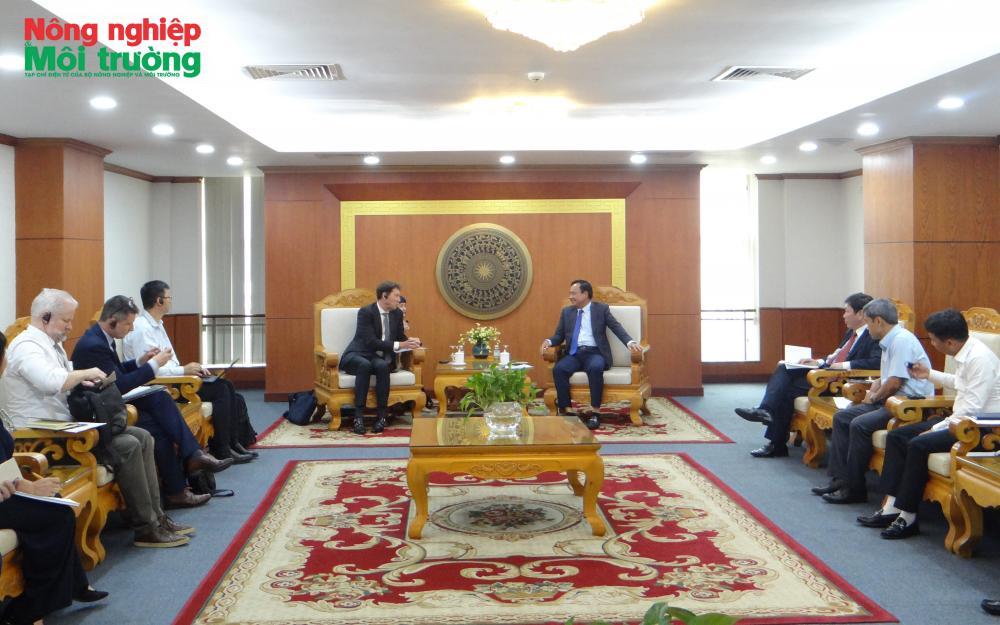
Fisheries infrastructure typically requires substantial capital, while investment recovery periods are long. Some facilities also serve public purposes and generate little direct revenue, limiting the ability of private enterprises to independently finance entire infrastructure systems. Deputy Minister Vo Van Hung emphasized that the State should take the lead by directing resources toward essential facilities while creating conditions for businesses to participate in activities with greater potential for added value, including logistics, fish purchasing, storage and processing.
This approach requires fishing ports to be viewed not merely as places where vessels dock and unload their catches, but as important links in the fisheries value chain. The performance of infrastructure projects should be assessed in terms of how effectively they connect fishing and aquaculture activities with fish purchasing, storage, processing and distribution, rather than solely by their construction scale or investment value.
This is also consistent with the World Bank’s objectives for the project, which link infrastructure modernization with improved product quality, reduced post-harvest losses, better product traceability and stronger fisheries management. These priorities are increasingly important as the sector faces market requirements, fisheries management regulations and mounting pressure to conserve natural resources.
Strengthening cooperation in knowledge, technology and private investment
Beyond loan financing, Christophe Pierre Crepin said the World Bank's future cooperation with Viet Nam would place greater emphasis on knowledge sharing, international experience, technology transfer and private sector participation.
The IBRD loan for the Sustainable Fisheries Development Project is primarily intended to finance infrastructure. However, according to the World Bank representative, the effectiveness of these facilities will also depend on policy improvements, stronger management capacity and the application of modern technologies. The Bank expects to provide additional grant funding for technical assistance, knowledge sharing and technology support in the coming years.
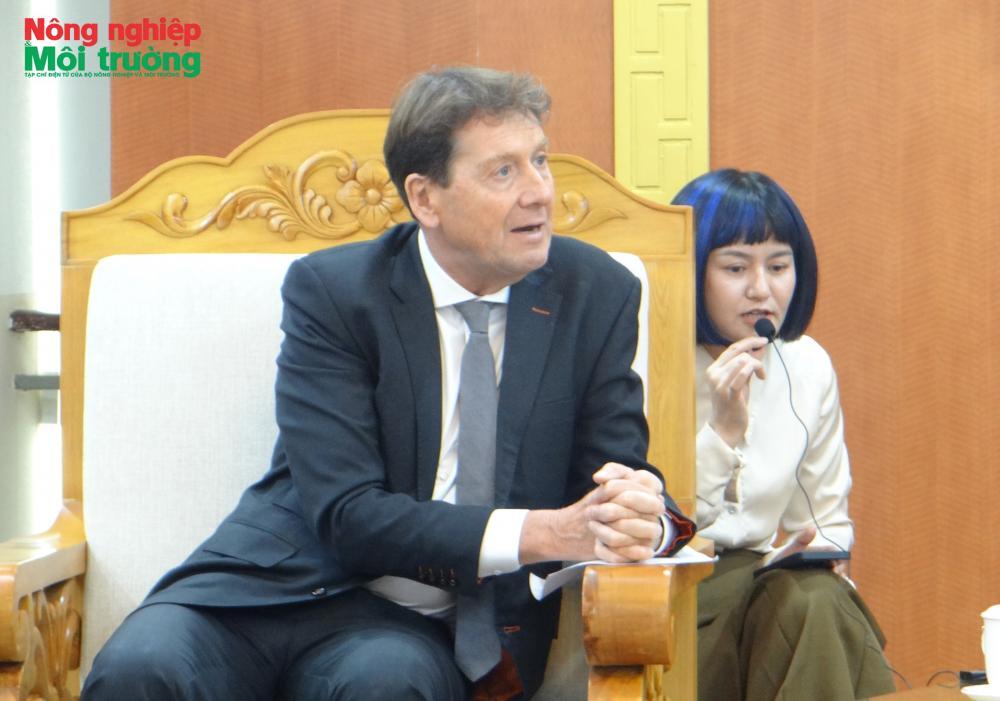
Technical solutions are expected to be studied and incorporated from the design stage, as well as reflected in bidding documents, through consultations with local authorities, project management units and relevant technical agencies. This approach is important because shortcomings in technology, operation and management can be difficult to address once construction is completed if these requirements have not been adequately considered during the design process.
Another area of cooperation is the mobilization of private investment through coordination with the International Finance Corporation (IFC), a member of the World Bank Group focused on private sector development. Crepin proposed holding regular working sessions and organizing a conference involving the Ministry of Agriculture and Environment, local authorities and businesses to identify bottlenecks, discuss solutions and explore investment opportunities.
This direction builds on previous cooperation between the World Bank and Viet Nam in coastal resource management. The Coastal Resources for Sustainable Development Project (CRSD), supported by the World Bank and completed in 2019, focused on strengthening coastal fisheries management, promoting sustainable aquaculture practices and improving nearshore fishing practices. It also supported coastal spatial planning, improvements to the fisheries database, environmental monitoring in aquaculture areas and community-based fisheries co-management models.
An important lesson from the project was that sustainable fisheries development cannot be separated from resource management and livelihood development. The World Bank’s project completion report also highlighted the role of fisheries co-management groups, good aquaculture practices and alternative livelihood development integrated into local socioeconomic development plans.
In agriculture, the Viet Nam Sustainable Agriculture Transformation Project (VnSAT) demonstrated how cooperation with the World Bank can extend beyond investment and technical assistance to improve production practices. According to the Bank, the project supported more than 156,000 rice-growing households in the Mekong Delta in adopting improved farming practices, helping reduce water consumption and methane emissions, improve product quality and strengthen livelihoods.
These experiences demonstrate that the value of development cooperation lies not only in the amount of financing mobilized but also in its ability to strengthen governance, transfer knowledge and bring about tangible improvements in production practices. For the fisheries sector, they provide a basis for ensuring that new infrastructure investments are more closely aligned with fisheries management, resource conservation, product quality improvement and climate change adaptation.
Against this backdrop, Deputy Minister Vo Van Hung expressed his hope that the World Bank would continue to expand cooperation with the Ministry of Agriculture and Environment in marine conservation, support for fishers transitioning to alternative livelihoods, greenhouse gas emission reduction and the development of a green marine economy.
The Deputy Minister called on relevant agencies to strengthen coordination with the World Bank and local authorities, review actual needs, improve investment preparation, and clearly define responsibilities and implementation timelines to ensure that funding is used efficiently and directed toward priority areas.
Expanding cooperation in the coming years could create further opportunities to combine financial resources with international knowledge, technology and experience. Ultimately, however, its effectiveness will depend on translating these priorities into programs and projects with clear objectives, tailored to local conditions and responsive to the practical needs of communities and businesses.
This will be essential to making fisheries infrastructure a foundation for a modern sector that uses marine resources responsibly and strengthens its competitiveness in international markets.
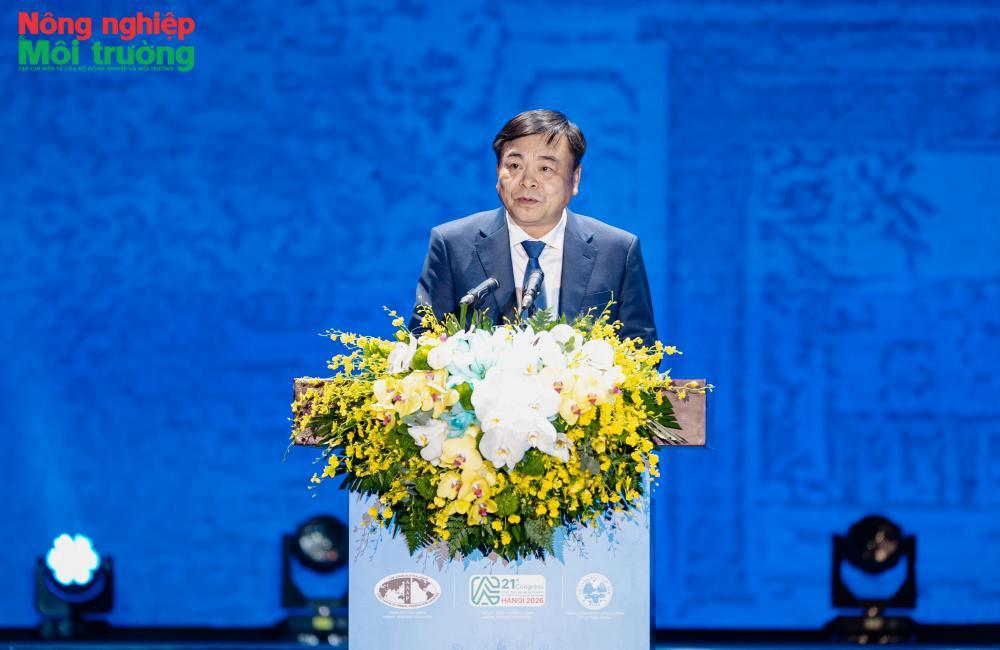
Held in Hanoi from October 28 to 31, 2026, the 21st Asian-Australasian Association of Animal Production Societies Animal Science Congress (AAAP 2026), under the theme “Sustainable animal production,” brought together scientists, policymakers and business representatives from 45 countries and territories. The congress featured 1,111 scientific papers selected by the organizers. Discussions highlighted the growing importance of disease resilience, reduced environmental impacts, more efficient resource use and improved production systems in achieving sustainable livestock development. Science and technology, institutional reform and international cooperation are central to addressing these challenges.
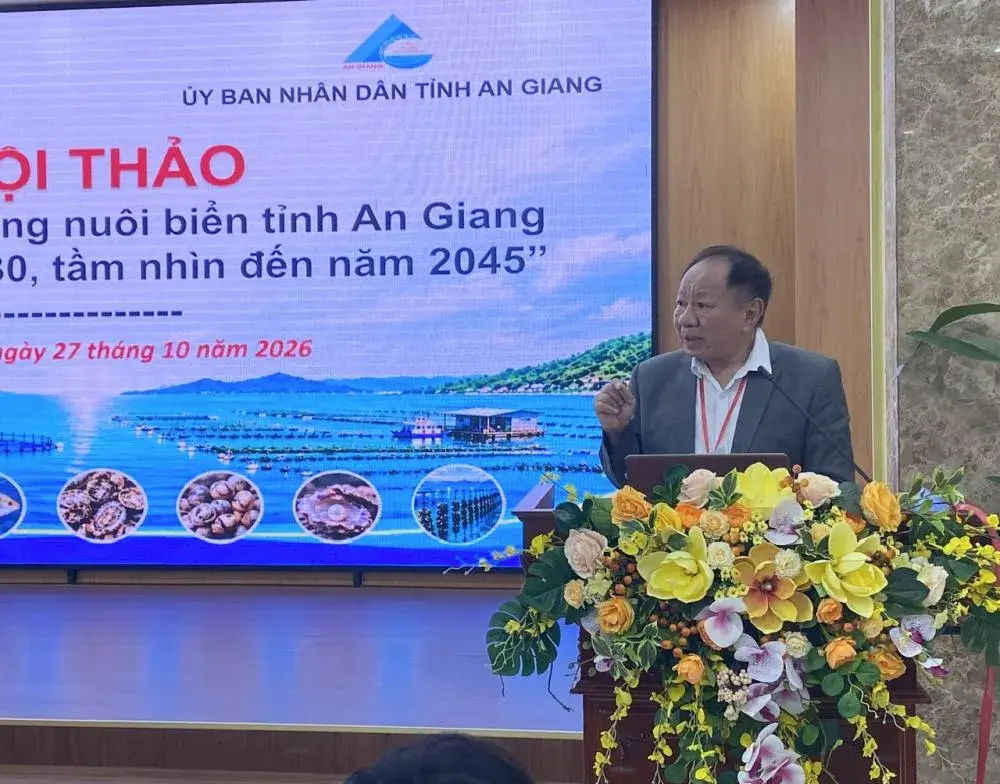
An Giang has extensive marine waters, numerous islands and considerable potential for development, giving the province an opportunity to transform marine aquaculture from fragmented, household-based operations into a modern economic sector. However, challenges involving spatial planning, investment capital, technology, seed supply, market linkages and environmental protection must be addressed in a coordinated manner to achieve the province’s targets for 2030 and its vision for 2045.
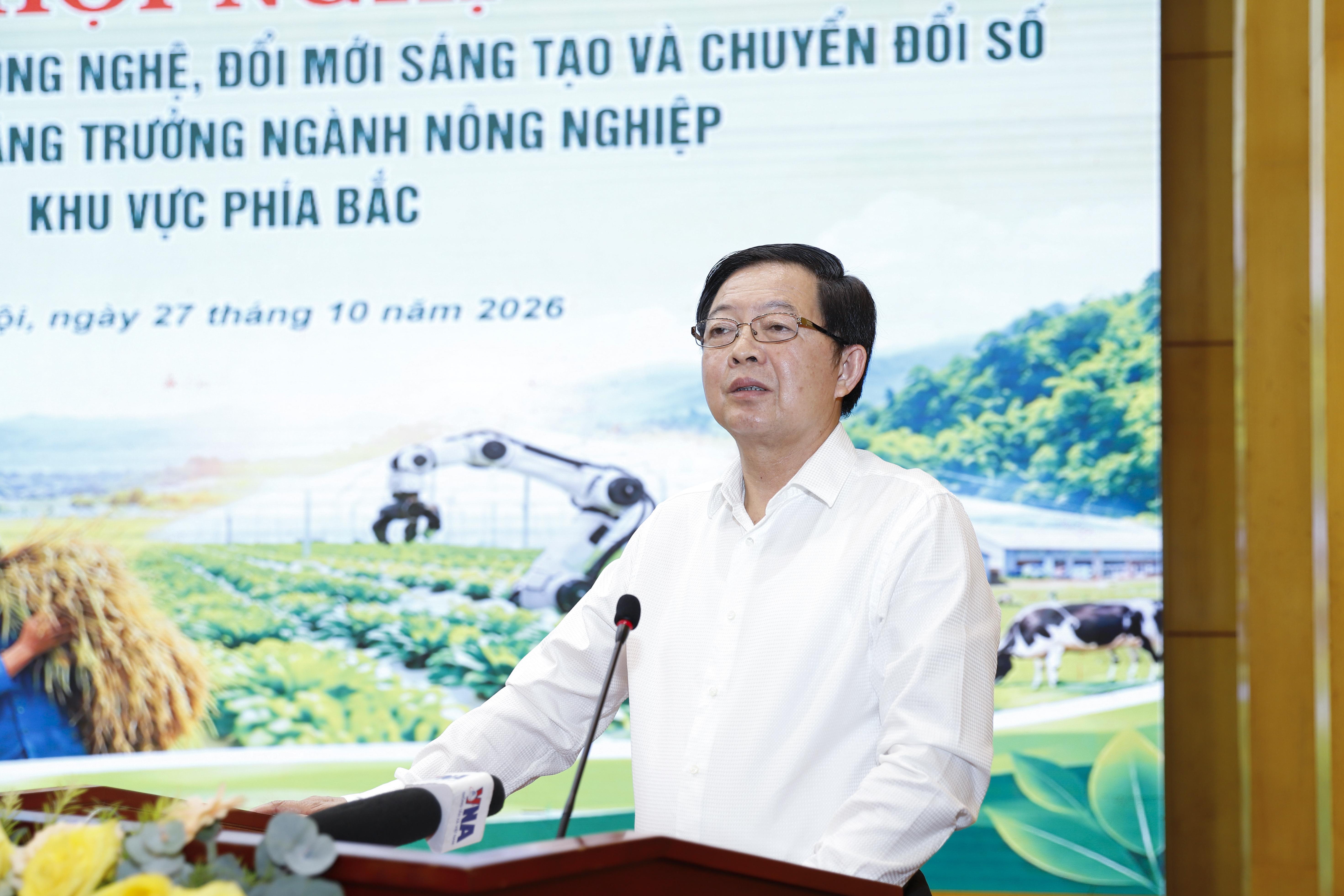
At a conference on science, technology, innovation and digital transformation to drive growth in the agricultural sector in northern Viet Nam, held in Hanoi on October 27, Deputy Prime Minister Ho Quoc Dung called for research projects to address practical needs, identify clear applications and deliver measurable results. Issues raised by leaders of the Ministry of Agriculture and Environment and the Ministry of Public Security highlighted the need to improve research effectiveness, strengthen links with businesses and bring scientific and technological advances into production and commercial use.
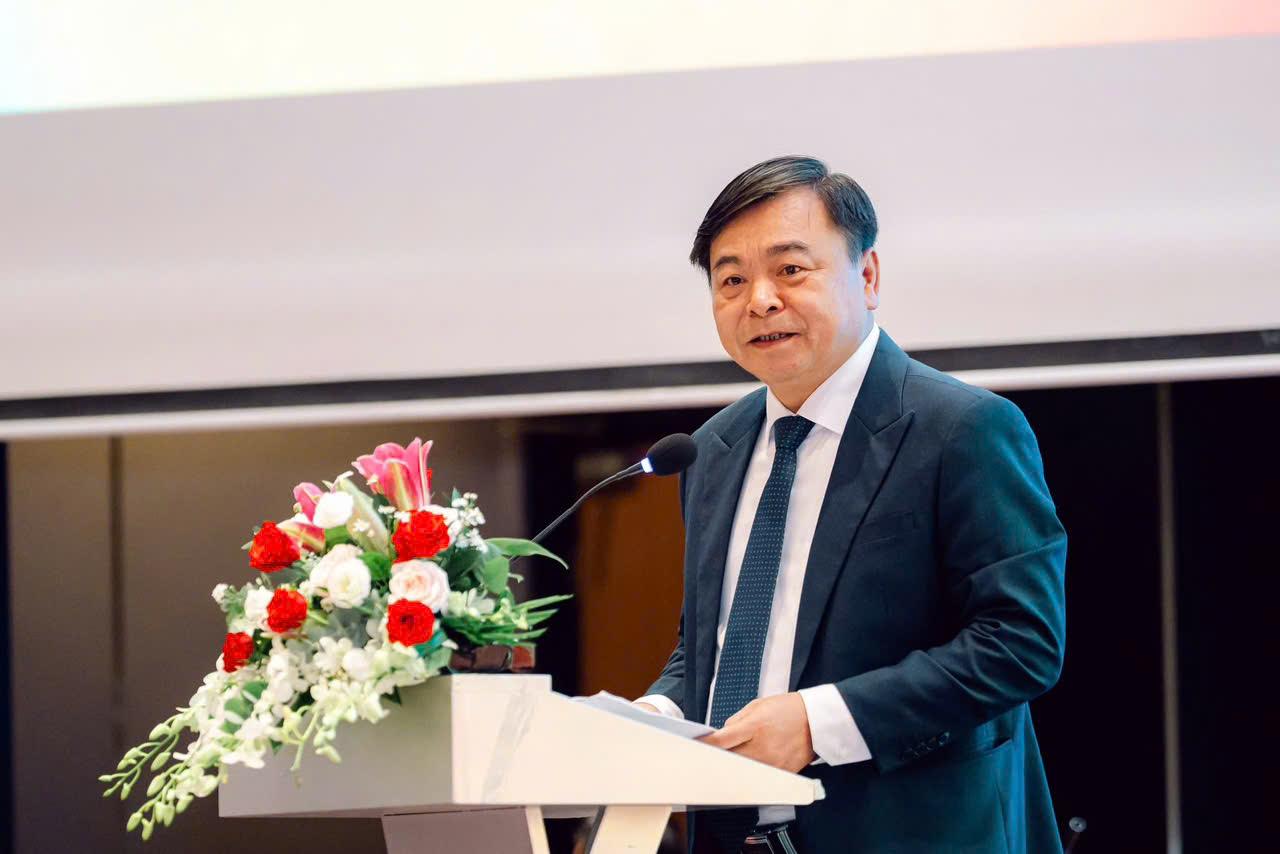
At a conference held on October 15 to mark World Food Day 2026 and strengthen cooperation on the implementation of Viet Nam’s “One million hectares of high-quality, low-emission rice scheme in the Mekong Delta”, the Ministry of Agriculture and Environment, the Food and Agriculture Organization of the United Nations (FAO) and development partners reviewed implementation progress, plans for expansion and resource needs for the next phase. Initial results indicate potential gains in production efficiency, lower input use and reduced emissions. However, scaling up the model will require closer coordination on infrastructure, production organization, market linkages and green finance.
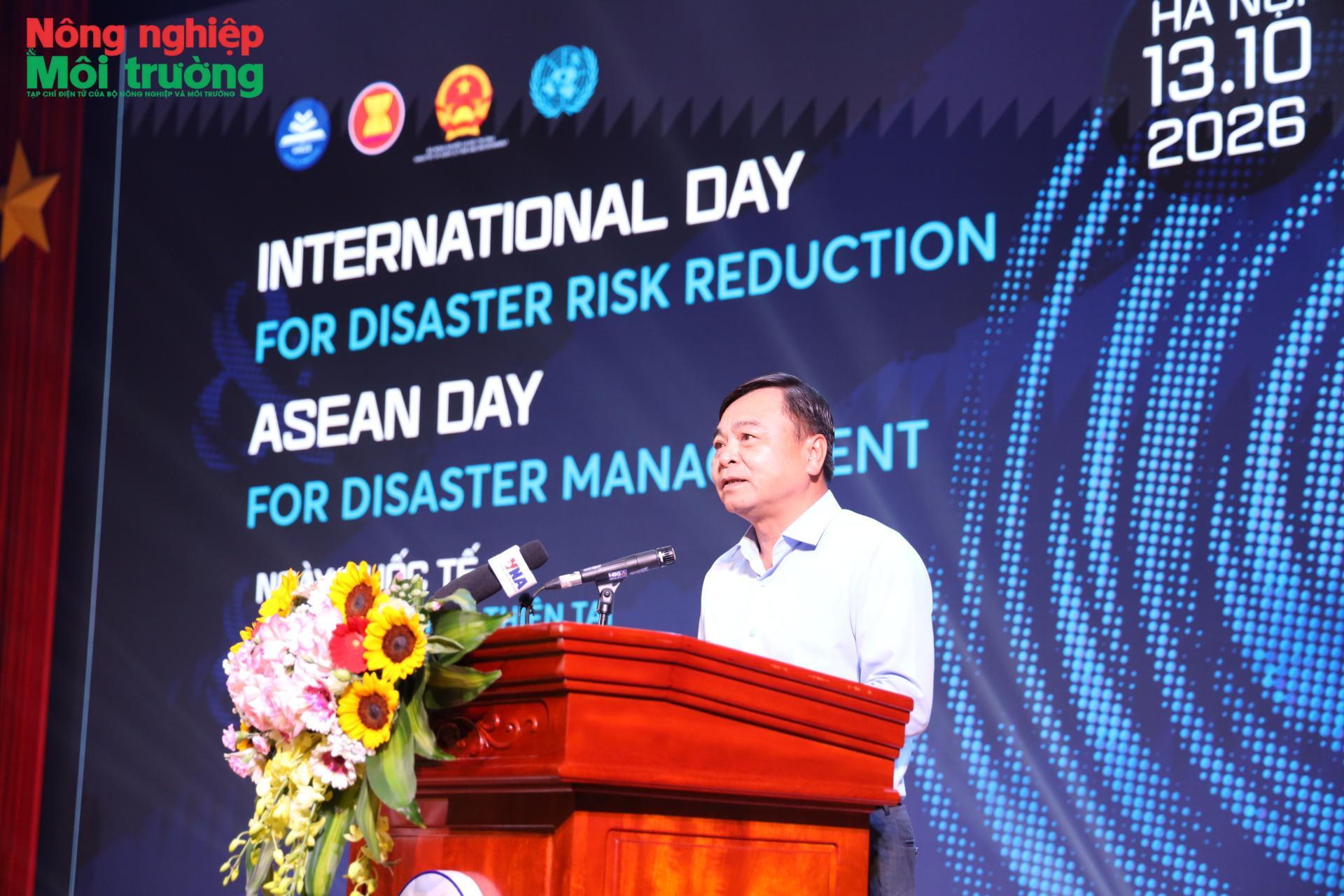
As disaster risks grow more complex, preparedness must extend beyond the response plans of authorities to include households, schools and communities. At a rally held in Hanoi on the afternoon of October 13 to mark the 2026 International Day for Disaster Risk Reduction and ASEAN Day for Disaster Management, the Ministry of Agriculture and Environment and its partners called for a shift toward proactive disaster risk management, underpinned by early warning, public awareness and community participation.