



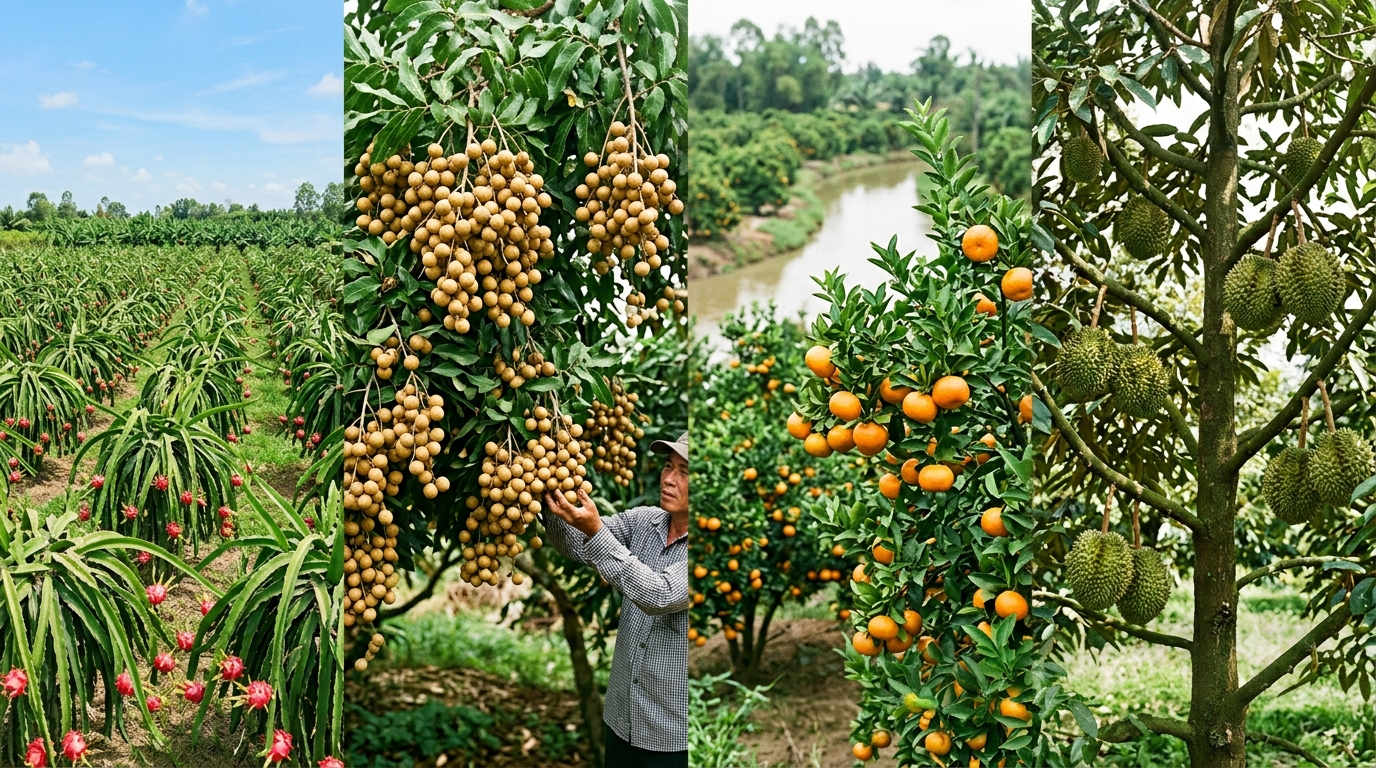
 Durian, mandarin orange, and longan are economically important fruit crops for many farm households in Dong Thap Province. Their cultivation and harvesting also generate substantial quantities of by-products. Research by Nguyen Tran Thanh Truc, Nguyen Cam Tien, Pham Cam Dang, and Vo Quang Minh of the Department of Land Resources, College of Environment and Natural Resources, Can Tho University, highlights the potential to utilize these materials under a circular economy approach. The proposed models could create additional value from agricultural by-products while improving resource-use efficiency, soil quality, and the sustainability of agricultural production.
Fruit by-products as an underused resource
Dong Thap has favorable conditions for growing a range of economically valuable fruit crops, including durian, mandarin orange, and longan, which were selected for this study to assess their potential for circular economy development. Alongside the main harvested products, cultivation and postharvest handling generate various by-products, including peels, seeds, branches, leaves, and rejected fruit. When properly collected and processed, these materials can serve as inputs for other production activities, improving resource-use efficiency in agriculture.
Based on a survey of 90 farm households across seven communes in the study areas of Dong Thap, the researchers examined by-product generation, current utilization practices, and the potential adoption of circular economy models. The findings indicate that fruit crop by-products are abundant, although utilization rates vary considerably among the crops studied.
Approximately 80% of durian by-products identified in the study were discarded, whereas the utilization rates for mandarin orange and longan by-products reached approximately 60% and 93%, respectively. These differences reflect the characteristics of the materials generated by each crop and the availability of suitable processing methods. Durian husks and seeds are hard and decompose slowly, making them more challenging to utilize and increasing the need for appropriate processing technologies.
These findings suggest that circular economy development requires more than applying a uniform process across all fruit crops. It depends on identifying the characteristics of individual by-product streams, assessing their potential for conversion into useful products, and selecting utilization methods suited to local production conditions.
This approach also encourages a broader view of agricultural by-products. Rather than treating them solely as materials requiring disposal after harvest, stakeholders across agricultural value chains can explore their use as raw materials for organic fertilizer production, bio-based products, and other value-added applications.
Farmers’ willingness offers a basis for circular practices
One notable finding is the gap between farmers’ awareness of the circular economy and their willingness to adopt circular production practices. On a five-point scale, the surveyed farm households recorded a mean awareness score of 2.34, compared with a mean willingness-to-adopt score of 3.37.
The results indicate that the circular economy remains a relatively unfamiliar concept for many surveyed farmers, while practical solutions offering tangible benefits appear more appealing. Utilizing by-products to generate additional products, reduce input costs, and minimize waste may therefore align with farmers’ production needs.
From the perspective of sustainable agricultural development, this willingness provides a favorable starting point. The transition does not necessarily need to begin with technologically complex models or those requiring substantial capital investment. Practical measures that can be implemented directly on farms, such as composting by-products to produce organic fertilizer, may offer a feasible way for farmers to adopt more resource-efficient practices incrementally.
However, translating willingness into sustained production activities requires access to finance, technical assistance, and market information. Guidance on by-product processing, the transfer of appropriate technologies, and opportunities to share practical experience can help farmers understand the relevant procedures, select models suited to their farming conditions, and sustain their implementation over time.
From this perspective, raising awareness involves more than introducing a new concept. It also means helping producers understand the practical benefits of circular practices, acquire the necessary technical knowledge, and access the support required to implement them.
Crop-specific approaches to by-product utilization
Drawing on the survey findings and previously published research, the authors propose different approaches to utilizing by-products from durian, longan, and mandarin orange production. The models are designed to recover value from multiple parts of each plant, combining the use of locally available materials with their conversion into value-added products.
For durian, fruit meeting commercial standards can continue to be sold fresh, while rejected fruit could be processed into dried durian, powder, or baked products. The husks and seeds represent potential raw materials for bioethanol production or organic fertilizer, while the leaves could be used as mulch or as feedstock for organic fertilizer production. These options could expand the utilization of different plant components while underscoring the need to select processing technologies suited to the characteristics of each type of by-product.
For longan, the study proposes combining fresh fruit sales with the processing of rejected fruit into dried longan, longan tea, and longan wine. Other plant components could also be utilized where appropriate. For example, trunks could be used for timber or fuelwood, while the husks and seeds have potential applications in smokeless charcoal production or soil improvement.
For mandarin orange, fruit meeting commercial standards can continue to be sold fresh, while rejected fruit and other by-products, including peels, pomace, and fruit segments, could serve as raw materials for juice, jam, vinegar, essential oils, or tea. The study also proposes exploring other applications, such as using by-products for animal feed or mushroom-growing substrates. Leaves could be biologically processed to produce fertilizer, allowing materials generated during cultivation to be returned to agricultural production.
These models demonstrate that circular economy development depends on crop-specific characteristics and the availability of suitable uses for recovered materials. However, the proposed approaches are based on the study findings and existing literature. Their selection, further development, and practical implementation will need to account for raw material quality, processing technologies, production costs, and market demand.
Among the proposed approaches, organic fertilizer production from by-products has particular practical relevance because composting is already practiced by many surveyed farm households. Developing suitable processing methods could improve the quality of the resulting products, make better use of materials available on farms, and help reduce reliance on chemical fertilizers. More advanced processing options could also diversify product offerings, although their technical performance and market feasibility should be evaluated before wider adoption.
Stronger production linkages can support implementation
To improve the effectiveness of by-product utilization models, the study emphasizes the need for coordinated solutions informed by an analysis of local production conditions using the strengths, weaknesses, opportunities, and threats (SWOT) framework.
One priority is to organize by-product collection and processing through farmer groups, cooperatives, or other forms of producer collaboration. Such arrangements can help aggregate raw materials, share investment costs, and facilitate the adoption of consistent processing procedures. When sufficient quantities of by-products are collected, investment in equipment and partnerships with processing facilities may become more feasible.
Alongside production organization, technical support and technology transfer are essential. Training programs should be tailored to individual crops, the characteristics of their by-products, and the models selected for implementation. This would help farmers understand processing procedures and the appropriate uses of the resulting products. Integrating circular practices into farming systems that meet relevant quality standards is another option for increasing agricultural product value and addressing market requirements.
Market access is another factor determining whether these models can be sustained. Linkages among farm households, cooperatives, and businesses can connect by-product supplies with the raw material needs of processing enterprises. They can also improve producers’ access to information on quality standards, prices, and consumer preferences. A clearer understanding of market demand can, in turn, support better-informed decisions about technology selection and production organization.
The research by Nguyen Tran Thanh Truc, Nguyen Cam Tien, Pham Cam Dang, and Vo Quang Minh clarifies opportunities for circular economy development in Dong Thap’s fruit sector by linking farm household survey findings with proposed by-product utilization models and implementation strategies. The study’s contribution lies not only in identifying potential raw material resources but also in connecting technical solutions with farmers’ capacities and market requirements.
When appropriately selected and implemented, these models could create additional value from by-products, diversify farm household income, reduce waste, and improve the efficiency of agricultural land use. The findings from Dong Thap therefore provide a useful reference for circular agriculture development, highlighting coordination among farmers, government agencies, research institutions, and businesses as an important condition for translating this potential into practical outcomes.
Sources: This article is based on the study “Assessment of potential and proposed solutions for developing a circular economy for selected key fruit crops in Dong Thap province” by Nguyen Tran Thanh Truc, Nguyen Cam Tien, Pham Cam Dang, and Vo Quang Minh, published in the Science Journal of Agriculture and Environment, Issue 1, July 2026.
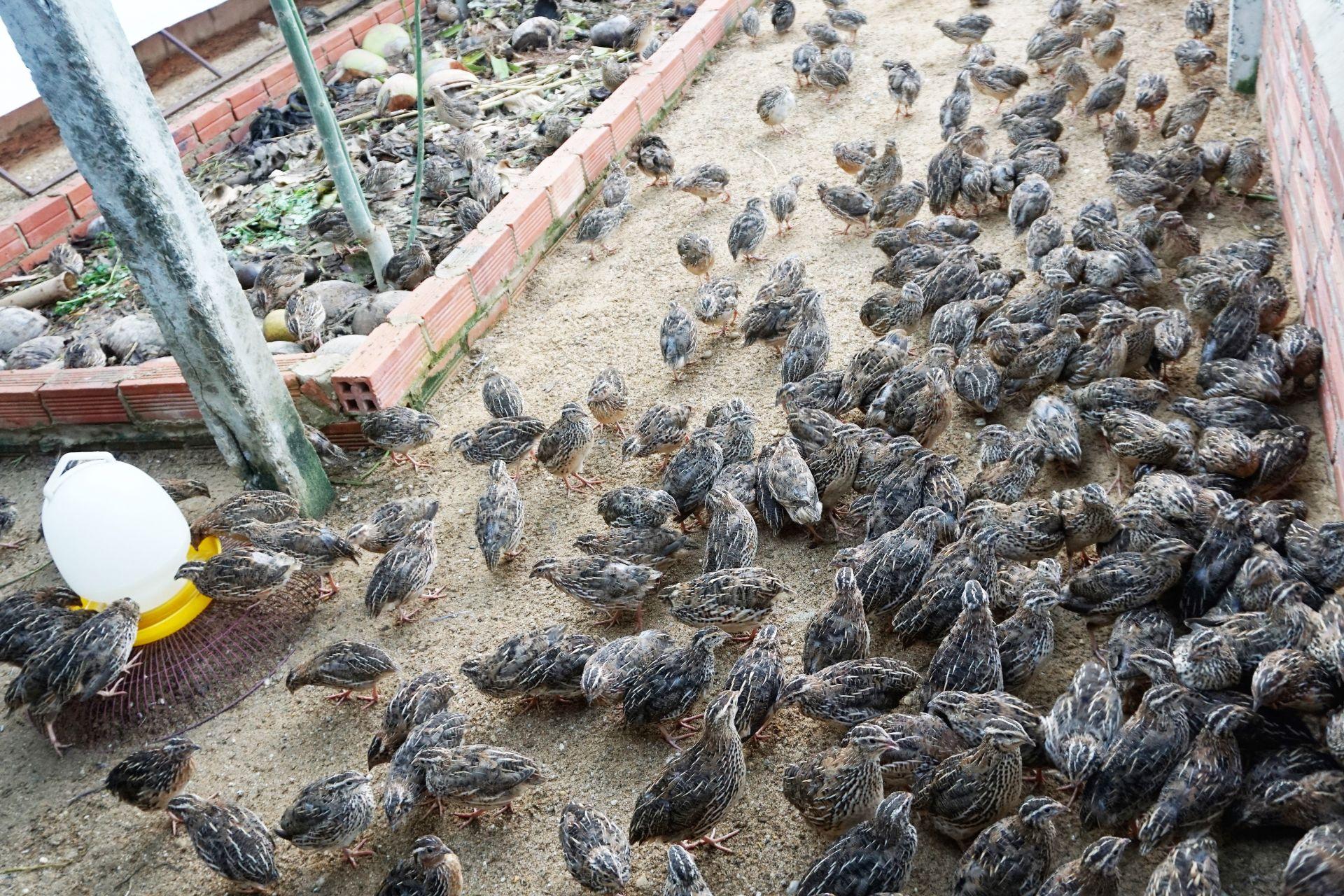
Quail farming offers several advantages, including flexible production scales, relatively low investment requirements, rapid growth, and short production cycles. A study by Van Thi Ai Nguyen and Le Thanh Thang examines the potential for applying a circular economy model to quail farming, particularly through the reuse of manure and feathers. By identifying resource losses along the livestock value chain, the study considers how by-product recovery could increase value in the sector and help reduce emissions. Realizing these potential benefits, however, requires appropriate technical processes, reliable market linkages, and economically viable solutions.
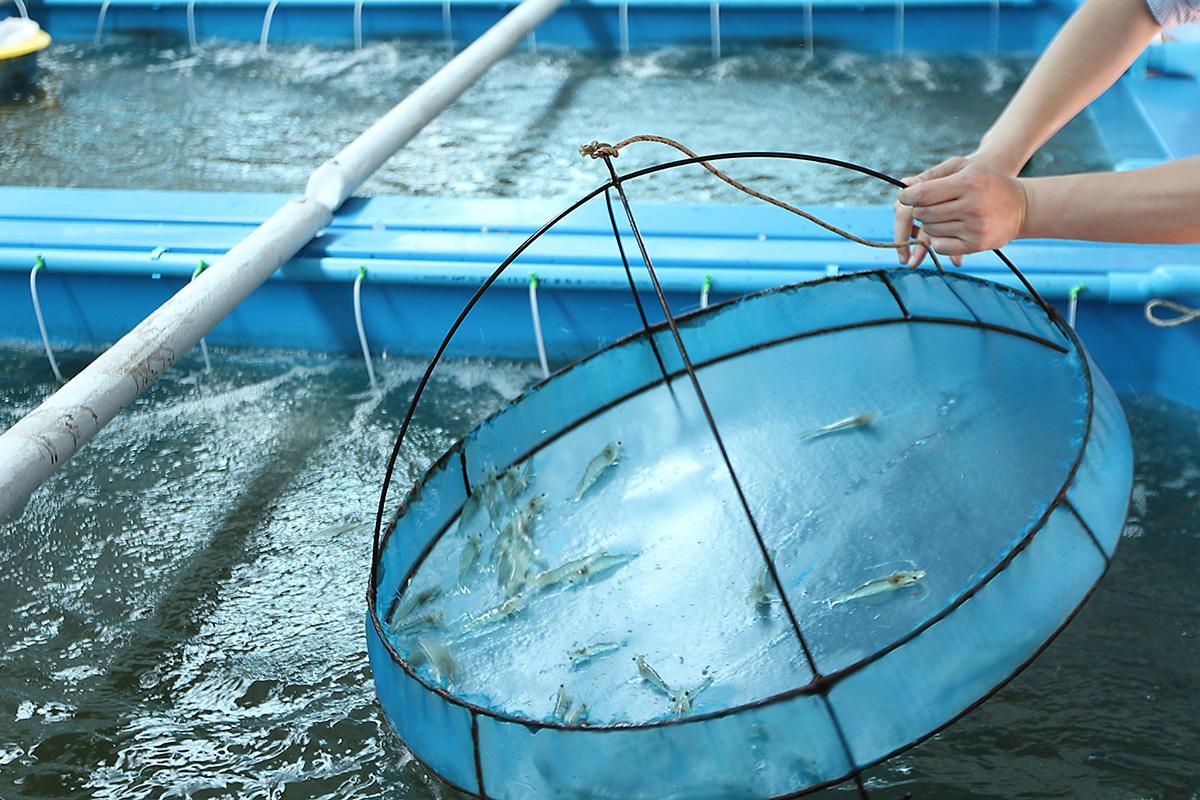
Science and technology play an important role in the development of the agriculture and environment sector, contributing to national food security, greater production efficiency and producer incomes, stronger exports, and Viet Nam’s position as a major agricultural producer in the global market. However, the development and application of science and technology in Viet Nam in general, and in fisheries and fisheries surveillance in particular, still face a number of limitations. It is therefore essential to establish orientations for science and technology development and innovation in fisheries and fisheries surveillance for the 2026–2030 period.
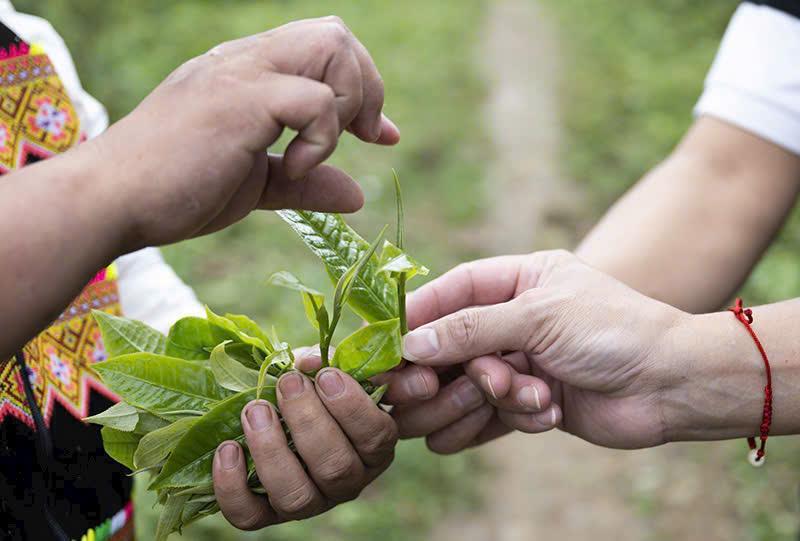
In the highlands of Northern Viet Nam, ancient Shan tea trees not only provide raw materials for distinctive tea products but also preserve valuable genetic resources, indigenous knowledge, and the livelihoods of ethnic minority communities.
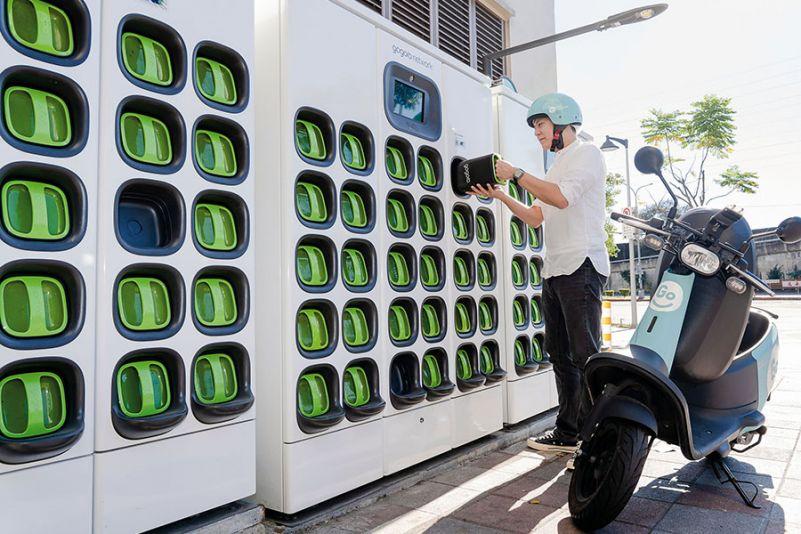
The rapid development of electric mobility is supporting Viet Nam’s energy transition and helping reduce emissions from the transport sector. However, the environmental performance of this transition depends not only on the number of electric vehicles (EVs) in use but also on how vehicles and batteries are managed at the end of their useful lives. Before the volume of end-of-life batteries increases substantially, Vietnam is studying models for the collection, reuse, remanufacturing, and recycling of end-of-life vehicles and EV batteries, with a view to establishing a circular value chain.
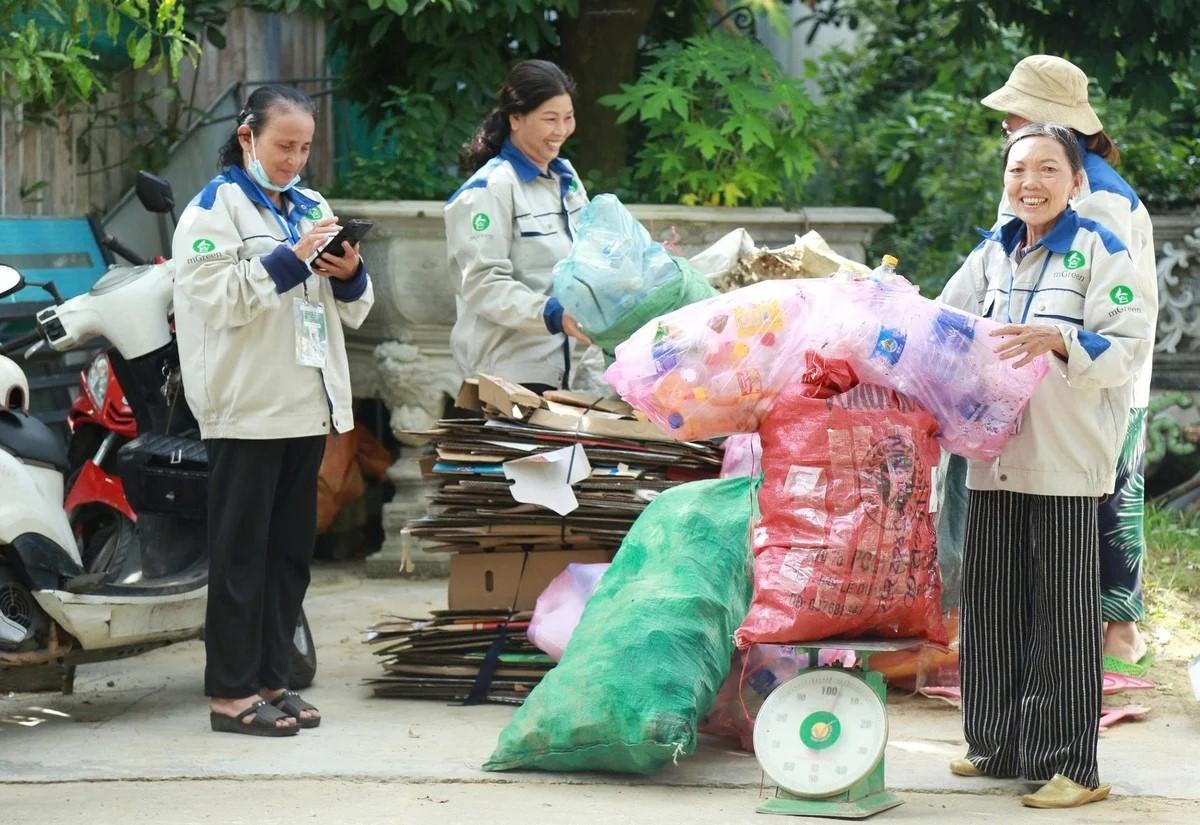
While the international community continues to seek common ground on a global legally binding instrument to end plastic pollution, the question for Viet Nam is not only when the Global Plastics Treaty will be adopted, but, more importantly, how prepared the domestic economy, businesses, and governance systems are for the new requirements it may entail.