



 The health value of urban green spaces cannot be assessed by tree abundance or green space area alone. It also depends on vegetation structure, how people perceive their surroundings, and the contexts in which they access and use these spaces. A systematic review of 30 studies published between 2020 and 2026 by Pham Thi Bich Phuong and Li Shuhua consolidates evidence of the positive relationship between urban green spaces and public health. The authors also propose an integrated “vegetation–perception–health” framework to inform research and urban planning, particularly in tropical cities.
Urban green spaces as part of urban health infrastructure
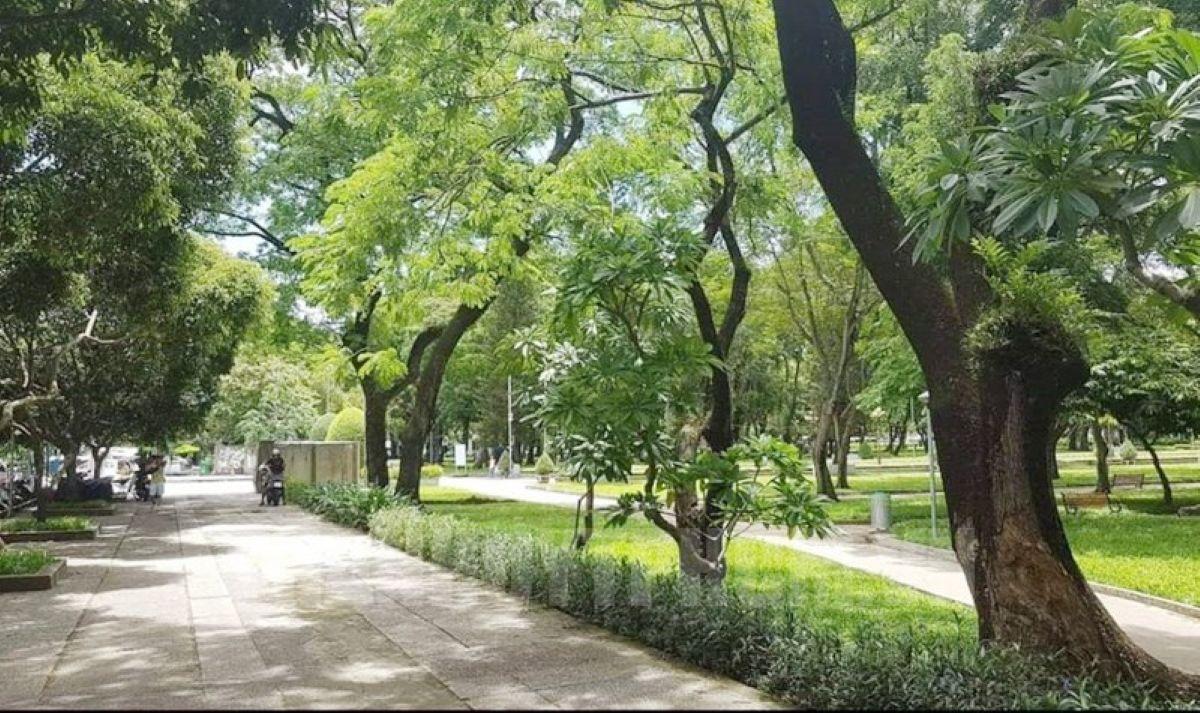
As urbanization progresses, urban green spaces are increasingly recognized as essential components of the living environment, with benefits extending beyond landscape aesthetics and ecological functions. Parks, gardens, and other vegetated areas provide opportunities for rest, physical activity, and contact with nature, while potentially contributing to physical and mental health. Understanding these benefits underscores the importance of considering urban green spaces in relation to quality of life and public health.
The study by Pham Thi Bich Phuong and Li Shuhua, titled “Urban green spaces and their contribution to public health promotion: A literature review”, provides a systematic assessment of this relationship. Following the Preferred Reporting Items for Systematic Reviews and Meta-Analyses (PRISMA) framework, the authors selected and analyzed 30 studies published between 2020 and 2026. The literature was retrieved from four databases and search platforms: Web of Science, Scopus, CNKI, and Google Scholar. The selected studies were examined in terms of research methods, assessment indicators, findings, and areas requiring further investigation.
The review found that most studies reported positive associations between exposure to urban green spaces and various dimensions of health among urban residents. Frequently reported benefits included improved emotional states, reduced stress, enhanced psychological restoration, and support for physical activity. Some studies also examined the role of green spaces in facilitating social interaction, strengthening social cohesion, and fostering a sense of community belonging.
These findings provide a scientific basis for recognizing urban green spaces as part of urban health infrastructure. Their value should therefore be assessed in relation to human well-being, rather than solely in terms of area or landscape aesthetics.
However, the reported benefits varied across studies. Green space type, landscape quality, usage context, and user characteristics may all be associated with health outcomes. Some green spaces may provide favorable conditions for physical activity, while others may offer greater opportunities for relaxation, psychological restoration, or social interaction. These differences underscore the need to investigate more closely the characteristics that shape the health-related value of urban green spaces.
Vegetation structure and human experience
One notable contribution of the study is its emphasis on the role of plant community structure in shaping landscape characteristics and associated health benefits. Many previous studies have examined urban green spaces at an aggregate level, focusing on area, location, or accessibility. Although this approach helps assess the availability of green spaces within cities, it does not fully explain why spaces with different characteristics may produce different experiences and health-related outcomes.
The synthesis of empirical evidence identifies canopy cover, tree density, species diversity, naturalness, and vegetation arrangement as important considerations in the assessment of urban green spaces. In particular, multilayered vegetation structures combining trees, shrubs, and ground cover have been associated with greater perceived restorativeness in some research settings. Differences in plant community composition and structure may also be associated with variations in human psychological and physiological responses.
The reviewed evidence further indicates that environments with pronounced natural characteristics, such as forests and parks with naturalistic landscapes, have been associated with more favorable restorative effects in some studies than monotonous or highly artificial green spaces. These findings are not consistent across all contexts, however. For example, objectively measured biodiversity does not always show a clear association with mental health. Users’ perceptions and the duration of their exposure to green spaces may also play important roles.
These findings have implications for urban landscape design. The value of urban greenery depends not only on the number of trees planted or the area covered by vegetation, but also on how different plant components are arranged to create environments suited to human needs. An appropriately designed vegetation structure can contribute to ecological quality, provide shade, enhance landscape diversity, and support positive user experiences.
Nevertheless, greater structural complexity or higher species diversity cannot automatically be assumed to produce greater health benefits. Outcomes need to be considered in relation to the function of each space, local environmental conditions, seasonal variation, and patterns of use. This is why the authors emphasize the need for more detailed investigation of the relationship between plant community characteristics and health outcomes, rather than treating vegetation merely as a descriptive indicator of landscape quality.
Linking landscape characteristics, environmental perception, and health outcomes
The studies included in the review employed a range of methods to investigate the relationship between urban green spaces and public health. Questionnaire surveys combined with statistical analysis remain a common approach, providing information on emotional states, perceived restorativeness, physical activity, and the frequency of green space use. Meanwhile, experimental studies increasingly incorporate physiological indicators, such as heart rate, blood pressure, and stress responses, providing objective data for assessing human responses to different landscape types.
Another approach combines ecological surveys with spatial analysis to examine vegetation structure, biodiversity, and the spatial distribution of urban green spaces. According to the review, however, these methods are often applied separately. Ecological studies may characterize vegetation in detail without establishing sufficient links to health indicators, while studies of environmental perception and health may not examine the landscape characteristics that shape users’ experiences in sufficient depth.
To address this gap, the study highlights the role of mediating factors, particularly human perceptions and experiences. Perceived restorativeness, place attachment, connectedness to nature, frequency of use, and time spent in green spaces may all help explain the relationship between landscape characteristics and health outcomes. The relationship is therefore not simply a direct, one-way process: the benefits people experience are also associated with how they perceive, access, and use these environments.
This perspective is important for the development of interdisciplinary research models. By examining ecological indicators alongside environmental perception and health outcomes, researchers can investigate the mechanisms underlying the benefits of urban green spaces rather than limiting their analysis to associations between green space availability and health.
The review also identifies several areas requiring further investigation. Older adults, children, and women remain insufficiently represented in the studies examined. Empirical research in tropical urban contexts is limited, and integrated indicator systems linking vegetation structure, environmental perception, and health outcomes remain underdeveloped. These gaps point to opportunities to strengthen the evidence base and expand the practical applications of research on urban green spaces.
Climate, vegetation characteristics, and patterns of space use can differ substantially across regions. Findings from temperate cities should therefore not be applied directly to tropical cities without accounting for local conditions. Context-specific research can help determine which vegetation structures and types of green space are appropriate for local ecological conditions and residents’ health needs.
Implications for health-oriented urban green space planning
Based on the synthesis of existing findings and research gaps, Pham Thi Bich Phuong and Li Shuhua propose an integrated “vegetation–perception–health” framework. Within this framework, vegetation structure provides the environmental foundation; environmental perception and human experience act as mediating factors; and health outcomes are considered in psychological, physical, and social dimensions.
The value of this framework lies in its potential to connect areas of research that have often been examined separately. It provides a basis for considering the ecological characteristics of vegetation, the ways people experience landscapes, and the health benefits that urban green spaces are intended to support. The framework can guide further empirical research while informing a more integrated approach to urban green space planning and design.
For Hanoi, these implications are particularly relevant given the limited availability of land for expanding green spaces in the inner city and the growing importance of providing a high-quality living environment. Improving the effectiveness of existing green spaces should therefore complement efforts to expand green space provision, with greater attention to landscape quality and vegetation structures suited to individual sites.
For example, combinations of trees, shrubs, and ground cover could be selected according to the function and specific conditions of each space. Such arrangements should balance ecological and landscape objectives with requirements for shade, visibility, traffic circulation, safety, and user activities. In areas of historical, architectural, or cultural significance, green space development should also respect the distinctive character of the urban landscape and maintain compatibility between ecological objectives and urban identity.
Decisions about vegetation structure, however, should not rely solely on generalized findings. As the study indicates, further empirical research in Hanoi is needed to examine how different types of urban green space and plant community characteristics relate to residents’ perceptions, behavior, and health. Local evidence can inform the selection of vegetation and landscape design approaches that better reflect the tropical climate, sociocultural conditions, and needs of different population groups.
Over the longer term, this approach may also provide a useful reference for other tropical cities with comparable conditions. By considering public health in relation to environmental quality, urban green space planning can draw on a broader evidence base to balance ecological objectives, landscape quality, and social well-being.
By synthesizing evidence on the relationship between urban green spaces and public health and proposing an integrated “vegetation–perception–health” framework, Pham Thi Bich Phuong and Li Shuhua contribute to a more comprehensive understanding of the value of urban greenery. The significance of their work lies not in providing a universal formula for every city, but in establishing an approach that connects vegetation structure with human experience and health needs. This provides a foundation for further research into the underlying mechanisms and for evidence-based planning of urban green spaces tailored to the characteristics of individual cities.
Sources: This article is based on the study “Urban green spaces and their contribution to public health promotion: A literature review” by Pham Thi Bich Phuong and Li Shuhua, published in the Science Journal of Agriculture and Environment, Issue 2, July 2026.
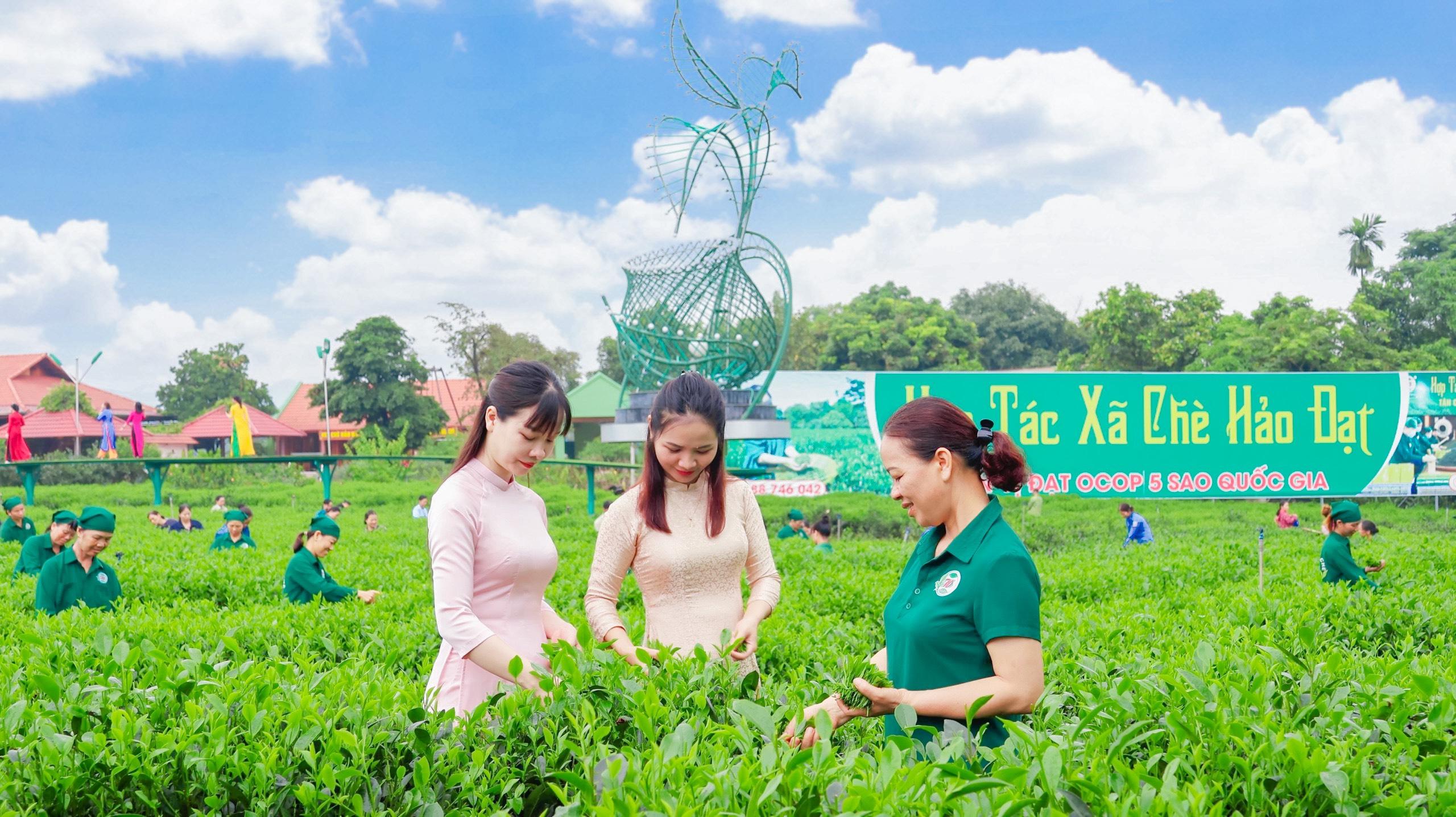
Effective implementation of the 2023 Law on Cooperatives requires not only dissemination of its provisions but also practical guidance and support mechanisms tailored to cooperatives’ operating conditions. A 2025 field survey conducted by Phung Giang Hai, Hoang Minh Huy, Vu Thi Thu Giang, and Nguyen Thi My across six localities identified challenges in applying six groups of new provisions and assessed support needs relating to legal compliance, governance, financial management, and operational arrangements. The findings provide an empirical basis for refining implementation guidance and developing support measures that better address the needs of agricultural cooperatives in Viet Nam.

A laboratory-scale study by Nguyen Thi Minh, Do Thi Thuy, and Le Minh Nguyet of Vietnam National University of Agriculture (VNUA) found that combining selected bacterial strains with microalgae improved domestic wastewater treatment efficiency. After 14 days, the combined system achieved a chemical oxygen demand (COD) removal efficiency of 96.67%, while substantially reducing organic pollutants, nutrients, and microbial indicators of contamination.
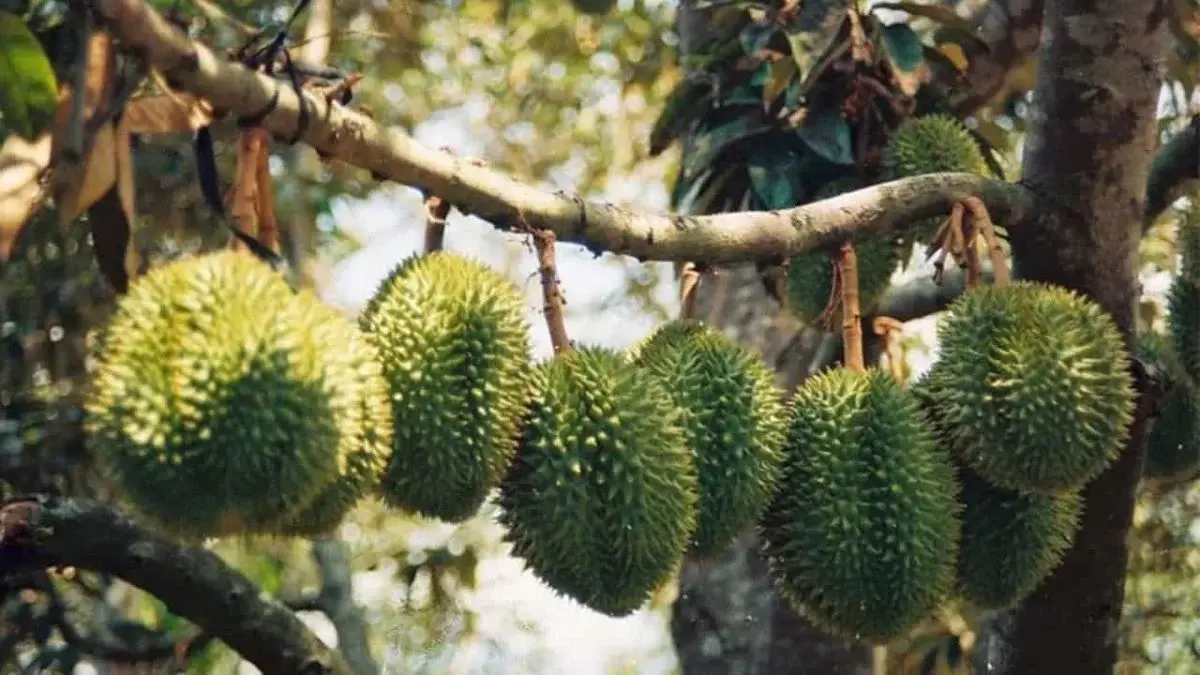
Fruit tree cultivation in the low-lying western part of Can Tho City requires crop selection that reflects local soil characteristics and hydrological conditions. A study by Phan Hoang Vu, Pham Thanh Vu, Vo Quang Minh, and Tran Quoc Kiet identified land constraints affecting durian and jackfruit, providing a scientific basis for crop planning and soil and water management tailored to local conditions.
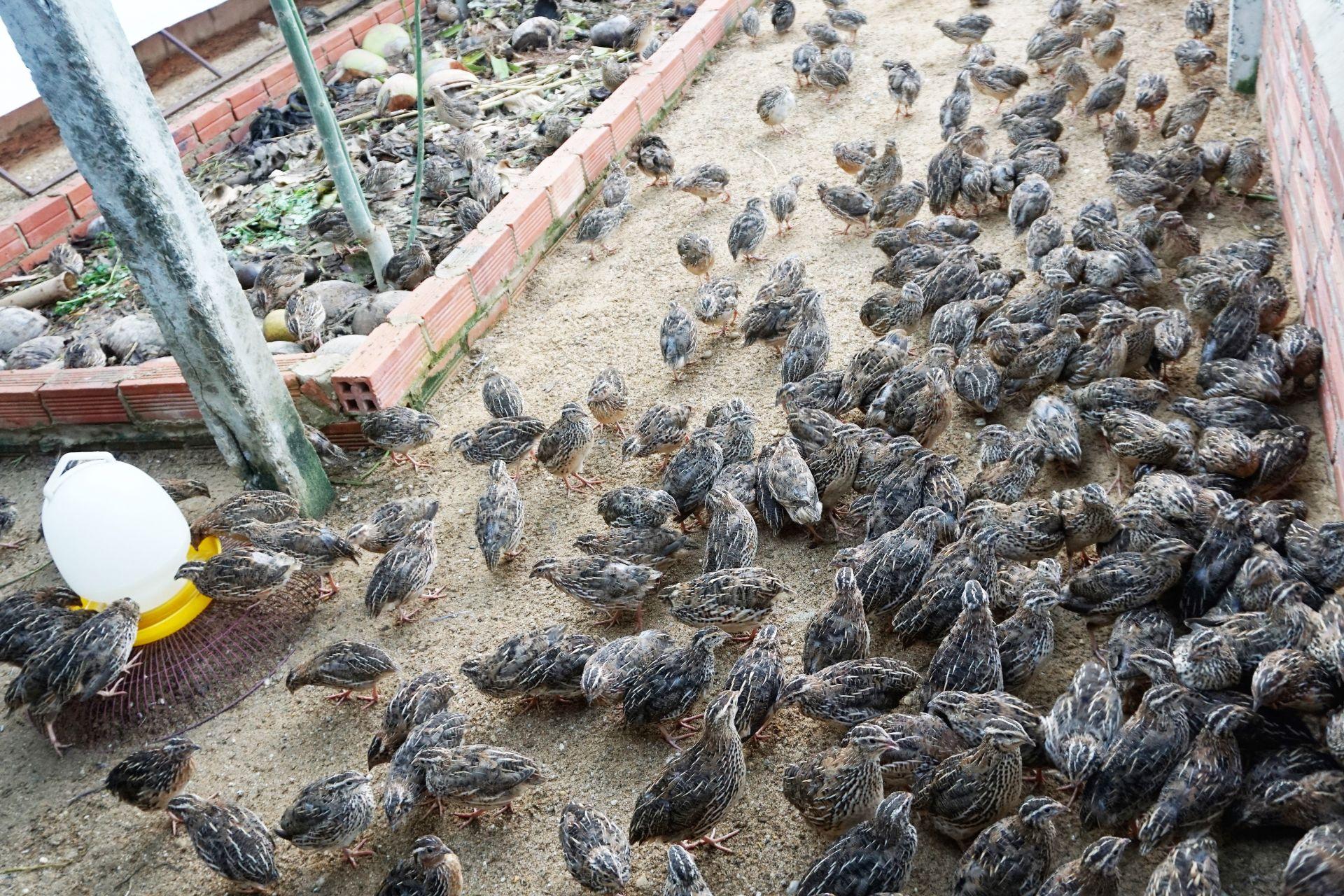
Quail farming offers several advantages, including flexible production scales, relatively low investment requirements, rapid growth, and short production cycles. A study by Van Thi Ai Nguyen and Le Thanh Thang examines the potential for applying a circular economy model to quail farming, particularly through the reuse of manure and feathers. By identifying resource losses along the livestock value chain, the study considers how by-product recovery could increase value in the sector and help reduce emissions. Realizing these potential benefits, however, requires appropriate technical processes, reliable market linkages, and economically viable solutions.
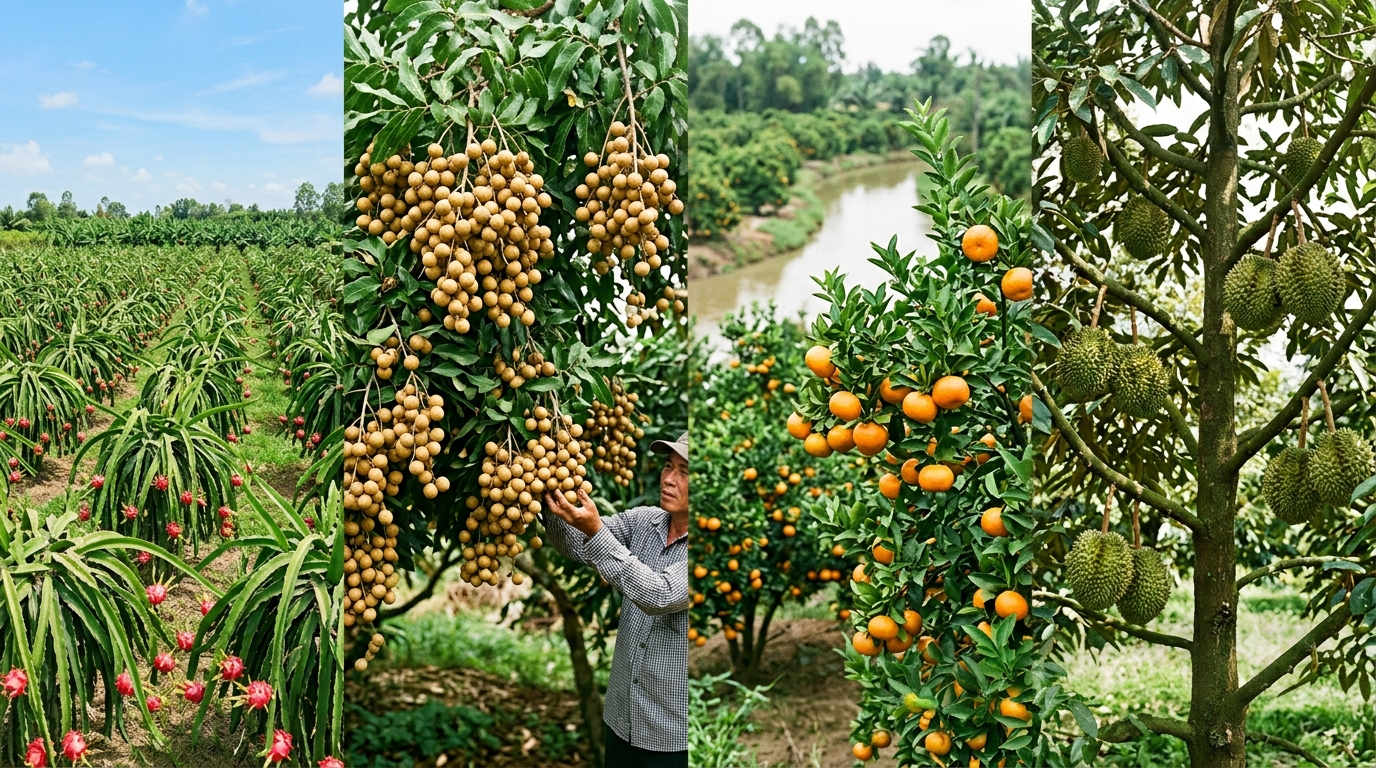
Durian, mandarin orange, and longan are economically important fruit crops for many farm households in Dong Thap Province. Their cultivation and harvesting also generate substantial quantities of by-products. Research by Nguyen Tran Thanh Truc, Nguyen Cam Tien, Pham Cam Dang, and Vo Quang Minh of the Department of Land Resources, College of Environment and Natural Resources, Can Tho University, highlights the potential to utilize these materials under a circular economy approach. The proposed models could create additional value from agricultural by-products while improving resource-use efficiency, soil quality, and the sustainability of agricultural production.