



 Research into plant-derived crop protection products is opening new avenues for sustainable agriculture. A study by Nguyen Van Phuoc, Ho Truong Huynh Thi Bach Phuong, Huynh Ba Di, and Cao Khoi Nghia of Kien Giang University found that nanoemulsions formulated from pond apple (Annona glabra) and lemongrass (Cymbopogon citratus) leaf extracts inhibited the fungal pathogen that causes rice blast and the bacterium responsible for bacterial leaf blight under laboratory conditions. These preliminary findings provide a scientific basis for further research into plant-derived formulations aimed at managing rice diseases while reducing reliance on synthetic chemical pesticides.
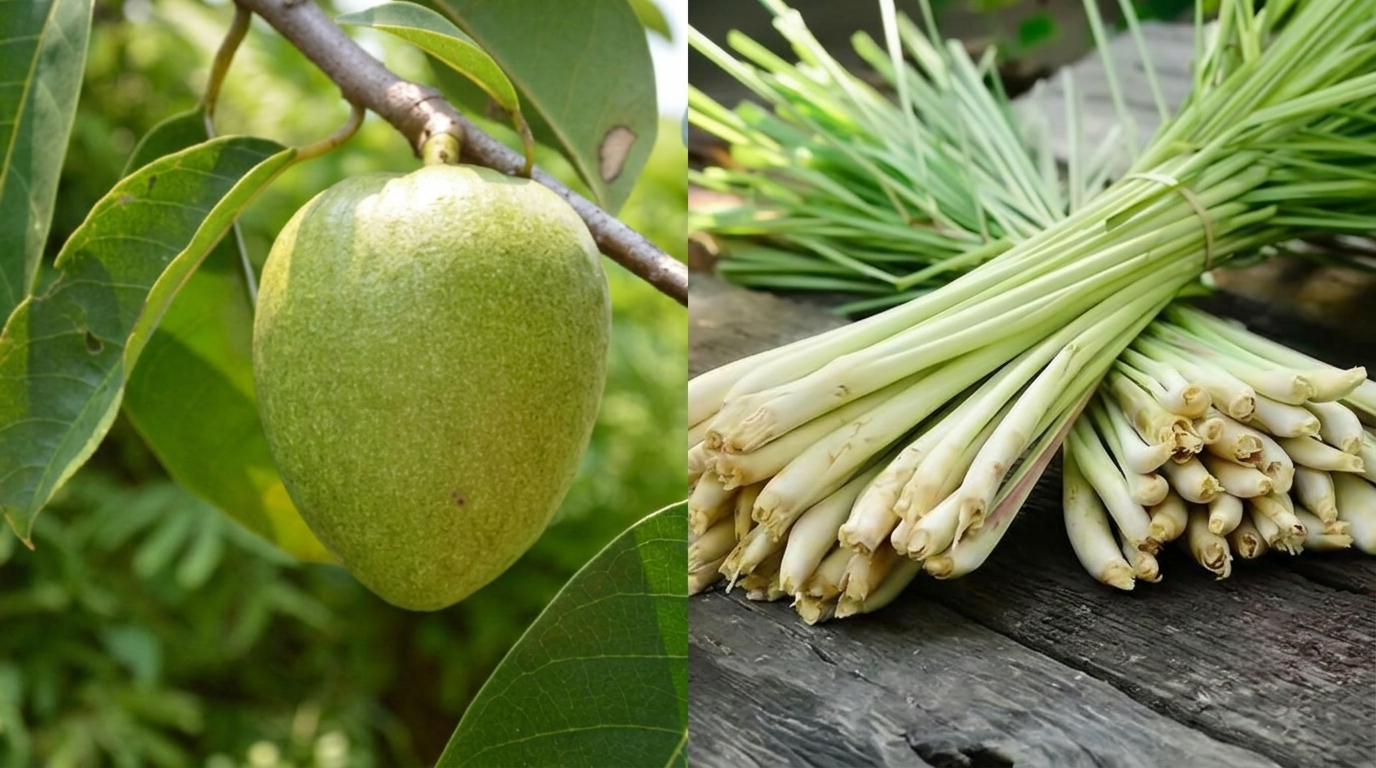
Exploring plant-derived materials for rice disease management
Rice is a staple food crop in many countries, but its production is vulnerable to a range of pests and diseases. Rice blast, caused by the fungus Pyricularia oryzae, and bacterial leaf blight, caused by Xanthomonas oryzae pv. oryzae, can substantially affect rice yield and quality. Although chemical pesticides remain important tools for pest and disease management, there is growing interest in complementary, biologically based approaches that could support safer and more sustainable agricultural production.
Against this backdrop, the researchers selected pond apple leaves and lemongrass as plant materials for investigating their inhibitory effects against rice pathogens. According to the literature cited in the study, pond apple leaves contain several groups of bioactive compounds, including flavonoids, alkaloids, tannins, and acetogenins. Lemongrass, meanwhile, contains essential oils and terpenoid compounds that have attracted research interest for their antimicrobial properties.
However, the use of plant extracts in crop protection products can be constrained by factors such as limited solubility, inadequate dispersion, and the stability of their active compounds. The researchers therefore used nanoemulsion technology to develop finely dispersed systems with small particle sizes and investigate their antifungal and antibacterial activities.
A notable feature of this approach is the combination of plant-derived materials with a formulation technique, rather than limiting the investigation to the biological activity of conventional plant extracts. The study also evaluated the formulations against two distinct rice pathogens, providing preliminary evidence of their potential for rice disease management.
Antifungal and antibacterial activity against rice pathogens
The researchers extracted compounds from pond apple leaves and lemongrass using ethanol and subsequently prepared nanoemulsions through spontaneous emulsification. The formulation process involved an aqueous phase, an organic phase, and a surfactant, which were combined according to the preparation method described in the study.
The analysis showed that the nanoemulsion prepared from pond apple leaf extract had a particle size of 10.2 nm, while the lemongrass formulation had a particle size of 9.6 nm. Their respective polydispersity index (PDI) values were 0.154 and 0.249. These values indicate relatively uniform particle-size distributions in both systems under the assessment criteria used in the study.
At the time of physical characterization, neither formulation showed evidence of sedimentation, aggregation, or phase separation. These findings indicate that the researchers successfully developed nanoemulsion systems with initial physicochemical characteristics suitable for further investigation of their biological activities.
Nevertheless, uniformity of particle-size distribution should be distinguished from long-term formulation stability. The parameters reported in the study characterize the formulations at the time of assessment and are insufficient to establish whether their quality can be maintained during extended storage or under different agricultural conditions.
The value of these formulation results lies in establishing an initial technical basis for further evaluation. With the physical characteristics of the formulations characterized, subsequent research can investigate the relationships among formulation composition, application concentration, and inhibitory activity against rice pathogens.
Physicochemical properties of the nanoemulsions
In experiments involving Pyricularia oryzae, all nanoemulsion formulations prepared from pond apple leaves and lemongrass inhibited fungal mycelial growth relative to the untreated control. However, their inhibitory effects varied according to the plant material and formulation concentration.
The 6% pond apple leaf nanoemulsion achieved a mean inhibition rate of 46.88% across the observation periods. The 2% lemongrass nanoemulsion achieved a comparable mean inhibition rate of 46.30%. These were the two most notable formulations among the nanoemulsions tested. Seven days after inoculation, the inhibition rates reached 56.37% for the 6% pond apple formulation and 57.25% for the 2% lemongrass formulation.
The 2% Kasugamycin treatment achieved a mean inhibition rate of 57.67%, exceeding the results obtained with the two plant-derived nanoemulsions. This comparison helps clarify the current status of the formulations: they demonstrated promising antifungal activity but require further development and evaluation before their practical applicability can be established.
For Xanthomonas oryzae pv. oryzae, a disc-diffusion assay showed that all nanoemulsion formulations produced inhibition zones around the application sites. The 6% pond apple leaf nanoemulsion achieved the largest mean inhibition-zone diameter, at 19.59 mm. This was followed by the 6% lemongrass nanoemulsion, with a mean diameter of 17.48 mm.
In this assay, the mean inhibition-zone diameters of both plant-derived formulations exceeded the 14.10 mm recorded for the Kasugamycin treatment. However, these findings reflect bacterial inhibition under the specific laboratory conditions of the assay. This indicator alone cannot establish that the plant-derived formulations provide better disease control in the field than chemical pesticides.
Overall, the 6% pond apple nanoemulsion produced the most notable results against both pathogens. Lemongrass also showed considerable promise, particularly at a concentration of 2% against the rice blast fungus and 6% against the bacterial leaf blight pathogen. Differences among the formulations indicate that the choice of plant material and concentration should be tailored to the target pathogen, rather than assuming that a single formulation will be equally effective in all circumstances.
Further evaluation is needed before field application
The findings contribute to the evidence base for developing rice crop protection products from plant-derived materials. Notably, the tested formulations exhibited activity against both the rice blast fungus and the bacterial leaf blight pathogen, with the 6% pond apple nanoemulsion producing particularly notable results in both assays.
From an application perspective, this research could contribute to diversifying crop disease management strategies by introducing additional plant-derived options alongside existing control measures. If further development and efficacy testing demonstrate their suitability under production conditions, such formulations could help reduce reliance on synthetic chemical pesticides, in line with the broader goal of sustainable agricultural development.
However, the potential of these formulations should not be confused with established practical effectiveness. The study assessed antifungal and antibacterial activities under in vitro conditions; it did not establish disease control efficacy on rice plants in greenhouse or field trials. Similarly, environmental safety and potential risks to human health require dedicated assessments rather than being inferred solely from the plant origin of the ingredients.
Further research will be important in translating these preliminary findings into a stronger basis for product development. The authors recommend evaluating the formulations' ability to inhibit spore germination and assessing their efficacy against rice blast and bacterial leaf blight under greenhouse and field conditions. These steps are necessary to determine whether the inhibitory activities observed in the laboratory can be reproduced on rice plants under actual cultivation conditions.
In the longer term, combining plant-derived materials with appropriate formulation technologies could open additional avenues for sustainable crop protection. The findings provide a useful scientific basis for further investigation, validation, and refinement of nanoemulsions prepared from pond apple leaves and lemongrass for rice disease management. Such work could contribute to efforts to balance agricultural productivity with environmental stewardship.
Sources: This article is based on the study “Preparation of nanoemulsions from Annona glabra and Cymbopogon citratus leaf extracts and evaluation of activities against Pyricularia oryzae and Xanthomonas oryzae pv. oryzae” by Nguyen Van Phuoc, Ho Truong Huynh Thi Bach Phuong, Huynh Ba Di, and Cao Khoi Nghia, published in the Science Journal of Agriculture and Environment, Issue 1, August 2026
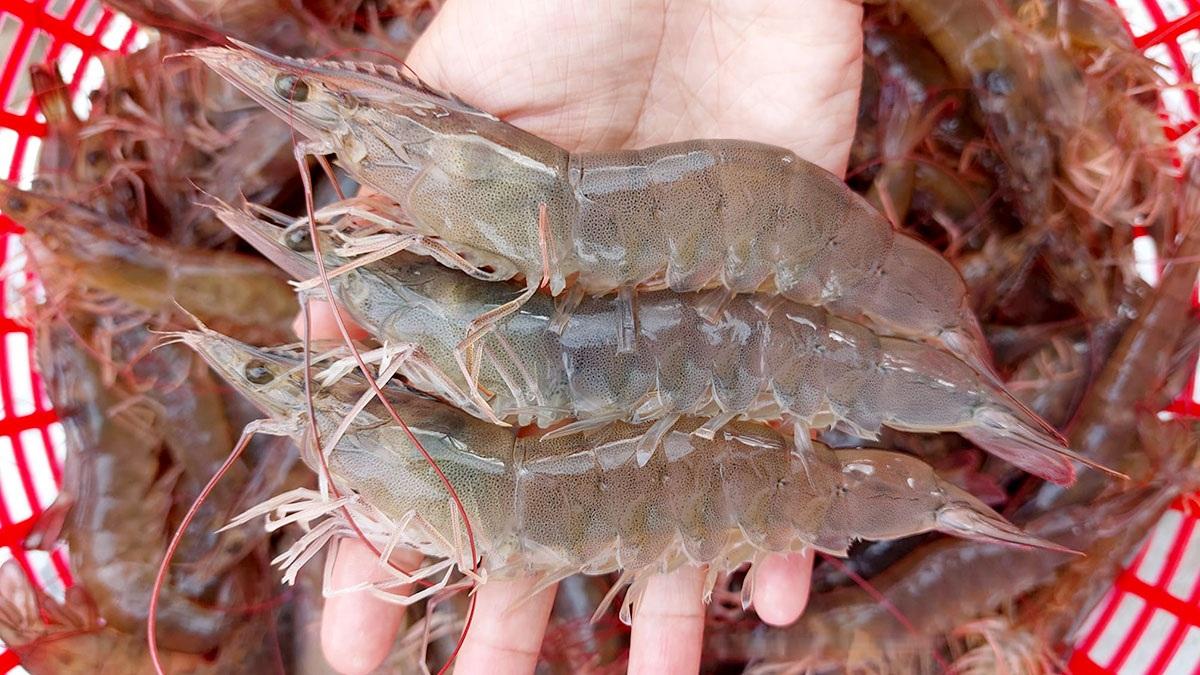
A survey of 90 whiteleg shrimp (Litopenaeus vannamei) farming households in the Mekong Delta found that probiotics are widely used in intensive and super-intensive production systems, whereas prebiotics and synbiotics remain less widely adopted. The findings provide practical evidence to inform the development of biological solutions better suited to production conditions, helping improve pond management and support more sustainable shrimp farming.
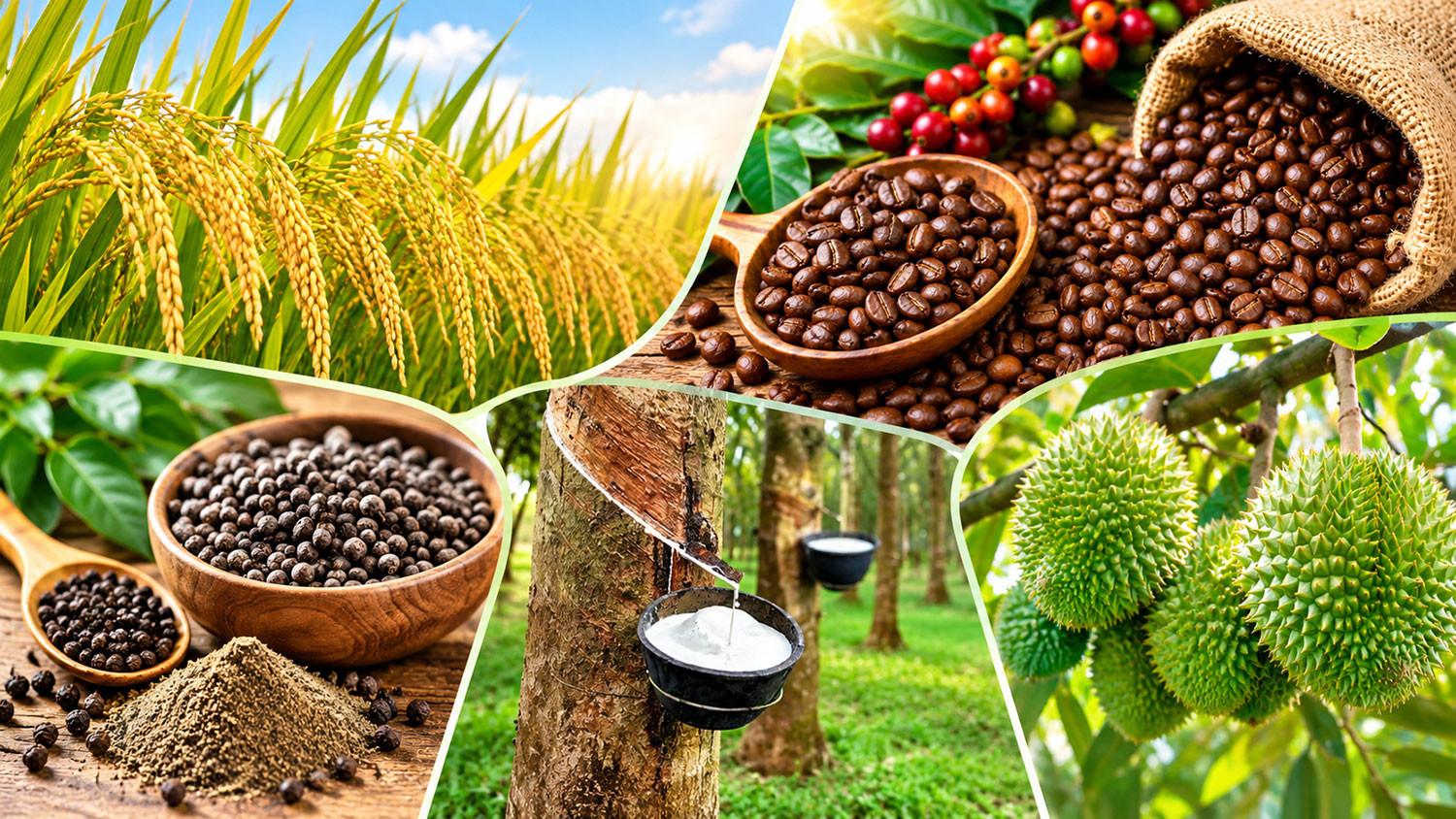
By 2025, Vietnamese agricultural products were being exported to more than 180 countries and territories, highlighting the need not only to expand market access but also to identify which markets should be consolidated, which offer further growth opportunities, and which warrant a more cautious approach. A study by Tran Cong Thang, Nguyen Anh Phong, and Vu Huy Phuc proposes a method for classifying agricultural export markets using a weighted set of criteria and tests the method on three major export commodities: rice, fruits and vegetables, and coffee. The findings provide a systematic reference for developing market strategies tailored to the characteristics of individual commodities.
Effective implementation of the 2023 Law on Cooperatives requires not only dissemination of its provisions but also practical guidance and support mechanisms tailored to cooperatives’ operating conditions. A 2025 field survey conducted by Phung Giang Hai, Hoang Minh Huy, Vu Thi Thu Giang, and Nguyen Thi My across six localities identified challenges in applying six groups of new provisions and assessed support needs relating to legal compliance, governance, financial management, and operational arrangements. The findings provide an empirical basis for refining implementation guidance and developing support measures that better address the needs of agricultural cooperatives in Viet Nam.
A laboratory-scale study by Nguyen Thi Minh, Do Thi Thuy, and Le Minh Nguyet of Vietnam National University of Agriculture (VNUA) found that combining selected bacterial strains with microalgae improved domestic wastewater treatment efficiency. After 14 days, the combined system achieved a chemical oxygen demand (COD) removal efficiency of 96.67%, while substantially reducing organic pollutants, nutrients, and microbial indicators of contamination.
A study by Khong Ngan Giang and colleagues investigated genetic variation in three promising rice mutant lines using whole-genome sequencing data. By analyzing 186 genes associated with growth, yield, and grain quality, the researchers identified 10,614 single-nucleotide polymorphism (SNP) and insertion/deletion (INDEL) variants and designed 42 candidate INDEL primer pairs. The findings expand the available genetic variation data and provide potential tools for genetic research, germplasm evaluation, and marker-assisted rice breeding.