




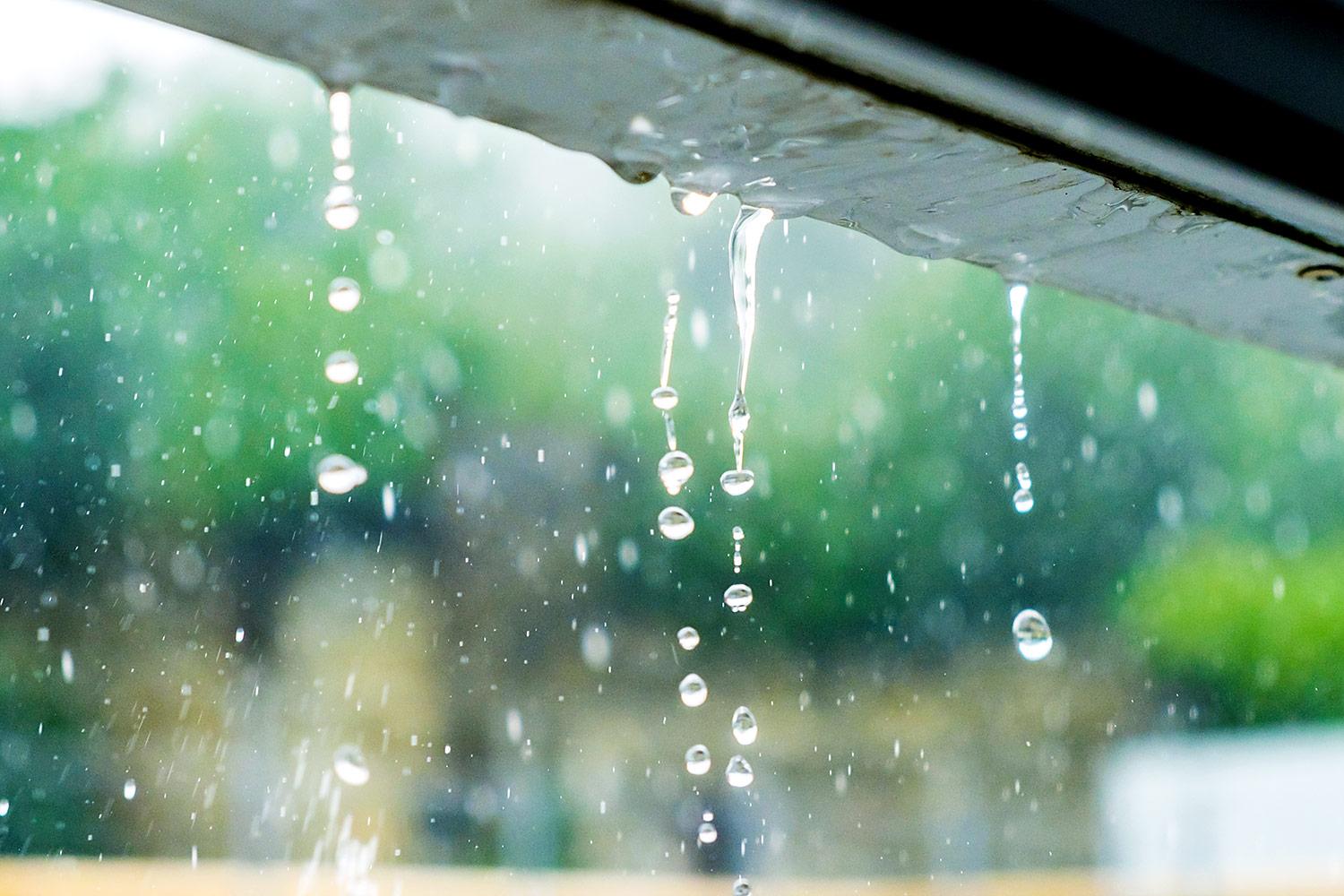
 Rainwater harvested from rooftops could provide a supplementary source of water for non-potable uses while helping reduce urban surface runoff. However, utilizing this resource requires appropriate collection infrastructure, water quality management, and on-site storage capacity. A study by Vu Thi Hoai Thu, Nguyen Thanh Huong, and Trieu Anh Ngoc examines the potential for rooftop rainwater harvesting in the area of Ho Chi Minh City as defined before the administrative merger. The findings also highlight opportunities to integrate rainwater reuse into urban runoff management.
Existing collection infrastructure remains underused
As urban areas face flood risks associated with heavy rainfall, high tides, and overloaded drainage systems, building-level rainwater harvesting offers a potential complementary measure. Rather than allowing all roof runoff to enter drainage networks or flow onto surrounding areas, buildings can retain a portion of the rainfall for irrigation, cleaning, toilet flushing, and other non-potable uses.
The study assessed roof catchment characteristics and existing rainwater collection and drainage infrastructure through a survey of 270 buildings across five urban zones in the study area. Metal-sheet roofs accounted for 81.9% of the surveyed buildings, while 74.8% had functional gutters, providing a basis for collecting and conveying rainwater.
However, only 0.7% of the surveyed buildings directed rainwater into storage tanks or other containers. Most roof runoff either entered the urban drainage network or flowed onto surrounding areas.
This gap between existing collection infrastructure and actual rainwater storage indicates considerable scope for improvement. Installing first-flush diversion devices, conveyance pipes, and storage tanks could help buildings make better use of existing infrastructure without requiring entirely new systems.
Residential buildings account for most of the harvesting potential
To estimate the potential volume of rainwater that could be harvested, the researchers combined satellite-derived building footprint data with remote sensing and geographic information system (GIS) analysis on the Google Earth Engine platform. Roof catchment areas were estimated by building function and used to calculate the theoretical rainwater harvesting potential.
The total roof catchment area was estimated at approximately 156.26 million m². Based on the long-term average annual rainfall and the roof runoff coefficient adopted in the study, the theoretical harvestable volume reached approximately 216.5 million m³ per year. Residential buildings accounted for 86.8% of this potential.
This substantial share reflects the widespread distribution of residential buildings across the urban area. Although individual roofs may be relatively small, their large number represents a significant aggregate resource for rainwater harvesting. At the household level, small storage tanks could supply water for irrigation, yard washing, and toilet flushing while preserving capacity to capture additional rainfall.
Factories and warehouses, by contrast, often have large, relatively continuous roof areas that are better suited to centralized collection. Schools, hospitals, and commercial buildings could also accommodate rainwater harvesting systems tailored to their roof areas, water demands, and available storage space.
The estimated 216.5 million m³ per year represents theoretical harvesting potential, not the volume that could necessarily be collected and used in practice. Actual yields depend on the proportion of buildings equipped with collection systems, water losses, storage capacity, operating practices, and local rainfall conditions. The findings therefore provide a basis for estimating the scale of the resource and identifying priority building types rather than predicting actual water recovery.
First-flush runoff highlights the need for water treatment
In addition to the volume available, the quality of roof runoff is a key determinant of its suitability for reuse. The researchers analyzed 100 water samples collected during rainfall events at six sites representing common roofing materials, alongside direct rainfall samples for comparison.
The results showed that total dissolved solids (TDS) and electrical conductivity (EC) in first-flush runoff were 54–81% higher than in the stable phase, depending on the roofing material and sampling location. This difference reflects the washing-off of dust and other substances that accumulate on roof surfaces during dry periods.
The findings indicate that rainwater harvesting requires more than simply installing gutters and storage tanks. An appropriate system should include first-flush diversion to discard an initial portion of the runoff, followed by coarse filtration before the water enters the storage tank. Treatment requirements should take into account roofing materials, roof cleanliness, surrounding environmental conditions, and intended uses.
Water collected after first-flush diversion and coarse filtration may be suitable for non-potable applications such as irrigation, yard washing, and building cleaning. Uses requiring higher water quality, particularly domestic uses involving direct human contact or drinking, require additional treatment and quality monitoring in accordance with applicable standards. Defining intended uses at the design stage can help ensure that collection systems meet practical needs while limiting water quality risks.
Distributed storage could help reduce peak runoff
Rainwater harvesting can also retain runoff close to where it is generated. When multiple buildings have adequate storage capacity, the volume of water entering drainage networks during heavy rainfall can be reduced, helping regulate runoff at the neighborhood and catchment scales.
Analysis of rainfall records showed increasing trends in the number of heavy-rain days, defined as days with rainfall of at least 30 mm (R30), at several monitoring stations in the study area. The estimated trends ranged from 1.5 to 2.8 additional days per decade. These findings highlight the need to account for changing rainfall patterns when sizing storage systems and planning seasonal operations, while ensuring that sufficient storage capacity remains available before heavy rainfall events. If tanks are already full, their ability to capture additional rainfall and reduce runoff during subsequent storms will be limited.
For a design-storm scenario, the researchers assessed a system providing effective storage equivalent to 30 mm of rainfall over 10–20% of the total roof catchment area, assuming that approximately 80% of tank capacity was available before the storm. The estimated volume retained during the rainfall event ranged from 0.375 million to 0.750 million m³. Under this scenario, rooftop runoff volume and the corresponding estimated peak flow were reduced by approximately 2.5–4.9%.
These figures are model-based estimates derived from assumptions about the proportion of roof area participating in the system, storage capacity, and operating conditions. They should not be interpreted as measured reductions in flooding across the city. Nevertheless, the results indicate that distributed rainwater storage could serve as a complementary component of urban runoff management.
Realizing this potential requires coordinated implementation at multiple scales. At the household and building levels, priorities include improving collection infrastructure, providing appropriately sized storage tanks, and maintaining available storage capacity ahead of heavy rainfall. At the neighborhood and city levels, distributed storage should be integrated with detention ponds, water-retention parks, and other detention/retention areas, supported by rainfall forecasting and proactive operating procedures.
The study by Vu Thi Hoai Thu and her colleagues demonstrates that rooftops could play a greater role in urban water resource management. However, realizing this potential requires coordinated attention to collection infrastructure, water quality, storage capacity, and system operation. Rooftop rainwater harvesting should therefore be considered a complementary measure within urban drainage management, with implementation tailored to the characteristics of individual buildings and local conditions.
Source: This article is based on the study by Vu Thi Hoai Thu, Nguyen Thanh Huong, and Trieu Anh Ngoc, titled “Assessment of roof catchment characteristics, rainwater quality and rainwater harvesting potential in Ho Chi Minh City,” published in the Science Journal of Agriculture and Environment, Issues 1–2, February 2026.
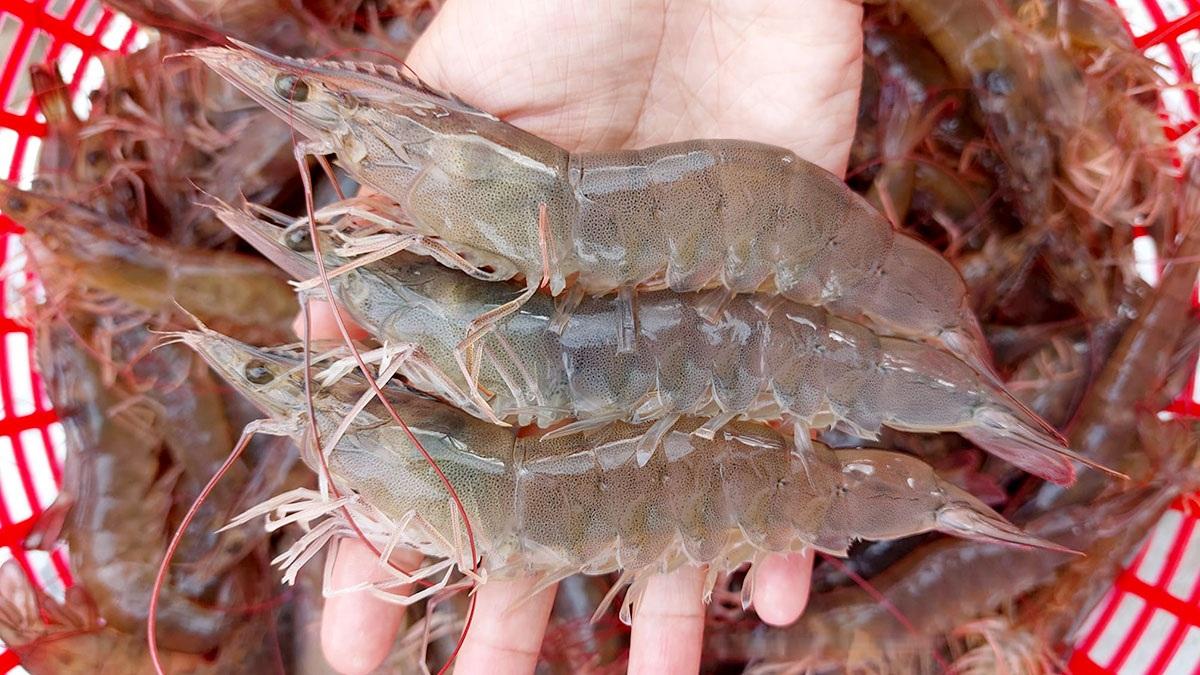
A survey of 90 whiteleg shrimp (Litopenaeus vannamei) farming households in the Mekong Delta found that probiotics are widely used in intensive and super-intensive production systems, whereas prebiotics and synbiotics remain less widely adopted. The findings provide practical evidence to inform the development of biological solutions better suited to production conditions, helping improve pond management and support more sustainable shrimp farming.

By 2025, Vietnamese agricultural products were being exported to more than 180 countries and territories, highlighting the need not only to expand market access but also to identify which markets should be consolidated, which offer further growth opportunities, and which warrant a more cautious approach. A study by Tran Cong Thang, Nguyen Anh Phong, and Vu Huy Phuc proposes a method for classifying agricultural export markets using a weighted set of criteria and tests the method on three major export commodities: rice, fruits and vegetables, and coffee. The findings provide a systematic reference for developing market strategies tailored to the characteristics of individual commodities.

Research into plant-derived crop protection products is opening new avenues for sustainable agriculture. A study by Nguyen Van Phuoc, Ho Truong Huynh Thi Bach Phuong, Huynh Ba Di, and Cao Khoi Nghia of Kien Giang University found that nanoemulsions formulated from pond apple (Annona glabra) and lemongrass (Cymbopogon citratus) leaf extracts inhibited the fungal pathogen that causes rice blast and the bacterium responsible for bacterial leaf blight under laboratory conditions. These preliminary findings provide a scientific basis for further research into plant-derived formulations aimed at managing rice diseases while reducing reliance on synthetic chemical pesticides.

Effective implementation of the 2023 Law on Cooperatives requires not only dissemination of its provisions but also practical guidance and support mechanisms tailored to cooperatives’ operating conditions. A 2025 field survey conducted by Phung Giang Hai, Hoang Minh Huy, Vu Thi Thu Giang, and Nguyen Thi My across six localities identified challenges in applying six groups of new provisions and assessed support needs relating to legal compliance, governance, financial management, and operational arrangements. The findings provide an empirical basis for refining implementation guidance and developing support measures that better address the needs of agricultural cooperatives in Viet Nam.
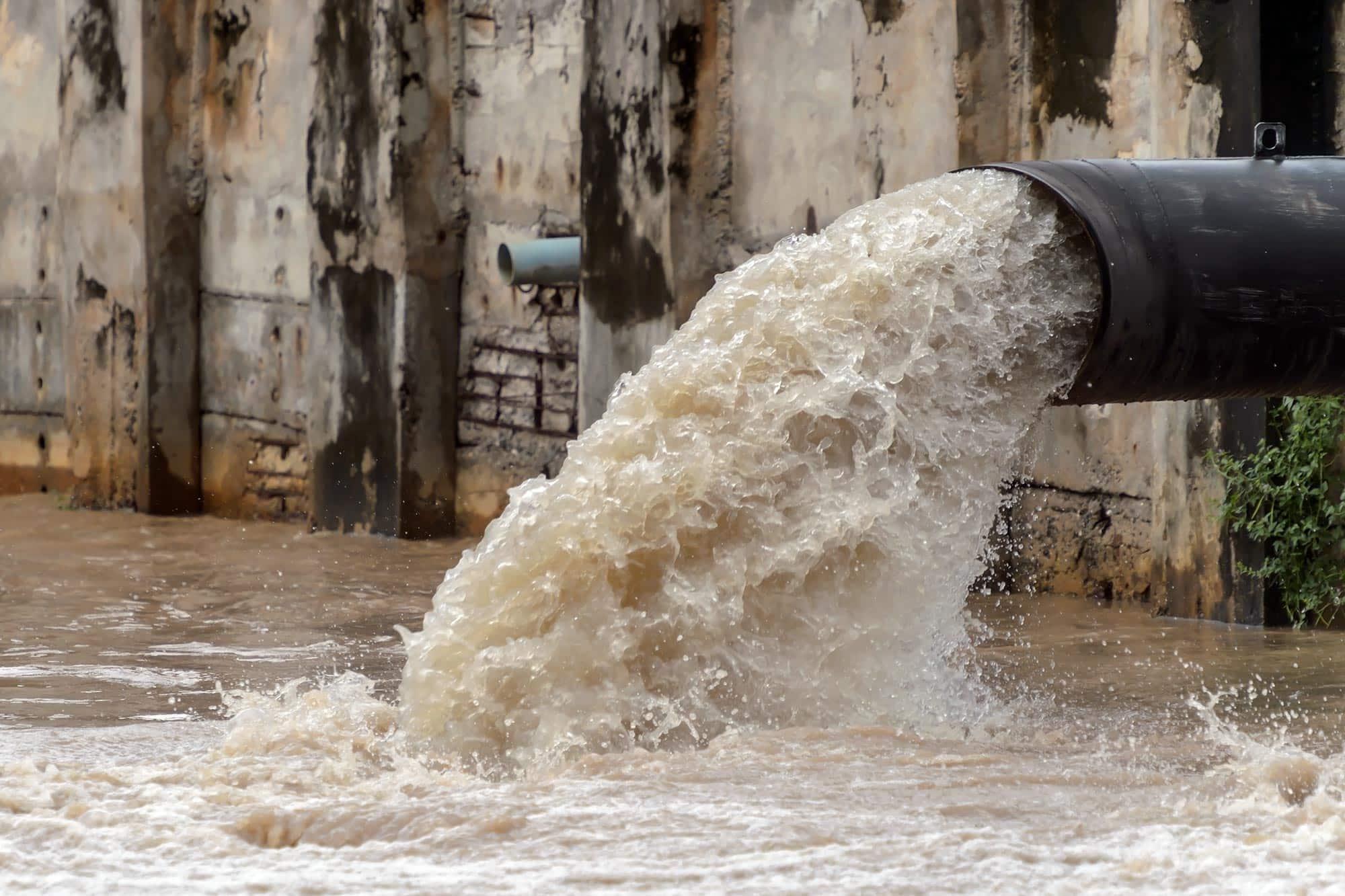
A laboratory-scale study by Nguyen Thi Minh, Do Thi Thuy, and Le Minh Nguyet of Vietnam National University of Agriculture (VNUA) found that combining selected bacterial strains with microalgae improved domestic wastewater treatment efficiency. After 14 days, the combined system achieved a chemical oxygen demand (COD) removal efficiency of 96.67%, while substantially reducing organic pollutants, nutrients, and microbial indicators of contamination.