




 In low-lying areas of the former Cu Chi district, located in northwestern Ho Chi Minh City, seasonal flooding occurs alongside agricultural production and urbanization, creating various pressures on soil quality and its capacity for recovery. A study by Nguyen Thi Oanh, Phan Lieu, Truong Vinh Hai, and Tran Minh Tien found clear differences in soil health among rice cultivation, vegetable farming, and fruit orchards, with distinct patterns of chemical and biological degradation. The integration of multiple indicators through Principal Component Analysis (PCA) not only helped identify these differences but also provided a scientific basis for guiding soil management and restoration measures in peri-urban agricultural wetlands.
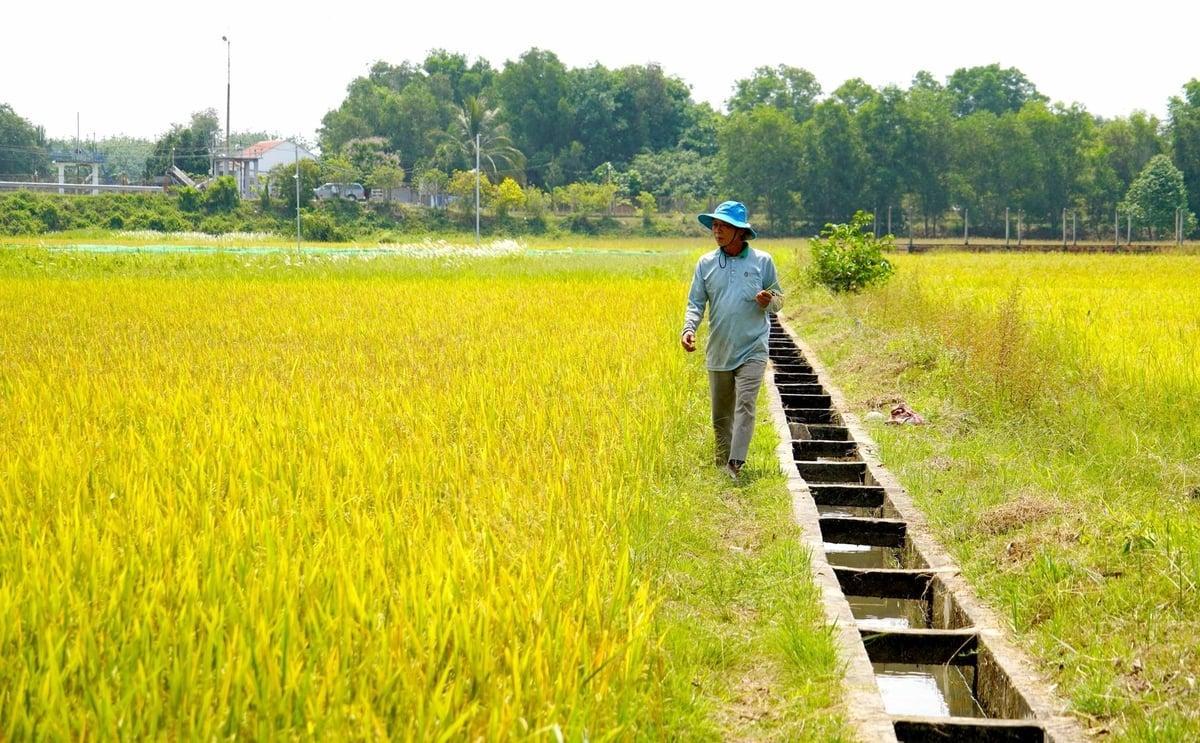
Peri-urban wetlands face growing pressures on soil health
In the former Cu Chi district, low-lying areas along rivers, streams, and irrigation canals have a distinctive hydrological pattern: soils are frequently saturated with water during the rainy season but become dry during the dry season. Rice, vegetable, and fruit production continue in these areas amid rapid urbanization and increasingly variable climatic conditions. The research team identified these areas as human-influenced agricultural wetlands, formed through the interaction between natural low-lying topography and irrigation and water-management activities.
Under these conditions, soil assessment extends beyond the measurement of individual chemical indicators or the soil's capacity to supply nutrients to crops. In the study's approach, soil health reflects the ability of soil to maintain core ecological functions, including nutrient supply, water regulation, support for biodiversity, and resilience to environmental pressures. In wetland agricultural systems in particular, changes in pH, organic matter, microbial populations, or enzyme activity may provide early signals of soil degradation.
Based on this approach, the research team did not treat soil health as a single variable but assessed physical, chemical, and biological indicators together with characteristics specific to wetland soils. The study was conducted at nine representative sites covering three land-use systems—rice cultivation, vegetable farming, and fruit orchards—with three replicate samples collected at each site, for a total of 27 soil samples. Topsoil samples from a depth of 0–20 cm were collected at the end of the 2024 rainy season, a sampling period selected to reflect typical inundation conditions and soil status following a cropping cycle.
The indicators analyzed covered a broad range, including soil moisture, texture, porosity, pH, electrical conductivity (EC), organic carbon (OC), nitrogen, phosphorus, potassium, and cation exchange capacity (CEC). The study also assessed microbial density, earthworm abundance, enzyme activity, and wetland-specific characteristics such as gleying, dissolved ferrous iron (Fe²⁺), and dissolved manganese (Mn²⁺). The data were subsequently processed using statistical methods and Principal Component Analysis (PCA) to identify the major groups of factors contributing to differences in soil health among the farming systems.
This approach enabled the study to assess soil health from an integrated perspective and clarify differences in soil conditions under different land-use and farming practices.
Three farming systems show distinct soil health conditions
The survey results showed clear differences in physical, chemical, and biological indicators among the three farming systems. Notably, although all three systems were located in low-lying areas subject to seasonal inundation, each exhibited a distinct soil health profile.
In the rice fields, organic carbon (OC) content was the highest among the three systems at 2.3%, but the soils also had a low pH (4.9) and high dissolved Fe²⁺ (120 mg/kg), reflecting anaerobic conditions associated with water saturation. Vegetable soils had the lowest OC content (1.5%) and the highest EC (1.6 dS/m), while their microbial density and dehydrogenase activity were lower than those recorded in the other two systems. Fruit orchard soils, by comparison, showed more favorable biological indicators, including higher microbial density and dehydrogenase activity.
Overall, the findings show clear differences in soil health among the three farming systems. Rice soils were characterized by relatively high organic carbon but low pH and elevated Fe²⁺; vegetable soils had lower organic carbon and weaker biological indicators; while fruit orchard soils showed more favorable biological conditions. These differences indicate that soil health is associated not only with seasonal inundation but also with land-use patterns and farming practices.
These findings highlight the need to assess soil health by considering chemical and biological properties together with inundation conditions, rather than through individual indicators alone.
PCA highlights distinct patterns in soil health
Given the large number of indicators assessed simultaneously, the authors used Principal Component Analysis (PCA) to reduce data dimensionality, identify the underlying structure of the variables, and identify patterns in soil health across the three farming systems.
The first three principal components explained 90.9% of the total variance, with PC1 accounting for 52.6%, PC2 for 29.2%, and PC3 for 9.1%. The first two components alone explained 81.8%, indicating that the main patterns in the dataset could be captured through a limited number of principal components.
PC1 was mainly associated with chemical properties and soil reduction conditions, including pH, OC, EC, total nitrogen, and Fe²⁺. Low pH and high Fe²⁺ were associated with rice soils, while higher EC and lower organic carbon were more characteristic of vegetable soils. PC2 primarily represented biological indicators, including microbial density, earthworm abundance, and dehydrogenase activity, with more favorable biological conditions associated with fruit orchard soils.
The PCA results therefore confirmed clear differences among the three farming systems and showed that these differences followed distinct patterns of soil change. Rice soils were more strongly associated with anaerobic and chemical conditions, vegetable soils with signs of salt accumulation and weaker biological indicators, and fruit orchard soils with more favorable biological conditions. These findings support the need to consider the characteristics of each farming system when developing soil management strategies.
Study points to options for soil management and restoration
The differences identified by the study indicate that restoring soil health in peri-urban wetland areas needs to account for the interactions among soil characteristics, water regimes, and farming practices. Based on the analytical results, the authors recommend increasing the addition of organic matter to low-lying areas under rice, vegetable, and fruit production, while encouraging the use of compost made from treated organic waste, biochar, and other suitable organic materials to improve soil quality.
For areas strongly affected by seasonal waterlogging, the study also emphasizes water management at the production-cluster level. Proposed measures include seasonal flood control, improvement of canals, dikes, and pumping stations, and water regulation suited to seasonally flooded soils. According to the authors, identifying and publicly communicating suitable inundation thresholds for different crops and growing seasons could better support production planning in areas with variable hydrological conditions.
Another approach highlighted by the study is the development of bio-organic agriculture in seasonally flooded areas, combining crop rotation, soil cover, microbial fertilizers, improved micro-scale water management, and periodic monitoring of indicators such as EC, soil moisture, and pH. In parallel, the authors propose developing a soil health index specifically suited to agricultural wetlands in Cu Chi, integrating chemical and biological indicators with wetland-related characteristics such as pH, OC, EC, microbial density, dehydrogenase activity, Fe²⁺, and gleying.
More broadly, the study suggests that peri-urban agricultural soil management should gradually shift from addressing individual problems separately toward monitoring soil health as an integrated system. Establishing monitoring sites in low-lying areas, combined with sensor technology and remote-sensing data, is proposed to track changes in soil conditions and gradually build a database to support urban agricultural management.
The significance of the study therefore extends beyond identifying differences in soil health among three production systems. It provides an integrated approach in which physical, chemical, and biological indicators are assessed within a common analytical framework to identify patterns of soil change. In the context of peri-urban agricultural land facing simultaneous pressures from seasonal inundation, intensive cultivation, and urbanization, this approach can provide an additional scientific basis for selecting management measures suited to individual production systems and for monitoring soil health over the longer term.
However, the authors also note that the current findings primarily reflect soil conditions at the end of the 2024 rainy season. Because the study did not cover the full cropping cycle or seasonal variation between the rainy and dry seasons, particularly for biological indicators, further seasonal studies are needed to provide a more comprehensive assessment of changes in soil health over time.
Research source: This article is based on the study "Assessment of wetland soil health in agricultural production in Cu Chi area, Ho Chi Minh City" by Nguyen Thi Oanh, Phan Lieu, Truong Vinh Hai, and Tran Minh Tien, published in the first issue of May 2026 of the Science Journal of Agriculture and Environment. |
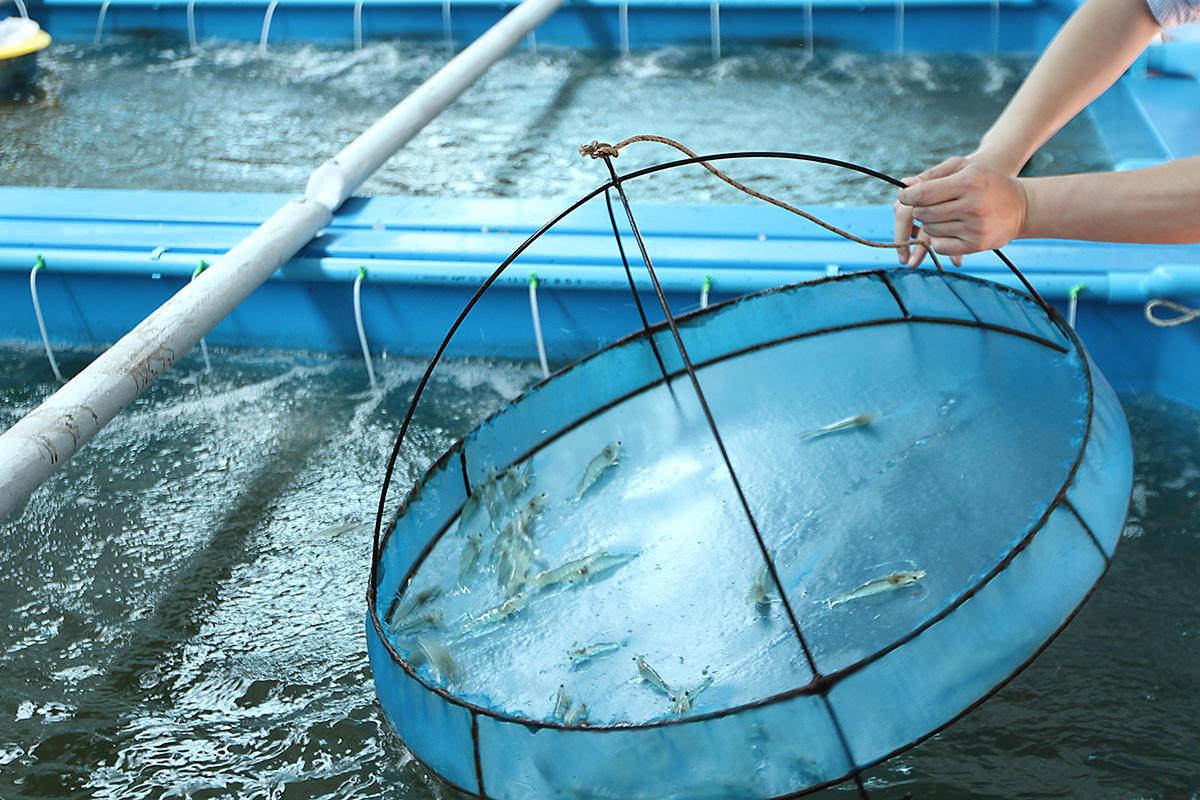
Science and technology play an important role in the development of the agriculture and environment sector, contributing to national food security, greater production efficiency and producer incomes, stronger exports, and Viet Nam’s position as a major agricultural producer in the global market. However, the development and application of science and technology in Viet Nam in general, and in fisheries and fisheries surveillance in particular, still face a number of limitations. It is therefore essential to establish orientations for science and technology development and innovation in fisheries and fisheries surveillance for the 2026–2030 period.
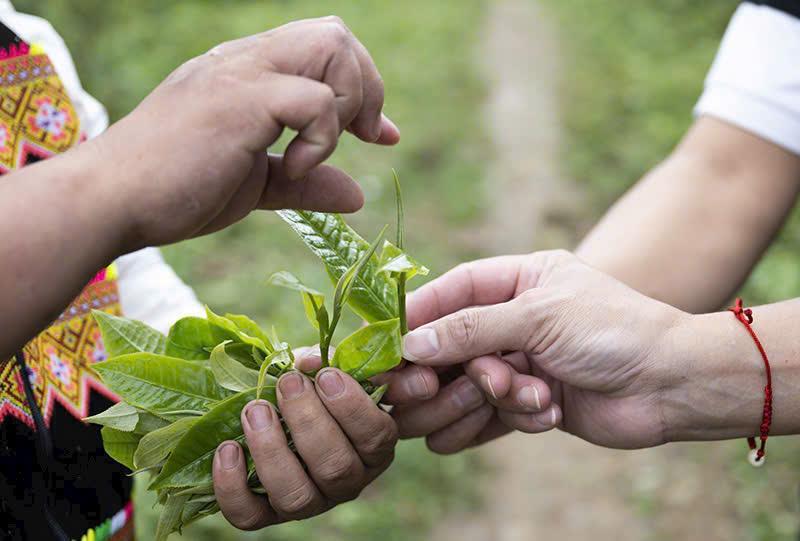
In the highlands of Northern Viet Nam, ancient Shan tea trees not only provide raw materials for distinctive tea products but also preserve valuable genetic resources, indigenous knowledge, and the livelihoods of ethnic minority communities.

The rapid development of electric mobility is supporting Viet Nam’s energy transition and helping reduce emissions from the transport sector. However, the environmental performance of this transition depends not only on the number of electric vehicles (EVs) in use but also on how vehicles and batteries are managed at the end of their useful lives. Before the volume of end-of-life batteries increases substantially, Vietnam is studying models for the collection, reuse, remanufacturing, and recycling of end-of-life vehicles and EV batteries, with a view to establishing a circular value chain.
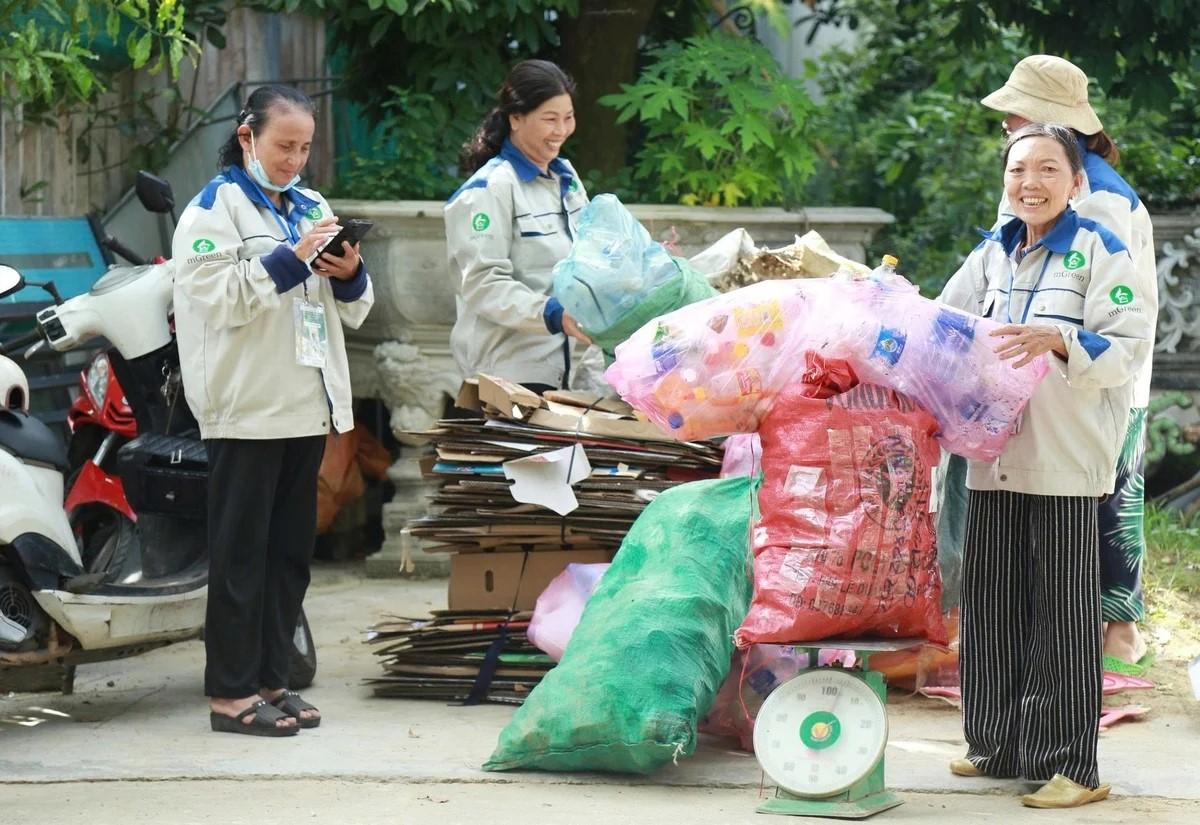
While the international community continues to seek common ground on a global legally binding instrument to end plastic pollution, the question for Viet Nam is not only when the Global Plastics Treaty will be adopted, but, more importantly, how prepared the domestic economy, businesses, and governance systems are for the new requirements it may entail.

A scientific study by An Giang University, Vietnam National University, Ho Chi Minh City, and the An Giang Center for Rural Clean Water and Environmental Sanitation has demonstrated the potential of water lettuce (Pistia stratiotes) for treating piggery wastewater under natural conditions. The findings show that treatment performance varies with the initial biomass density and the pollutant being targeted. The approach offers a low-cost, environmentally friendly biological treatment option with potential for application by pig farms and household producers in Viet Nam.