



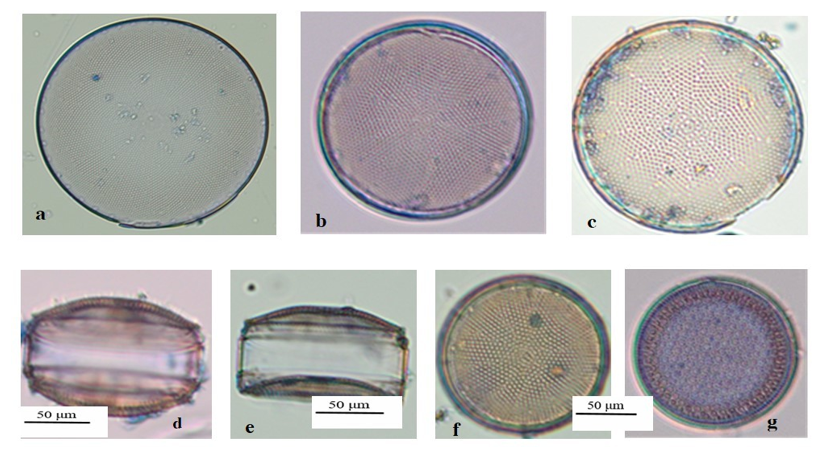
 A study of phytoplankton samples collected from various marine areas of Viet Nam between 2015 and 2025 identified 21 species belonging to the genera Coscinodiscus and Coscinodiscopsis. Notably, Coscinodiscus reniformis and Coscinodiscopsis sp. were recorded and described in detail based on their cellular morphological characteristics, providing additional data for the identification and taxonomic classification of these diatom groups in Vietnamese waters.
Taxonomic names change over time
Coscinodiscus is one of the species-rich and widely distributed diatom genera found in Vietnamese waters. For researchers, however, correctly identifying and naming a species is not always straightforward. Taxonomic classifications change as new research becomes available, and a number of species previously classified under the genus Coscinodiscus have since been transferred to other genera.
For example, Coscinodiscus bipartitus, as classified in earlier literature, is now recognized as Planktoniella blanda; Coscinodiscus excentricus has been transferred to Thalassiosira eccentrica; and Coscinodiscus nodulifer is now classified as Azpeitia nodulifera. Another example is Coscinodiscus jonesianus, which is now placed in the genus Coscinodiscopsis as Coscinodiscopsis jonesiana.
These taxonomic changes mean that domestic taxonomic references compiled at different points in time are not fully consistent with current classifications. The study by Thai Thi Kim Thanh, Nguyen Cong Thanh, and Tran Van Cuong of the Northern Research Center for Marine Fisheries addresses this issue by reviewing phytoplankton samples collected through various marine survey missions and projects between 2015 and 2025 and comparing the findings with published taxonomic literature and the AlgaeBase database.
The samples covered a broad range of marine environments, from aquaculture areas and coastal waters to offshore and deep-sea regions. Rather than relying solely on names used in earlier references, the researchers focused on cellular morphological characteristics to identify individual species.
Morphological features guide species identification
Under a microscope, diatom cells may not be readily distinguished based solely on their external appearance. In Coscinodiscus and Coscinodiscopsis, cell size also varies considerably, ranging from several tens to several hundreds of micrometers. Therefore, cell size is considered one of several characteristics used for identification rather than a decisive diagnostic feature.
The researchers examined cell shape and the structure of the silica frustule, including the central area, the shape and arrangement of areolae, radial striae, and other distinctive features of the valve. In Coscinodiscopsis, the arrangement of areolae, together with the presence and distribution of protuberances and spines on the valve surface, is particularly important for species identification.
For morphological examination, qualitative phytoplankton samples were collected using conical plankton nets with mesh sizes of 20 or 60 micrometers and fixed with 4% formalin in the field. In the laboratory, the samples were diluted with distilled water, and 1 mL of sample was placed in a counting chamber or one to two drops were mounted on a glass slide for microscopic examination. Cell morphology, valve surface structure, areolae structure and arrangement, characteristics of the central area, and the presence of spines and protuberances were examined. Cell diameter was also measured, and images were captured using a Japanese Olympus BX53 microscope at 100× and 200× magnification.
Species identification was based on original taxonomic descriptions and morphological comparisons using previously published references and the AlgaeBase taxonomic database.
This approach demonstrates that diatom identification requires the comparison of multiple morphological characteristics rather than relying on overall appearance alone. Fine structural features of the frustule, some of which are difficult to discern under the microscope, can provide important taxonomic information.
Expanding the record of diatom diversity
Based on the analyzed samples, the researchers identified 21 species, comprising 18 species of Coscinodiscus and three species of Coscinodiscopsis. Several of these species had already been reported in previous studies, including Coscinodiscus asteromphalus, C. centralis, C. gigas, C. granii, C. oculus-iridis, C. radiatus, C. subtilis, and C. wailesii.
Most notably, Coscinodiscus reniformis and Coscinodiscopsis sp. were recorded for the first time in Vietnamese waters. The authors also provided detailed descriptions of the cellular morphology of these two taxa.
Importantly, this does not mean that these are two “new species” discovered by science. Rather, the study documents their occurrence in the Vietnamese marine samples examined and provides additional information relevant to their identification. This also highlights the importance of keeping taxonomic classifications up to date for subsequent studies of phytoplankton diversity.
According to the authors, the study updates the list of species belonging to the genera Coscinodiscus and Coscinodiscopsis based on the revised taxonomic system referenced through AlgaeBase. It also provides detailed morphological descriptions and illustrative images that can support studies of phytoplankton biodiversity.
However, morphology-based identification has certain limitations. The researchers note that molecular biological techniques are necessary to improve the accuracy of scientific name assignment. Morphological examination of the silica frustule therefore represents one component of the broader effort to clarify the diversity of diatom species in Vietnamese waters./.
Source: This article is based on the study by Thai Thi Kim Thanh, Nguyen Cong Thanh, and Tran Van Cuong, titled “Identifying the Coscinodiscus and Coscinodiscopsis Species in the Vietnamese Sea,” published in the Science Journal of Agriculture and Environment, Issue 1, March 2026.
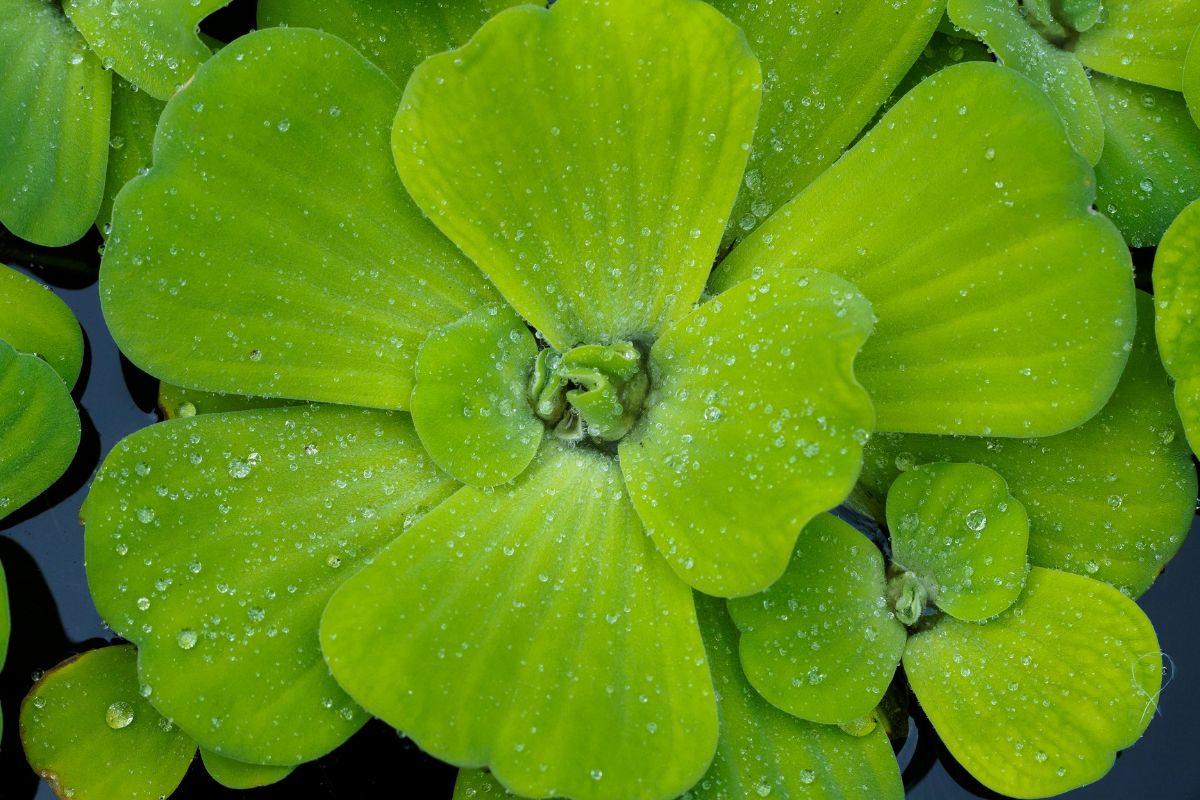
A scientific study by An Giang University, Vietnam National University, Ho Chi Minh City, and the An Giang Center for Rural Clean Water and Environmental Sanitation has demonstrated the potential of water lettuce (Pistia stratiotes) for treating piggery wastewater under natural conditions. The findings show that treatment performance varies with the initial biomass density and the pollutant being targeted. The approach offers a low-cost, environmentally friendly biological treatment option with potential for application by pig farms and household producers in Viet Nam.
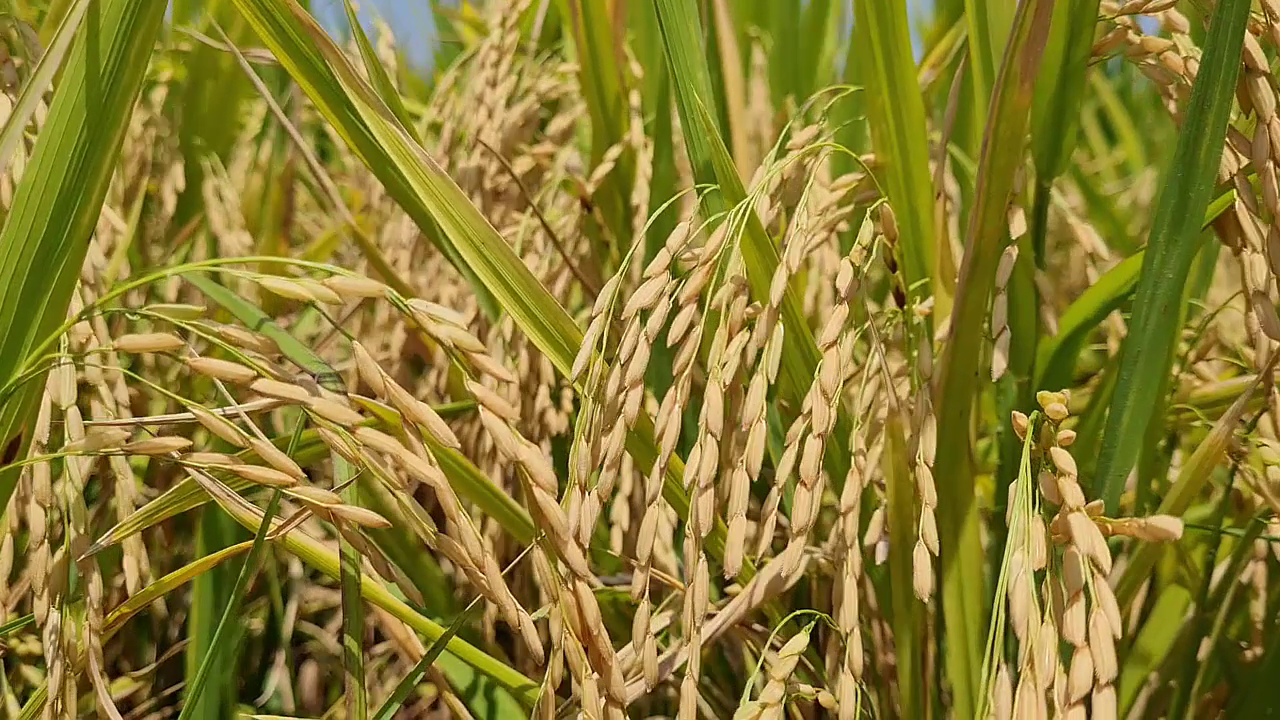
A study of 180 local rice accessions conserved at the Plant Resources Center revealed diversity in subspecies classification and grain quality traits. Within this germplasm collection, researchers identified eight accessions with promising characteristics, including aroma, low amylose content, and low to intermediate gelatinization temperatures, providing additional genetic resources for conservation and the breeding of high-quality rice varieties.
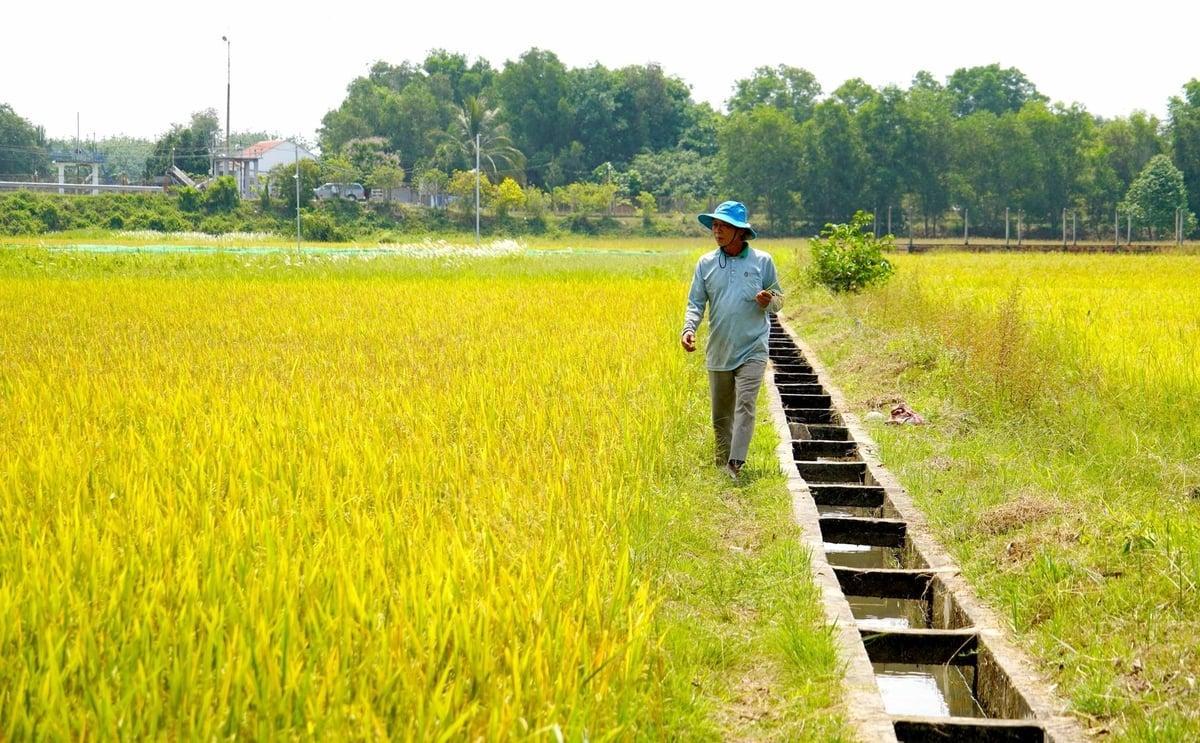
In low-lying areas of the former Cu Chi district, located in northwestern Ho Chi Minh City, seasonal flooding occurs alongside agricultural production and urbanization, creating various pressures on soil quality and its capacity for recovery. A study by Nguyen Thi Oanh, Phan Lieu, Truong Vinh Hai, and Tran Minh Tien found clear differences in soil health among rice cultivation, vegetable farming, and fruit orchards, with distinct patterns of chemical and biological degradation. The integration of multiple indicators through Principal Component Analysis (PCA) not only helped identify these differences but also provided a scientific basis for guiding soil management and restoration measures in peri-urban agricultural wetlands.
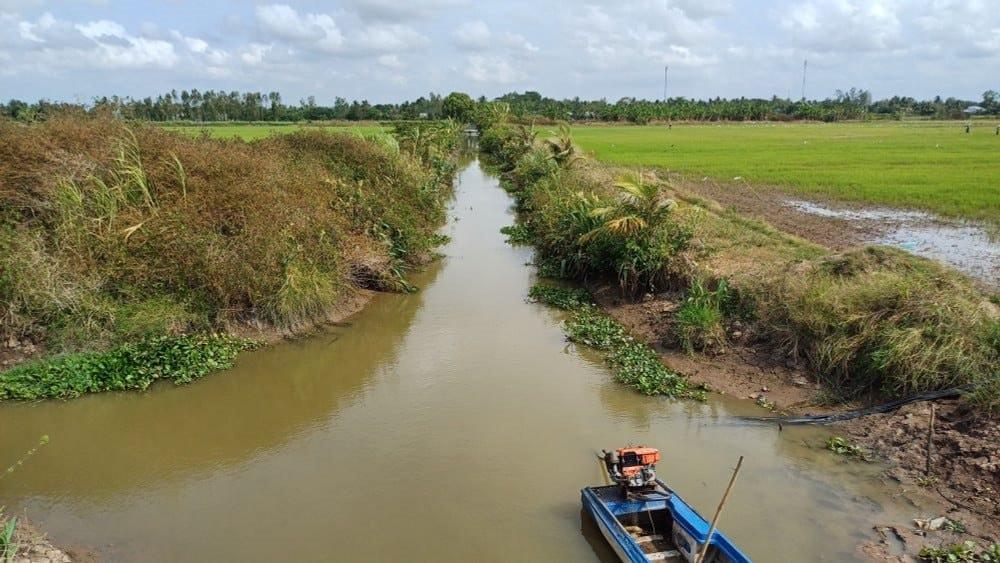
Saline intrusion is posing growing challenges to agricultural production in the lower Hau River region, where agricultural land use is closely linked to water availability. A study conducted in the former Soc Trang province, now part of Can Tho city, assessed saline intrusion risk to agricultural land use in 2024 under the RCP 4.5 and RCP 8.5 climate change scenarios for 2030 and 2050. The results show that the area of rice cultivation affected by higher salinity levels tends to increase, providing an additional scientific basis for land use planning and the selection of appropriate adaptation-oriented farming systems.
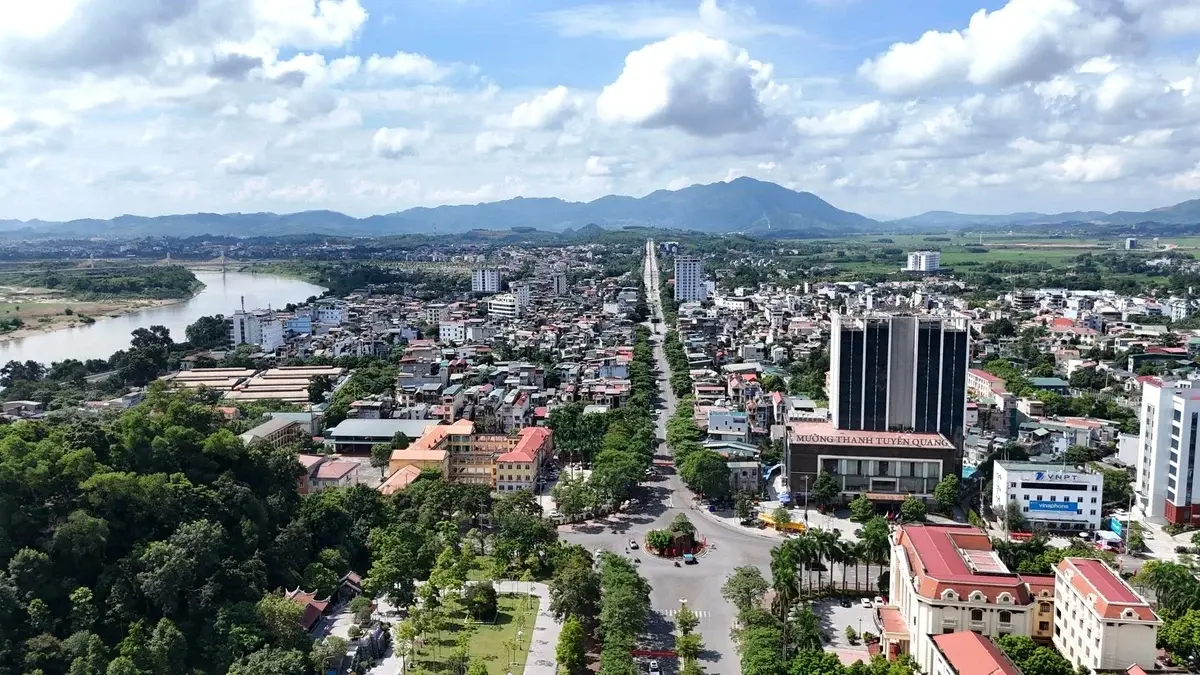
As land management becomes increasingly digitized, greater attention is being paid to organizing data in an integrated manner and making it accessible through digital mapping platforms. A study by Nguyen Dinh Trung of the Faculty of Natural Resources and Environment, Viet Nam National University of Agriculture, developed a land price database for four wards in Tuyen Quang Province by combining cadastral data, land price information, and field survey results. The database was organized using a GIS-based approach, linking land price information to individual land parcels and facilitating data updating and retrieval.