



 On December 5, the 4th Meeting of the Food Safety Technical Working Group (FSTWG) was convened under the co-chairmanship of the Ministry of Agriculture and Environment, the International Livestock Research Institute (ILRI), and development partners within the One Health Partnership (OHP) framework.
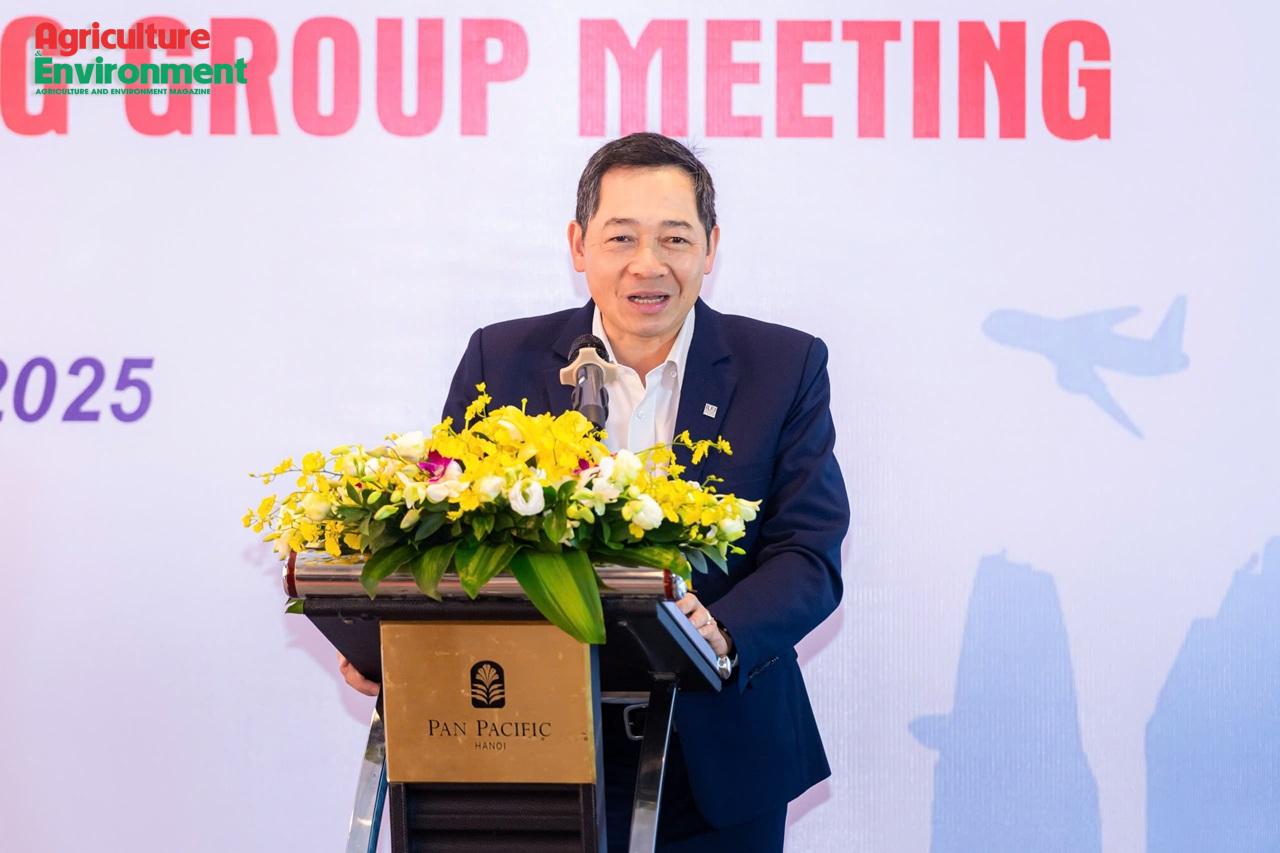
In his opening remarks, Dr. Nguyen Viet Hung, ILRI Regional Representative for Asia, emphasized that 2025 marks the 10-year anniversary of the Food Safety Technical Working Group (FSTWG) in Vietnam. He noted that the group was established to provide a platform for experts, government agencies, and development partners to share information, collaborate, and contribute to the development of national food-safety policies, while promoting comprehensive supply-chain management “from farm to table” and addressing a wide spectrum of risks.
Dr. Nguyen Viet Hung reiterated ILRI’s commitment to supporting stronger partnerships among national and international institutions to advance food safety, while gradually transferring leadership to domestic organizations to ensure long-term sustainability and effectiveness.
Reflecting on a decade of the Working Group’s operation in Viet Nam, Mr. Pawin Padungtod, Senior Technical Coordinator at the Food and Agriculture Organization of the United Nations (FAO), emphasized that improving food safety is a collective endeavor that requires scientific evidence, coherent policies, innovation, and sustained commitment. The group’s continuity, he noted, reflects the trust, openness, and shared objectives cultivated within this community over the years.
“FAO is committed to working closely with Government agencies and development partners to enhance food-safety and hygiene practices across priority value chains, including pork, poultry, and aquaculture. This includes conducting hazard assessments, developing risk-management strategies, and strengthening risk communication to expand safe-food production while reducing antimicrobial resistance risks,” Mr. Padungtod affirmed.
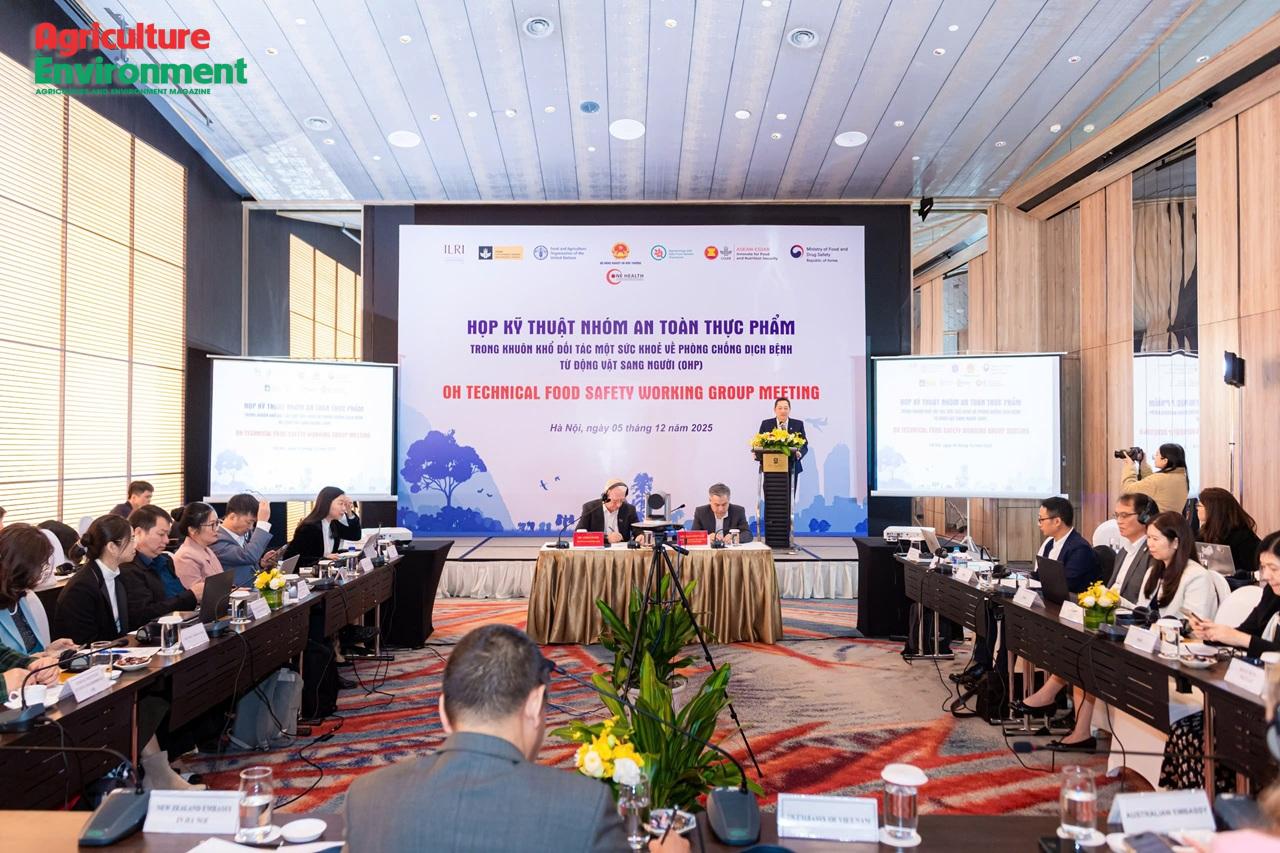
During the meeting, delegates shared updates and lessons learned from key food-safety initiatives. Ms. Nguyen Hong Minh, Food Safety Specialist at FAO, reported that the One Health project conducted national-level food-safety risk assessments, strengthened risk-management capacity for foodborne diseases through coordinated efforts, and improved risk-communication capacity by engaging stakeholders across the food chain.
The SafeGRO project (Canada) also presented intervention outcomes in vegetable and meat value chains, support for regulatory development, and community awareness-raising. Representatives from ILRI, NIFC, line ministries, and private-sector entities contributed perspectives on ongoing activities, including risk assessment, communication, surveillance, and interventions in markets, slaughterhouses, and retail systems.
Summarizing the discussions, Mr. Pham Doan Lan, Acting Director of the National Institute of Animal Science, reaffirmed that food safety continues to be a priority pillar of the One Health Partnership Framework—reflecting urgent demands amid increasing cases of food poisoning, foodborne diseases, and antimicrobial resistance (AMR), and continuing the momentum from the 2nd and 3rd meetings. He proposed deepening risk-based and supply-chain approaches “from farm to table,” including applying risk assessments, standardizing laboratory testing, strengthening surveillance in high-risk settings such as traditional markets and small-scale slaughterhouses, as well as enhancing AMR monitoring and expanding the use of whole-genome sequencing (WGS).
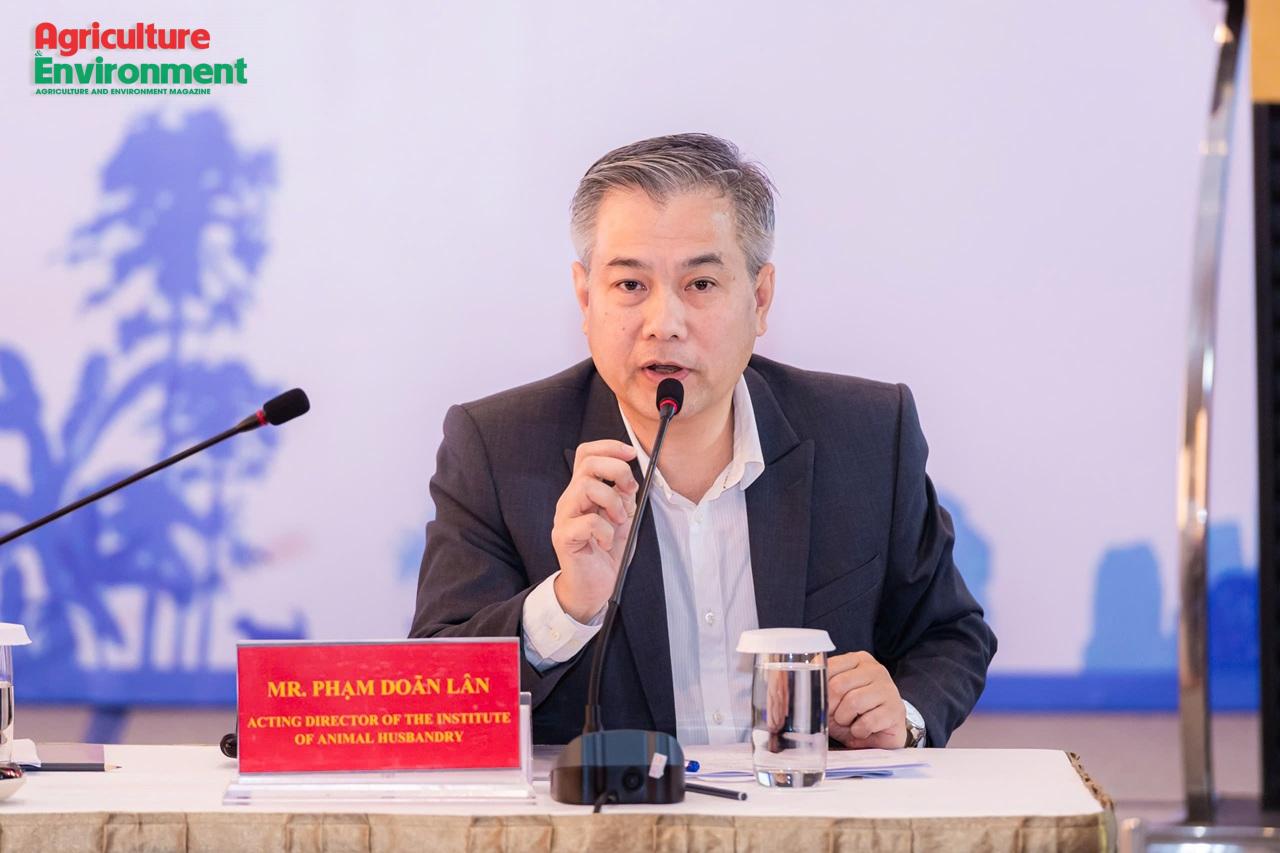
He further stressed the foundational role of science, data, and early-warning systems, calling for strengthened laboratory-analysis capacity, multisectoral data sharing, and standardized traceability. Public–private partnerships and active engagement from businesses were highlighted as essential, particularly in monitoring, technological innovation, and piloting model interventions. Mr. Pham Doan Lan also emphasized the importance of awareness-raising and risk communication to encourage behavior change among producers, processors, transporters, retailers, restaurants, and consumers through consistent, accessible, multisectoral communication.
At the 4th Meeting, FSTWG delegates discussed and outlined key food-safety priorities for 2026–2030. A top priority is the modernization and harmonization of the national food-safety regulatory framework, including reviewing and updating the Law on Food Safety, microbiological standards, and risk-assessment criteria, while aligning national standards with major export markets such as the EU, Japan, and the United States. Strengthening surveillance, laboratory testing, and rapid-alert systems was also identified as essential, including upgrading laboratories to international standards and piloting whole-genome sequencing (WGS) and AMR surveillance for food products.
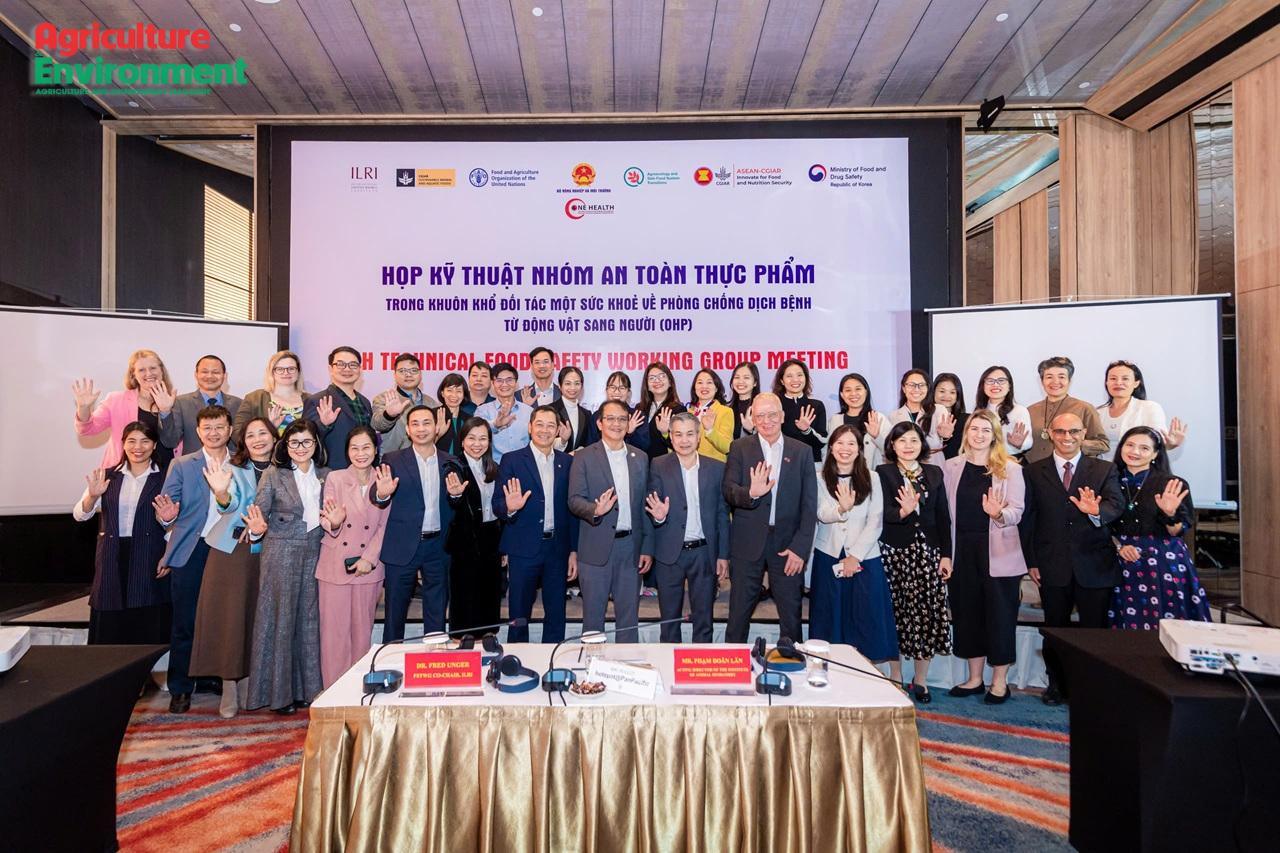
Experts emphasized the importance of applying the One Health approach to food-safety control through enhanced intersectoral coordination and data sharing on epidemiology, microbiology, AMR, and food testing. Delegates further proposed developing value-chain-based and risk-based food-safety models, piloting them in key provinces, and expanding safe-market models, certified safe slaughterhouses, and high-tech retail systems.
During the meeting, the Secretariat recognized the long-standing contributions of Mr. Fred Unger, whose sustained support over many years has greatly benefitted Vietnam’s agriculture sector and strengthened the effective co-chairing of the Food Safety Working Group.
The recommendations and commitments made at the meeting will contribute substantially to Viet Nam’s efforts to build a transparent, accountable, and sustainable food-safety system, while strengthening national capacity to prevent foodborne diseases and promote agricultural trade.
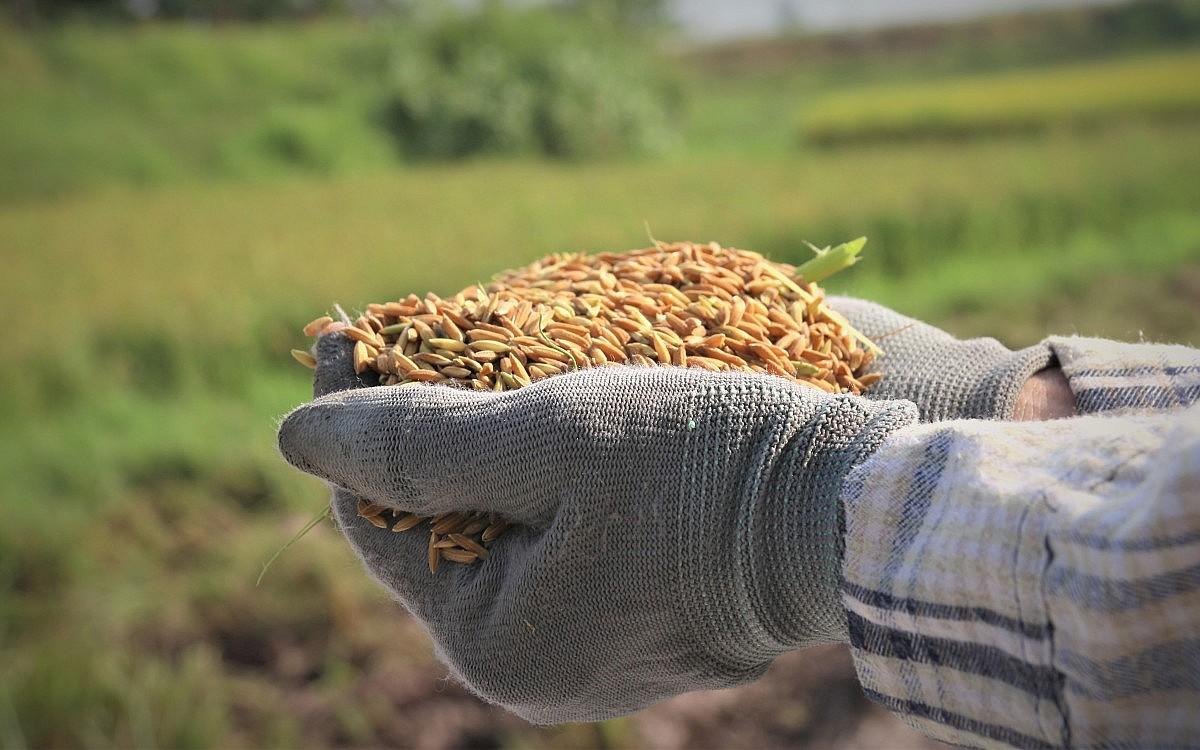
Policies achieve lasting impact only when they translate into changes in production practices. This is particularly true of efforts to reduce food loss and waste: setting reduction targets or encouraging the productive use of agricultural by-products will have limited effect unless producers can see clear economic returns and businesses have access to sufficiently stable markets.

Viet Nam has gradually established a policy foundation for reducing food loss and waste (FLW), increasingly linking the issue to sustainable development, the circular economy, and food system transformation. The challenge in the next phase is therefore not to start from scratch, but to connect existing policies into a coherent, data-driven governance framework that prioritizes prevention and is supported by sufficiently strong coordination mechanisms to drive action at the national level.
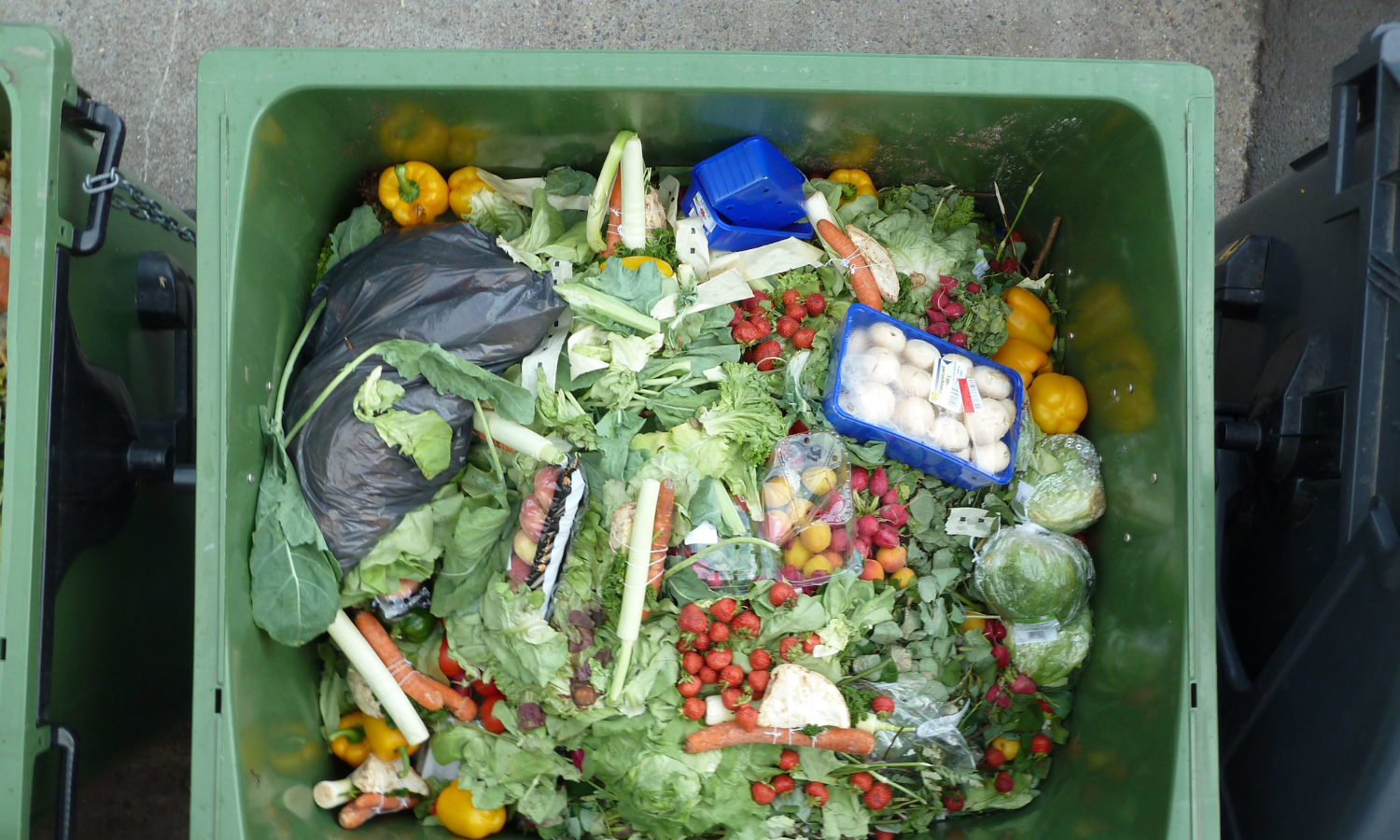
International experience suggests that food loss and waste (FLW) is not a problem that can be resolved through a single policy measure. Effective action requires institutions capable of coordinating stakeholders, data that can identify where losses occur, regulations that do not create unnecessary barriers, and mechanisms that allow businesses and communities to participate.
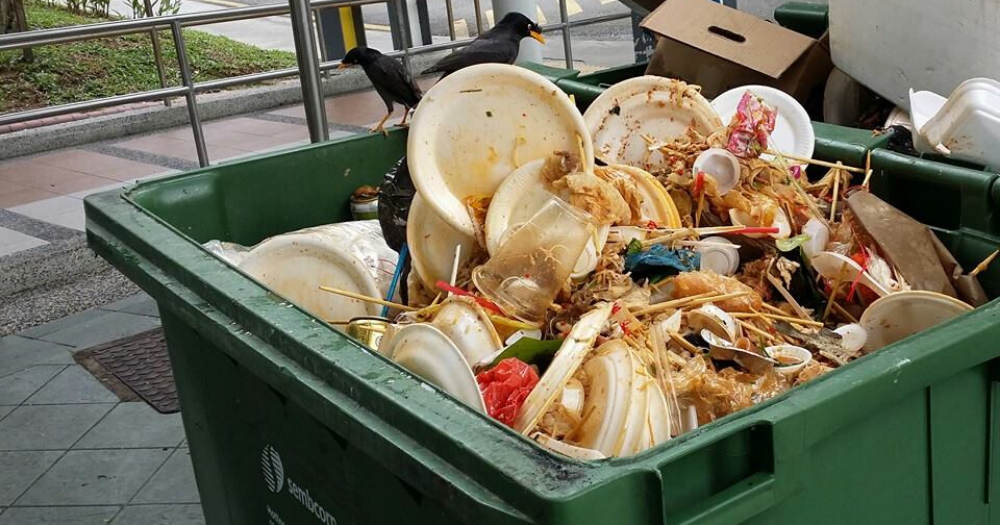
Food loss and waste are emerging as major bottlenecks in global agrifood systems, with large quantities of food lost or discarded despite the land, water, energy and labor invested in producing it. In Viet Nam, the issue not only diminishes the value of agricultural products but also generates substantial economic, environmental and social costs. Research on selected value chains shows that food losses occur throughout the chain, from production and harvesting to transportation, post-harvest handling and storage, while food waste continues to arise at the retail, food service and household levels. A clear understanding of the current situation is essential for Viet Nam to further strengthen its policies to reduce food loss, curb food waste and improve the efficiency of the agrifood system as a whole.

Resolution No. 36/2026/NQ-CP and new regulations on growing-area codes (GACs) and packing-facility codes (PFCs) are prompting changes in how these codes are managed, registered, and maintained. At a training session on implementation of the new regulations held on August 20, government officials and experts focused on procedural changes, requirements for digitizing records, and the supporting role of agricultural extension services at the local level.