



 As Viet Nam’s fisheries sector approaches an output of nearly 10 million tonnes and export turnover exceeding $11.3 billion in 2025, a national conference has called for a fundamental shift toward a development model driven by science, technology and innovation. Mounting bottlenecks in logistics, seed supply, environmental management and the application of research have made technological advancement not just a policy choice, but a prerequisite for sustaining growth and improving competitiveness in global value chains.
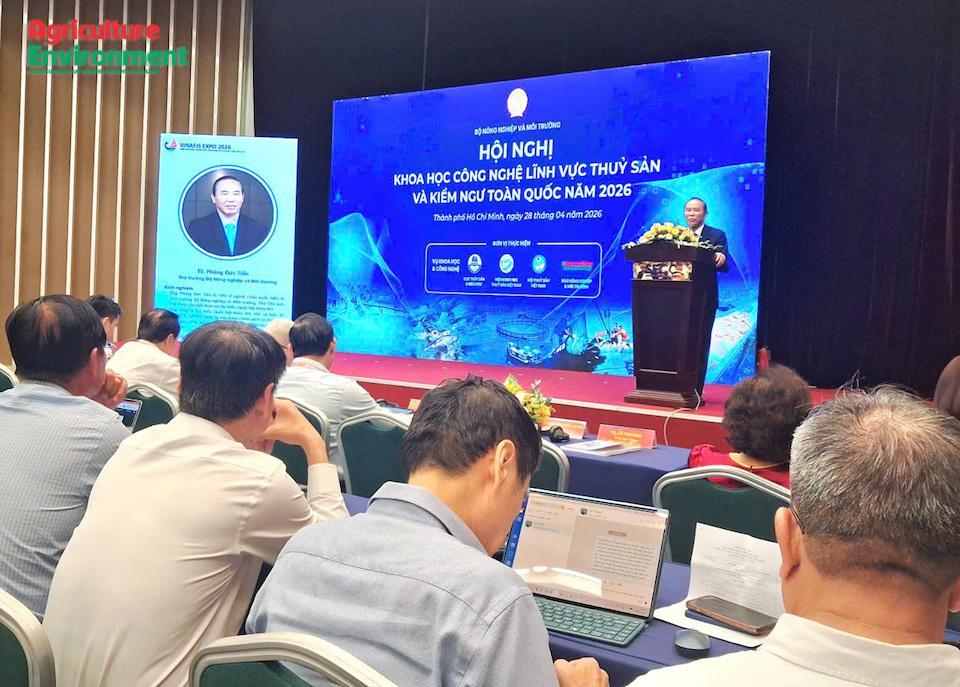
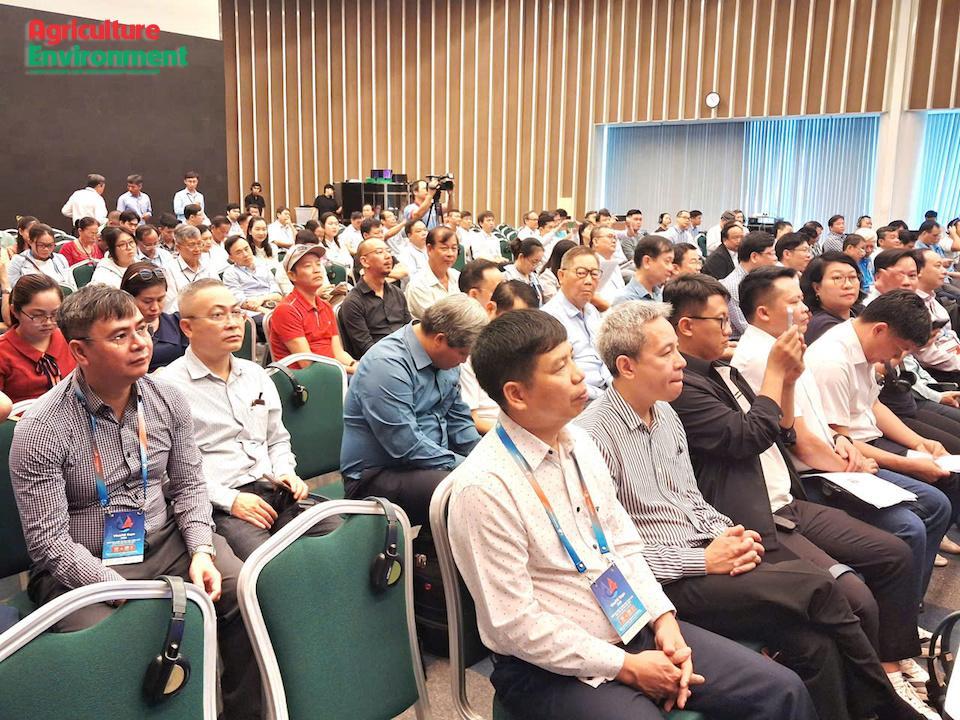
On April 28, 2026, in Ho Chi Minh City, the Ministry of Agriculture and Environment held the 2026 National Conference on Fisheries Science, Technology and Fisheries Surveillance within the framework of the first Vietnam International Fisheries Technology Expo (VinaFis Expo 2026). Beyond an academic forum, the event also served as a policy dialogue platform, bringing together policymakers, scientists, businesses, international organizations, local authorities and fishing communities.
According to the organizers, the conference featured 29 scientific papers reflecting the current state of research and application of science and technology in fisheries and fisheries surveillance. Discussions focused on challenges and proposed solutions for the 2026–2030 period, targeting stable annual growth of 4–5 percent.
Growth pressures despite record output
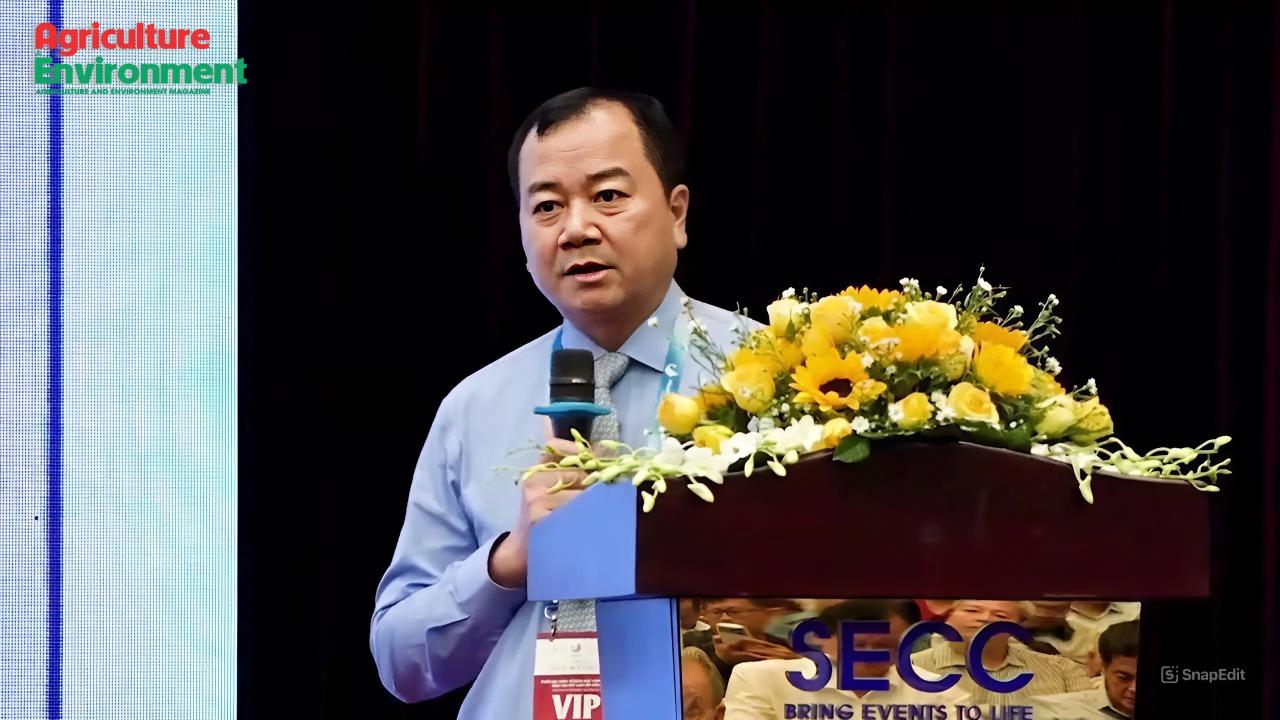
Tran Dinh Luan, Director General of the Fisheries and Fisheries Surveillance Authority under the Ministry of Agriculture and Environment, said Viet Nam has strong advantages for fisheries development, including diverse natural conditions and rich aquaculture ecosystems. However, rising market requirements and intensifying competition are pushing the sector to restructure by reducing capture fisheries and expanding aquaculture, particularly high-tech aquaculture, while gradually removing market barriers and strengthening competitiveness.
Data presented at the conference showed robust growth alongside increasing pressures. In 2025, total fisheries output reached about 9.5 million tonnes, the highest level on record and close to the 10-million-tonne threshold. Aquaculture output exceeded 6.1 million tonnes, remaining the primary growth driver, while capture fisheries output stood at 3.8–3.9 million tonnes, declining by an average of 0.9 percent annually. The trend reflects efforts to shift production toward aquaculture to protect aquatic resources and promote sustainable development.
Fisheries exports surpassed $11.3 billion, maintaining Viet Nam’s position among the world’s leading seafood exporters. Out of the total agro-forestry-fishery export turnover of $70.61 billion, fisheries accounted for a significant share, contributing to overall economic stability amid global uncertainties.
However, growth figures mask mounting challenges. The sector faces increasing impacts from climate change, particularly in the Mekong Delta, where saltwater intrusion, sea-level rise and extreme weather are directly affecting productivity and production stability. Environmental degradation and disease outbreaks have reduced efficiency in many aquaculture areas.
At the same time, stricter international trade requirements, especially on traceability and combating illegal, unreported and unregulated (IUU) fishing, are forcing improvements in governance and transparency across the value chain. Environmental protection and emissions reduction targets are also driving the transition toward green and circular economic models.
These factors highlight a critical transition: from expansion-driven growth to development based on quality, efficiency and value addition, with science and technology as the foundation.
Technology as a core growth driver
Opening the conference, Deputy Minister of Agriculture and Environment Phung Duc Tien said that despite continued challenges in 2025, the sector’s achievements remain significant. Fisheries output reached 9.5 million tonnes and export turnover exceeded $11.3 billion, contributing to the sector’s total export value of $70.61 billion and reinforcing its role as a pillar of the national economy.
However, he stressed that current gains are insufficient to ensure long-term sustainability. Science and technology, while contributing to growth, have not yet become the main driving force. Many research projects remain fragmented, lack value chain linkages and are not closely aligned with business and market needs. A number of completed projects have not been applied in practice, leading to inefficiencies in public investment.
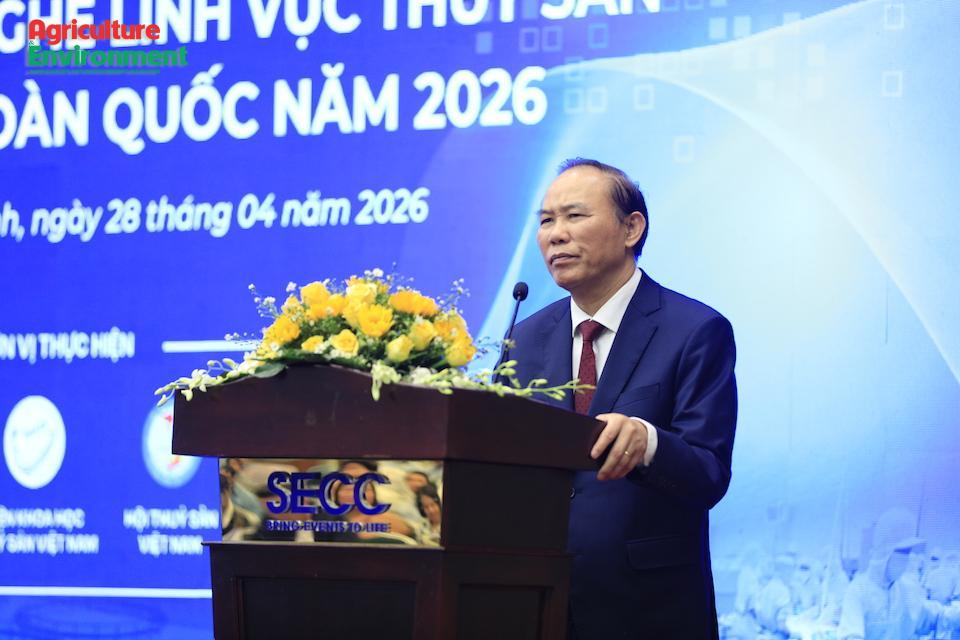
The Deputy Minister noted that the sector has 12,427 scientific personnel, including 44 professors, but the utilization of this workforce remains suboptimal. Meanwhile, the private sector, operating under full financial autonomy, has demonstrated stronger adaptability and efficiency, particularly in technology application and production organization.
He also pointed to systemic bottlenecks undermining competitiveness. Logistics costs can account for as much as 60–70 percent of product costs, significantly reducing the competitiveness of Vietnamese seafood. The sector consumes around 5.9 million tonnes of aquafeed annually but remains heavily dependent on imported inputs, increasing costs and supply risks.
Environmental challenges in aquaculture were also highlighted. Field surveys in the Mekong Delta show that some areas are no longer suitable for farming or have seen declining productivity due to pollution and disease. Although monitoring systems exist, data processing and utilization remain limited and have yet to effectively support production management and optimization.
From these constraints, the Deputy Minister called for a shift in the science and technology development model—from fragmented research to value chain-based approaches, linked with the circular economy and digital transformation. He emphasized the need to develop the science and technology market and promote commercialization of research outcomes.
He also underscored the need to reform management mechanisms and resource allocation to incentivize innovation and enable scientists to generate legitimate income from their work. Strengthening linkages among the State, scientists and businesses, along with expanding international cooperation in research and technology transfer, was identified as key to making science and technology a core growth driver rather than a supporting factor.
Research expansion, limited impact
Nguyen Huu Ninh, Deputy Director of the Department of Science and Technology under the Ministry of Agriculture and Environment, reported that the 2021–2025 period saw significant expansion in research scale and scope in fisheries and fisheries surveillance.
A total of 113 science and technology tasks were implemented with combined funding of more than VND 336 billion, covering areas such as biotechnology, selective breeding, aquaculture, capture fisheries, and post-harvest preservation and processing.
Of these, 60 tasks have been completed and accepted, including ministerial-level projects, key tasks, pilot production projects and genetic resource conservation programs.
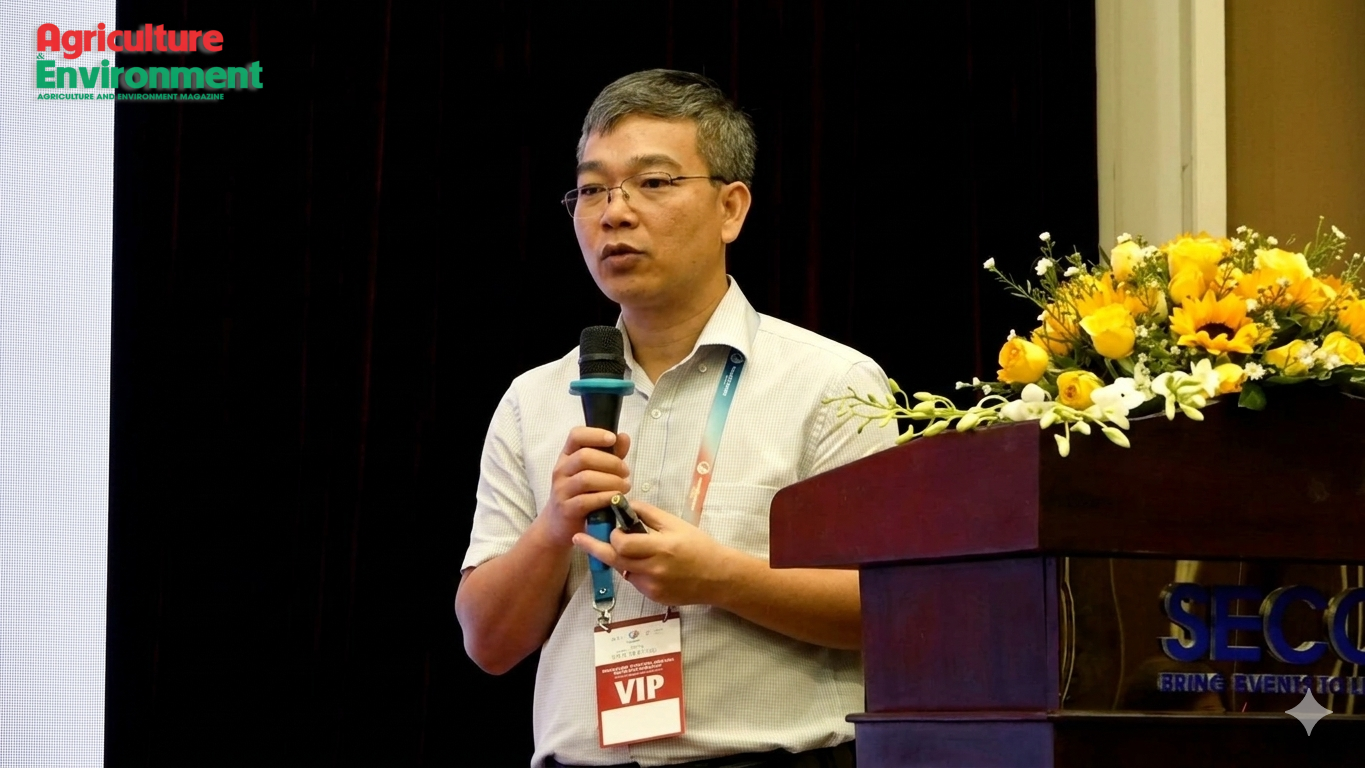
One notable outcome is the widespread application of science and technology, with around 90 percent of aquaculture area and output incorporating technical advances. Intensive, super-intensive and recirculating aquaculture systems, along with biological products and environmental control technologies, have been widely adopted, helping reduce costs, increase productivity and limit environmental impacts.
In breeding, research institutions have developed 12 new varieties and recognized 27 technical advances, focusing on key species such as shrimp and freshwater and brackish-water fish. These varieties, offering faster growth, higher disease resistance and better adaptability, have been deployed in production, supplying millions of fingerlings to key farming regions such as the Mekong Delta and the South Central Coast. New high-value species, including marine fish, mollusks and cold-water species, have also been successfully bred and transferred.
Technological advances in capture fisheries, post-harvest handling, processing and logistics have contributed to improved efficiency, reduced losses and enhanced product value.
According to Deputy Director Nguyen Huu Ninh, these advances have helped maintain annual growth of 4–5 percent, increase incomes and support local economic development. However, overall efficiency remains below expectations relative to the sector’s potential and investment levels.
Nguyen Van Long, Director of the Department of Science and Technology, said commercialization rates remain low and the number of technologies successfully transferred into production is limited. Supporting services such as consulting, technology transfer and technology exchanges remain underdeveloped, restricting the diffusion of innovations across the sector. As a result, many research outcomes are not widely applied, reducing investment efficiency.
Persistent bottlenecks in feed, seed and logistics
At the conference, Nguyen Van Long, Director of the Department of Science and Technology under the Ministry of Agriculture and Environment, said bottlenecks in the fisheries sector were systemic rather than isolated, affecting the entire value chain from production to consumption.
In the seed segment, despite some progress, domestic supply has yet to meet demand in both quantity and quality. The sector still relies heavily on imported broodstock, while the development of high-quality domestic breeding programs remains slow. Notably, around 50% of pangasius and black tiger shrimp seed is not quality-controlled, posing risks to productivity, product quality, and disease management.
Feed remains another major constraint. The sector consumes about 5.9 million tonnes of feed annually, but most raw materials are imported, making production costs vulnerable to global market fluctuations. Feed costs can account for 60–70% of total production costs, significantly affecting competitiveness.
Processing technology is assessed at a medium to upper-medium level, with an annual equipment renewal rate of only around 7%. While some large enterprises have invested in advanced technologies that meet standards in demanding markets such as the United States, the European Union, and Japan, most processing facilities continue to operate outdated lines with high material and energy consumption.
Logistics continues to be a major bottleneck. Services remain fragmented, small-scale, and poorly connected, with a lack of large integrated logistics centers. High logistics costs — accounting for up to 60–70% of product costs — significantly reduce the competitiveness of Vietnamese seafood in global markets.
In addition, the sector’s innovation ecosystem remains underdeveloped. The lack of innovation hubs, startup incubators, and digital infrastructure has limited access to and adoption of new technologies among small enterprises, cooperatives, and farmers. The import of turnkey technologies continues to dominate, while collaboration between businesses and domestic research institutions remains limited.
These constraints indicate that improving competitiveness cannot rely on isolated technical improvements, but requires a comprehensive and coordinated strategy across breeding, feed, processing technology, logistics, and the science and technology market.
Shift toward higher-value, tech-led production
According to Tran Dinh Luan, Director of the Department of Fisheries and Fisheries Surveillance, the sector’s development strategy to 2030, with a vision to 2045, aims to position fisheries as a key economic sector, based on large-scale, modern, sustainable production with global competitiveness.
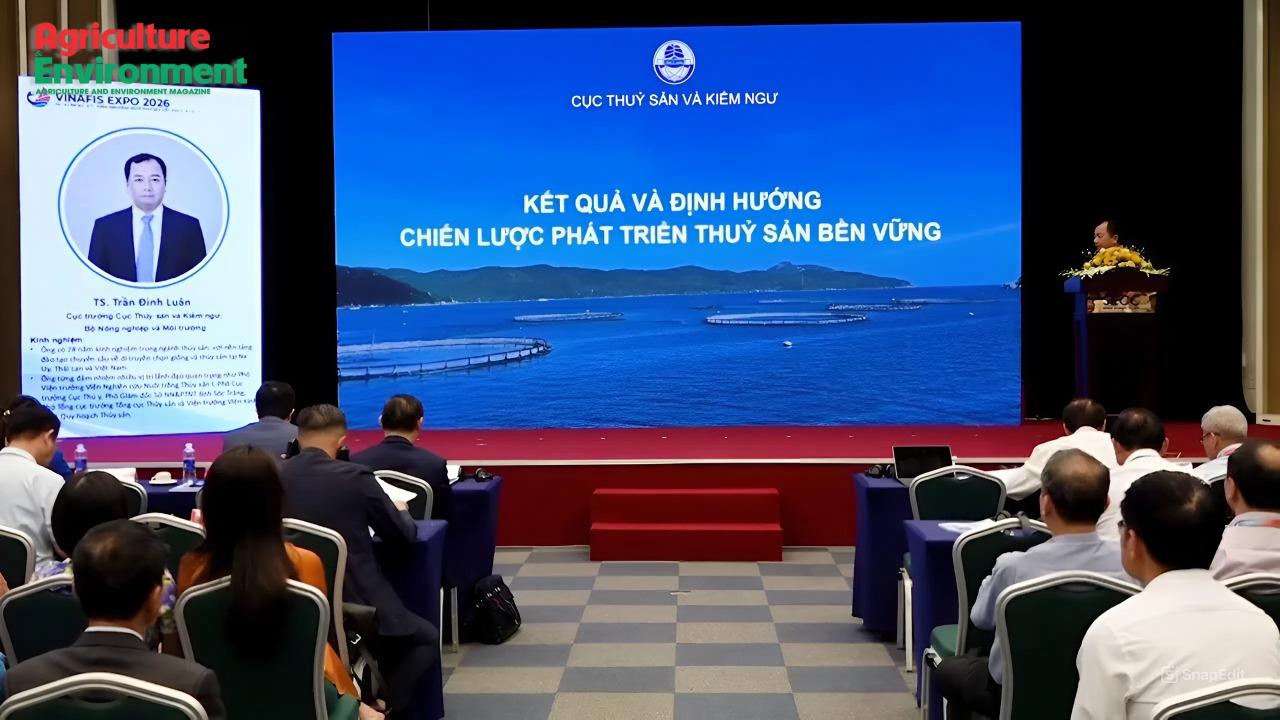
To achieve this, the sector will shift from a production-oriented to an economic mindset, from single-value to multi-value approaches, while promoting offshore aquaculture, reducing capture fisheries, and strengthening resource protection.
From a scientific perspective, Dang Thi Lua of the Research Institute for Aquaculture Science said next-generation biotechnology and genetics will play a central role. Viet Nam needs to gradually gain control over broodstock, replacing imported parent stock with high-performance domestic lines adapted to local environmental conditions.
Experts at the conference also highlighted the importance of vaccines and biological products to shift from antibiotic-based disease control to comprehensive health management, improving food safety and reducing environmental impacts.
In feed production, new technologies such as alternative protein sources and artificial intelligence applications in feeding management are expected to reduce costs and waste, improving efficiency and sustainability.
For marine aquaculture, Tran Dinh Luan said the sector will shift from nearshore to offshore farming by 2030, using modern materials such as high-density polyethylene and composite structures to replace traditional cages. The application of robotics and unmanned equipment is also expected to improve operational efficiency and reduce risks for workers.
Digital transformation was identified as an irreversible trend. Building a fisheries big data system, digitizing production activities, and applying blockchain technology for traceability will enhance transparency and meet increasingly stringent international market requirements.
In processing, the strategy will focus on deep processing and value addition. The use of by-products to produce high-value items such as collagen, chitosan, and omega-3 fatty acids is seen as a key direction, contributing to both economic efficiency and the development of a circular economy.
The conference underscored a consistent message: science and technology must become the central driver of growth rather than a supporting factor.
Achieving the goal of building a modern, sustainable, and globally competitive fisheries sector will depend on addressing systemic bottlenecks and developing an effective innovation ecosystem linking the State, scientists, and businesses.
If these strategies are implemented effectively, Viet Nam’s fisheries sector could emerge as a leading global hub for deep seafood processing by 2045, contributing to economic growth, sustainable development, and the country’s position in global value chains.
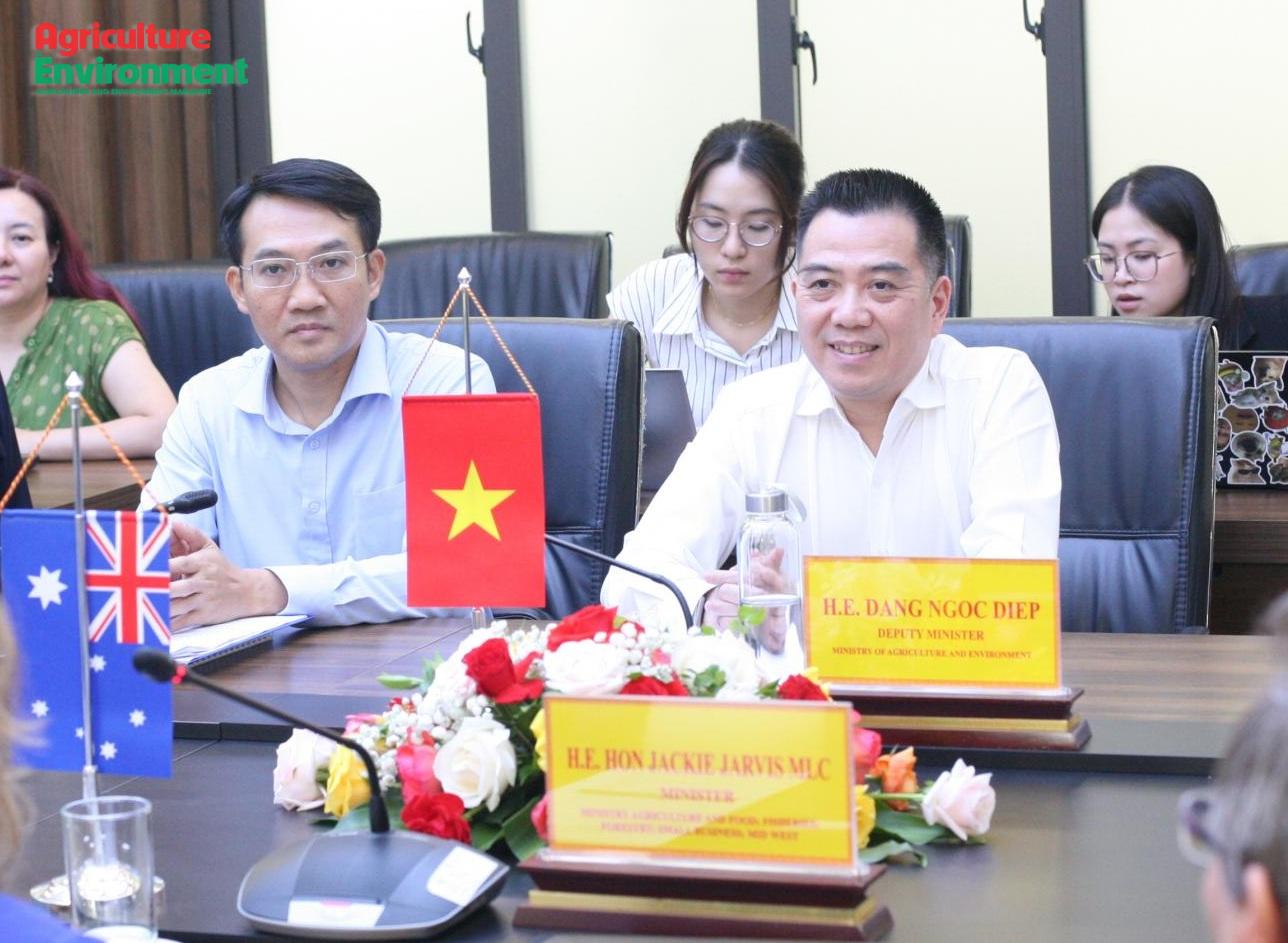
The September 24 meeting between Deputy Minister of Agriculture and Environment Dang Ngoc Diep and Hon Jackie Jarvis MLC, Western Australia’s Minister for Agriculture and Food; Fisheries; Forestry; Small Business; and the Mid West, highlighted scope for expanding Viet Nam-Australia cooperation beyond trade in agricultural, forestry and fishery products to science and technology, climate change adaptation, biosecurity and the marine economy. The two sides also discussed strengthening business links, addressing technical issues and turning areas of potential into concrete cooperation programs.
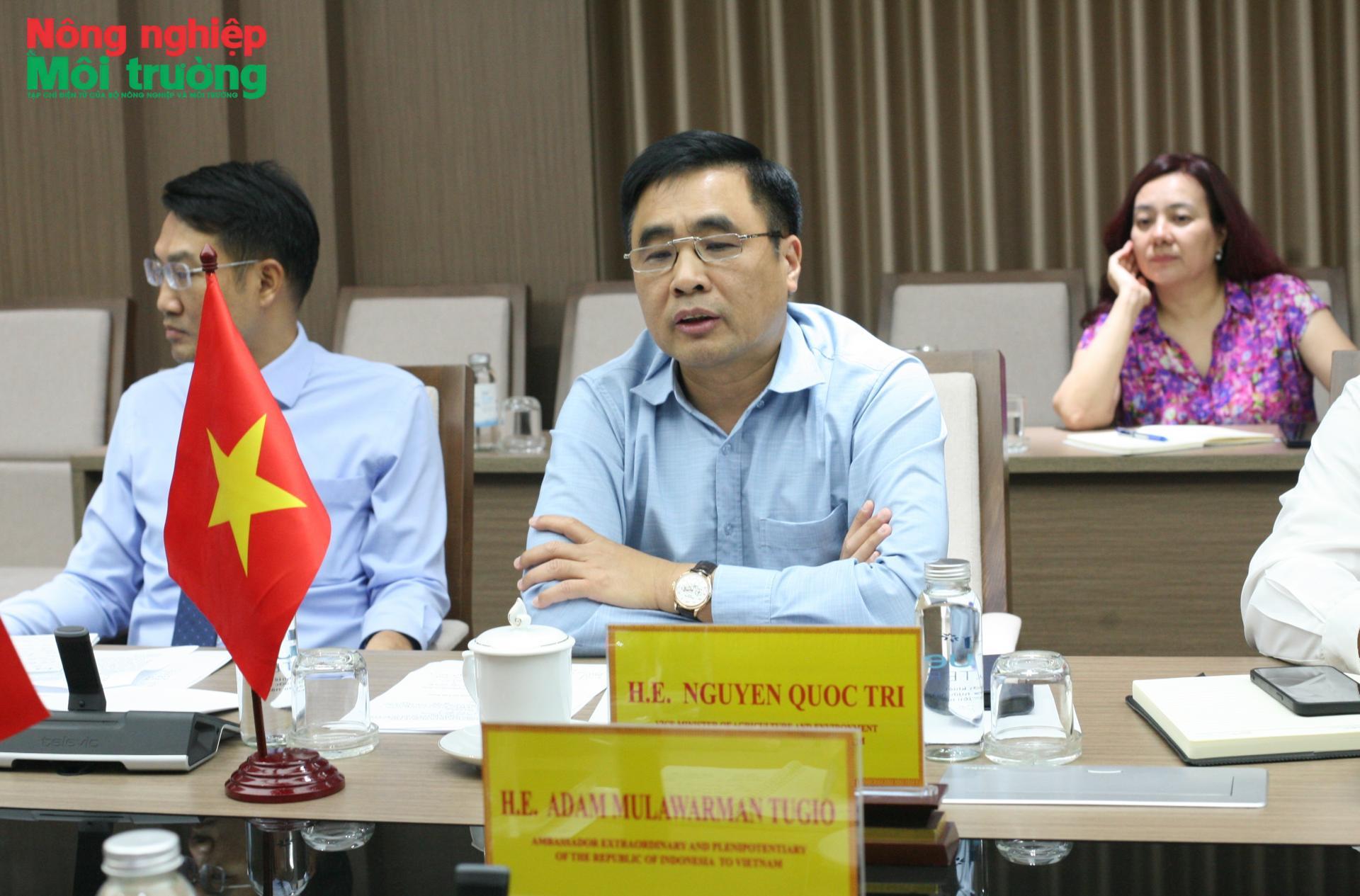
A meeting between Deputy Minister of Agriculture and Environment Nguyen Quoc Tri and Indonesian Ambassador to Viet Nam Adam Mulawarman Tugio on September 22 highlighted the specific market issues shaping agricultural cooperation between the two countries. From Halal products and fisheries to livestock and veterinary vaccines, expanding bilateral trade is closely tied to standards, quarantine requirements, technical dossiers and business connections.
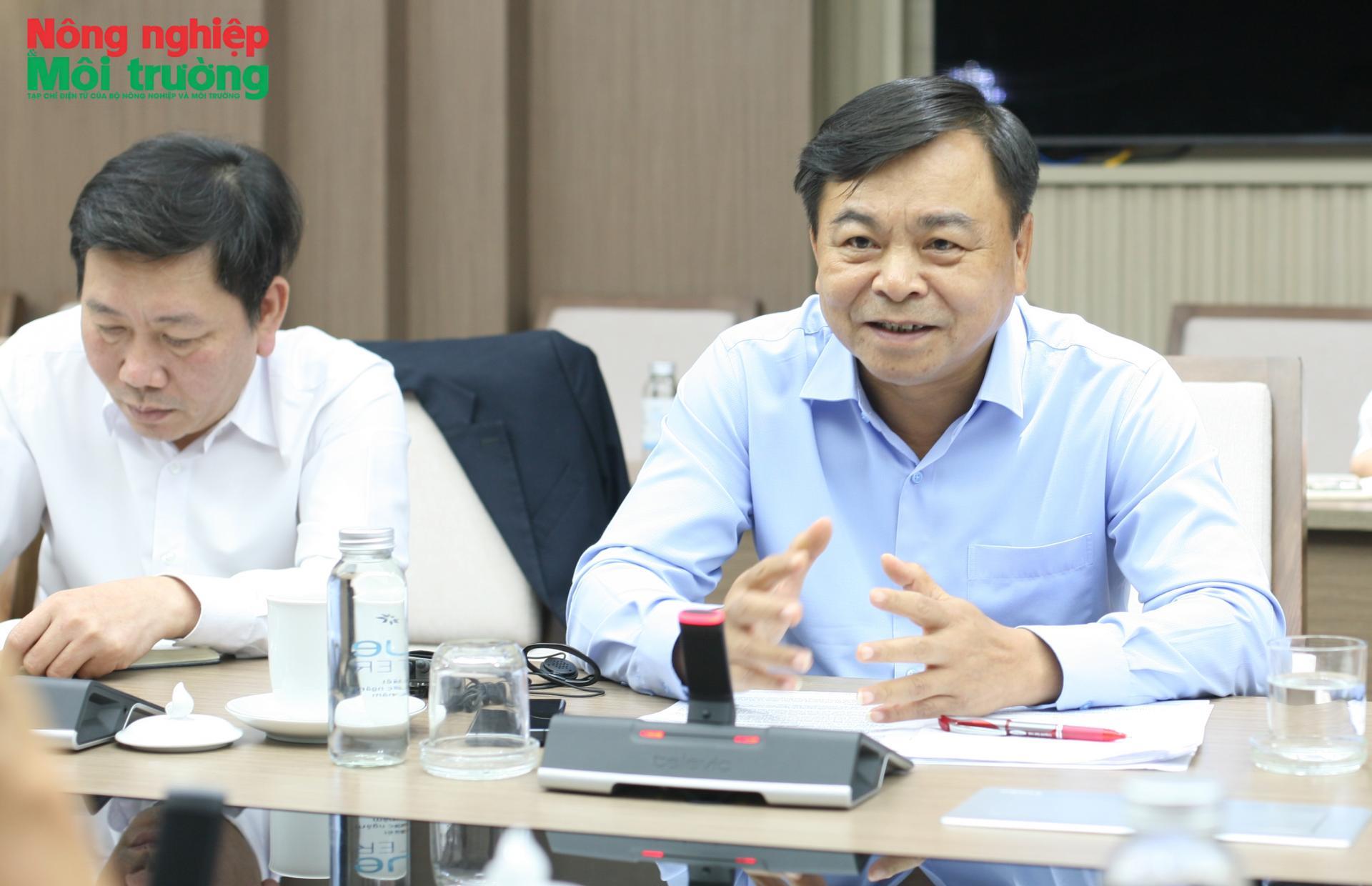
Deputy Minister of Agriculture and Environment Nguyen Hoang Hiep met with a World Bank (WB) delegation on September 9 to discuss the AgriConnect initiative. The meeting focused on ways to better connect public investment, policy and private capital to the development of agricultural value chains.
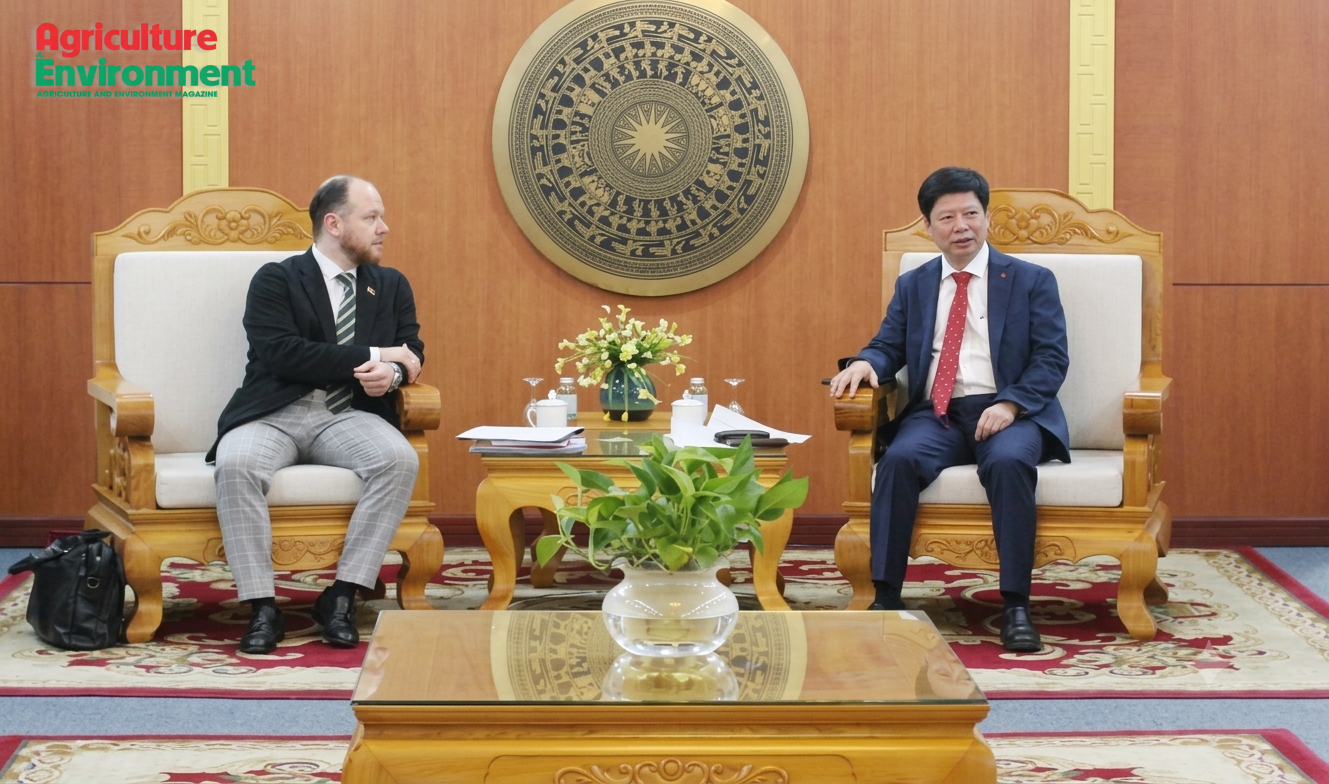
The licensing of four Belarusian companies to export boneless beef to Viet Nam, with the first shipment entering the Vietnamese market in April 2026, marks a concrete result in efforts to address market-access procedures between the two countries. In the opposite direction, the number of Vietnamese companies authorised to export meat and seafood to the Eurasian Economic Union (EAEU) is only about one-sixth the number of Belarusian companies authorised to export to Viet Nam, pointing to further scope for addressing technical barriers and expanding market opportunities for Vietnamese agricultural products.
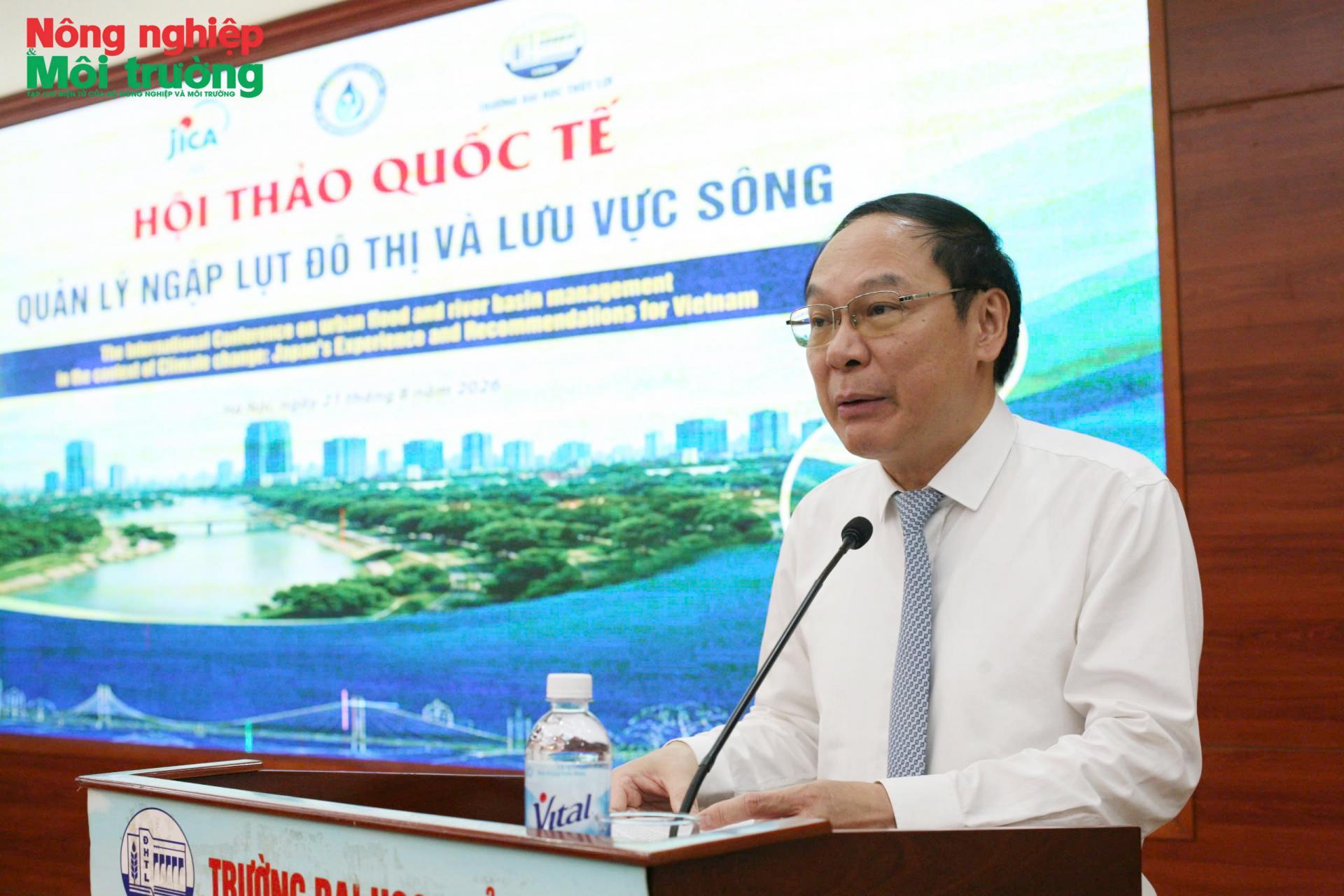
Urban flooding is increasingly influenced by a combination of heavy rainfall, river flows, tides, water-storage capacity, land use and urban spatial planning. At the international conference on “Urban flood and river basin management in the context of climate change: Japan’s experience and recommendations for Viet Nam”, held in Hanoi on August 21, Deputy Minister of Agriculture and Environment Le Cong Thanh said the issue should be addressed as part of integrated water resources management, urban planning and disaster risk governance, rather than being treated solely as a drainage problem within individual cities.